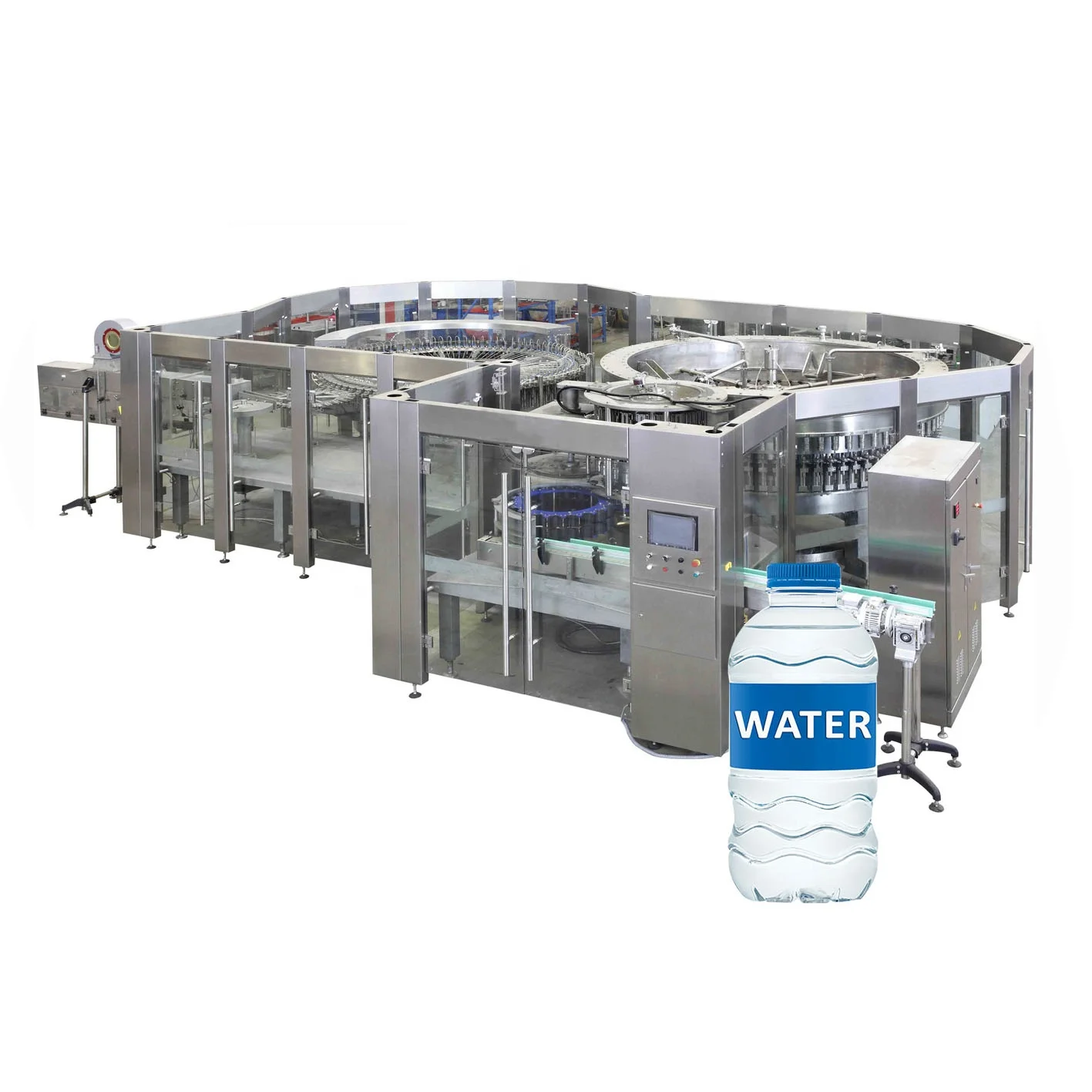
The bottled water industry continues to thrive globally, fueled by increasing consumer demand for safe, convenient, and portable drinking water. For entrepreneurs and investors looking to tap into this lucrative market, setting up a bottled water production line requires careful planning, a clear understanding of operational processes, and accurate capital budgeting. From securing a water source to investing in packaging machinery and ensuring regulatory compliance, every step impacts the overall setup process and cost. This comprehensive guide walks you through the step-by-step process of setting up a bottled water production line, details the total capital required (broken down by key components), and leverages expertise from HZM Machinery—a leading comprehensive supplier of liquid beverage packaging machinery—to help you launch your project efficiently and cost-effectively.
Step-by-Step Guide to Setting Up a Bottled Water Production Line
Setting up a bottled water production line is a systematic process that involves multiple stages, from pre-planning and infrastructure setup to equipment installation and production launch. Each step requires careful consideration to ensure compliance, efficiency, and long-term profitability. Below is a detailed, actionable breakdown, with insights from HZM Machinery to streamline the process.
Step 1: Conduct Market Research and Feasibility Study
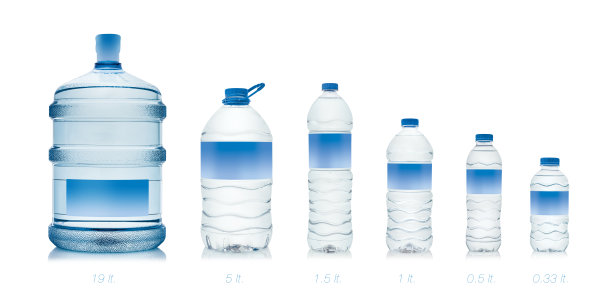
Before investing time and capital, conduct a thorough market research and feasibility study to validate your business idea. Key focus areas include: identifying your target market (e.g., retail consumers, offices, events), analyzing competitors (pricing, product offerings, distribution channels), determining your product range (e.g., still water, sparkling water, flavored water, different bottle sizes), and assessing local demand trends. Additionally, evaluate the availability of resources—such as a high-quality water source, labor, and raw materials (bottles, caps, labels)—in your chosen location. HZM Machinery recommends partnering with industry experts during this stage to align your production line design with market demand, avoiding overinvestment or undercapacity.
Step 2: Secure a Water Source and Ensure Compliance
A reliable, high-quality water source is the foundation of any bottled water production line. The type of water source (spring water, groundwater, municipal water) will impact treatment requirements and costs: Water Source Selection: Spring water and groundwater often require less treatment but may involve securing water rights and extraction permits. Municipal water is readily available but may need additional purification to meet bottled water standards.Regulatory Compliance: Bottled water is subject to strict global regulations (e.g., FDA, EU Directive 2009/54/EC, local health department standards) governing water quality, mineral content, labeling, and safety. Obtain all necessary permits, licenses, and certifications (e.g., ISO, GMP) to ensure your product meets legal requirements. HZM Machinery’s water treatment systems are designed to align with international standards, helping you achieve compliance efficiently.
Step 3: Choose a Production Site and Set Up Infrastructure
Select a production site that meets your operational needs and regulatory requirements. Key considerations for the site include: Location: Proximity to your water source and target market to reduce transportation costs. Ensure the site has access to utilities (electricity, water, sewage) and is zoned for industrial use.Infrastructure Setup: Construct or renovate the facility to include dedicated areas for water treatment, bottle storage, production, packaging, and quality control. Install storage tanks for raw water and finished products, waste treatment systems to meet environmental standards, and proper ventilation to maintain hygiene. The size of the facility depends on your production capacity—small-scale lines may require 500–1,000 sq. ft., while large-scale industrial lines need 5,000+ sq. ft.
Step 4: Invest in Core Production Equipment
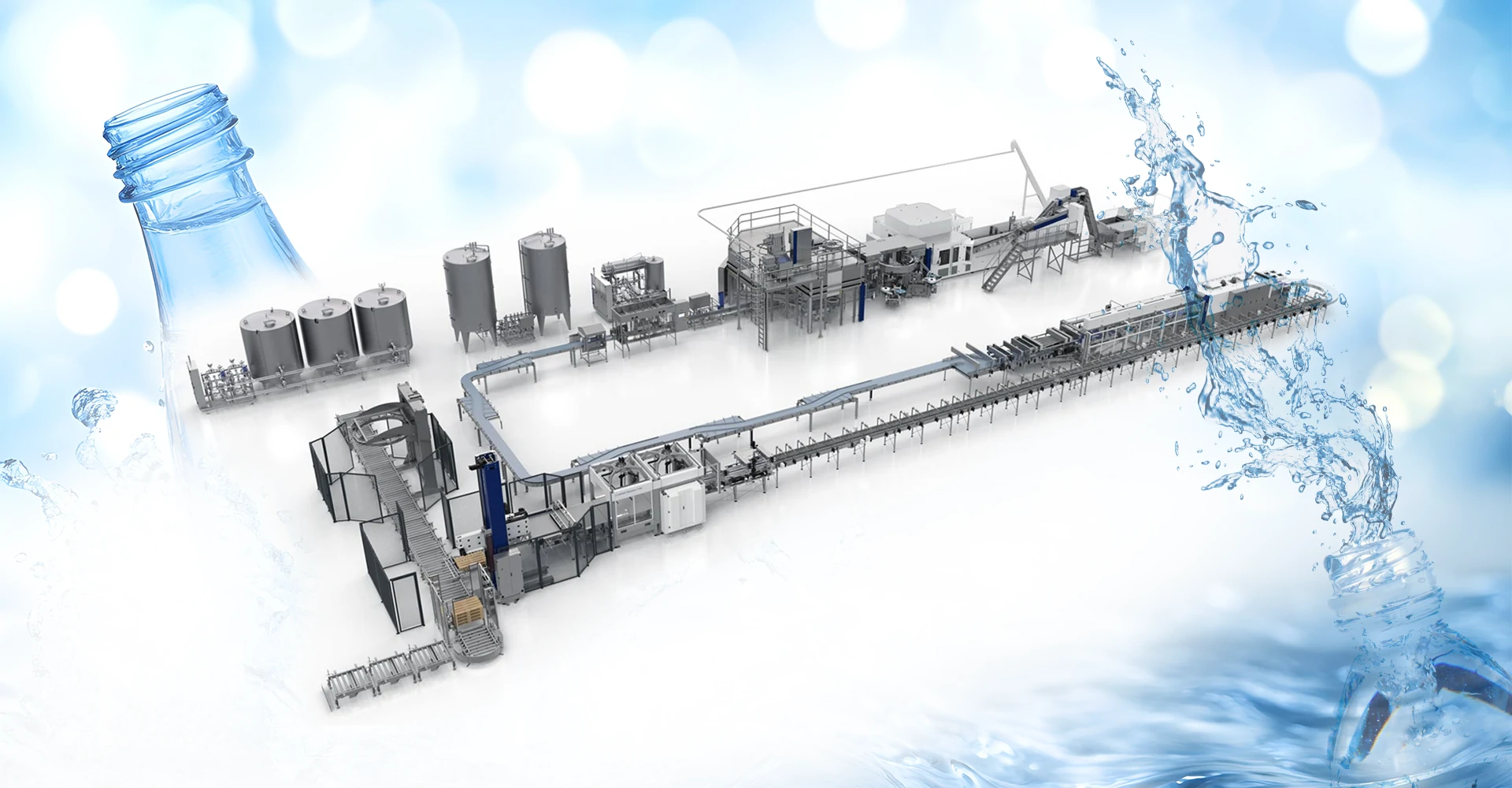
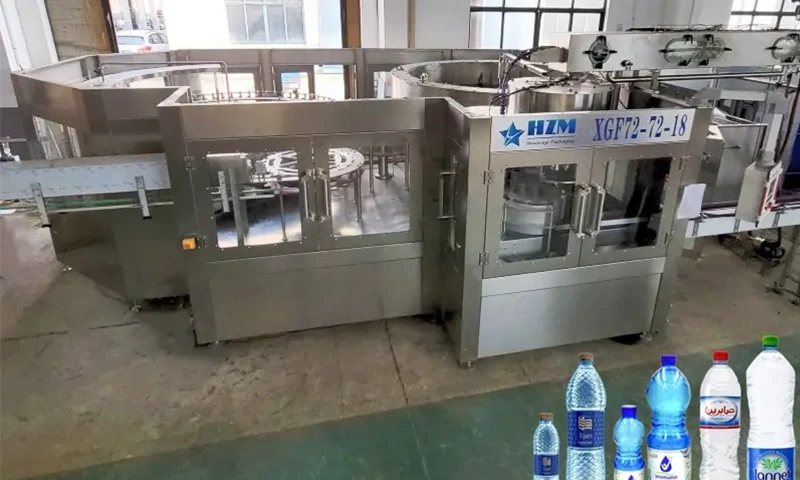
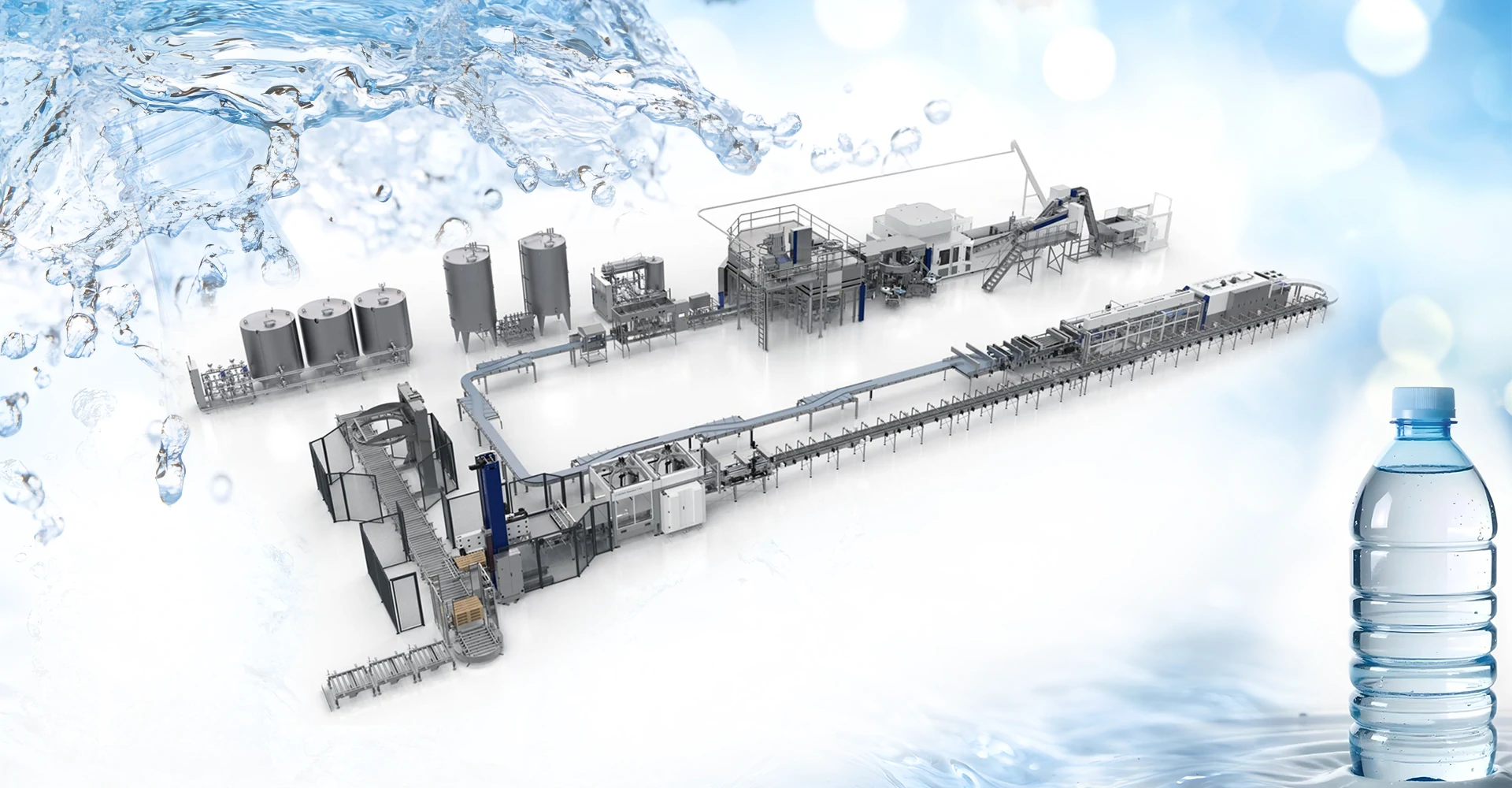
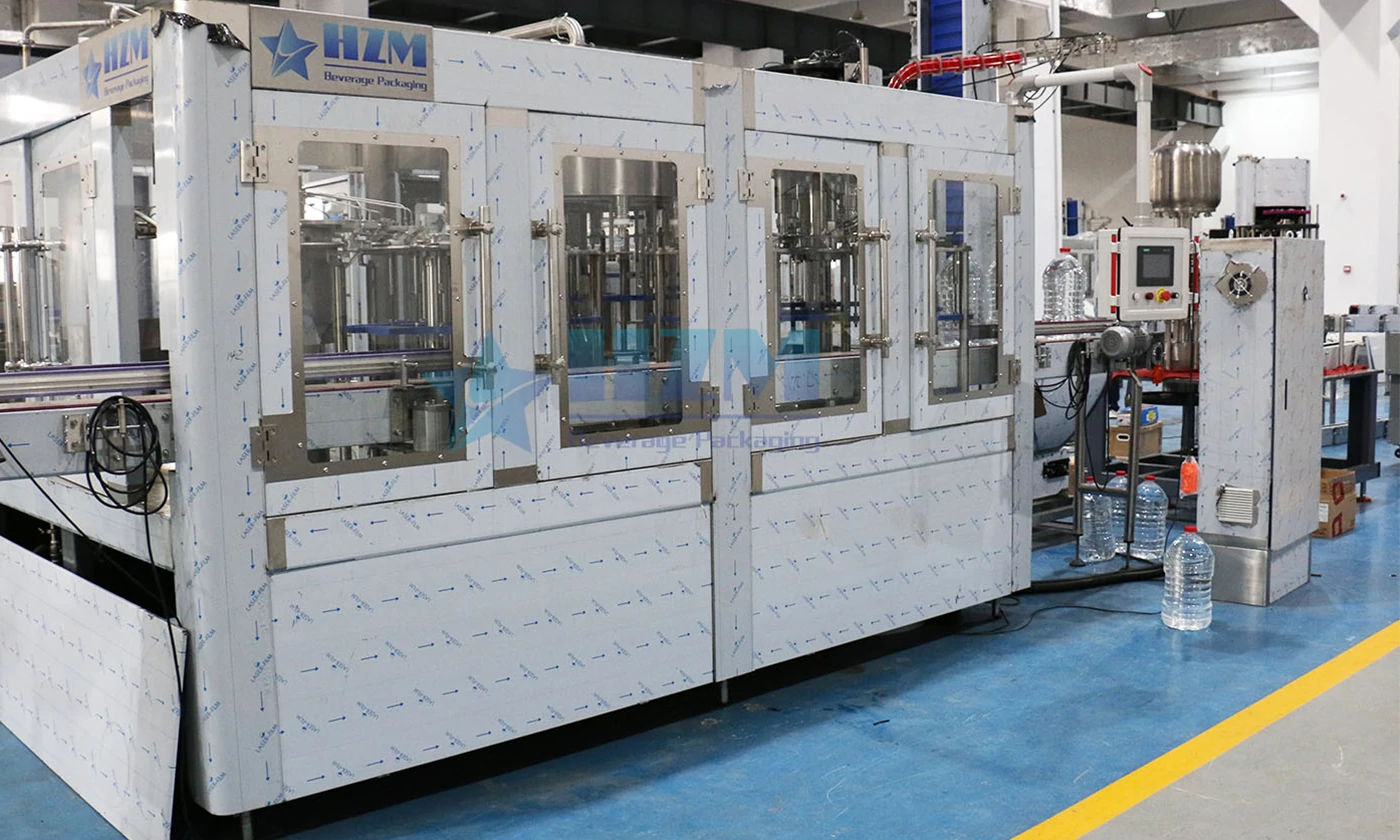
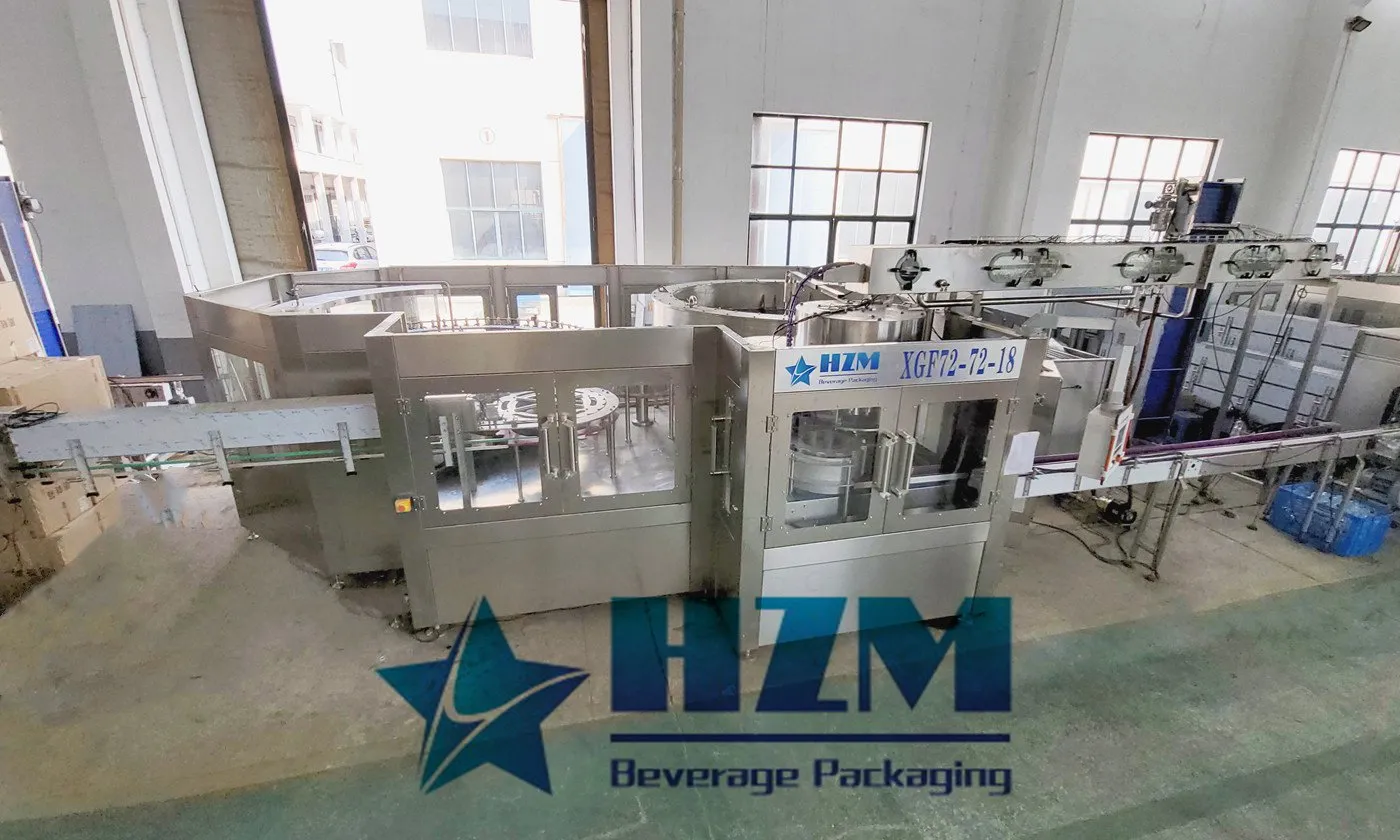
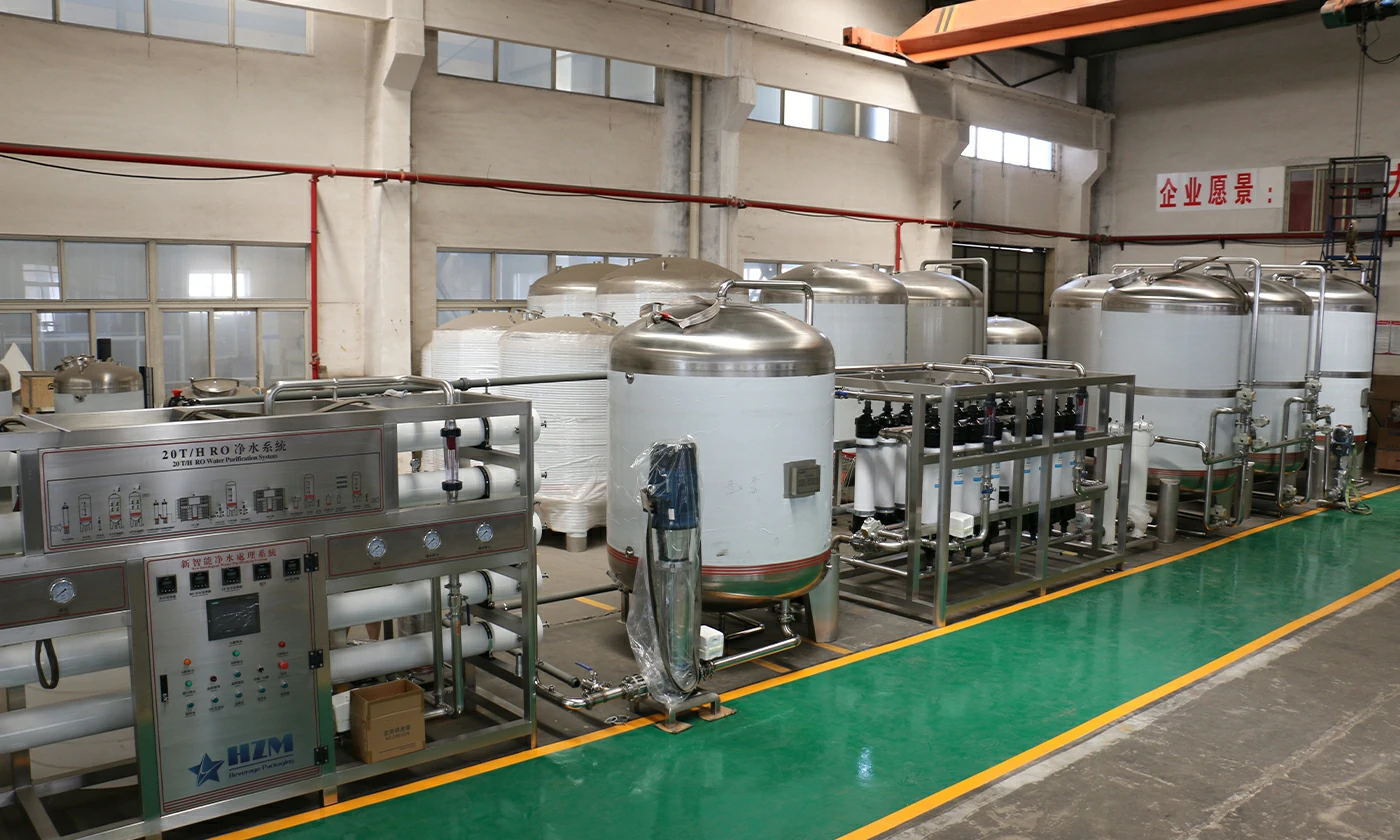
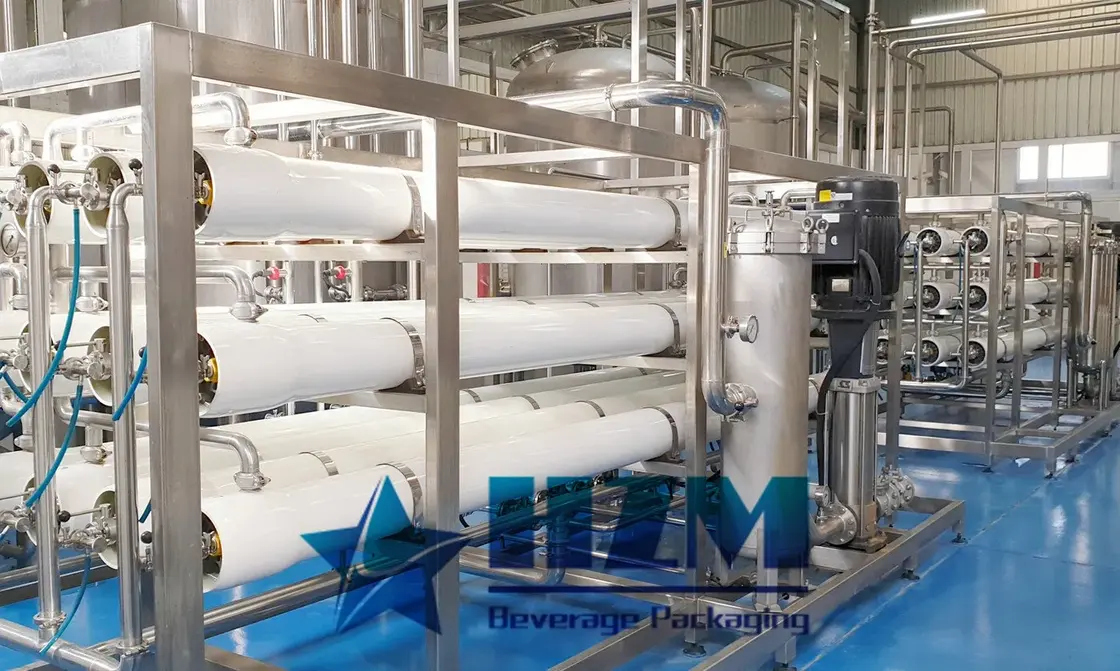
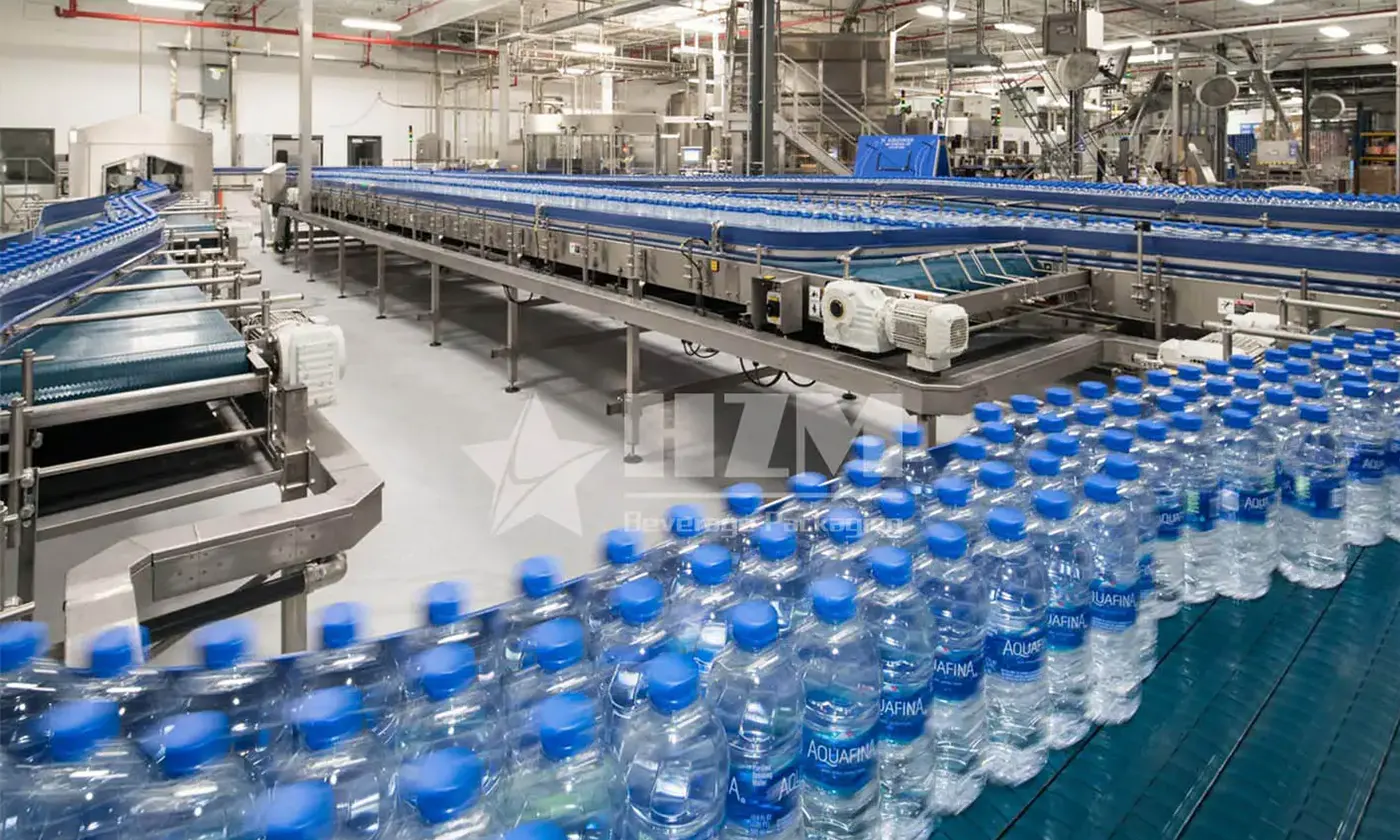
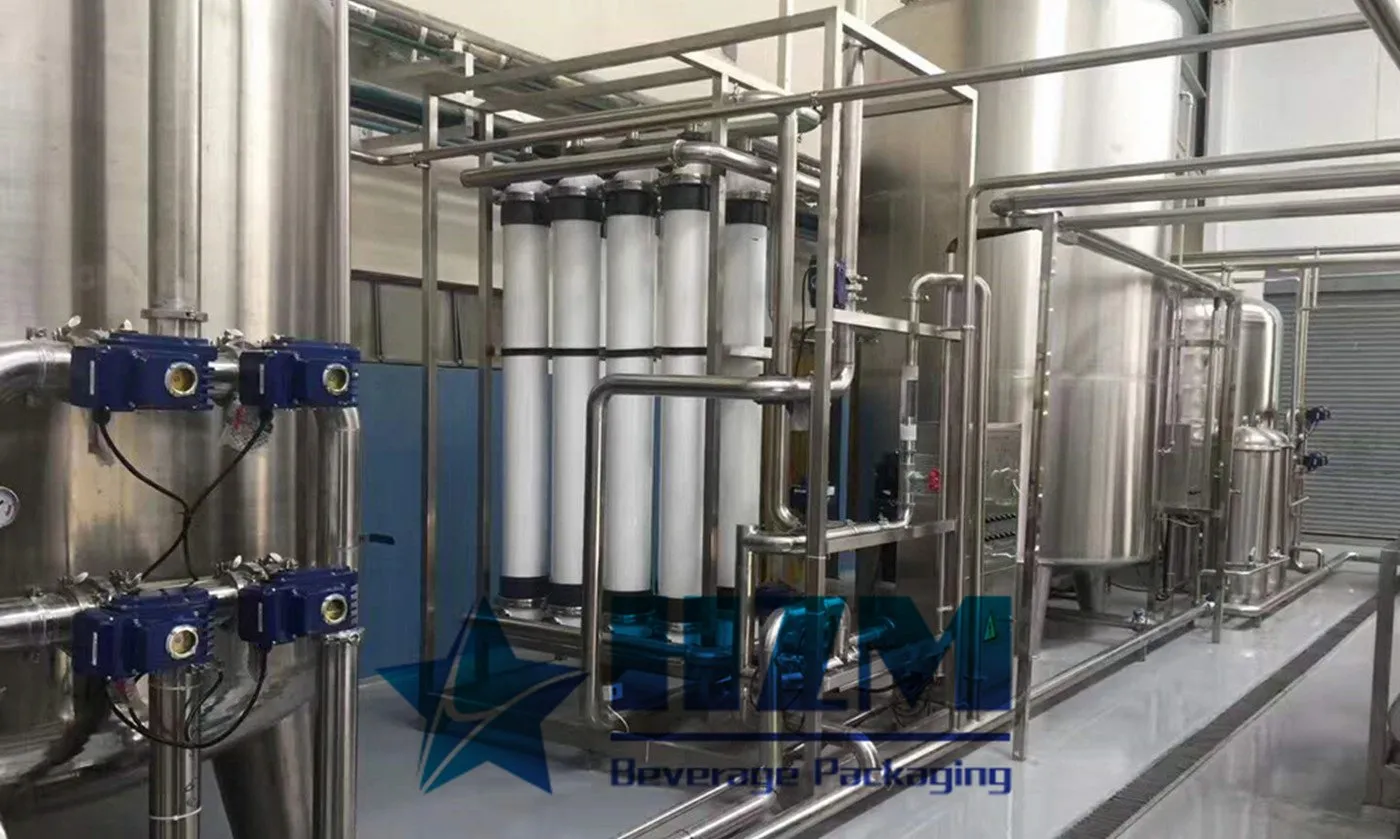
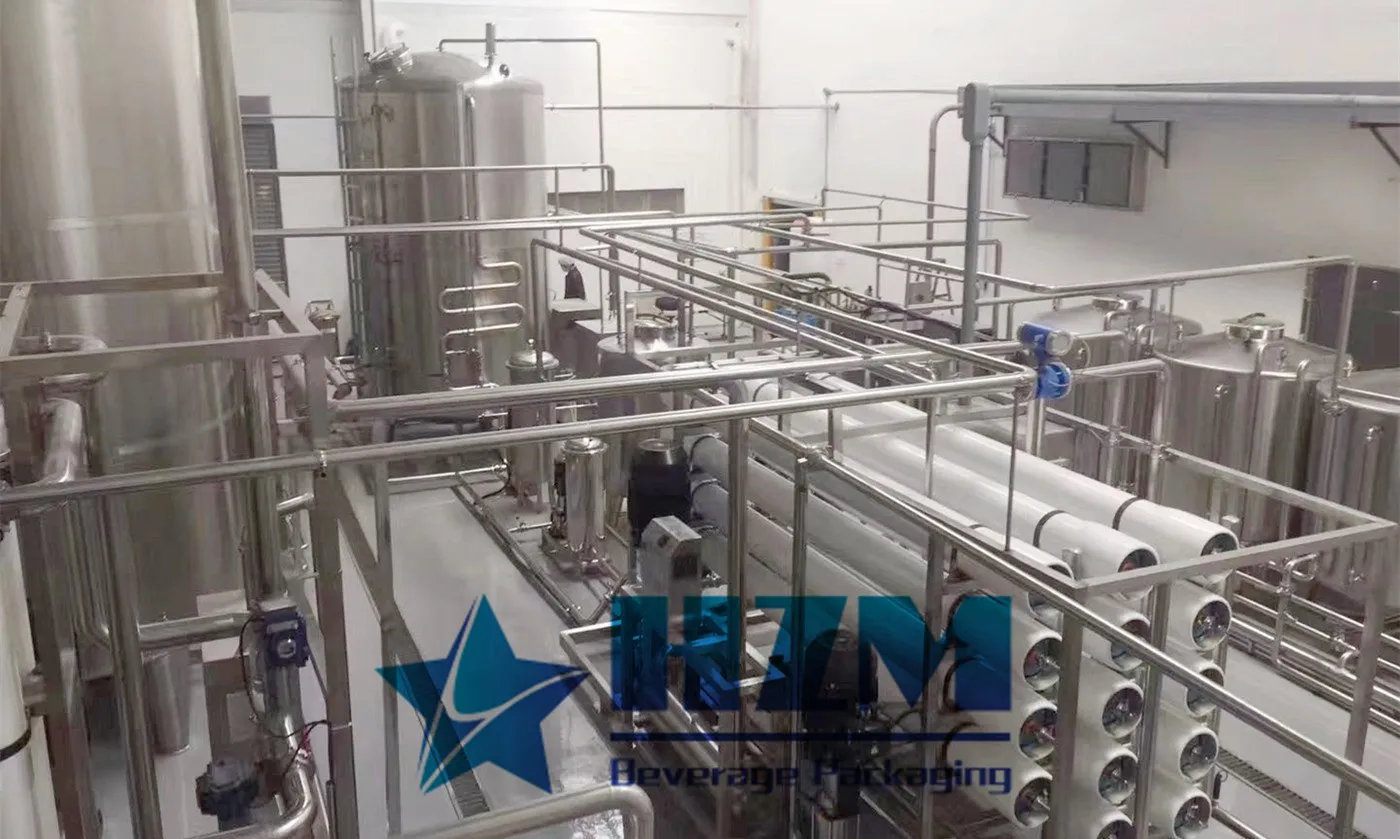
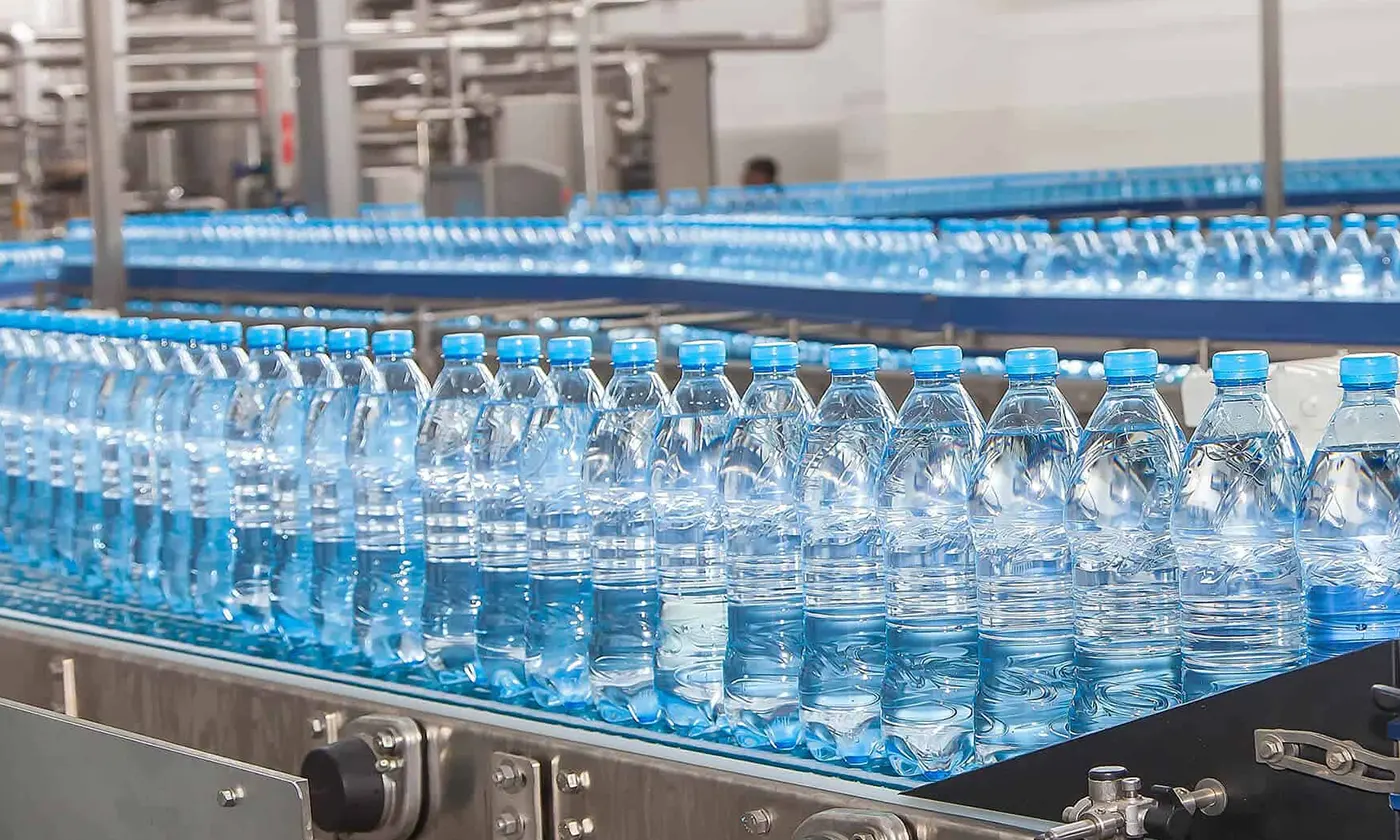
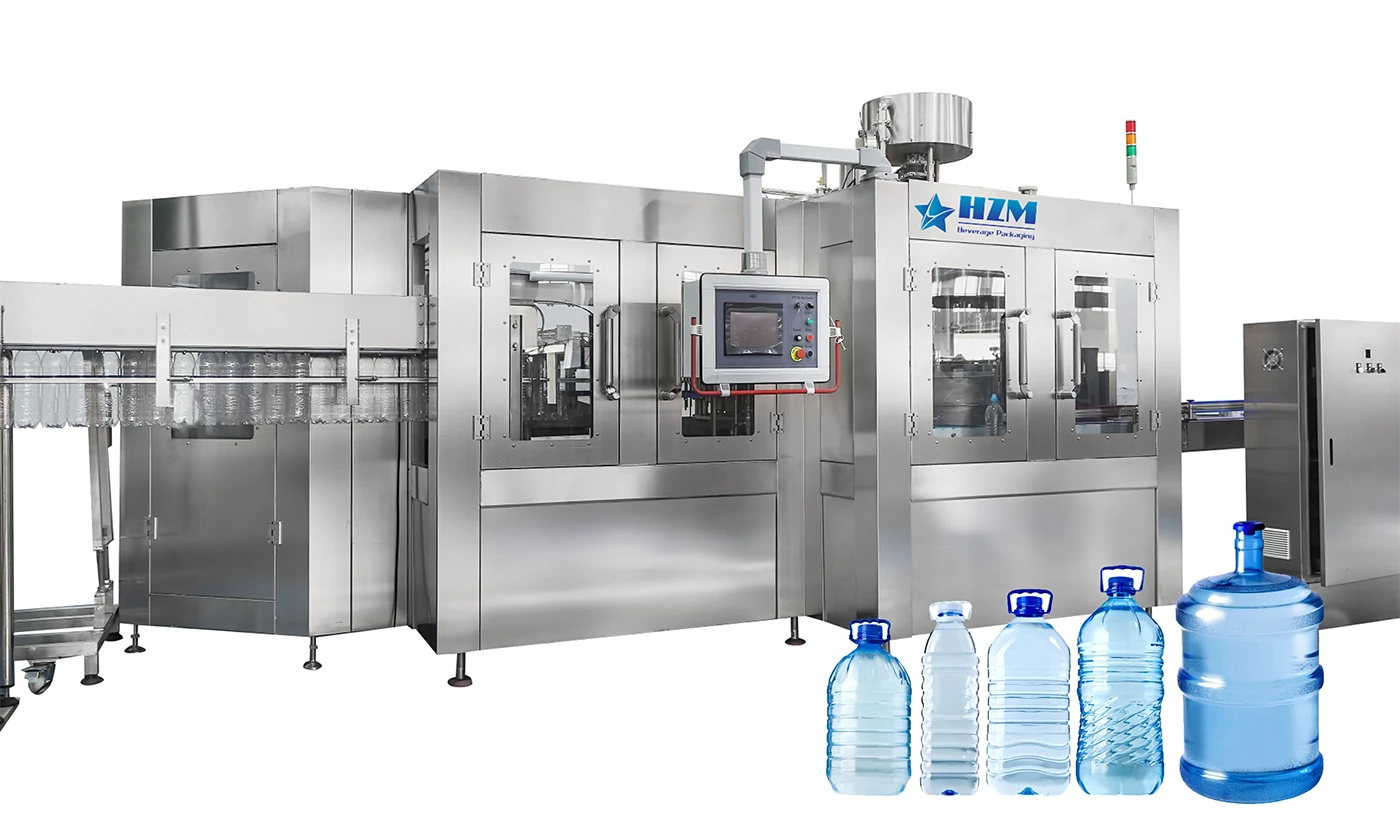
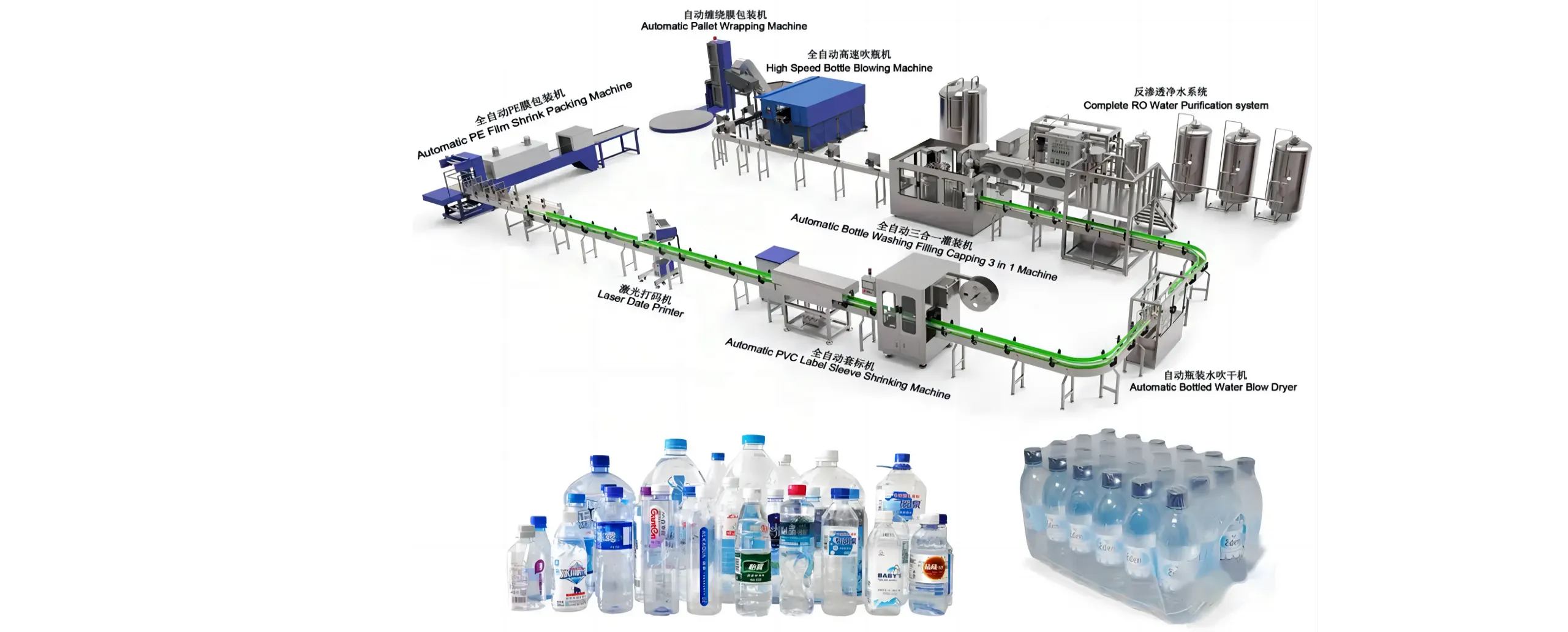
The production equipment is the most significant capital investment in your line, and selecting the right machinery will impact efficiency, product quality, and long-term costs. A complete bottled water production line consists of specialized equipment, all of which are supplied by HZM Machinery—either as standalone units or integrated turnkey solutions. HZM Machinery integrates development, manufacture, and sales of liquid beverage packaging machinery, offering customized equipment based on your specific needs (material, power, filling type, bottle size, etc.). Core equipment includes: Water Treatment System: Essential for purifying raw water to meet bottled water standards. Key components include filters (sediment, carbon), reverse osmosis (RO) systems, UV disinfection, and mineralization units (if needed). HZM’s water treatment systems are customizable to handle different water sources, ensuring consistent quality and reducing maintenance costs.Bottle Production Equipment: If producing bottles in-house (cost-effective for large-scale operations), invest in a blow molding machine. HZM’s blow molding machines are designed to produce high-quality PET bottles of various sizes, reducing reliance on external suppliers and cutting packaging costs.Filling Machine: The heart of the production line, responsible for filling purified water into bottles with precision. HZM offers a range of filling machines (still water filling machines, carbonated filling machines) to suit different product types and production capacities—from semi-automated models for small-scale lines to fully automated systems for industrial production.Capping and Labeling Machines: Capping machines ensure secure, leak-proof sealing of bottles, while labeling machines apply brand labels and compliance information (e.g., water source, expiration date). HZM’s capping and labeling machines are versatile, compatible with various bottle sizes and cap types, and integrate seamlessly with filling lines.Packing Machine and Conveyor Systems: Conveyor systems transport bottles between production stages (treatment, filling, capping, labeling), while packing machines handle stacking, wrapping, and boxing finished products for distribution. HZM’s conveyor systems are customizable in length and speed, and packing machines are designed to improve efficiency and reduce labor costs.
Step 5: Source Raw Materials and Establish Supply Chains
Secure reliable suppliers for raw materials to ensure uninterrupted production. Key raw materials include: Packaging Materials: PET bottles (or preforms for in-house production), caps, labels, and shrink wrap. Bulk purchasing and long-term supplier contracts can reduce costs by 5–10%. HZM Machinery’s blow molding machines allow you to produce PET bottles on-site, minimizing packaging transportation costs and waste.Treatment Chemicals: Disinfectants, filters, and other consumables for water treatment systems. Partner with reputable suppliers to ensure quality and compliance. HZM Machinery can provide guidance on sourcing reliable raw materials, leveraging its industry network to help you secure cost-effective supplies.
Step 6: Install, Test, and Commission the Production Line
Once equipment and infrastructure are in place, work with a professional team to install and commission the production line. HZM Machinery offers end-to-end installation and commissioning services, ensuring all equipment is set up correctly, integrated seamlessly, and operates at peak efficiency. Key steps during this stage include: Equipment installation and calibration (e.g., filling machines, conveyor systems).Test runs to identify and resolve any operational issues (e.g., leaks, inconsistent fill levels).Quality control testing to ensure finished products meet regulatory standards and quality expectations.Staff training on equipment operation, maintenance, and safety protocols. A smooth commissioning process, supported by HZM’s technical expertise, reduces downtime and ensures you can launch production quickly.
Step 7: Launch Production and Implement Quality Control
After successful commissioning, launch full-scale production. Implement a rigorous quality control (QC) system to maintain product consistency and compliance: Regular testing of raw water and finished products for purity, mineral content, and contaminants.Monitoring equipment performance to ensure efficiency and prevent breakdowns.Auditing packaging materials to ensure they meet safety standards (e.g., food-grade plastic). HZM Machinery’s equipment includes built-in quality control features (e.g., automatic fill level checks, error detection) to streamline this process, reducing the risk of non-compliant products.
Total Capital Required to Set Up a Bottled Water Production Line
The total capital required to set up a bottled water production line varies significantly based on production capacity (small-scale, mid-scale, large-scale), automation level, location, and customization needs. Below is a detailed breakdown of capital costs, organized by key components, with industry averages and insights from HZM Machinery to help you budget accurately.
1. Pre-Launch Costs (5–10% of Total Capital)
These are upfront costs incurred before setting up infrastructure or purchasing equipment: Market Research and Feasibility Study: $5,000–$20,000 (varies by scope and location).Permits, Licenses, and Certifications: $10,000–$50,000 (depends on local regulations and certification requirements, e.g., ISO, FDA).Water Source Development: $5,000–$30,000 (includes well drilling, water rights fees, and initial water testing).
2. Infrastructure Costs (20–30% of Total Capital)
Costs associated with the production facility and supporting infrastructure: Facility Purchase/Rental/Renovation: For small-scale lines (500–2,000 bottles per hour), rental costs range from $2,000–$5,000 per month, while purchasing/renovating a facility costs $50,000–$200,000. Large-scale facilities (5,000+ bottles per hour) can cost $200,000–$1,000,000+ to purchase/renovate.Utilities and Infrastructure Setup: $15,000–$50,000 (includes electrical wiring, plumbing, storage tanks, waste treatment systems, and ventilation).
3. Equipment Costs (40–50% of Total Capital)
This is the largest capital expenditure, with costs varying by capacity and automation. HZM Machinery offers flexible solutions to fit different budgets, from semi-automated small-scale lines to fully automated turnkey systems: Small-Scale Production Line (500–2,000 Bottles Per Hour): Semi-automated equipment, ideal for startups. Total equipment cost: $50,000–$150,000. Includes: Basic water treatment system: $10,000–$30,000Semi-automated filling machine: $15,000–$40,000Manual/semi-automated capping and labeling machines: $5,000–$20,000Basic conveyor system: $5,000–$15,000Bottle storage and handling equipment: $5,000–$15,000Mid-Scale Production Line (2,000–5,000 Bottles Per Hour): Partially automated, suited for growing businesses. Total equipment cost: $150,000–$400,000. Includes: Advanced water treatment system: $20,000–$60,000Automated filling machine: $40,000–$100,000Automated capping, labeling, and packing machines: $30,000–$80,000Integrated conveyor systems: $20,000–$40,000Blow molding machine (for in-house bottle production): $30,000–$80,000Large-Scale Production Line (5,000+ Bottles Per Hour): Fully automated, industrial-grade, ideal for mass production. Total equipment cost: $400,000–$1,500,000+. Includes: Industrial water treatment system: $50,000–$150,000High-speed automated filling machine: $100,000–$300,000Full automated line (capping, labeling, packing, palletizing): $100,000–$400,000Advanced blow molding machines (PET preform and cap making): $80,000–$200,000PLC control systems and quality monitoring equipment: $50,000–$150,000 HZM Machinery’s turnkey projects can reduce equipment costs by 10–15% by integrating all components seamlessly, avoiding compatibility issues and additional expenses.
4. Raw Materials and Working Capital (10–15% of Total Capital)
Working capital to cover initial raw material purchases and operational expenses for the first 3–6 months: Raw Materials: $10,000–$50,000 (bottles, caps, labels, treatment chemicals).Working Capital: $20,000–$100,000 (covers labor, utilities, transportation, and other operational costs until revenue is generated).
5. Other Costs (5–10% of Total Capital)
Additional costs to consider: Installation and Commissioning: $5,000–$30,000 (varies by line size; included in HZM’s turnkey solutions).Staff Training: $3,000–$10,000 (to train operators on equipment use and maintenance).Marketing and Branding: $10,000–$50,000 (to launch your product and build brand awareness).
Total Capital Summary by Production Scale
-
Small-Scale Line: Total capital required: $100,000–$300,000
-
Mid-Scale Line: Total capital required: $300,000–$800,000
-
Large-Scale Line: Total capital required: $800,000–$2,500,000+
How HZM Machinery Helps Reduce Setup Costs and Streamline Your Project
Setting up a bottled water production line can be complex and costly, but partnering with a trusted, comprehensive supplier like HZM Machinery simplifies the process and reduces unnecessary expenses. As a professional supplier integrating development, manufacture, and sales of liquid beverage packaging machinery, HZM offers tailored solutions to fit your budget and needs:
-
Customized Equipment Design: HZM designs machines according to your specific requirements (material, power, filling type, bottle size, etc.), ensuring you only pay for features you need—avoiding overinvestment. Our team uses years of industrial experience to provide professional suggestions that optimize efficiency and reduce long-term costs.
-
Turnkey Project Solutions: HZM provides complete turnkey projects for bottled water production lines, from PET preform and cap making machines to full system installation and commissioning. This one-stop approach eliminates the need to coordinate with multiple suppliers, reducing procurement complexity and saving time and money.
-
Cost-Effective, High-Quality Equipment: HZM’s machinery (water treatment systems, filling machines, blow molding machines, conveyor systems, etc.) is engineered for durability and energy efficiency, reducing maintenance and operational costs over time. Our equipment also meets international regulatory standards, avoiding costly compliance delays.
-
Ongoing Support: HZM offers comprehensive after-sales support, including maintenance guidance, genuine spare parts, and technical assistance. This minimizes equipment downtime and extends lifespan, reducing unexpected repair costs and ensuring your production line runs smoothly.
Conclusion: Launch Your Bottled Water Business with Confidence
Setting up a bottled water production line requires careful planning, adherence to regulatory standards, and strategic capital investment. By following the step-by-step guide outlined above and partnering with a trusted supplier like HZM Machinery, you can streamline the setup process, reduce costs, and launch a profitable business. The total capital required varies by scale, but with HZM’s customized solutions and industry expertise, you can optimize your budget and ensure long-term success.
Whether you’re a startup launching a small-scale line or an investor scaling to industrial production, HZM Machinery has the equipment, expertise, and support to help you every step of the way. From initial design to production launch and beyond, we’re committed to helping you build a efficient, compliant, and profitable bottled water production line.