
Insights & Updates
How to Establish a Bottled Water and Beverage Factory?
Establishing a bottled water and beverage factory involves a systematic process and careful consideration of various factors. Here’s a comprehensive guide to help you navigate the process:
1. Feasibility Analysis
This involves a comprehensive consideration of local economic development, industry scale and stage of development, government support policies, strengths and characteristics of competitors, special raw material resources, available technological advantages, sales channels, and accessible funds and other social resources. It is essential to avoid blind decision-making and seize investment opportunities. For the chosen investment projects, emphasis should be placed on creating new business models to enhance competitiveness and profitability.
2.Marketing Planning
A successful project requires careful planning even before investment is confirmed. Regardless of the project size, preparations should be made in advance, including securing sales personnel and identifying potential customers. The key steps include:
- Brand Planning: Involves brand design, trademark registration, endorsements, and brand positioning.
- Brand Communication: Encompasses advertising design, holiday marketing, event marketing, and creating star products.
- Investment Planning: Involves identifying mutually acceptable distributors, designing gift schemes, reward programs, etc.
- Channel Construction: Addresses how to quickly get products to consumers and display them in stores; considerations for the final one meter of purchase decision.
- Team Building: Focuses on effectively conveying marketing plans to sales personnel, implementing incentive mechanisms, providing relevant tools, and conducting systematic training.
3.Formula Development
Analyze factors such as target customer preferences, market trends, and quality control to develop formulas based on:
- Sensory Design: Consider color preferences, viscosity preferences, etc.
- Flavor Design: Decide on sweetness level, effervescence, and preferred fruit flavors.
- Nutrient Design: Consider sugar-free, low-fat, rich in vitamins, dietary fiber, protein, and easily absorbable fermented products, among others.
- Preference Design: Develop unique formulas tailored to specific markets, demographics, or supply methods.
- Product Positioning: Determine ingredient quality and overall production costs.
- Bottled Water: Analyze the regional preference for mineral water, mineralized water, spring water, or multi-functional water based on water source quality and origin.
4.Packaging Scheme
The level of packaging contributes to 20% of customer-accepted products. Packaging material choice also affects equipment selection and total product cost. Considerations include:
- Exterior Design: Align with local consumer culture, match local competitors in terms of capacity, and consider appearance related to product characteristics.
- Label Design: Comply with local government requirements and cater to consumer preferences.
- Packaging Design: Consider transportation convenience, product protection, and the impact of material costs on total product costs.
- Packaging Material Supply: Prepare packaging materials within 7 days of signing the equipment contract to facilitate production line equipment and testing.
5.Production Line Equipment
Refer to the document “How to Choose Good Bottled Water and Beverage Production Line Equipment?”
6.Engineering Services:
- Public Engineering: Consider location, factory area, height, ventilation, and other requirements to match functional areas with production line equipment. Verify government-supplied electricity or promised implementation time. Understand the process and requirements for government permits, including clean engineering in filling areas and essential testing means.
- Equipment Engineering: Focus on packaging, transportation, unloading, installation, commissioning, personnel training, production operation, maintenance, spare parts supply, etc.
Resource Sharing:
- Technical Resources: Consider sharing industry experts, professional companies, local and global resources to complement individual and corporate skills. Suppliers should not only have advanced technology but also align with project requirements, providing comprehensive solutions from planning and procurement to production, operation, etc.
- Capital Resources: Recognize that modern business competition is largely a competition of capital. Consider the source and amount of funds, choose high-quality shareholders and cooperate with investment and financing institutions. Evaluate fund allocation across dimensions such as factory, equipment, raw materials, advertising, operational costs, etc., to ensure the integrity of all project aspects for success.
- Management and Operation: On a tactical level, a team with industry experience that can execute plans quickly and efficiently is necessary.
Talk to our engineering team
Need help planning your packaging line?
Share your product, bottle and capacity requirements for a practical equipment recommendation.
Equipment
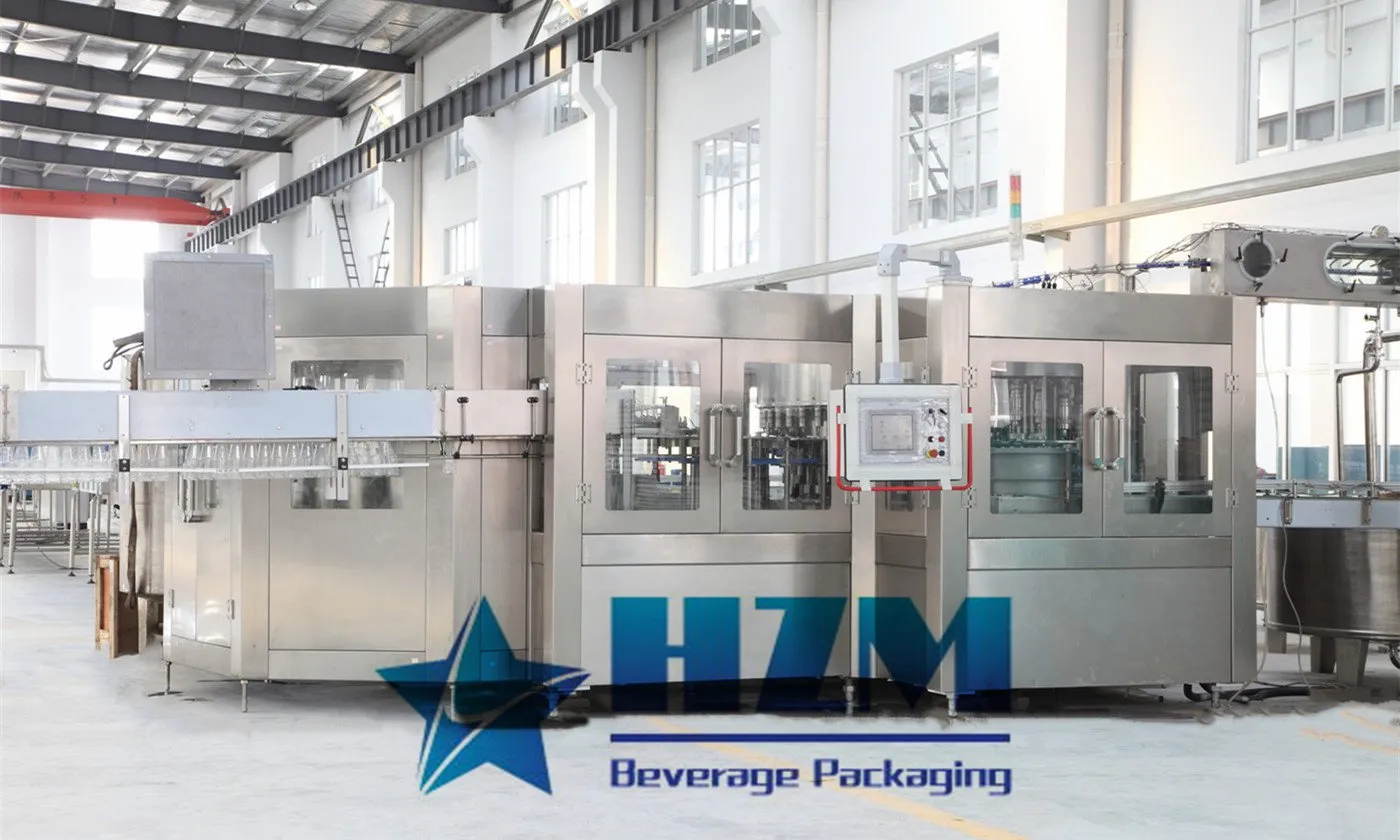
PET Bottle Water Filling Machine
PET bottle water filling with automatic rinsing and capping, for purified water, mineral water and still drinking water.
Learn more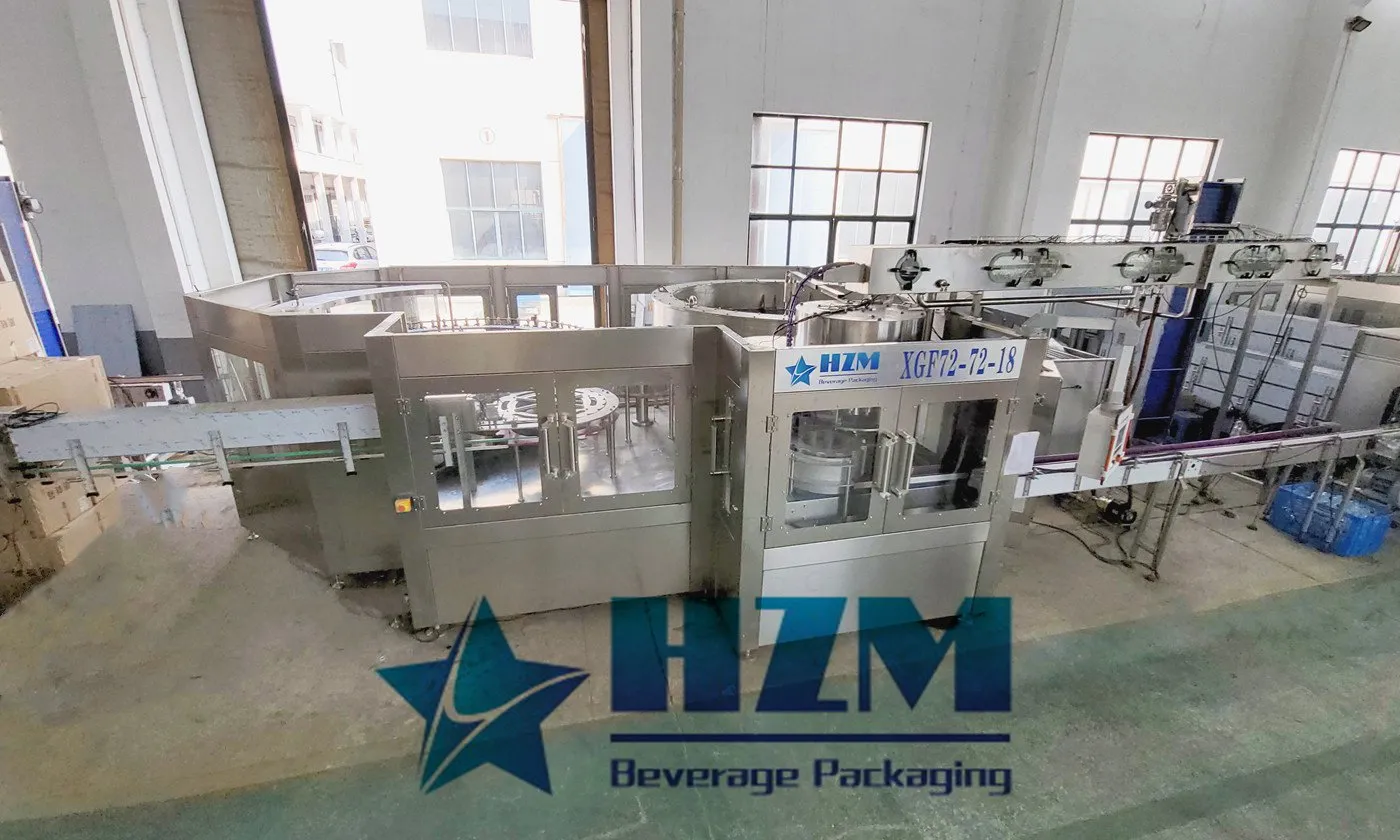
Equipment
Automatic Water Bottle Filling Machine
Automatic rinsing, filling and capping for purified and mineral water in PET bottles, with capacities of 5,000–42,000 bottles/hour at 500 ml.
Learn more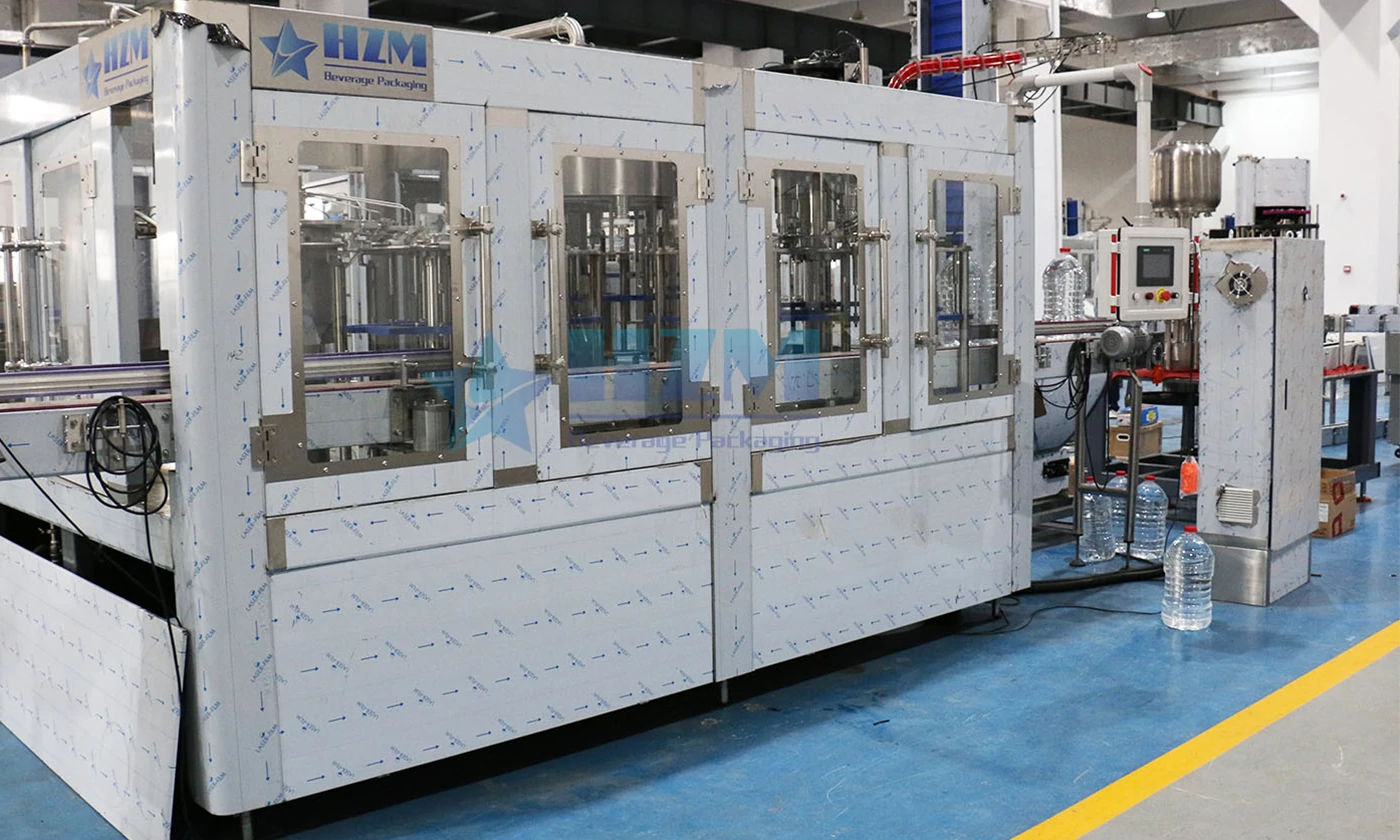
Equipment
5L-10L Large Bottle Drinking Water production line
XGF12-12-4 rinsing, filling and capping for 5 L and 10 L water bottles, with stable outputs of 1,200 and 700 bottles/hour respectively.
Learn more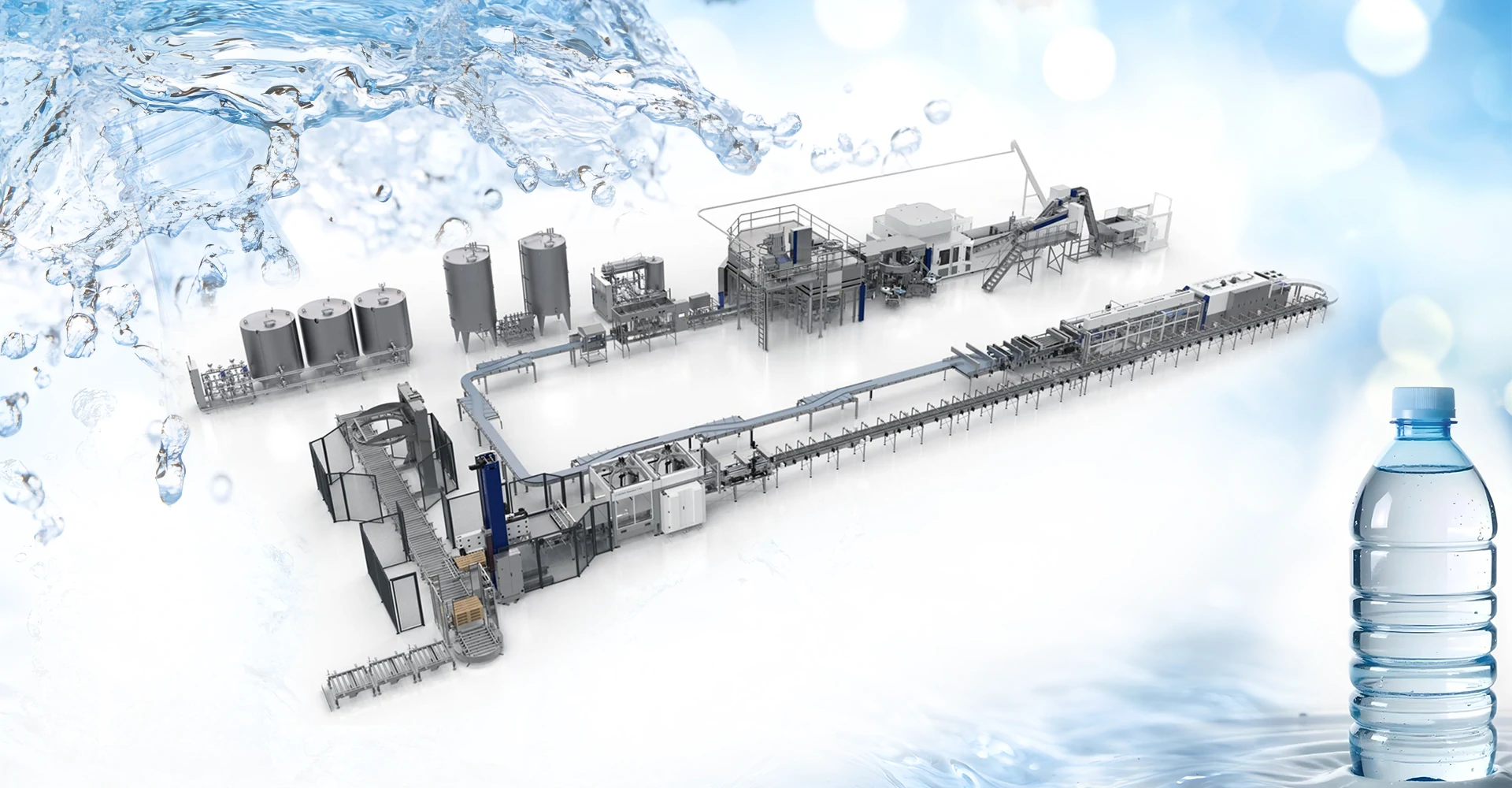
Equipment
Drinking water production line – Bottled Water Filling Machine Manufacturer
PET-bottled drinking-water production with automatic rinsing, filling and capping, plus water treatment and packaging equipment.
Learn more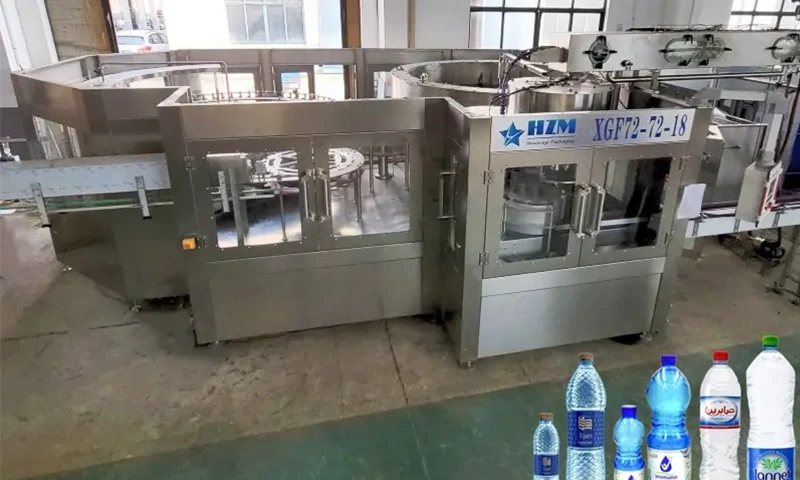
Equipment
3-In-1 Water Bottle Filling Machine
A 3-in-1 PET bottle rinsing, filling and capping machine for drinking water, from 5,000 to 18,000 bottles/hour at 500 ml.
Learn more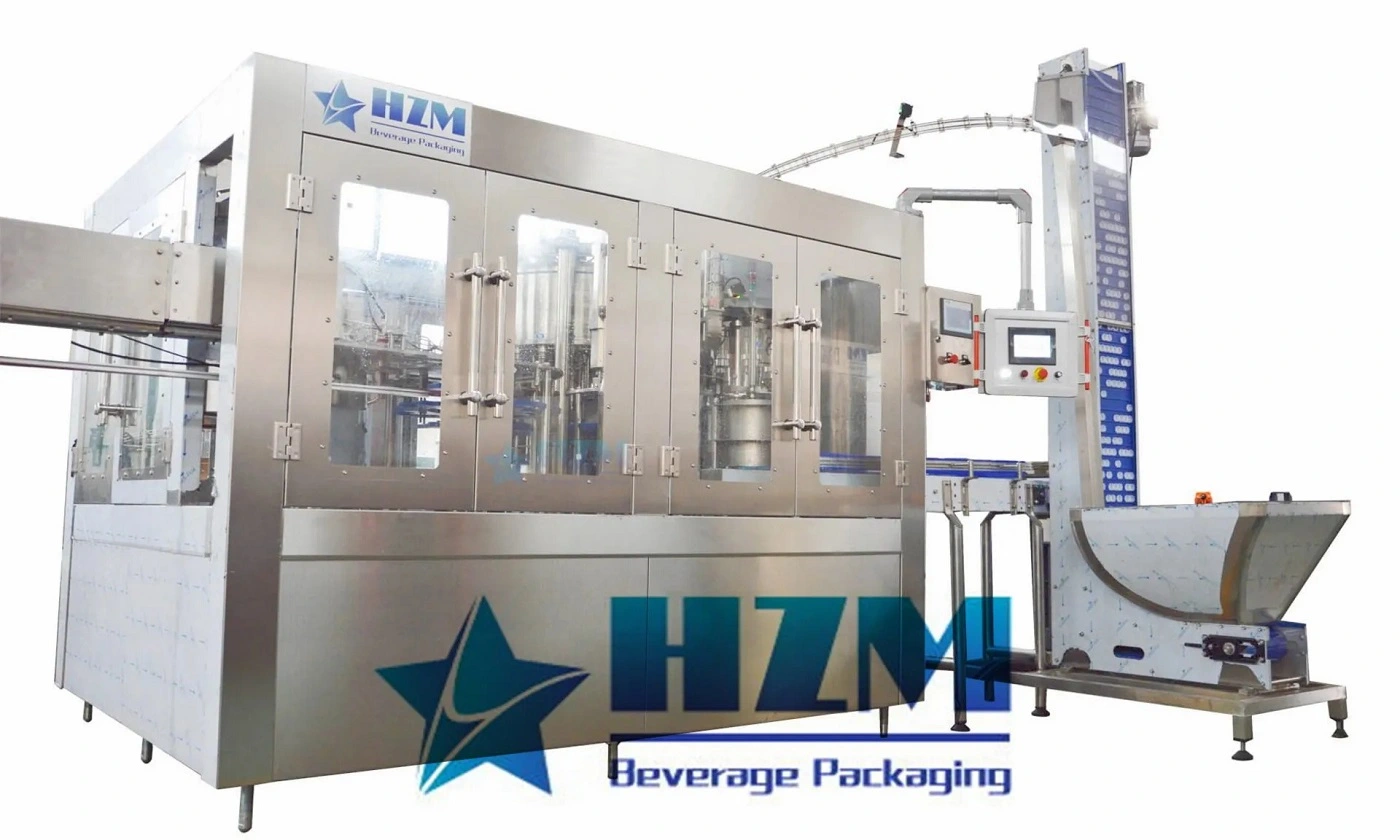
Equipment
Automatic Drinking Water Bottling Machine
Drinking-water bottling equipment with automatic rinsing, filling and capping, plus conveying, labelling and packing options.
Learn more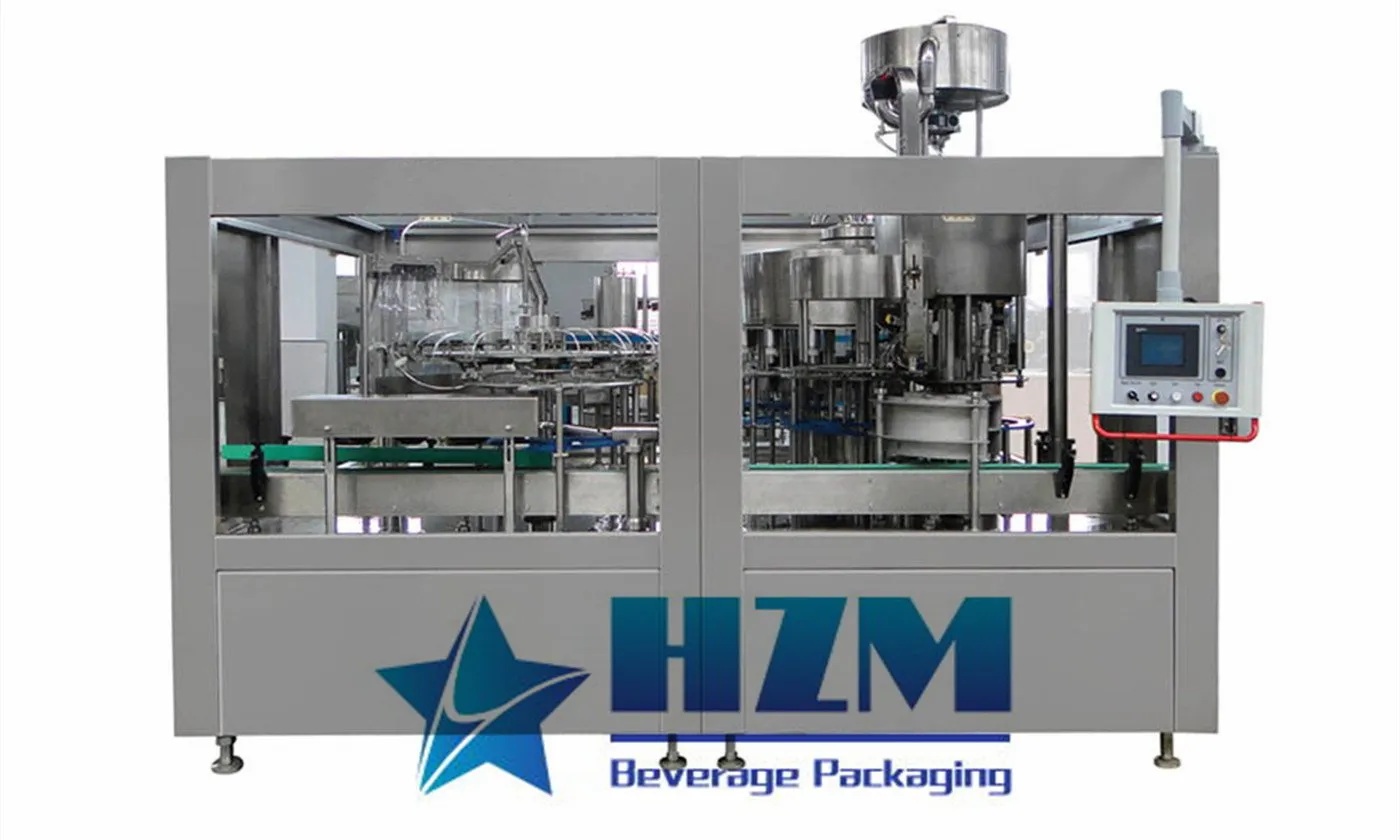
Equipment
3-10L Big PET Bottle Water Filling Machine
Large PET bottle water filling equipment for 3–10 L containers, combining rinsing, filling and capping.
Learn more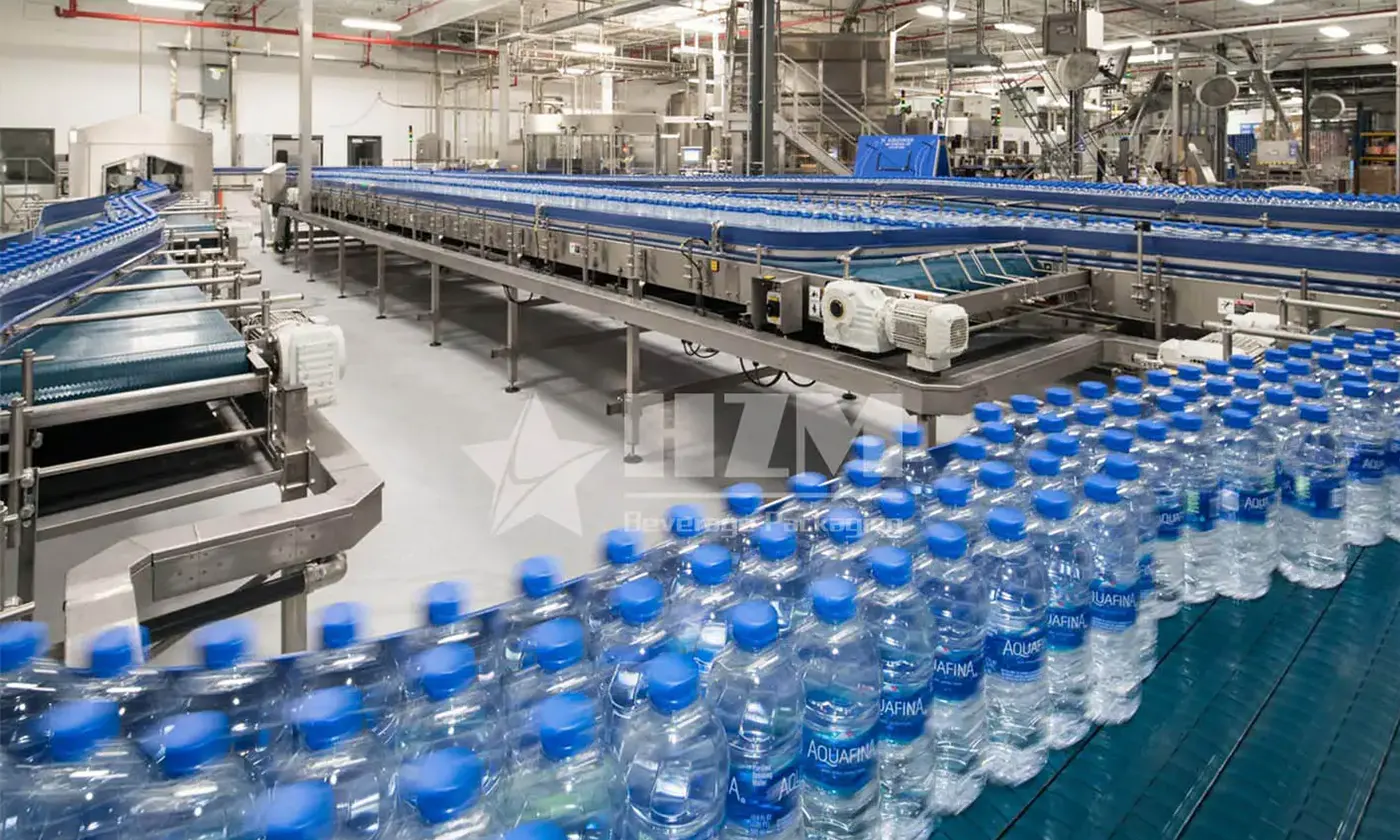
Equipment
Conveyor Belt For Bottle Water Production Line
This conveyor belt system moves bottles through a bottled-water production line, from empty-bottle feeding to filled-bottle labelling and packing.
Learn more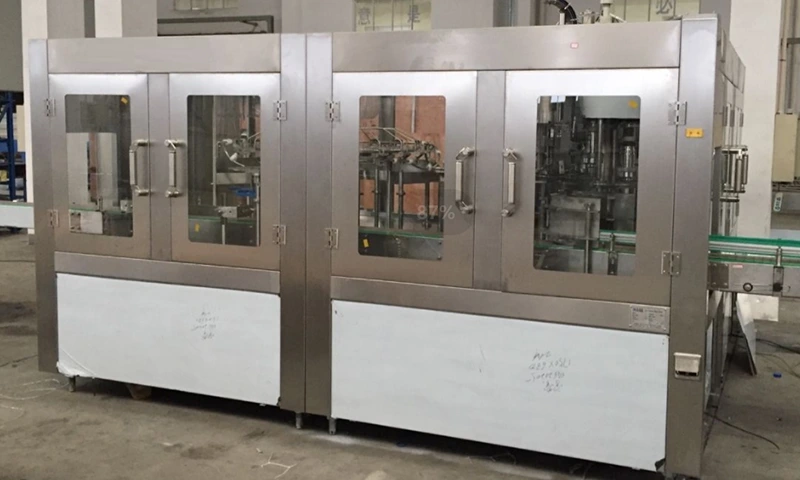
Equipment
10L Water Filling Machine 1200BPH – Automatic Washing Filling Capping Machine
RSXGF12-12-5(110Π) automatic rinsing, filling and capping for 10 L water bottles at 1,100–1,200 bottles/hour.
Learn more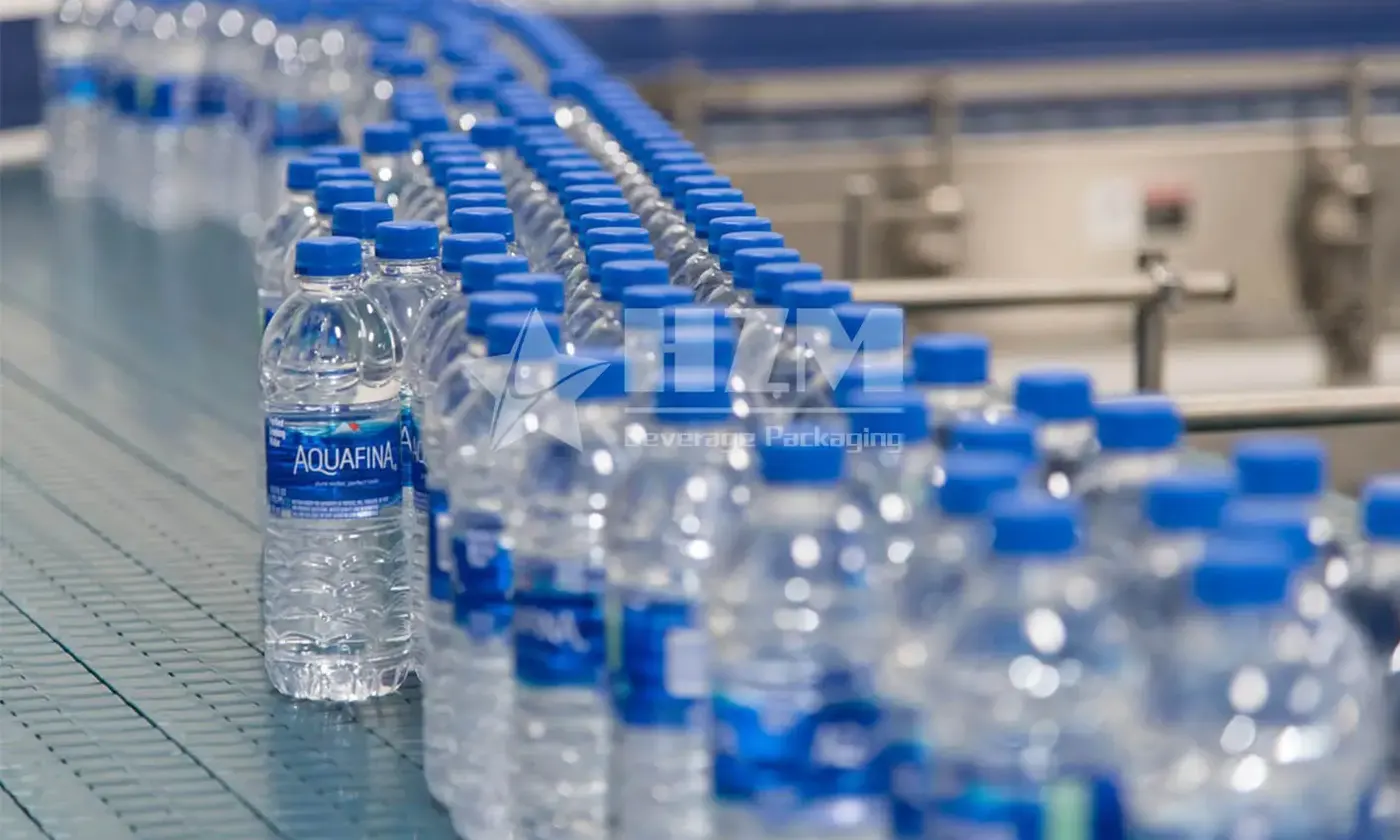
2023-12-17
How to Choose High-Quality Bottled Water and Beverage Production Equipment?
Prioritize equipment with strong technical performance, including considerations for product quality (appearance, taste, nutritional content adhering to national standards), production speed (hourly capacity, daily output), energy consumption (water, electricity, gas, raw materials, packaging costs, and labor), product diversity, and adaptability.
Learn more2023-12-15
How to Choose Bottled Water and Beverage Production Line Equipment
Choosing the right bottled water and beverage production equipment is a crucial factor in establishing a successful factory. Simultaneously, a detailed understanding of the production process, market dynamics, and strategic planning is essential for the success of any enterprise.
Learn more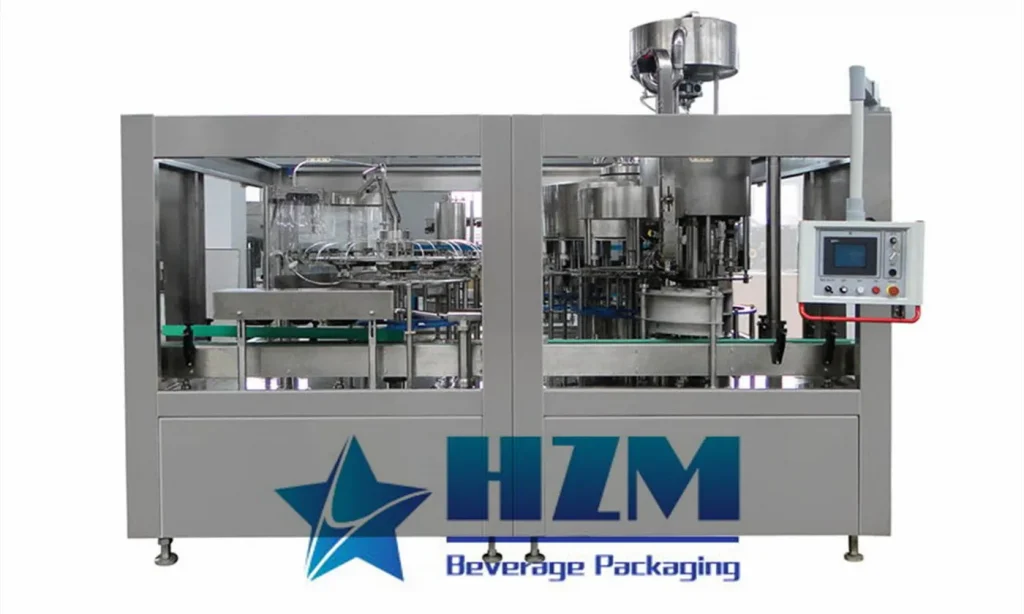
2023-06-27
What is the Working Principle of 3 in 1 Water Filling Machine?
Do you want to set up a unit where you will be manufacturing non-carbonated drinks and filling them into bottles? Now you must decide whether you want to get different machines with different functions like one for cleaning, filling and one for capping or you would like to get 3 in 1 water filling machine?
Learn more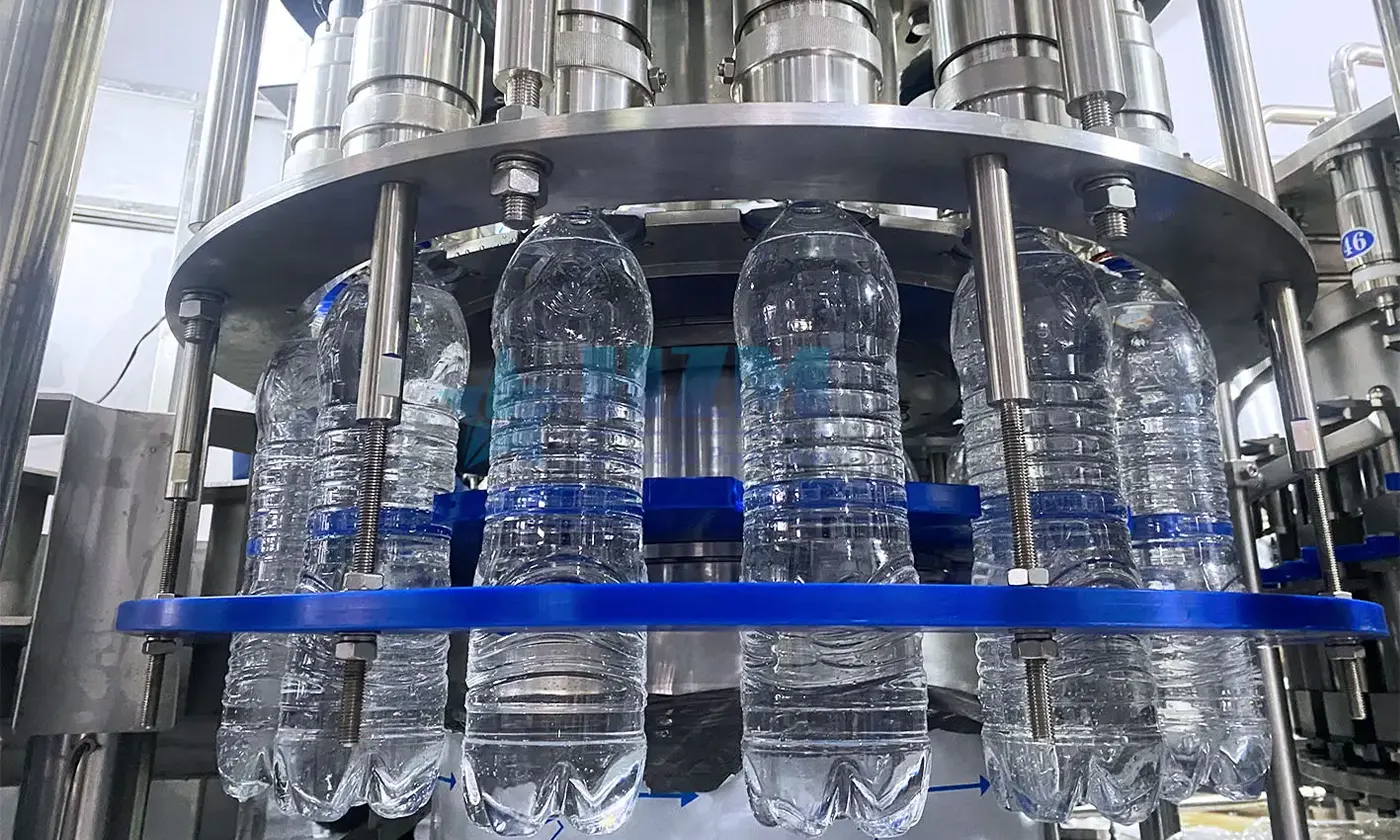
2023-12-24
Water Filling Machine for Sale
If you are interested in purchasing a water filling machine, please contact us today. We would be happy to discuss your needs and recommend the best machine for your application.
Learn more2026-03-20
How to Choose a 10L Water Filling Machine for Your Bottling Plant (1200BPH Solution)
Learn how to choose a 10L water filling machine for your bottling plant. Discover features, benefits, and complete 1200BPH water production solutions.
Learn more
2023-09-14
Water Bottle Filling Machine Prices
Water bottle filling machines are highly automated filling equipment used for various containers, including water bottles, beverage bottles, and wine bottles. The application of this equipment is incredibly diverse, spanning across industries such as food, beverages, and household products
Learn more