
Insights & Updates
Raw Water Analysis for a Bottling Plant: What to Test Before Buying RO Equipment
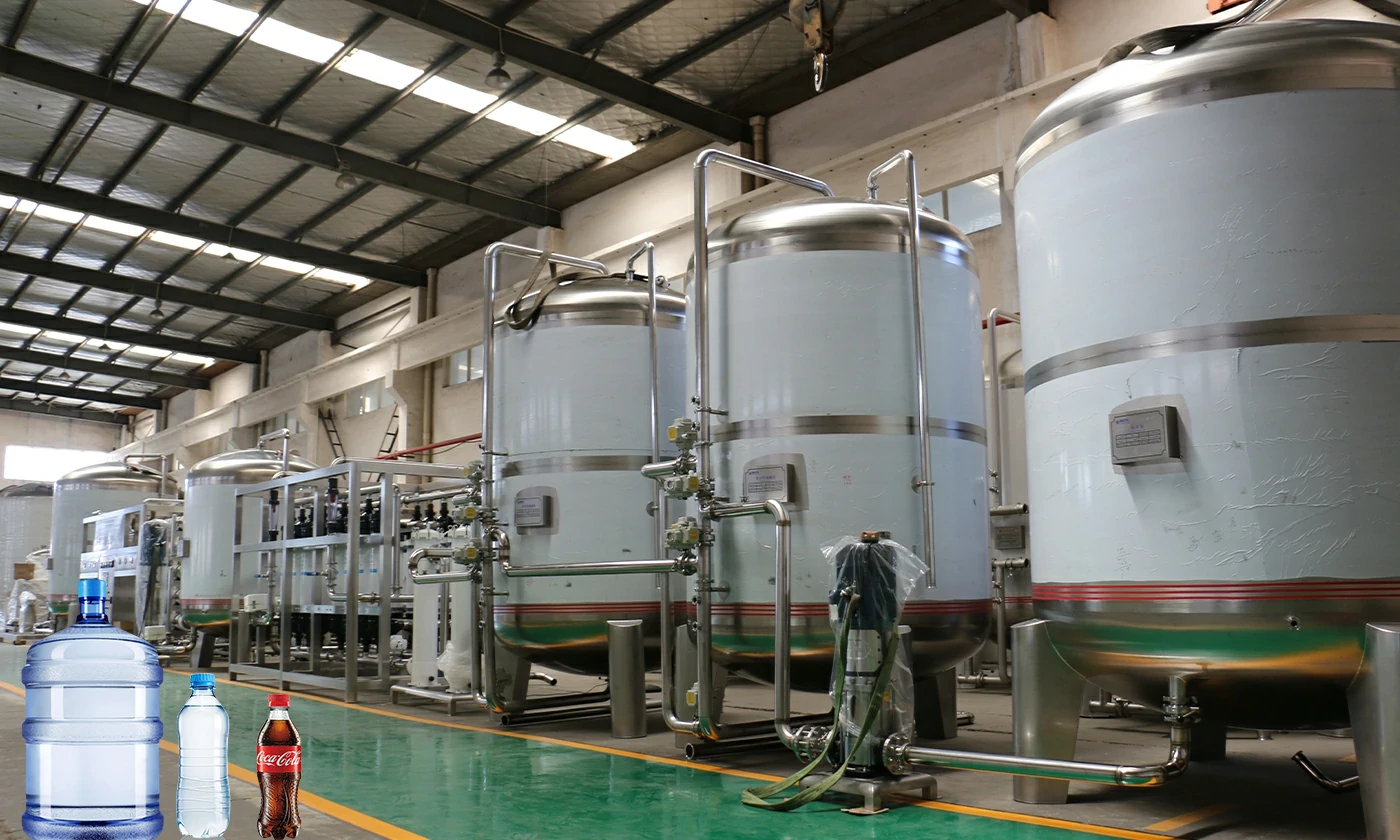
A reverse osmosis quotation based only on “well water” or “municipal water” is not an engineered solution. Two wells in the same region can have very different hardness, iron, silica, salinity and microbiological risk. Those differences affect chemical dosing, filter media, membrane recovery, cleaning frequency, reject-water volume and the taste of the finished product.
Before ordering a bottled-water or beverage treatment system, obtain a representative laboratory report and describe how the source changes during the year. Good input data reduces the risk of membrane scaling, short filter life, unstable product water and unexpected operating cost. This article lists the information to collect and explains how each group of parameters influences system design.
Quick answer: Test physical, chemical and microbiological quality at the source, including turbidity, pH, conductivity or TDS, hardness, alkalinity, iron, manganese, silica, chloride, sulfate, nitrate and microbial indicators. Also provide source flow, temperature and seasonal variation. The supplier should use these results to design pretreatment, RO recovery, disinfection, storage and cleaning—not simply select a standard skid by hourly capacity.
Take a Representative Sample
Sampling quality matters as much as the test list. Flush a well or pipeline long enough to remove stagnant water, use clean laboratory-approved containers and follow preservation instructions. Microbiological samples require sterile bottles and fast transport under controlled conditions. Record the source, time, temperature, recent rainfall and whether any chemicals were added before sampling.
If the source changes between dry and rainy seasons, test both conditions. Surface water may show large swings in turbidity and organic load, while borehole water may be more stable but contain hardness, iron or salinity. Designing from a single unusually clean sample can leave the plant vulnerable during the difficult season.
Physical and General Chemistry Parameters
| Parameter | Why it matters | Possible design response |
|---|---|---|
| Turbidity and suspended solids | Foul filters and membranes; protect microorganisms | Clarification, multimedia filtration or finer prefiltration |
| pH and alkalinity | Affect scaling tendency and chemical dosing | pH adjustment and antiscalant selection |
| Conductivity/TDS | Indicate dissolved salt load and RO duty | Membrane selection and staging |
| Color, odor and organics | Affect taste and may foul treatment media | Activated carbon or advanced pretreatment |
| Temperature | Changes membrane flux and required pressure | Capacity correction for coldest operating water |
Ask the laboratory to use recognized methods and report units clearly. A value without a unit can lead to major design errors. The supplier should receive the complete report, not only parameters that passed local drinking-water limits, because even acceptable mineral concentrations can influence treatment performance.
Scale-Forming and Membrane-Fouling Ions
Calcium and magnesium hardness can form scale when water is concentrated inside an RO system. Alkalinity, sulfate, silica and barium or strontium—where relevant—also influence scaling calculations. Iron and manganese may oxidize and deposit on filters or membranes. These substances determine whether the line needs softening, oxidation and filtration, special antiscalant or a lower recovery rate.
A reliable bottled-water treatment plant should therefore be sized from ion balance and operating conditions. “More recovery” is not automatically better: forcing too much permeate from difficult water can increase cleaning and membrane-replacement cost.
Microbiological Risk and Disinfection
Total bacterial count and indicator organisms reveal source and handling risk, but one clean sample does not prove permanent safety. Review the wellhead, storage tanks, vents, piping dead legs and opportunities for contamination after treatment. The process may combine upstream oxidation, filtration, UV, ozone and hygienic storage depending on product and local rules.
RO removes many contaminants, but the complete plant must prevent recontamination between permeate production and filling. Sanitary tank design, recirculation, protected vents and a documented cleaning schedule are part of the water-treatment solution.
Provide Flow, Pressure and Utility Data
Water quality alone is not enough. State the reliable source flow, inlet pressure, available hours per day and whether the source must also serve offices or cleaning. Provide electrical supply, available floor area, drain capacity and chemical-storage constraints. If raw-water flow is lower than treatment demand, a properly sized buffer tank may be required.
The target should be expressed as usable product water at the design temperature, not simply membrane nameplate flow. Include water needed for bottle rinsing, syrup preparation, CIP, backwashing and sanitation when calculating plant demand.
Define Finished-Water Targets
The required product-water quality depends on whether the plant makes purified water, mineral-style drinking water, juice, carbonated drinks or another product. Excessive demineralization can create a flat taste or require controlled remineralization. Beverage recipes may also need stable alkalinity and hardness to protect flavor consistency.
Specify the applicable local regulations and the company’s internal targets. This allows the supplier to select pretreatment and an industrial RO water treatment plant that produces the necessary quality with an appropriate recovery and sanitation strategy.
Questions the RO Proposal Should Answer
- What feed-water analysis and minimum temperature were used for sizing?
- What permeate flow, recovery and reject flow are guaranteed?
- Which scaling or fouling risks were identified?
- What pretreatment, chemical dosing and cartridge filtration are included?
- How are membranes cleaned, preserved and monitored?
- Which instruments display pressure, flow, conductivity and differential pressure?
- What consumables and spare parts will be required during the first year?
A proposal that answers these questions is easier to compare on total operating cost. It also creates a design basis that can be checked during commissioning.
Frequently Asked Questions
Can a supplier design an RO plant without a water analysis?
A preliminary budget is possible, but final membrane, pretreatment and recovery decisions should use representative test data. Otherwise the quotation carries avoidable technical and cost uncertainty.
How often should raw water be retested?
Retest when the source, season or water appearance changes and on a routine schedule appropriate to local regulations and risk. New wells and surface sources usually deserve closer early monitoring.
Is TDS alone enough to select RO equipment?
No. TDS does not show which ions are present, scaling potential, turbidity, organics or microbiological risk. Two sources with similar TDS can require different pretreatment.
Plan the Next Step with HZM Machinery
Send HZM your raw-water laboratory report, source details, required product-water flow and operating schedule. The team can configure pretreatment, RO, disinfection and storage as an integrated water treatment system for your beverage project.
Talk to our engineering team
Need help planning your packaging line?
Share your product, bottle and capacity requirements for a practical equipment recommendation.
Equipment
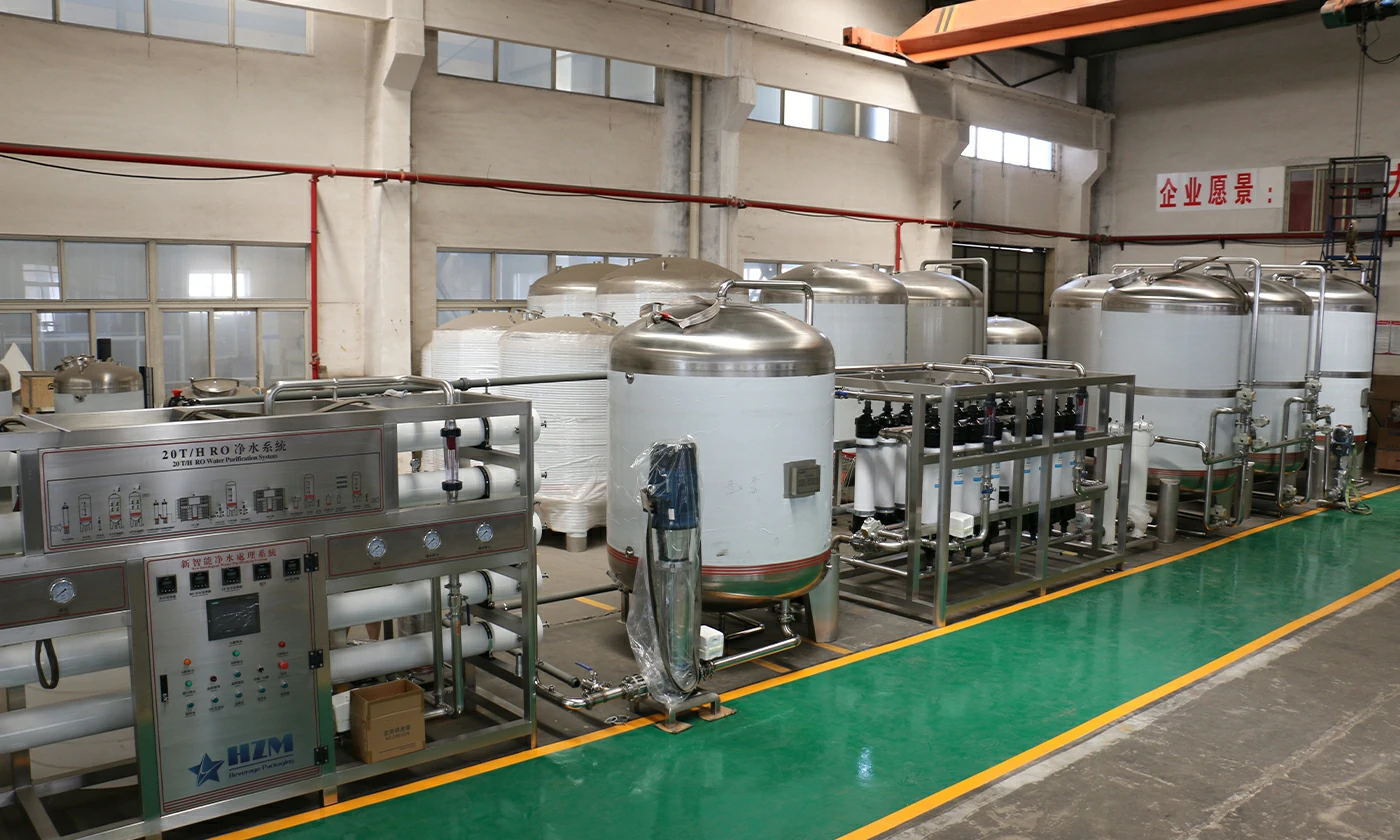
Industrial RO Drinking Water Treatment Plant – Reverse Osmosis Equipment for Beverage & Bottled Water
1,000 litres/hour reverse osmosis water treatment for bottled-water, beverage and food production.
Learn more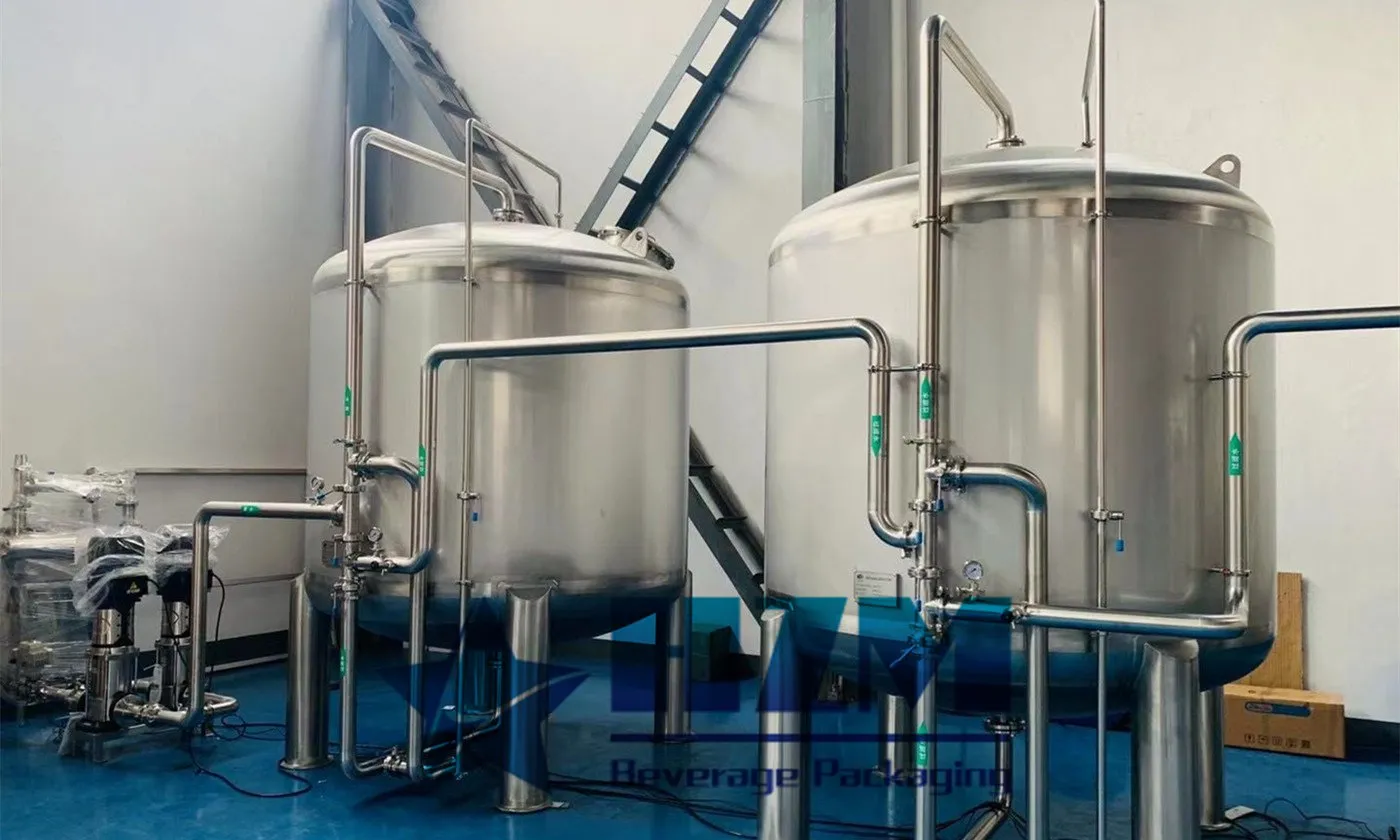
Equipment
RO System Water Treatment Plant
The RO water treatment plant produces purified water through feed-water pretreatment and reverse-osmosis membrane separation.
Learn more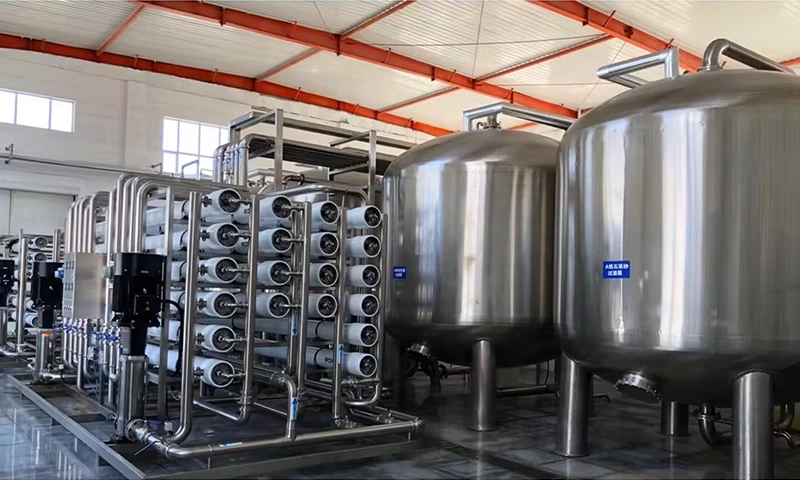
Equipment
Reverse Osmosis Water Treatment
The reverse osmosis system treats water for bottled-water and beverage production.
Learn moreEquipment
RO Water Treatment Machine for Bottled Water Production
10 T/H reverse osmosis water treatment for purified-water bottling, with pretreatment, storage and filler-supply connections.
Learn more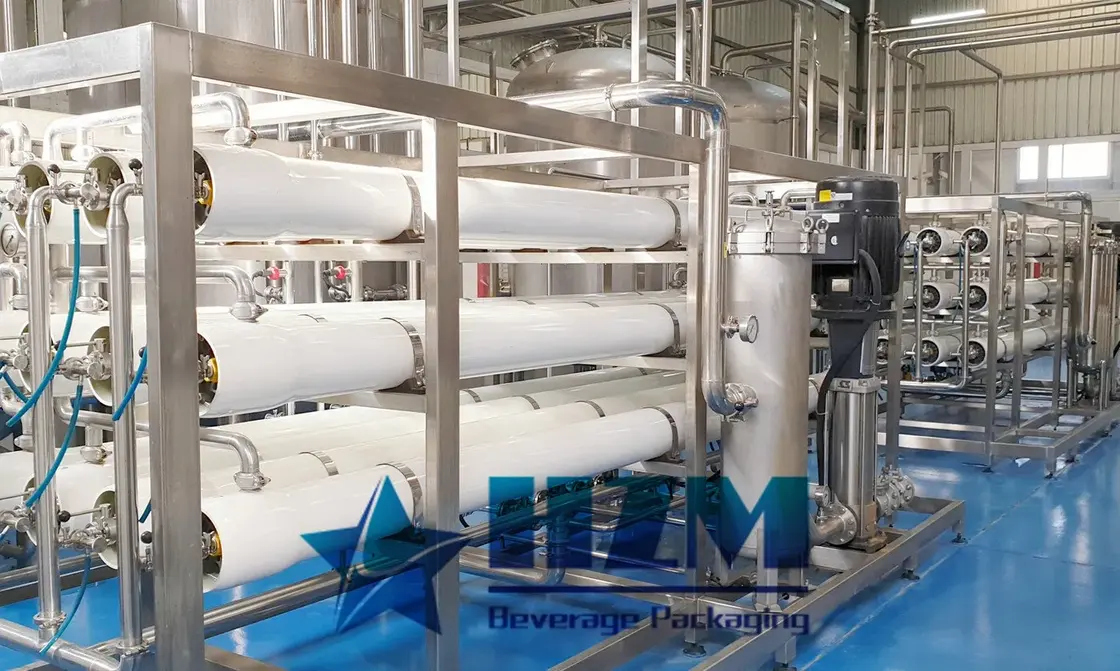
Equipment
Water Treatment System
HZM water treatment systems prepare process water for bottled water, beverages and brewing.
Learn moreEquipment
Water Treatment for the Food & Beverage Industry – RO Water Treatment Equipment
10 T/H RO water treatment for ingredient, process and rinse water in food and beverage plants.
Learn moreEquipment
Industrial food water treatment equipment – 10T/H RO Water Treatment System
10 T/H reverse osmosis water treatment for food and beverage production, with pretreatment and stainless-steel equipment options.
Learn moreEquipment
Food Grade RO Water Plant
10 T/H food and beverage RO water treatment with SUS304 or SUS316 stainless-steel options, monitoring and cleaning connections.
Learn more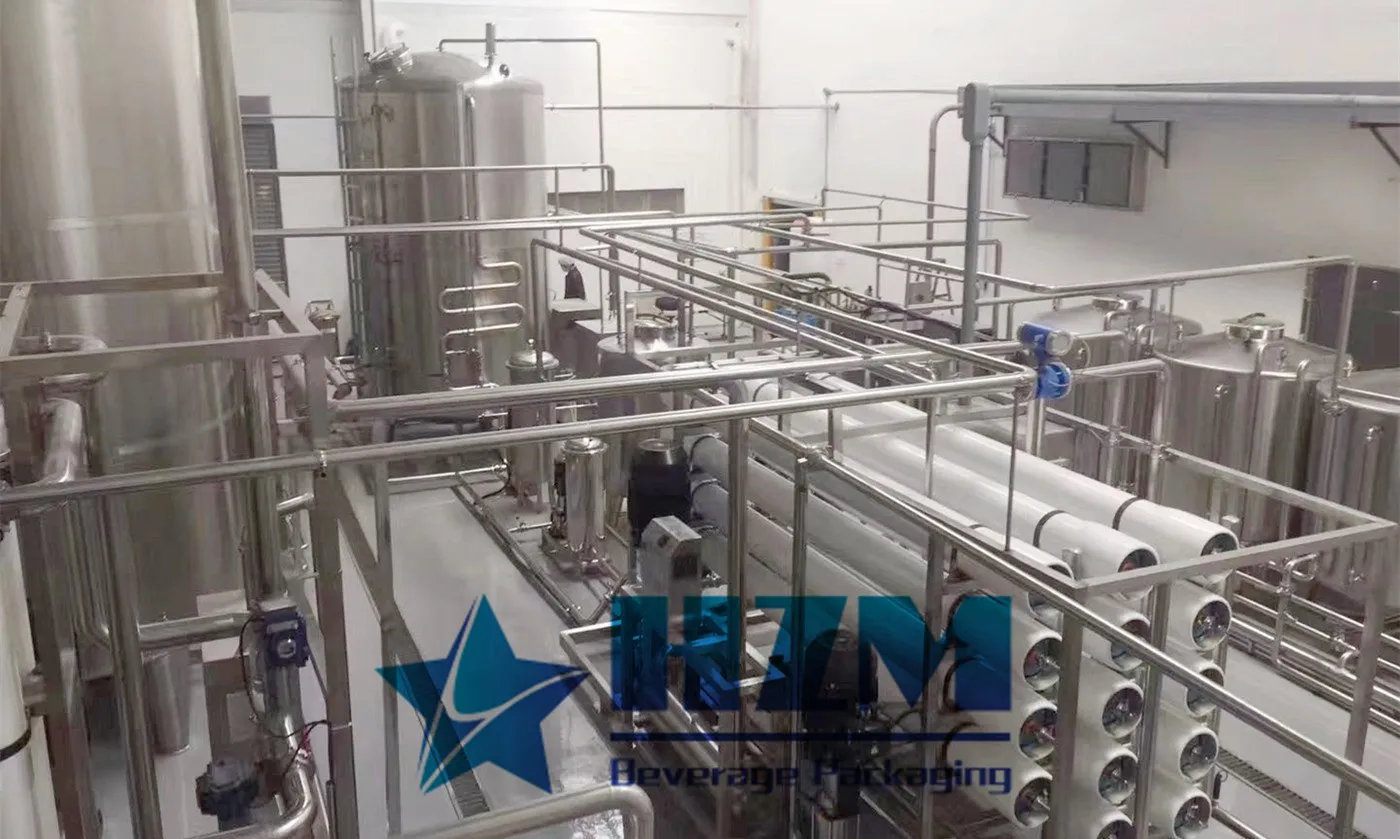
Equipment
Water Treatment Machine Purification System
HZM water purification equipment combines filtration, membrane treatment and final treatment in one process.
Learn more2023-06-09
RO Water Treatment Plant Guide: Raw Water Analysis and Process Selection
Practical HZM guidance on ro water treatment plant, focused on raw water analysis and process selection, line integration, RFQ data and measurable acceptance checks.
Learn more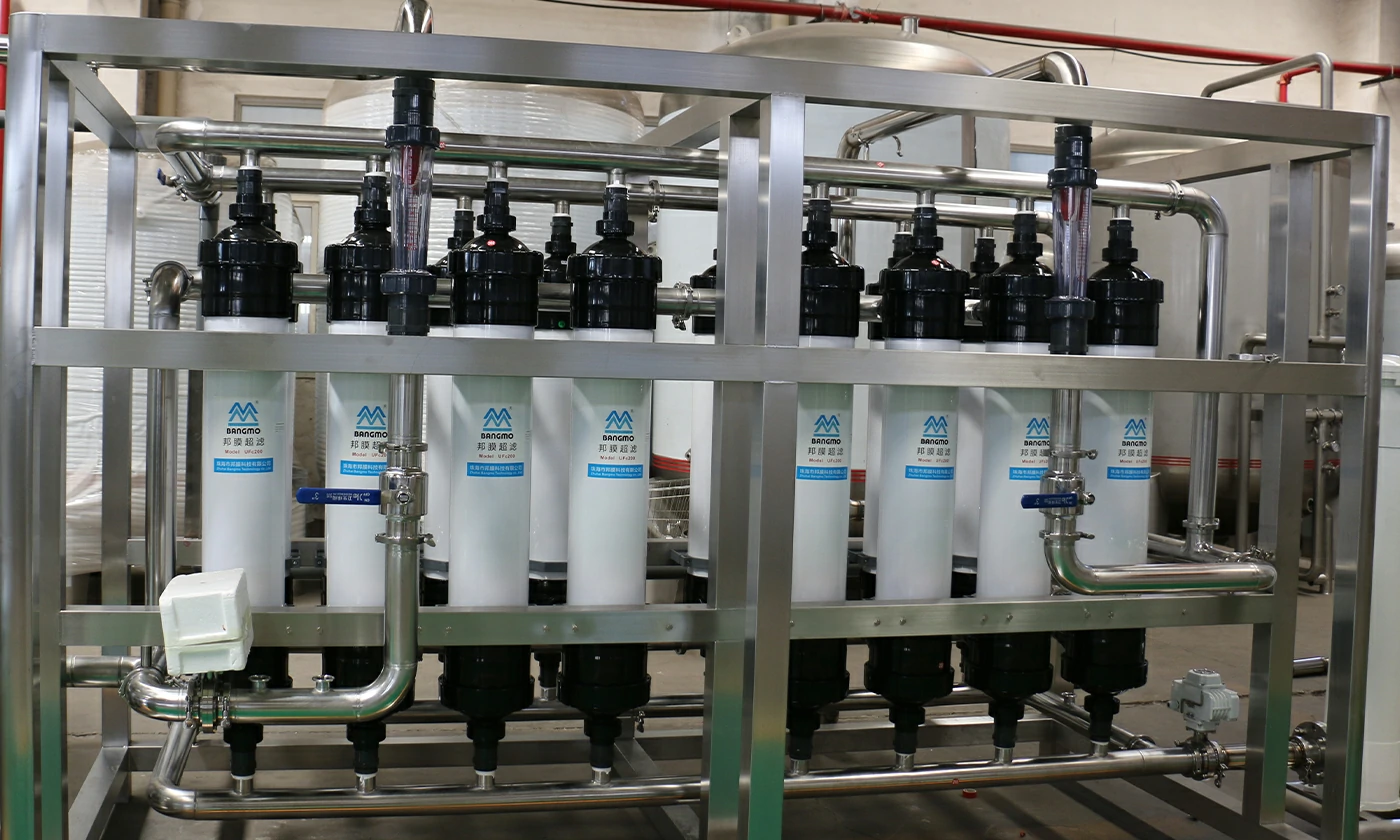
2026-01-22
Raw Water Treatment System for Beverage Plant
A reliable raw water treatment system is the foundation of any beverage production line. Whether producing bottled water, carbonated drinks, juice, or functional beverages, the quality of raw water directly affects product taste, safety, equipment lifespan, and regulatory compliance.
Learn more2024-07-04
Commercial industrial reverse osmosis machine
Industrial reverse osmosis equipment is primarily used for producing pure water for industrial production. Depending on customer requirements, different process flows are employed to produce pure water that meets the specified standards. The equipment is widely used in the food and beverage industry, laboratories, pharmaceuticals, chemicals, and other sectors. Our equipment is factory-direct, and it is exported to more than 50 countries, including South Africa, North Africa, Sudan, the United States, Europe, and Southeast Asia.
Learn more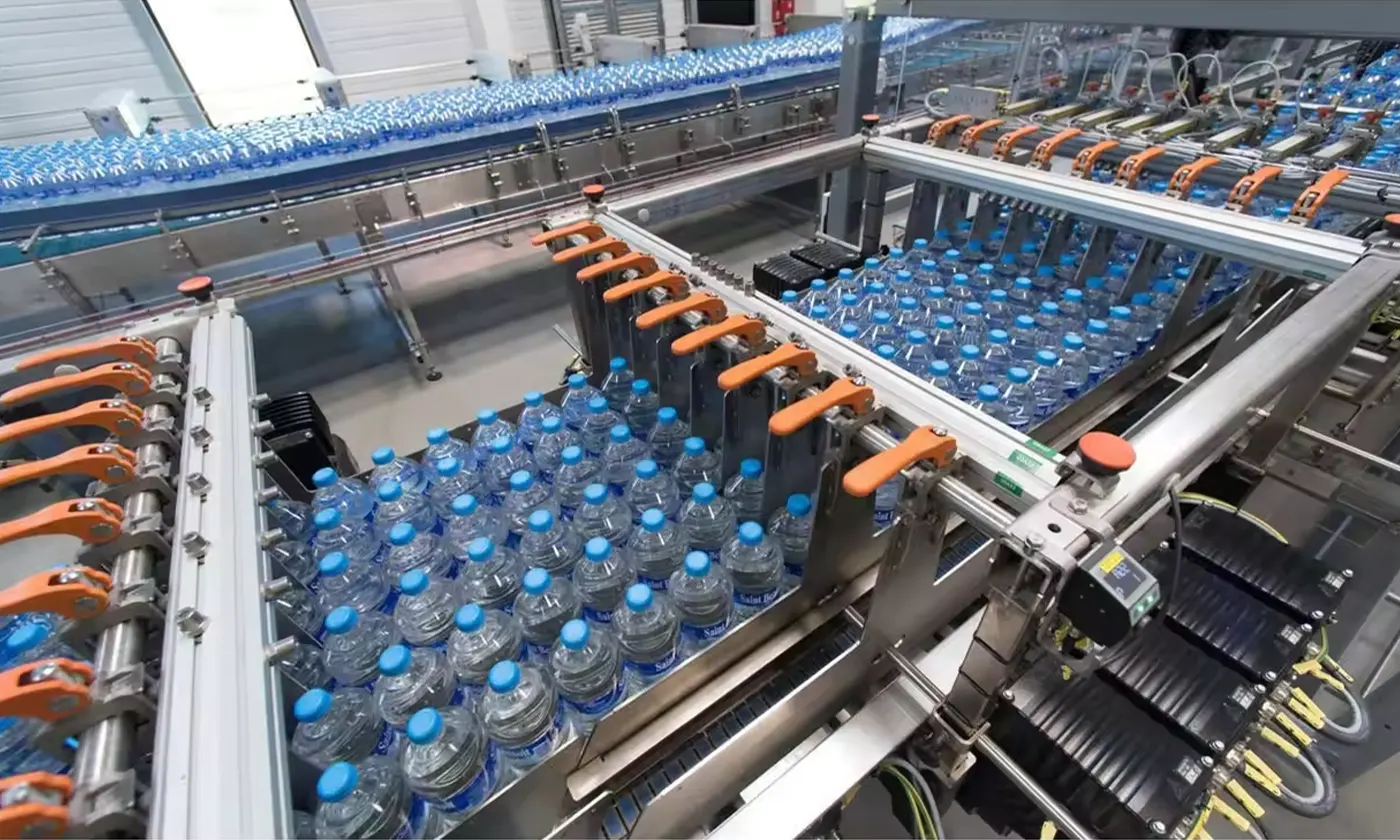
2024-04-16
Comprehensive Analysis of Bottled Water Production Line
The concept of the bottled water production line is extensive, primarily categorized by capacity, with common specifications including 350ml, 550ml, and 600ml.
Learn more
2024-01-05
Bottle water production line process analysis
A fully automatic bottle water production line includes water treatment equipment, blowing equipment, bottle feeding track, bottle handling machine, bottle filling machine, bottle cap disinfection equipment, finished product conveyor, inspection equipment, inkjet printing equipment, label equipment, and packaging equipment.
Learn more2026-09-14
RO Membrane Scaling: How to Confirm It Before Cleaning
Do not identify scale from low flow alone. Use feed analysis, recovery, pH, concentrate chemistry, stage location and deposit analysis to distinguish carbonate, sulfate, silica or other scale before choosing a cleaner. Follow this practical fault-isolation, repair and prevention guide for bottling-line operators and maintenance teams.
Learn more