
RO High-Pressure Pump Cavitation and Vibration: What to Check
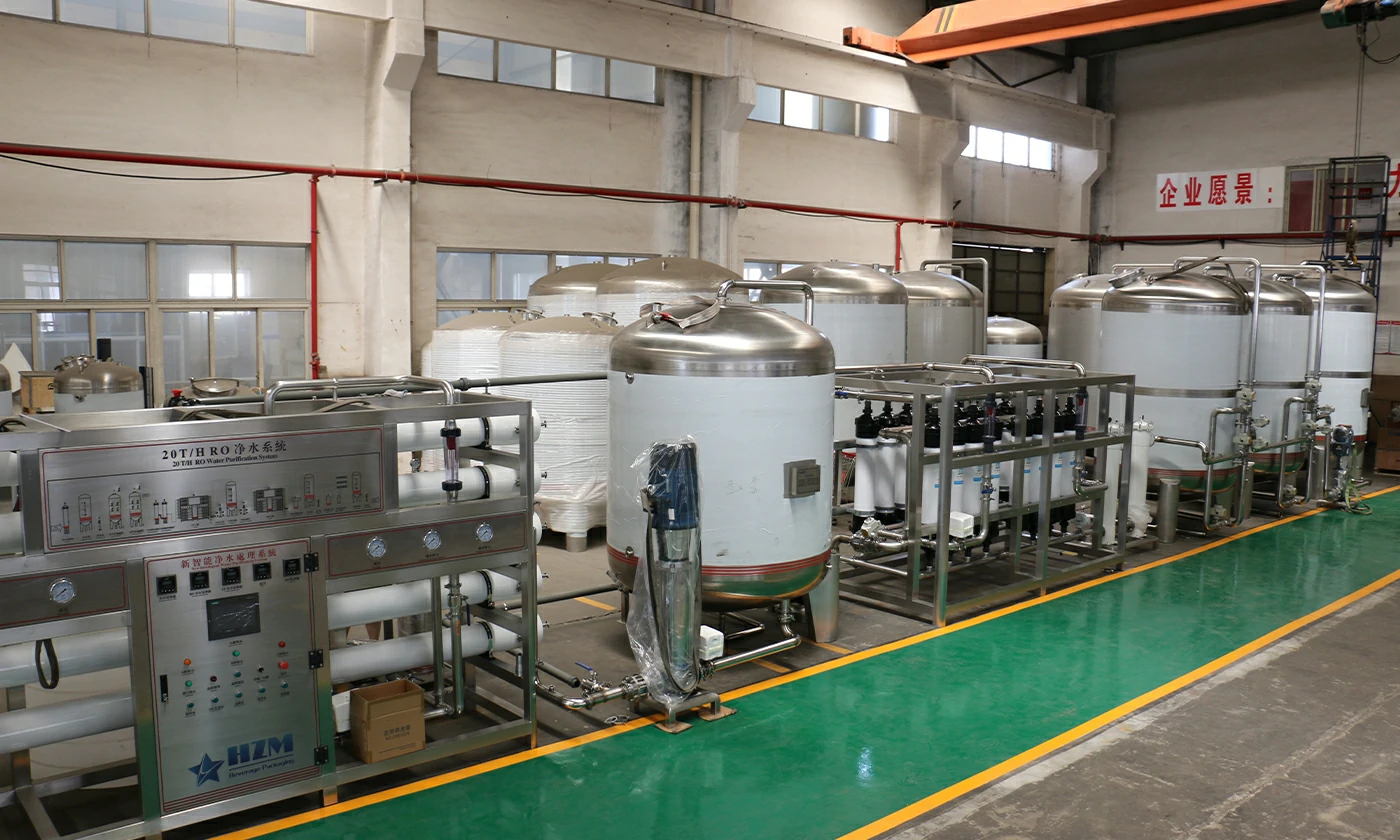
Reduce risk immediately and verify suction conditions. Low tank level, blocked strainers, hot water, suction air leaks, excessive flow and inadequate available NPSH can form collapsing vapor bubbles and damage the pump.
Use the plant chemical-handling procedure, suitable PPE and lockout/tagout. Depressurize housings and verify that cleaning chemicals have been displaced before opening a pump, filter or membrane vessel.
Locate the fault
- Pump sounds like gravel is passing through it
- Discharge pressure and flow fluctuate
- Vibration rises as feed tank level falls
- Impeller or seal damage recurs
Inspection sequence
- Reduce load or stop the pump if severe cavitation is suspected
- Record suction pressure, temperature, tank level, flow and pump speed
- Check suction valves, strainers and filter differential pressure
- Inspect for vortexing and perform an approved suction leak test
- Compare operating point and available NPSH with the pump curve and manual
- Check alignment, bearings and vibration after the suction cause is corrected
Corrective work
- Restore liquid level and reduce suction lift or piping losses
- Clean restrictions and fully open the correct isolation valves
- Seal air leaks and correct tank anti-vortex arrangements
- Return the pump to an approved operating point and repair cavitation-damaged components
Operating records and follow-up
- Alarm low suction pressure and tank level
- Trend vibration and filter differential pressure
- Keep suction pipe short and correctly sized
- Verify pump curve after flow changes
- Inspect impeller and seals after any severe cavitation event
Equipment details: Industrial RO Drinking Water Treatment Plant – Reverse Osmosis Equipment for Beverage & Bottled Water.
Need help planning your packaging line?
Share your product, bottle and capacity requirements for a practical equipment recommendation.
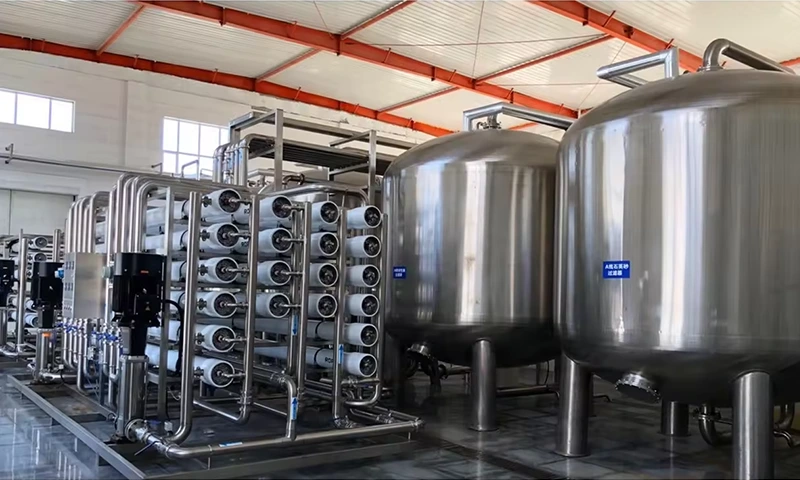
RO Water Treatment Machine for Bottled Water Production
10 T/H reverse osmosis water treatment for purified-water bottling, with pretreatment, storage and filler-supply connections.
Learn more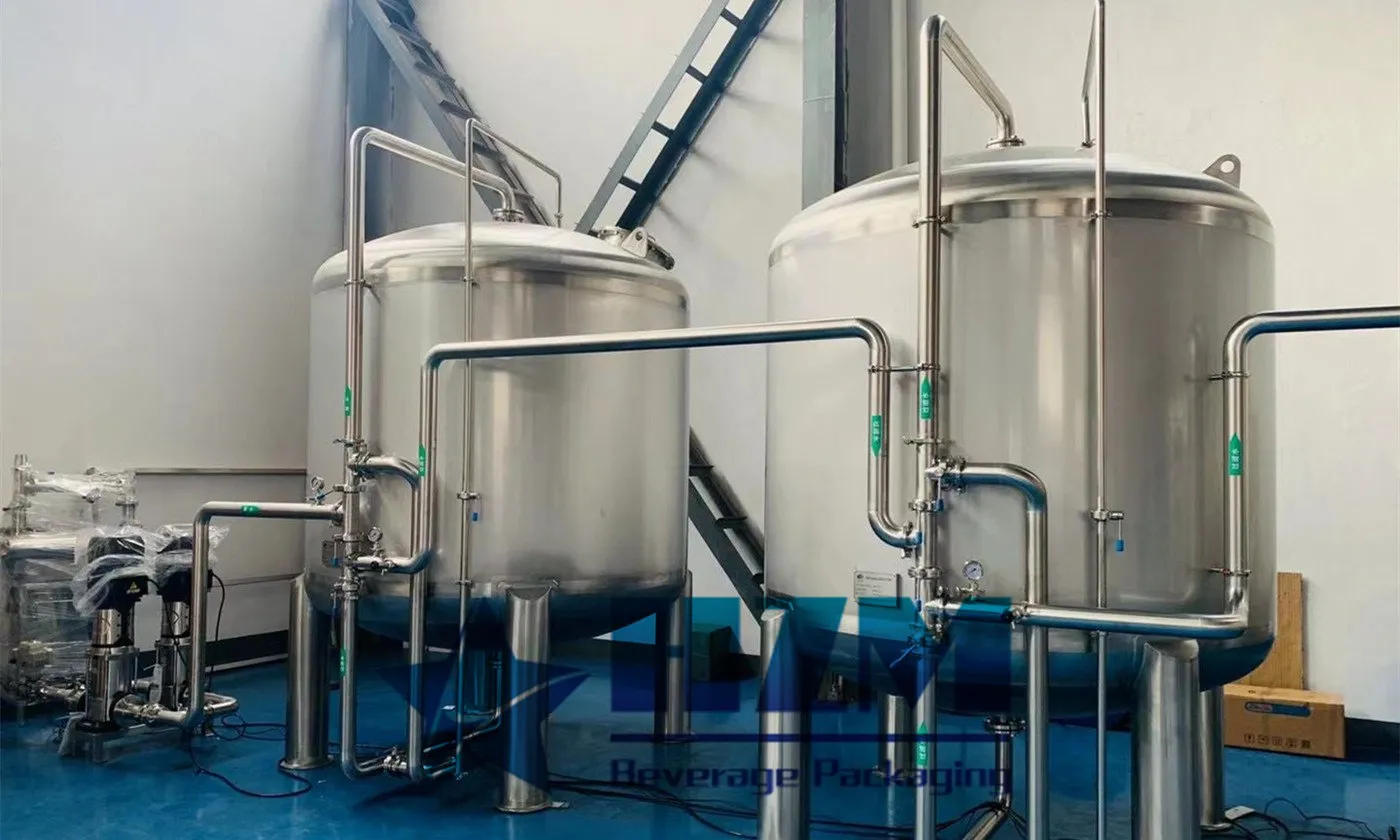
RO System Water Treatment Plant
The RO water treatment plant produces purified water through feed-water pretreatment and reverse-osmosis membrane separation.
Learn moreWater Treatment for the Food & Beverage Industry – RO Water Treatment Equipment
10 T/H RO water treatment for ingredient, process and rinse water in food and beverage plants.
Learn moreIndustrial food water treatment equipment – 10T/H RO Water Treatment System
10 T/H reverse osmosis water treatment for food and beverage production, with pretreatment and stainless-steel equipment options.
Learn moreIndustrial RO Drinking Water Treatment Plant – Reverse Osmosis Equipment for Beverage & Bottled Water
1,000 litres/hour reverse osmosis water treatment for bottled-water, beverage and food production.
Learn moreFood Grade RO Water Plant
10 T/H food and beverage RO water treatment with SUS304 or SUS316 stainless-steel options, monitoring and cleaning connections.
Learn more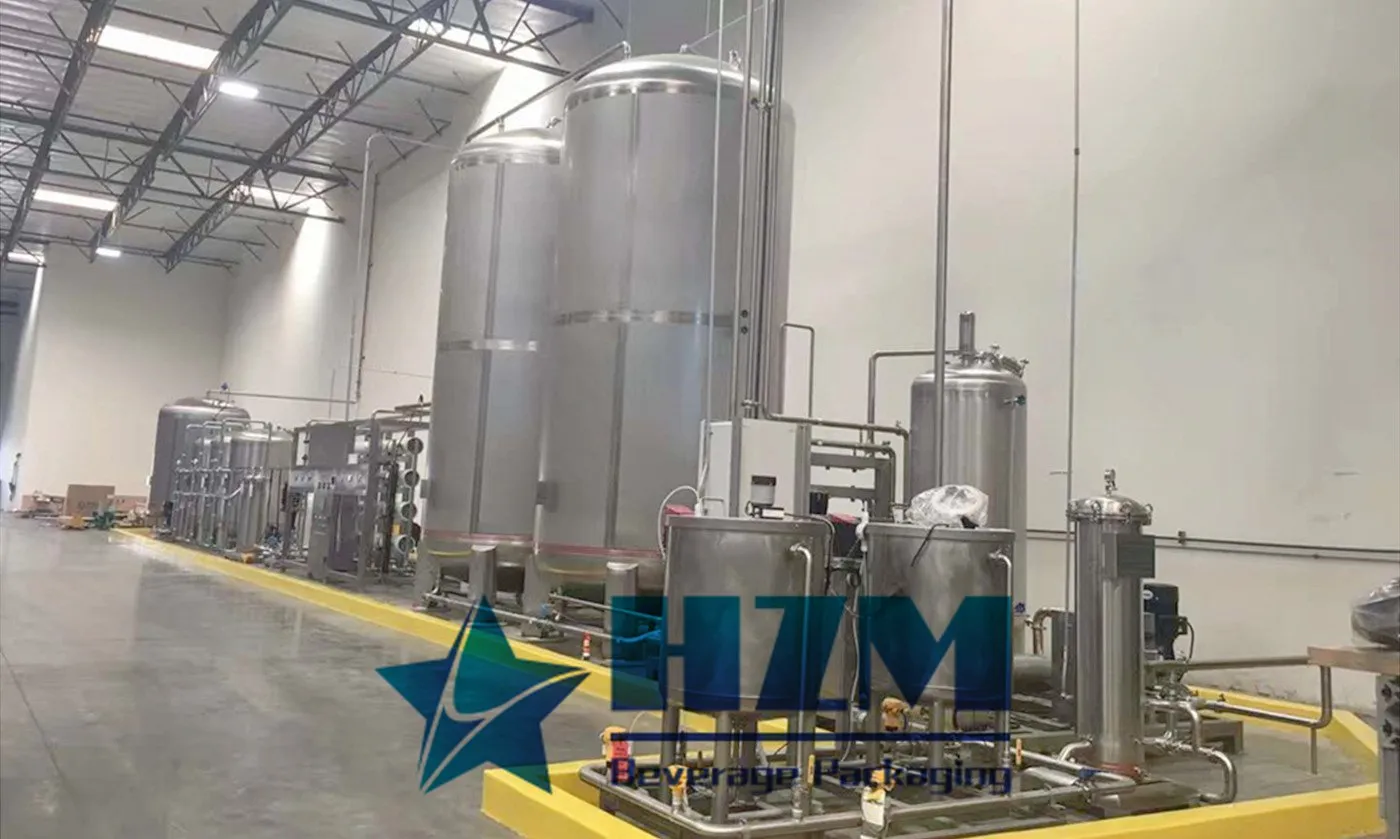
RO Water Treatment System Drinking Water Purifier
This RO water treatment system combines pretreatment, reverse-osmosis membrane separation and final treatment for purified-water production.
Learn more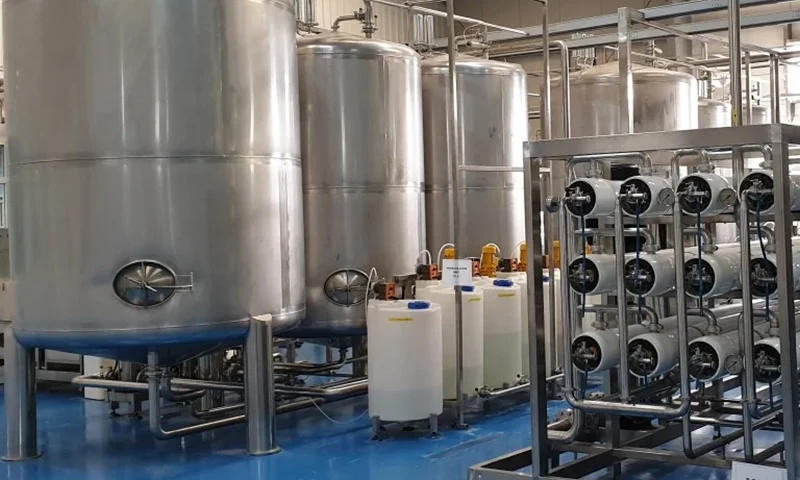
Well Water Purification Small Ro System Ro Plant
This reverse osmosis system treats well water and groundwater for drinking-water production.
Learn moreReverse Osmosis for Bottling: Feed, Permeate and Reject
Distinguish feed flow from product-water output, calculate recovery, and identify the information needed to size RO for a bottling plant.
Learn more8t Normal Pressure Ss304 Ro Water Treatment System
High quality 8t Normal Pressure Ss304 Ro Water Treatment System from China, China's leading ss304 ro water treatment system product, with strict quality control 8t ro water treatment system factories, producing high quality normal pressure ro water treatment equipment products.
Learn moreNormal Pressure SS304 SS316 RO Water Treatment System
High quality Normal Pressure SS304 SS316 RO Water Treatment System from China, China's leading SS316 RO Water Treatment System product, with strict quality control SS304 RO Water Treatment System factories, producing high quality SS316 water reverse osmosis system products.
Learn more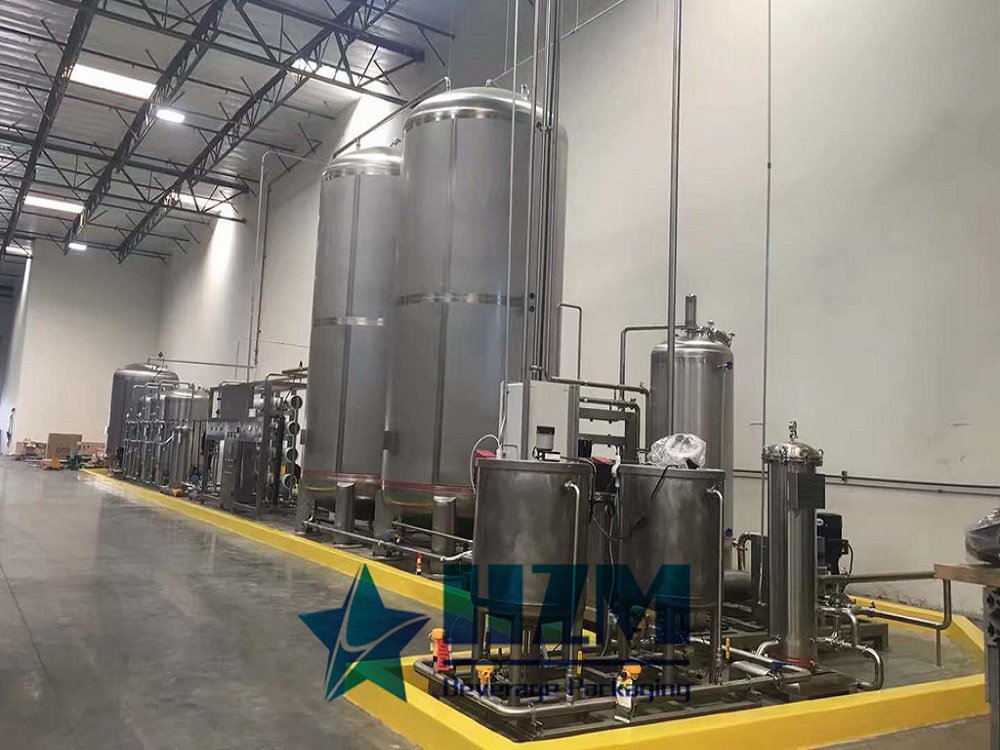
Technical characteristics of reverse osmosis
Technical characteristics of reverse osmosis: 1. Reverse osmosis is the desalination and desalination of salt water using a physical method without phase change at room temperature. The desalination rate of ultra-thin composite membrane elements can reach more than 99.5%, and it can remove colloids, organic matter, bacteria, viruses, etc. in the water at the same […]
Learn more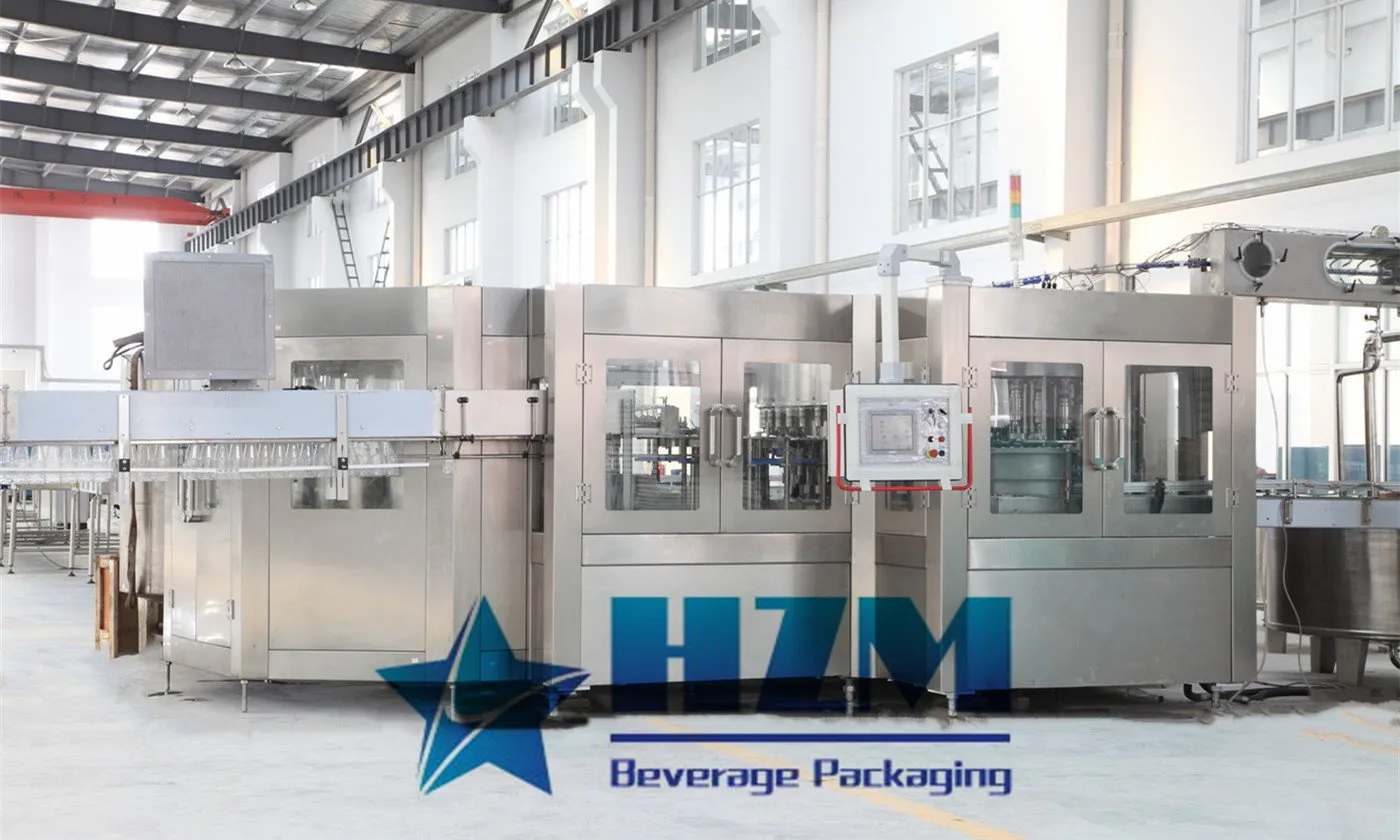
PET Bottles Collapse After Filling or Capping: What to Check
Identify whether collapse comes from vacuum, heat, weak bottle distribution or mechanical squeezing. Check product temperature, headspace pressure, cooling, cap timing, bottle design and guide compression as a connected system. Follow this practical fault-isolation, repair and prevention guide for bottling-line operators and maintenance teams.
Learn more
What to Check During a Filler Factory Inspection
Factory inspection should verify the machine ordered, the parts supplied and the agreed operating tests.
Learn moreRO Differential Pressure Keeps Rising: Fouling Location Matters
Locate the stage where pressure loss is increasing and relate it to normalized flow and salt passage. A first-stage rise often points to particulate or biological fouling; a later-stage rise can indicate scale, but feed analysis is required. Follow this practical fault-isolation, repair and prevention guide for bottling-line operators and maintenance teams.
Learn more