
Servo Piston Filler Is Inaccurate on Sauces

Check product temperature, entrained air and feed consistency first, then inspect piston seals, check valves, servo homing, mechanical coupling and suck-back settings by nozzle.
Stop automatic operation, isolate electrical and pneumatic energy, close and depressurize product circuits, and follow the machine lockout/tagout procedure before opening guards or removing a valve. Quarantine product made since the last confirmed good check.
Locate the fault
- Dose weight varies between strokes
- Nozzles drip or pull strings after filling
- One piston loses volume over a run
- The machine alarms during high-viscosity products
Inspection sequence
- Collect dose weight and servo position data for each piston channel
- Inspect hopper level, agitation and signs of air entrainment
- Trend cylinder fill pressure or motor torque through suction and discharge
- Check home repeatability and mechanical coupling under lockout
- Perform an approved seal-leakage or hold test
- Measure product temperature and representative viscosity or consistency
Corrective work
- Restore constant hopper feed and gentle agitation without incorporating air
- Replace worn hygienic seals and service the product valve
- Correct servo homing, coupling and stroke calibration
- Control product temperature and use a validated speed and nozzle profile for the viscosity
Operating records and follow-up
- Trend motor torque and dose by piston
- Keep product temperature within the recipe window
- Prime cylinders with a documented procedure
- Inspect seals based on cycles and product abrasiveness
- Save protected servo and suck-back recipes
Equipment details: Automatic Servo Piston Filling Line for Viscous Sauces – Ketchup, Soy Sauce, Mayonnaise.
Need help planning your packaging line?
Share your product, bottle and capacity requirements for a practical equipment recommendation.
Automatic Servo Piston Filling Line for Viscous Sauces – Ketchup, Soy Sauce, Mayonnaise
The automatic servo piston filling line fills sauces and condiments such as ketchup, soy sauce and mayonnaise into bottles and other rigid containers.
Learn more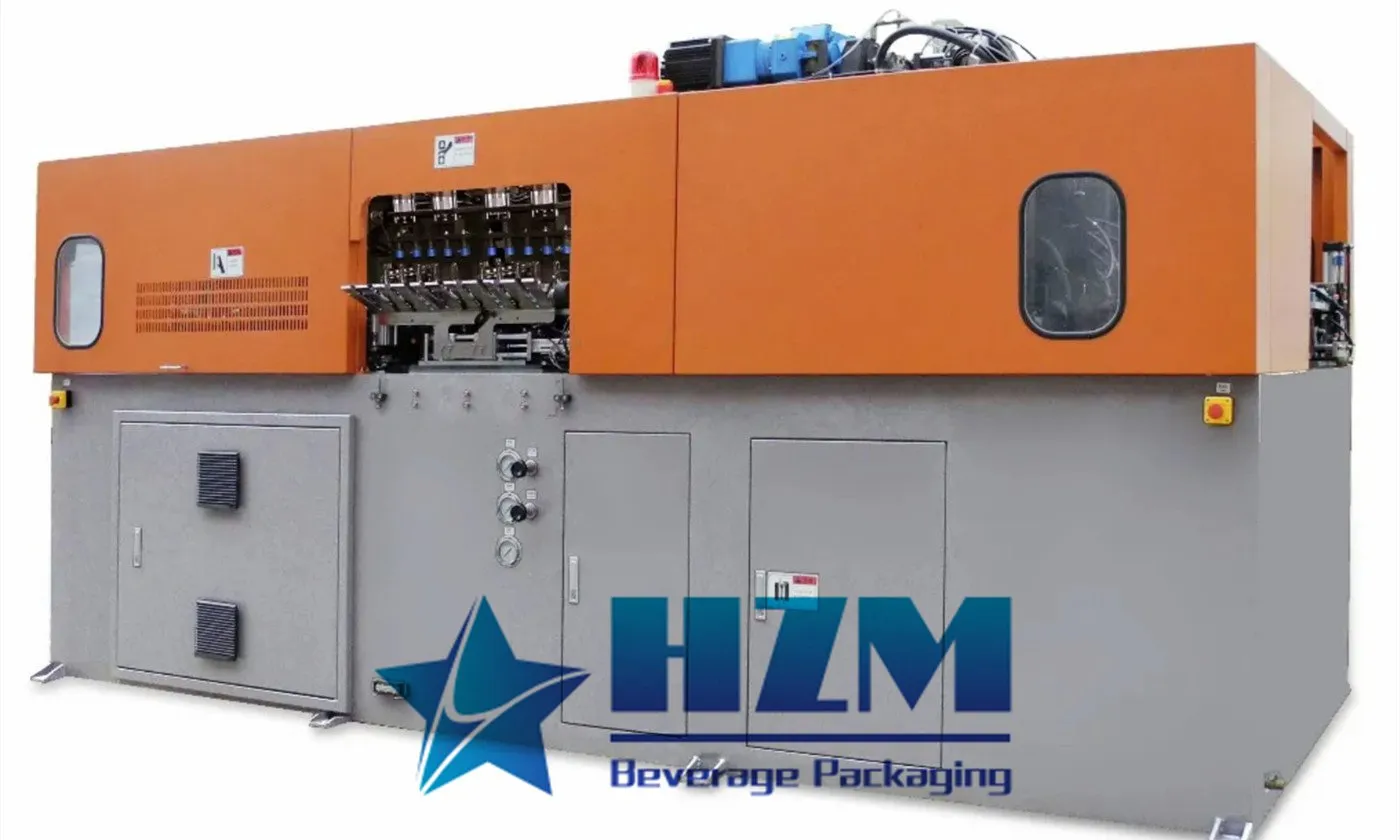
Full Electric Servo Type Blow Molding Machine
Full-electric servo PET blow moulding with 4, 6, 9 or 10 cavities and capacities of 5,400–13,000 bottles/hour at 500 ml.
Learn moreServo Piston Filling for Sauces: Nozzle, Particle Size and Accuracy Checklist
Specify a servo piston filler for ketchup, mayonnaise, soy sauce and particulate products by viscosity, particle size, nozzle, hopper, cleaning and accuracy.
Learn more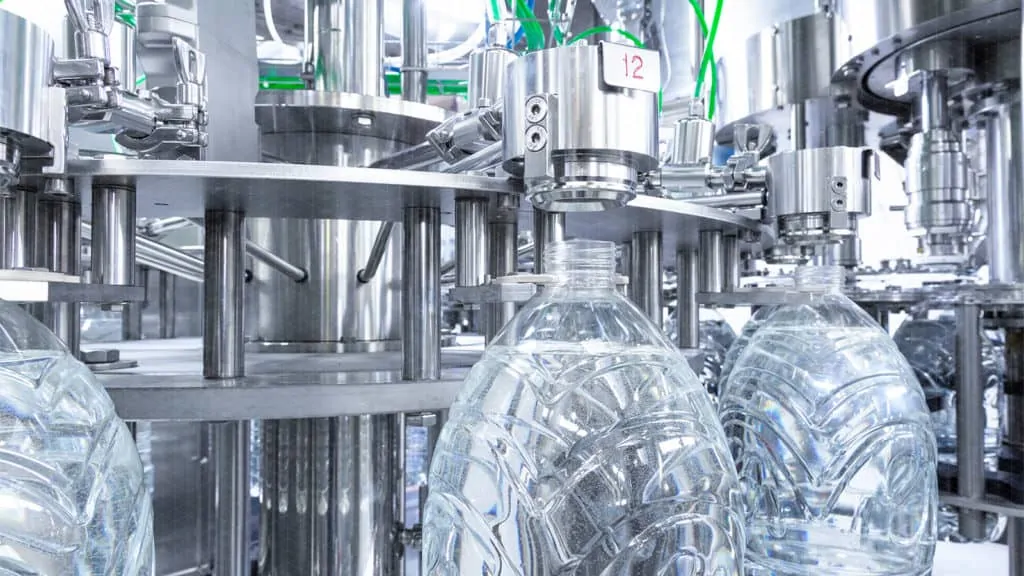
Inaccurate Filling or Overflow in Automatic Water Bottle Filling Machine
When using the automatic quantitative water bottle filling machine for an extended period, issues such as inaccurate filling, failure to discharge, or overflow may occur. This doesn't necessarily indicate a problem with the manufacturer's product quality, as any equipment used for an extended period can develop minor faults.
Learn more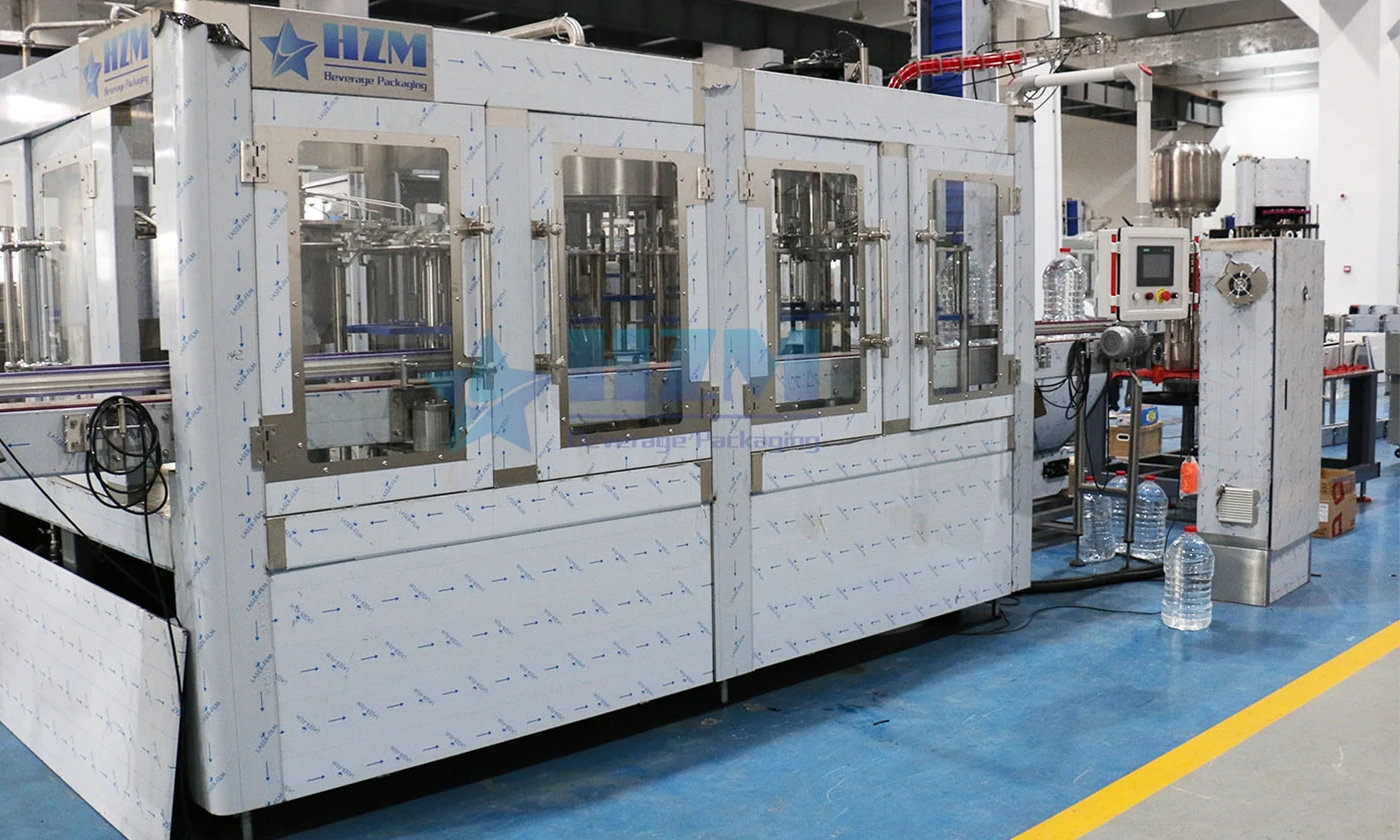
5L–10L Water Filling: How to Prevent Splashing, Drips and Inaccurate Fill
Improve large-bottle water filling with correct nozzle selection, flow profile, venting, bottle control, anti-drip design and net-content verification.
Learn morePET Blow Molding System Guide: Servo Control and Energy Consumption
Practical HZM guidance on pet blow molding system, focused on servo control and energy consumption, line integration, RFQ data and measurable acceptance checks.
Learn more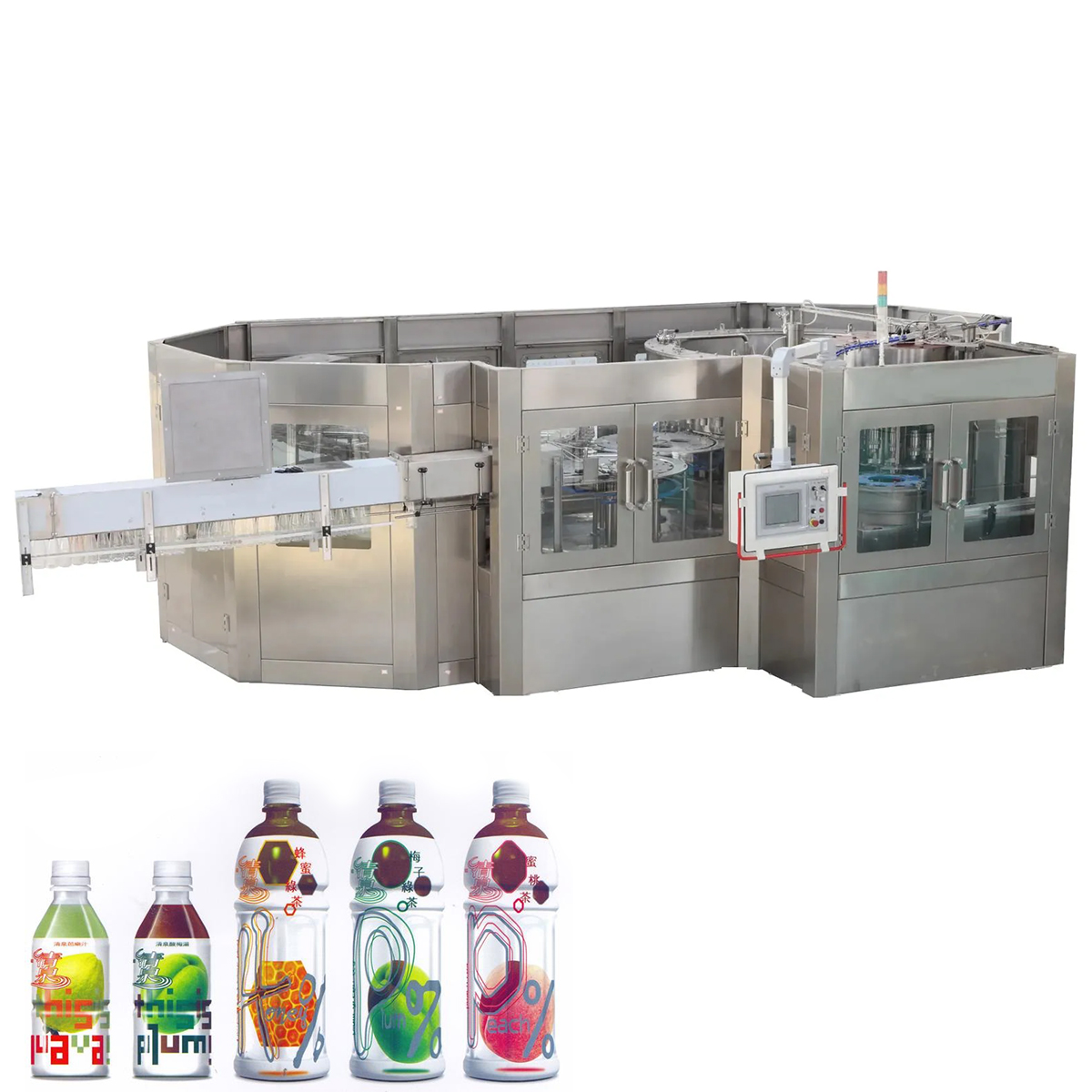
What are the situations in which the beverage filling machine has inaccurate filling or does not discharge?
Beverage filling machines are divided into timed filling and fixed-volume filling, and they are only suitable for filling low-viscosity non-gaseous liquids such as milk, liquor, and mineral water. So, do you know what situations can cause inaccurate filling or failure to discharge in beverage filling machines?
Learn more