
Insights & Updates
Water and Oil Appear in the Bottling Line Air System
A repeatable diagnosis of excess condensate or oil contamination in compressed air begins with three questions: when did it start, where does it first appear, and what changed immediately beforehand? Those answers are more valuable than a quick reset.
Controls and utility faults are best diagnosed from the load back toward the source. First determine whether the stop was commanded, protective, mechanical or caused by an unstable supply. The sections below connect water collects in valve manifolds with measurements so maintenance work addresses the failure mechanism.
Quick answer: Verify pressure dew point and contamination at the point of use, then check aftercooling, separators, drains, dryer loading, filters, ambient conditions and compressor condition. A particulate filter cannot remove water vapour.
What operators usually see
Start by describing the defect precisely. These observations reveal whether the event follows a component, a material lot, a speed change or the entire process: For this case, preserve evidence that shows whether water collects in valve manifolds.
- Water collects in valve manifolds
- Pneumatic cylinders stick or corrode
- Pressure drop rises across the dryer
- Contamination worsens in hot humid weather
Make the equipment safe and protect the product
Electrical tests must be performed by qualified personnel using the site electrical-safety and lockout/tagout procedures. Release pneumatic pressure and verify stored energy before touching actuators.
Capture the first fault, timestamp, drive current, supply pressure or voltage, PLC state, interlock chain and machine condition before resetting anything. Repeated resets destroy useful evidence. Explicitly record whether water collects in valve manifolds.
Most likely causes, in practical checking order
1. Dryer overloaded or malfunctioning
High inlet temperature, excess flow or failed refrigeration or desiccant system leaves a high pressure dew point To test this explanation without guessing, measure pressure dew point at suitable upstream and point-of-use locations Record the result before moving to the next cause.
2. Condensate drains fail
Water carried past aftercoolers and separators enters distribution A practical confirmation step is to record inlet temperature, flow, pressure and dryer alarms. Compare the finding with a known-good run.
3. Filter or compressor oil issue
Saturated coalescing filters or compressor faults allow aerosol carryover Do not compensate for this condition in the recipe. First, test automatic drains and separators under the approved procedure Keep the original setting and measured result in the fault record.
4. Pipe layout creates collection points
Low points without drainage accumulate and release slugs of liquid Separate this cause from the others with one controlled check: check filter differential pressure and service history Use the same product, format and speed for the comparison.
Step-by-step diagnostic procedure
Begin with process conditions and external evidence, then move toward invasive inspection. Make only one controlled change between comparison runs.
- Measure pressure dew point at suitable upstream and point-of-use locations
- Record inlet temperature, flow, pressure and dryer alarms
- Test automatic drains and separators under the approved procedure
- Check filter differential pressure and service history
- Inspect compressor oil carryover indicators
- Survey pipe slope, low points and exposed cold sections
Corrective actions that address the root cause
Choose the least invasive correction that restores the approved condition, then verify its effect before changing anything else.
- Restore correctly sized dryer operation and cooling
- Repair drains and separators
- Replace saturated filters and service compressor faults
- Correct drainage and piping traps without venting condensate unsafely
How to verify the repair before full-speed production
Keep product made during testing on hold. At low, normal and target speed, apply this first criterion: Confirm that excess condensate or oil contamination in compressed air is absent for multiple consecutive cycles, not only for one sample. Review the alarm history and keep diagnostic product segregated until the site’s quality procedure releases it.
- Confirm that excess condensate or oil contamination in compressed air is absent for multiple consecutive cycles, not only for one sample.
- Compare the repaired result for “Water collects in valve manifolds” with the approved quality limit and the last known-good baseline.
- Check adjacent stations and downstream package quality for side effects associated with dryer overloaded or malfunctioning.
- For “Water and Oil Appear in the Bottling Line Air System”, record the final settings, measurements, parts used and restart authorization.
Prevent the problem from returning
Turn the confirmed cause into a centerline, inspection or trend so the team can detect drift before the same shutdown returns.
- Trend pressure dew point
- Maintain drains and filters
- Size dryers for worst inlet conditions
- Inspect distribution low points
- Specify appropriate food or process air quality for each use
When to stop troubleshooting and call a specialist
Stop and contact the machine or component supplier when excess condensate or oil contamination in compressed air cannot be isolated with non-invasive checks, when it returns after an approved repair, or when calibration requires protected service tools. Specialist support is also required when the same protective fault returns after an approved repair or structural damage is suspected. Send the service engineer the fault history, photos, samples, trend data, recipe revision and work already completed.
Relevant equipment for this application
For a project-level comparison related to excess condensate or oil contamination in compressed air, see HZM Machinery’s Beverage Filling Line – Juice, Water, Soft Drinks, cola, Beer. Use actual product, container and utility data when evaluating whether the configuration fits the duty.
Frequently asked questions
What should be checked first when excess condensate or oil contamination in compressed air?
Verify pressure dew point and contamination at the point of use, then check aftercooling, separators, drains, dryer loading, filters, ambient conditions and compressor condition. A particulate filter cannot remove water vapour. Preserve the original settings and take representative samples before repair work begins.
How can we distinguish dryer overloaded or malfunctioning from condensate drains fail?
High inlet temperature, excess flow or failed refrigeration or desiccant system leaves a high pressure dew point In contrast, water carried past aftercoolers and separators enters distribution Compare the two mechanisms under the same operating condition by completing these checks: measure pressure dew point at suitable upstream and point-of-use locations Then record inlet temperature, flow, pressure and dryer alarms
Can production continue while excess condensate or oil contamination in compressed air?
Only when the plant’s documented risk assessment and quality procedure allow it. For excess condensate or oil contamination in compressed air, stop and segregate production when package integrity, sanitation, validated processing, pressure safety, electrical protection or an uncontrolled reject trend is involved.
What evidence will help the equipment supplier respond faster?
Provide the model and serial number, product and format, target speed, first fault, timestamps, photos or video, affected station pattern and maintenance history. For this issue, also include water collects in valve manifolds and the measured result from this check: survey pipe slope, low points and exposed cold sections
Talk to our engineering team
Need help planning your packaging line?
Share your product, bottle and capacity requirements for a practical equipment recommendation.
Equipment
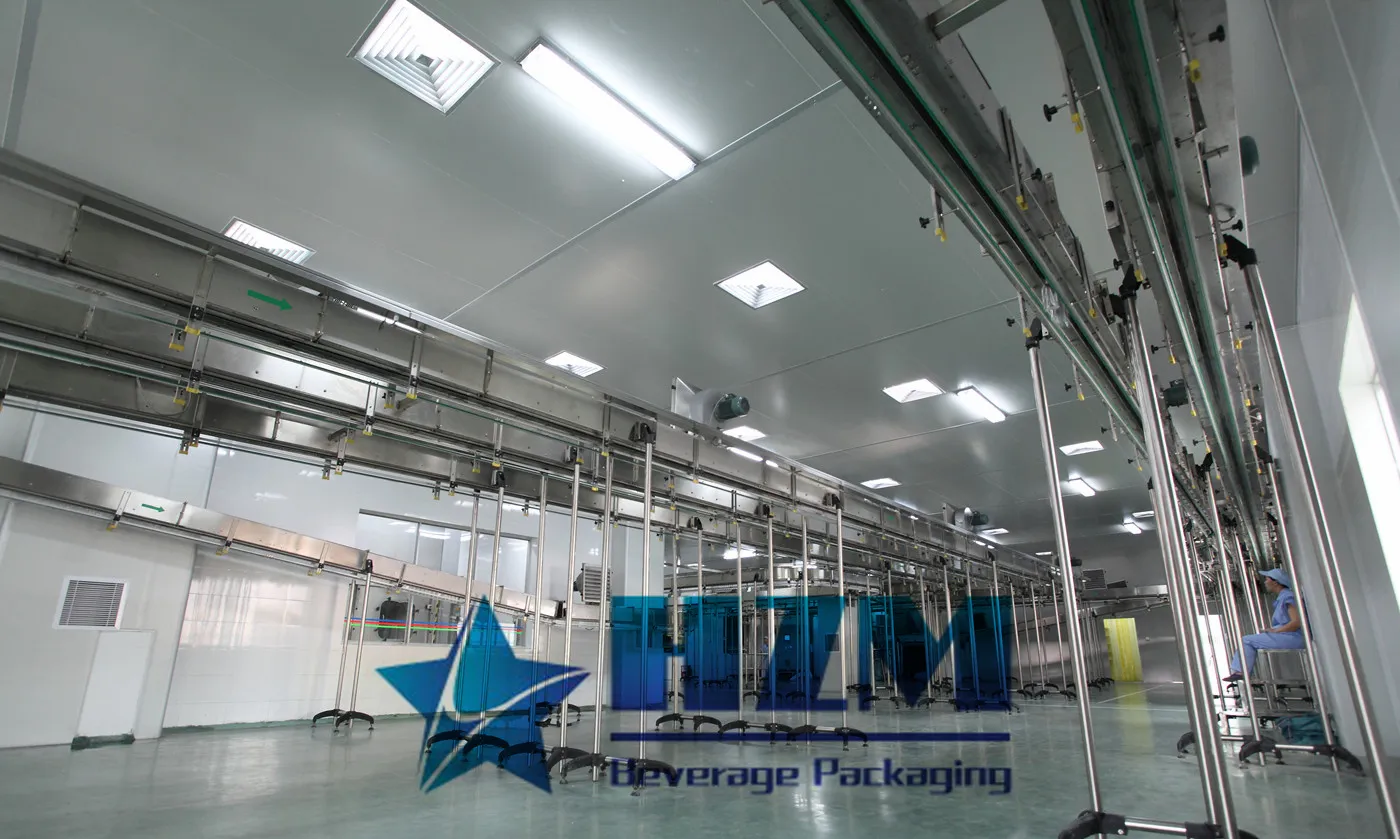
Bottle Air Conveyor
The bottle air conveyor transfers empty PET bottles from the blowing machine to the filler.
Learn more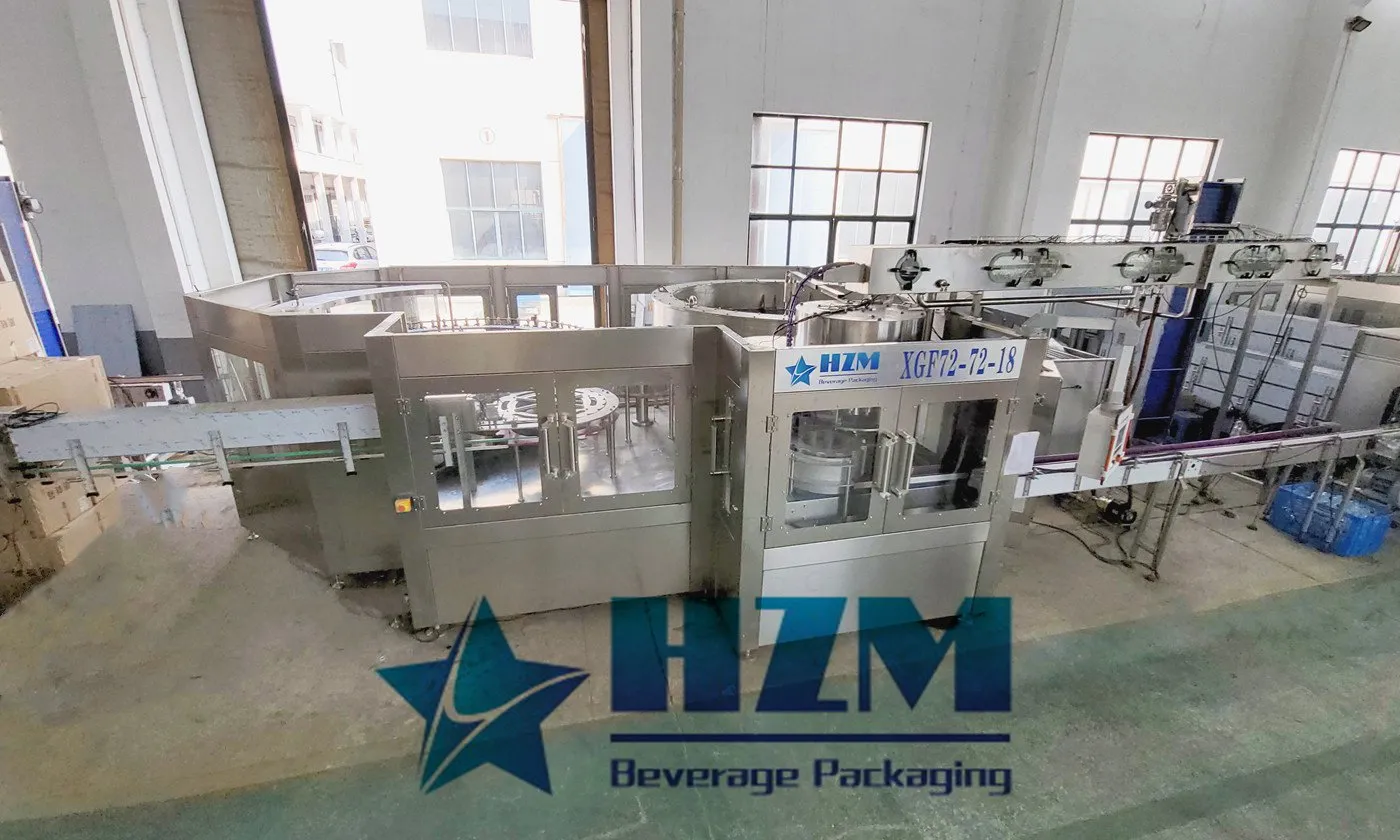
Equipment
Automatic Water Bottle Filling Machine
Automatic rinsing, filling and capping for purified and mineral water in PET bottles, with capacities of 5,000–42,000 bottles/hour at 500 ml.
Learn more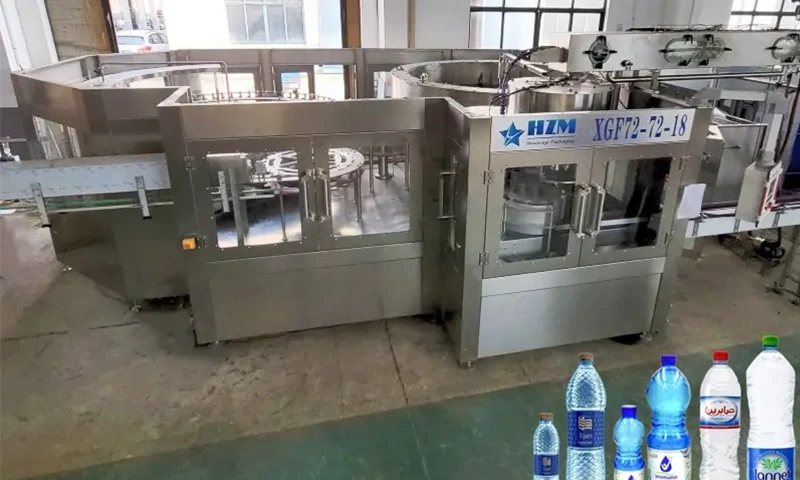
Equipment
3-In-1 Water Bottle Filling Machine
A 3-in-1 PET bottle rinsing, filling and capping machine for drinking water, from 5,000 to 18,000 bottles/hour at 500 ml.
Learn more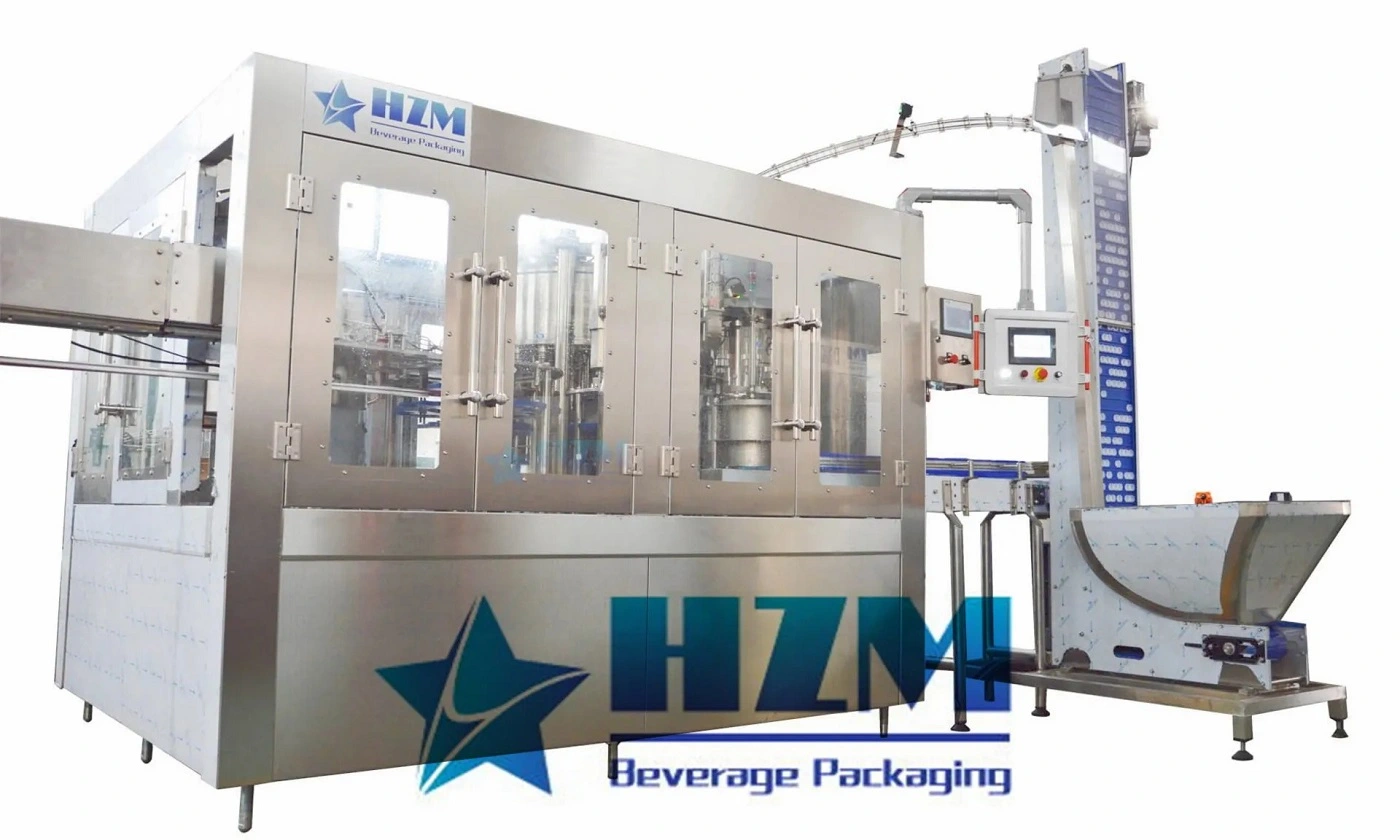
Equipment
Automatic Drinking Water Bottling Machine
Drinking-water bottling equipment with automatic rinsing, filling and capping, plus conveying, labelling and packing options.
Learn more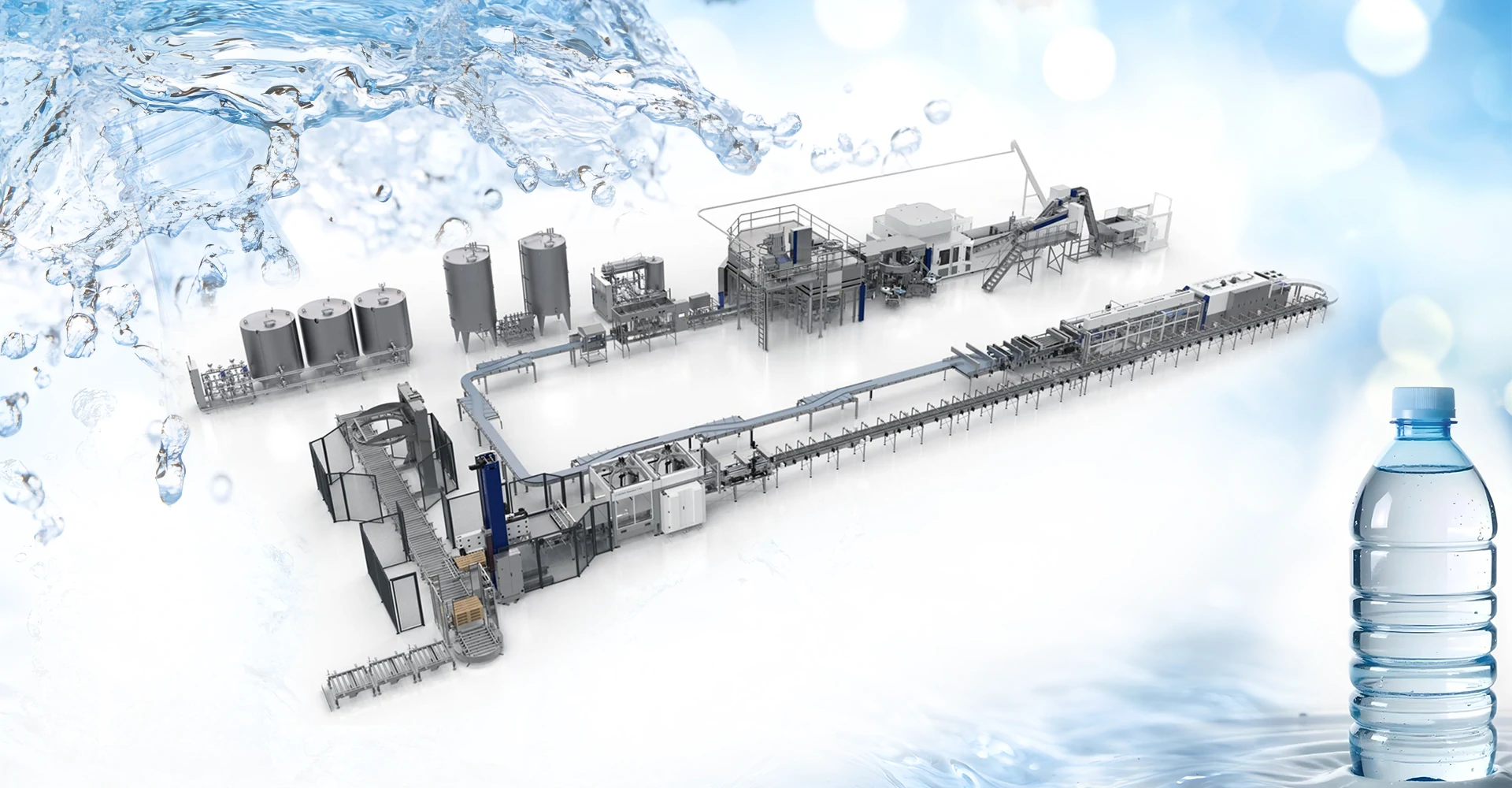
Equipment
Drinking water production line – Bottled Water Filling Machine Manufacturer
PET-bottled drinking-water production with automatic rinsing, filling and capping, plus water treatment and packaging equipment.
Learn more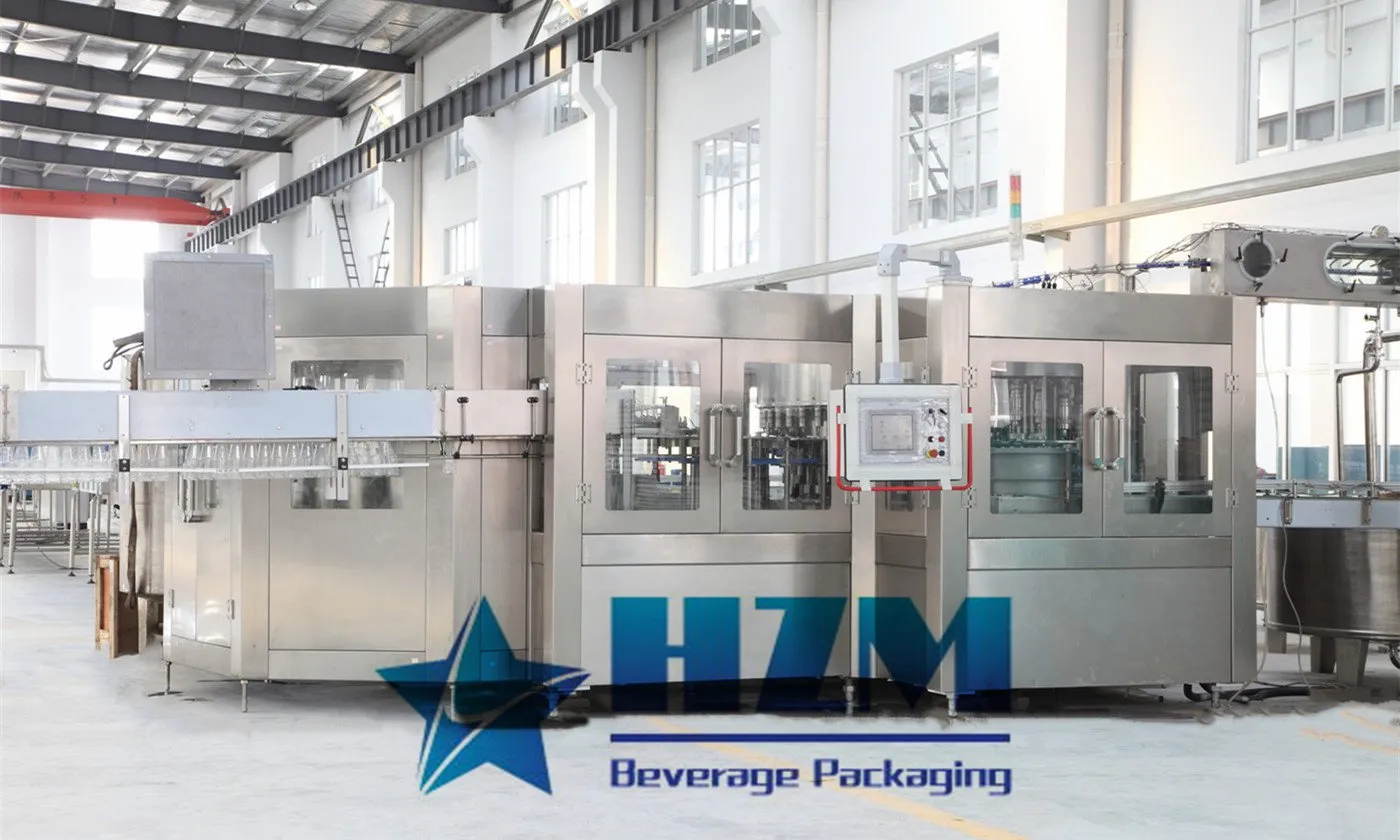
Equipment
PET Bottle Water Filling Machine
PET bottle water filling with automatic rinsing and capping, for purified water, mineral water and still drinking water.
Learn more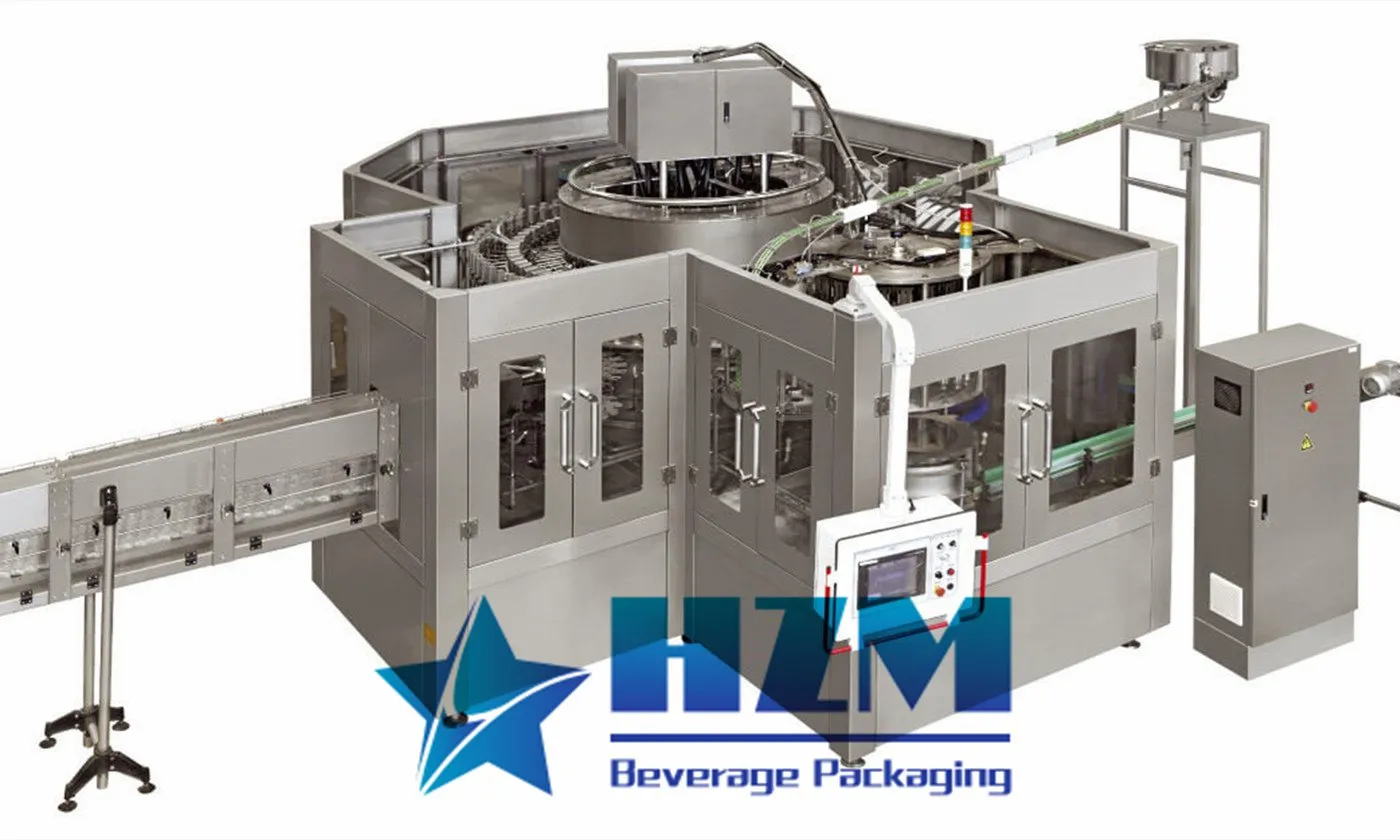
Equipment
Edible Oil Filling Machine
Rotary edible oil filling and capping with GYH models from 3,500 to 10,000 bottles/hour at 500 ml.
Learn more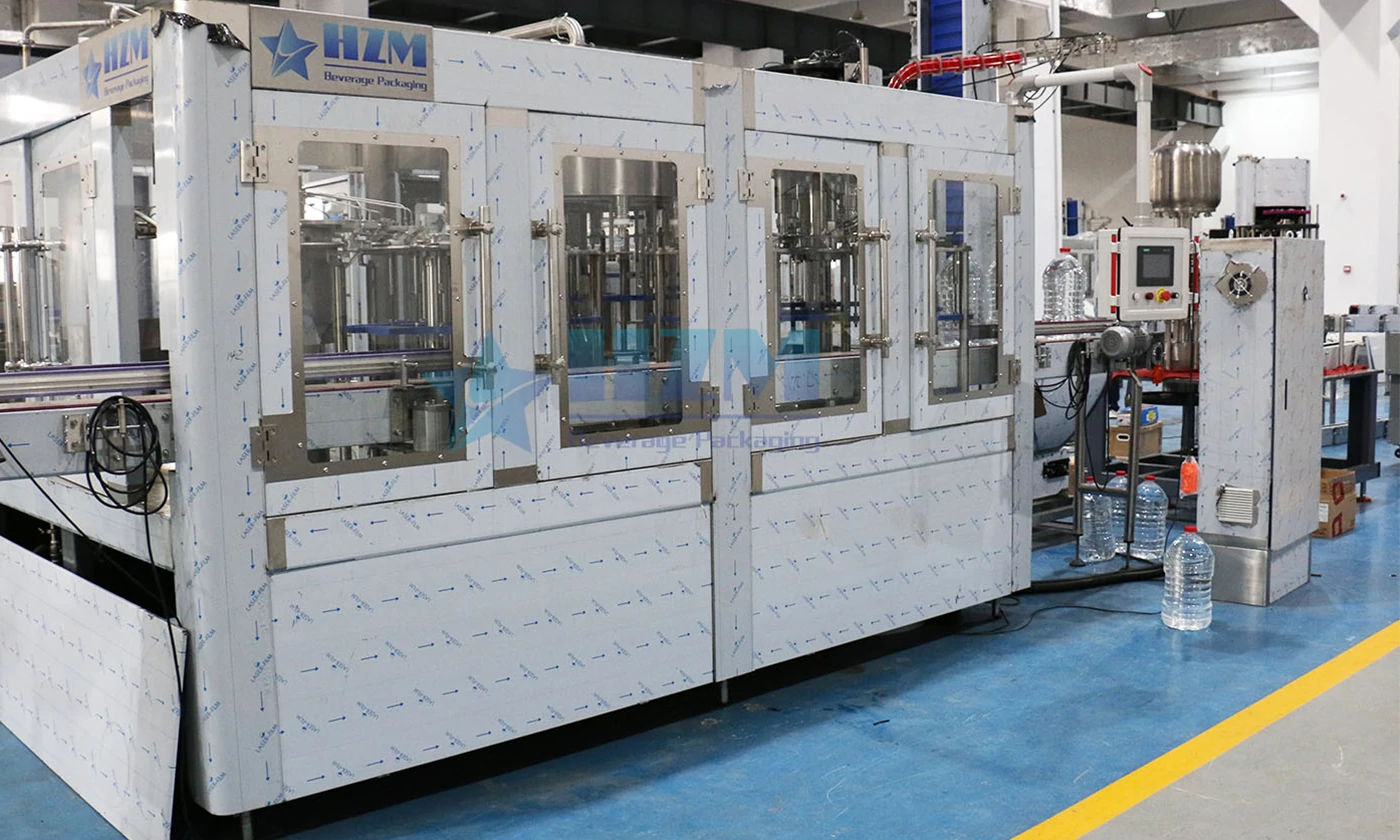
Equipment
5L-10L Large Bottle Drinking Water production line
XGF12-12-4 rinsing, filling and capping for 5 L and 10 L water bottles, with stable outputs of 1,200 and 700 bottles/hour respectively.
Learn more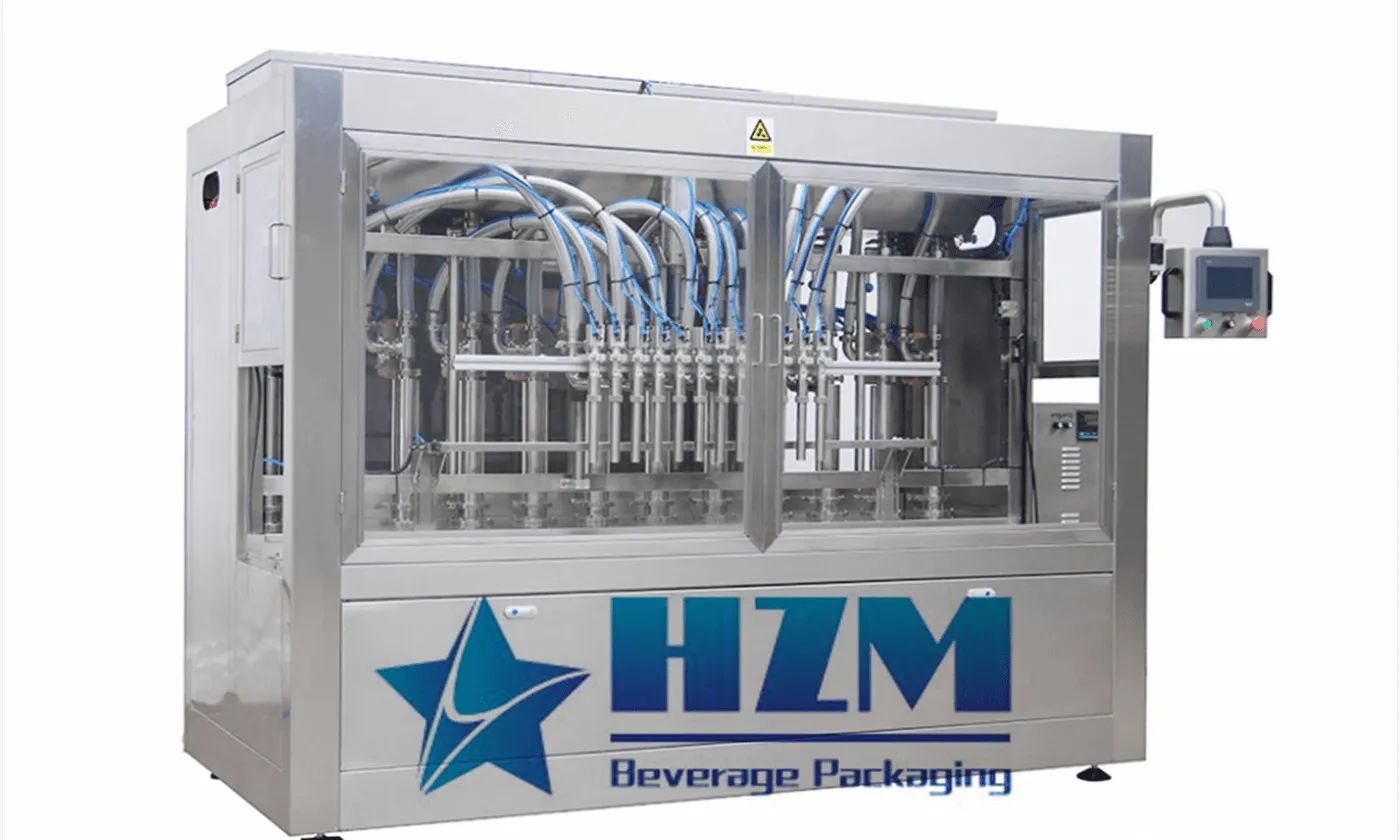
Equipment
Linear Type Oil Filling Machine
The linear oil filling machine fills bottled edible oils and compatible liquid food products.
Learn more2023-07-12
Air conveyor systems
The air conveyor, also known as a pneumatic conveyor, serves the purpose of efficiently transporting empty bottles between machines within a filling line. It also acts as a buffer, allowing for automatic operation of the entire line. Primarily, it is employed to transfer empty PET bottles from the blowing machine to the filling machine, also known as the filler.
Learn more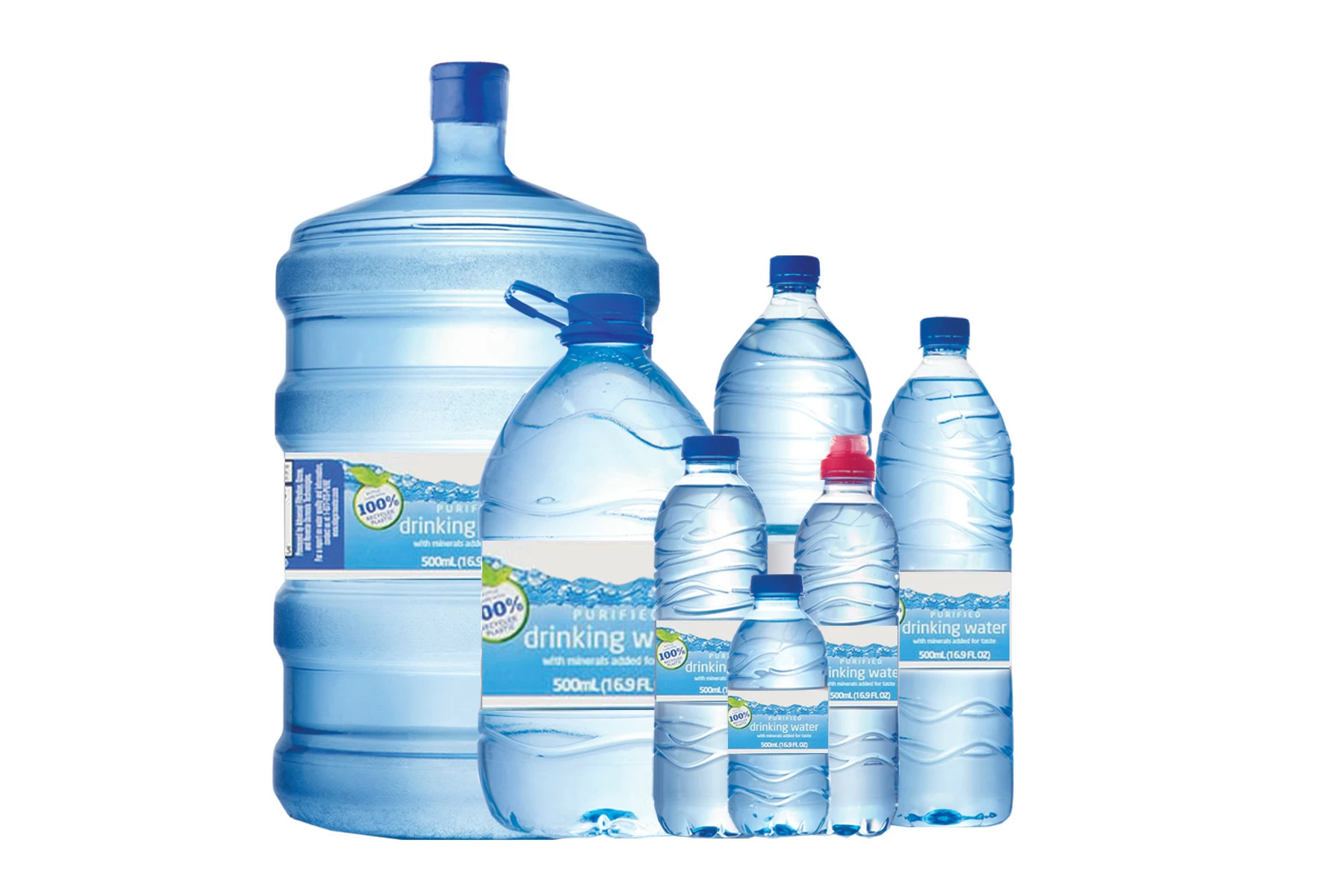
2023-11-21
Bottle Water Filling Machines and Production Line Equipment price
This article will delve into the price range of Bottle Water Filling Machines and the full set of production line equipment provided by HZM Machinery, providing you with a comprehensive understanding and reference.
Learn more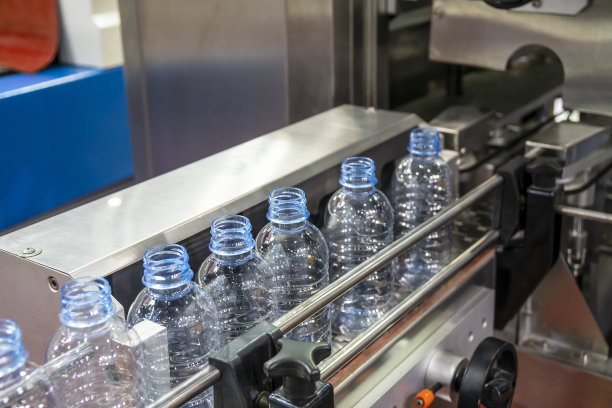
2023-09-14
Water Bottle Filling Machine Prices
Water bottle filling machines are highly automated filling equipment used for various containers, including water bottles, beverage bottles, and wine bottles. The application of this equipment is incredibly diverse, spanning across industries such as food, beverages, and household products
Learn more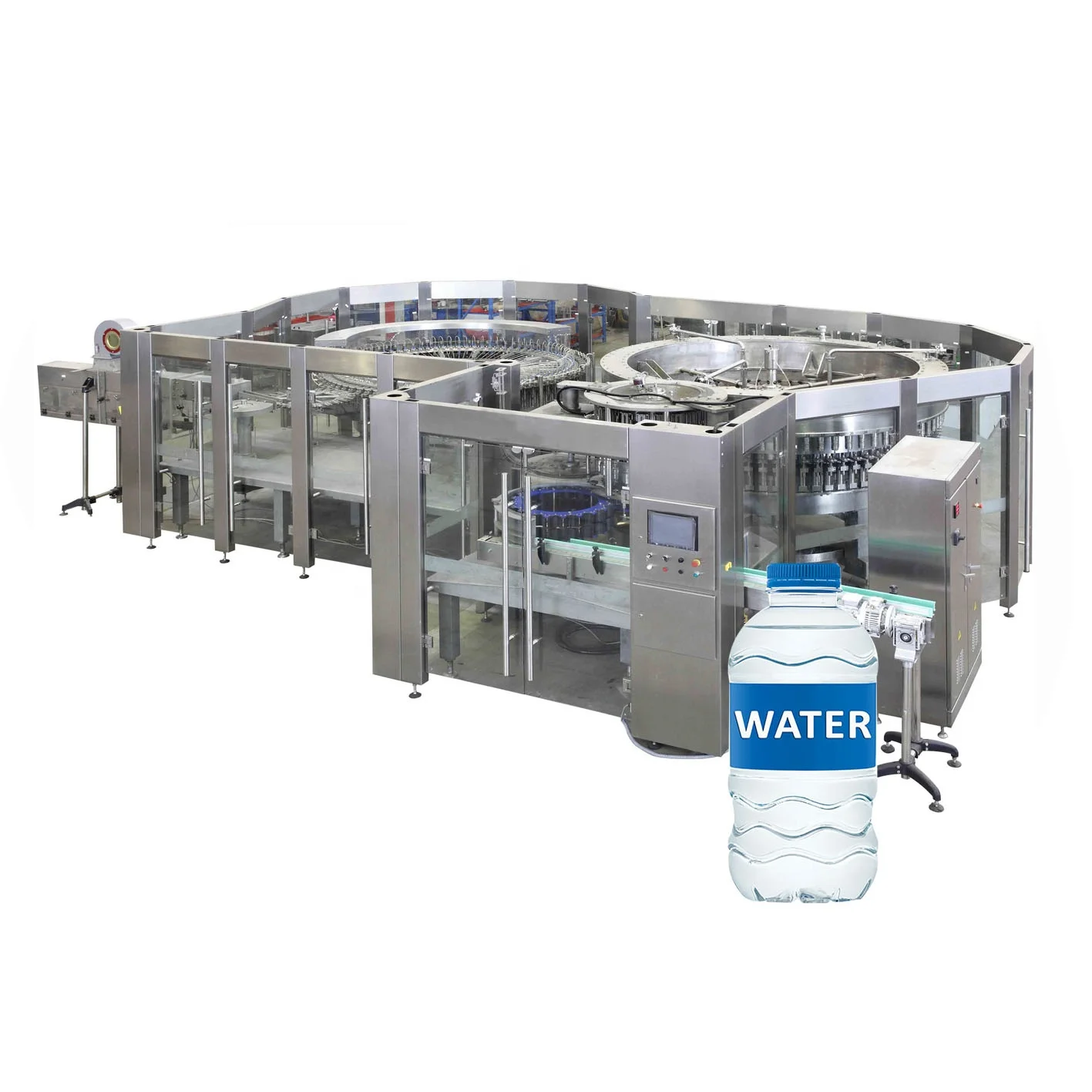
2023-11-24
Water Bottle Filling Machine Solutions
Water bottle filling machines come in various configurations, from small-scale, semi-automatic machines suitable for small businesses to fully automated, high-speed machines used in large-scale production facilities. They play a crucial role in ensuring the efficiency and quality of the water bottling process.
Learn more2023-12-15
How to Choose Bottled Water and Beverage Production Line Equipment
Choosing the right bottled water and beverage production equipment is a crucial factor in establishing a successful factory. Simultaneously, a detailed understanding of the production process, market dynamics, and strategic planning is essential for the success of any enterprise.
Learn more2023-06-06
HZM Water Filling Line: Your Reliable Supplier for Complete Equipment Solutions
HZM Water Filling Line is dedicated to offering efficient and reliable equipment and services to water production enterprises.
Learn more