
Insights & Updates
Water Bottling Line Has Too Many Microstops
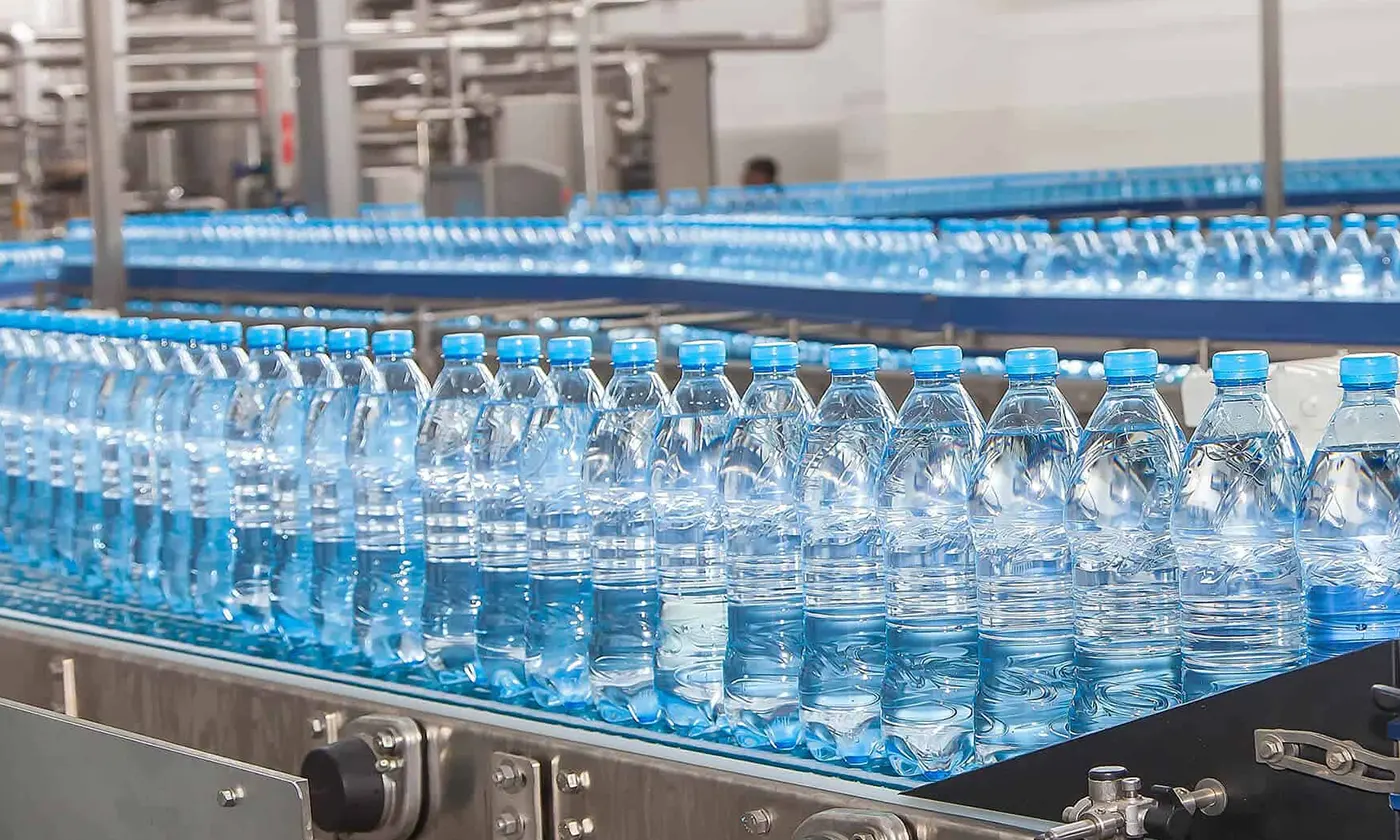
Frequent short stops across a bottled-water production line can turn a stable production run into a cycle of resets, rejects and unplanned adjustment. The useful evidence is in the pattern: which station, product, format, speed and time window changed first.
A complete production line is a chain of dependent processes: treatment or preparation, container making, filling, closure, labelling, packing, conveying and utilities. The line output is set by the slowest unstable constraint, not by the nameplate speed of one machine. The sections below connect operators reset the line dozens of times per shift with measurements so maintenance work addresses the failure mechanism.
Quick answer: Capture first-out alarms and state transitions with synchronized time. Rank stops by lost minutes and frequency, then verify sensors, container stability, cap and label feed, conveyor transfers and restart logic at the first affected machine.
What operators usually see
Start by describing the defect precisely. These observations reveal whether the event follows a component, a material lot, a speed change or the entire process: For this case, preserve evidence that shows whether operators reset the line dozens of times per shift.
- Operators reset the line dozens of times per shift
- Fault descriptions point to different downstream machines
- Most stops last under two minutes
- The line loses stability after every restart
Make the equipment safe and protect the product
Use the line-wide stop, lockout/tagout and product-hold procedures. A safe diagnosis must include adjacent machines, stored pneumatic and hydraulic energy, hot process circuits, robots and the possibility that equipment can restart from an upstream or downstream command.
Use synchronized timestamps to collect state, speed, fault, starve and block data from every major machine. Add product-quality results and utility pressure, flow, temperature and power so a local alarm can be related to the upstream event that caused it. Explicitly record whether operators reset the line dozens of times per shift.
Most likely causes, in practical checking order
1. Nuisance or marginal sensing
Water, clear PET, vibration and poor alignment create intermittent inputs To test this explanation without guessing, export alarm history and machine states with a common clock Record the result before moving to the next cause.
2. Container or material variation
Bottle bases, caps, labels and film operate near the handling tolerance A practical confirmation step is to identify the first state change for the top recurring event. Compare the finding with a known-good run.
3. First-fault information is lost
Cascading alarms hide the original machine that changed state Do not compensate for this condition in the recipe. First, observe the transfer or sensor from a safe external point and preserve failed material Keep the original setting and measured result in the fault record.
4. Restart sequence is poorly coordinated
Machines accelerate into empty or full buffers and cause another stop Separate this cause from the others with one controlled check: measure sensor signal margin and container dimensions Use the same product, format and speed for the comparison.
Step-by-step diagnostic procedure
Begin with process conditions and external evidence, then move toward invasive inspection. Make only one controlled change between comparison runs.
- Export alarm history and machine states with a common clock
- Identify the first state change for the top recurring event
- Observe the transfer or sensor from a safe external point and preserve failed material
- Measure sensor signal margin and container dimensions
- Compare restart speed references and buffer levels
- Run one controlled correction and verify its effect on the Pareto
Corrective actions that address the root cause
Choose the least invasive correction that restores the approved condition, then verify its effect before changing anything else.
- Clean, align or replace marginal sensors with suitable clear-object models
- Correct the packaging or container tolerance causing unstable handling
- Implement or use first-out alarm logic without bypassing safety
- Tune validated restart and buffer coordination
How to verify the repair before full-speed production
Keep product made during testing on hold. At low, normal and target speed, apply this first criterion: Confirm that frequent short stops across a bottled-water production line is absent for multiple consecutive cycles, not only for one sample. Review the alarm history and keep diagnostic product segregated until the site’s quality procedure releases it.
- Confirm that frequent short stops across a bottled-water production line is absent for multiple consecutive cycles, not only for one sample.
- Compare the repaired result for “Operators reset the line dozens of times per shift” with the approved quality limit and the last known-good baseline.
- Check adjacent stations and downstream package quality for side effects associated with nuisance or marginal sensing.
- For “Water Bottling Line Has Too Many Microstops”, record the final settings, measurements, parts used and restart authorization.
Prevent the problem from returning
Turn the confirmed cause into a centerline, inspection or trend so the team can detect drift before the same shutdown returns.
- Review microstops weekly by frequency and lost time
- Keep clocks synchronized
- Retain representative failed materials
- Maintain sensor signal margin
- Train operators to record first condition before reset
When to stop troubleshooting and call a specialist
Stop and contact the machine or component supplier when frequent short stops across a bottled-water production line cannot be isolated with non-invasive checks, when it returns after an approved repair, or when calibration requires protected service tools. Stop local work when safe diagnosis requires protected service tools, energized access or a change to a validated process. Send the service engineer the fault history, photos, samples, trend data, recipe revision and work already completed.
Relevant equipment for this application
Where frequent short stops across a bottled-water production line reveals an application mismatch rather than a maintenance fault, review the Bottled Purified Water Production Line. A useful technical discussion includes the real bottle, closure, product properties, pack format and site conditions.
Frequently asked questions
What should be checked first when frequent short stops across a bottled-water production line?
Capture first-out alarms and state transitions with synchronized time. Rank stops by lost minutes and frequency, then verify sensors, container stability, cap and label feed, conveyor transfers and restart logic at the first affected machine. Preserve the original settings and take representative samples before repair work begins.
How can we distinguish nuisance or marginal sensing from container or material variation?
Water, clear PET, vibration and poor alignment create intermittent inputs In contrast, bottle bases, caps, labels and film operate near the handling tolerance Compare the two mechanisms under the same operating condition by completing these checks: export alarm history and machine states with a common clock Then identify the first state change for the top recurring event
Can production continue while frequent short stops across a bottled-water production line?
Only when the plant’s documented risk assessment and quality procedure allow it. For frequent short stops across a bottled-water production line, stop and segregate production when package integrity, sanitation, validated processing, pressure safety, electrical protection or an uncontrolled reject trend is involved.
What evidence will help the equipment supplier respond faster?
Provide the model and serial number, product and format, target speed, first fault, timestamps, photos or video, affected station pattern and maintenance history. For this issue, also include operators reset the line dozens of times per shift and the measured result from this check: run one controlled correction and verify its effect on the Pareto
Talk to our engineering team
Need help planning your packaging line?
Share your product, bottle and capacity requirements for a practical equipment recommendation.
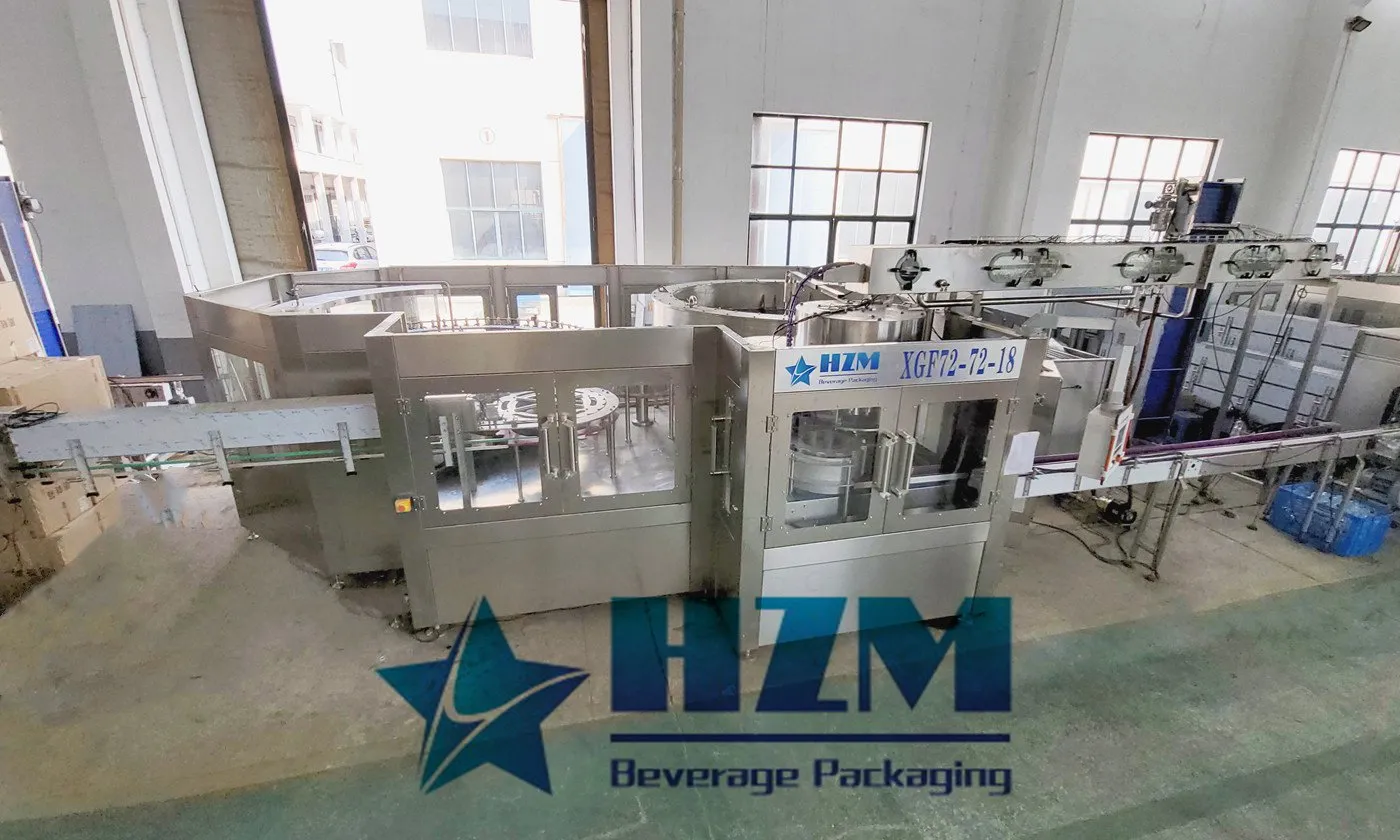
Equipment
Automatic Water Bottle Filling Machine
Automatic rinsing, filling and capping for purified and mineral water in PET bottles, with capacities of 5,000–42,000 bottles/hour at 500 ml.
Learn more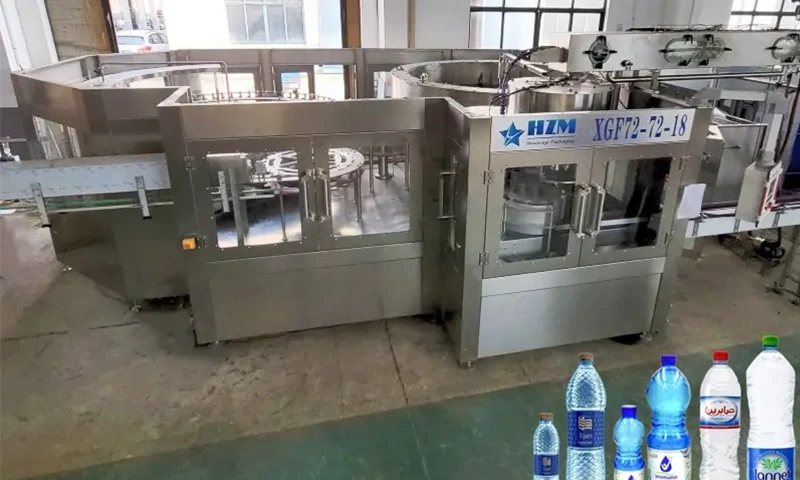
Equipment
3-In-1 Water Bottle Filling Machine
A 3-in-1 PET bottle rinsing, filling and capping machine for drinking water, from 5,000 to 18,000 bottles/hour at 500 ml.
Learn more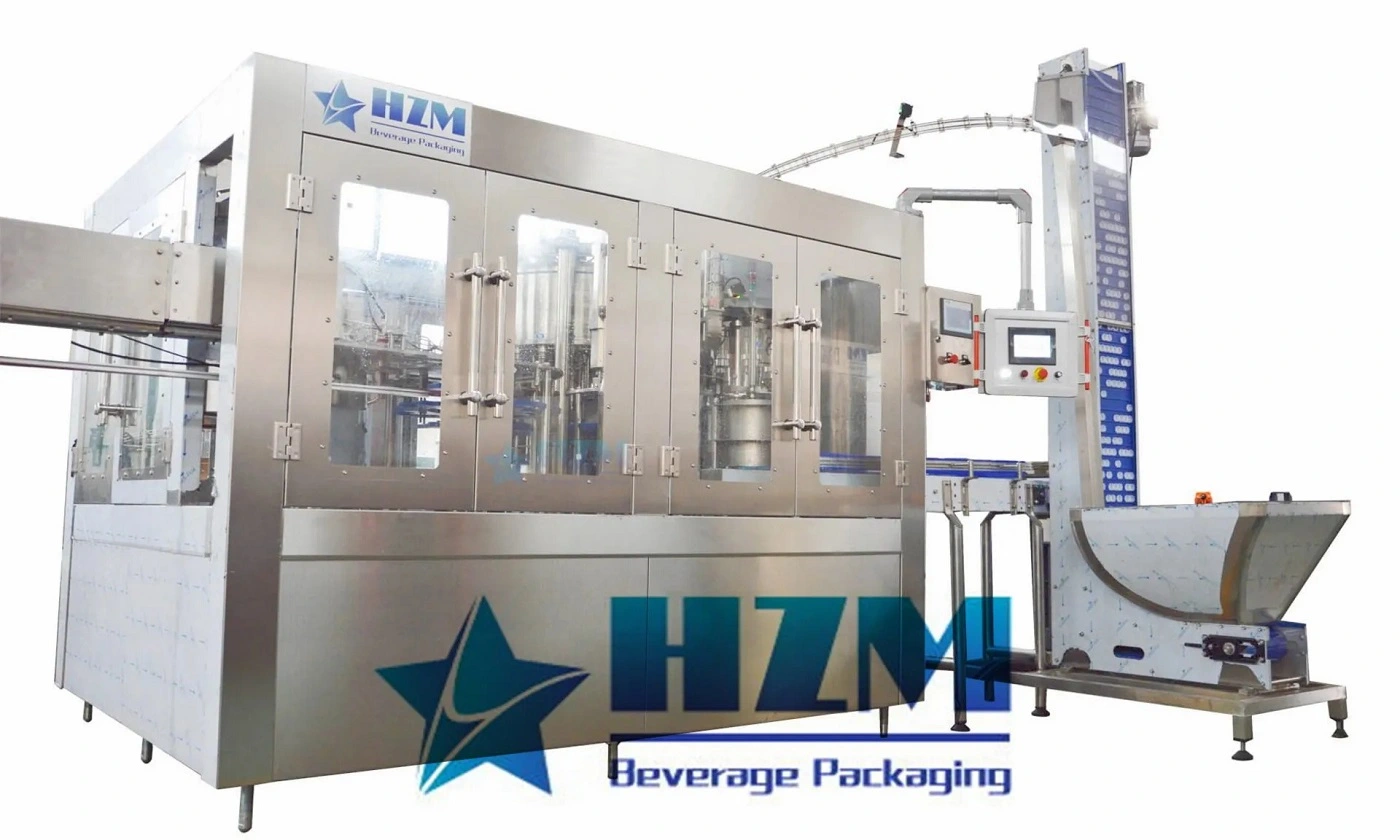
Equipment
Automatic Drinking Water Bottling Machine
Drinking-water bottling equipment with automatic rinsing, filling and capping, plus conveying, labelling and packing options.
Learn more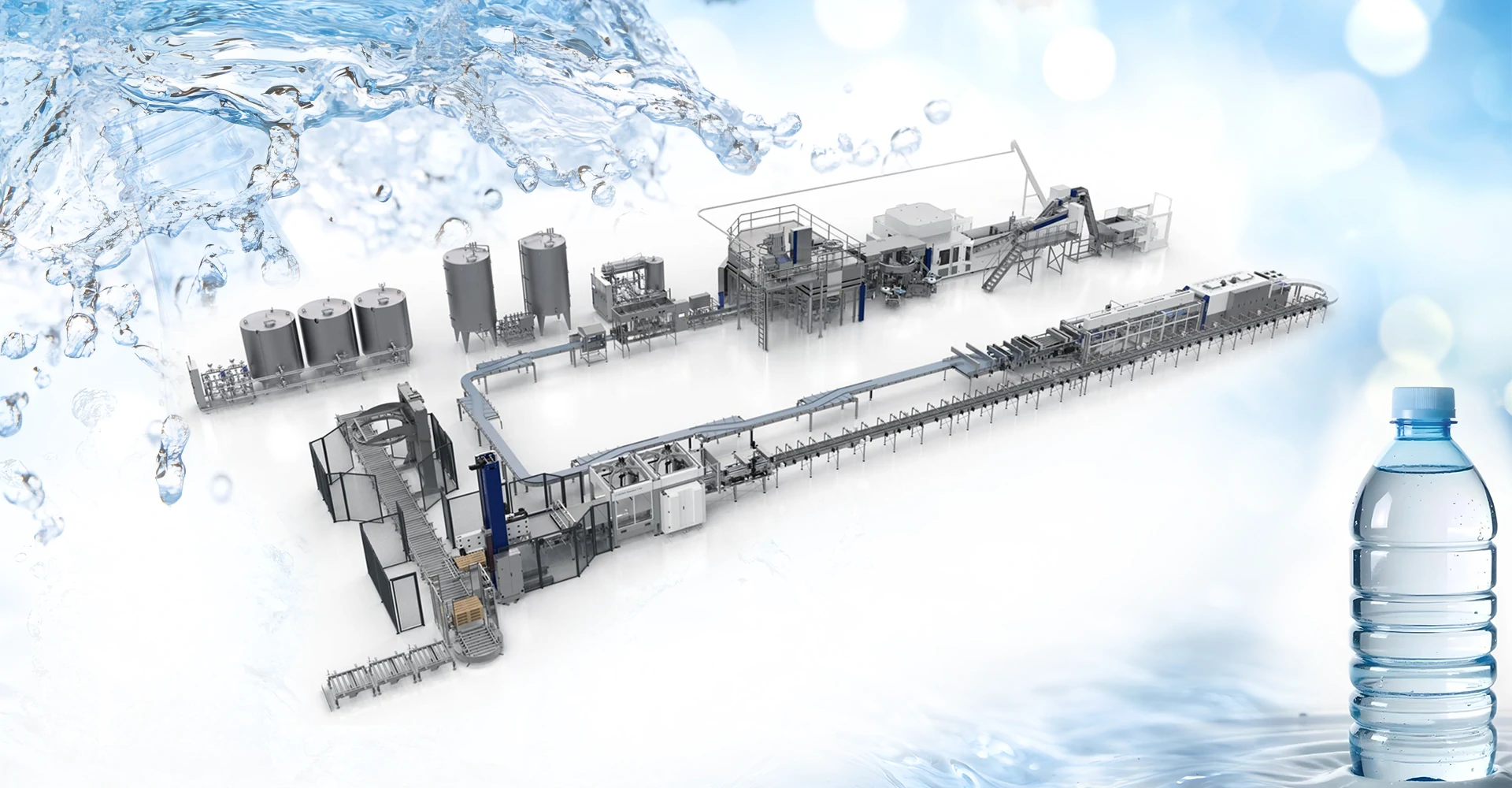
Equipment
Drinking water production line – Bottled Water Filling Machine Manufacturer
PET-bottled drinking-water production with automatic rinsing, filling and capping, plus water treatment and packaging equipment.
Learn more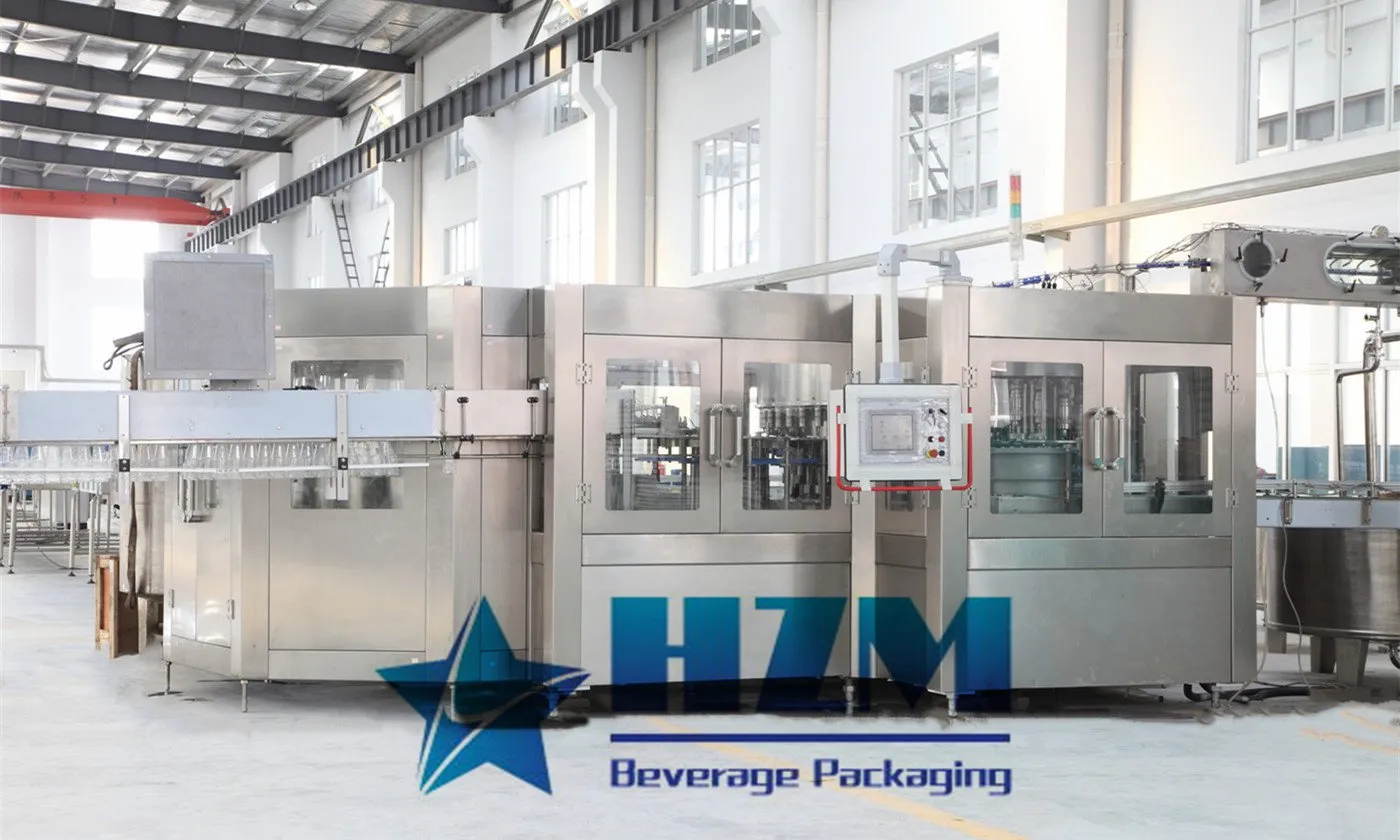
Equipment
PET Bottle Water Filling Machine
PET bottle water filling with automatic rinsing and capping, for purified water, mineral water and still drinking water.
Learn more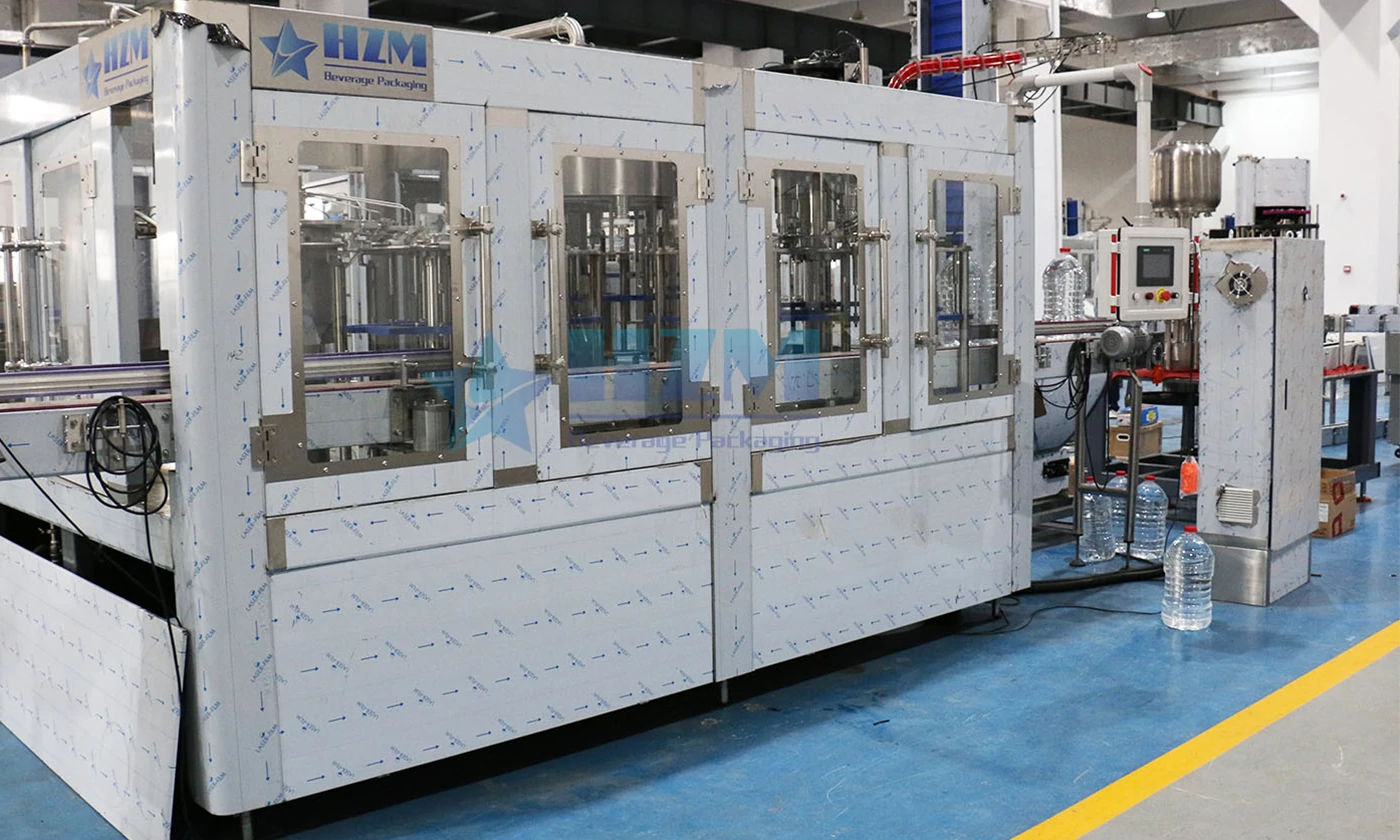
Equipment
5L-10L Large Bottle Drinking Water production line
XGF12-12-4 rinsing, filling and capping for 5 L and 10 L water bottles, with stable outputs of 1,200 and 700 bottles/hour respectively.
Learn more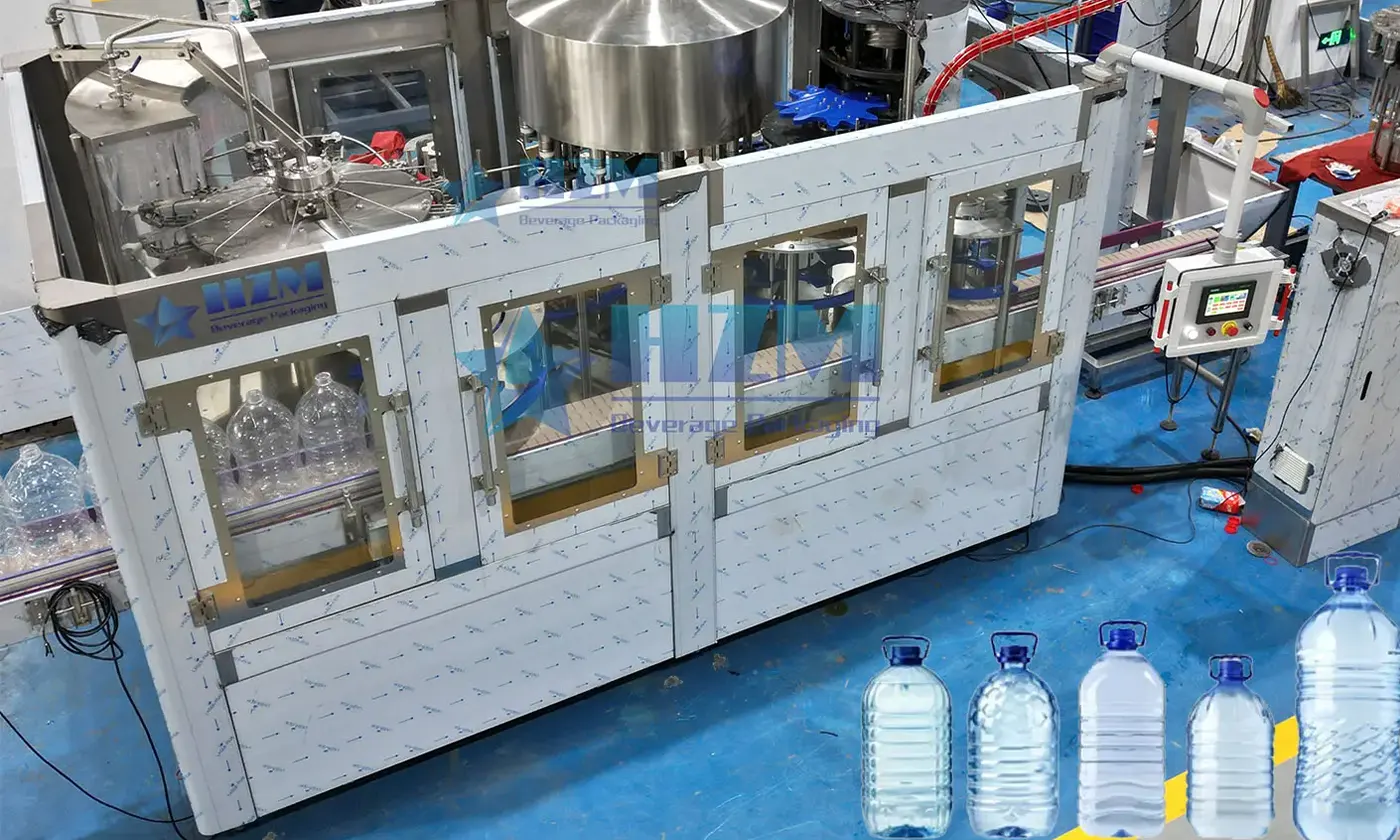
Equipment
Bottled Water Filling Machine & Turnkey Water Bottling Line
Bottled water filling machines and turnkey lines for purified and mineral water, with dedicated small-bottle, large-bottle and gallon-jar systems.
Learn more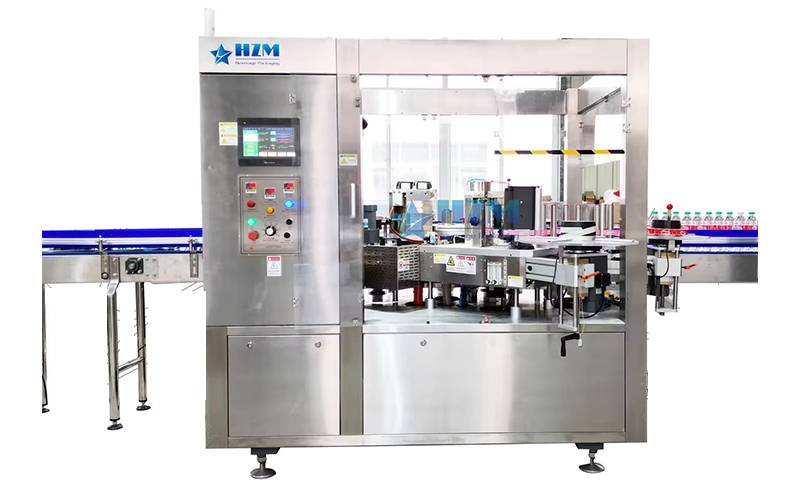
Equipment
Automatic Water Bottle Labeling Machine
Automatic hot-glue labelling for water and beverage bottles, with HG models from 8,000 to 24,000 bottles/hour.
Learn more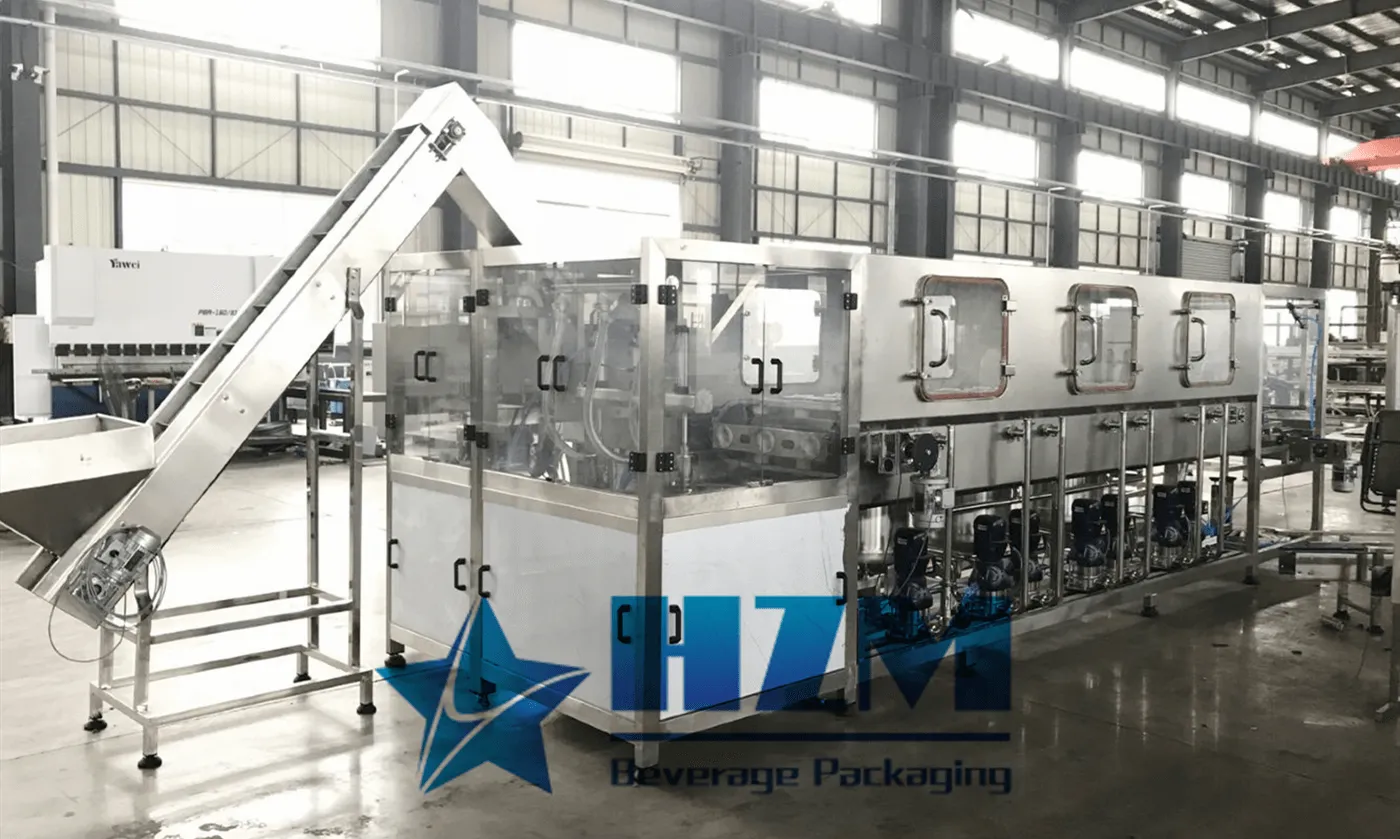
Equipment
3-5 Gallon Water Filling Line
Automatic washing, filling and capping for 3–5 gallon drinking-water jars, with QGF models from 120 to 900 jars/hour at 5 gallons.
Learn more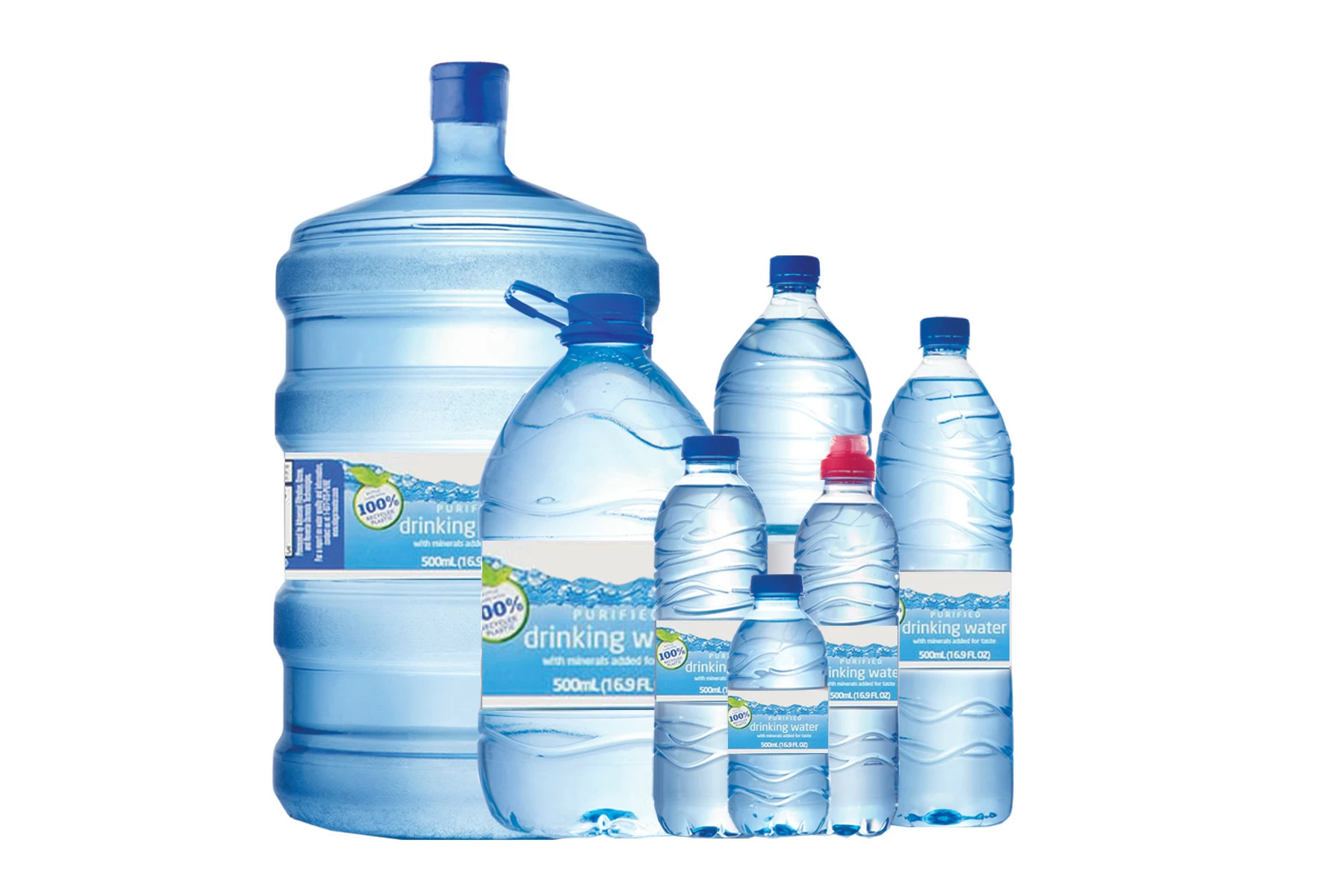
2023-11-21
Bottle Water Filling Machines and Production Line Equipment price
This article will delve into the price range of Bottle Water Filling Machines and the full set of production line equipment provided by HZM Machinery, providing you with a comprehensive understanding and reference.
Learn more
2023-09-14
Water Bottle Filling Machine Prices
Water bottle filling machines are highly automated filling equipment used for various containers, including water bottles, beverage bottles, and wine bottles. The application of this equipment is incredibly diverse, spanning across industries such as food, beverages, and household products
Learn more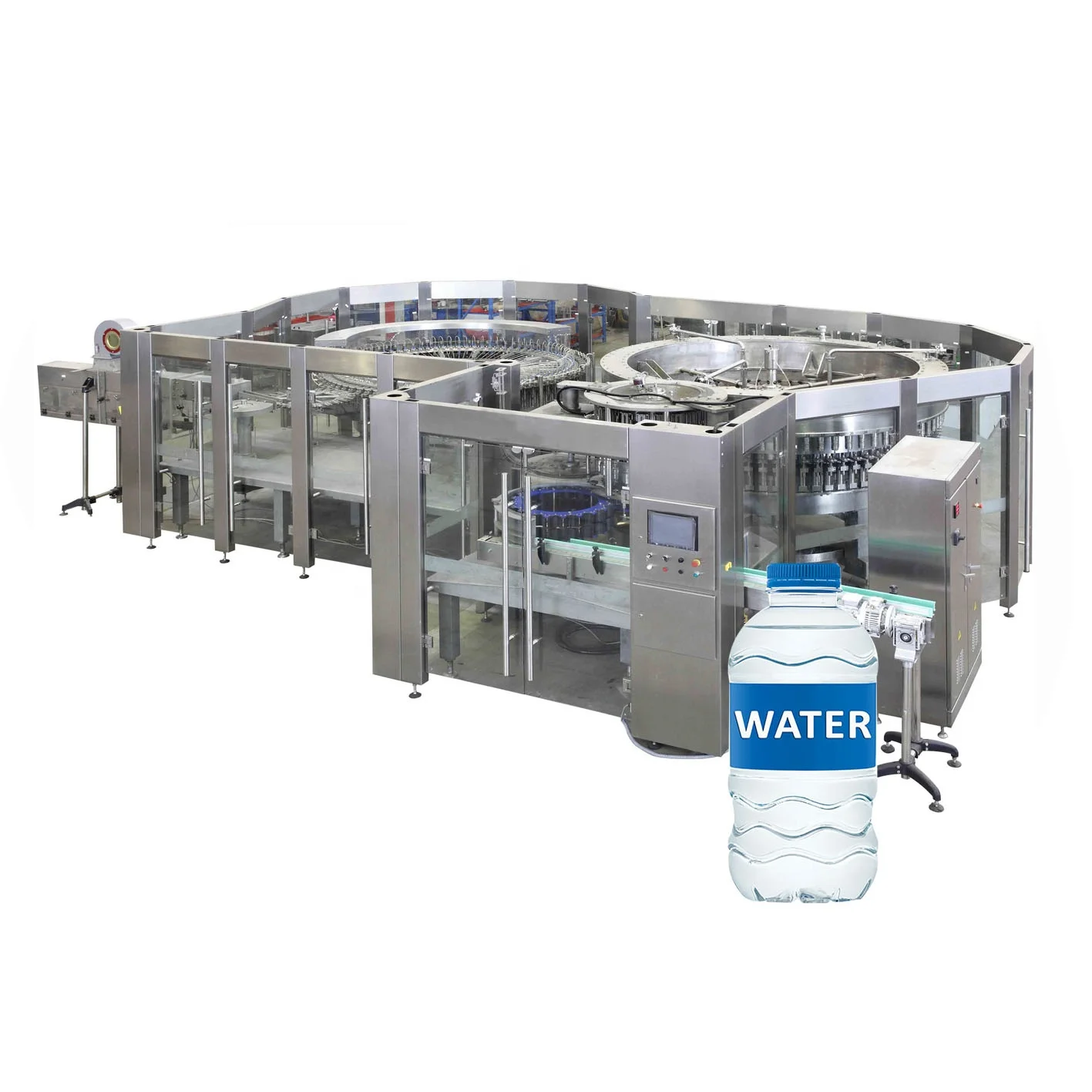
2023-11-24
Water Bottle Filling Machine Solutions
Water bottle filling machines come in various configurations, from small-scale, semi-automatic machines suitable for small businesses to fully automated, high-speed machines used in large-scale production facilities. They play a crucial role in ensuring the efficiency and quality of the water bottling process.
Learn more2023-12-15
How to Choose Bottled Water and Beverage Production Line Equipment
Choosing the right bottled water and beverage production equipment is a crucial factor in establishing a successful factory. Simultaneously, a detailed understanding of the production process, market dynamics, and strategic planning is essential for the success of any enterprise.
Learn more2023-06-06
HZM Water Filling Line: Your Reliable Supplier for Complete Equipment Solutions
HZM Water Filling Line is dedicated to offering efficient and reliable equipment and services to water production enterprises.
Learn more
2023-12-21
Water Bottling Plant Equipment For Sale
In the global arena, HZM Machinery stands as a highly acclaimed manufacturer of water bottling plant equipment, renowned for its professional expertise and factory-direct pricing.
Learn more