
Insights & Updates
Water Line Changeovers Take Too Long and Create Startup Scrap
The cost of slow bottle-format changeovers and high startup waste on a water line is not limited to the visible reject. It can include product giveaway, rework, unstable downstream operation and hours spent correcting the wrong variable.
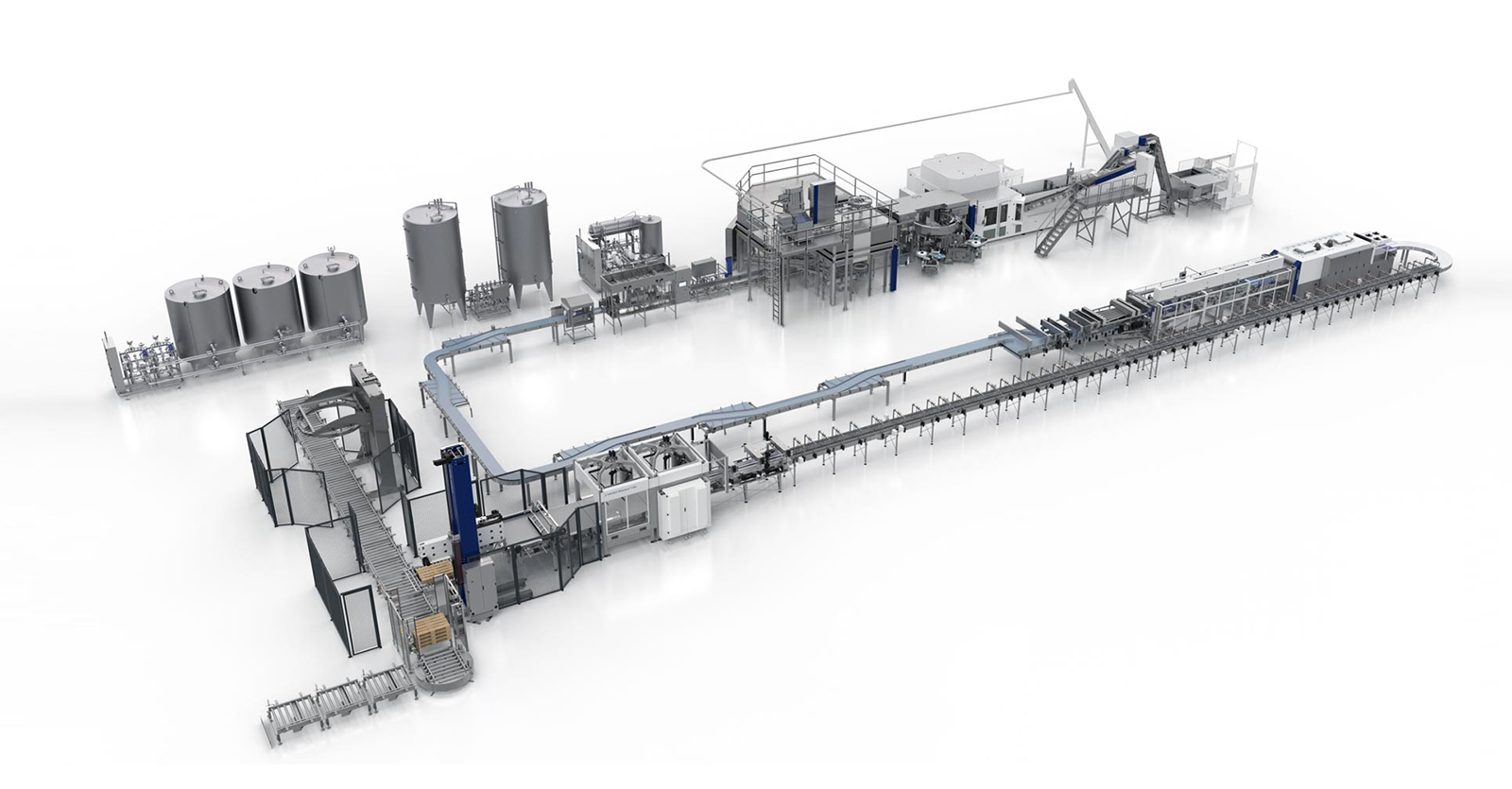
A complete production line is a chain of dependent processes: treatment or preparation, container making, filling, closure, labelling, packing, conveying and utilities. The line output is set by the slowest unstable constraint, not by the nameplate speed of one machine. For this fault, the first distinction is between incomplete format standards and external work happens after shutdown. The procedure below moves from non-invasive checks to controlled repair and restart.
Quick answer: Measure changeover from last good pack to first sustained good pack. Separate mechanical format work, recipe selection, material staging, sanitation, quality approval and repeated adjustment; then create verified centerlines.
What operators usually see
The failure pattern narrows the search more quickly than replacing parts. Mark samples and record which of these conditions are present: For this case, preserve evidence that shows whether the machine is technically running but quality is not stable.
- The machine is technically running but quality is not stable
- Teams search for format parts and tools
- The same settings are rediscovered every changeover
- First pallets contain high fill, label or pack rejects
Make the equipment safe and protect the product
Use the line-wide stop, lockout/tagout and product-hold procedures. A safe diagnosis must include adjacent machines, stored pneumatic and hydraulic energy, hot process circuits, robots and the possibility that equipment can restart from an upstream or downstream command.
Use synchronized timestamps to collect state, speed, fault, starve and block data from every major machine. Add product-quality results and utility pressure, flow, temperature and power so a local alarm can be related to the upstream event that caused it. Explicitly record whether the machine is technically running but quality is not stable.
Most likely causes, in practical checking order
1. Incomplete format standards
Guide, starwheel, height, sensor and recipe positions are not documented from a proven run To test this explanation without guessing, time each task from last good unit to sustained good output Record the result before moving to the next cause.
2. External work happens after shutdown
Parts, materials and cleaning tools are staged only when the line is already stopped A practical confirmation step is to separate internal stop work from tasks that can be safely prepared in advance. Compare the finding with a known-good run.
3. Mixed or worn format parts
Uncontrolled kits create interference and adjustment loops Do not compensate for this condition in the recipe. First, audit format kits, recipe revisions and reference samples Keep the original setting and measured result in the fault record.
4. Quality checks are sequenced late
Teams wait until the full line is running to discover an upstream setup error Separate this cause from the others with one controlled check: record initial settings and every adjustment made Use the same product, format and speed for the comparison.
Step-by-step diagnostic procedure
The aim is to eliminate whole groups of causes with each check. Record actual values rather than “normal” or “looks good.”
- Time each task from last good unit to sustained good output
- Separate internal stop work from tasks that can be safely prepared in advance
- Audit format kits, recipe revisions and reference samples
- Record initial settings and every adjustment made
- Check quality at blower, filler, labeler and packer as soon as each can produce
- Compare best and typical changeovers to identify repeatable practice
Corrective actions that address the root cause
A reset is not a repair. Complete the mechanical, process or controls work indicated by the evidence and document the as-left state.
- Create controlled centerline sheets and complete format kits
- Stage materials and approved parts before the stop
- Replace worn format components and protect recipes
- Use progressive first-piece approval before full-line acceleration
How to verify the repair before full-speed production
Restart at reduced speed with normal production materials, then increase output in steps. The first acceptance check is: Confirm that slow bottle-format changeovers and high startup waste on a water line is absent for multiple consecutive cycles, not only for one sample. Review the alarm history and keep diagnostic product segregated until the site’s quality procedure releases it.
- Confirm that slow bottle-format changeovers and high startup waste on a water line is absent for multiple consecutive cycles, not only for one sample.
- Compare the repaired result for “The machine is technically running but quality is not stable” with the approved quality limit and the last known-good baseline.
- Check adjacent stations and downstream package quality for side effects associated with incomplete format standards.
- For “Water Line Changeovers Take Too Long and Create Startup Scrap”, record the final settings, measurements, parts used and restart authorization.
Prevent the problem from returning
The most effective preventive action is an observable limit with a named response, not a general instruction to “check regularly.”
- Track changeover time and startup scrap separately
- Photograph verified setup points
- Audit kit completeness
- Train roles and task sequence
- Update standards from demonstrated improvements
When to stop troubleshooting and call a specialist
Stop and contact the machine or component supplier when slow bottle-format changeovers and high startup waste on a water line cannot be isolated with non-invasive checks, when it returns after an approved repair, or when calibration requires protected service tools. Stop local work when safe diagnosis requires protected service tools, energized access or a change to a validated process. Send the service engineer the fault history, photos, samples, trend data, recipe revision and work already completed.
Relevant equipment for this application
Where slow bottle-format changeovers and high startup waste on a water line reveals an application mismatch rather than a maintenance fault, review the Water Filling Production Line. A useful technical discussion includes the real bottle, closure, product properties, pack format and site conditions.
Frequently asked questions
What should be checked first when slow bottle-format changeovers and high startup waste on a water line?
Measure changeover from last good pack to first sustained good pack. Separate mechanical format work, recipe selection, material staging, sanitation, quality approval and repeated adjustment; then create verified centerlines. Preserve the original settings and take representative samples before repair work begins.
How can we distinguish incomplete format standards from external work happens after shutdown?
Guide, starwheel, height, sensor and recipe positions are not documented from a proven run In contrast, parts, materials and cleaning tools are staged only when the line is already stopped Compare the two mechanisms under the same operating condition by completing these checks: time each task from last good unit to sustained good output Then separate internal stop work from tasks that can be safely prepared in advance
Can production continue while slow bottle-format changeovers and high startup waste on a water line?
Only when the plant’s documented risk assessment and quality procedure allow it. For slow bottle-format changeovers and high startup waste on a water line, stop and segregate production when package integrity, sanitation, validated processing, pressure safety, electrical protection or an uncontrolled reject trend is involved.
What evidence will help the equipment supplier respond faster?
Provide the model and serial number, product and format, target speed, first fault, timestamps, photos or video, affected station pattern and maintenance history. For this issue, also include the machine is technically running but quality is not stable and the measured result from this check: compare best and typical changeovers to identify repeatable practice
Talk to our engineering team
Need help planning your packaging line?
Share your product, bottle and capacity requirements for a practical equipment recommendation.
Equipment
Automatic Water Bottle Filling Machine
Automatic rinsing, filling and capping for purified and mineral water in PET bottles, with capacities of 5,000–42,000 bottles/hour at 500 ml.
Learn more
Equipment
3-In-1 Water Bottle Filling Machine
A 3-in-1 PET bottle rinsing, filling and capping machine for drinking water, from 5,000 to 18,000 bottles/hour at 500 ml.
Learn more
Equipment
Drinking water production line – Bottled Water Filling Machine Manufacturer
PET-bottled drinking-water production with automatic rinsing, filling and capping, plus water treatment and packaging equipment.
Learn more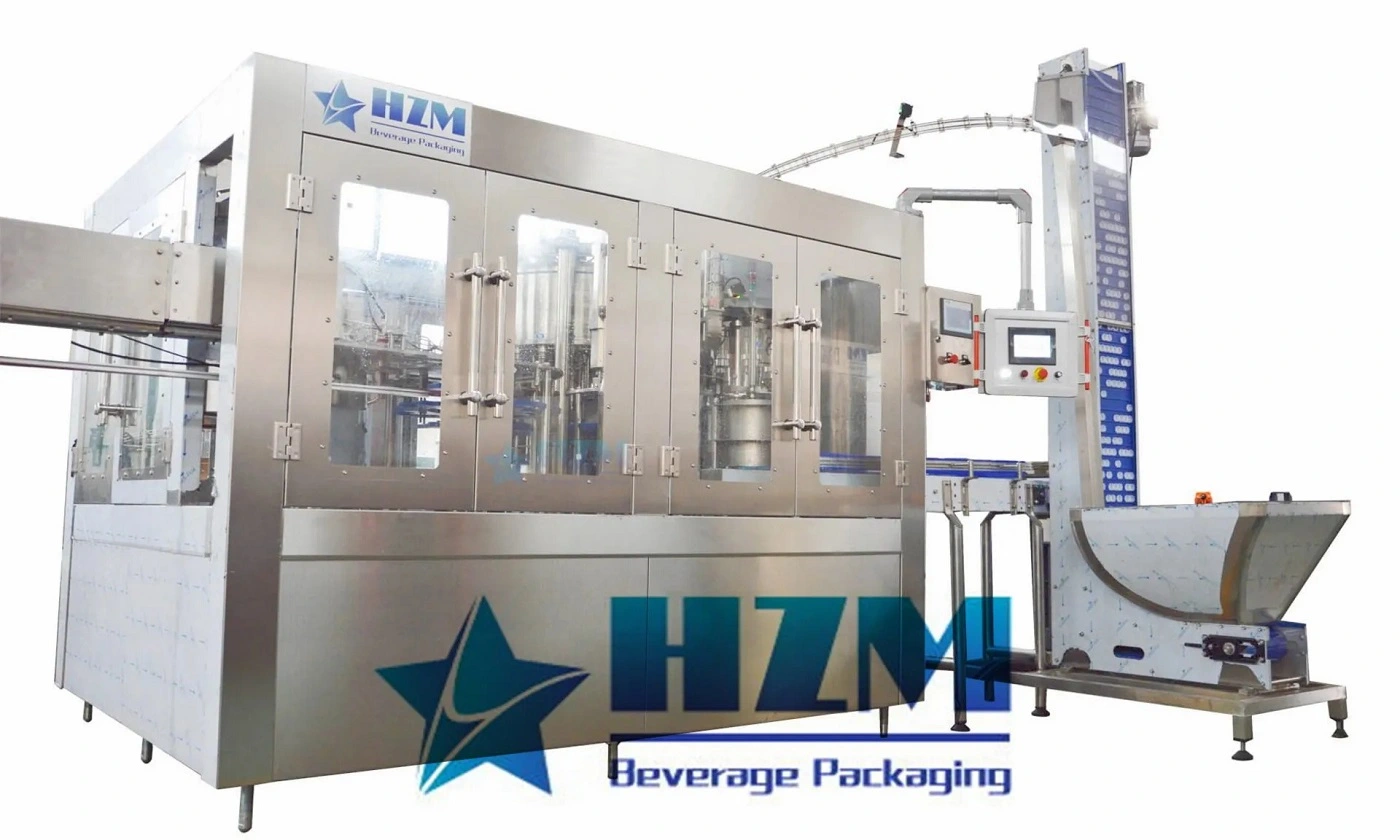
Equipment
Automatic Drinking Water Bottling Machine
Drinking-water bottling equipment with automatic rinsing, filling and capping, plus conveying, labelling and packing options.
Learn more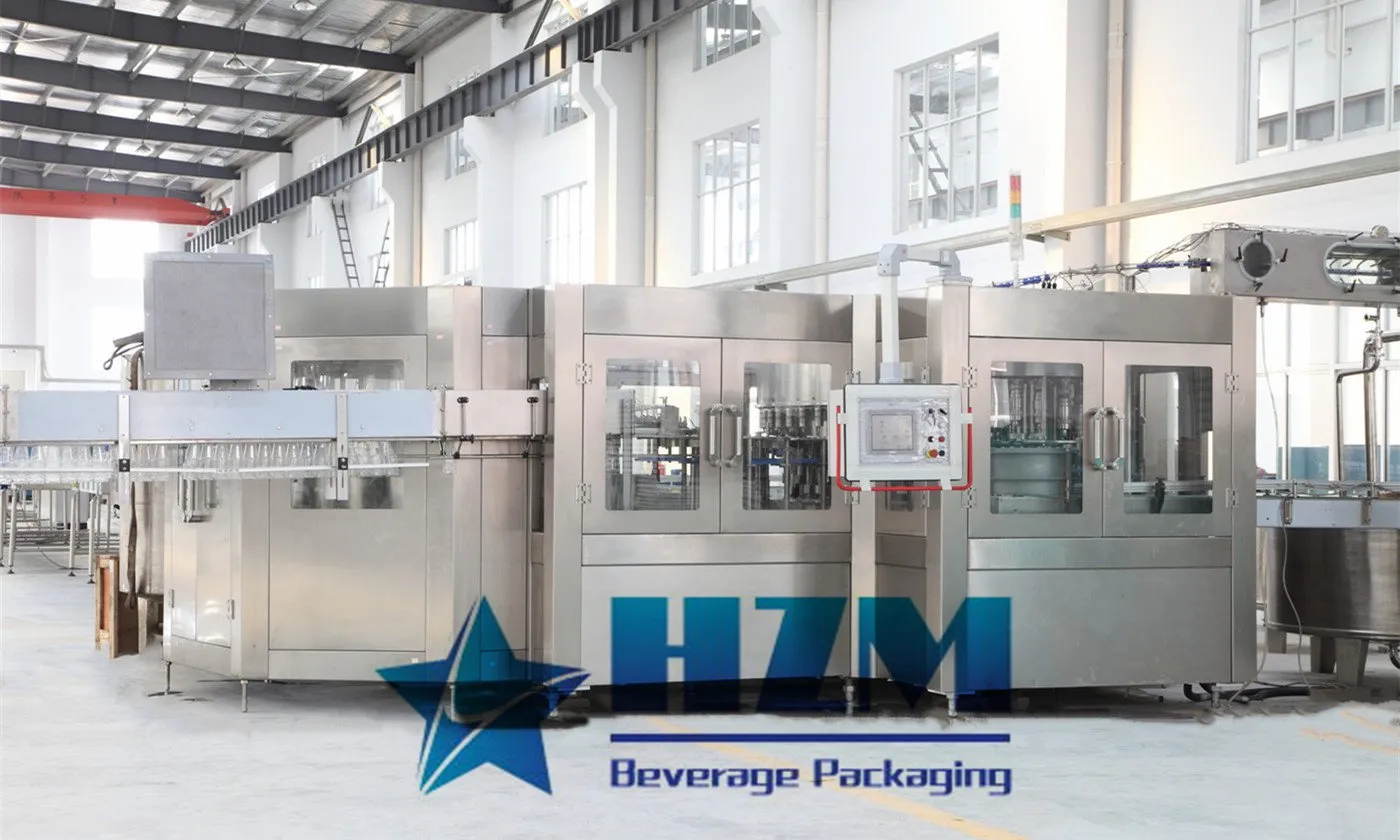
Equipment
PET Bottle Water Filling Machine
PET bottle water filling with automatic rinsing and capping, for purified water, mineral water and still drinking water.
Learn more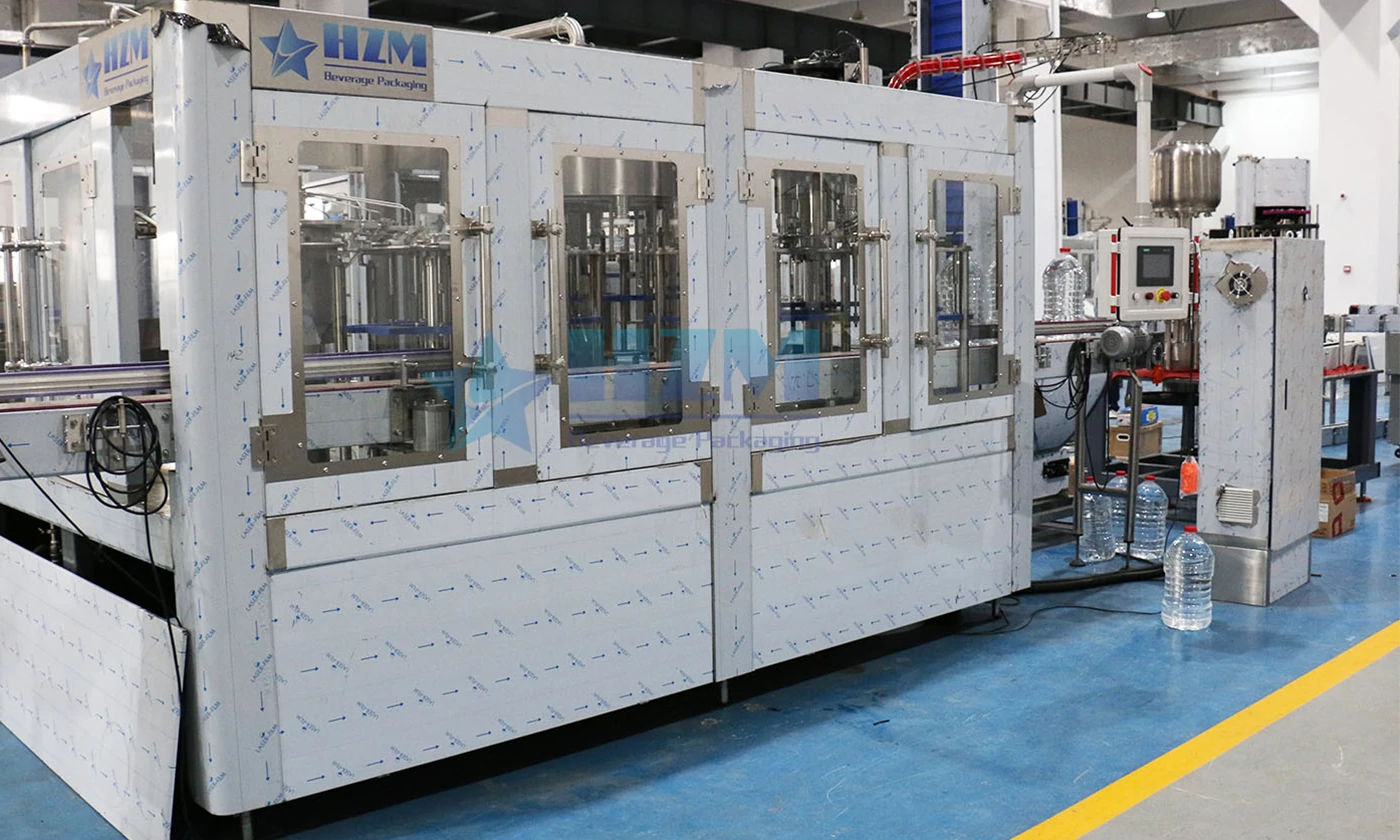
Equipment
5L-10L Large Bottle Drinking Water production line
XGF12-12-4 rinsing, filling and capping for 5 L and 10 L water bottles, with stable outputs of 1,200 and 700 bottles/hour respectively.
Learn more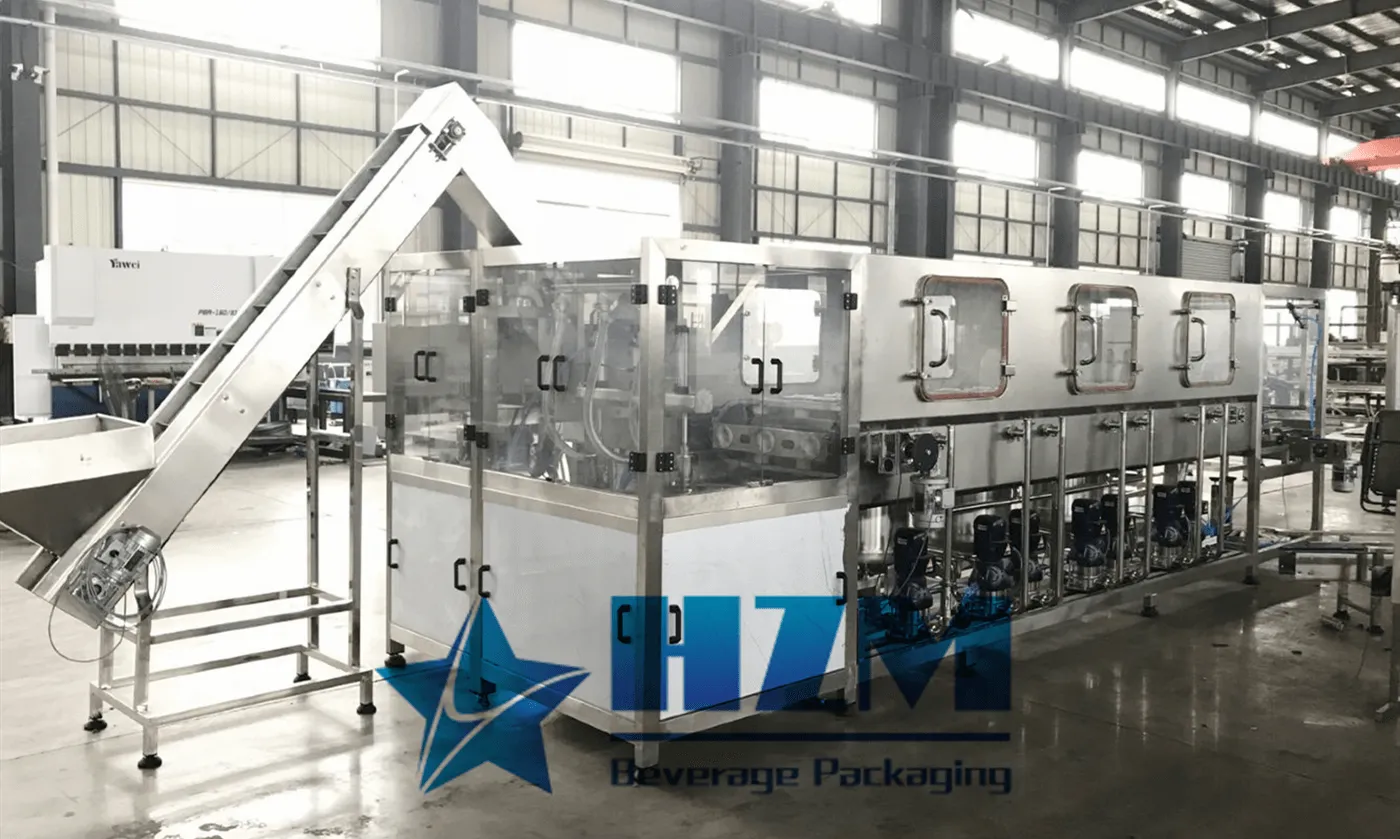
Equipment
3-5 Gallon Water Filling Line
Automatic washing, filling and capping for 3–5 gallon drinking-water jars, with QGF models from 120 to 900 jars/hour at 5 gallons.
Learn more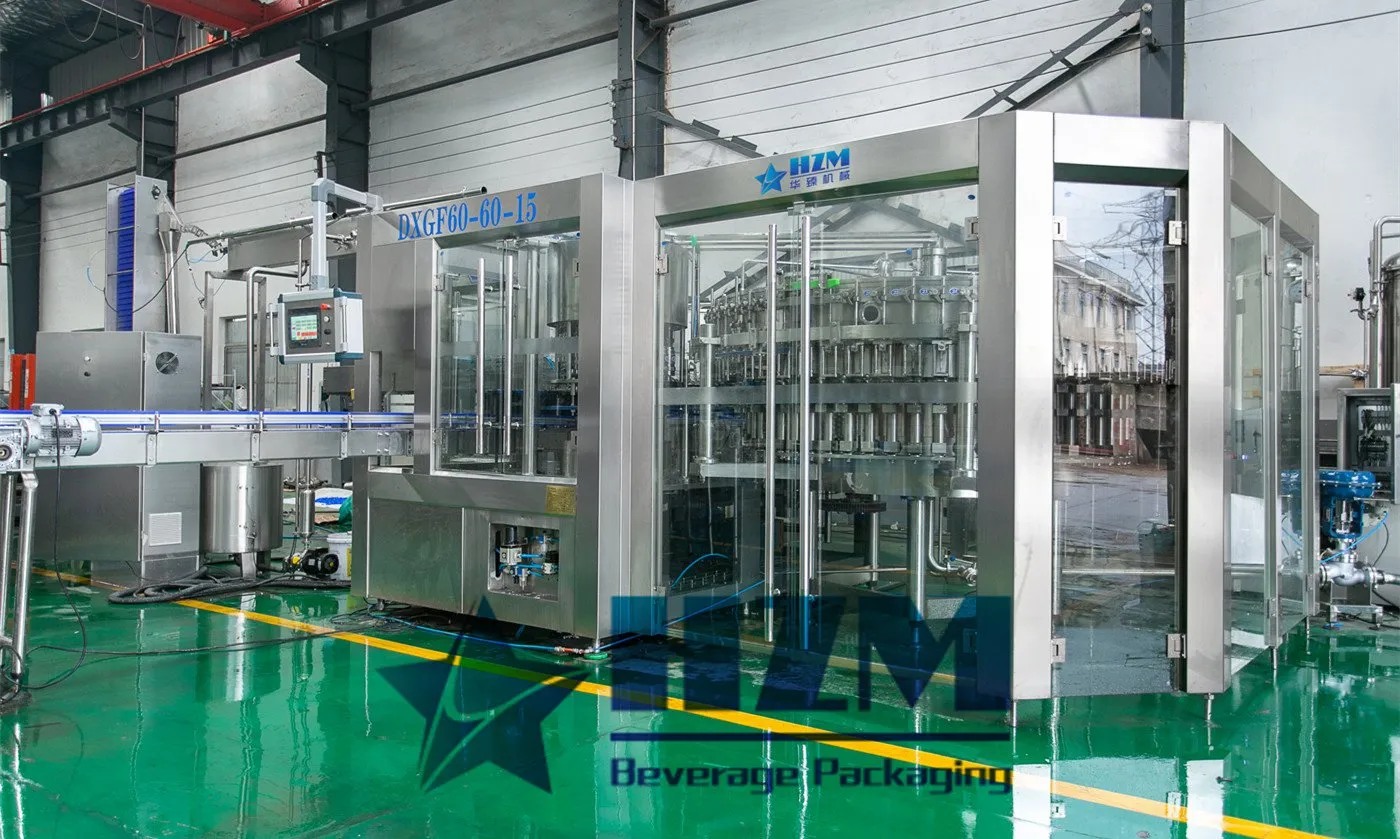
Equipment
Soda Water Filling Machine
Soda water filling equipment with bottle rinsing, isobaric filling and capping for PET-bottled sparkling water.
Learn more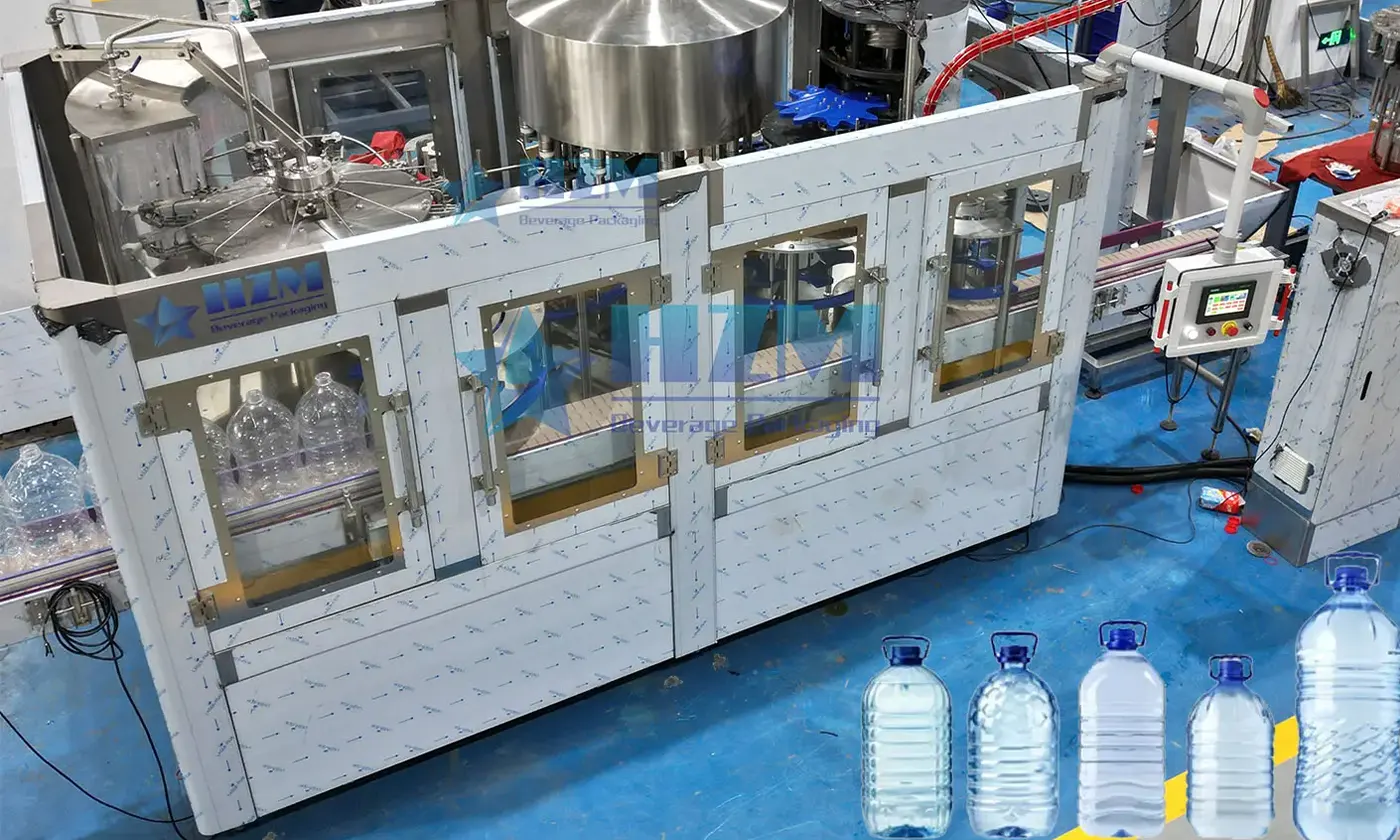
Equipment
Bottled Water Filling Machine & Turnkey Water Bottling Line
Bottled water filling machines and turnkey lines for purified and mineral water, with dedicated small-bottle, large-bottle and gallon-jar systems.
Learn more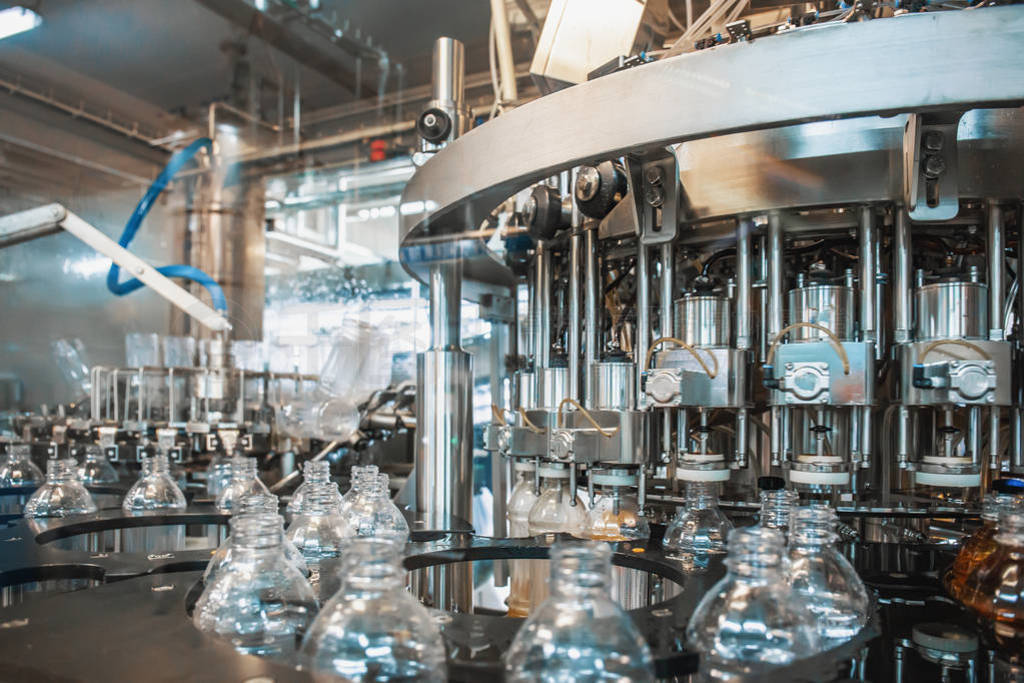
2023-07-10
How to create a complete Water Filling Line?
Creating a Water Filling Line requires a series of preparations and the selection of suitable equipment. Below is an explanation of what a Water Filling Line is, its purpose, the equipment it consists of, the preparations required to create a Water Filling Line, precautions to be taken during regular use, and suggestions for choosing a brand of Water Filling Line equipment.
Learn more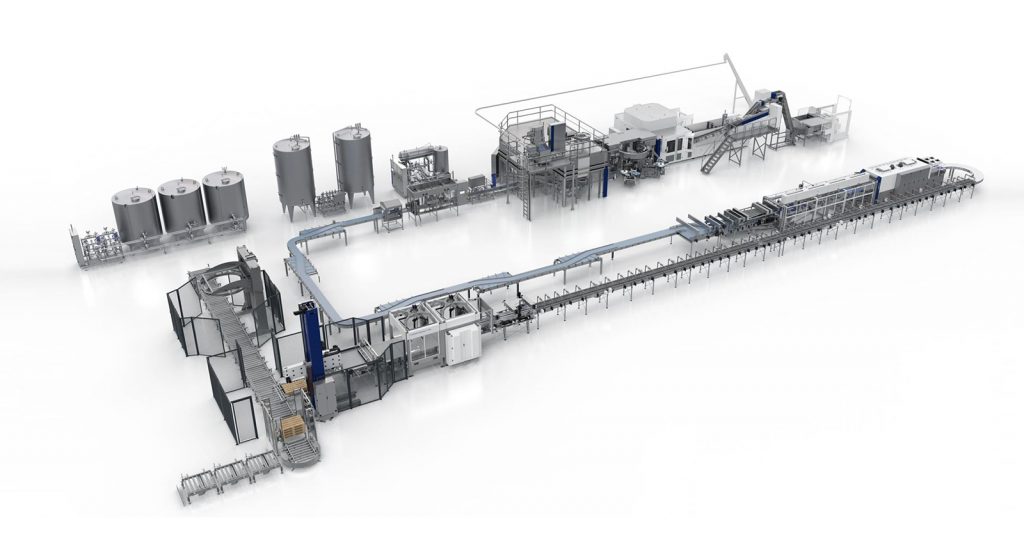
2023-09-09
What Does It Take to Build a Mineral Water Production Line?
Mineral water is a fast-moving consumer product, particularly in the summer. Establishing a small-scale mineral water production line for a thriving business requires the following conditions
Learn more
2026-08-24
Water Bottling Line Has Too Many Microstops
Capture first-out alarms and state transitions with synchronized time. Rank stops by lost minutes and frequency, then verify sensors, container stability, cap and label feed, conveyor transfers and restart logic at the first affected machine. Follow this practical fault-isolation, repair and prevention guide for bottling-line operators and maintenance teams.
Learn more2023-06-06
HZM Water Filling Line: Your Reliable Supplier for Complete Equipment Solutions
HZM Water Filling Line is dedicated to offering efficient and reliable equipment and services to water production enterprises.
Learn more
2023-03-24
What are the Advantages of Automatic Water Filling Machine?
The automatic water filling machine is a widely used packaging machine that offers a number of advantages to the packaging industry. Such a machine eliminates the manual work of filling bottles. When production reaches a certain level, it becomes necessary to use a filling machine. Below are the most common advantages of an automatic water […]
Learn more
2023-03-24
What is the Working Principle of 3 in 1 Water Filling Machine?
Water filling machines are used by perse beverage companies. In the 1990s, the companies were using manual machines. Several labors were needed to handle and use the machine. After that, the semi-automatic filling machines took over the market. Since 2000, the technology has been evolved. The manufacturers include advanced technological innovation into the equipment. Every […]
Learn more