
Project Case
36,000 BPH Carbonated Drink Production Line in Europe
Europe
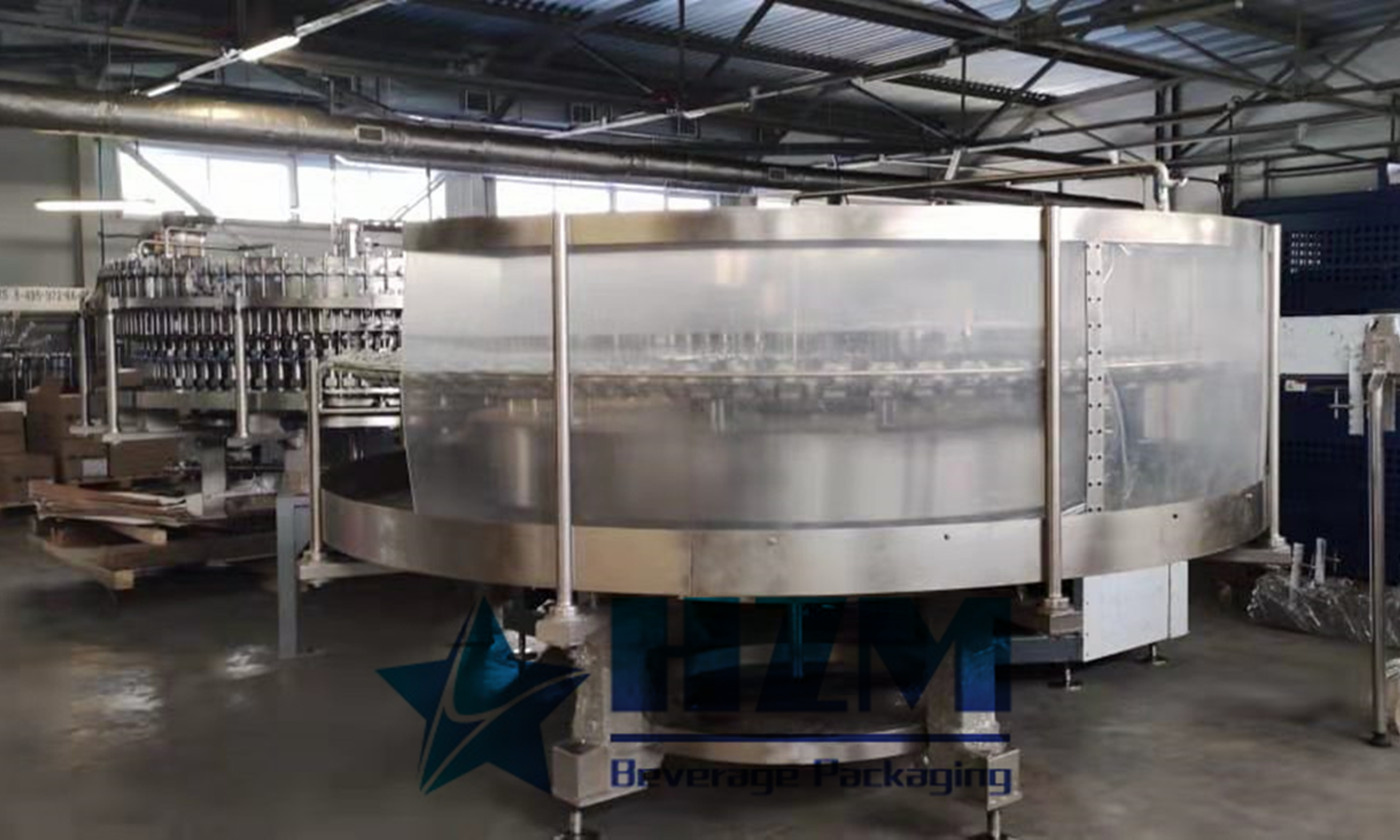
This European project documents a high-output carbonated beverage production line with a design capacity of 36,000 bottles per hour. The line passed customer acceptance and was delivered for production use after HZM completed the equipment and layout engineering.
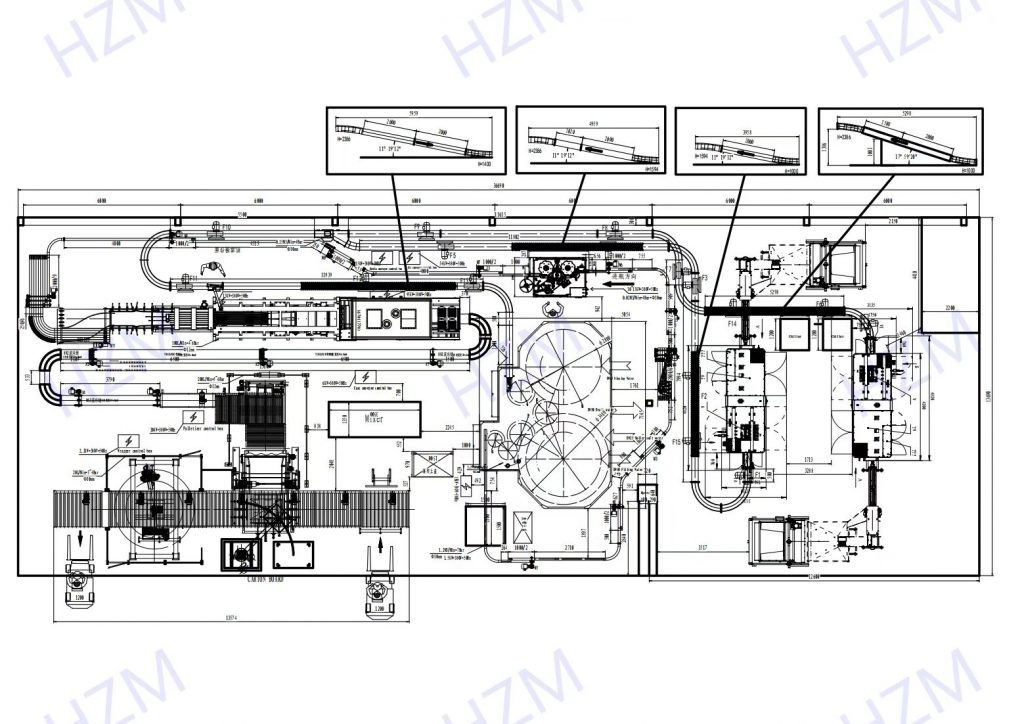
Two aspects make the case especially useful: the line was designed to handle different bottle formats, and the customer’s building conditions did not permit a conventional flat, standard arrangement. HZM adapted the conveyor route to use the available space.
High-Speed Carbonated Beverage Requirement
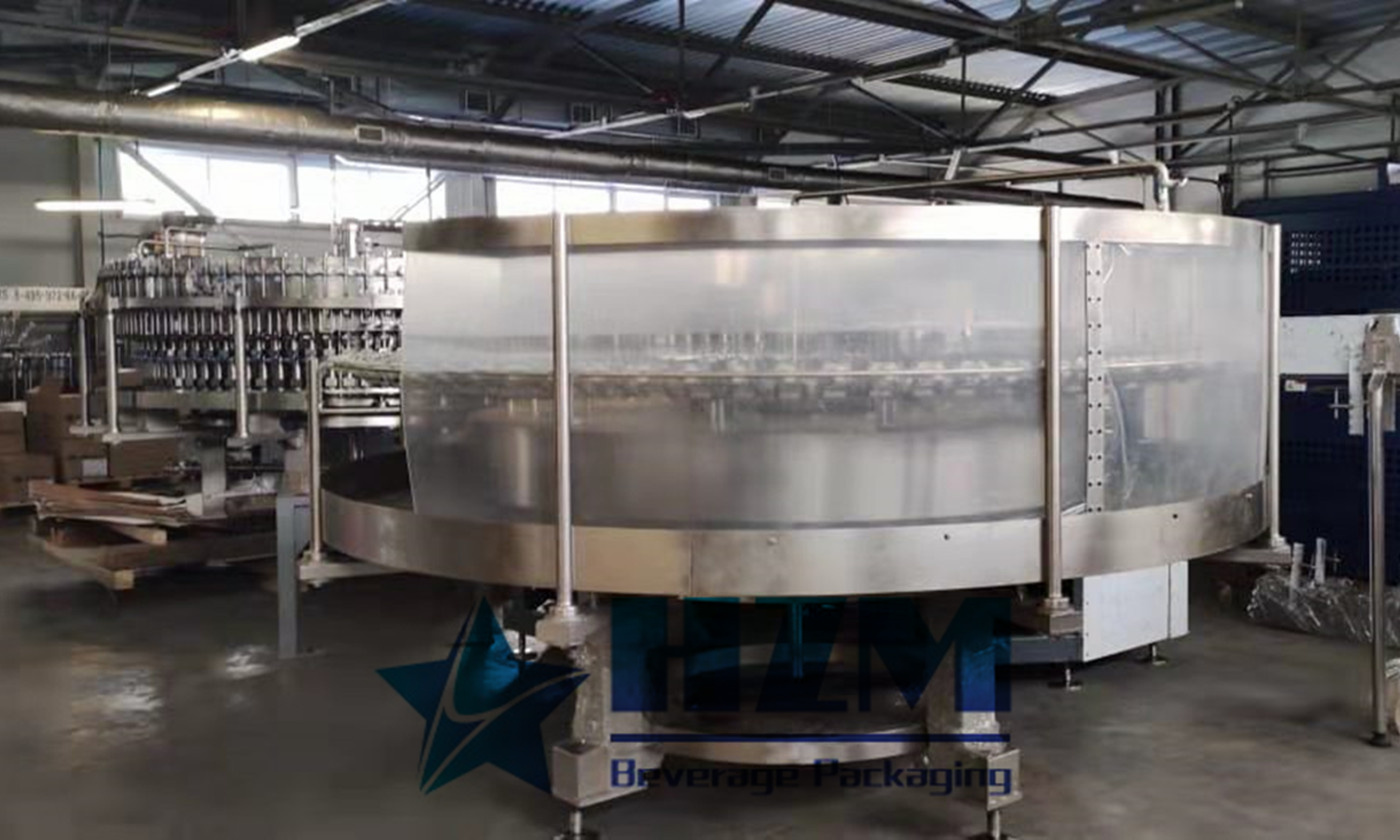
At 36,000 BPH, small disturbances quickly become large production losses. Product temperature, carbonation, filling pressure, cap supply and container transfers need to remain stable. The practical target is not a brief peak speed but sustained output of correctly filled and closed bottles.
The project record identifies this as one of HZM’s largest carbonated beverage projects at the time, making factory acceptance and coordinated commissioning particularly important.
Multiple Bottle Format Capability
The line was configured so the customer could exchange bottle types. Multi-format capability requires more than changing a recipe on the HMI: guides, star wheels, screws, filling-height settings, label parameters and downstream pack formats may all change.
A format matrix and controlled changeover procedure help the operating team return each bottle to a proven setup without repeated trial and error.
Layout Engineering for Site Constraints
The equipment could not be placed in a standard line because of the customer’s site conditions. HZM used rising and descending conveyor sections to create a practical route through the available factory space.
Elevation changes must protect bottle stability and accumulation. Conveyor slope, side guides, drive sizing and transition geometry need to be checked with the actual filled package, especially at this production rate.
Project Images and Video
Acceptance, Installation and Commissioning
Customer acceptance confirmed the supplied equipment before it entered service. On site, commissioning would verify utilities, product conditions, control communication, bottle transfers and finished-package quality under the real layout.
The project record reports customer satisfaction with installation, commissioning and equipment use, followed by discussion of another production line. That progression demonstrates confidence earned through delivered performance rather than a stand-alone sales claim.
What This Project Demonstrates
This case shows HZM’s ability to combine high-speed carbonated filling with format flexibility and non-standard layout engineering. It also highlights why a turnkey supplier must understand factory constraints before manufacturing conveyors and platforms.
A similar project should begin with beverage data, bottle and cap samples, required output by SKU, floor plans, column positions, ceiling height and final pack format. Those inputs allow the line to be modeled around the site instead of forcing the site around a generic drawing.
For a related configuration, review HZM’s 3-in-1 isobaric filling equipment. A project proposal should always be confirmed against the actual product, package, utilities, layout and required output.
Talk to our engineering team
Need help planning your packaging line?
Share your product, bottle and capacity requirements for a practical equipment recommendation.
Equipment
Carbonated Drinks Filling Machine
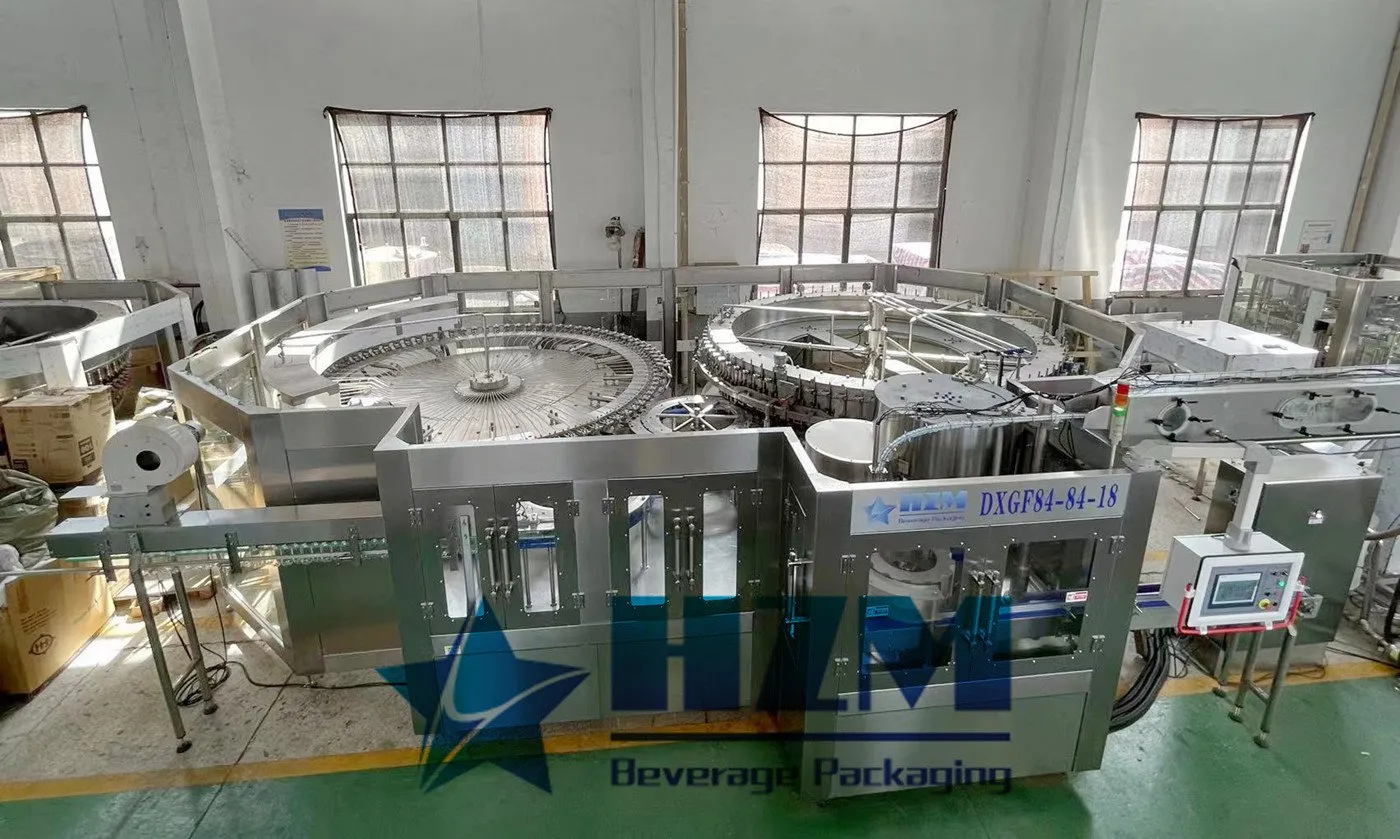
Carbonated drink rinsing, isobaric filling and capping for PET bottles, with capacities of 4,000–36,000 bottles/hour at 500 ml.
Learn more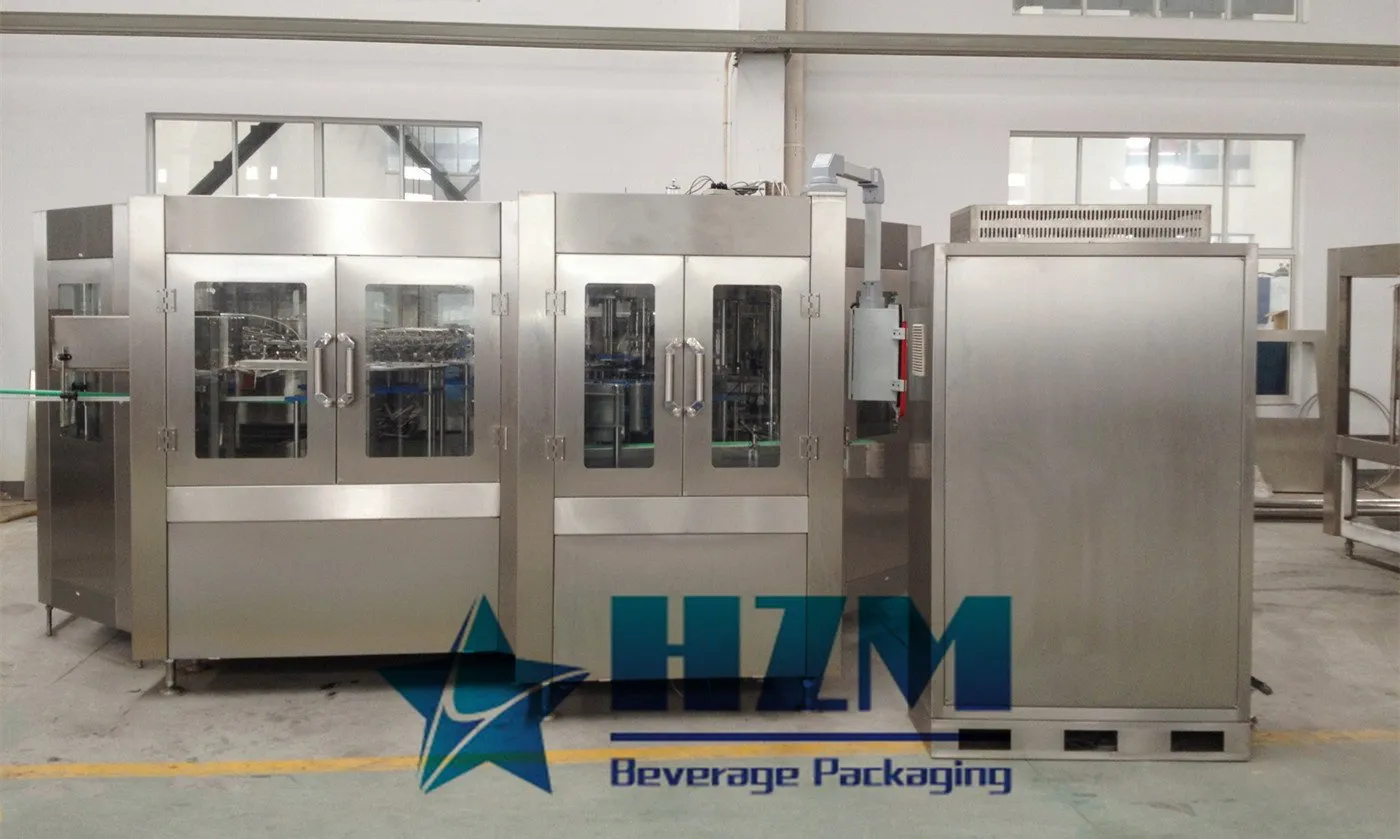
Equipment
PET Bottle CSD Beverage Filling Machine
Automatic PET bottle rinsing, isobaric filling and capping for cola, soda water and other carbonated soft drinks.
Learn more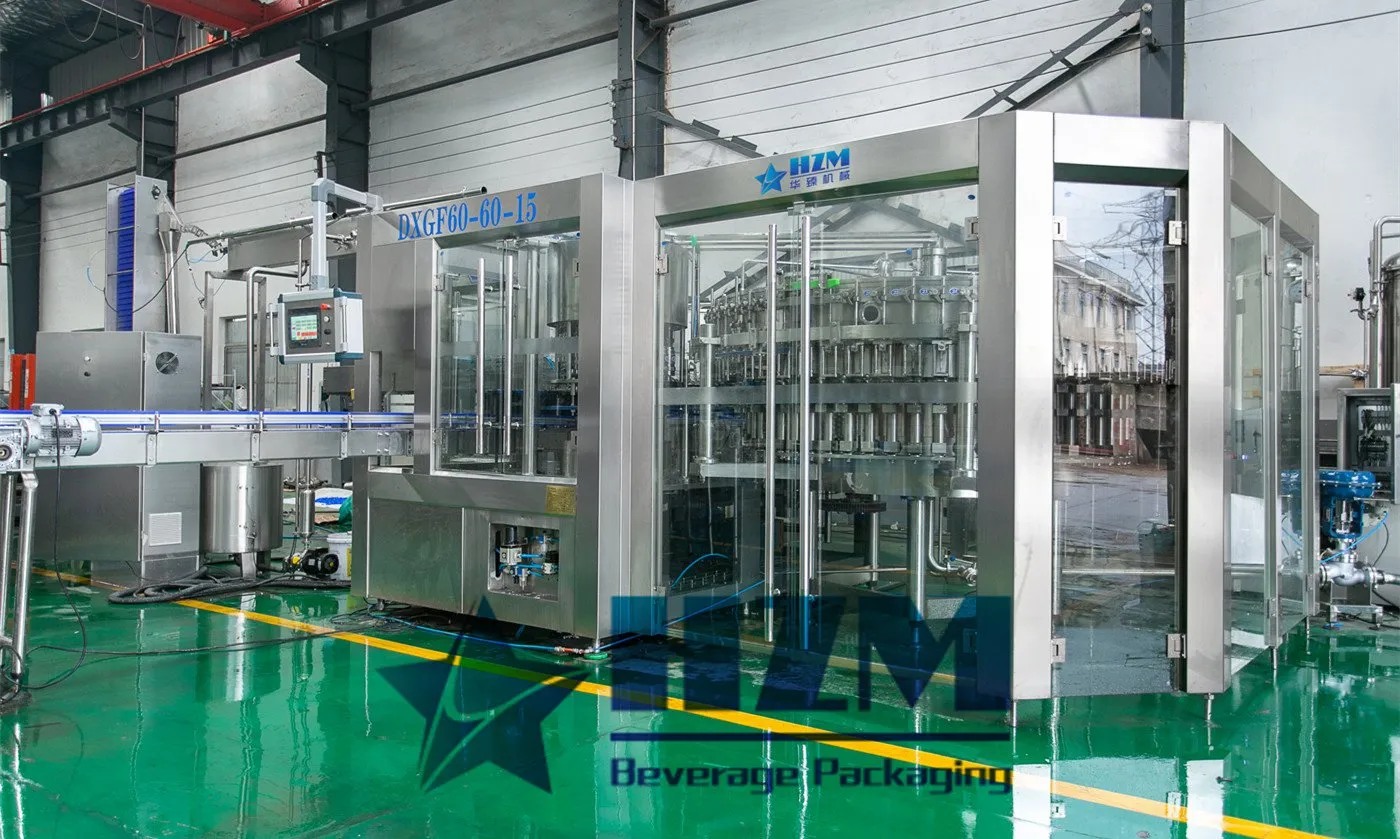
Equipment
Soda Water Filling Machine
Soda water filling equipment with bottle rinsing, isobaric filling and capping for PET-bottled sparkling water.
Learn more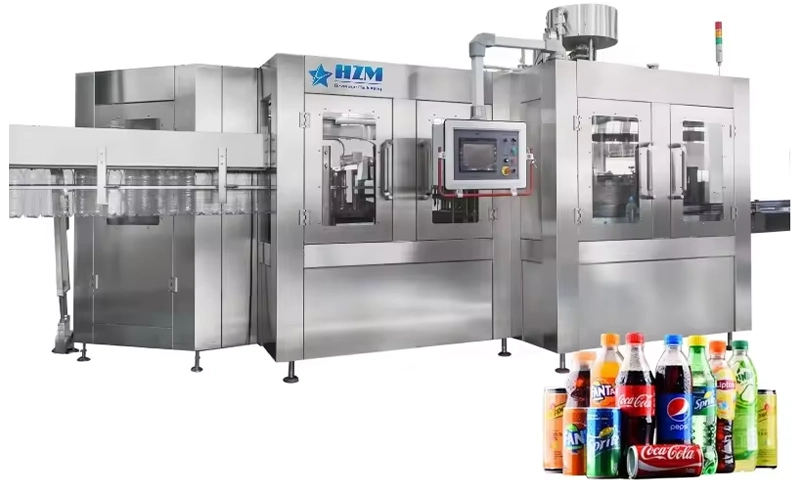
Equipment
Carbonated Soft Drink Filling Machine
Carbonated soft drink rinsing, isobaric filling and capping, with DXGF models from 3,000 to 15,000 bottles/hour at 500 ml.
Learn more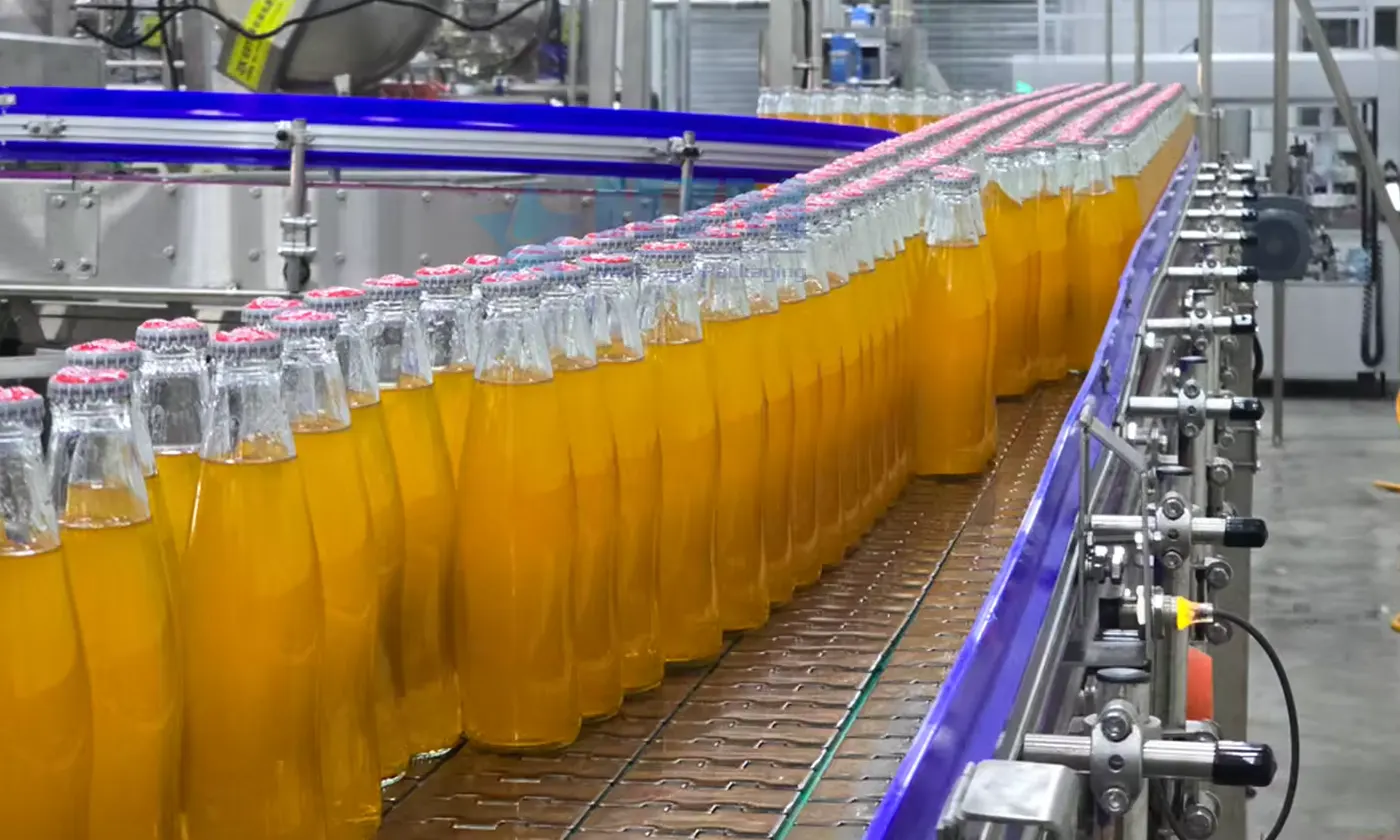
Equipment
Glass Bottle Carbonated Beverage Filling Bottling Line
This glass bottle carbonated beverage line combines bottle rinsing, isobaric filling and capping with conveying, labelling and packing.
Learn more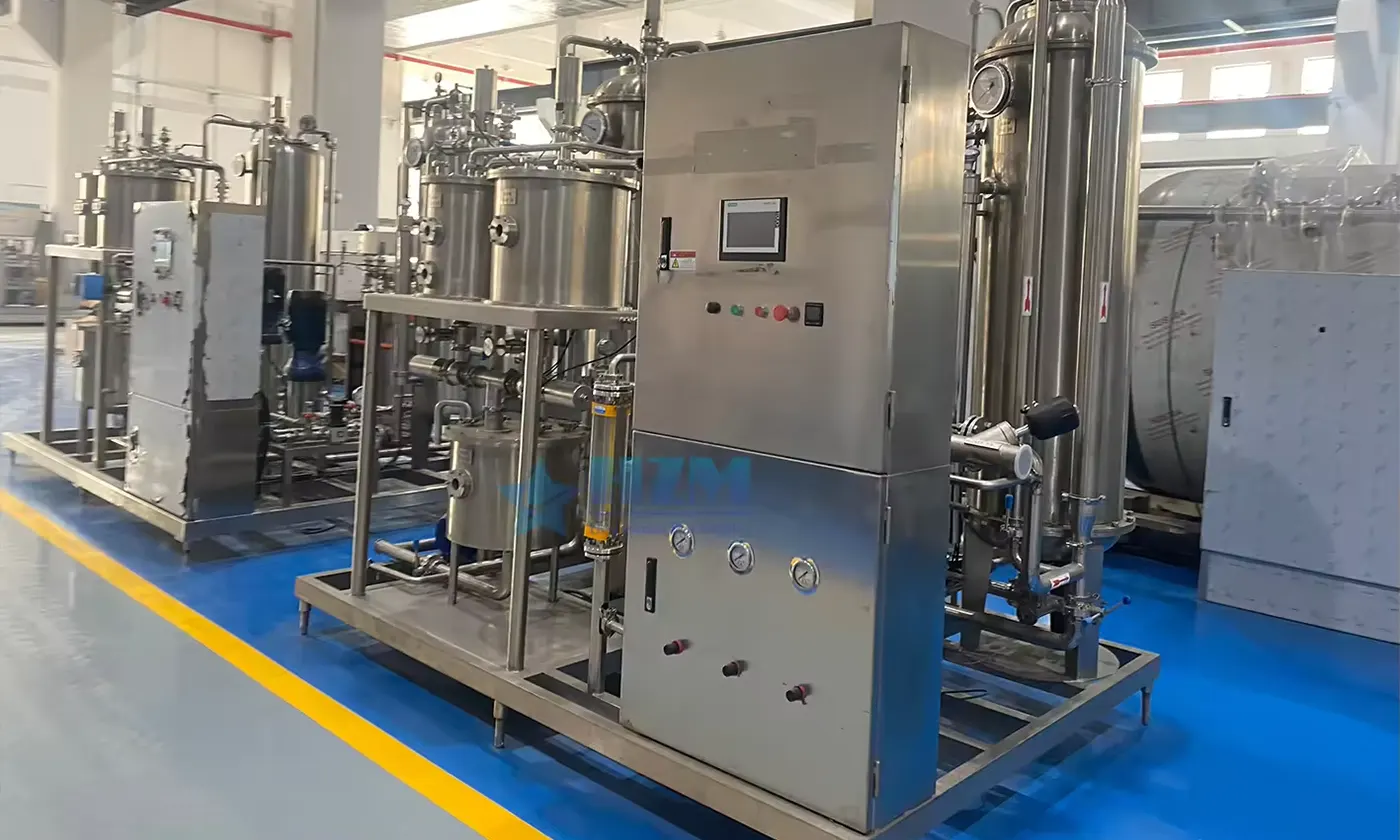
Equipment
Carbonated Drink Co2 Mixer Machine
The CO2 mixer blends beverage ingredients and carbonates the drink before filling.
Learn more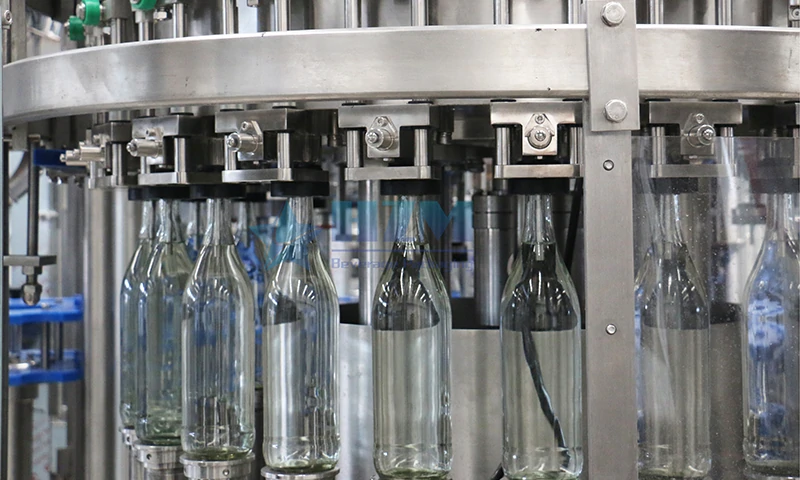
Equipment
Glass Bottle CSD & Water Drinks Filling Machine
DXGF24-24-8-8 glass bottle isobaric filling for carbonated drinks, with rinsing and two capping stations.
Learn more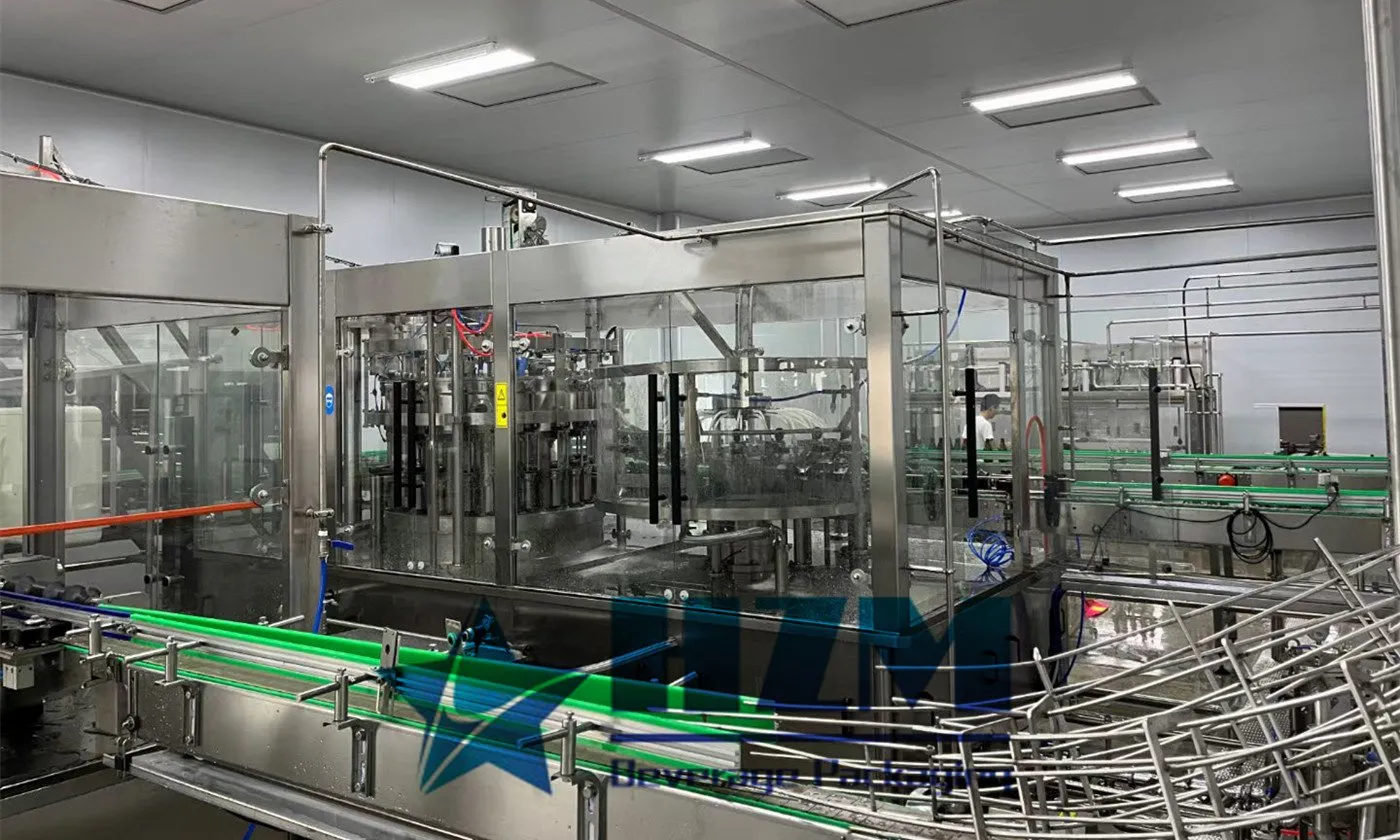
Equipment
CSD Beverage Can Filling Machine
CGS can filling and seaming for carbonated beverages, with capacities of 6,000–36,000 cans/hour at 330 ml.
Learn more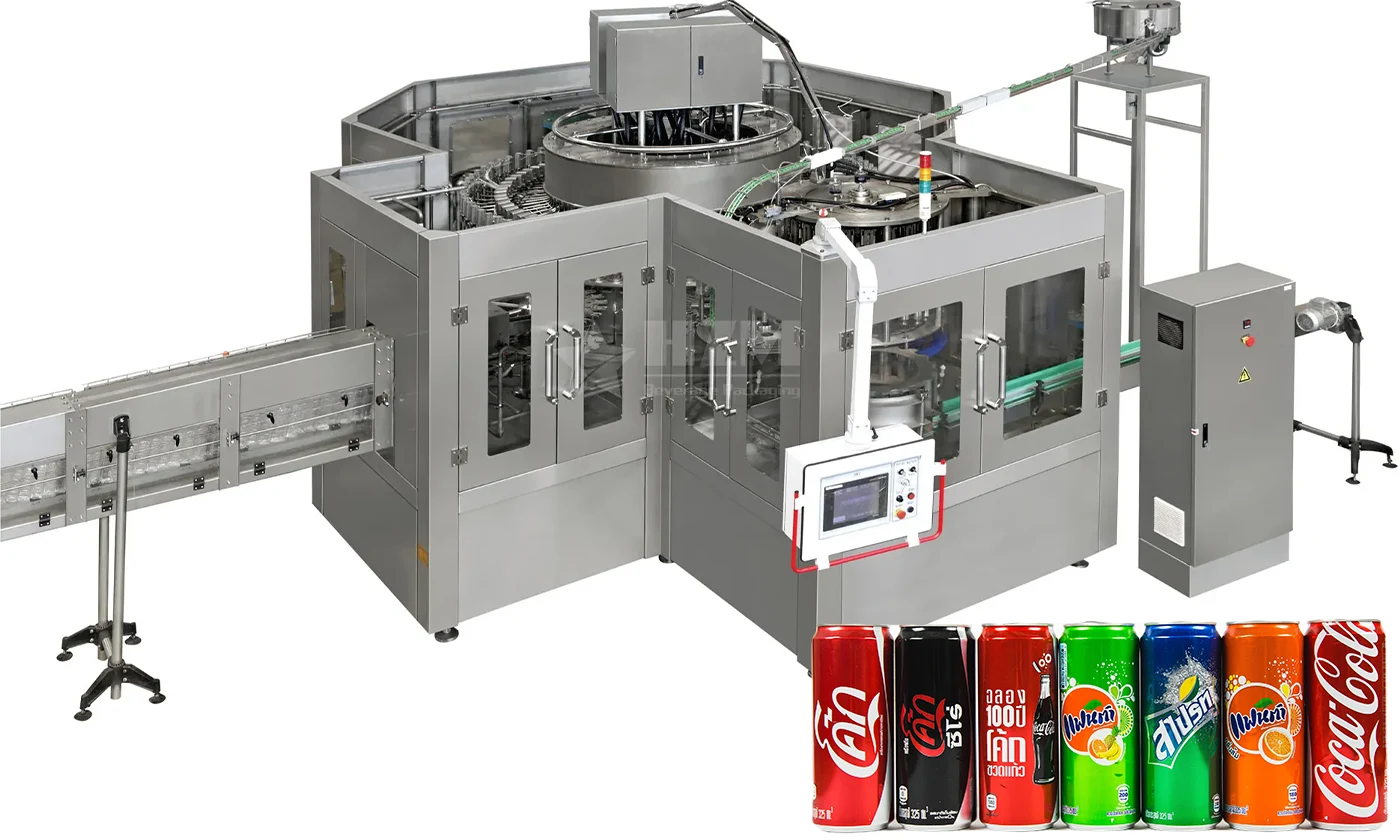
Equipment
Carbonated Beverage Can Filling Machine
Automatic carbonated beverage can filling and seaming, with CGS capacities of 6,000–36,000 cans/hour at 330 ml.
Learn more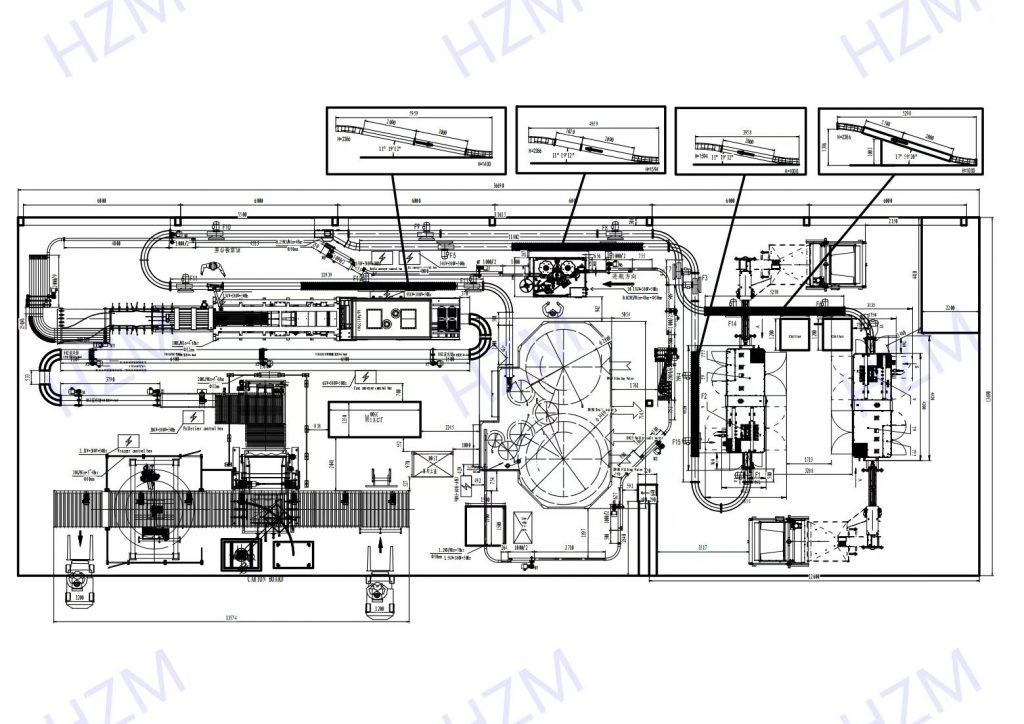
2023-03-24
DXGF80-80-22 Carbonated Drinks Beverage Production Plant In Europe
The DXGF80-80-20 carbonated beverage production line produced by HZM company has passed customer acceptance and been delivered for use. This production line is the second largest carbonated beverage production line produced by our company so far, which can realize the exchange of different bottle types, with a capacity of 36000 bottles per hour and meet the market demand of customers
Learn more2023-06-09
28000 BPH SS316 Carbonated Soft Drink Filling Machine For Sale
This top-of-the-line filling machine boasts an impressive 28,000 bottles per hour (BPH) output, making it ideal for large-scale beverage production. Constructed from durable SS316 stainless steel, it's built to handle the demands of high-volume carbonated soft drink filling with precision and efficiency.
Learn more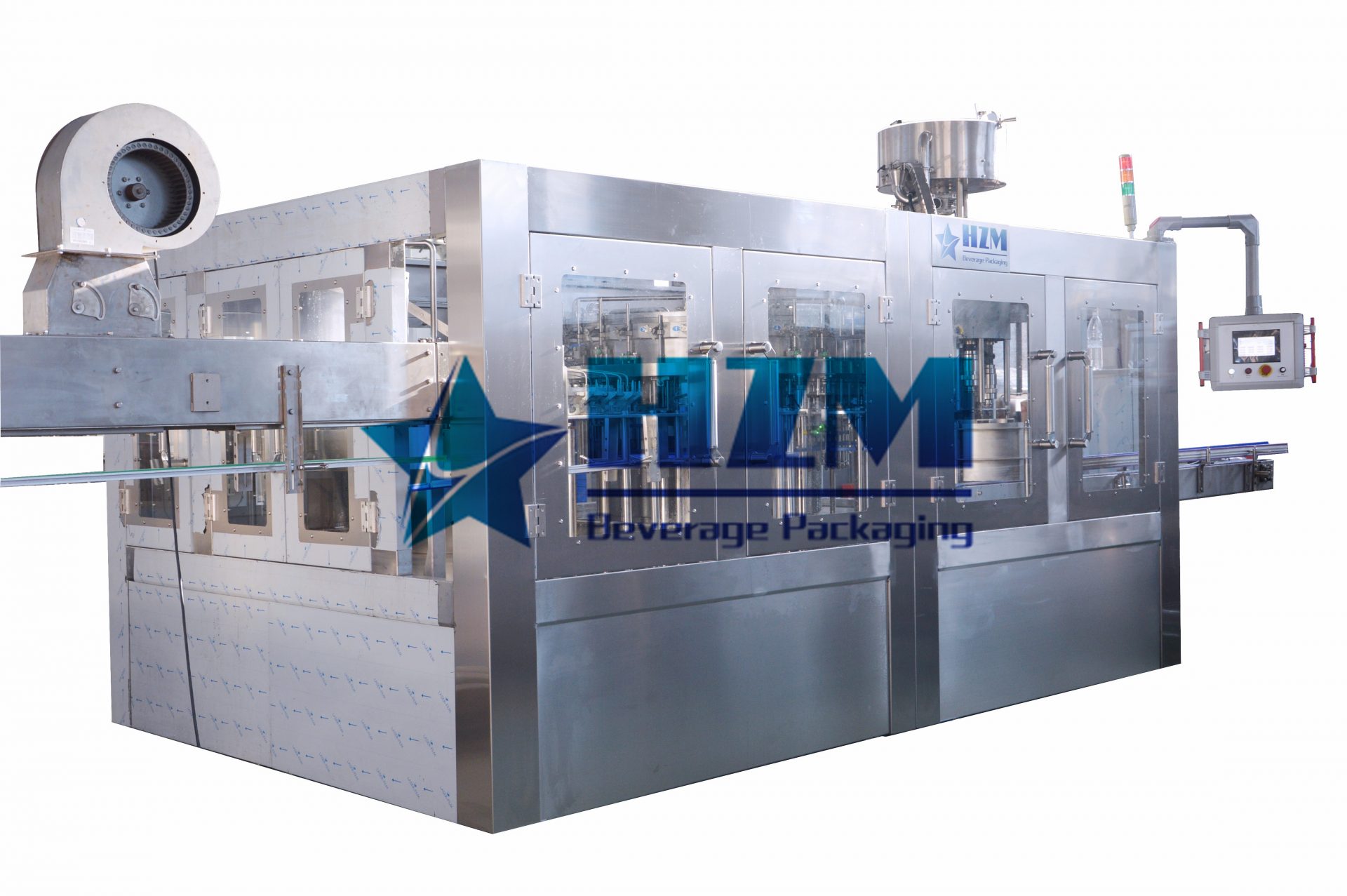
2023-03-24
Carbonated Drinks Filling Machines Delivered To East Europe
This is a sunny day, and it’s the sencond working day in 2023. We deliver DXGF32-32-8 and DXGF40-40-10 to Euripean customer with 2 containers toady. We finished testing at the end of last month, the customer is very satisfied with HZM working efficiency and machine quality. These two filling machines are suitable for carbonated drinks […]
Learn more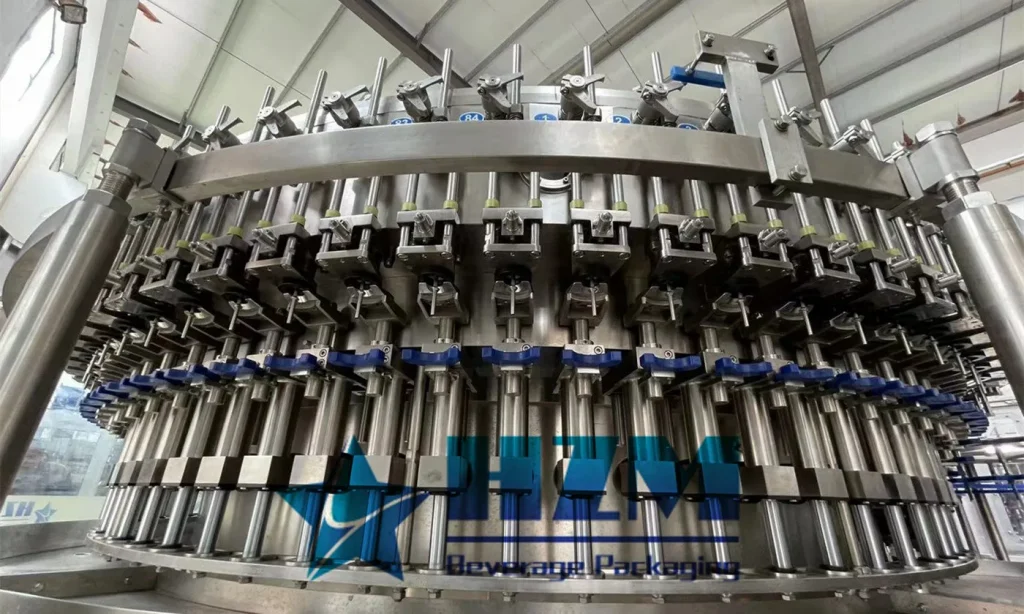
2023-08-16
Must-Know Technical Knowledge for Purchasing a Carbonated Drink Filling Machine
In the beverage industry, the Carbonated Drink Filling Machine serves as a core piece of equipment on the production line, directly impacting production efficiency and product quality
Learn more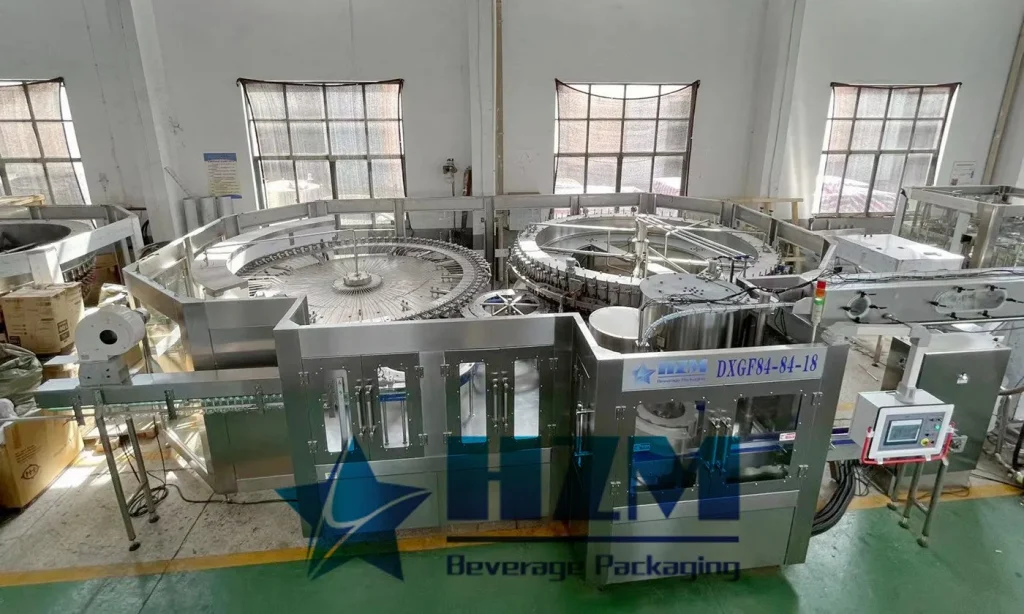
2023-07-18
Carbonated drinks Filling Machine: A Comprehensive Solution
Beverage filling machine is a specialized device used for filling carbonated beverages into bottles in an efficient and accurate manner. In this article, we will provide an introduction to carbonated beverage filling machines and their features, discuss the applicable industries and beverage types, present the bottle types suitable for these machines in tabular form, offer a specific solution for carbonated beverage filling machines, and highlight important considerations while using them.
Learn more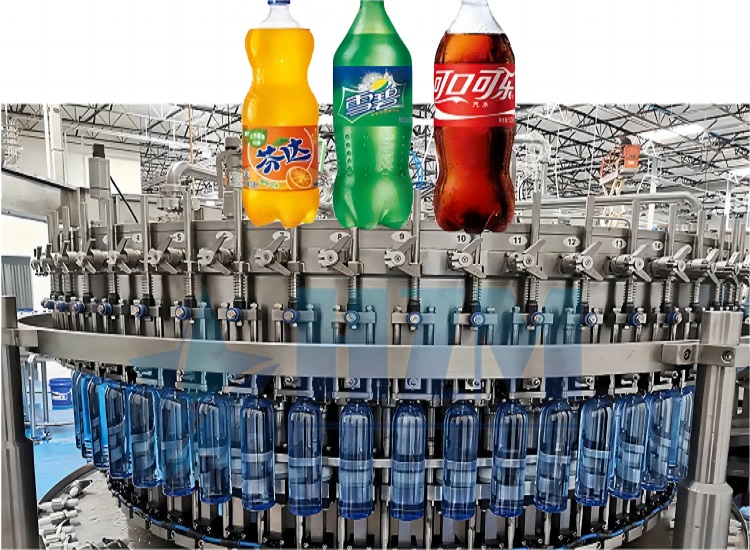
2023-08-18
carbonated beverage production equipment solutions
Carbonated beverage production equipment is commonly utilized for the production of carbonated sweetened drinks, commonly known as carbonated beverages or carbonated drinks.
Learn more