
Insights & Updates
Activated Carbon Filter Lets Chlorine Reach RO Membranes
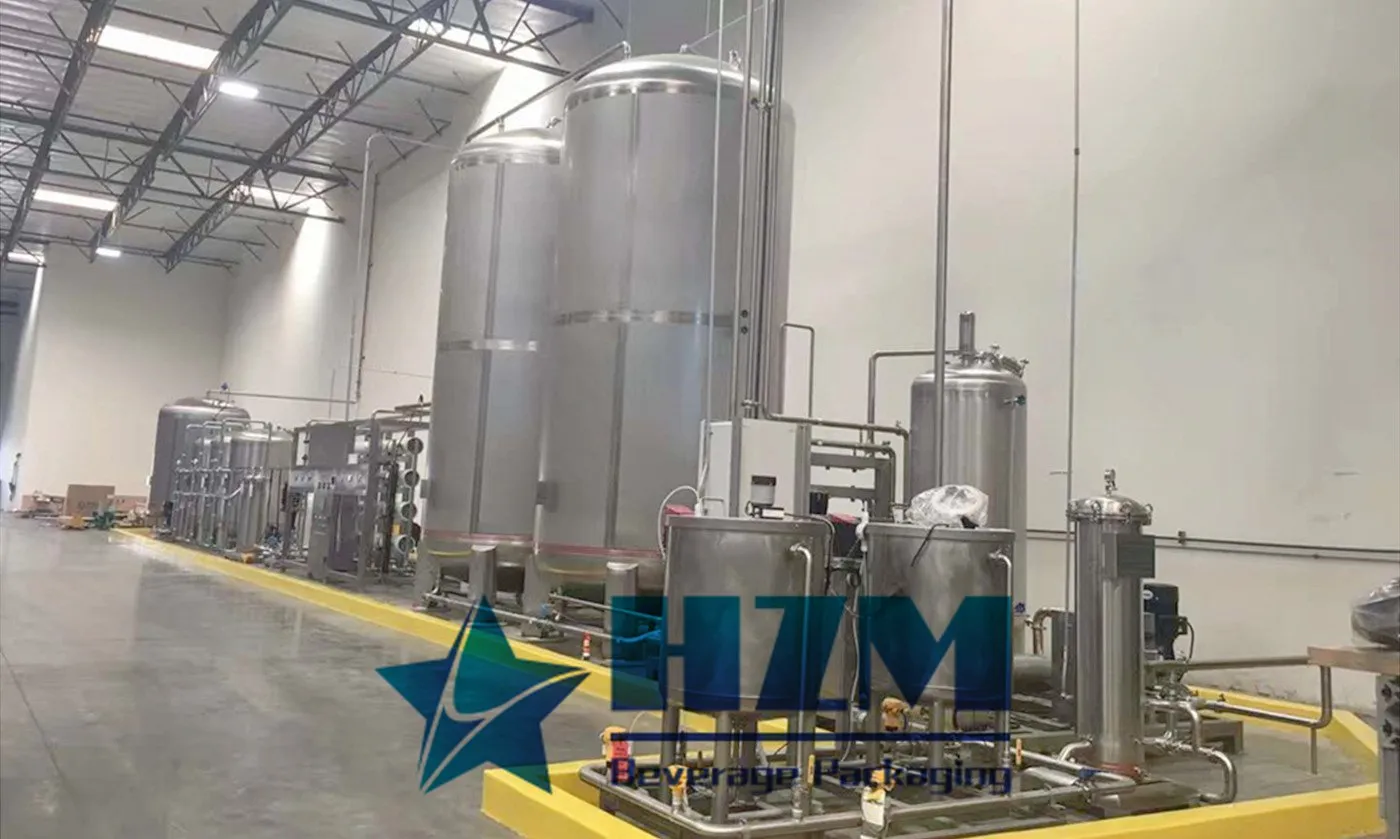
Free-chlorine breakthrough from an activated-carbon filter is easiest to solve while the original evidence is still available. Keep affected samples, record the operating state and resist making several adjustments at once.
Water-treatment performance must be evaluated with normalized operating data. Raw-water changes, temperature, recovery, pressure, flow and conductivity interact; a single gauge reading is not enough to identify membrane damage or fouling. For this fault, the first distinction is between exhausted or unsuitable carbon and insufficient empty-bed contact time. The procedure below moves from non-invasive checks to controlled repair and restart.
Quick answer: Treat chlorine at the RO feed as an urgent membrane-protection issue. Verify the test method, then check carbon exhaustion, contact time, channeling, flow, backwash, pH and any dechlorination backup system.
What operators usually see
The failure pattern narrows the search more quickly than replacing parts. Mark samples and record which of these conditions are present: For this case, preserve evidence that shows whether rO-feed chlorine becomes detectable near the end of a run.
- RO-feed chlorine becomes detectable near the end of a run
- Membrane salt passage rises without a large pressure-drop change
- Carbon-filter outlet result changes with flow
- Breakthrough occurs soon after media replacement
Make the equipment safe and protect the product
Use the plant chemical-handling procedure, suitable PPE and lockout/tagout. Depressurize housings and verify that cleaning chemicals have been displaced before opening a pump, filter or membrane vessel.
Trend feed, concentrate and permeate flows; stage pressures; differential pressure; conductivity; temperature; pH; oxidant residual; and recovery. Compare normalized values with the accepted commissioning baseline. Explicitly record whether rO-feed chlorine becomes detectable near the end of a run.
Most likely causes, in practical checking order
1. Exhausted or unsuitable carbon
Adsorption and catalytic capacity are depleted or the media was not selected for the oxidant and water To test this explanation without guessing, confirm oxidant with a second approved method and fresh reagents Record the result before moving to the next cause.
2. Insufficient empty-bed contact time
High flow or lost media reduces exposure needed for removal A practical confirmation step is to sample before and after each carbon vessel at stable flow. Compare the finding with a known-good run.
3. Channeling or internal bypass
Poor distribution, bed condition or valve leakage lets water avoid the carbon Do not compensate for this condition in the recipe. First, calculate actual flow and contact time from current media volume Keep the original setting and measured result in the fault record.
4. Sampling or analyzer error
Stale reagent, wrong range or contaminated sample line misrepresents oxidant residual Separate this cause from the others with one controlled check: review media age, backwash history and pressure-drop behavior Use the same product, format and speed for the comparison.
Step-by-step diagnostic procedure
The aim is to eliminate whole groups of causes with each check. Record actual values rather than “normal” or “looks good.”
- Confirm oxidant with a second approved method and fresh reagents
- Sample before and after each carbon vessel at stable flow
- Calculate actual flow and contact time from current media volume
- Review media age, backwash history and pressure-drop behavior
- Check for channeling, media loss and valve bypass
- Verify any reducing-agent dose and oxidation-reduction monitoring used as backup
Corrective actions that address the root cause
A reset is not a repair. Complete the mechanical, process or controls work indicated by the evidence and document the as-left state.
- Stop or divert RO feed until oxidant control is restored
- Replace suitable carbon after correcting flow or hydraulic defects
- Repair internal distribution and bypassing valves
- Calibrate analyzers and restore properly controlled backup dechlorination
How to verify the repair before full-speed production
Restart at reduced speed with normal production materials, then increase output in steps. The first acceptance check is: Confirm that free-chlorine breakthrough from an activated-carbon filter is absent for multiple consecutive cycles, not only for one sample. Review the alarm history and keep diagnostic product segregated until the site’s quality procedure releases it.
- Confirm that free-chlorine breakthrough from an activated-carbon filter is absent for multiple consecutive cycles, not only for one sample.
- Compare the repaired result for “RO-feed chlorine becomes detectable near the end of a run” with the approved quality limit and the last known-good baseline.
- Check adjacent stations and downstream package quality for side effects associated with exhausted or unsuitable carbon.
- For “Activated Carbon Filter Lets Chlorine Reach RO Membranes”, record the final settings, measurements, parts used and restart authorization.
Prevent the problem from returning
The most effective preventive action is an observable limit with a named response, not a general instruction to “check regularly.”
- Use continuous or frequent RO-feed oxidant monitoring
- Trend breakthrough against throughput, not only calendar age
- Verify contact time at peak flow
- Control backwash to prevent media loss
- Keep an emergency membrane-protection response
When to stop troubleshooting and call a specialist
Stop and contact the machine or component supplier when free-chlorine breakthrough from an activated-carbon filter cannot be isolated with non-invasive checks, when it returns after an approved repair, or when calibration requires protected service tools. Escalate immediately for a damaged pressure boundary, uncontrolled motion, food-safety risk, exposed conductor or repeated protective trip. Send the service engineer the fault history, photos, samples, trend data, recipe revision and work already completed.
Relevant equipment for this application
The site example most closely related to free-chlorine breakthrough from an activated-carbon filter is the Water Purify System. Equipment selection should be checked against samples, quality limits, required sustained output and available utilities.
Frequently asked questions
What should be checked first when free-chlorine breakthrough from an activated-carbon filter?
Treat chlorine at the RO feed as an urgent membrane-protection issue. Verify the test method, then check carbon exhaustion, contact time, channeling, flow, backwash, pH and any dechlorination backup system. Preserve the original settings and take representative samples before repair work begins.
How can we distinguish exhausted or unsuitable carbon from insufficient empty-bed contact time?
Adsorption and catalytic capacity are depleted or the media was not selected for the oxidant and water In contrast, high flow or lost media reduces exposure needed for removal Compare the two mechanisms under the same operating condition by completing these checks: confirm oxidant with a second approved method and fresh reagents Then sample before and after each carbon vessel at stable flow
Can production continue while free-chlorine breakthrough from an activated-carbon filter?
Only when the plant’s documented risk assessment and quality procedure allow it. For free-chlorine breakthrough from an activated-carbon filter, stop and segregate production when package integrity, sanitation, validated processing, pressure safety, electrical protection or an uncontrolled reject trend is involved.
What evidence will help the equipment supplier respond faster?
Provide the model and serial number, product and format, target speed, first fault, timestamps, photos or video, affected station pattern and maintenance history. For this issue, also include rO-feed chlorine becomes detectable near the end of a run and the measured result from this check: verify any reducing-agent dose and oxidation-reduction monitoring used as backup
Talk to our engineering team
Need help planning your packaging line?
Share your product, bottle and capacity requirements for a practical equipment recommendation.
Equipment
Water Softener Filter System
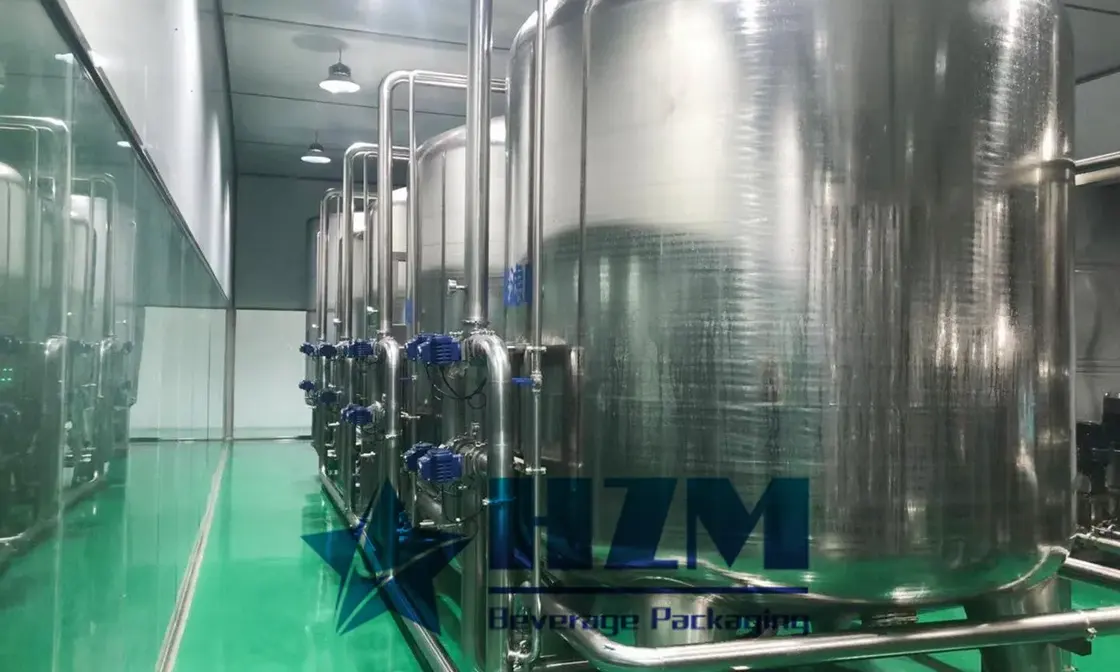
The water softener reduces calcium and magnesium hardness before water enters the downstream treatment system.
Learn more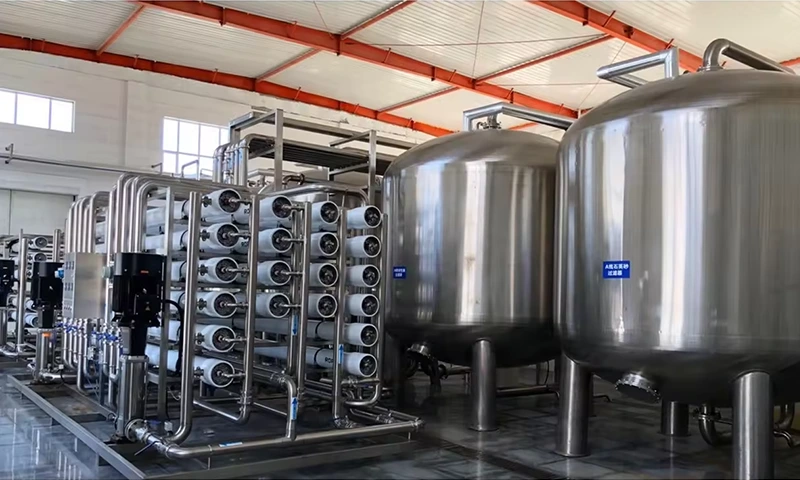
Equipment
Reverse Osmosis Water Treatment
The reverse osmosis system treats water for bottled-water and beverage production.
Learn more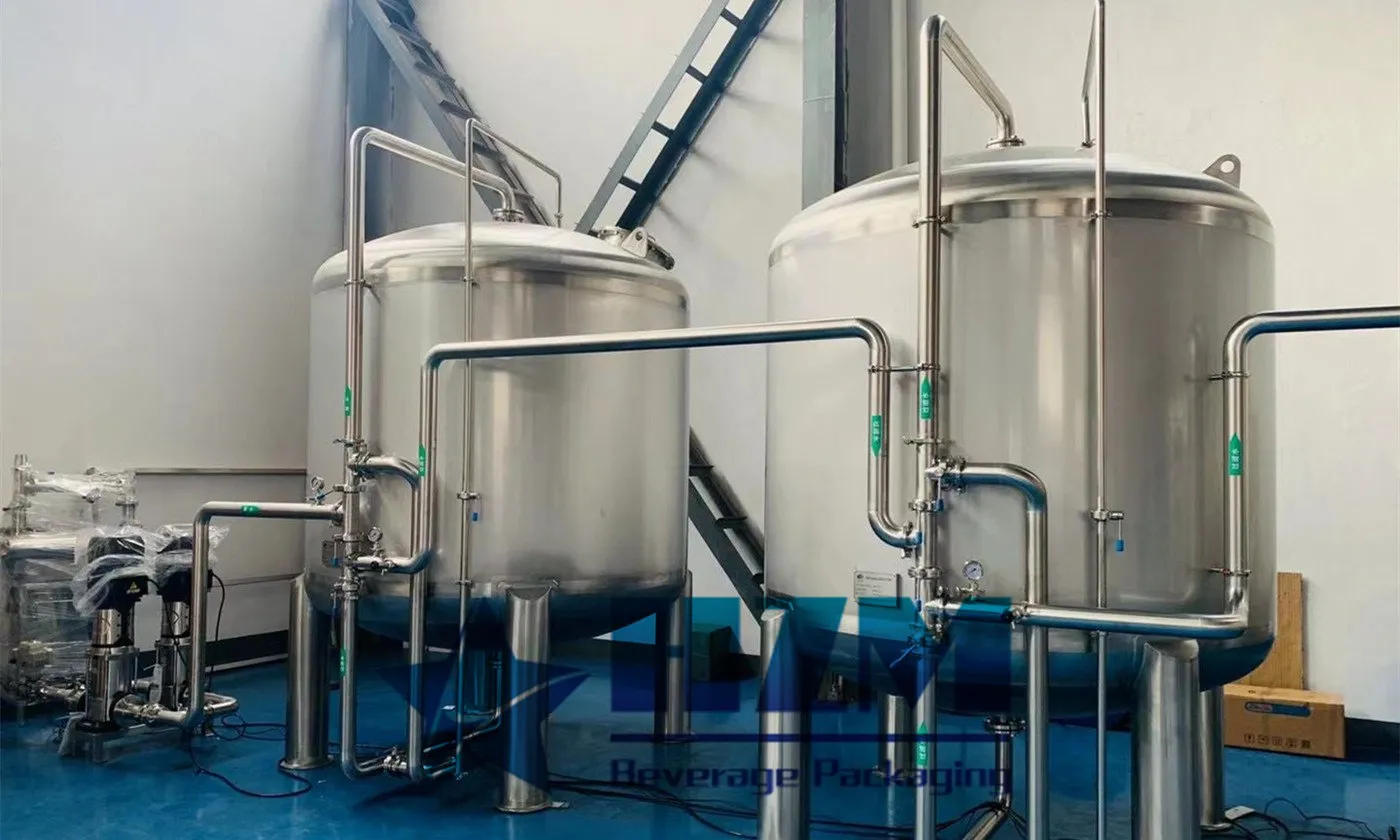
Equipment
RO System Water Treatment Plant
The RO water treatment plant produces purified water through feed-water pretreatment and reverse-osmosis membrane separation.
Learn moreEquipment
RO Water Treatment Machine for Bottled Water Production
10 T/H reverse osmosis water treatment for purified-water bottling, with pretreatment, storage and filler-supply connections.
Learn moreEquipment
Water Treatment for the Food & Beverage Industry – RO Water Treatment Equipment
10 T/H RO water treatment for ingredient, process and rinse water in food and beverage plants.
Learn moreEquipment
Industrial food water treatment equipment – 10T/H RO Water Treatment System
10 T/H reverse osmosis water treatment for food and beverage production, with pretreatment and stainless-steel equipment options.
Learn more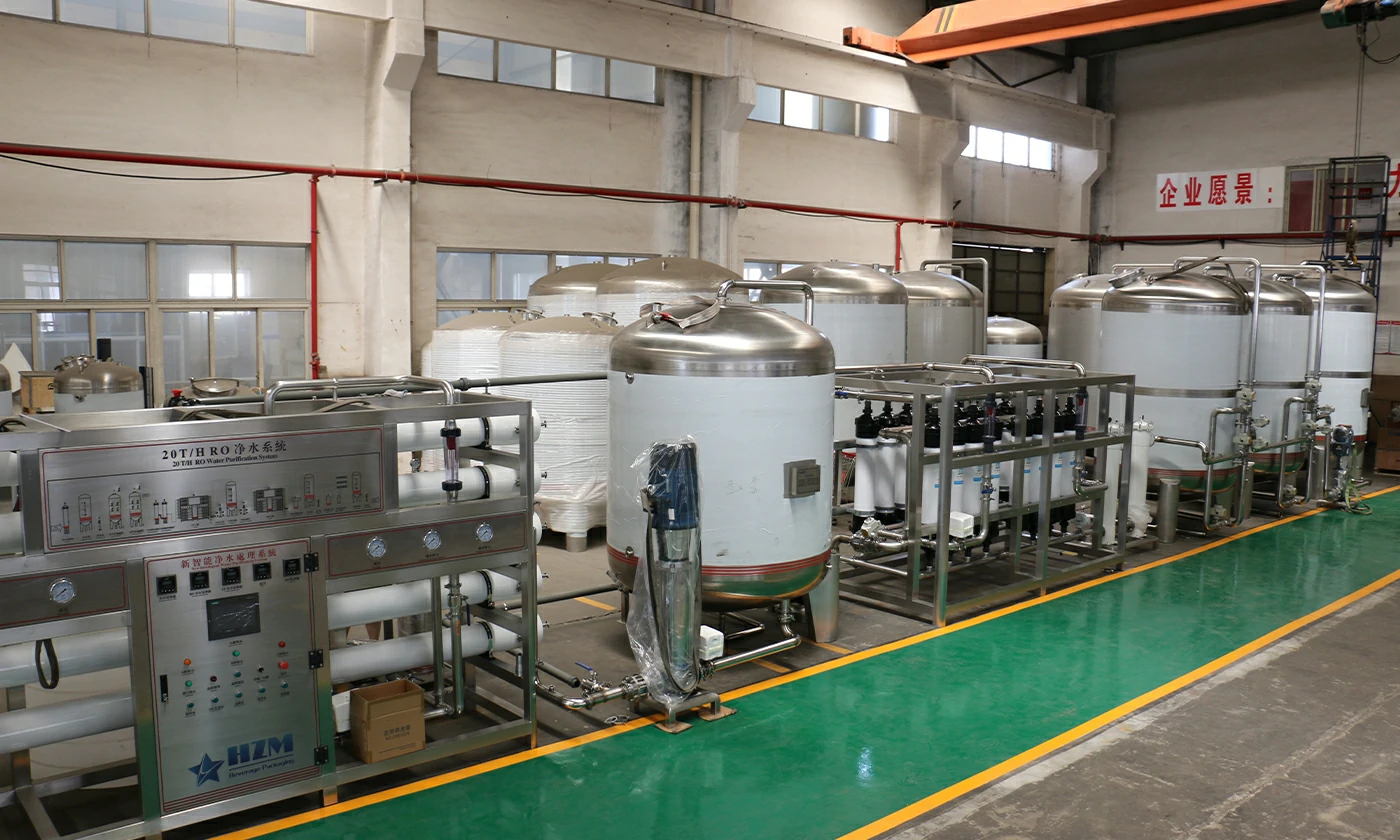
Equipment
Industrial RO Drinking Water Treatment Plant – Reverse Osmosis Equipment for Beverage & Bottled Water
1,000 litres/hour reverse osmosis water treatment for bottled-water, beverage and food production.
Learn moreEquipment
Food Grade RO Water Plant
10 T/H food and beverage RO water treatment with SUS304 or SUS316 stainless-steel options, monitoring and cleaning connections.
Learn moreEquipment
RO Water Treatment System Drinking Water Purifier
This RO water treatment system combines pretreatment, reverse-osmosis membrane separation and final treatment for purified-water production.
Learn more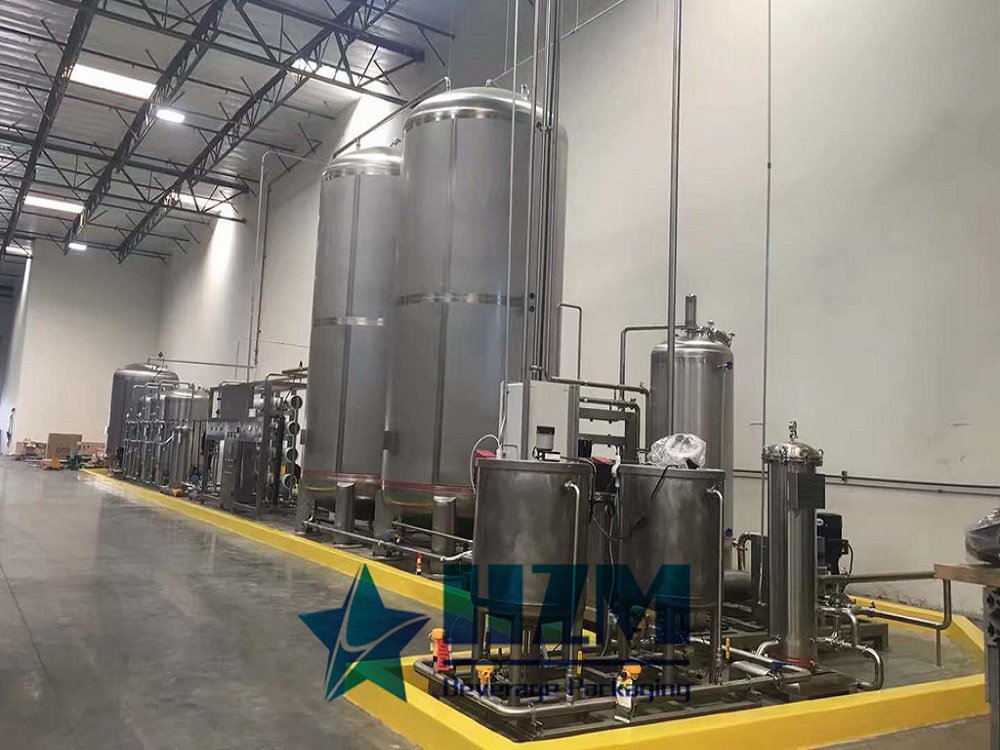
2023-03-24
Technical characteristics of reverse osmosis
Technical characteristics of reverse osmosis: 1. Reverse osmosis is the desalination and desalination of salt water using a physical method without phase change at room temperature. The desalination rate of ultra-thin composite membrane elements can reach more than 99.5%, and it can remove colloids, organic matter, bacteria, viruses, etc. in the water at the same […]
Learn more
2023-06-30
What is the role of carbon dioxide in soft drinks?
carbon dioxide plays a vital role in soft drinks by providing a cooling sensation, contributing to distinctive flavors, and acting as a natural preservative to inhibit microbial growth, thus extending the shelf life of the product.
Learn more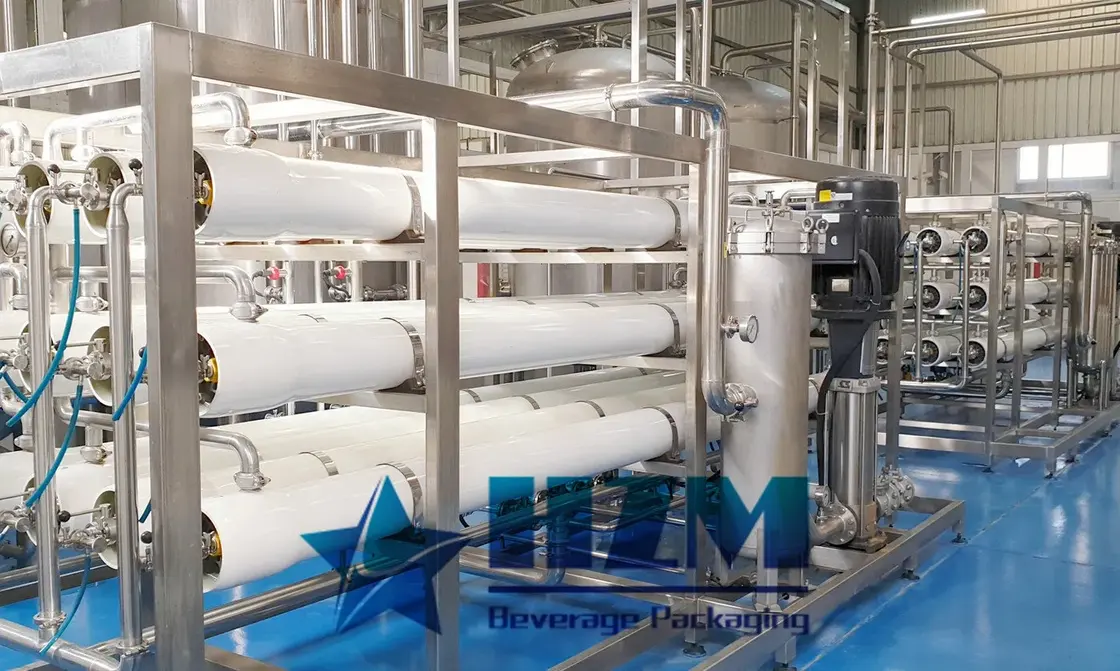
2024-07-04
Commercial industrial reverse osmosis machine
Industrial reverse osmosis equipment is primarily used for producing pure water for industrial production. Depending on customer requirements, different process flows are employed to produce pure water that meets the specified standards. The equipment is widely used in the food and beverage industry, laboratories, pharmaceuticals, chemicals, and other sectors. Our equipment is factory-direct, and it is exported to more than 50 countries, including South Africa, North Africa, Sudan, the United States, Europe, and Southeast Asia.
Learn more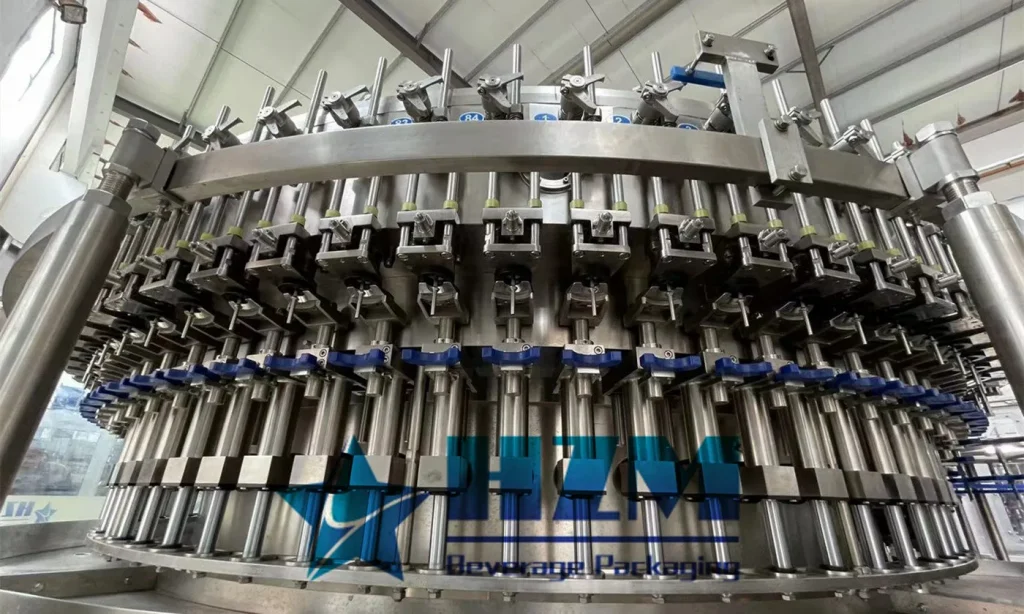
2023-08-31
Global Reach: HZM Machinery’s Export Services for Beverage Filling Machine Equipment
In today’s interconnected world, businesses in every corner seek cutting-edge solutions to stay competitive in their respective industries. HZM Machinery has emerged as a leading provider of advanced technology solutions, and its beverage filling machine equipment is no exception. With an unwavering commitment to quality and innovation, HZM Machinery proudly offers its export services for […]
Learn more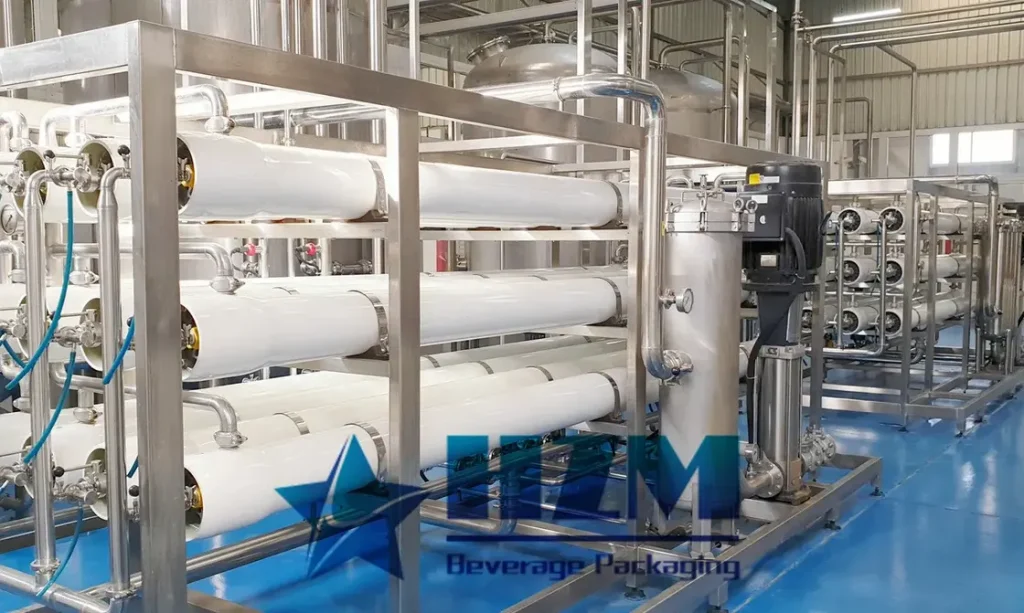
2026-05-26
Reverse Osmosis Water Treatment for Beverage Production: Design and Maintenance
A practical guide to designing and maintaining reverse osmosis water treatment for bottled water and beverage production from raw-water analysis to CIP.
Learn more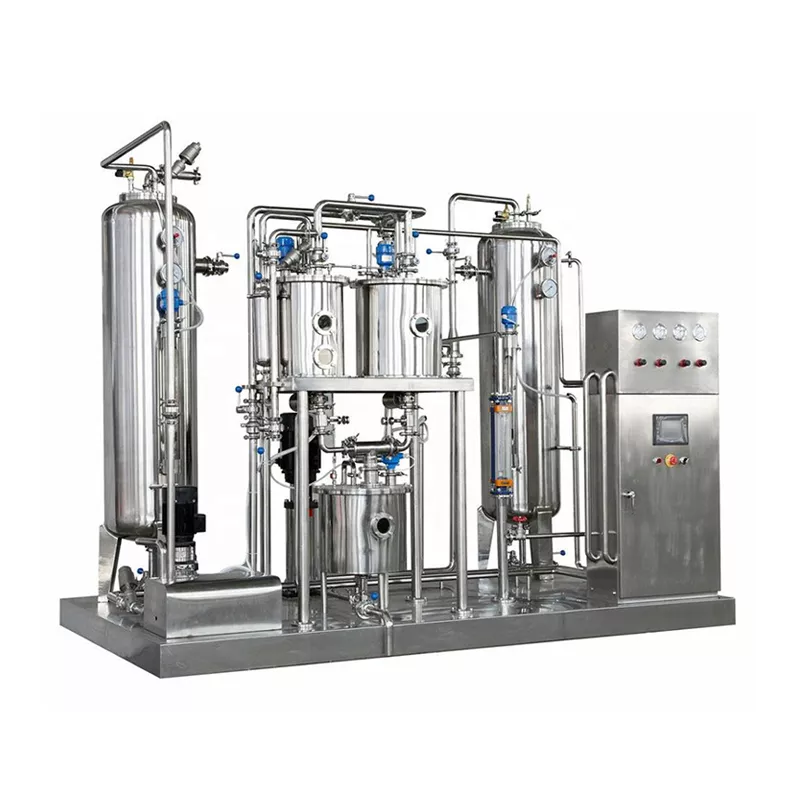
2023-08-09
Carbon Dioxide Mixer Machine in Carbonated Beverage Production Equipment: Significance and Process
In the manufacturing process of carbonated beverages, the infusion of carbon dioxide gas is a crucial step, and the carbon dioxide (Co2) mixer machine, as a core component, plays an essential role. This article delves into the workings of the carbon dioxide mixer machine, its significance, and its application in the carbonated beverage production process
Learn more