
Beer Filler Has High Dissolved Oxygen: Find the Air Ingress
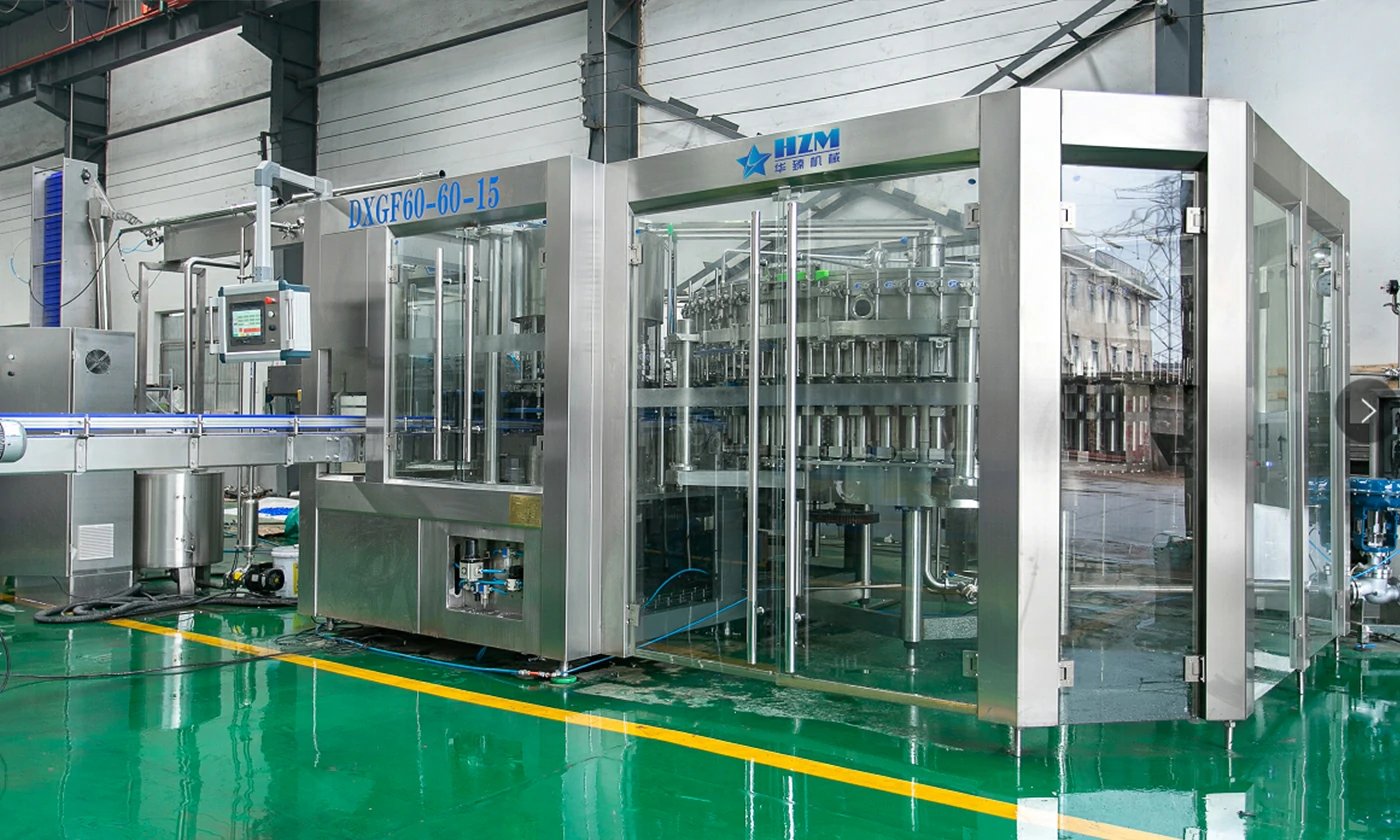
Separate incoming beer oxygen from oxygen introduced during filling. Check deaerated-water and CO2 quality, tank purging, bottle or can pre-evacuation, counterpressure gas, turbulent flow, snift behavior and fill-to-close delay.
Stop automatic operation, isolate electrical and pneumatic energy, close and depressurize product circuits, and follow the machine lockout/tagout procedure before opening guards or removing a valve. Quarantine product made since the last confirmed good check.
Locate the fault
- Packaged beer oxygen is higher than the filler-inlet sample
- Results worsen after stops or low-speed running
- Only selected valves produce high readings
- Foam and long fill-to-cap delay accompany the increase
Inspection sequence
- Verify the oxygen instrument, sample technique and zero before comparing locations
- Take synchronized readings at filler inlet and finished package
- Plot results by filling head and operating state
- Check purge, evacuation and counterpressure sequences and gas quality
- Inspect product and gas circuits for leakage or unstable pressure
- Measure fill-to-close time and observe foam condition
Corrective work
- Restore validated container evacuation or CO2 purge
- Repair air ingress and ensure suitable gas quality and pressure
- Correct valve flow and snift behavior without compromising fill performance
- Reduce fill-to-close delay and restore stable closure application
Operating records and follow-up
- Trend oxygen pickup rather than only final package oxygen
- Verify instruments and sampling technique
- Leak-test gas circuits
- Qualify oxygen performance after valve service
- Include stop and restart samples in the control plan
Equipment details: Glass Bottle Beer & Beverage Filling Machine.
Need help planning your packaging line?
Share your product, bottle and capacity requirements for a practical equipment recommendation.
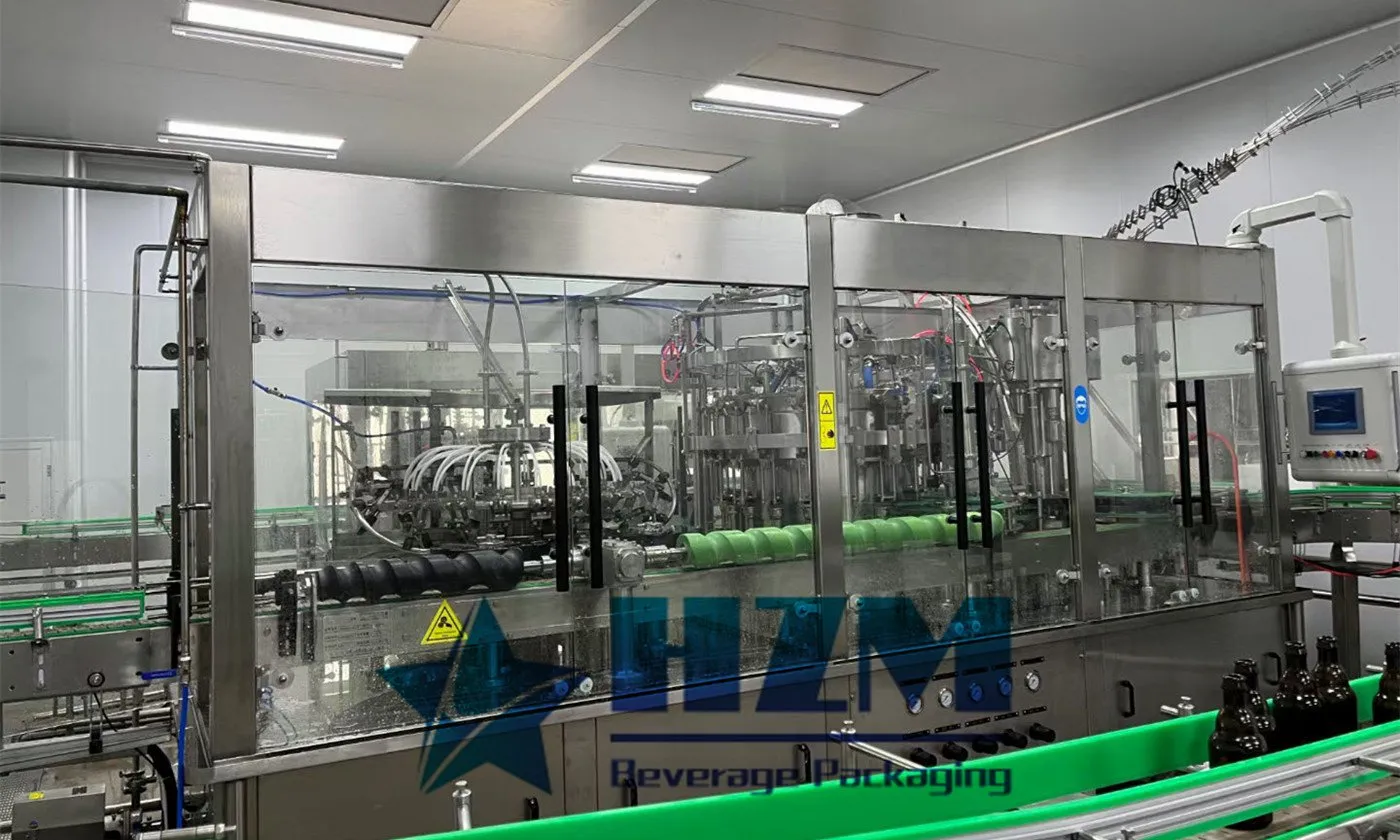
Craft Beer Can Filling Machine
Craft beer can filling and seaming with CGS models from 6,000 to 36,000 cans/hour at 330 ml.
Learn more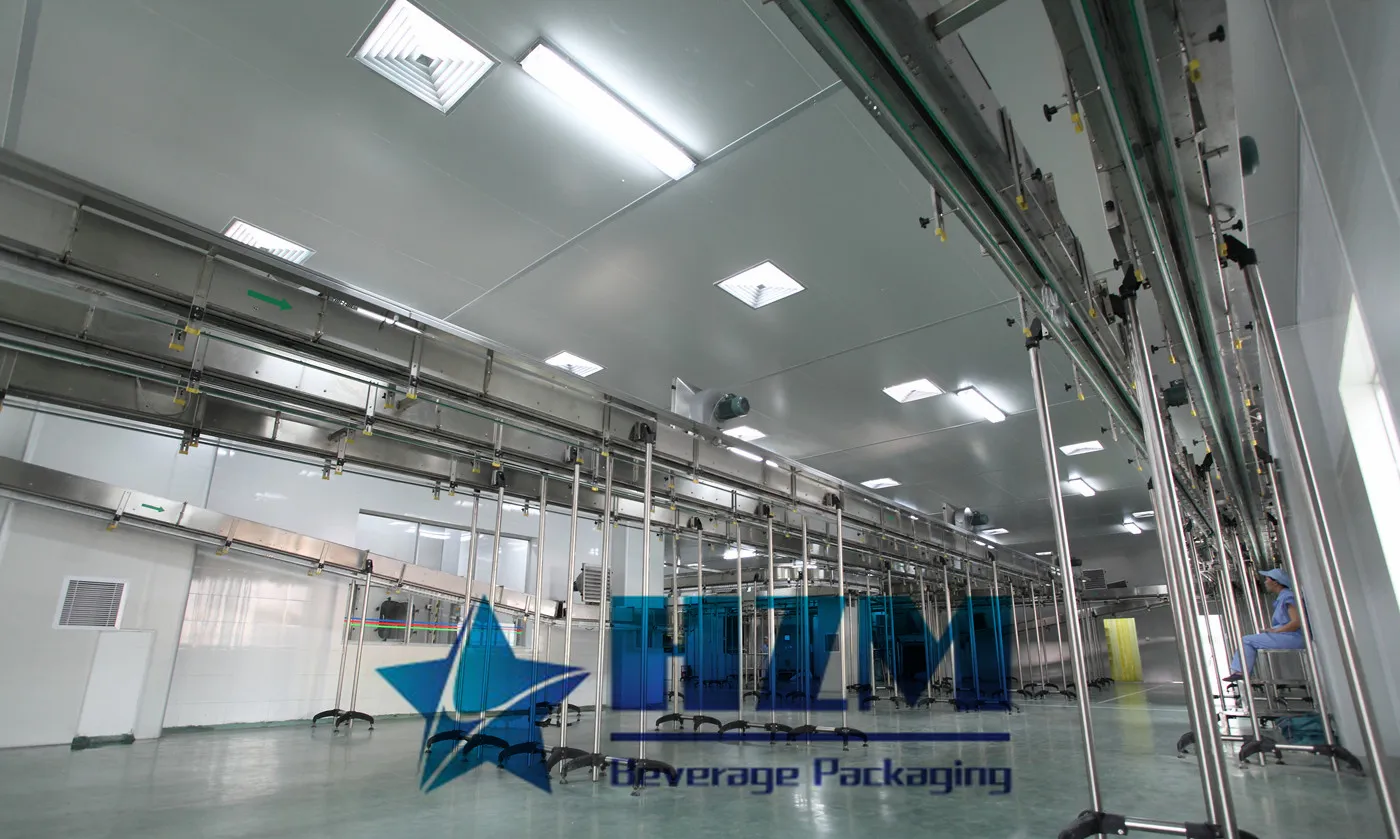
Bottle Air Conveyor
The bottle air conveyor transfers empty PET bottles from the blowing machine to the filler.
Learn moreGlass Bottle Beer & Beverage Filling Machine
DXGF60-60-15 glass bottle rinsing, isobaric filling and capping for beer and beverages, at 18,000 bottles/hour for 500 ml bottles.
Learn more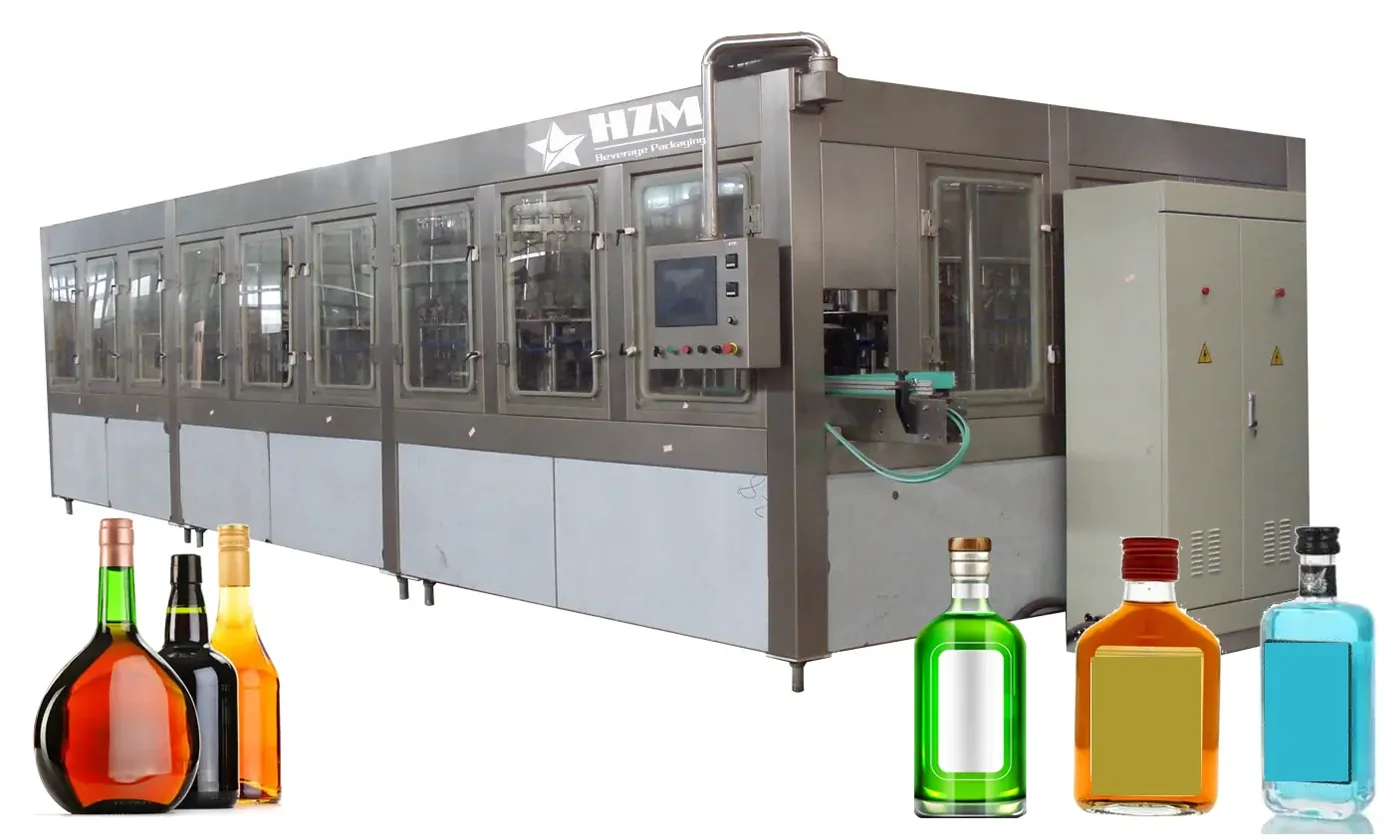
Automatic Glass Wine Bottle Filling Machine
The glass-bottle filling machine combines rinsing, filling and capping for wine and compatible beverage products.
Learn more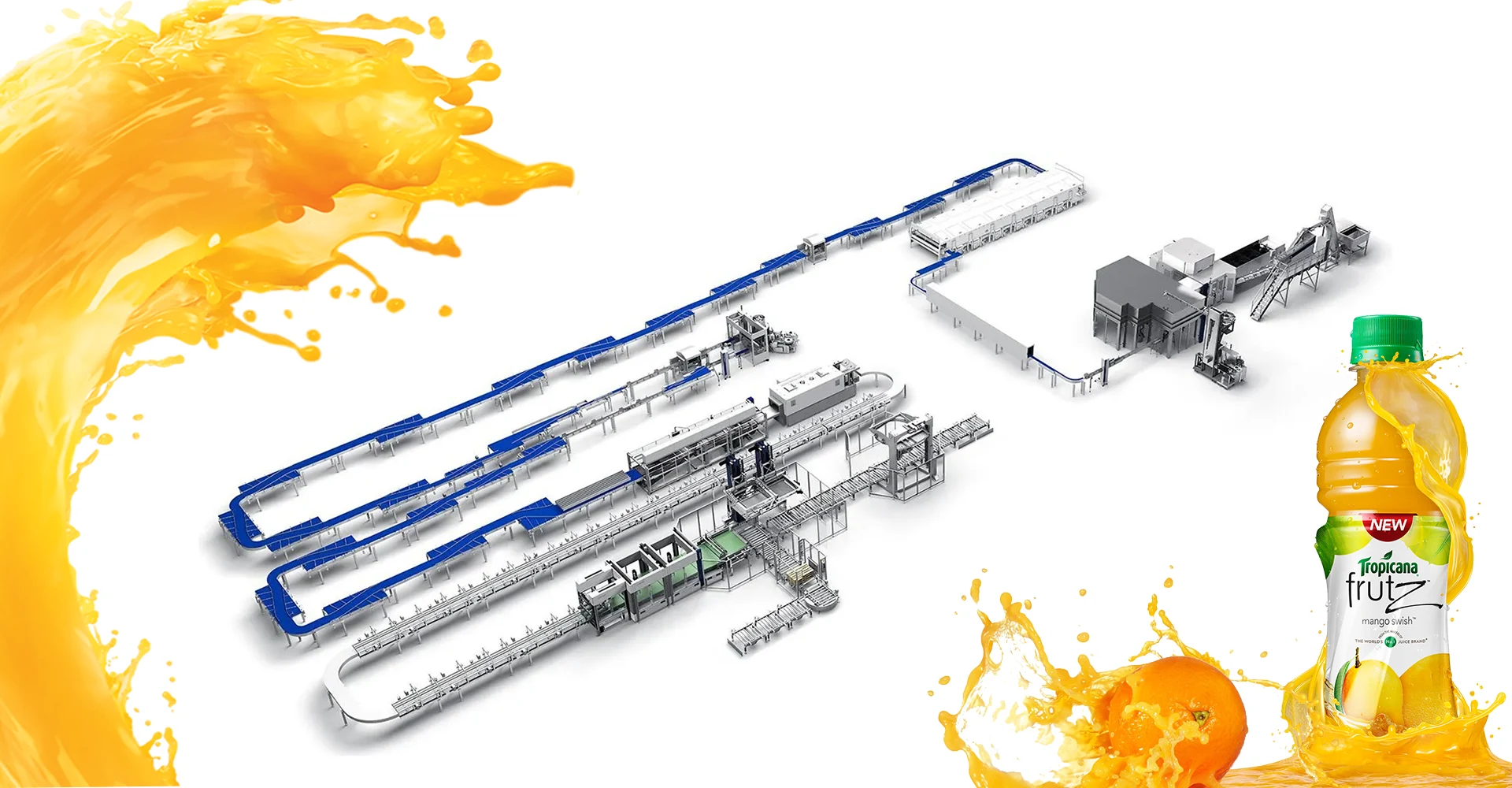
Beverage Filling Line – Juice, Water, Soft Drinks, cola, Beer
Complete beverage filling lines for juice, water, soft drinks and beer, with bottle and can packaging options.
Learn more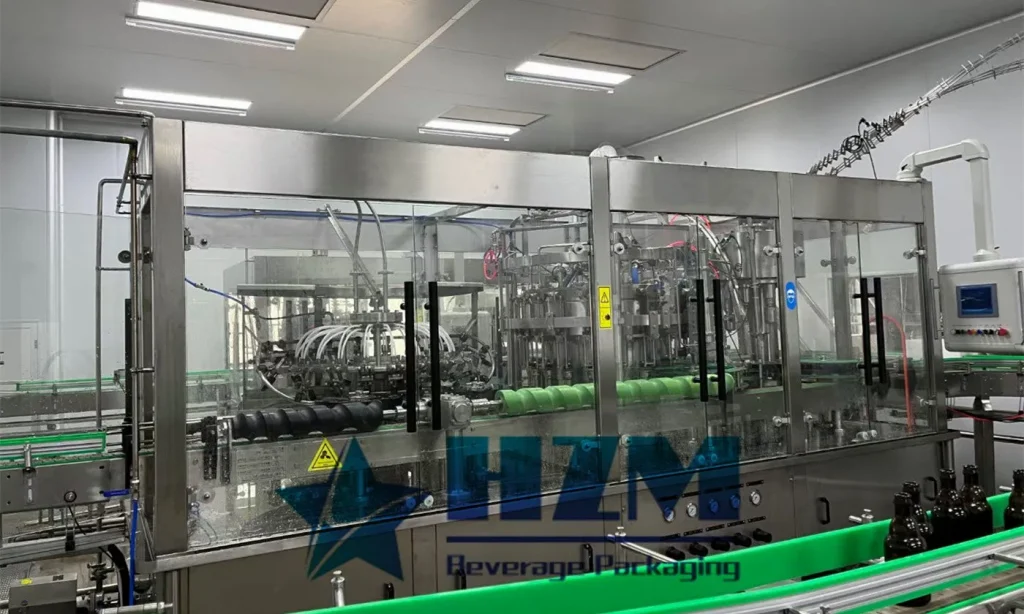
Beer Filling Machine Principle
The beer filling process is well-established and can be divided into seven basic parts. The filling machine is designed around the filling process, and its working principle involves the following steps
Learn more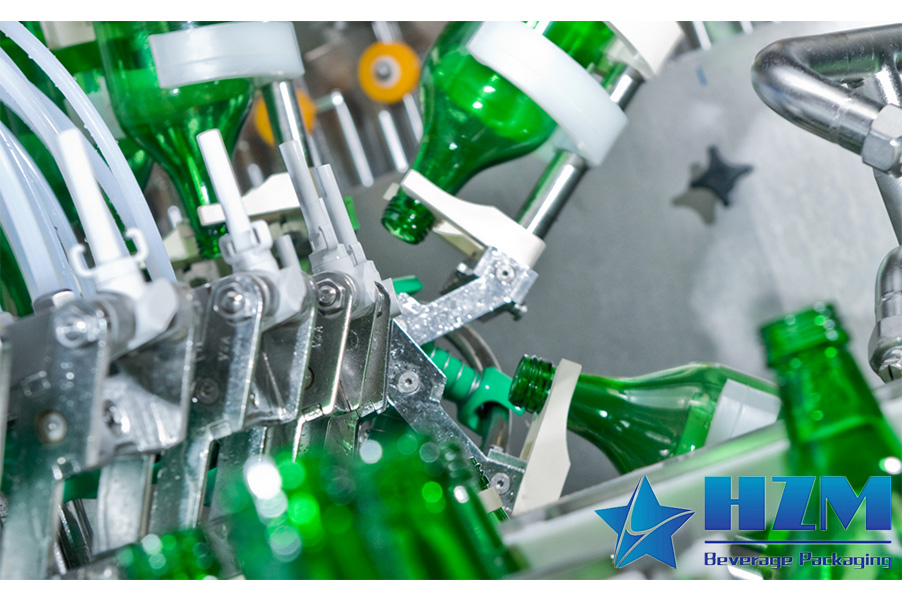
Beer Bottling Machines for Sale by HZM Machinery
To meet the needs of beer producers, HZM Machinery, a professional liquid packaging machine manufacturer, offers a range of high-quality beer bottling machines to help customers enhance production efficiency, reduce costs, and ensure product quality.
Learn more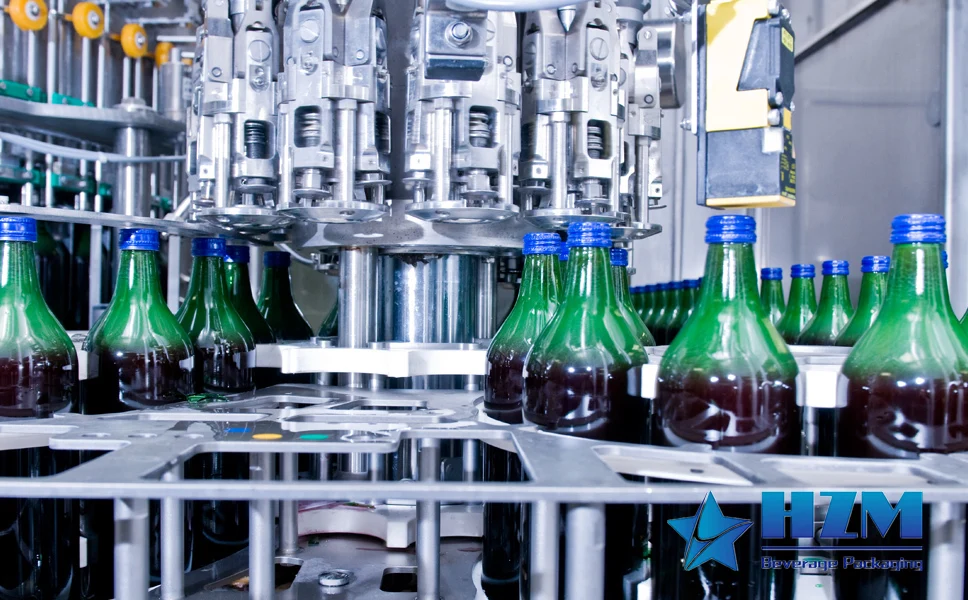
Common Faults and Troubleshooting Methods of Beer Filling Machine
For common faults in beer filling machines, the electrical system should be checked first, as most faults are caused by electrical issues.To address these common faults, extensive maintenance experience is required, along with a deep understanding of the functional characteristics and performance parameters of the beer filling machine.
Learn more
Beer Filling Machine Usage Precautions
A beer filling machine is a specialized device designed for filling beer into bottles, cans, or other containers. These machines are typically utilized in beer production lines to automate processes and enhance production efficiency. 1.Cleaning and Maintenance Thorough cleaning is required before using the beer filling machine. This includes cleaning the machine’s surfaces and internal […]
Learn more
Basic Principles of Beer Packaging
The beer packaging process is a complex step in the beer production, serving as the final stage that significantly impacts the quality of the end product and its sales. Filtered beer is transferred into bottles, cans, or kegs, and undergoes processes such as capping, biostabilization treatment, labeling, and boxing to become the finished beer product or is directly sold as such.
Learn more
How Beer Package Choice Changes the Filling Project
Bottles, cans and kegs require different preparation, filling and closure equipment. The package decision also changes inspection, return handling and downstream packing.
Learn more