
Blow Moulding Machine Shakes or Makes Abnormal Noise
Stop if vibration is severe or increasing. Determine whether the source is high-pressure air, mould clamping, bearings, cams, stretch drives, cooling pumps or a loose structure, and diagnose only after stored energy is isolated.
Isolate high-pressure air, electrical power, heating circuits and motion energy before entering the guarded area. Treat hot oven components and pressurized blowing circuits as stored-energy hazards.
Locate the fault
- A knock occurs once per mould cycle
- Vibration increases with production speed
- Air piping pulses or whistles during blow
- Bearing temperature or servo load trends upward
Inspection sequence
- Stop immediately for sharp impact, structural movement or increasing vibration
- Record the exact cycle position, speed and cavity associated with the noise
- Review servo load, motor current and bearing-temperature trends
- Inspect guards, frame, mould mounts and accessible fasteners after lockout
- Check high-pressure supply, valve exhaust and pipe supports
- Use qualified vibration or alignment measurement to separate bearing, coupling and structural sources
Corrective work
- Replace worn joints, bearings and guides and tighten with the specified method
- Align mould and clamp and correct damaged locating surfaces
- Repair leaks, restrictions and pipe supports without defeating pressure protection
- Correct binding, coupling condition or approved motion parameters
Operating records and follow-up
- Keep baseline vibration and servo-load data
- Inspect mould mounts after changeover
- Maintain pressure valves and silencers
- Use torque-marked critical fasteners
- Investigate new noise before it becomes a secondary failure
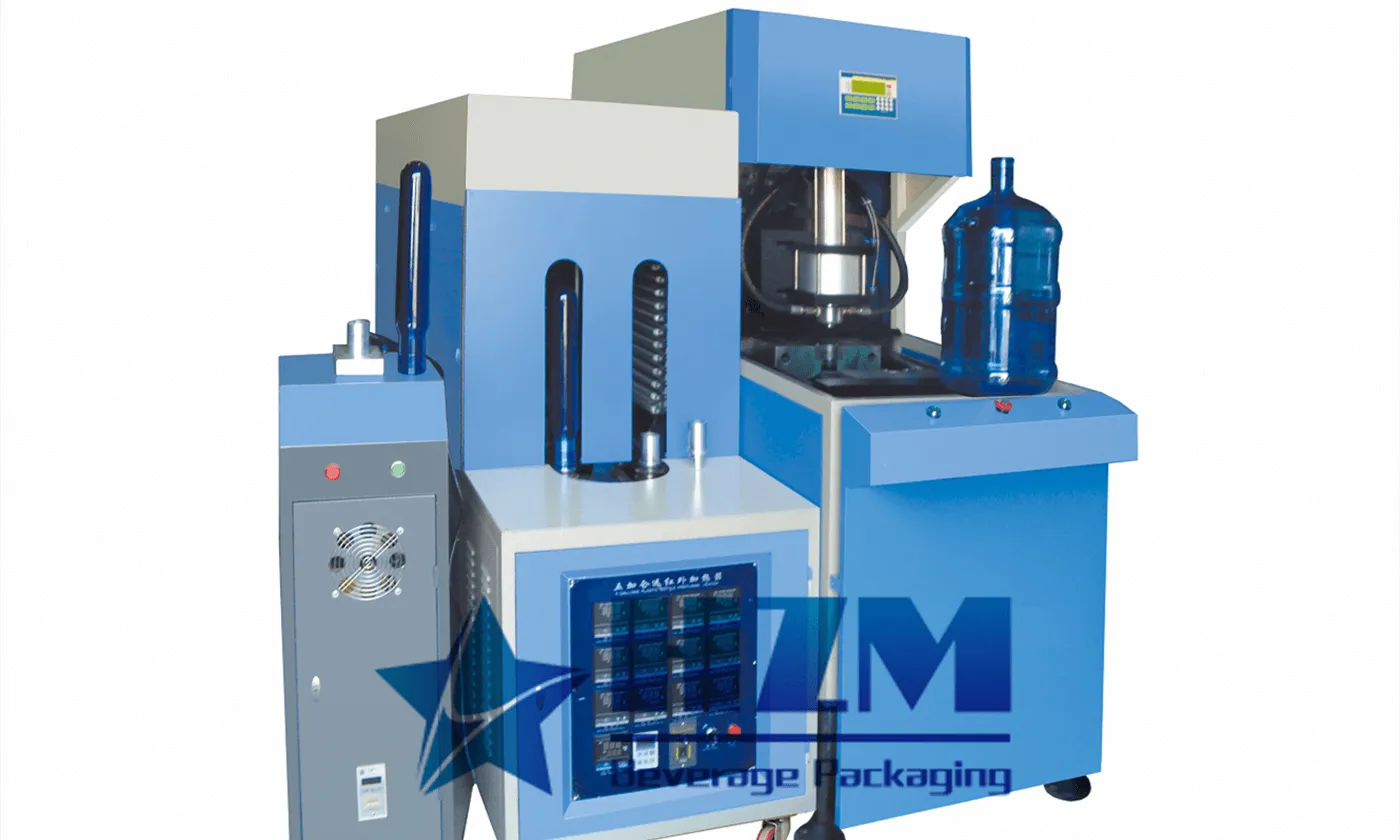
Equipment details: 5 Gallon Bottle Blow Molding Machine.
Need help planning your packaging line?
Share your product, bottle and capacity requirements for a practical equipment recommendation.
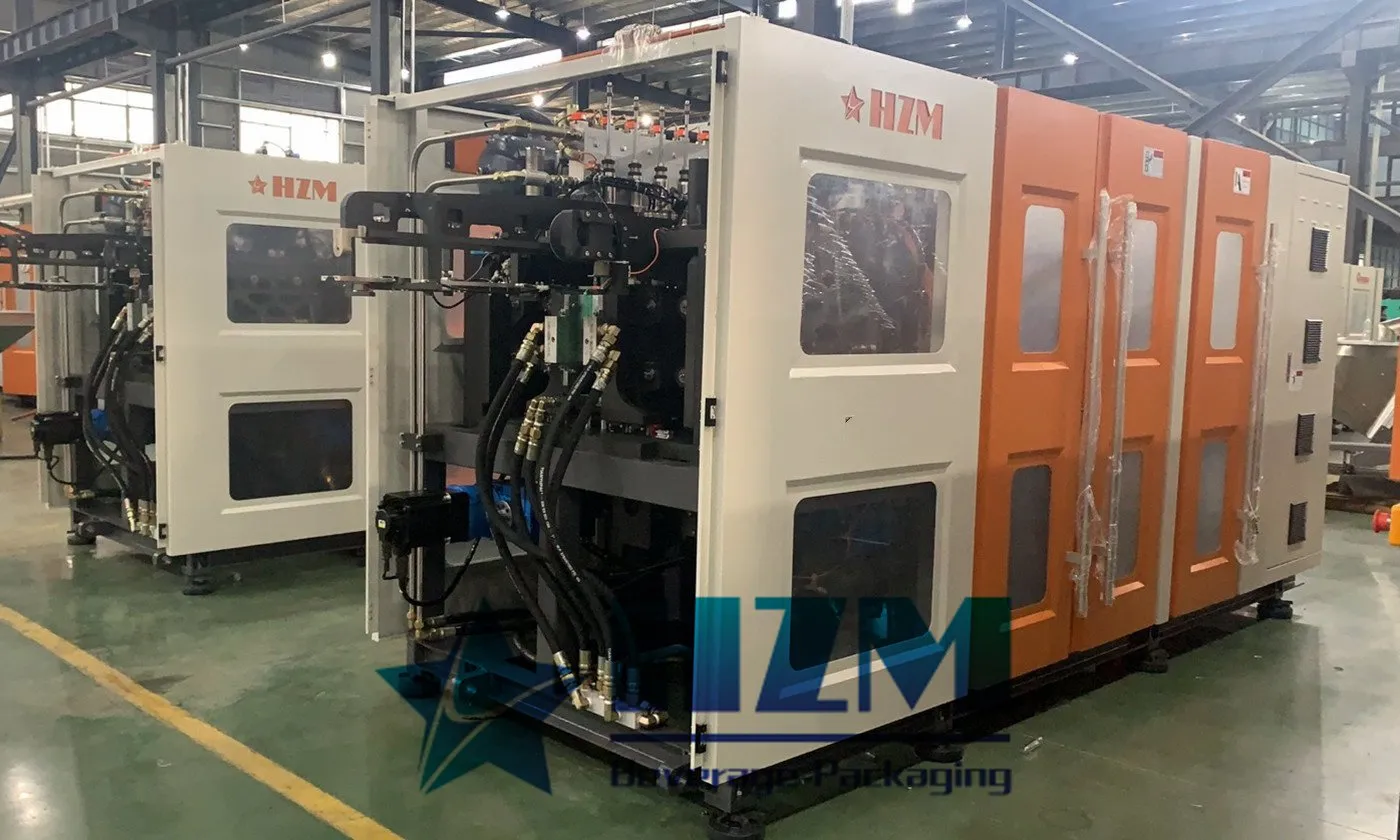
Automatic Blow Molding Machine
Automatic PET bottle blowing for water and beverage packaging, with capacities of 12,000–24,000 bottles/hour at 500 ml.
Learn more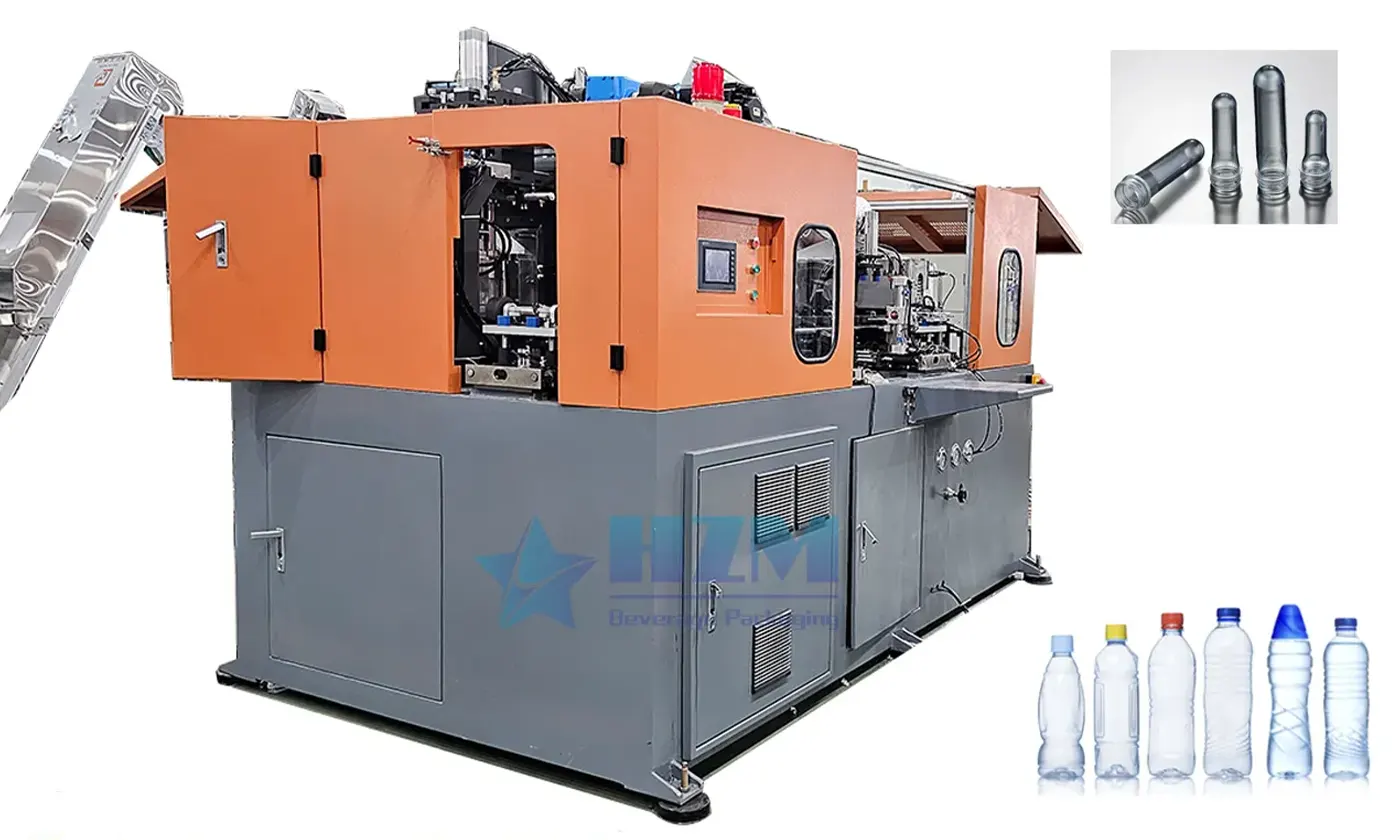
PET Bottle Blow Molding Machine
PET bottle blow moulding with 6–12 cavities and capacities of 12,000–21,600 bottles/hour at 500 ml.
Learn more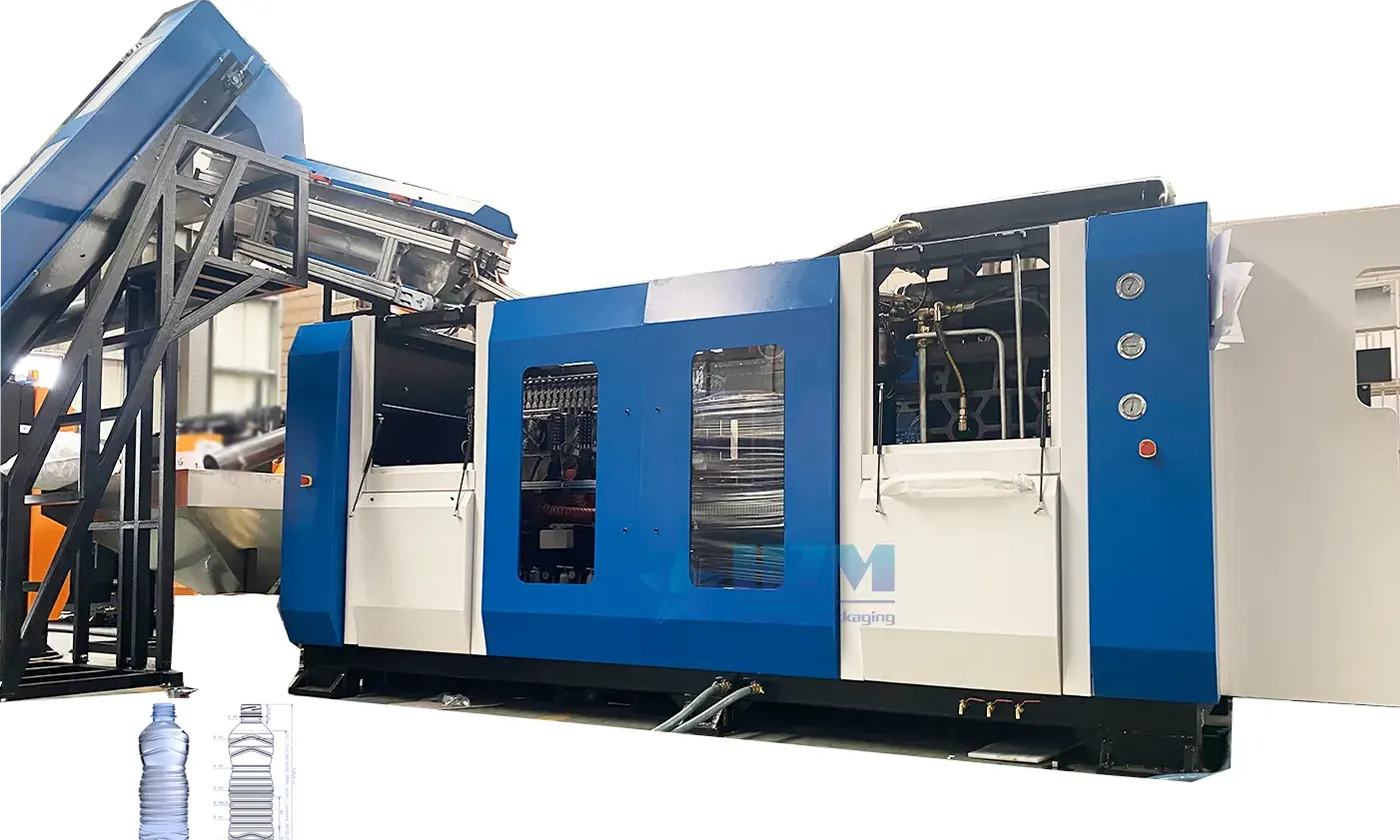
Automatic Water Bottle Blowing Molding Machine
Automatic water bottle blowing from PET preforms, with 6–12 cavities and capacities up to 21,600 bottles/hour at 500 ml.
Learn more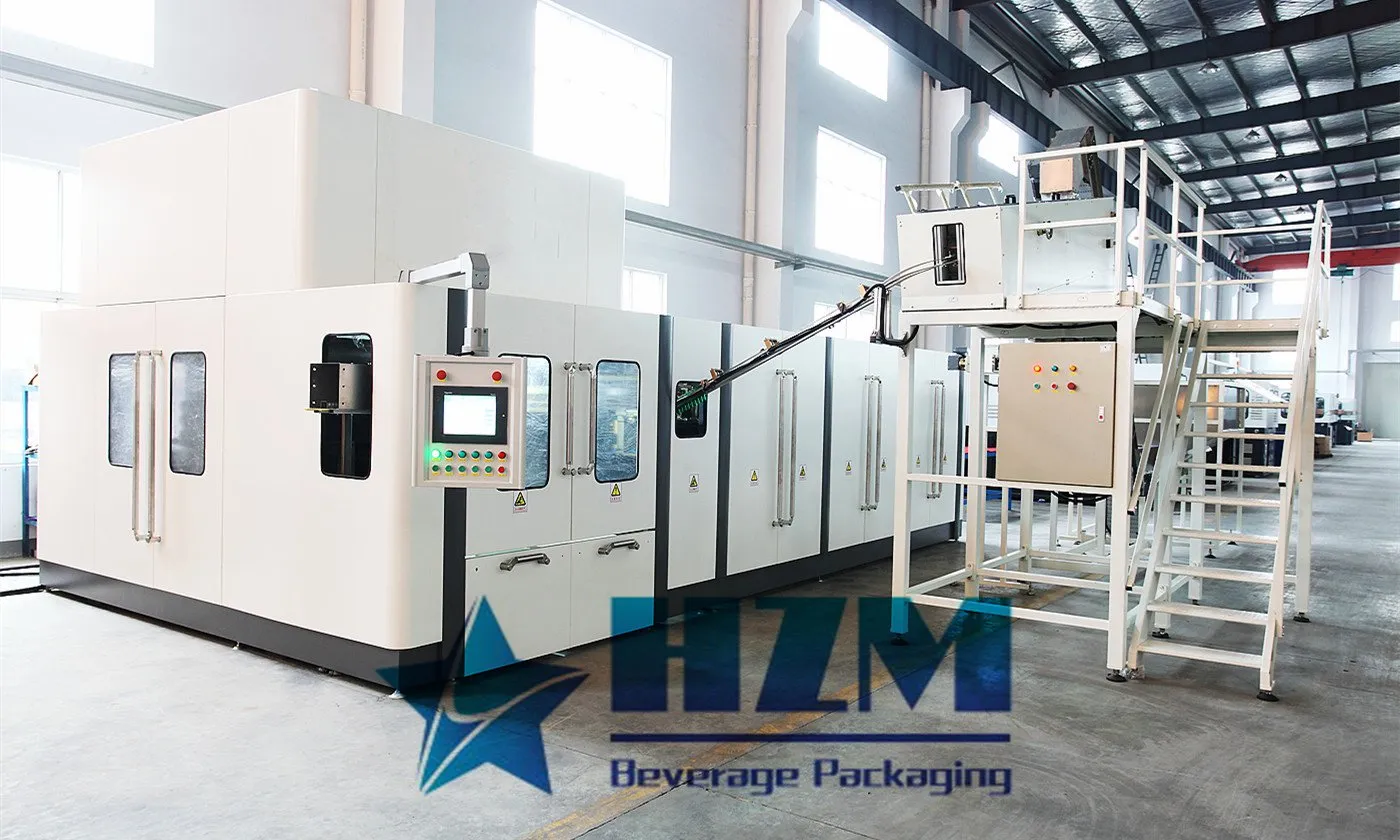
Automatic Rotary Blow Molding Machine
Rotary PET bottle blow moulding for water and beverage packaging, with 6–24 cavities and capacities up to 48,000 bottles/hour at 500 ml.
Learn more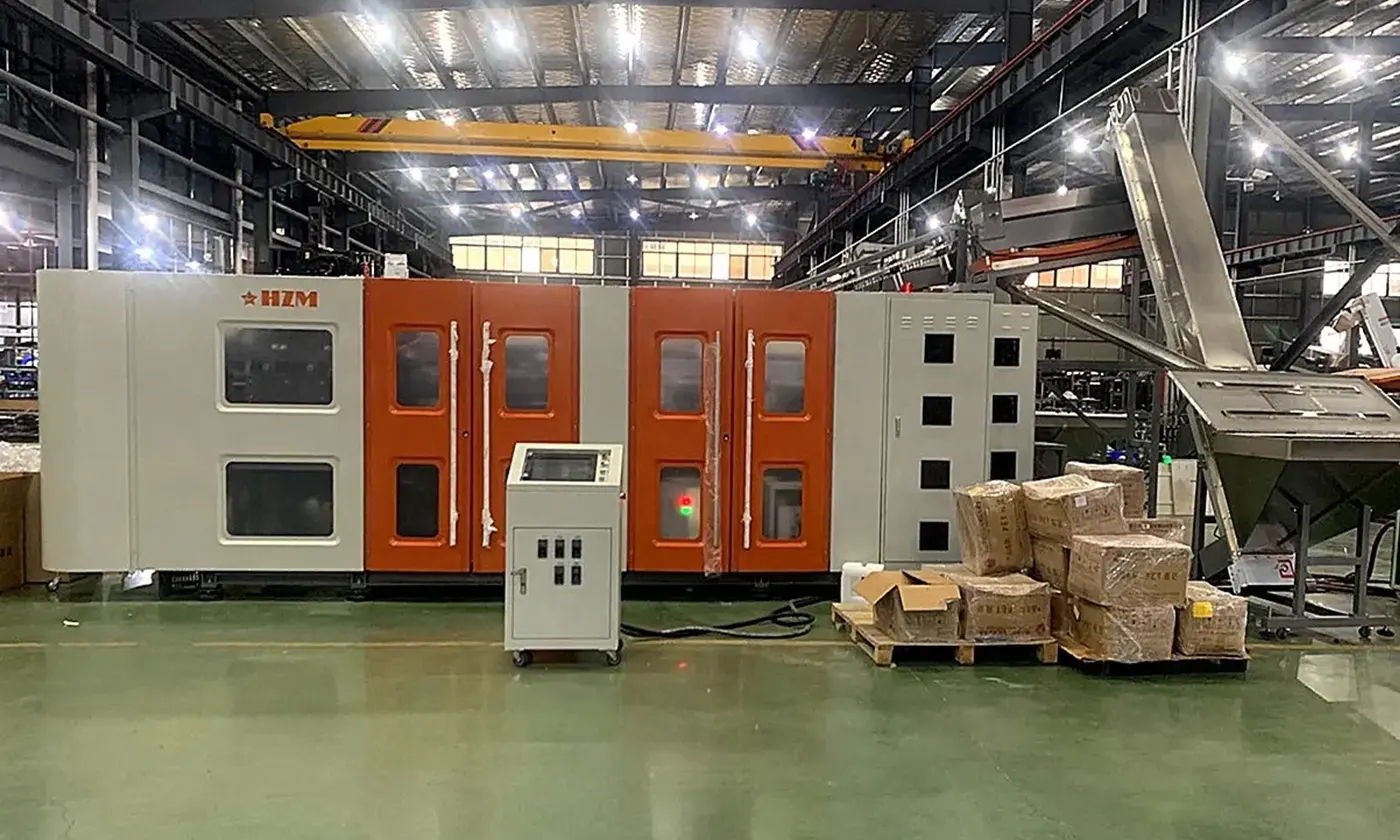
Automatic PET Stretch Blow Molding Machine
Automatic PET stretch blow moulding with 2, 4 or 6 cavities and HZM-ECO model capacities of 1,800–7,000 bottles/hour.
Learn more5 Gallon Bottle Blow Molding Machine
This blow moulding machine produces large PET water bottles, including 5-gallon containers.
Learn more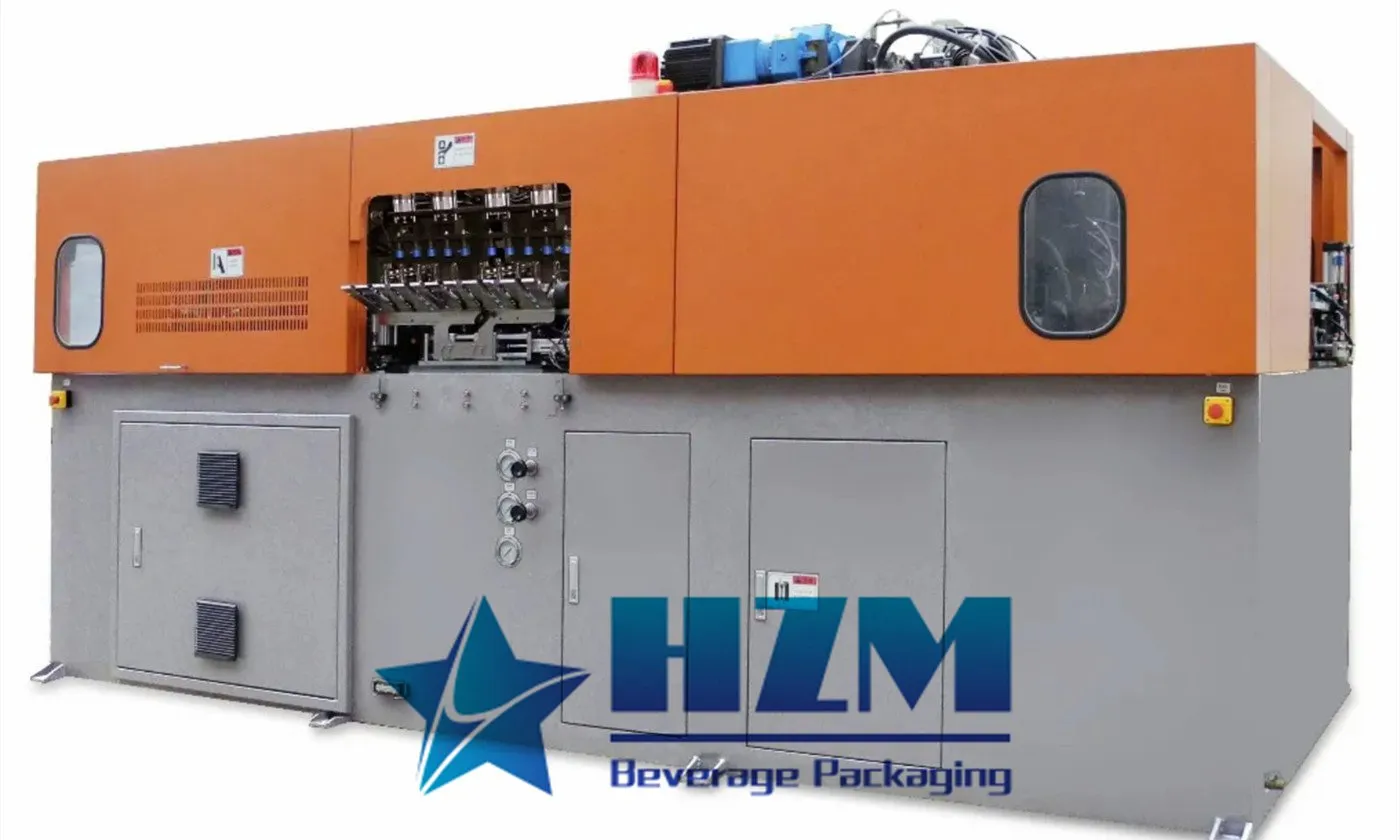
Full Electric Servo Type Blow Molding Machine
Full-electric servo PET blow moulding with 4, 6, 9 or 10 cavities and capacities of 5,400–13,000 bottles/hour at 500 ml.
Learn more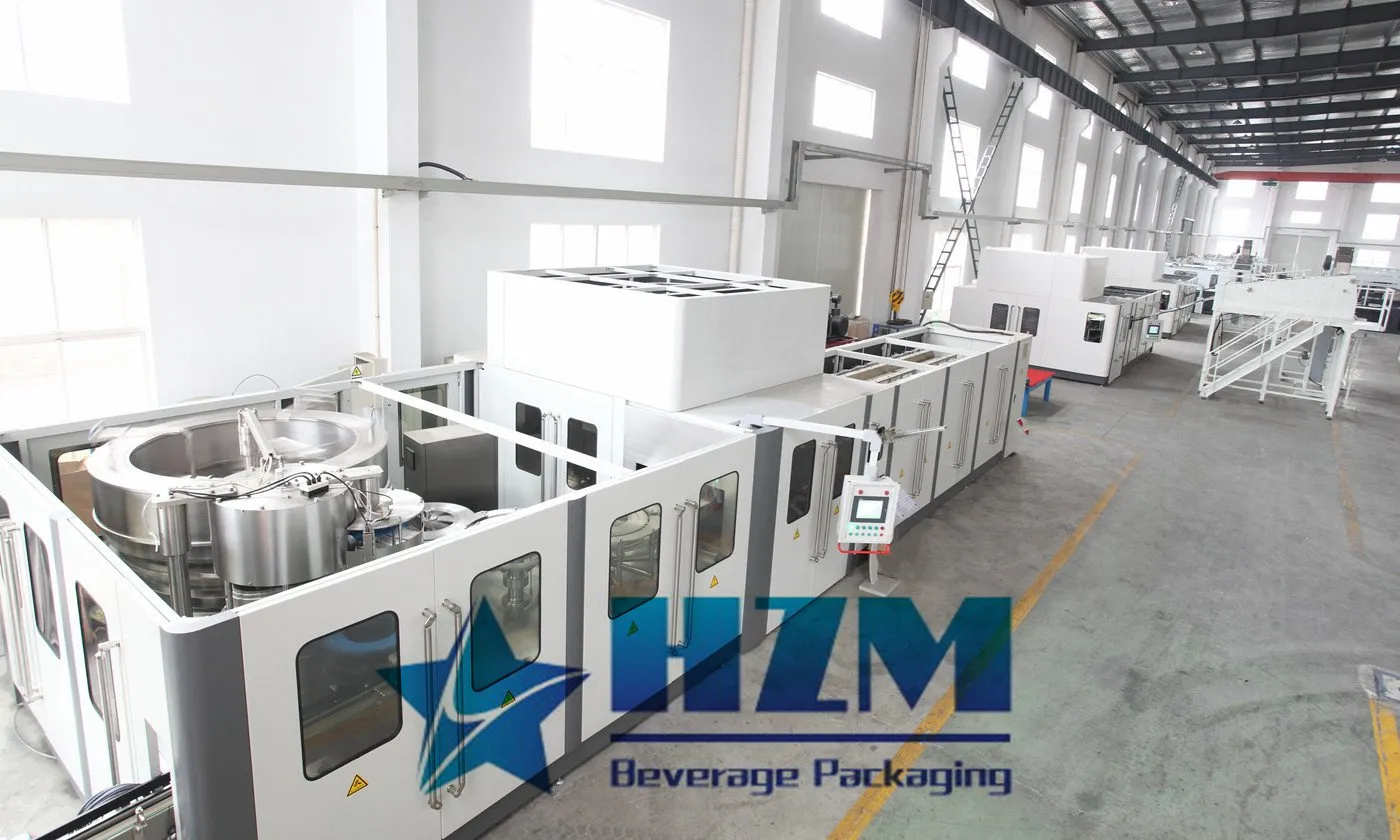
Blowing-Filling-Capping Machine
A PET combiblock that combines preform heating, bottle blowing, filling and capping at 12,000–48,000 bottles/hour at 500 ml.
Learn more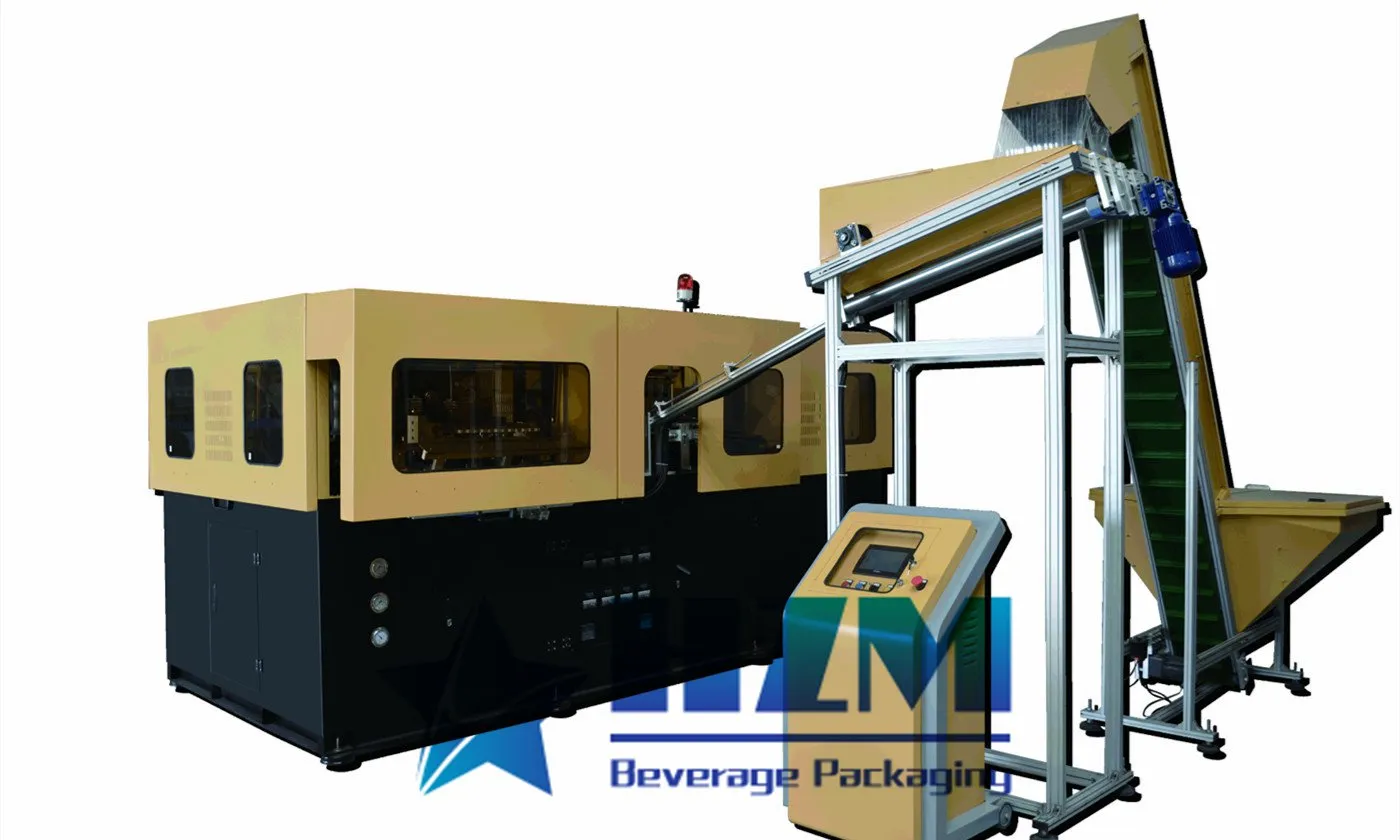
Automatic Oil Bottle Wide Neck PET Bottle Blowing Machine
PET blow moulding equipment for large edible-oil, drinking-water and wide-neck bottles, with bottle sizes up to 5–10 L by model.
Learn morehow does a blow molding machine work
How Does a Blow Molding Machine Work? Exploring the Process with HZM Blow Molding Machine Manufacturer
Learn moreSolutions for Blow Molding Plastic Bottles
This article will discuss the price, HZM manufacturer, functions, applicable industries, solutions, procurement considerations, and maintenance techniques related to blow molding machines.
Learn more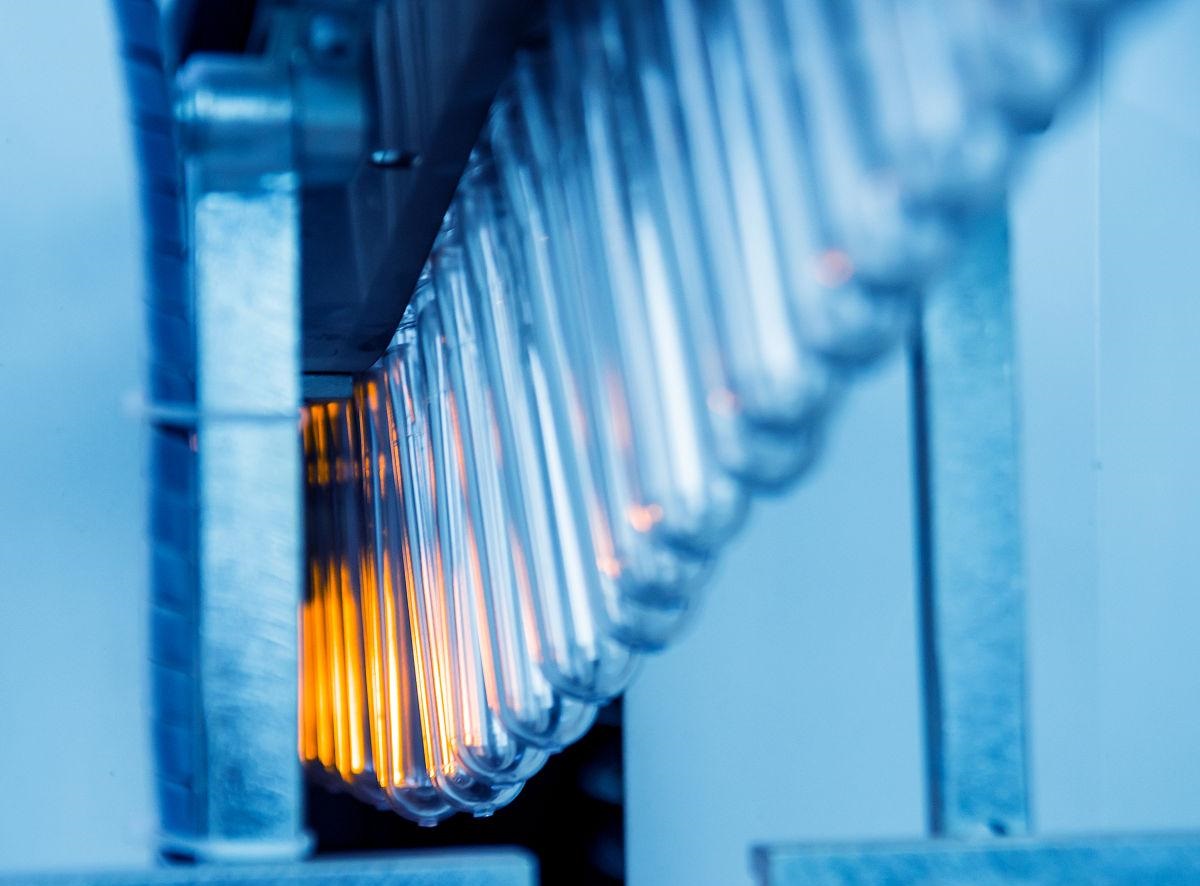
User What are the three types of blow moulding?
Blow molding is a manufacturing process used to produce hollow plastic parts. There are three main types of blow molding: 1、Extrusion Blow Molding (EBM) This is the most common type of blow molding. In EBM, a continuous tube of plastic, called a parison, is extruded (pushed out) from an extruder. The parison is then enclosed […]
Learn moreHigh Efficiency 28000 BPH Automatic Pet Blow Molding Machine
High quality High Efficiency 28000 BPH Automatic Pet Blow Molding Machine from China, China's leading 28000 BPH Automatic Pet Blow Molding Machine product, with strict quality control 28000 BPH Auto Pet Blow Molding Machine factories, producing high quality 800 BPH Blow Molding Machine products.
Learn morePET Blow Molding Machine Principles and Process
Currently, most blow molding machines employ a two-step method, requiring the conversion of plastic raw materials into preforms before the actual blowing process. The commonly used material is environmentally friendly PET (Polyethylene Terephthalate) plastic, collectively referred to as PET blow molding machines.
Learn more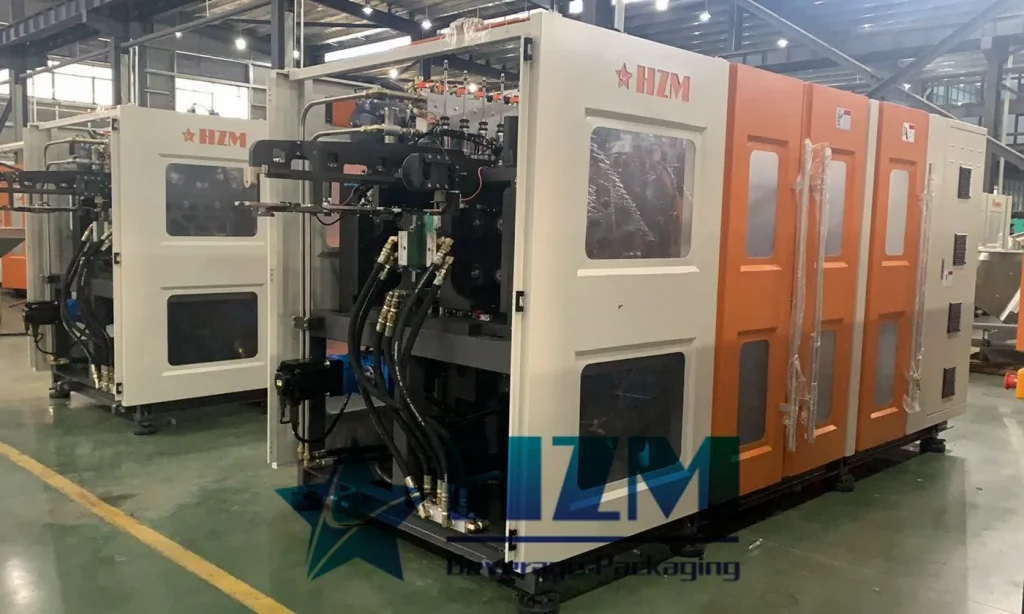
Common Failures and Solutions of Plastic Blow Molding Machine
During the operation of the plastic blow molding machine, some irregular vibrations of the machine body can lead to significant noise. Additionally, certain guide wheels rolling on the cam's outer track and groove may produce substantial noise due to impact.
Learn more