Insights & Updates
How to Match Filling, Labeling and Shrink Packing Machine Capacities
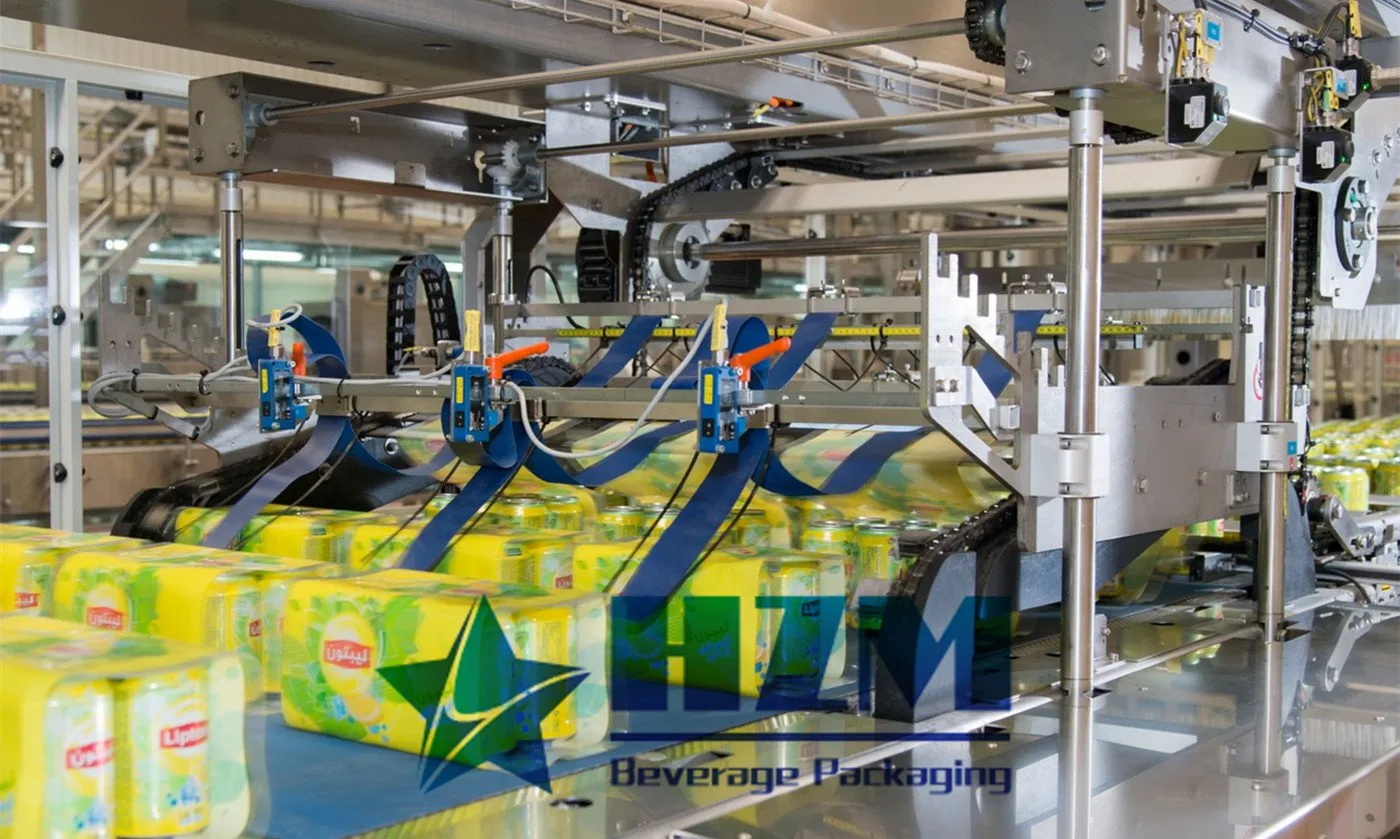
A water bottling line rated at 12,000 bottles per hour can be limited to 10,800 bottles per hour by a downstream shrink packing machine.
Consider a line filling 500 ml PET bottles and producing 12-bottle shrink-wrapped packs. The filler operates at a nominal 12,000 bottles per hour (BPH), while the packing machine is rated at 15 packs per minute. Assuming that rating refers to completed packs, the packer’s maximum theoretical throughput is:
15 packs/min × 12 bottles/pack × 60 min = 10,800 bottles/hour
The difference is 1,200 bottles per hour, before accounting for equipment stoppages, rejected products or packaging material changes.
This is why the rated capacity of a filling machine should never be used on its own to specify a complete bottled water production line.
1. Compare Equipment Using the Same Throughput Unit
Filling, labeling and secondary packaging equipment are often specified in different units.
A filling machine is generally rated in bottles per hour (BPH), while a labeling machine may use bottles per minute (BPM) or BPH. Shrink packing machines are commonly specified in packages or packs per minute (PPM).
Before comparing equipment, convert every machine’s capacity into equivalent bottles per minute or bottles per hour.
For a 12,000 BPH filling line:
- Filling speed: 200 bottles/minute
- Required labeling speed: 200 bottles/minute
- Required shrink packing speed: determined by the number of bottles in each finished pack
The basic conversion is:
Required packs/min = Bottles/hour ÷ Bottles/pack ÷ 60
The calculation gives the minimum rate needed to keep pace with the filler under ideal continuous operation. It does not include additional speed required for recovery after interruptions.
How Pack Size Changes the Required Packing Speed
The table below compares three common secondary packaging arrangements using the same 12,000 BPH filling rate.
| Bottles per pack | Required packs/min | Equivalent bottle flow |
|---|---|---|
| 6 | 33.33 | 200 bottles/min |
| 12 | 16.67 | 200 bottles/min |
| 24 | 8.33 | 200 bottles/min |
A six-bottle pack requires four times as many packing cycles as a 24-bottle pack at the same filling output.
This difference affects the packing machine, bottle grouping system, film handling, shrink tunnel and downstream pack conveyor.
The same packer may therefore have sufficient speed for one pack format but insufficient capacity for another.
2. Matching the Filling Machine and Labeling Machine
HZM Machinery lists the XGF24-24-8 three-in-one water filling machine at 12,000 BPH for 500 ml bottles.
The machine combines bottle rinsing, normal-pressure filling and capping in one unit. It is intended for still drinking water applications, including purified water and mineral water.
For equipment details, see the HZM 3-in-1 Water Bottle Filling Machine.
The HZM automatic water bottle labeling machine product page lists the following nominal capacities:
| Labeling model | Published capacity | Comparison with 12,000 BPH filler |
|---|---|---|
| HG-8K | 8,000 BPH | Below filler capacity |
| HG-12K | 12,000 BPH | Equal nominal capacity |
| HG-15K | 15,000 BPH | 25% nominal speed margin |
| HG-18K | 18,000 BPH | 50% nominal speed margin |
The HG-12K matches the filler’s published rated speed, but it offers no nominal catch-up capacity if the labeling machine stops temporarily while the filler continues operating.
The HG-15K provides a higher published labeling speed. That additional capacity could help recover accumulated bottles, provided the selected bottle, label and conveyor arrangement can operate reliably at the higher speed.
A higher-speed labeler is not automatically the better choice.
Bottle diameter, container stability, label dimensions, labeling method, transfer geometry and available floor space all affect whether the equipment can be integrated successfully.
The machine must also be tested with the actual production materials. A nominal speed listed for one package format should not be assumed to apply to every bottle and label combination.
See the HZM Automatic Water Bottle Labeling Machine for the published HG model range.
3. Selecting Shrink Packing Capacity for Different Pack Formats
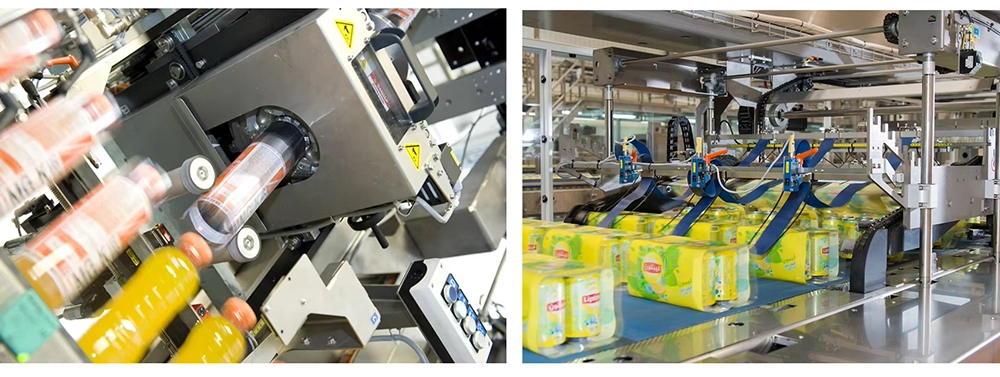
The secondary packaging section can become the limiting stage of a water bottling line, especially when the finished pack contains relatively few bottles.
HZM’s automatic shrink packing machine product page lists several SPM models with different nominal PPM ratings.
The following comparison uses a 12-bottle pack. It assumes PPM means completed packs per minute, a unit definition that should be stated explicitly in the technical quotation.
| Packing model | Published PPM | Equivalent bottles/hour with 12-bottle packs |
|---|---|---|
| SPM-6535 | 10 | 7,200 |
| SPM-15 | 15 | 10,800 |
| SPM-25 | 20 | 14,400 |
| SPM-30 | 25 | 18,000 |
| SPM-35 | 30 | 21,600 |
| SPM-45 | 40 | 28,800 |
These equivalent bottle outputs are mathematical conversions of the published ratings, not confirmed sustained production rates.
Notice that the SPM-25 is listed at 20 PPM, not 25 PPM. Model names should not be used as substitutes for the capacity specification.
For a 12,000 BPH filling line using 12-bottle packs, a packing rate of 20 completed packs per minute would provide a theoretical throughput of 14,400 bottles per hour.
That leaves 2,400 bottles per hour of nominal downstream capacity above the filler’s rated speed.
However, the packer’s dimensional limits, bottle grouping stability, film type, pack height and shrink tunnel performance must still be checked.
A published speed does not establish that the machine can process every 12-bottle arrangement.
The required pack format should be defined using a physical sample or a drawing showing bottle orientation, pack length, width and height, along with the intended packaging film.
The same calculation should be repeated for every SKU the plant intends to produce.
For individual equipment specifications, refer to the HZM Automatic Shrink Packing Machine.
4. Why Conveyor Accumulation Matters
Even when downstream equipment has sufficient rated capacity, brief interruptions can affect the filling machine.
Common causes include missing labels, temporary bottle jams, film roll changes, packaging faults or a full discharge conveyor.
The effect depends on how the machines are connected and how much product can accumulate safely between them.
Consider a 12,000 BPH filler producing 200 bottles per minute.
If the shrink packer stops for one minute while the filler continues operating, approximately 200 bottles need temporary accumulation space, assuming no other equipment stops or rejects bottles.
That figure is the required bottle storage quantity for this simplified example. It is not a specified conveyor length.
Physical accumulation capacity depends on bottle diameter, spacing, conveyor width, transfer arrangements, permissible back-pressure and the behavior of filled PET bottles.
How Long Does Recovery Take?
Now assume the shrink packer can process 20 packs per minute, with 12 bottles in each pack.
Its theoretical processing capacity is:
20 × 12 = 240 bottles/minute
Meanwhile, the filler continues producing 200 bottles/minute.
The net capacity available to clear accumulated bottles is therefore:
240 − 200 = 40 bottles/minute
If the conveyor has accumulated 200 bottles during the interruption, the theoretical recovery time is:
200 ÷ 40 = 5 minutes
This assumes uninterrupted operation at the stated rates after restart, with no additional rejects or startup losses.
If the downstream machine can process only 180 bottles per minute while the filler continues at 200 bottles per minute, the backlog increases by 20 bottles every minute. No finite accumulation conveyor can solve that continuous capacity mismatch.
Accumulation is useful for absorbing temporary interruptions. It cannot compensate indefinitely for an undersized packaging machine.
When designing the conveyor system, consider the duration of common stoppages, available accumulation capacity, bottle stability, restart behavior and the speed difference between connected equipment.
A control system should also respond appropriately to upstream starvation and downstream blockage rather than relying on accumulation alone.
HZM offers bottle conveyor equipment for water production lines, with the layout and handling arrangement defined by the project.
5. Check the Water Supply and Bottle Format Before Finalizing the Line
Matching the labeler and packer will not solve a shortage of treated water or empty bottles.
At a nominal output of 12,000 bottles per hour with 500 ml of product in each bottle, the finished-water volume is:
12,000 × 0.5 L = 6,000 L/hour
This is the theoretical water volume contained in the finished bottles. It does not include losses, rinsing water, cleaning requirements, water-treatment recovery or other plant consumption.
The required capacity of the water-treatment system must be calculated separately from the actual raw-water quality, selected treatment process and operating schedule.
Bottle specifications are equally important.
A line running 500 ml PET bottles may require different handling parts and settings when changing to 1 L or 1.5 L bottles. Container height, diameter, neck finish, wall stiffness and cap design all influence machine handling and achievable output.
The capacity published for a 500 ml bottle should not be applied automatically to another format.
For projects producing several SKUs, capacity calculations should be performed separately for each bottle and pack combination.
6. Verify the Complete Line During Acceptance Testing
Matching published machine speeds is the first stage of equipment selection. The second is demonstrating that the connected equipment produces acceptable finished packs under agreed operating conditions.
A factory acceptance test (FAT) should use representative bottles, caps, labels and packing film wherever the test arrangement allows.
The purchase specification should define the test duration, required output, accepted quality criteria, permitted stoppages and how production losses will be recorded.
During the test, record the number of bottles discharged by the filler, bottles accepted after labeling, completed shrink-wrapped packs, rejected products and the duration and causes of equipment stops.
Finished-pack output should be converted back into an equivalent bottle count:
Saleable bottles = Accepted complete packs × Bottles per pack
This provides a clearer commercial production measure than relying only on the machine’s instantaneous speed display.
For a connected line, testing should also examine what happens when the labeler or packer stops, whether the conveyor can handle temporary accumulation and whether production can resume without uncontrolled bottle pressure or transfer problems.
Checks should include fill quantity, cap condition, label placement, pack integrity and bottle damage, using acceptance limits agreed for the project.
The final test criteria should distinguish between machine-rated speed, successful test output and expected sustained production.
7. Define the Equipment Combination Before Purchasing
A properly matched bottled water production line needs enough capacity at every stage to support the required finished product output.
For a project targeting 12,000 BPH with 500 ml PET bottles and 12-bottle shrink packs, the initial technical comparison should establish:
- Whether the filling machine can achieve the specified rate with the approved bottle and cap.
- Whether the labeling machine has sufficient operating and recovery capacity for the actual label.
- Whether the shrink packer can consistently form the specified pack at the required packs-per-minute rate.
- Whether conveyors and controls can manage short interruptions without excessive bottle accumulation or line stoppages.
- Whether the upstream treated-water and bottle supply can support the intended operating schedule.
Published capacities provide the basis for preliminary equipment matching. Final selection requires an agreed operating specification and representative packaging materials.
Planning a bottled water line or upgrading an existing one?
HZM Machinery supplies filling, labeling, packaging and conveyor equipment for bottled water production.
Share your bottle drawings, target hourly output, label specifications, bottles per pack and factory layout. HZM can use these details to prepare an equipment configuration and quotation showing the proposed machine models, capacity assumptions and line interfaces.
Talk to our engineering team
Need help planning your packaging line?
Share your product, bottle and capacity requirements for a practical equipment recommendation.
Equipment
Automatic Shrink Packing Machine
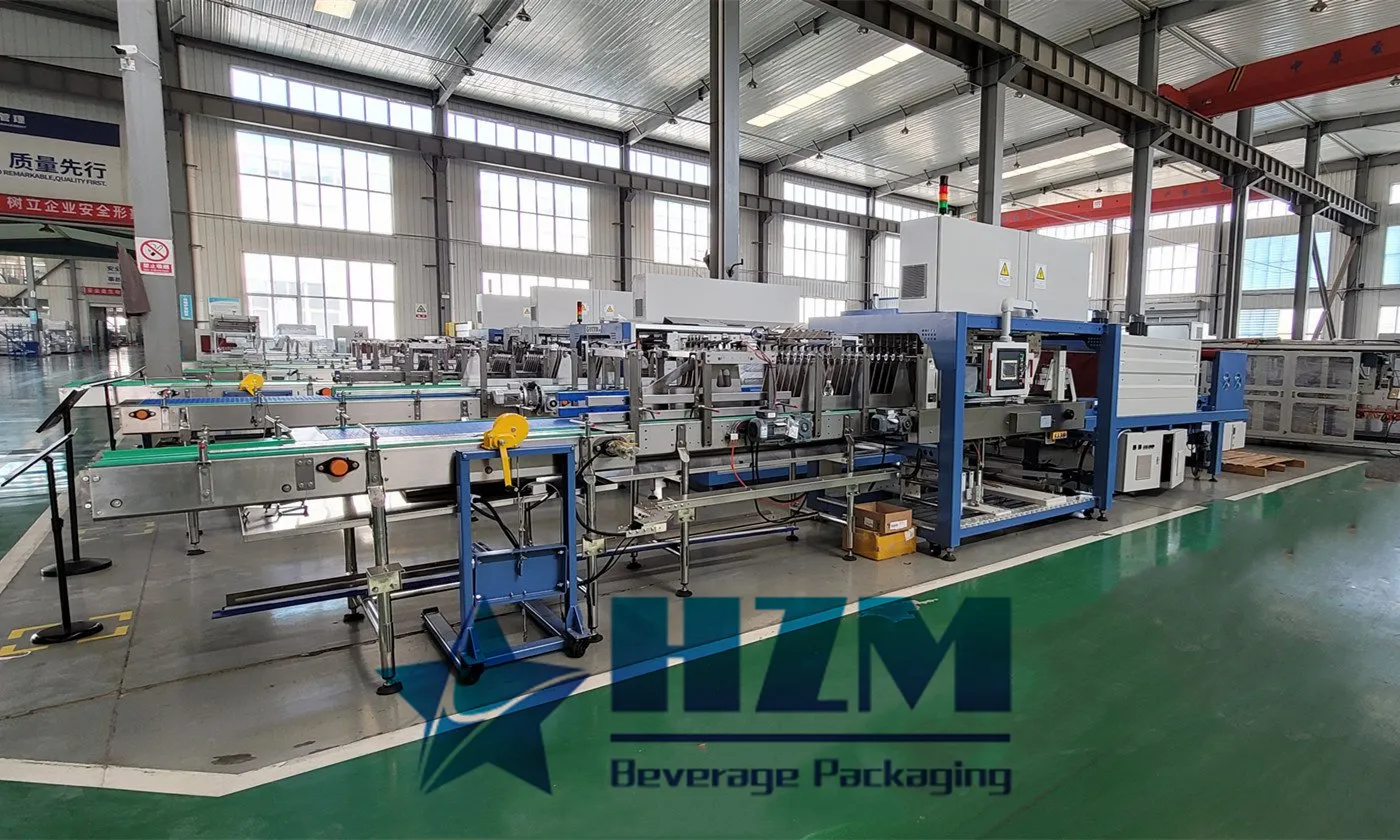
The automatic shrink packing machine wraps groups of bottles or cans in film and passes them through a heated shrink tunnel.
Learn more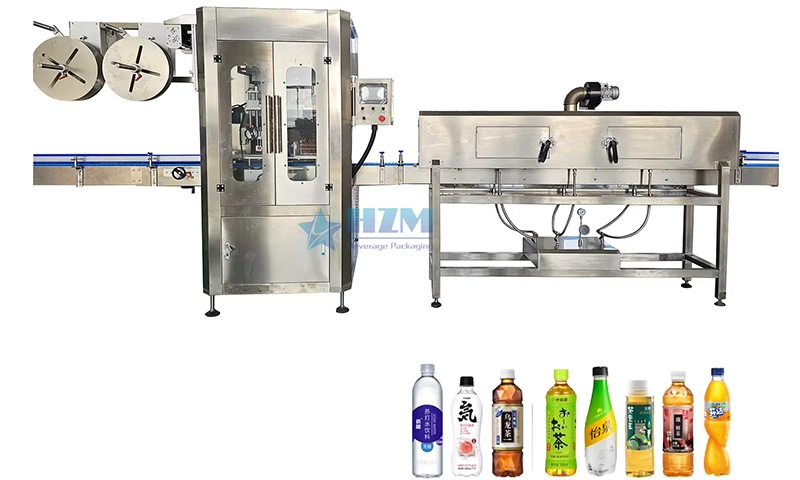
Equipment
Automatic Shrink Sleeve Bottles Labeling Capping Packing Machine
Automatic shrink sleeve application for beverage bottles, with SHB capacities of 9,000–27,000 bottles/hour.
Learn more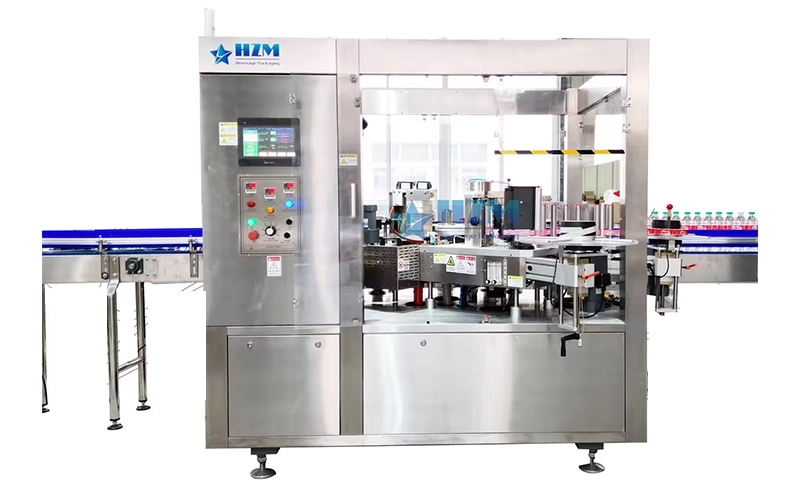
Equipment
Automatic Water Bottle Labeling Machine
Automatic hot-glue labelling for water and beverage bottles, with HG models from 8,000 to 24,000 bottles/hour.
Learn more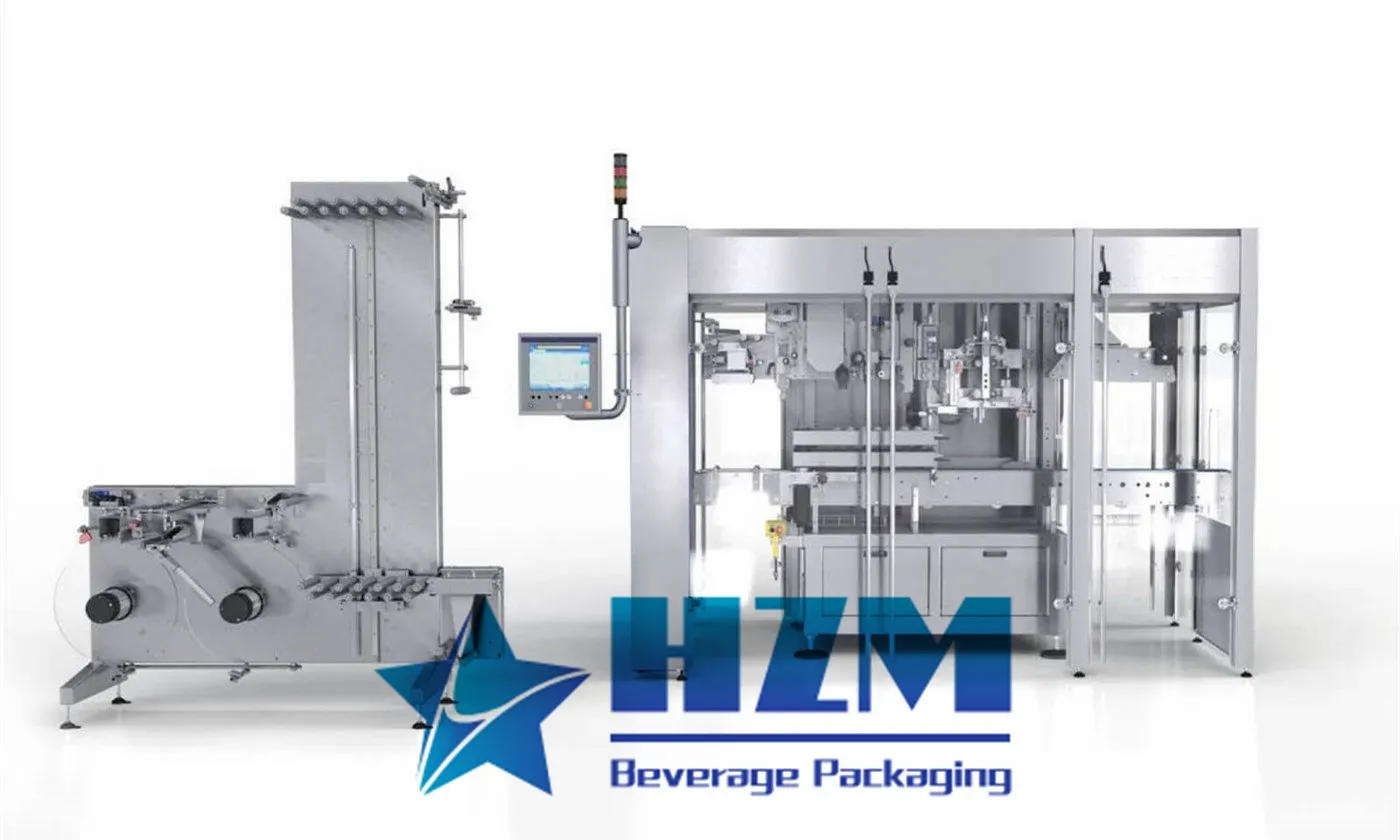
Equipment
Automatic Sleeve Labeling Machine
Automatic shrink sleeve labelling for beverage bottles, with SHB models from 9,000 to 27,000 bottles/hour.
Learn more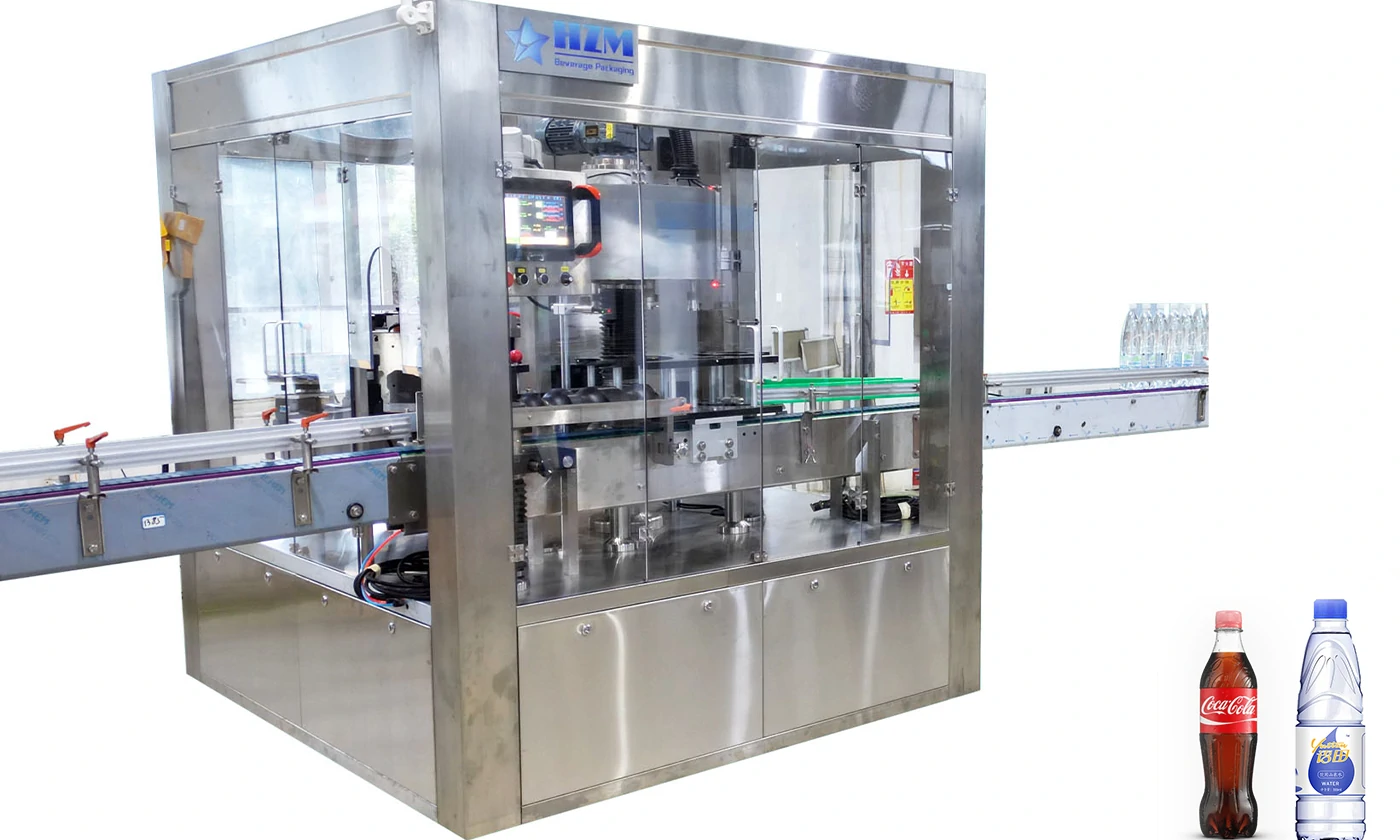
Equipment
Automatic BOPP labeling machine
Automatic BOPP hot-glue labelling for cylindrical containers, with a labelling speed of 12,000 bottles/hour.
Learn more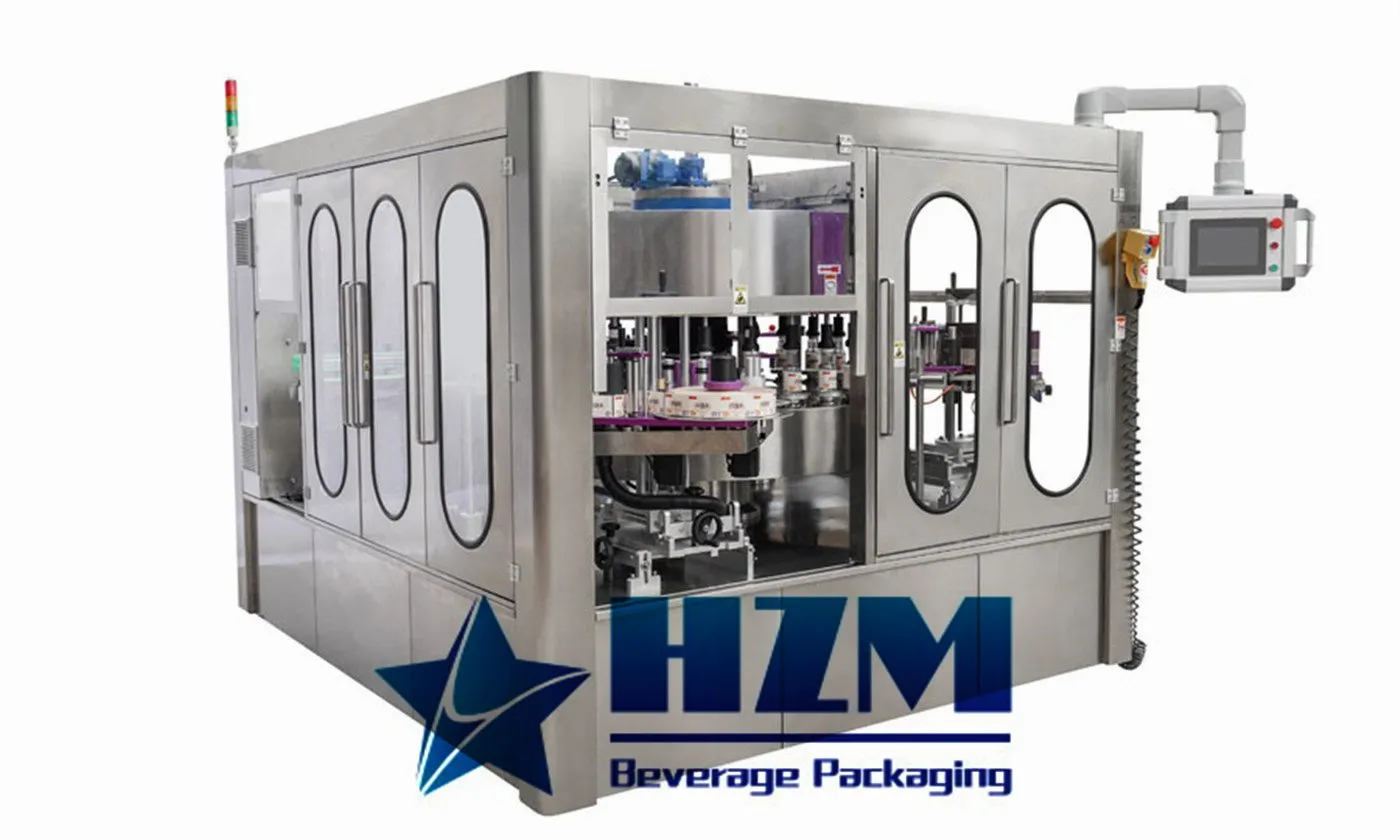
Equipment
Automatic Self-Adhesive Labeling Machine
Automatic self-adhesive labelling for cylindrical containers, with ALM models covering 90–600 bottles/minute.
Learn more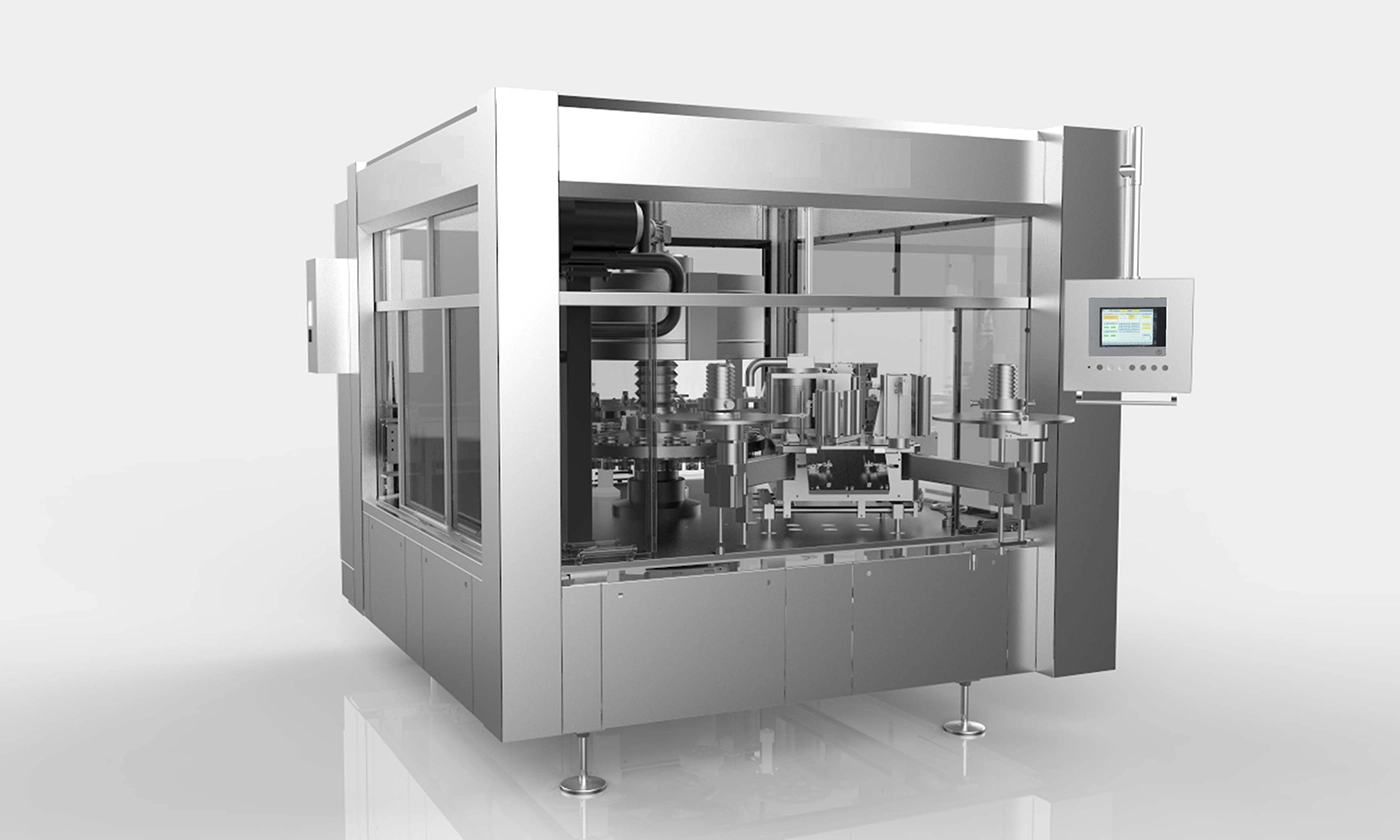
Equipment
Automatic rotary OPP labeling machine: Bottle labeling machine
RH8 rotary OPP and BOPP labelling for round containers, with speeds of 4,000–12,000 bottles/hour for 500–2,000 ml containers.
Learn more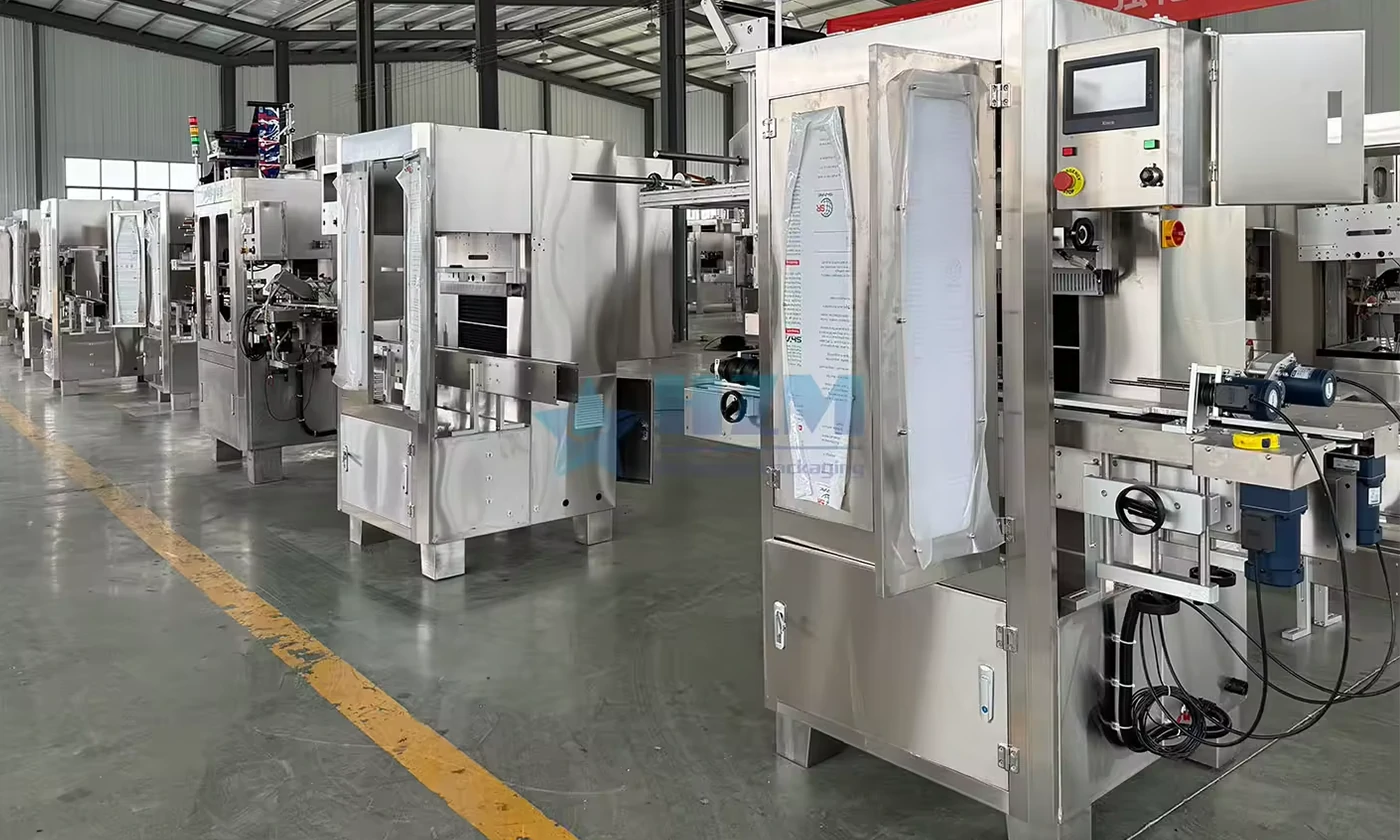
Equipment
Automatic High Speed Bottle Body Sleeve Labelling Machine
The automatic sleeve labelling machine applies shrink sleeves to bottle bodies for water and beverage packaging.
Learn more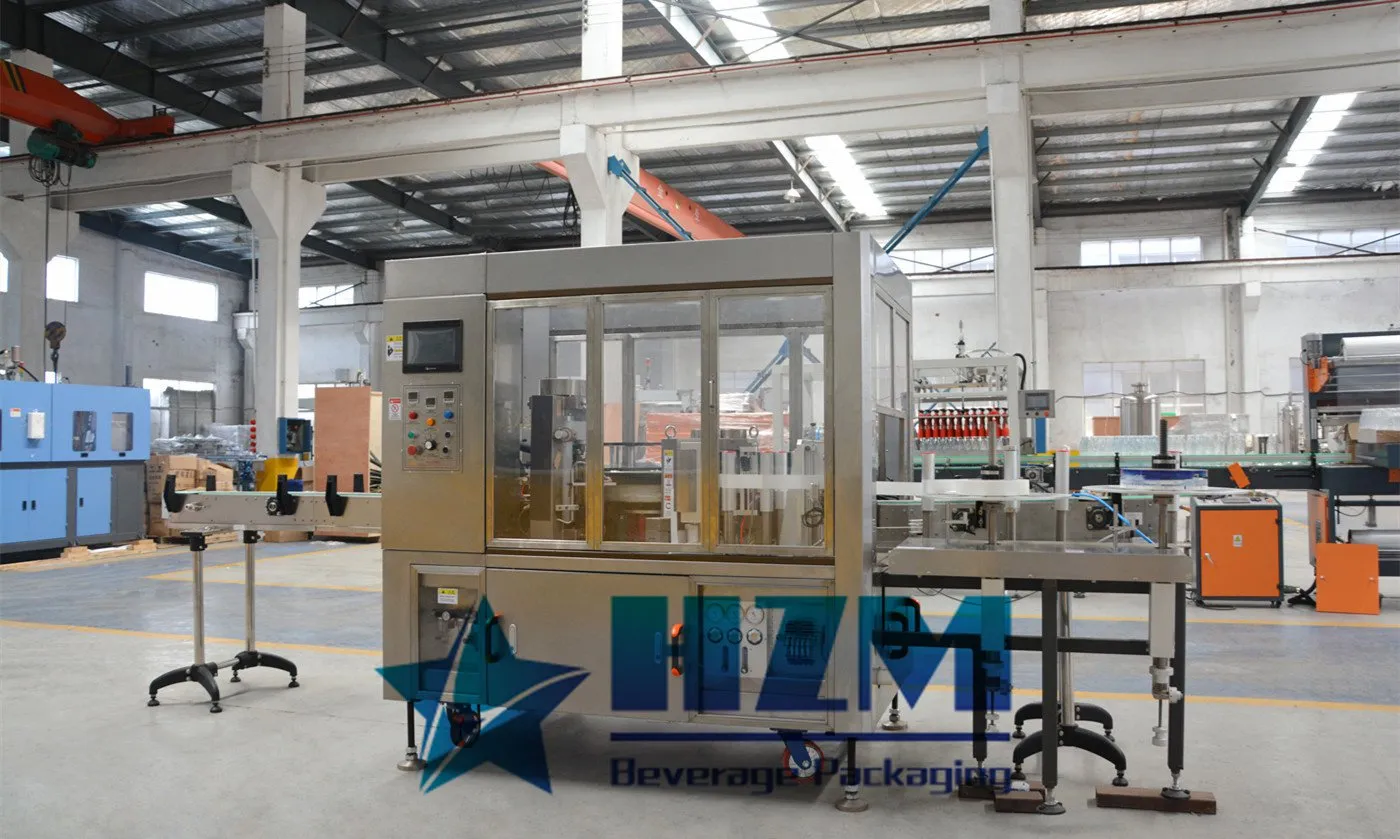
Equipment
Automatic Linear Type Hot Glue Labeling Machine
Linear hot-glue labelling for water and soft-drink bottles, using roll-fed OPP labels at 8,000–24,000 bottles/hour.
Learn more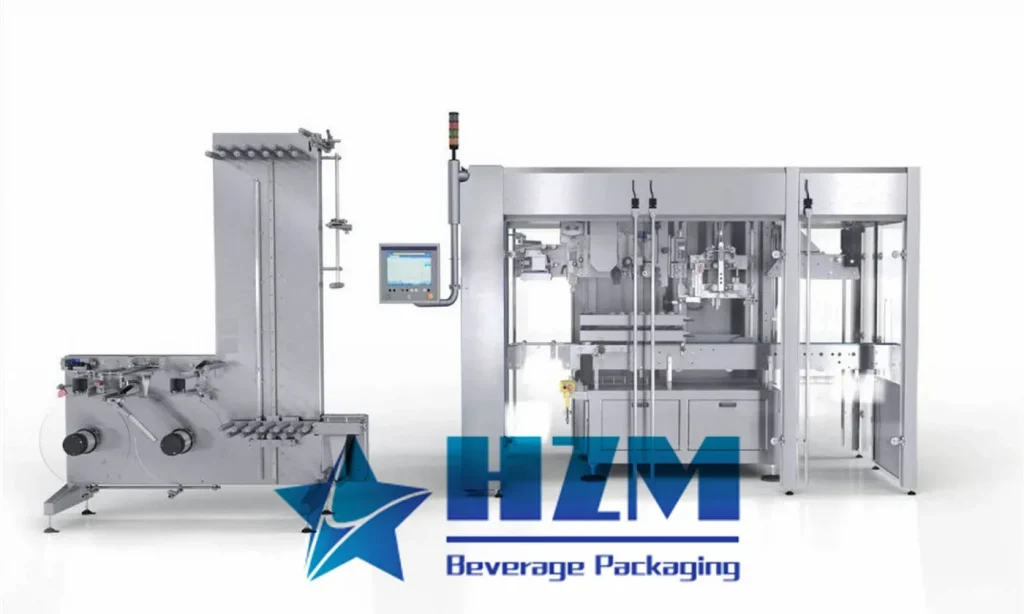
2023-11-03
Automatic 150BPM Sleeve Shrink Labeling Machine
We are a manufacturer specializing in the development, production, and sales of Automatic Sleeve Shrink Labeling Machines. We offer turnkey engineering solutions and have a team of professional after-sales service engineers, with a product warranty period of up to 24 months.
Learn more
2023-03-24
Three common faults and quick solutions for automatic labeling machines
Labeling machines are widely used in the beverage packaging industry. In recent years, with the continuous development of the video beverage industry and the continuous progress of labeling technology, the labeling machine equipment selected by the beverage packaging industry has gradually put forward higher requirements. At present, the labeling machine has gradually entered the […]
Learn more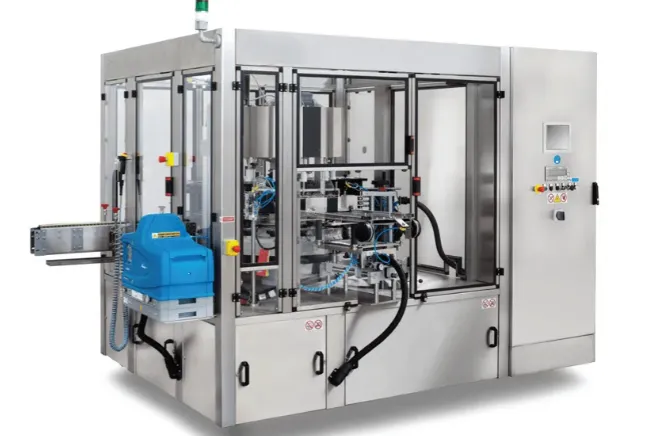
2023-06-01
How Do Label Machines Work?
Labels are vital aspects of every business because these help in different business aspects ranging from packaging to presentation, identification, and traceability. These serve as a communicating
Learn more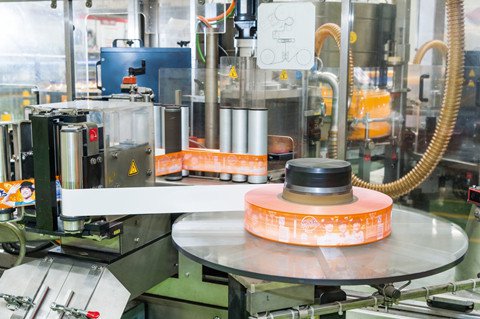
2023-03-24
What is A Labeling System?
A labeling system is a machine that puts labels on the containers, shoppers and bottles. The brands and companies are using them for decades. Through labels, consumers can easily come to know about the brand. Labels increase brand awareness. They also tell consumers about the product. Labels contain the brand name and a little info […]
Learn more2026-08-28
Sleeve Labels Wrinkle After the Shrink Tunnel
Determine whether the sleeve was straight before entering the tunnel. Then check film shrink curve, tunnel-zone temperature, airflow or steam distribution, bottle moisture, conveyor speed and container geometry. Follow this practical fault-isolation, repair and prevention guide for bottling-line operators and maintenance teams.
Learn more2026-08-18
Shrink Sleeve Labels Are Skewed: Sensor, Cutter or Bottle?
Inspect the sleeve before heat is applied. Check bottle centering, film web tracking and tension, registration-mark detection, cutter condition, mandrel alignment and sleeve drop timing. Follow this practical fault-isolation, repair and prevention guide for bottling-line operators and maintenance teams.
Learn more