
Incomplete PET Bottle Blowing: Soft Panels and Unformed Feet
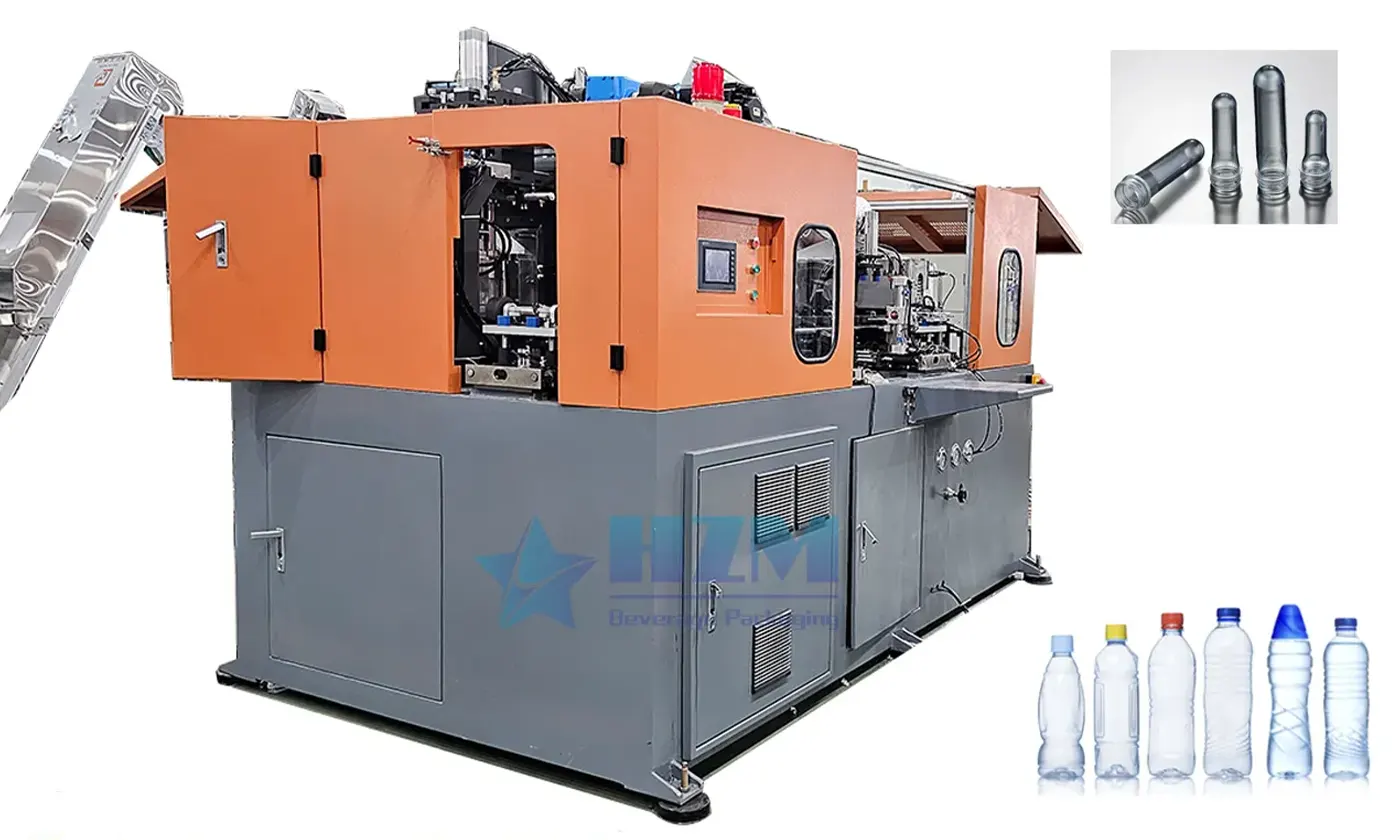
Check whether the pressure curve reaches and holds the target, then inspect leaks, valve timing, preform heat, mould venting, stretch motion and high-pressure air capacity. Do not compensate for a leak by raising pressure.
Isolate high-pressure air, electrical power, heating circuits and motion energy before entering the guarded area. Treat hot oven components and pressurized blowing circuits as stored-energy hazards.
Locate the fault
- Bottle details and feet are not fully formed
- Panels feel soft and dimensions are undersize
- The fault worsens when several cavities blow together
- Micro-hole detection or pressure control rejects bottles
Inspection sequence
- Compare actual pressure curves by cavity under the same recipe
- Check supply pressure and recovery during simultaneous blowing
- Perform approved leak tests on neck seal, valve and circuit
- Measure preform temperature profile at oven exit
- Inspect stretch timing and rod travel
- Clean and inspect mould vents after full isolation
Corrective work
- Restore high-pressure supply capacity and validated timing
- Replace leaking seals, valves or connections
- Correct the heating profile and stable oven condition
- Clean damaged or blocked vents without altering mould geometry
Operating records and follow-up
- Trend cavity pressure curves
- Maintain high-pressure filters and dryers
- Replace neck seals by condition
- Clean vents on a defined schedule
- Verify pressure recovery at maximum production demand
Equipment details: PET Bottle Blow Molding Machine.
Need help planning your packaging line?
Share your product, bottle and capacity requirements for a practical equipment recommendation.
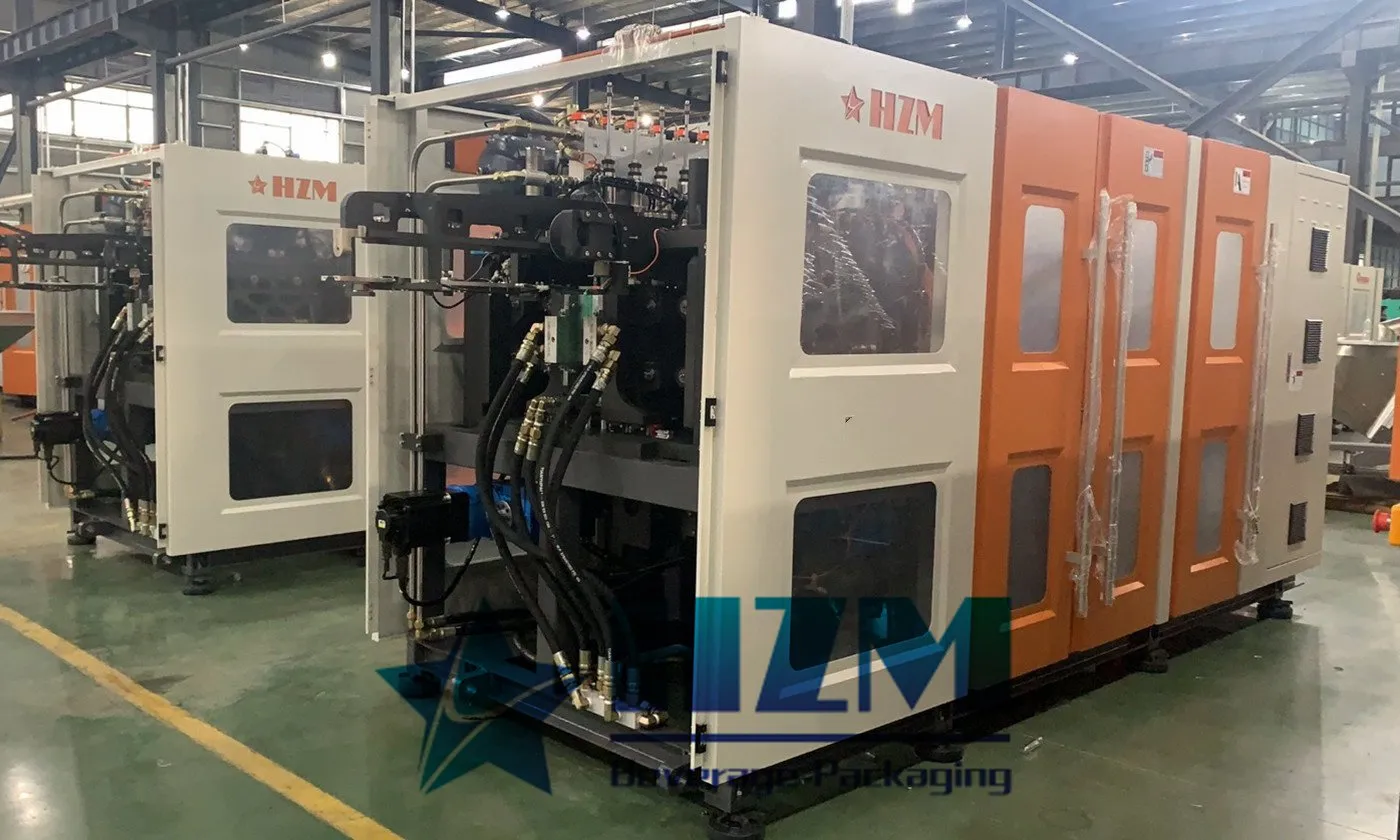
Automatic Blow Molding Machine
Automatic PET bottle blowing for water and beverage packaging, with capacities of 12,000–24,000 bottles/hour at 500 ml.
Learn morePET Bottle Blow Molding Machine
PET bottle blow moulding with 6–12 cavities and capacities of 12,000–21,600 bottles/hour at 500 ml.
Learn more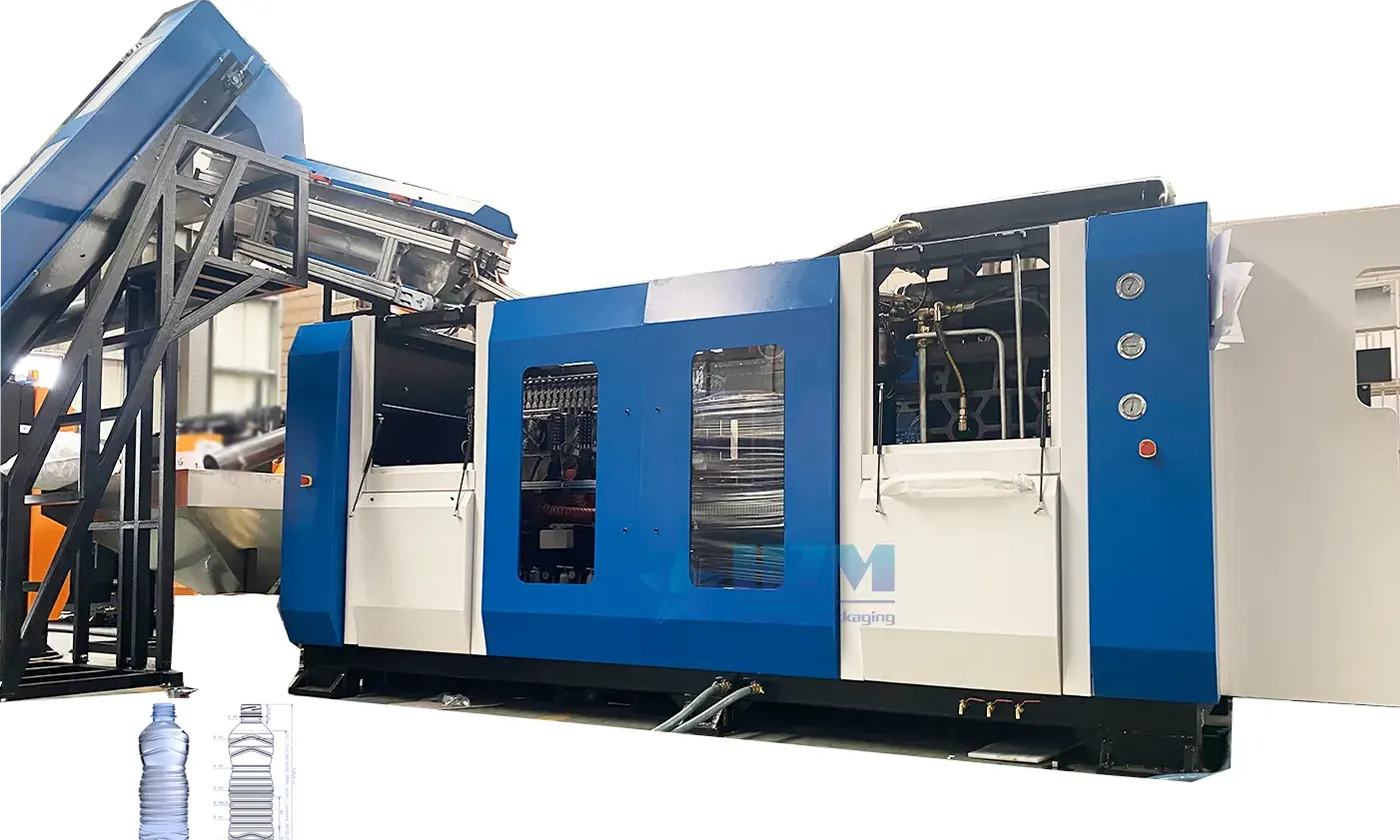
Automatic Water Bottle Blowing Molding Machine
Automatic water bottle blowing from PET preforms, with 6–12 cavities and capacities up to 21,600 bottles/hour at 500 ml.
Learn more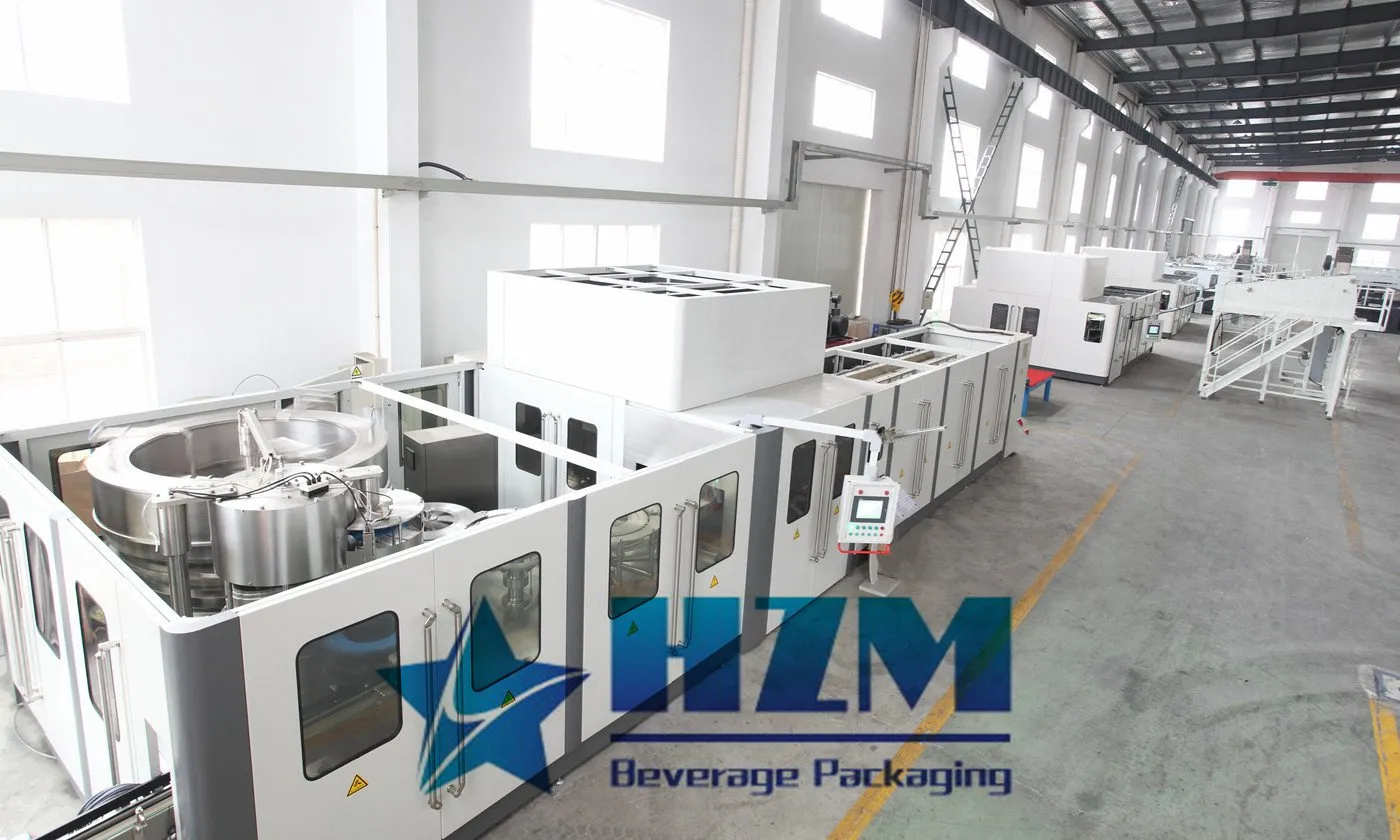
Blowing-Filling-Capping Machine
A PET combiblock that combines preform heating, bottle blowing, filling and capping at 12,000–48,000 bottles/hour at 500 ml.
Learn more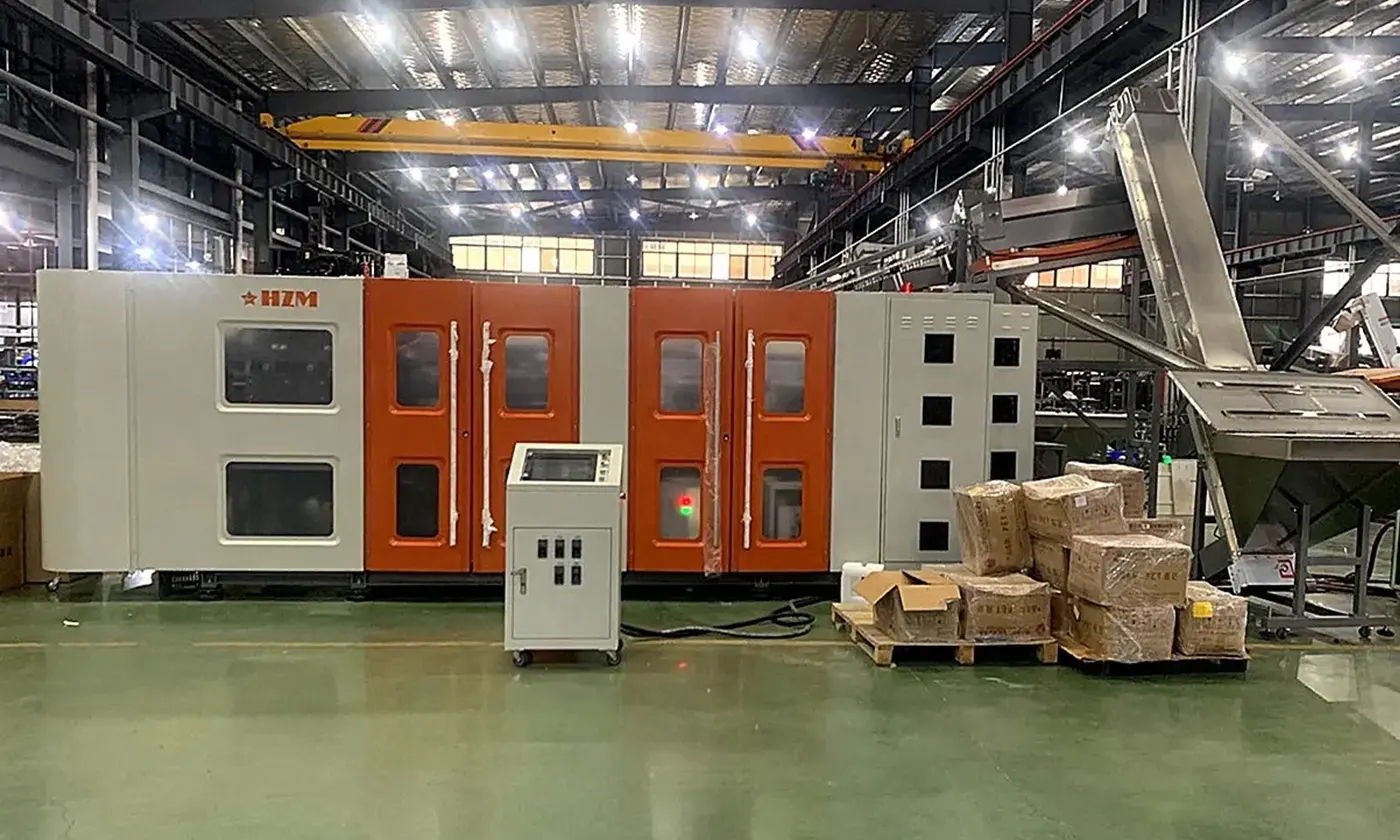
Automatic PET Stretch Blow Molding Machine
Automatic PET stretch blow moulding with 2, 4 or 6 cavities and HZM-ECO model capacities of 1,800–7,000 bottles/hour.
Learn more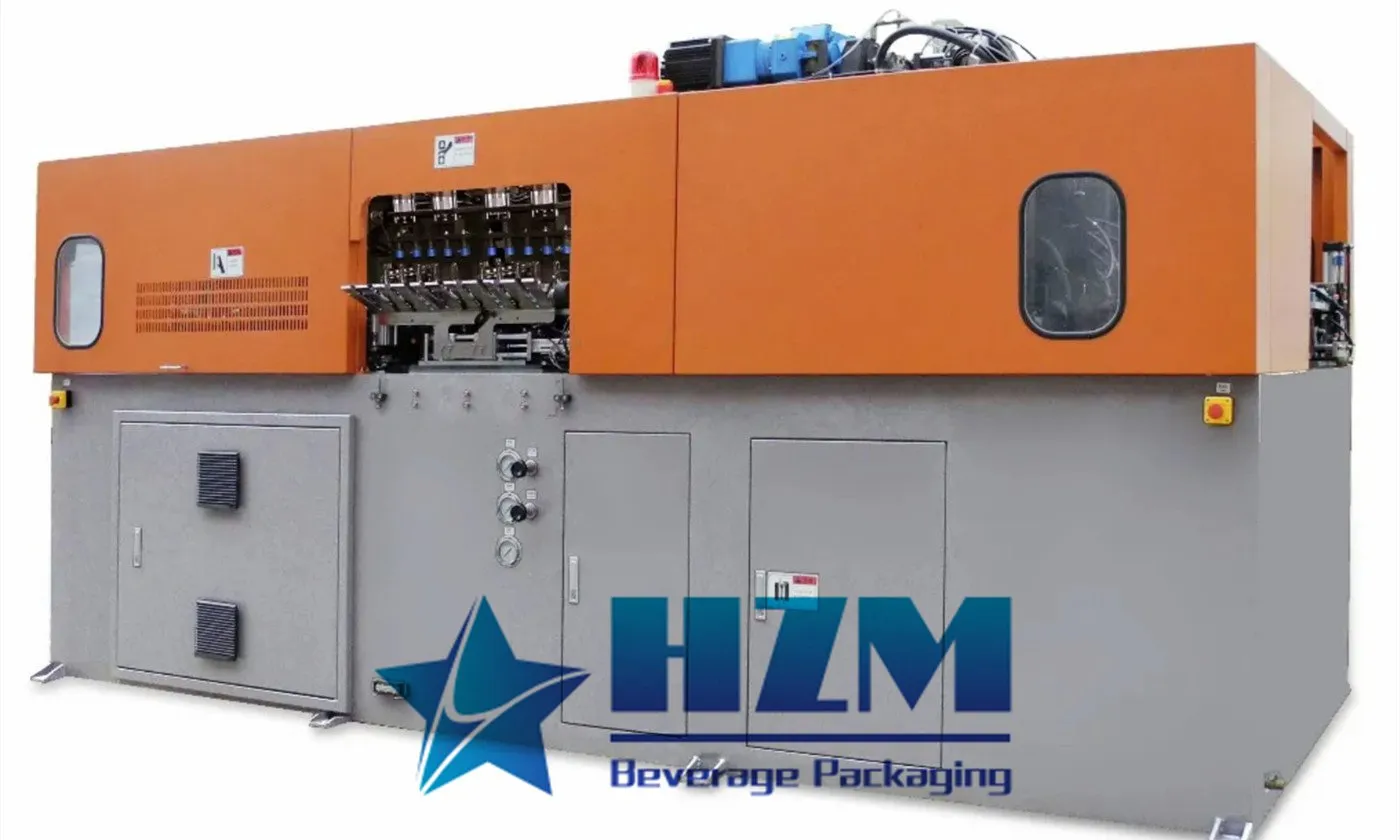
Full Electric Servo Type Blow Molding Machine
Full-electric servo PET blow moulding with 4, 6, 9 or 10 cavities and capacities of 5,400–13,000 bottles/hour at 500 ml.
Learn more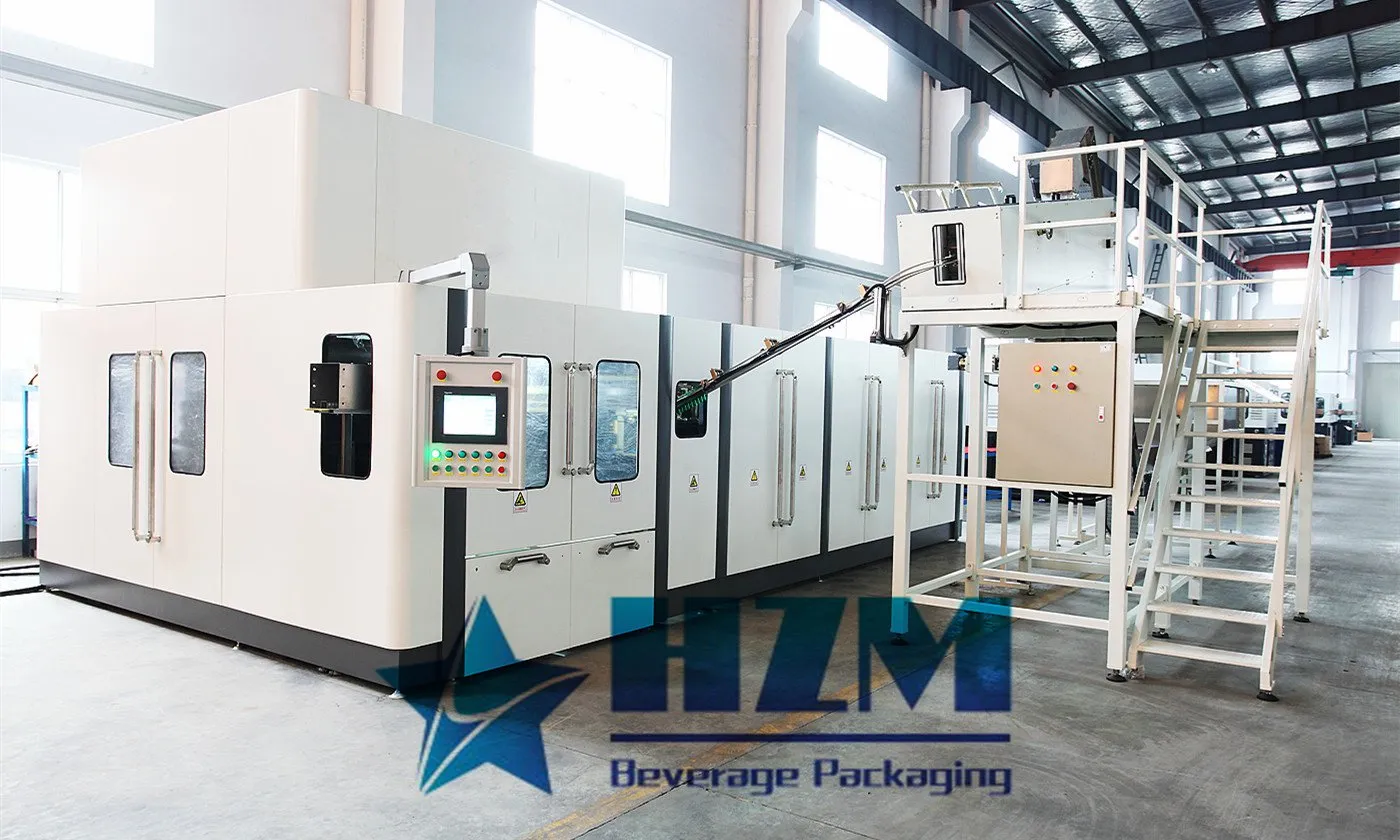
Automatic Rotary Blow Molding Machine
Rotary PET bottle blow moulding for water and beverage packaging, with 6–24 cavities and capacities up to 48,000 bottles/hour at 500 ml.
Learn more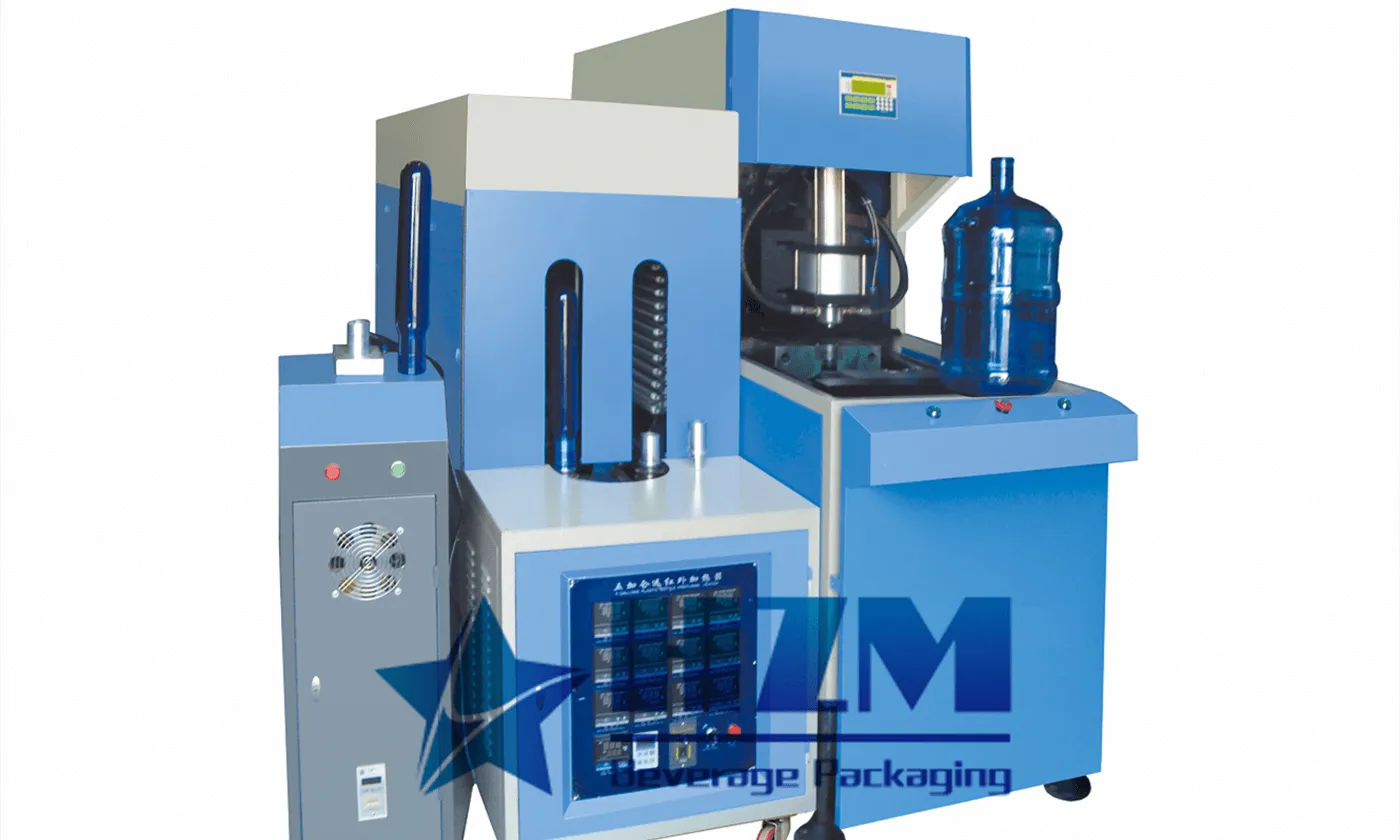
5 Gallon Bottle Blow Molding Machine
This blow moulding machine produces large PET water bottles, including 5-gallon containers.
Learn more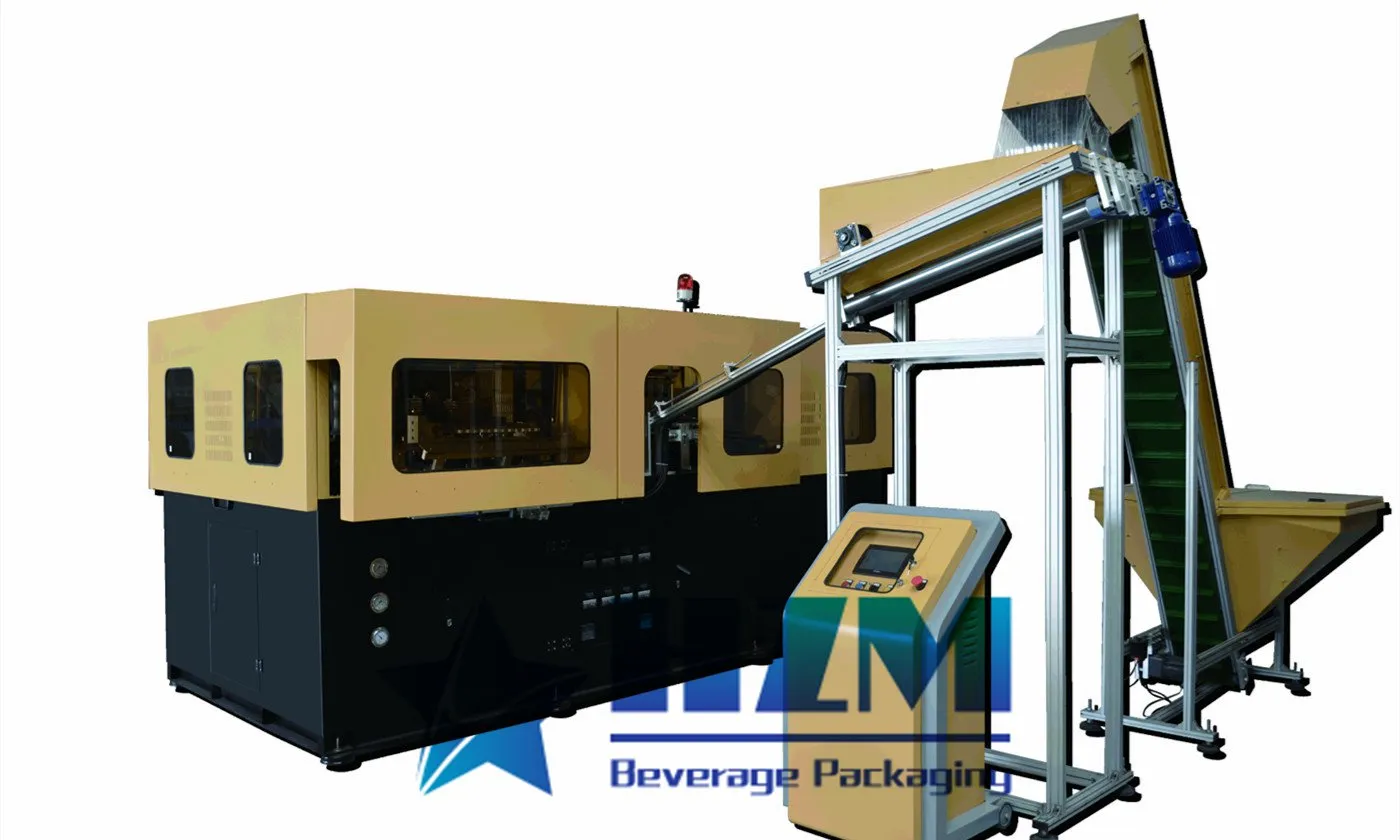
Automatic Oil Bottle Wide Neck PET Bottle Blowing Machine
PET blow moulding equipment for large edible-oil, drinking-water and wide-neck bottles, with bottle sizes up to 5–10 L by model.
Learn morehow does a blow molding machine work
How Does a Blow Molding Machine Work? Exploring the Process with HZM Blow Molding Machine Manufacturer
Learn moreSolutions for Blow Molding Plastic Bottles
This article will discuss the price, HZM manufacturer, functions, applicable industries, solutions, procurement considerations, and maintenance techniques related to blow molding machines.
Learn moreAutomatic PET Bottle Blowing Machine Price?
HZM Machinery, as a professional manufacturer of automatic bottle blowing machines, is dedicated to providing high-quality and efficient equipment, offering customers an ideal solution with 2 years of warranty and global sales.
Learn moreHigh Efficiency 28000 BPH Automatic Pet Blow Molding Machine
High quality High Efficiency 28000 BPH Automatic Pet Blow Molding Machine from China, China's leading 28000 BPH Automatic Pet Blow Molding Machine product, with strict quality control 28000 BPH Auto Pet Blow Molding Machine factories, producing high quality 800 BPH Blow Molding Machine products.
Learn moreWhat Is A Bottle Blowing Machine
A Bottle Blowing Machine is a device used for blowing plastic bottles for liquid packaging.It is used to blow plastic bottles of different capacities and designs with less than a 0.1% of rejection rate.
Learn more
User What are the three types of blow moulding?
Blow molding is a manufacturing process used to produce hollow plastic parts. There are three main types of blow molding: 1、Extrusion Blow Molding (EBM) This is the most common type of blow molding. In EBM, a continuous tube of plastic, called a parison, is extruded (pushed out) from an extruder. The parison is then enclosed […]
Learn more