
Insights & Updates
Juice Hot-Filling Production Process PDF: Flow Chart & Quality Checklist
6-page technical guide · Original flow chart · Printable checklists
Scope: Suitable acidic juice beverages in compatible hot-fill packaging. Low-acid products and milk-containing drinks need a separate assessment.
Process map & limits of hot filling
A juice hot-filling production line combines product heat treatment with a controlled filling and package-contact process. The route can be appropriate for suitable acidic juice beverages when the formulation, equipment, bottle and closure have been assessed together. This guide maps the operation from juice-base receiving to released packs and provides a downloadable planning checklist.
Hot filling is not the same as aseptic filling. In an aseptic system, product and packaging treatment are integrated with a protected filling environment; in a hot-fill system, hot product contributes to the validated treatment of internal package surfaces. Neither route should be selected only because its filler appears cheaper. Shelf life and storage requirements must be established for the actual product.
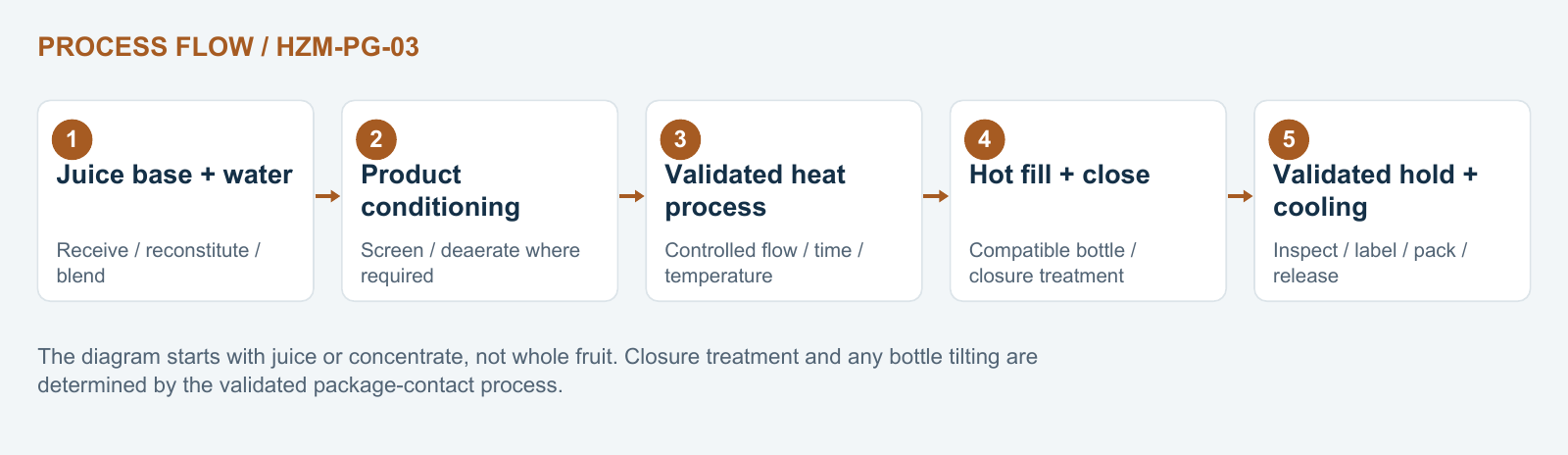
Read the process flow as text
- Juice base + water – Receive / reconstitute / blend
- Product conditioning – Screen / deaerate where required
- Validated heat process – Controlled flow / time / temperature
- Hot fill + close – Compatible bottle / closure treatment
- Validated hold + cooling – Inspect / label / pack / release
The diagram starts with juice or concentrate, not whole fruit. Closure treatment and any bottle tilting are determined by the validated package-contact process.
Juice preparation through package cooling
01 / Receive and release the juice base
Check the juice or concentrate identity, lot, storage history and supplier documentation. Record solids, acidity, sensory condition and other agreed acceptance results. A line receiving whole fruit also needs fruit sorting, washing, extraction and appropriate separation equipment; those upstream operations are outside this packer-level flow chart.
02 / Reconstitute and blend
Use water that meets the recipe specification and a documented mass balance. Add ingredients in the approved order and verify the blend before thermal processing. For products containing pulp, define particle size, distribution and settling behavior; a machine suitable for clear juice may not pass the same particles reliably.
03 / Condition the product
Screening, filtration, deaeration and homogenization are product-dependent choices. Deaeration can reduce oxygen exposure; homogenization may support stability in selected formulations but is not automatically needed for clear juice. Include any quality-changing step in trials with the intended raw materials.
04 / Apply the validated thermal process
Specify the required operating envelope, instruments, flow control and response to a process deviation. Product flow affects residence time, so raising pump speed is not an independent capacity adjustment. FDA juice guidance explains that heat treatment cannot simply be assumed to meet a required pathogen reduction without validation.
05 / Fill, close, hold and cool
Use a package designed for the specified thermal conditions. Control the delay between treatment, filling and closing. The validated process determines closure treatment, package contact time and any tilting or inversion. Cool within the approved profile before downstream handling, then inspect the container, closure and code.
Equipment & package compatibility
| Function | Equipment or requirement | Question for the supplier |
|---|---|---|
| Blend preparation | Tanks, dosing, agitation, screening | What pulp and viscosity range is covered? |
| Thermal processing | Heat exchanger, holding section, controls | What validation inputs and records are provided? |
| Hot filling | Filler and closure handling | How is minimum process condition maintained? |
| Package treatment | Closure treatment; hold or tilt as validated | Which surfaces and contact conditions are covered? |
| Cooling / packing | Controlled cooling, drying, inspection, labeling | What cooling profile protects the package? |
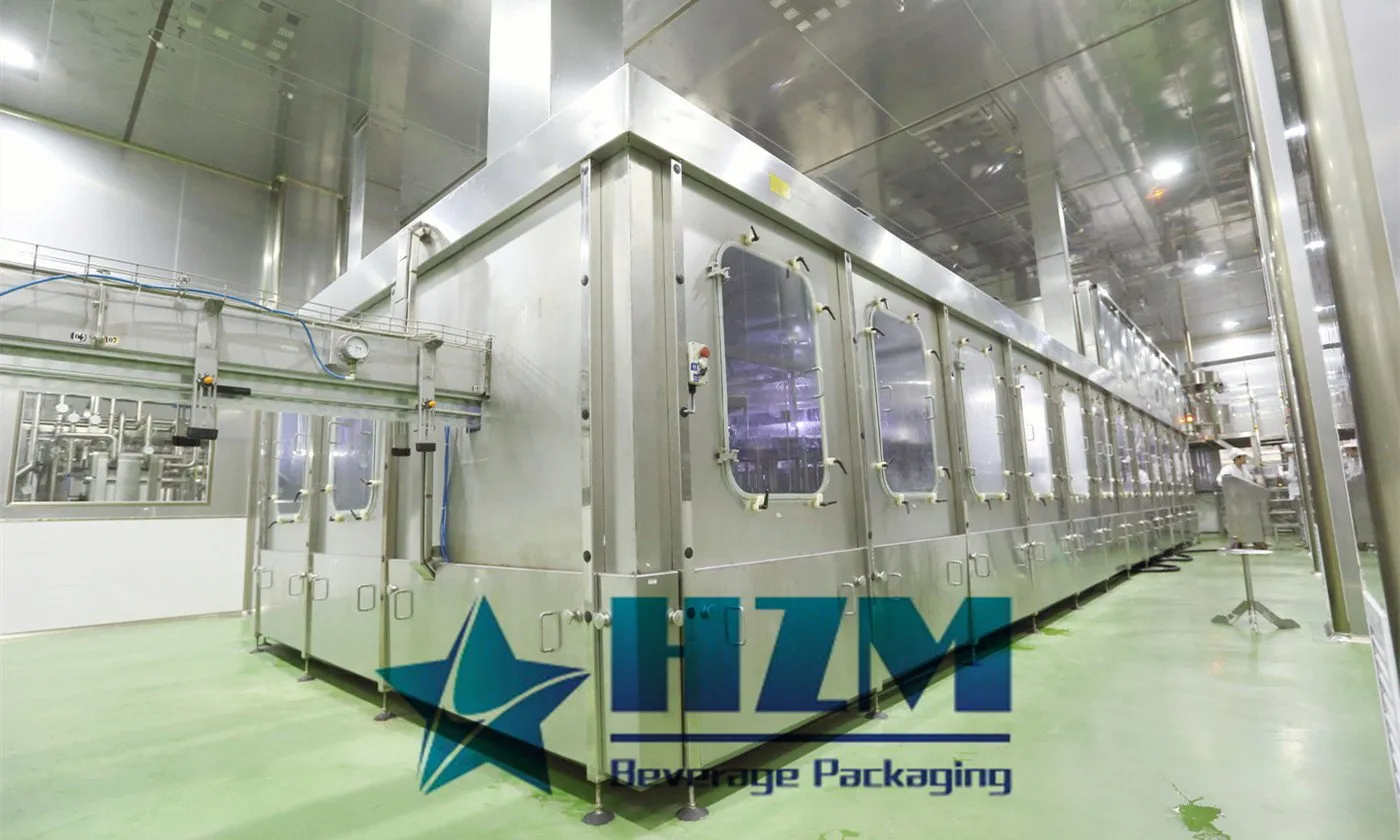
For PET, request heat-resistant packaging suitable for the chosen process. Assess the actual bottle, cap, neck finish and headspace together. A bottle that looks acceptable immediately after filling can still show paneling, leakage or dimensional changes later. For glass, thermal shock and container handling must also be included in the package assessment.
Ask for trials across the planned formats and expected storage conditions. Photograph and measure samples before filling, after cooling and after the agreed observation period. Retain package specifications and trial records with the equipment acceptance file. Do not infer a safe temperature limit from the bottle material name alone.
Quality records & deviation handling
| Stage | Examples of records | Purpose |
|---|---|---|
| Blend release | Recipe, lot, Brix, acidity, pulp or viscosity | Confirm the product matches the validated formulation |
| Thermal treatment | Time, temperature, flow, alarms, diversion events | Demonstrate the approved process was delivered |
| Filling and closure | Fill condition, cap checks, contact or hold records | Verify the package portion of the process |
| Cooling | Profile, water management, package condition | Control cooling and protect integrity |
| Release | Microbiological, sensory, package and shelf-life evaluation | Support the lot disposition decision |
A thermometer at the heater outlet does not prove that every bottle received the required process. The monitoring plan must cover the relevant product path and packaging stages. Define what happens during startup, low temperature, flow changes, filler stops and loss of cooling. Identify potentially affected product and keep it on hold until a documented decision is made.
Avoid universal temperature claims
The correct conditions depend on formulation, microorganisms of concern, product properties, equipment and packaging. This guide deliberately gives no generic time-temperature schedule. Treatment settings must come from a validated process, with instruments and monitoring capable of showing that the process was achieved.
Preserve quality as well as safety
Assess color, flavor, oxygen exposure, pulp distribution and physical stability during trials. Excessive recirculation or prolonged hot holding may damage quality even when product has been heated. Establish a permitted hold and rework policy before production; repeated heating should not become an unrecorded routine.
Sizing example & commissioning checklist
Compare this 30-minute supply window with ingredient preparation, blending, testing and transfer time. If the next batch cannot be ready in time, consider parallel tanks or a different batch size. Any intermediate storage must respect the approved hygiene and hold-time conditions. A larger tank does not solve every interruption problem and may increase the product exposed to a deviation.
Heating and cooling estimates
For an illustrative sensible-heat calculation, assume 2,400 kg/h of product, specific heat 4.0 kJ/kg.K and a 60 K temperature change. The ideal load is 160 kW before losses and heat recovery. These are engineering assumptions for estimating duty, not a pasteurization schedule. Obtain final thermal and cooling loads from the selected process and actual product properties.
- Approve bottle, closure and product samples before final machine selection.
- Verify process instruments, flow control, records and deviation responses.
- Demonstrate handling of planned and unplanned filler stops.
- Test bottle shape, fill level and closure integrity after cooling.
- Check pulp distribution where relevant across the whole run.
- Confirm cleaning circuits and chemical compatibility.
- Complete the product-specific shelf-life and release program.
Acceptance criteria should include saleable output, package condition and product quality under the agreed operating conditions. State who validates the process, who supplies the supporting data and how a later recipe or packaging change triggers reassessment.
Frequently asked questions
Can ordinary water bottles be used for hot-filled juice?
Only if the specific package has been demonstrated suitable for the process. Standard cold-fill PET bottles should not be assumed heat-resistant. Obtain compatibility evidence for the bottle and closure combination.
Is bottle inversion always required?
No single arrangement is universal. Tilting, inversion, separate closure treatment and other configurations depend on how the validated system treats relevant package surfaces. Ask for the process description rather than copying an angle or conveyor length.
Does hot filling guarantee a fixed shelf life?
No. Shelf life depends on formulation, delivered process, package barrier, seal integrity, hygiene and storage. Establish it through an appropriate validation and stability program; do not convert a machine specification into a product shelf-life claim.
Can the same line handle pulp and clear juice?
Possibly, if pumps, valves, heat exchangers and filling passages are suitable and the process is validated for both. Agree maximum particle dimensions and concentration, then test distribution and fill performance.
What changes require review?
Reassess changes to acidity, ingredients, particles, fill volume, bottle geometry, closure, flow, thermal process or distribution conditions. A seemingly small packaging change can alter contact conditions or cooling behavior.
Continue planning your line
- Juice beverage bottling line
- PET Bottle juice Beverage Hot Filling Machine
- Juice Beverage Filling Production Process
- Hot-Fill PET Juice: How to Prevent Bottle Deformation and Fill-Level Problems
More downloadable process guides
- Complete Beverage Production Line Process PDF: Flow Chart & Equipment Guide
- Carbonated Soft Drink Production Process PDF: Syrup, Carbonation & Filling
- Ready-to-Drink Tea Production Process PDF: Extraction, Clarity & Filling
Talk to our engineering team
Need help planning your packaging line?
Share your product, bottle and capacity requirements for a practical equipment recommendation.
Equipment
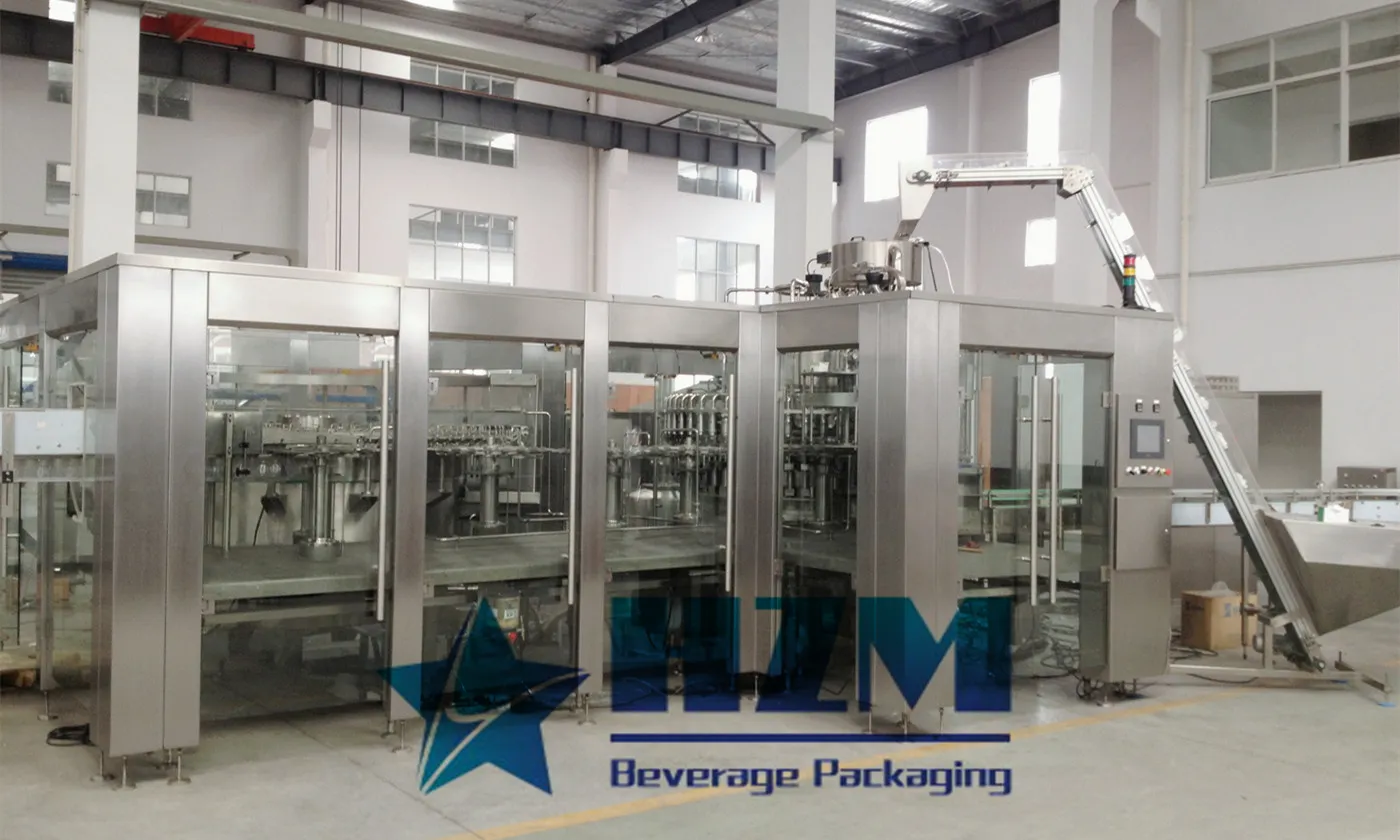
PET Bottle juice Beverage Hot Filling Machine
Hot filling for juice and tea in heat-compatible PET bottles, with automatic rinsing, filling and capping.
Learn more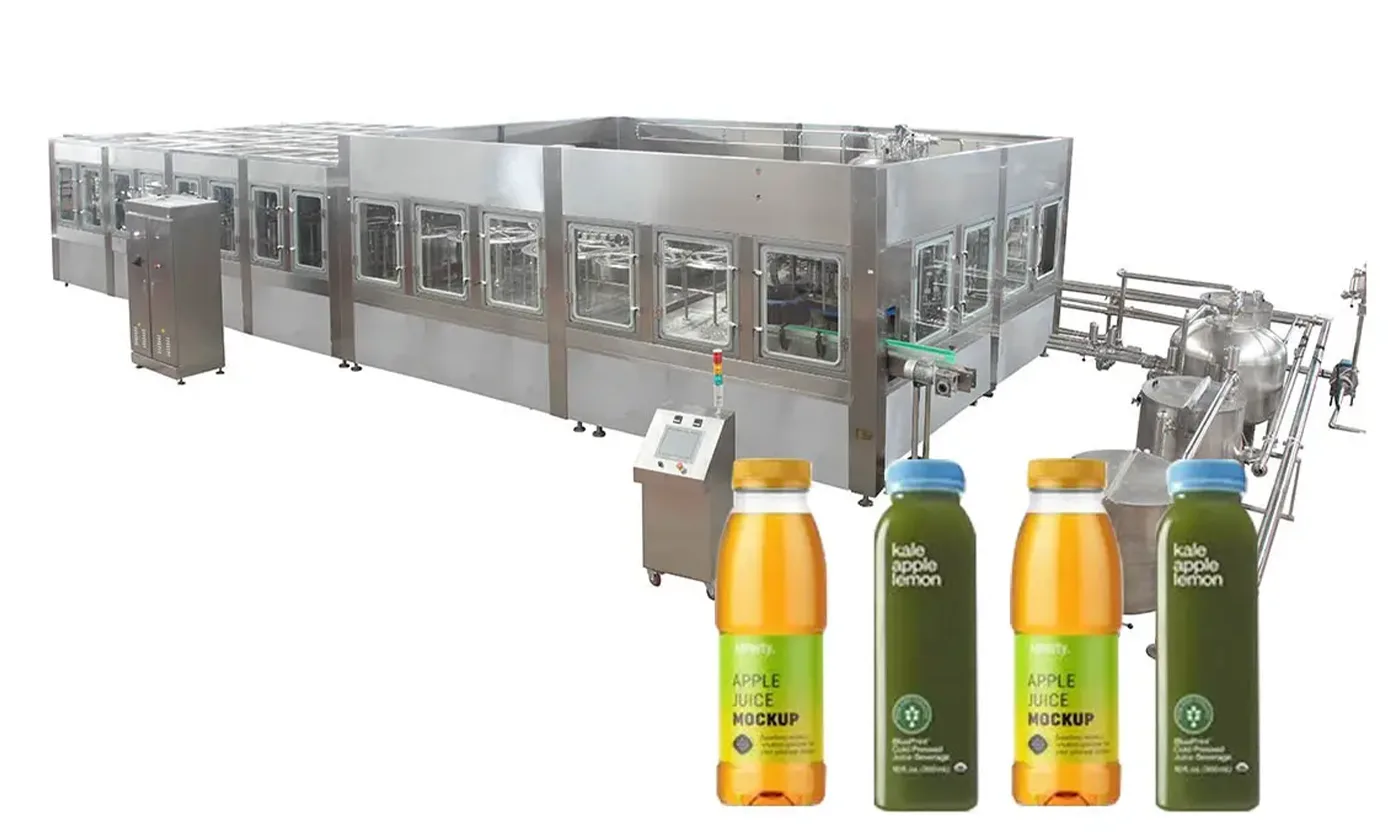
Equipment
Bottled Juice Packaging Machine
Bottled juice filling equipment with rinsing and capping, from 6,000 to 18,000 bottles/hour at 500 ml.
Learn more
Equipment
PET Bottle Juice Beverage Filling Machine
PET bottle juice filling with automatic rinsing and capping, for juice, tea and still beverages.
Learn more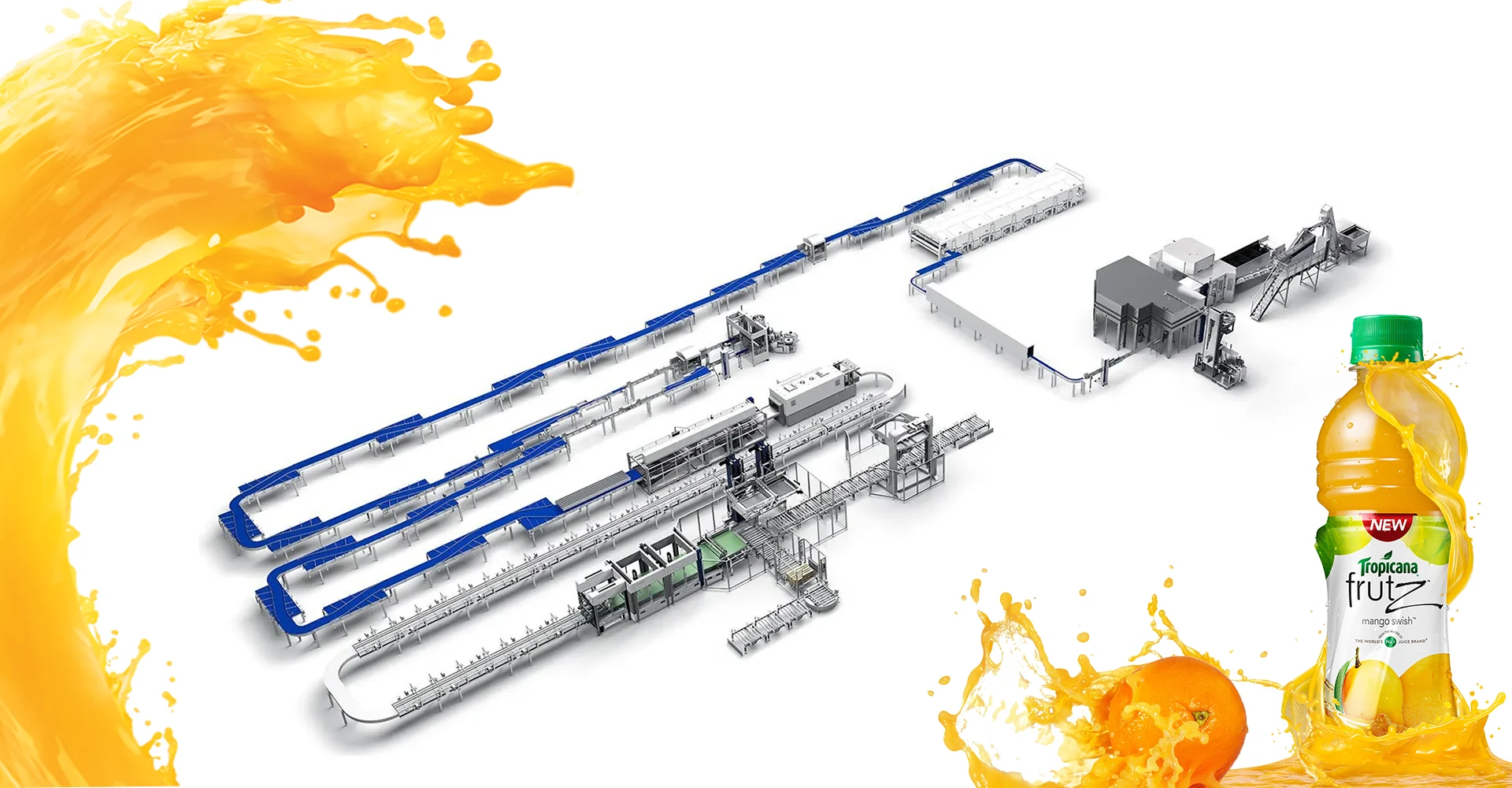
Equipment
Juice beverage bottling line
The juice beverage bottling line connects beverage preparation and thermal processing with bottle filling, capping, labelling and packing.
Learn more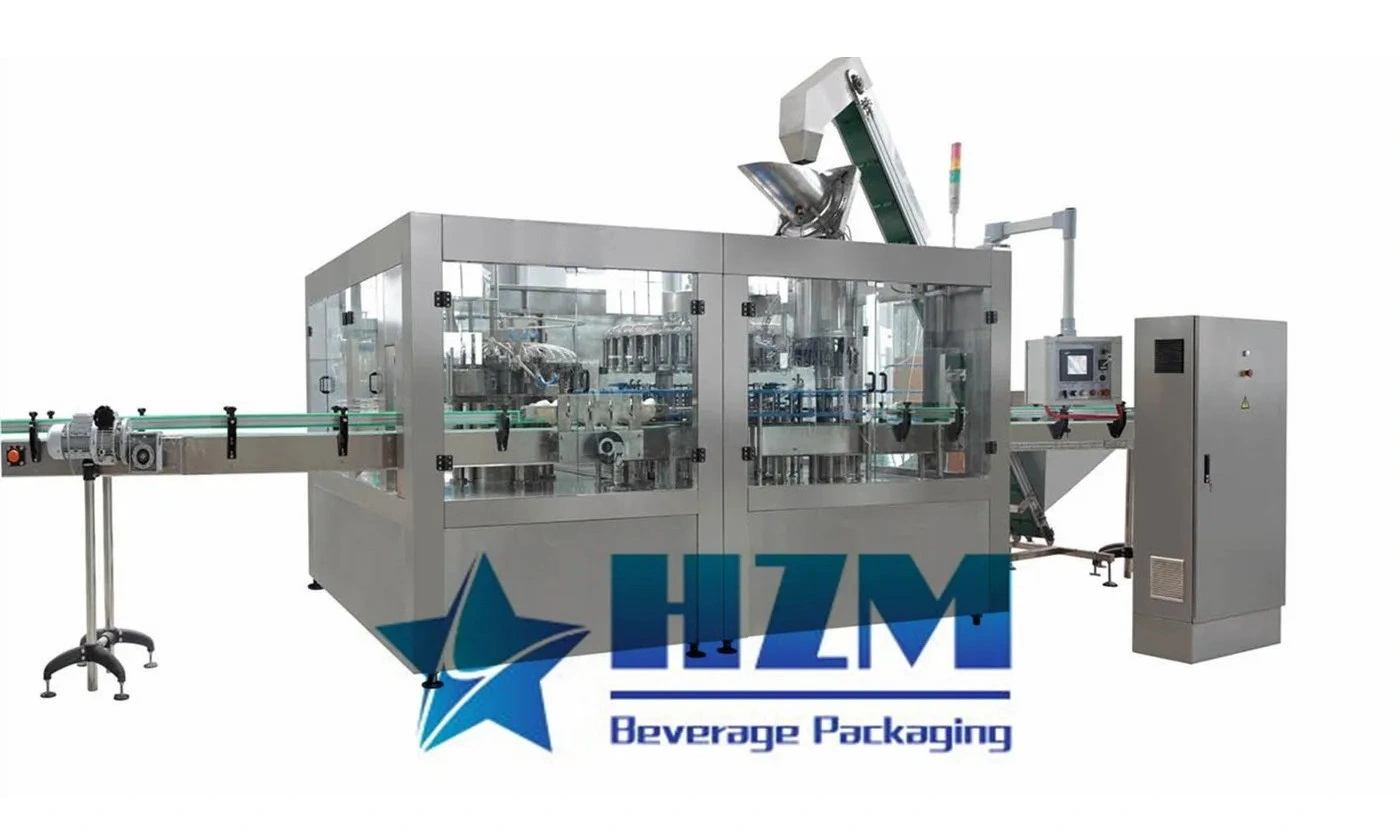
Equipment
Glass Bottle Juice Beverage Filling Machine
Glass bottle juice filling with rinsing and capping, for juice, tea and other still beverages.
Learn more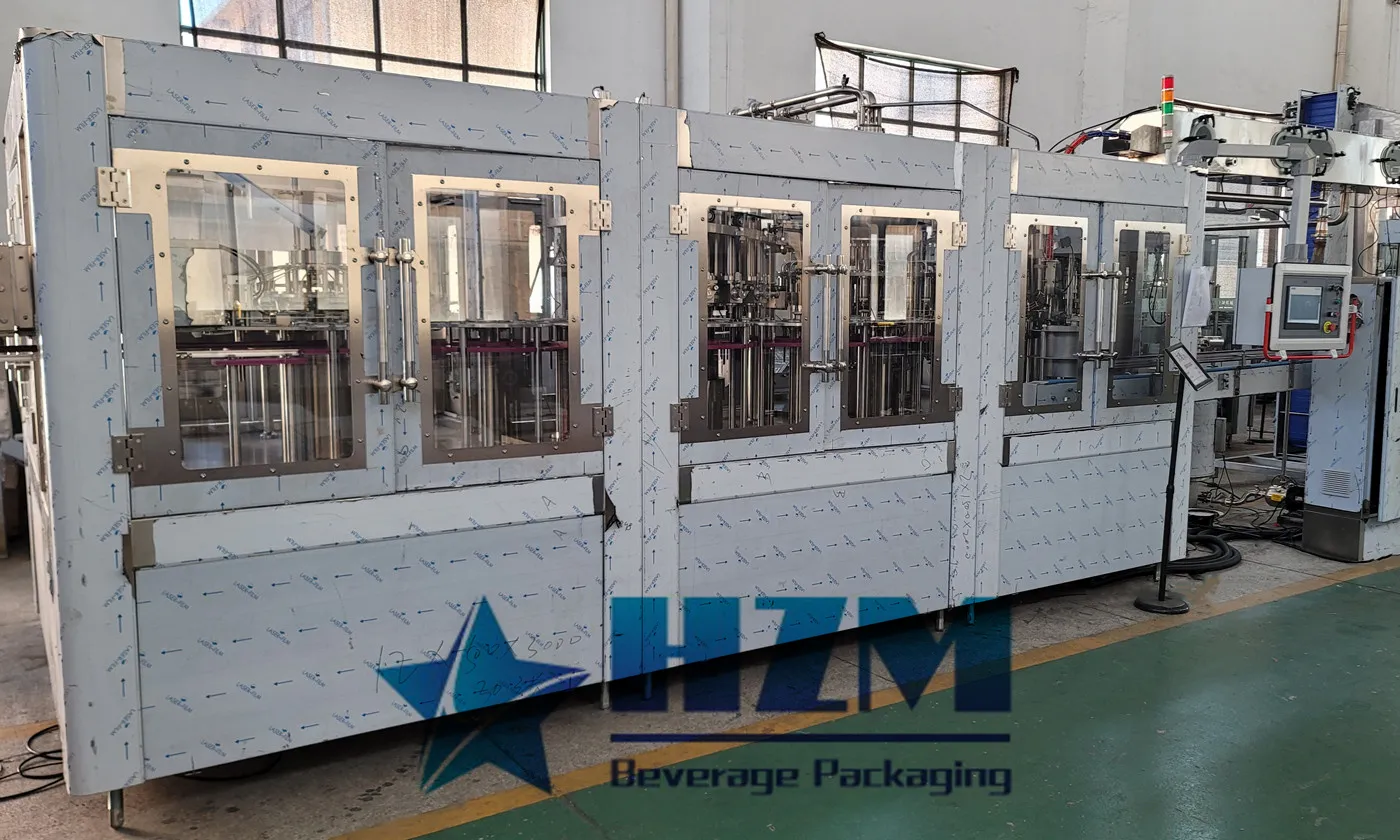
Equipment
Automatic Pulp Juice Filling Machine
Pulp juice filling with separate pulp and liquid dosing, bottle rinsing and capping for beverages containing fruit particles.
Learn more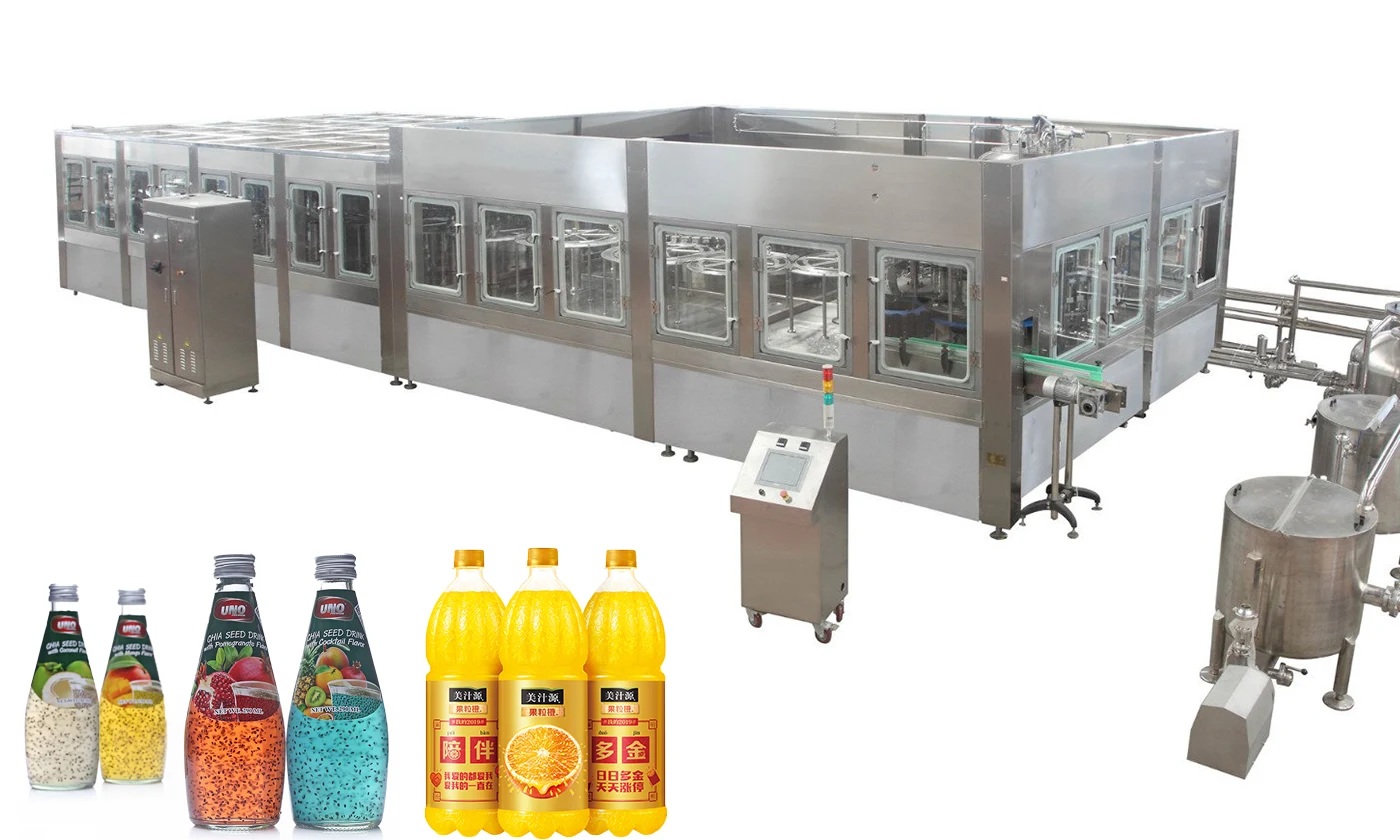
Equipment
juice Pulp Filling Machine 4 in 1
RXGGF16-16-5 pulp juice filling with separate pulp and liquid dosing, rinsing and capping at 5,000 bottles/hour for 250 ml bottles.
Learn more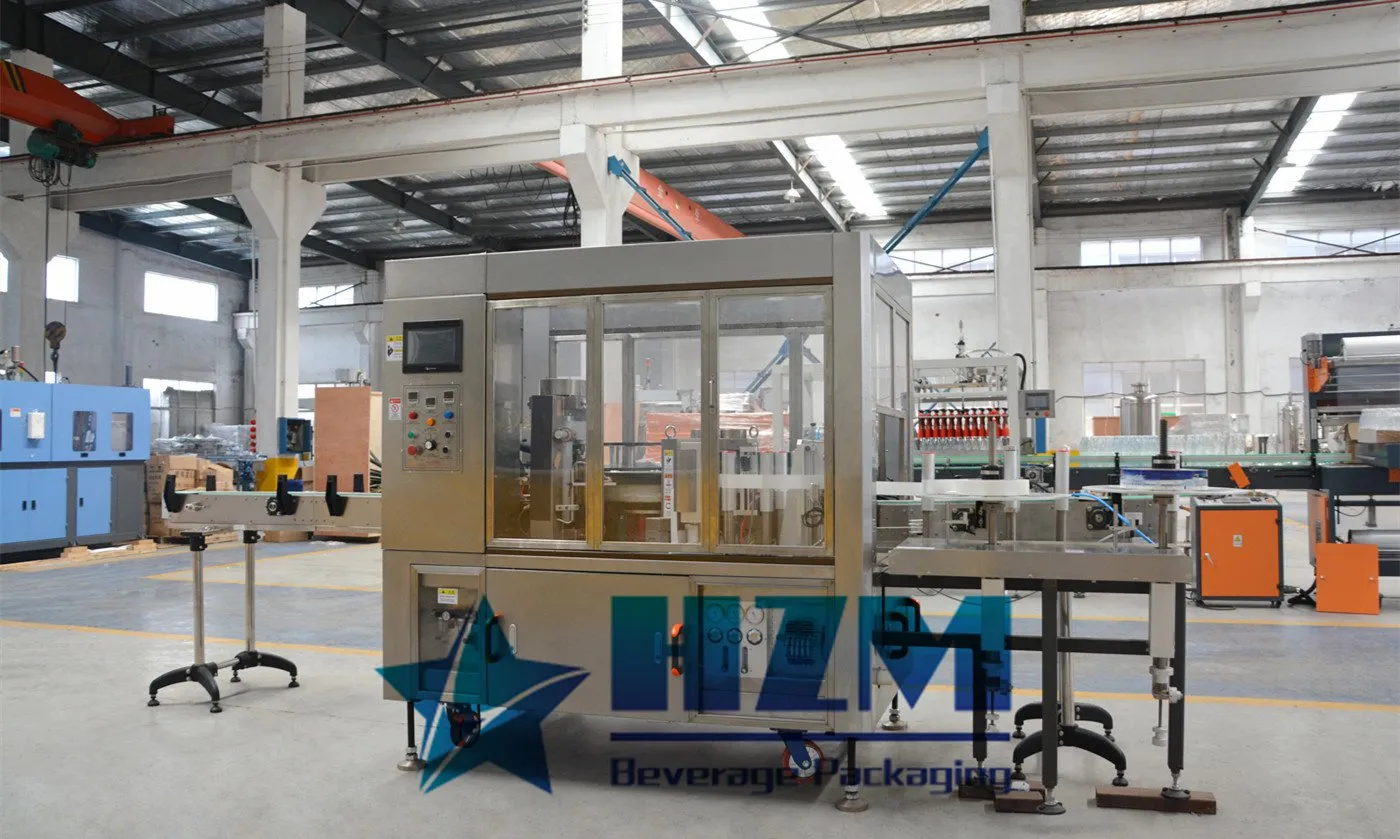
Equipment
Automatic Linear Type Hot Glue Labeling Machine
Linear hot-glue labelling for water and soft-drink bottles, using roll-fed OPP labels at 8,000–24,000 bottles/hour.
Learn more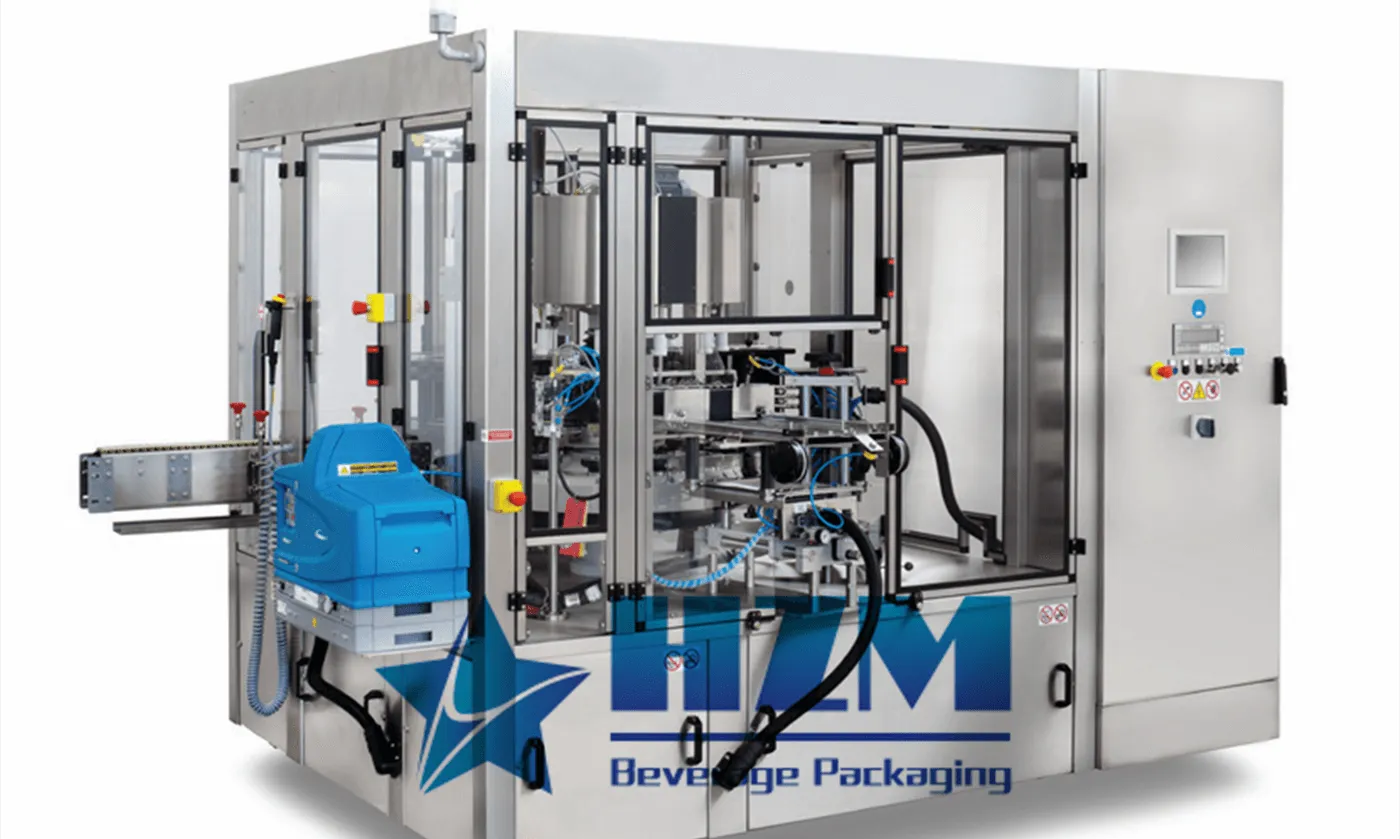
Equipment
Automatic BOPP Hot Glue Labeling Machine
Rotary BOPP hot-glue labelling for beverage containers, with RG models from 8,000 to 24,000 bottles/hour.
Learn more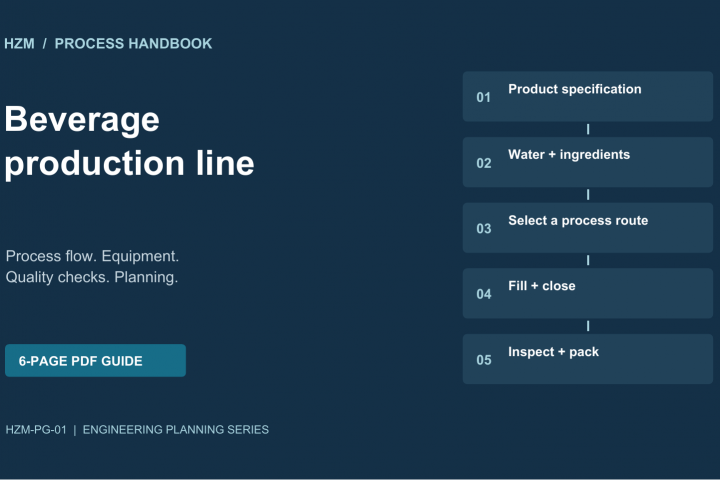
2026-09-21
Complete Beverage Production Line Process PDF: Flow Chart & Equipment Guide
Download a beverage production line process PDF with route-selection diagrams, equipment lists, capacity calculations, utility planning and commissioning checks.
Learn more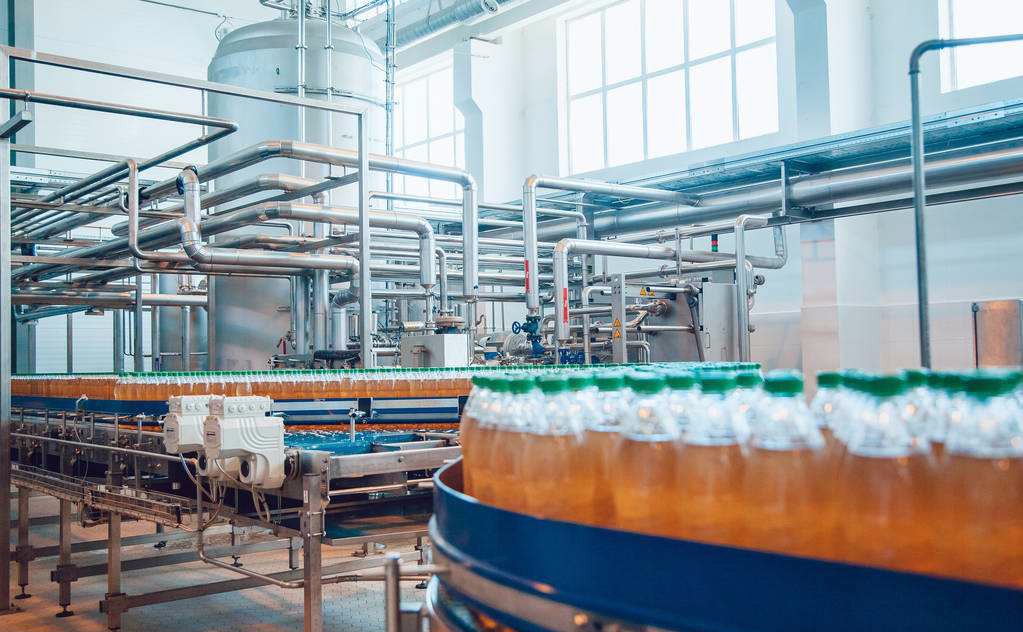
2023-05-02
The Secret of Juice Beverage Production Equipment and Process Flow
The juice production line is used for deep processing of various fruits to make delicious juice beverages. In recent years, the government has provided significant support for agricultural deep processing. Many fruits have gained greater added value after deep processing, such as pomegranate juice, seabuckthorn juice, blueberry juice, and more
Learn more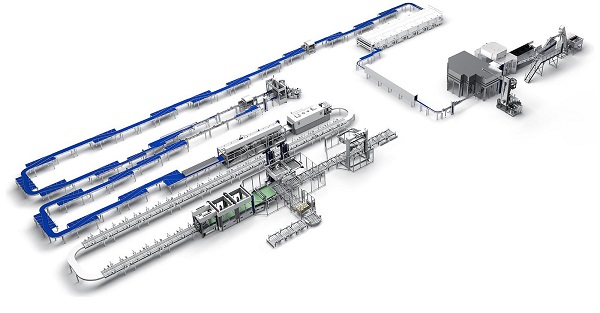
2023-09-08
Juice Beverage Filling Production Process
In the cold filling method of the beverage production line, the product is cooled to room temperature after being ultra-high-temperature sterilized. It is filled in aseptic conditions created by humans into bottles or cartons that have been sterilized with hydrogen peroxide.
Learn more2023-09-18
Bottled water production process PDF
The PDF document on the bottled water production process encompasses detailed information on how bottled water is manufactured, including a comprehensive description of production steps, illustrated process diagrams, and in-depth explanations of quality control methods.
Learn more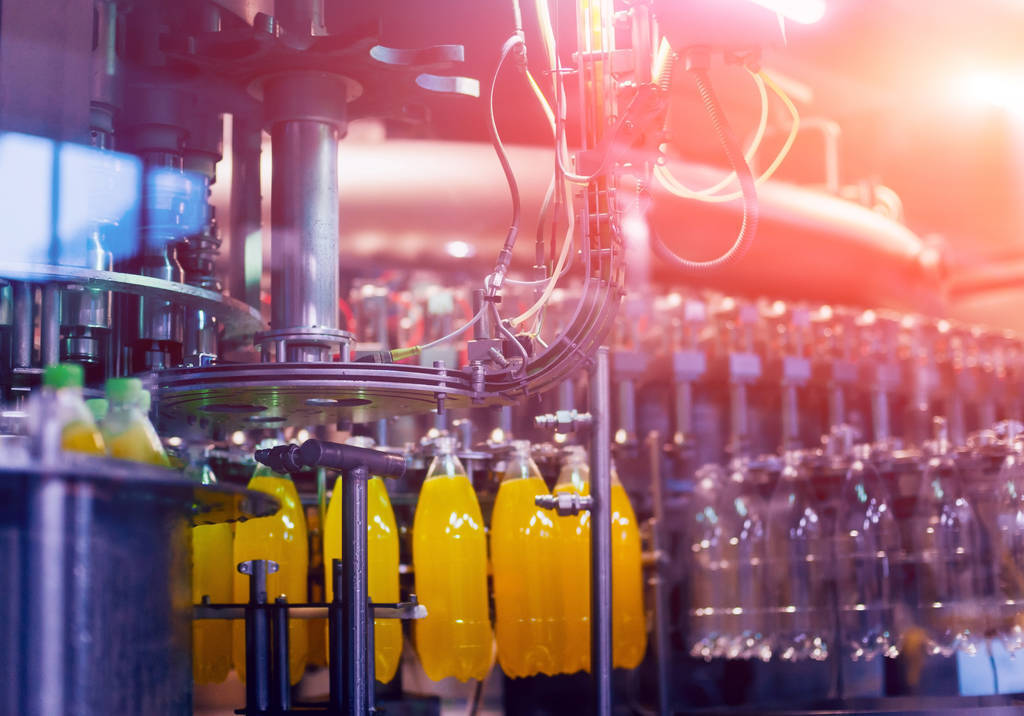
2023-07-16
Juice Beverage Filling Machine: Enhancing Production Efficiency
The flexibility and high output of the juice beverage filling machine make it an indispensable tool in the modern juice beverage production process. Whether accommodating different types and capacities of bottles or ensuring efficient production in terms of hourly output, the juice beverage filling machine plays a vital role.
Learn more2023-09-14
Carbonated Beverage manufacturing process flow
The manufacturing process for carbonated beverages involves several key steps to create the characteristic fizz and flavor while ensuring product safety and quality.
Learn more