
Insights & Updates
Microbial Counts Rise in a Bottled-Water Production Line
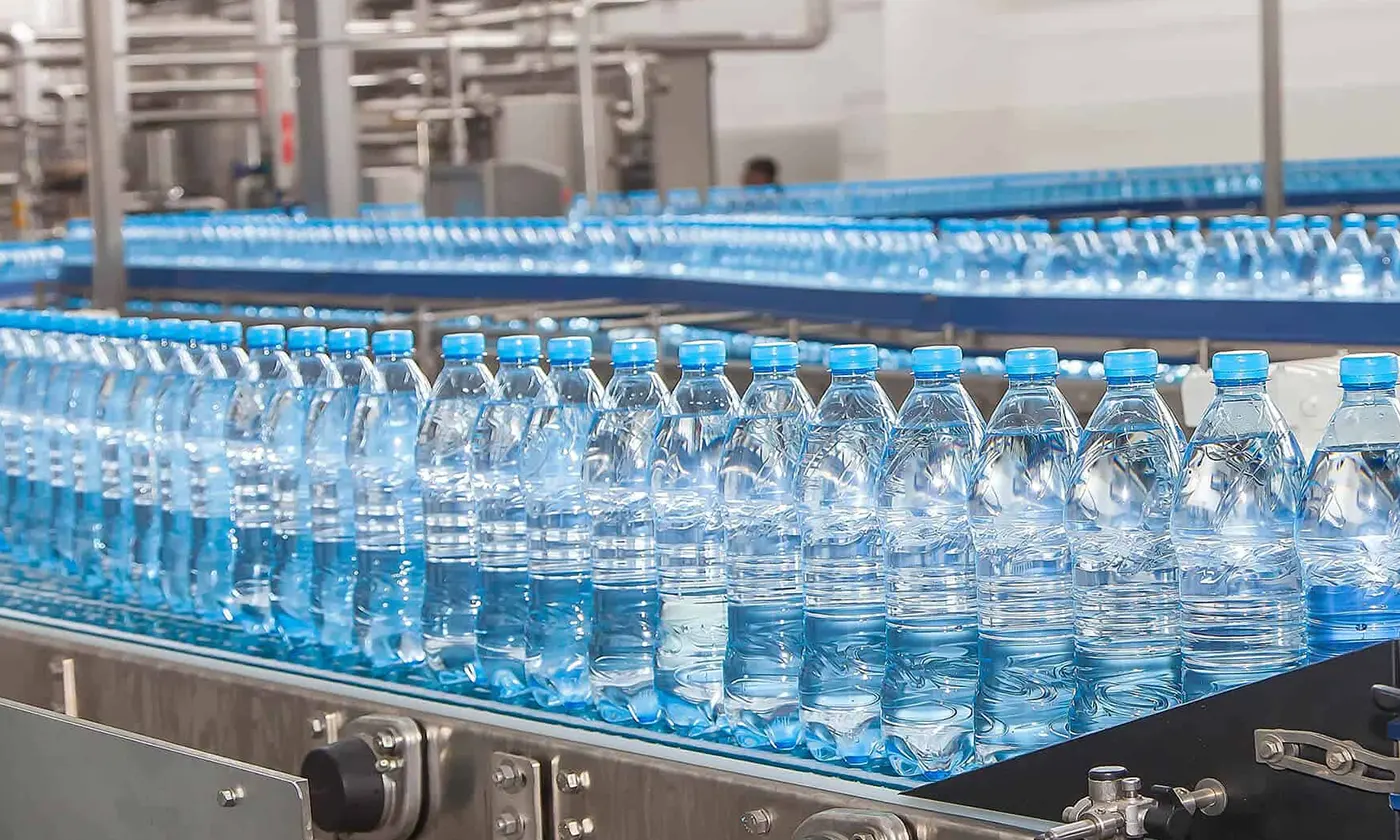
When recurring microbiological excursions in a complete bottled-water line appears, changing the nearest setpoint is tempting but risky. A durable repair starts by retaining samples, capturing the first alarm and separating a local head or lane problem from a line-wide process problem.
A complete production line is a chain of dependent processes: treatment or preparation, container making, filling, closure, labelling, packing, conveying and utilities. The line output is set by the slowest unstable constraint, not by the nameplate speed of one machine. The objective is not merely to clear the alarm for recurring microbiological excursions in a complete bottled-water line, but to recover a repeatable, verifiable process.
Quick answer: Place product on hold and map samples from treatment through storage, filler, caps and package. Review sanitation coverage, stagnation, tank vents, carbon media, ozone or UV control, filler hygiene and environmental practices.
What operators usually see
Use the following signs to define the boundary of the problem. A head-by-head, lane-by-lane or time-based pattern is especially valuable: For this case, preserve evidence that shows whether final product counts rise while RO permeate remains acceptable.
- Final product counts rise while RO permeate remains acceptable
- Results worsen after weekends or long stops
- One filler or cap sample point repeats high
- Cleaning temporarily improves results
Make the equipment safe and protect the product
Use the line-wide stop, lockout/tagout and product-hold procedures. A safe diagnosis must include adjacent machines, stored pneumatic and hydraulic energy, hot process circuits, robots and the possibility that equipment can restart from an upstream or downstream command.
Use synchronized timestamps to collect state, speed, fault, starve and block data from every major machine. Add product-quality results and utility pressure, flow, temperature and power so a local alarm can be related to the upstream event that caused it. Explicitly record whether final product counts rise while RO permeate remains acceptable.
Most likely causes, in practical checking order
1. Post-treatment recontamination
Storage tanks, vents, piping, filler or caps introduce organisms after water purification To test this explanation without guessing, hold affected lots and involve the site’s food-safety and microbiology team Record the result before moving to the next cause.
2. Stagnation and weak shutdown practice
Warm retained water and dead legs allow biofilm growth A practical confirmation step is to create a risk-based sample map with timestamps from source to package. Compare the finding with a known-good run.
3. Sanitation does not reach the full line
Incorrect flow, chemistry, temperature or valve route leaves niches untreated Do not compensate for this condition in the recipe. First, review shutdown, startup and sanitation records Keep the original setting and measured result in the fault record.
4. Barrier performance is not verified
UV, ozone, filters or hygienic air appears active but does not deliver the validated condition Separate this cause from the others with one controlled check: verify barrier intensity, residual, flow and instrument calibration Use the same product, format and speed for the comparison.
Step-by-step diagnostic procedure
Follow the sequence in order and preserve each result. Stop if any check would require defeating a guard, interlock or validated food-safety control.
- Hold affected lots and involve the site’s food-safety and microbiology team
- Create a risk-based sample map with timestamps from source to package
- Review shutdown, startup and sanitation records
- Verify barrier intensity, residual, flow and instrument calibration
- Inspect tanks, vents, cap handling and filler hygiene
- Use trend and organism identification where appropriate to distinguish recurring source from random contamination
Corrective actions that address the root cause
The repair must remove the mechanism, not hide its alarm. Use specified hygienic and safety-rated parts and record every change.
- Clean and sanitize the identified source and all connected downstream surfaces
- Correct stagnation, drains, vents and hygienic handling
- Restore the validated sanitation hydraulic and chemical conditions
- Repair and challenge critical treatment barriers
How to verify the repair before full-speed production
A successful no-load cycle is not enough. Use the actual product and package, sample every relevant head or lane, and verify this condition: Confirm that recurring microbiological excursions in a complete bottled-water line is absent for multiple consecutive cycles, not only for one sample. Review the alarm history and keep diagnostic product segregated until the site’s quality procedure releases it.
- Confirm that recurring microbiological excursions in a complete bottled-water line is absent for multiple consecutive cycles, not only for one sample.
- Compare the repaired result for “Final product counts rise while RO permeate remains acceptable” with the approved quality limit and the last known-good baseline.
- Check adjacent stations and downstream package quality for side effects associated with post-treatment recontamination.
- For “Microbial Counts Rise in a Bottled-Water Production Line”, record the final settings, measurements, parts used and restart authorization.
Prevent the problem from returning
Use the repair evidence to improve the control plan. The following actions make recurrence visible early:
- Trend high-risk sample points
- Define shutdown preservation
- Maintain hygienic tank vents and cap systems
- Verify sanitation endpoints
- Use authorized quality disposition for every excursion
When to stop troubleshooting and call a specialist
Microbiological product release and root-cause decisions belong to the authorized food-safety and quality team. Equipment restart does not by itself demonstrate that affected product is safe. Specialist support is also required when the same protective fault returns after an approved repair or structural damage is suspected. Send the service engineer the fault history, photos, samples, trend data, recipe revision and work already completed.
Relevant equipment for this application
For a project-level comparison related to recurring microbiological excursions in a complete bottled-water line, see HZM Machinery’s Bottled Purified Water Production Line. Use actual product, container and utility data when evaluating whether the configuration fits the duty.
Frequently asked questions
What should be checked first when recurring microbiological excursions in a complete bottled-water line?
Place product on hold and map samples from treatment through storage, filler, caps and package. Review sanitation coverage, stagnation, tank vents, carbon media, ozone or UV control, filler hygiene and environmental practices. Preserve the original settings and take representative samples before repair work begins.
How can we distinguish post-treatment recontamination from stagnation and weak shutdown practice?
Storage tanks, vents, piping, filler or caps introduce organisms after water purification In contrast, warm retained water and dead legs allow biofilm growth Compare the two mechanisms under the same operating condition by completing these checks: hold affected lots and involve the site’s food-safety and microbiology team Then create a risk-based sample map with timestamps from source to package
Can production continue while recurring microbiological excursions in a complete bottled-water line?
Only when the plant’s documented risk assessment and quality procedure allow it. For recurring microbiological excursions in a complete bottled-water line, stop and segregate production when package integrity, sanitation, validated processing, pressure safety, electrical protection or an uncontrolled reject trend is involved.
What evidence will help the equipment supplier respond faster?
Provide the model and serial number, product and format, target speed, first fault, timestamps, photos or video, affected station pattern and maintenance history. For this issue, also include final product counts rise while RO permeate remains acceptable and the measured result from this check: use trend and organism identification where appropriate to distinguish recurring source from random contamination
Talk to our engineering team
Need help planning your packaging line?
Share your product, bottle and capacity requirements for a practical equipment recommendation.
Equipment
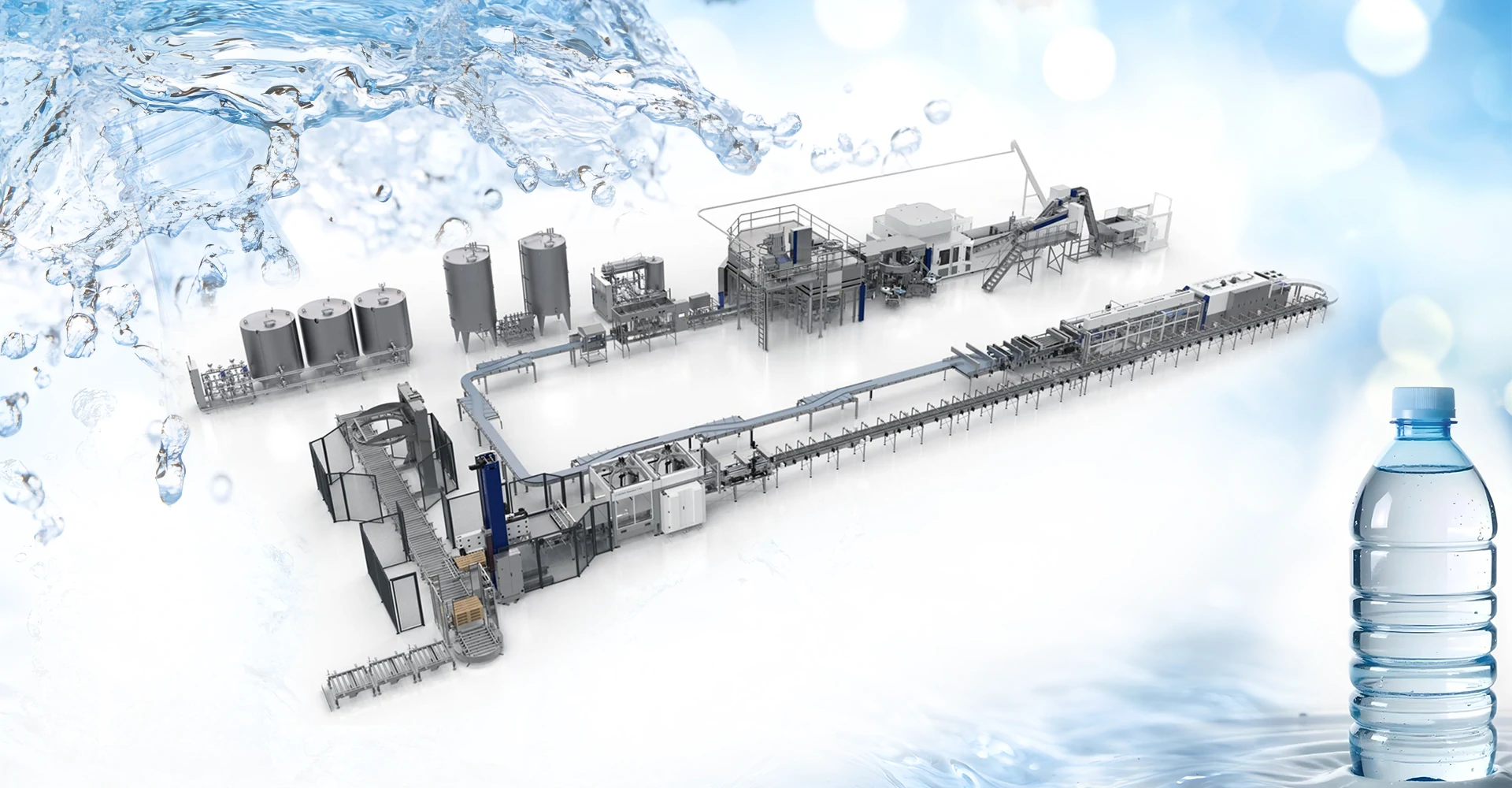
Drinking water production line – Bottled Water Filling Machine Manufacturer
PET-bottled drinking-water production with automatic rinsing, filling and capping, plus water treatment and packaging equipment.
Learn more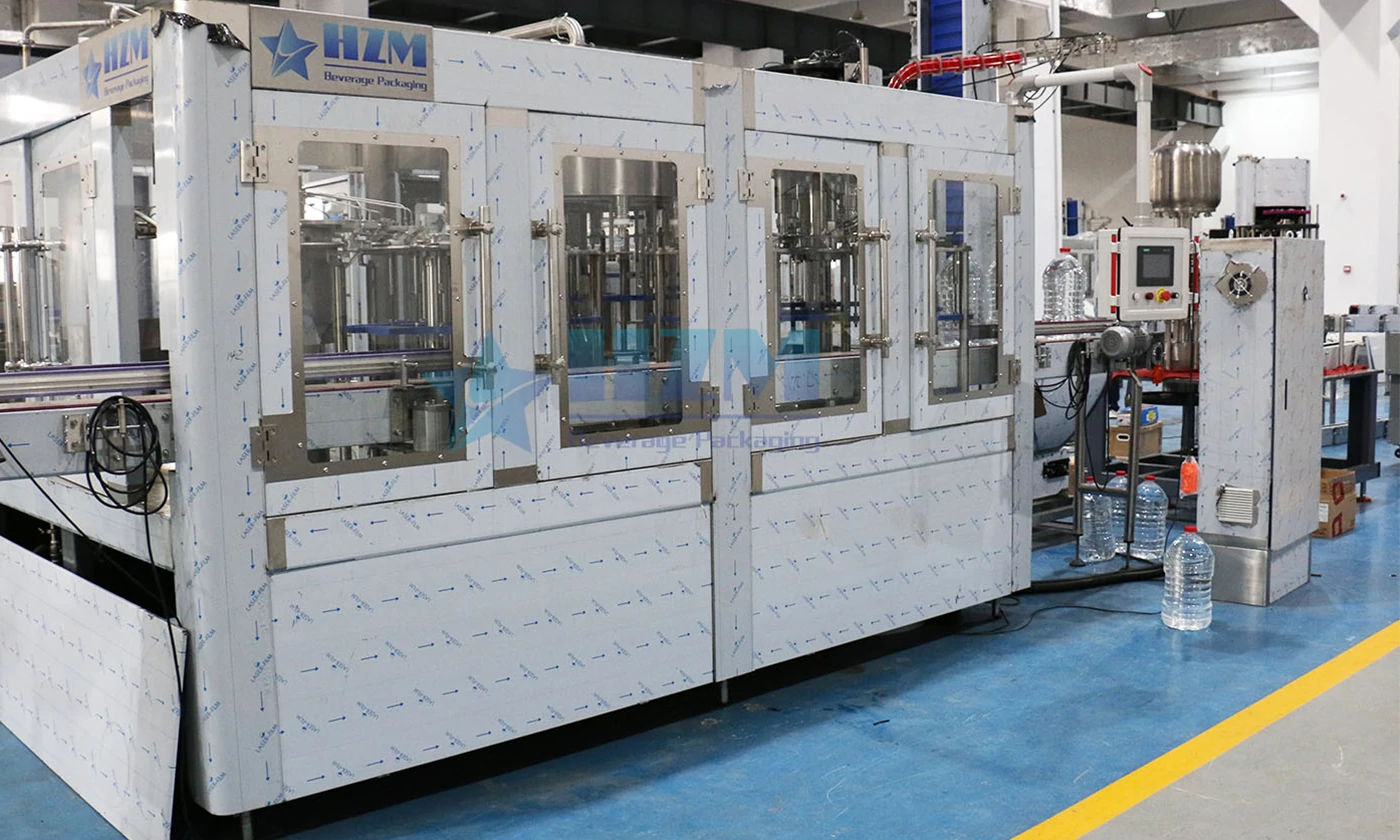
Equipment
5L-10L Large Bottle Drinking Water production line
XGF12-12-4 rinsing, filling and capping for 5 L and 10 L water bottles, with stable outputs of 1,200 and 700 bottles/hour respectively.
Learn more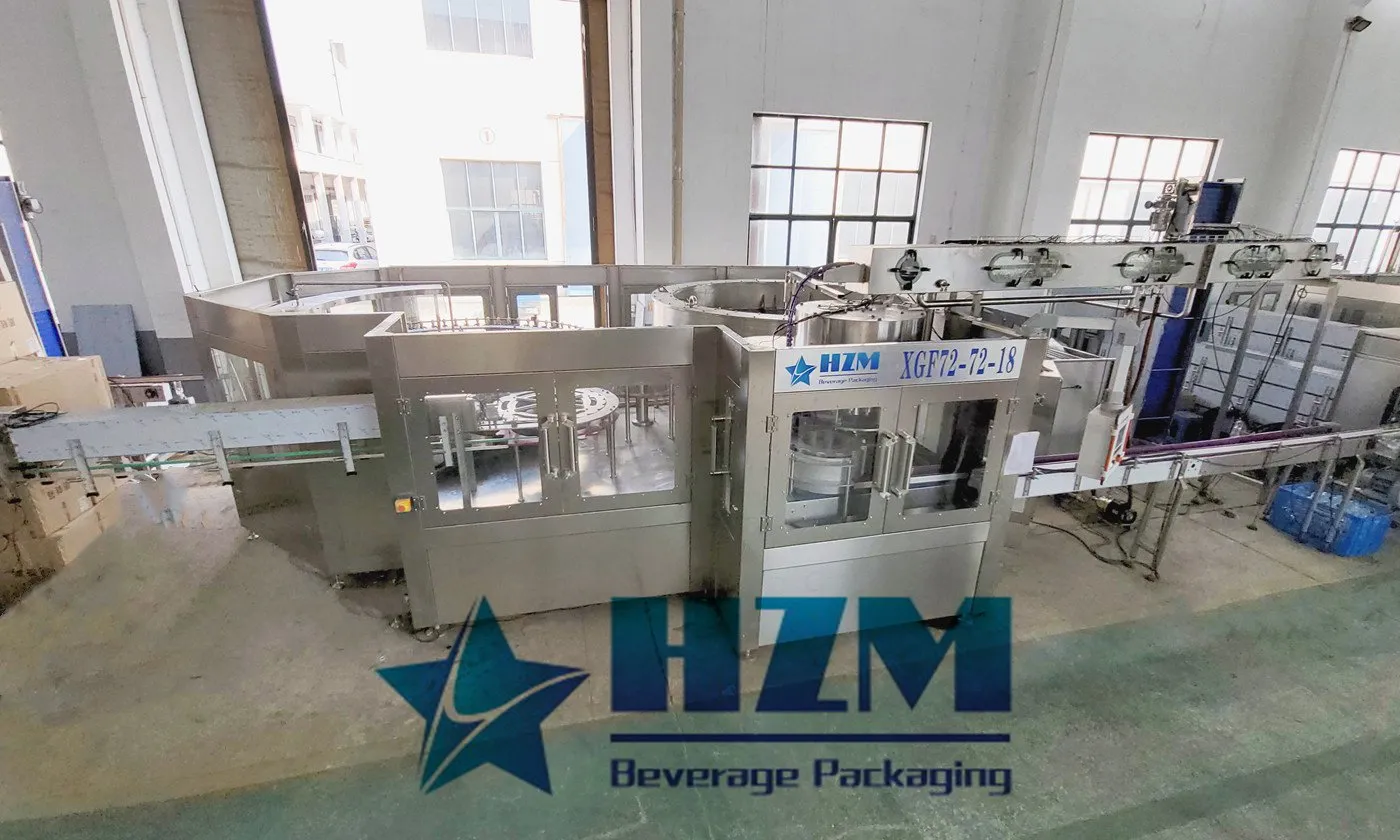
Equipment
Automatic Water Bottle Filling Machine
Automatic rinsing, filling and capping for purified and mineral water in PET bottles, with capacities of 5,000–42,000 bottles/hour at 500 ml.
Learn more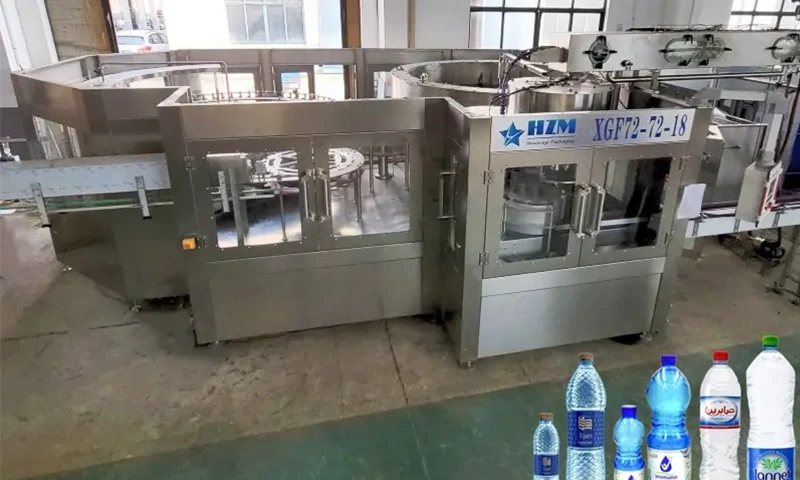
Equipment
3-In-1 Water Bottle Filling Machine
A 3-in-1 PET bottle rinsing, filling and capping machine for drinking water, from 5,000 to 18,000 bottles/hour at 500 ml.
Learn more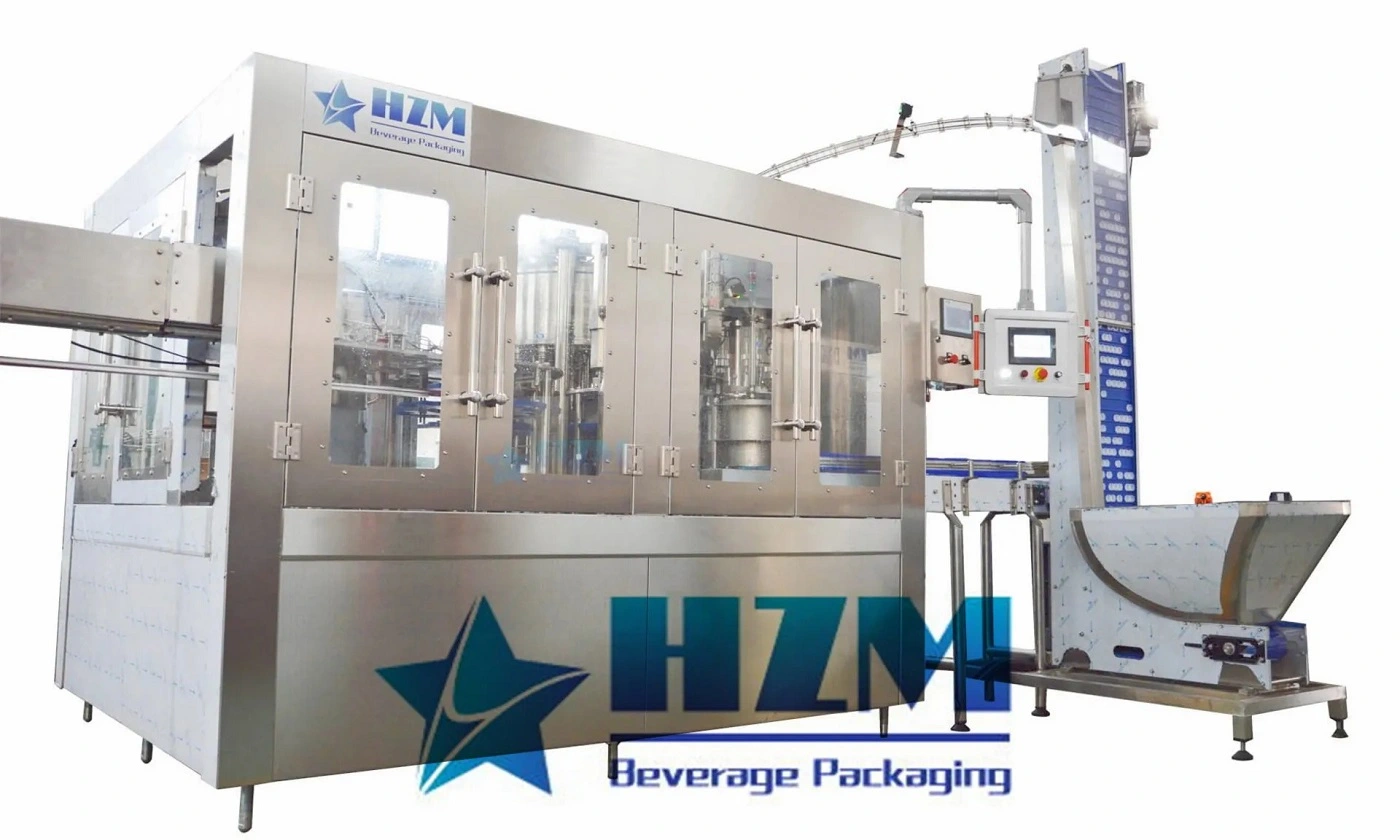
Equipment
Automatic Drinking Water Bottling Machine
Drinking-water bottling equipment with automatic rinsing, filling and capping, plus conveying, labelling and packing options.
Learn more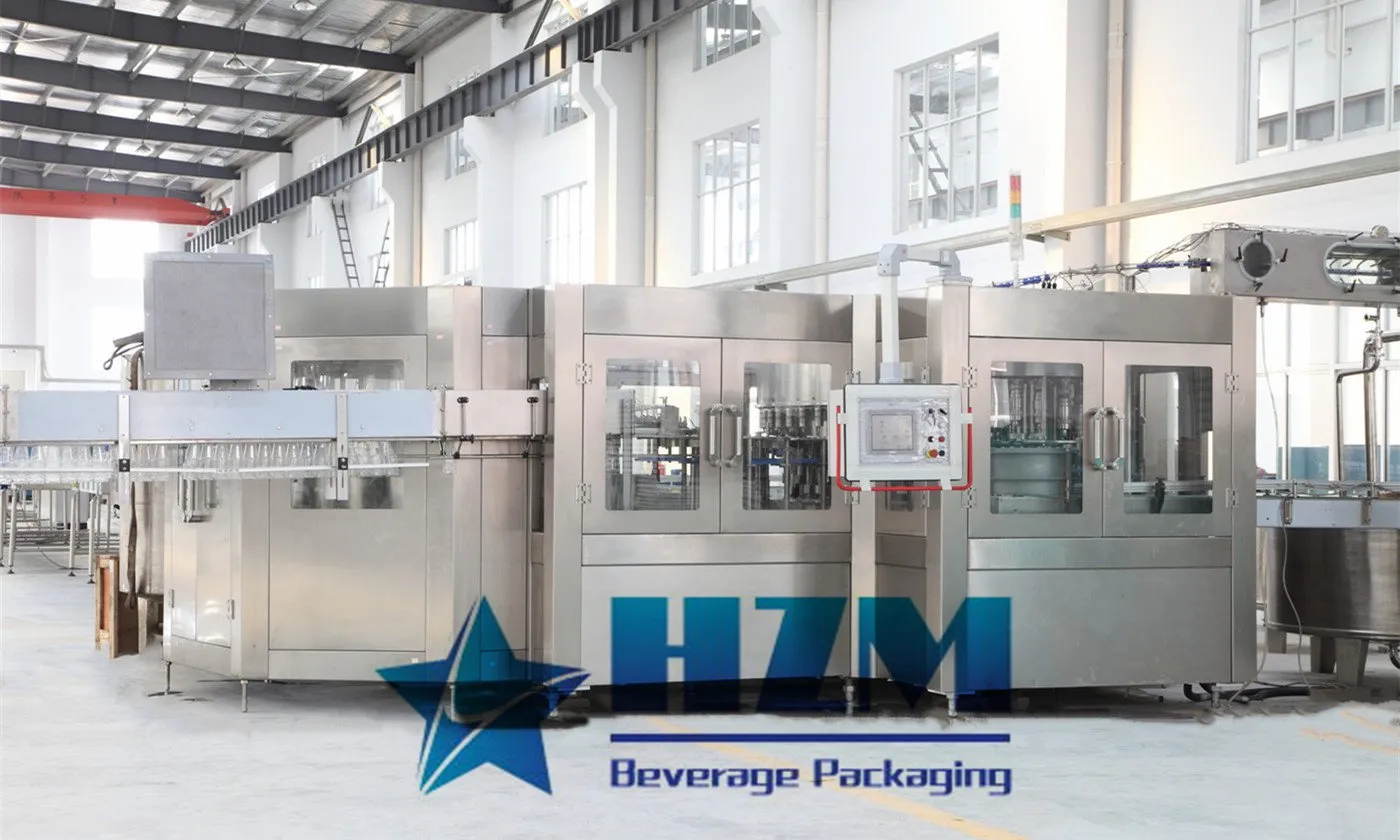
Equipment
PET Bottle Water Filling Machine
PET bottle water filling with automatic rinsing and capping, for purified water, mineral water and still drinking water.
Learn more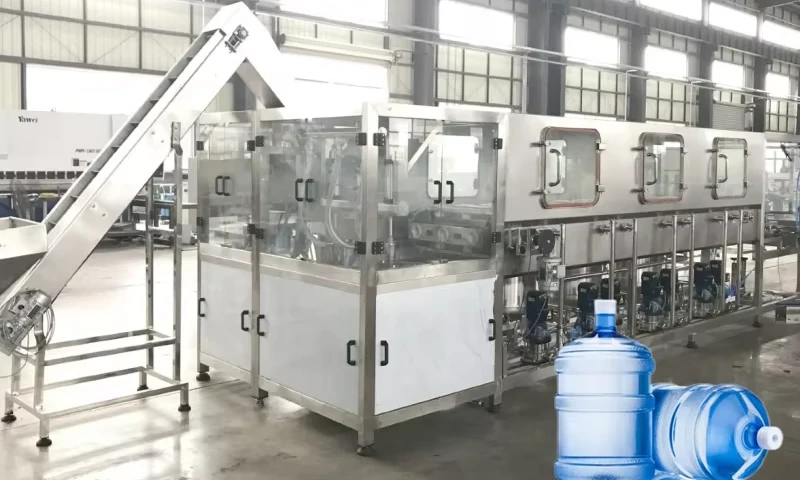
Equipment
Automatic 5 Gallon Water Filling Line | 3-5 Gallon Bottled Water Production Line Manufacturer
The automatic 3–5 gallon water filling line washes, fills and caps returnable jars for purified-water and mineral-water production.
Learn more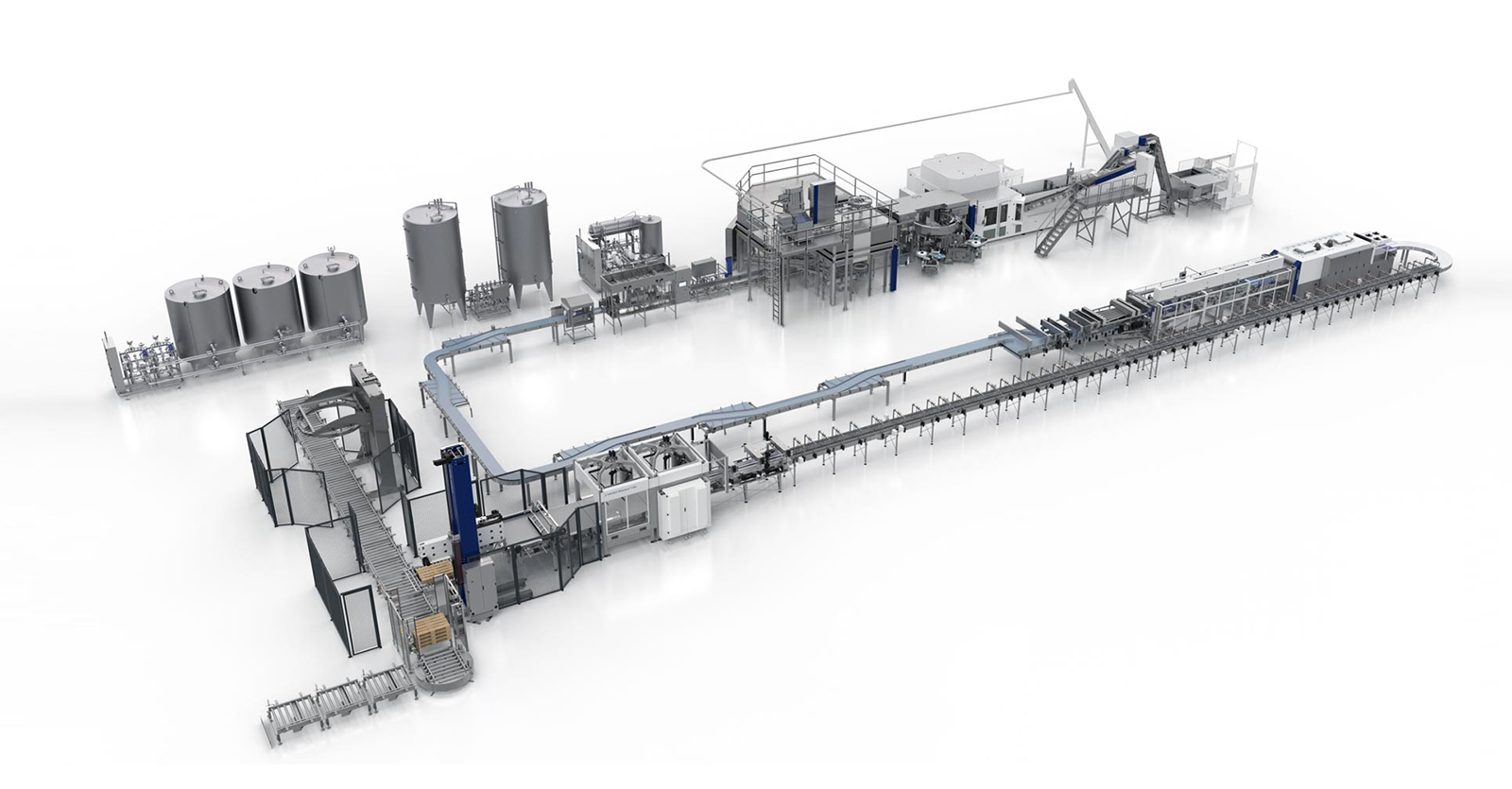
Equipment
Packaged Drinking Water Production Line
Complete packaged drinking-water production with treatment, bottle supply, rinsing, filling, capping and finished-bottle packing.
Learn more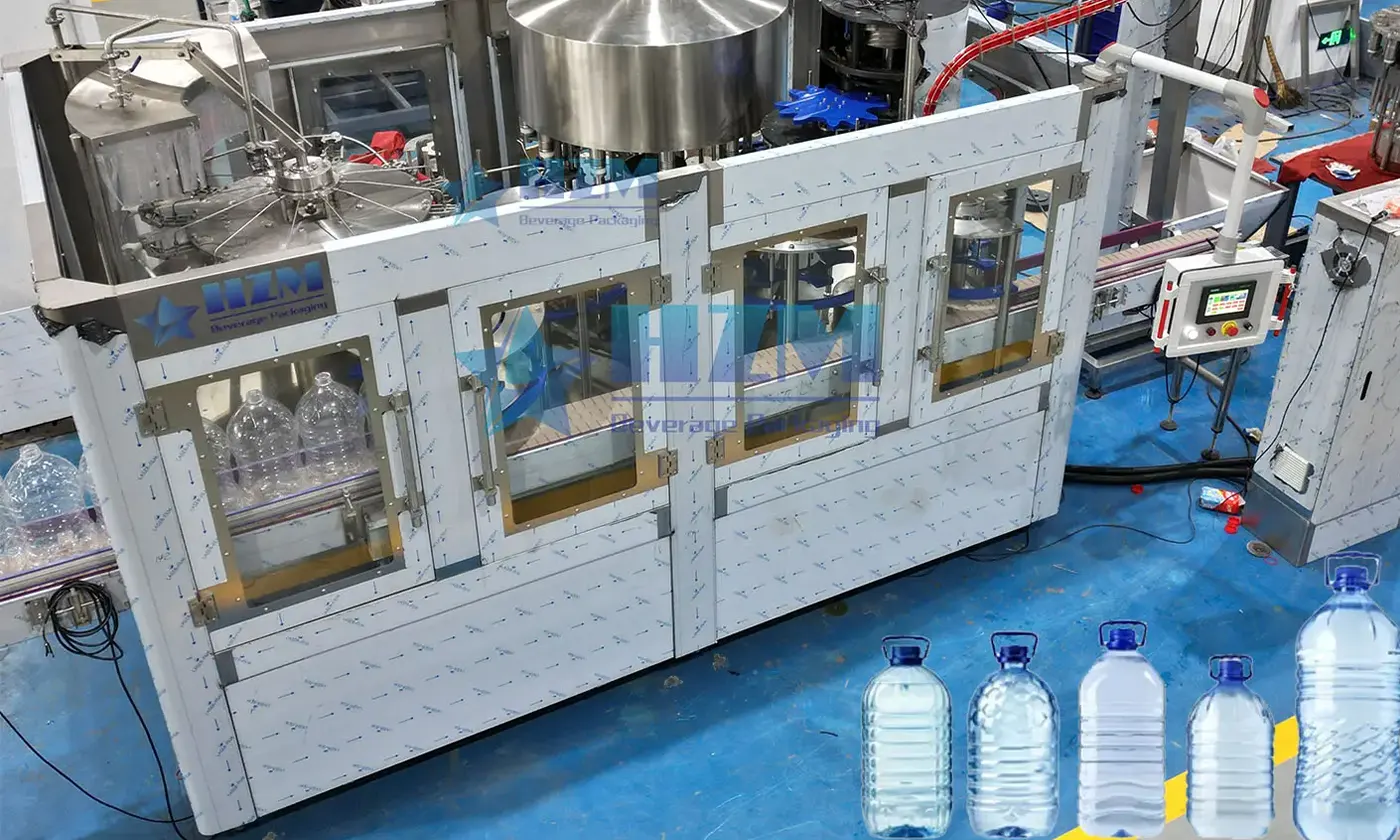
Equipment
Bottled Water Filling Machine & Turnkey Water Bottling Line
Bottled water filling machines and turnkey lines for purified and mineral water, with dedicated small-bottle, large-bottle and gallon-jar systems.
Learn more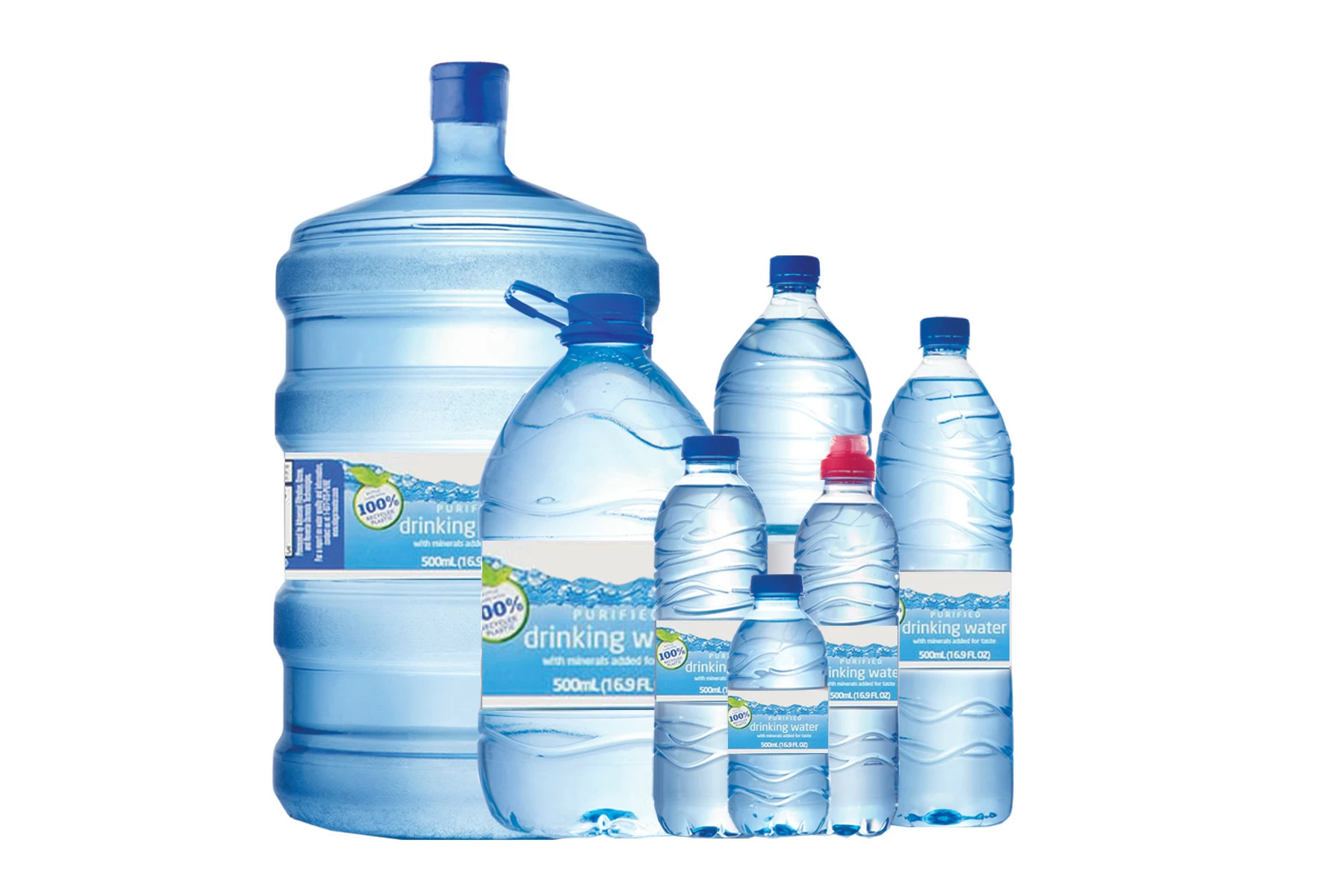
2023-11-21
Bottle Water Filling Machines and Production Line Equipment price
This article will delve into the price range of Bottle Water Filling Machines and the full set of production line equipment provided by HZM Machinery, providing you with a comprehensive understanding and reference.
Learn more2023-12-15
How to Choose Bottled Water and Beverage Production Line Equipment
Choosing the right bottled water and beverage production equipment is a crucial factor in establishing a successful factory. Simultaneously, a detailed understanding of the production process, market dynamics, and strategic planning is essential for the success of any enterprise.
Learn more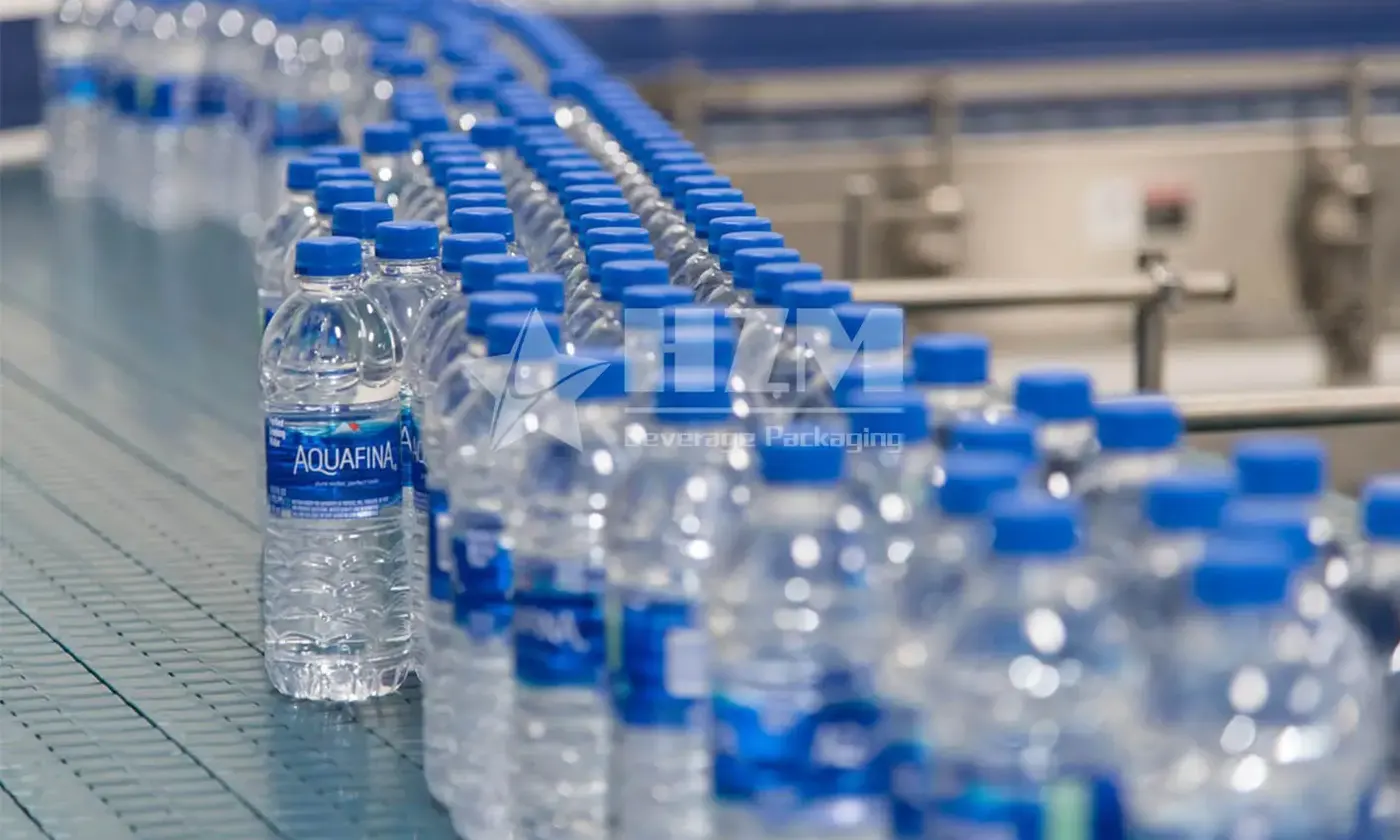
2023-12-17
How to Choose High-Quality Bottled Water and Beverage Production Equipment?
Prioritize equipment with strong technical performance, including considerations for product quality (appearance, taste, nutritional content adhering to national standards), production speed (hourly capacity, daily output), energy consumption (water, electricity, gas, raw materials, packaging costs, and labor), product diversity, and adaptability.
Learn more2023-06-06
HZM Water Filling Line: Your Reliable Supplier for Complete Equipment Solutions
HZM Water Filling Line is dedicated to offering efficient and reliable equipment and services to water production enterprises.
Learn more
2025-04-21
Automatic Drinking Water Filling Production Line Equipment
The automatic drinking water filling production line is a highly efficient set of equipment that integrates water treatment, filling, capping, labeling, and packaging. It is widely used for industrial-scale production of bottled drinking water such as mineral water, purified water, and spring water. Empty bottles → Star-wheel bottle feeding → Pre-wash (inside & outside) → Rotary cleaning → Secondary spray rinsing → Filling → Screw-capping / shrink-film sealing → Labeling → Online checkweighing → Inkjet coding → Conveying → Packing / Palletizing
Learn more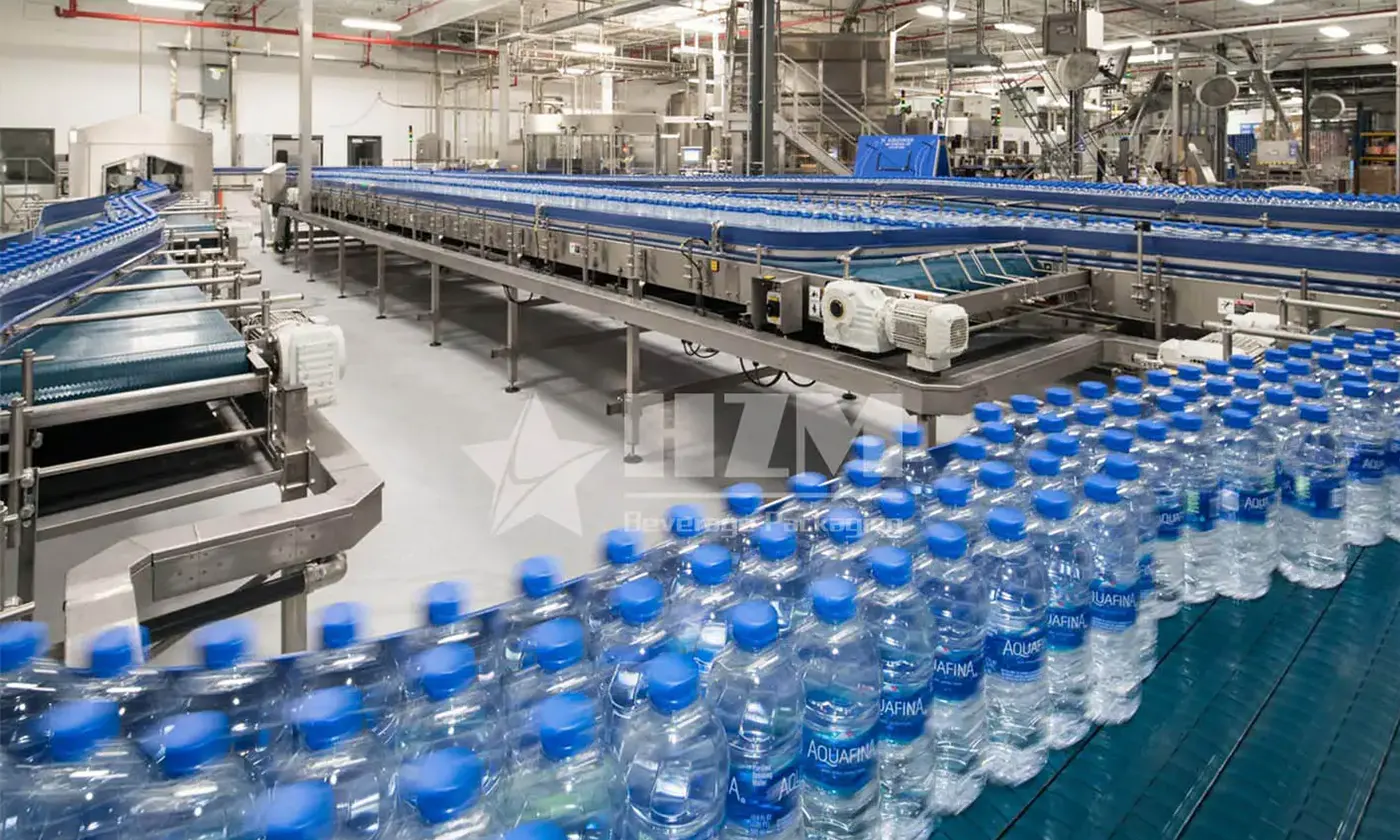
2024-02-28
Drinking Water Filling Production Line
Drinking Water factories play a crucial role in safeguarding people's health, with the process selection of water production systems being fundamental to ensuring water quality. The Drinking Water bottling production line is a vital component of this system, divided primarily into three main parts: pretreatment, reverse osmosis unit, and precision treatment.
Learn more