
Preforms Jam Between the Hopper, Oven and Mould
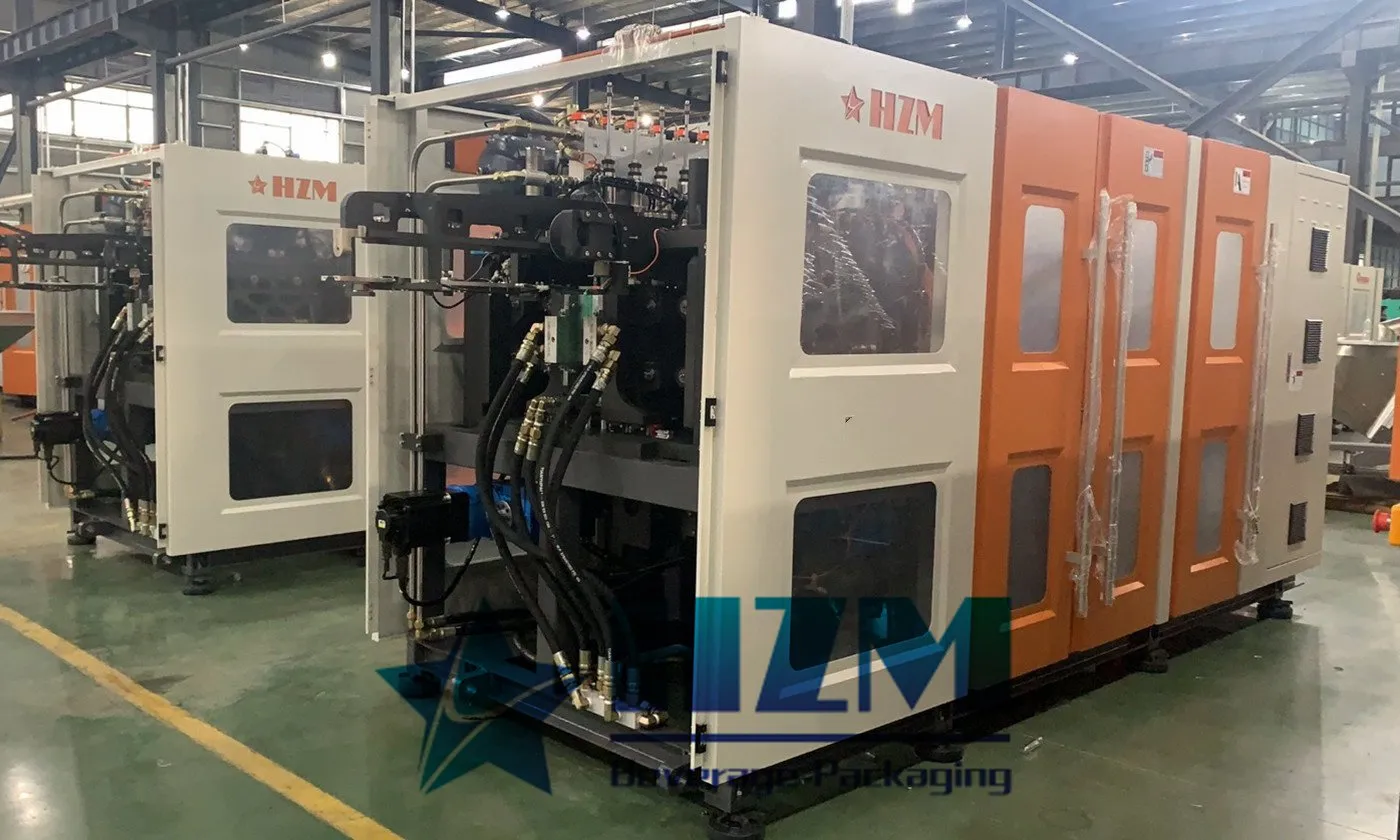
Locate the first loss of orientation or pitch. Check preform dimensions and static, rail spacing, unscrambler speed, spindle wear, transfer timing, neck contamination and heat distortion.
Isolate high-pressure air, electrical power, heating circuits and motion energy before entering the guarded area. Treat hot oven components and pressurized blowing circuits as stored-energy hazards.
Locate the fault
- Preforms bridge in the elevator or sorter
- Necks overlap on the feed rails
- A preform drops from the heating spindle
- Jams increase with lightweight or short-neck preforms
Inspection sequence
- Mark the first jam point before clearing downstream accumulation
- Measure good and jammed preforms against the supplier drawing
- Verify rail gap, slope and feed speed with the approved gauge
- Inspect for dust, oil, static and damaged packaging
- Inspect spindle and gripper condition under isolation; use the approved guarded test mode for any transfer-motion check
- Compare sorter, oven and blow-wheel speed references and phase
Corrective work
- Contain out-of-tolerance or contaminated preforms
- Set rails and guides to the specified neck support
- Clean the feed system and apply only approved static-control measures
- Replace worn handling parts and restore synchronized timing
Operating records and follow-up
- Incoming-inspect critical preform dimensions
- Keep feed surfaces clean and dry
- Use dedicated changeover settings by preform
- Trend jam location and lot
- Inspect spindles and grippers before wear causes drops
Equipment details: Automatic Blow Molding Machine.
Need help planning your packaging line?
Share your product, bottle and capacity requirements for a practical equipment recommendation.
Automatic Blow Molding Machine
Automatic PET bottle blowing for water and beverage packaging, with capacities of 12,000–24,000 bottles/hour at 500 ml.
Learn more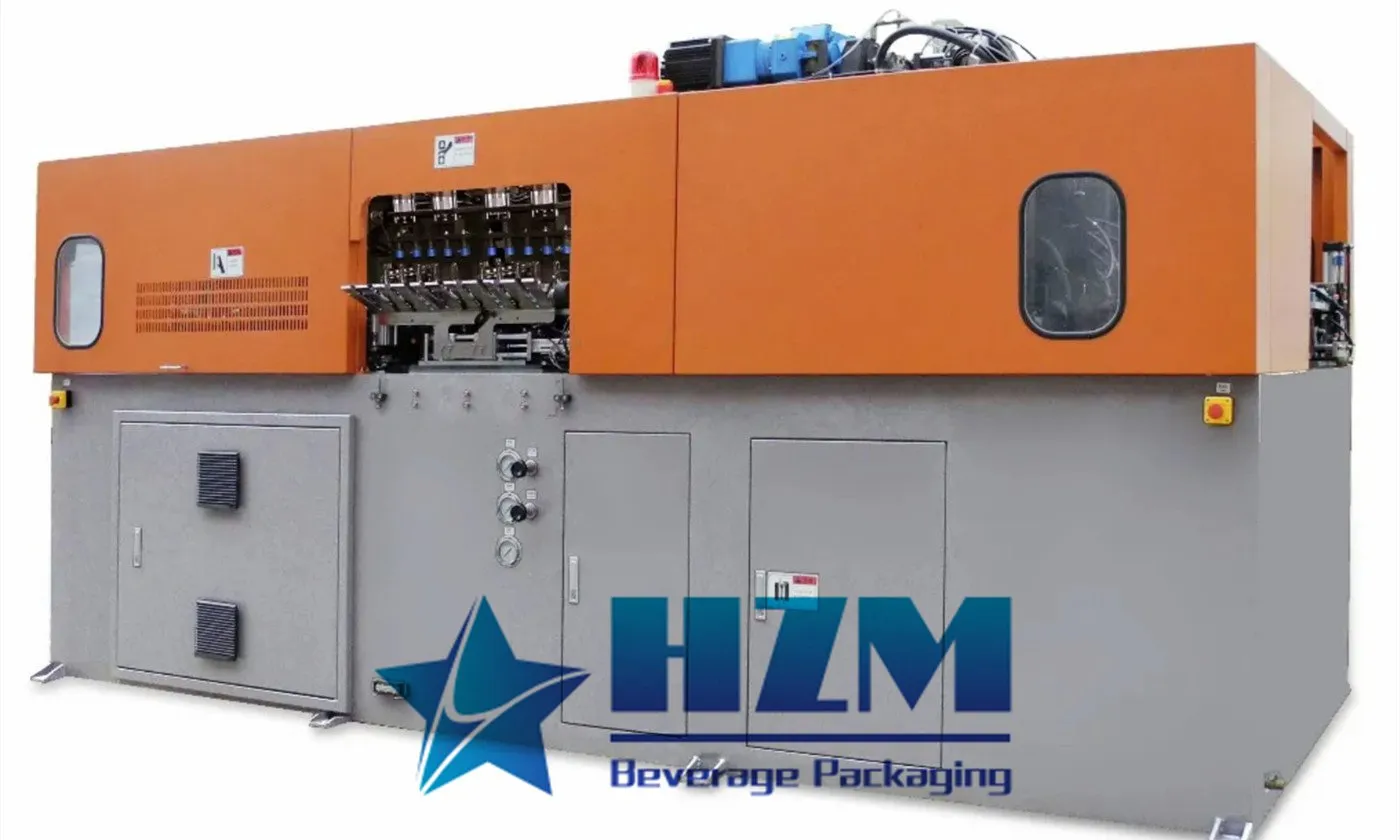
Full Electric Servo Type Blow Molding Machine
Full-electric servo PET blow moulding with 4, 6, 9 or 10 cavities and capacities of 5,400–13,000 bottles/hour at 500 ml.
Learn more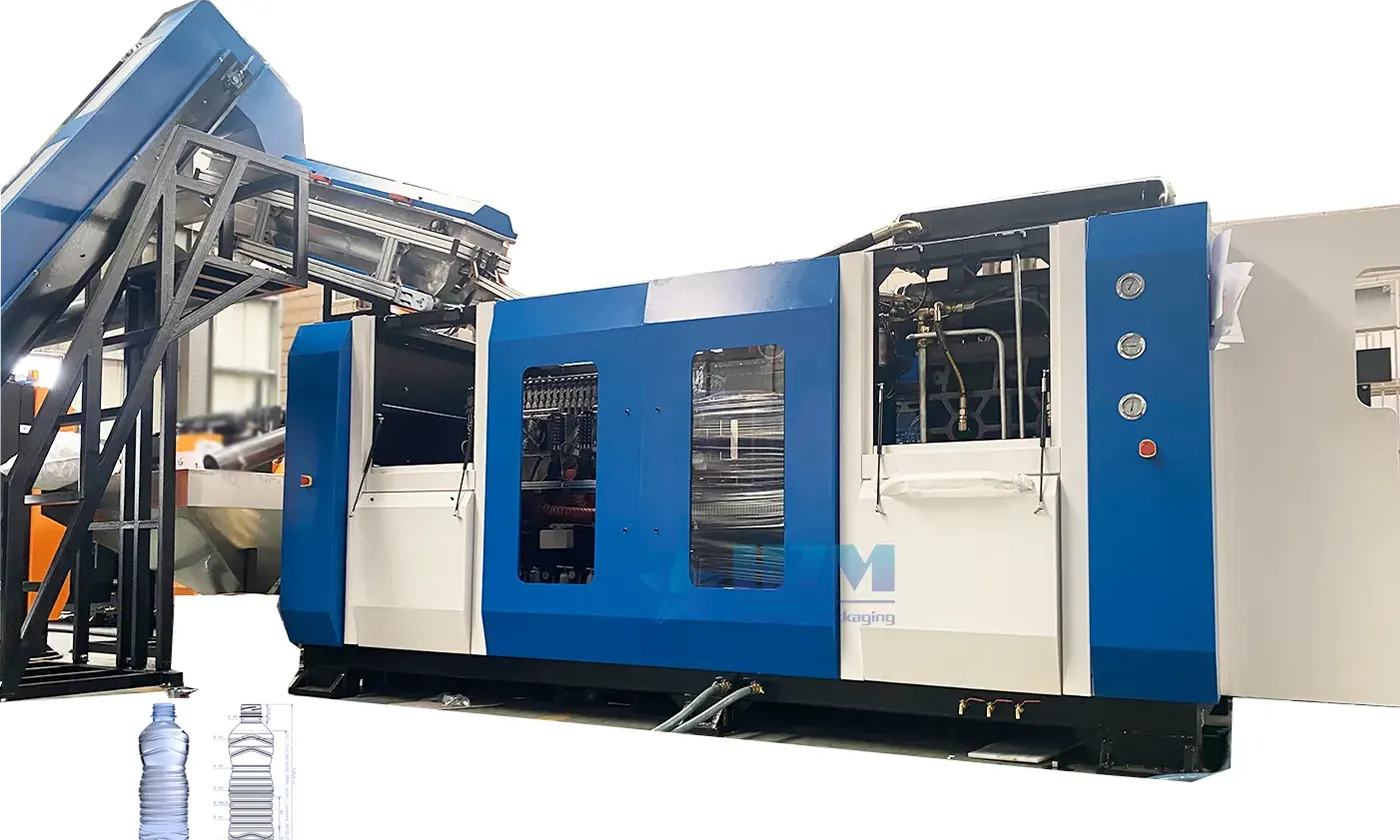
Automatic Water Bottle Blowing Molding Machine
Automatic water bottle blowing from PET preforms, with 6–12 cavities and capacities up to 21,600 bottles/hour at 500 ml.
Learn more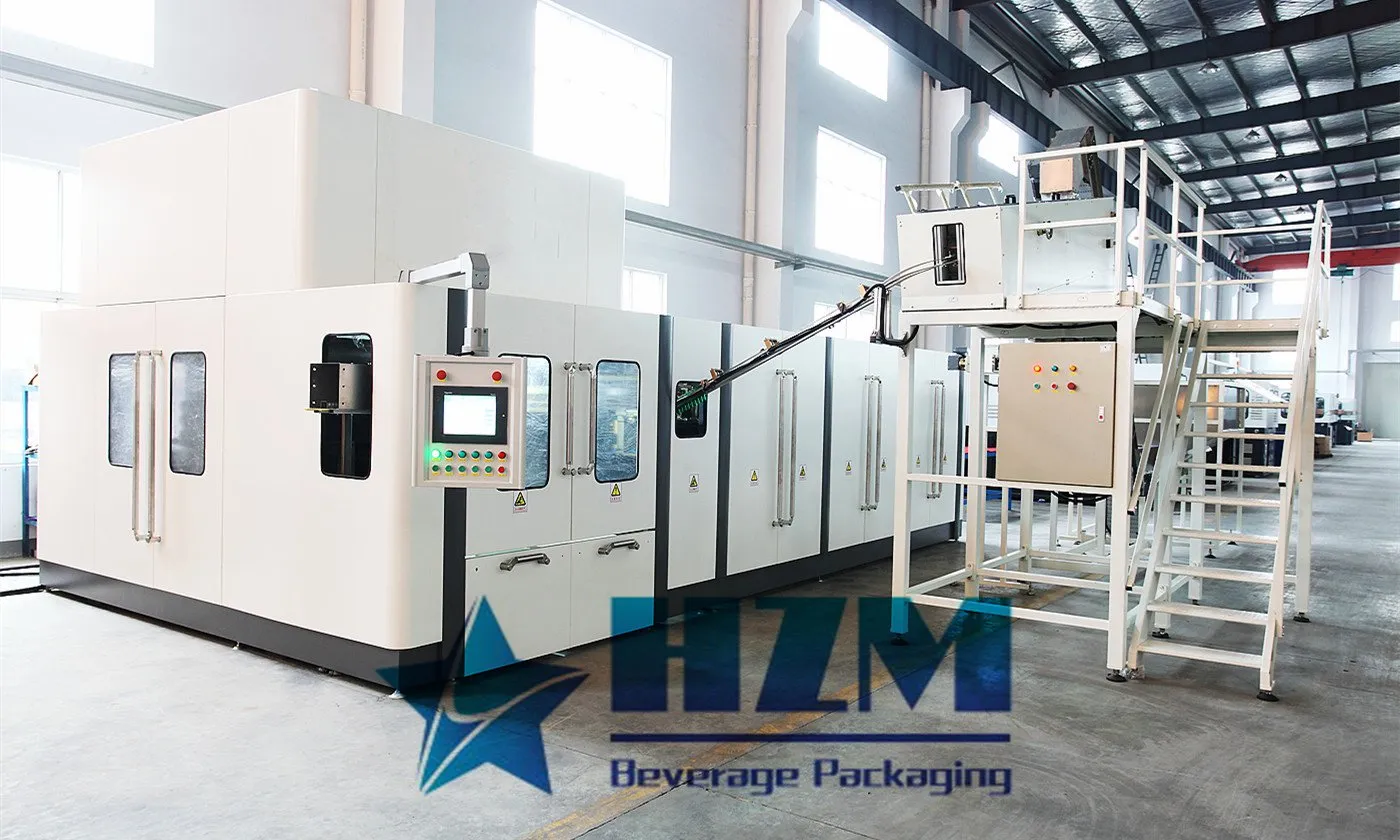
Automatic Rotary Blow Molding Machine
Rotary PET bottle blow moulding for water and beverage packaging, with 6–24 cavities and capacities up to 48,000 bottles/hour at 500 ml.
Learn more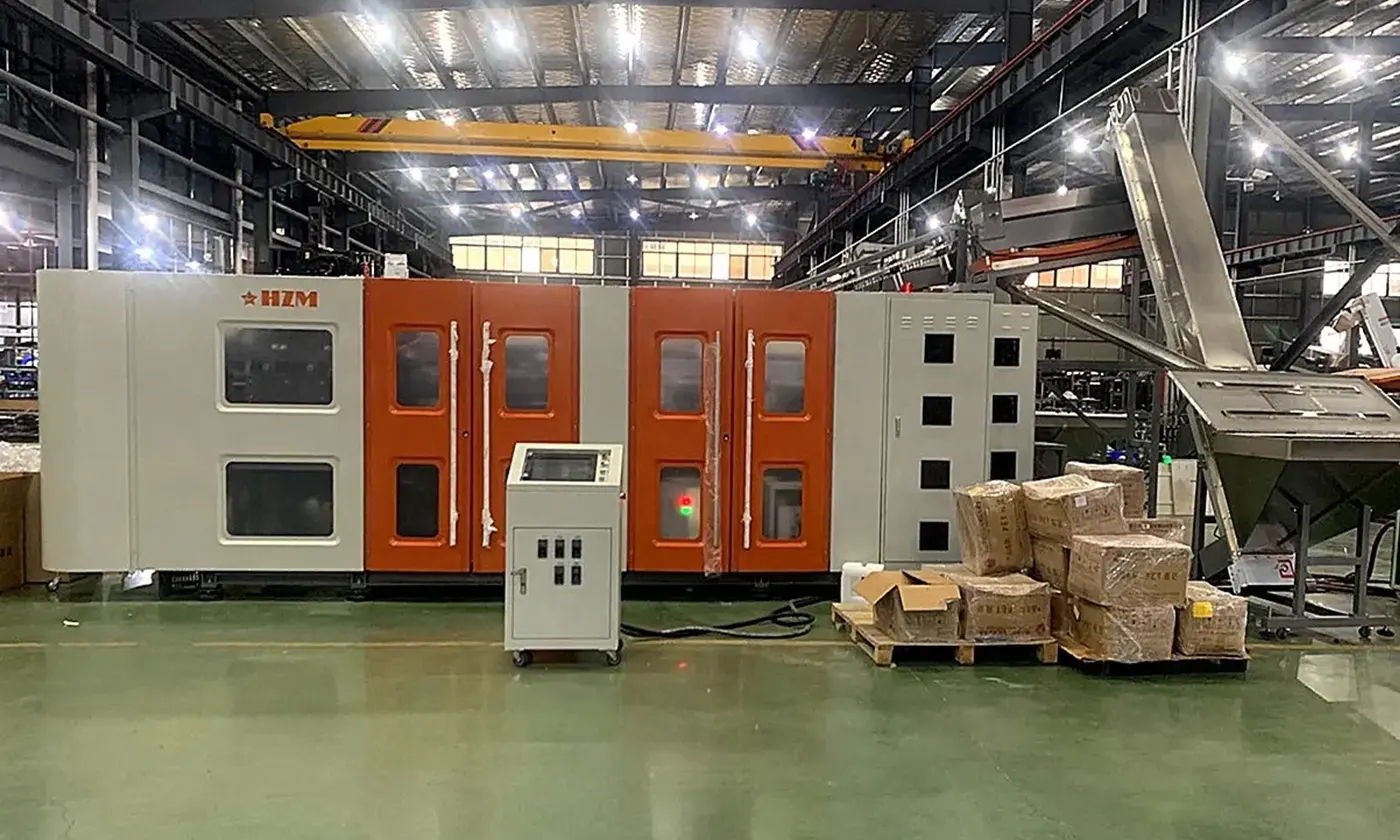
Automatic PET Stretch Blow Molding Machine
Automatic PET stretch blow moulding with 2, 4 or 6 cavities and HZM-ECO model capacities of 1,800–7,000 bottles/hour.
Learn more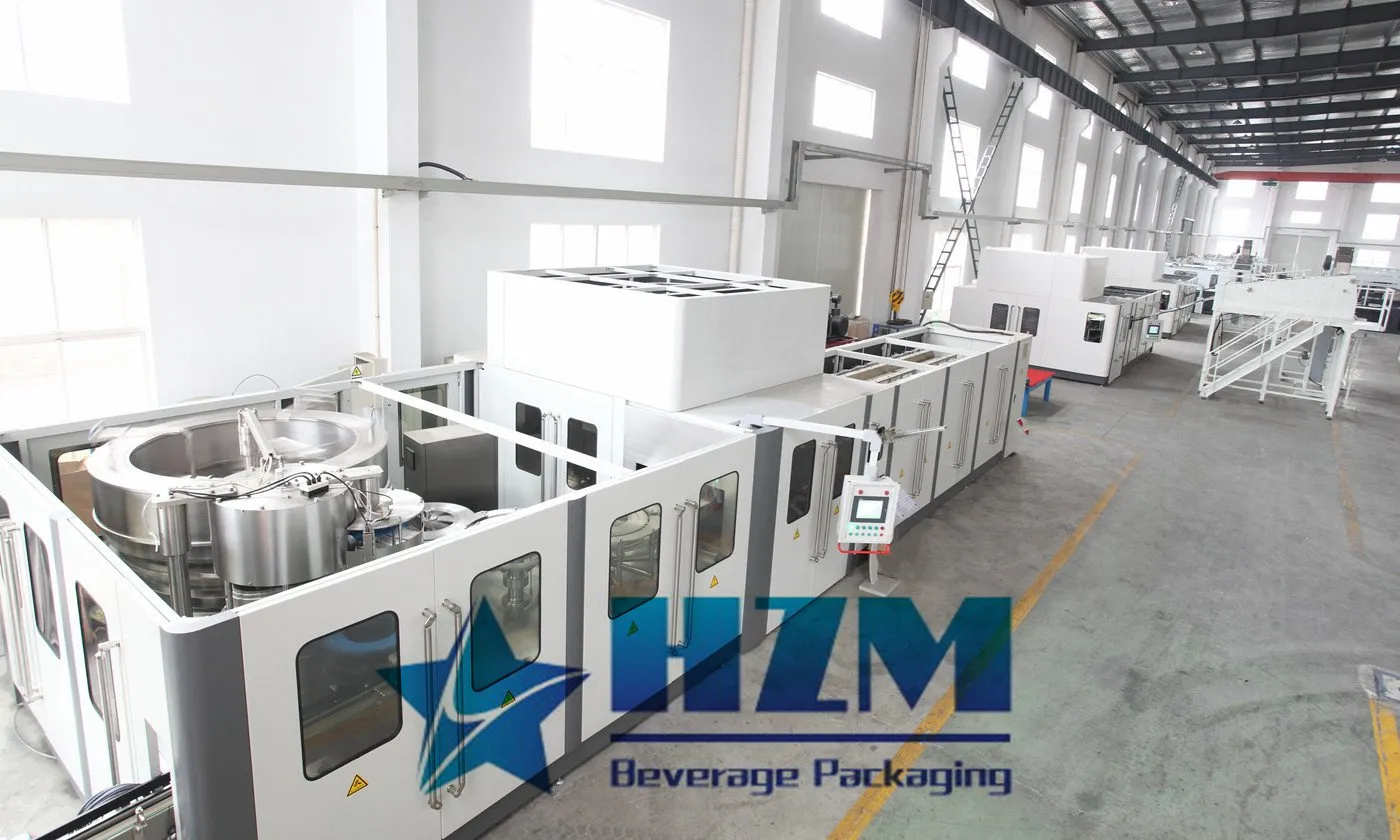
Blowing-Filling-Capping Machine
A PET combiblock that combines preform heating, bottle blowing, filling and capping at 12,000–48,000 bottles/hour at 500 ml.
Learn more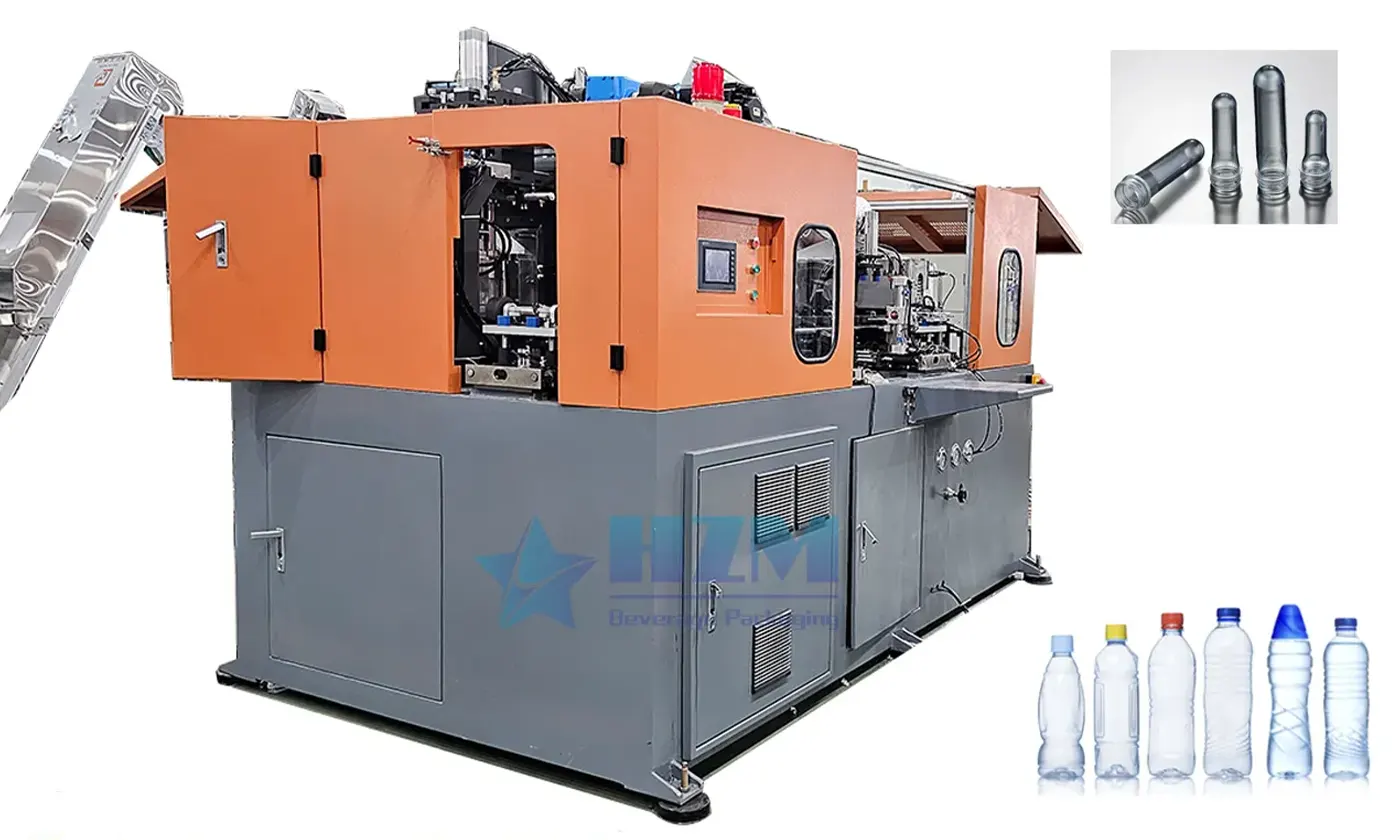
PET Bottle Blow Molding Machine
PET bottle blow moulding with 6–12 cavities and capacities of 12,000–21,600 bottles/hour at 500 ml.
Learn more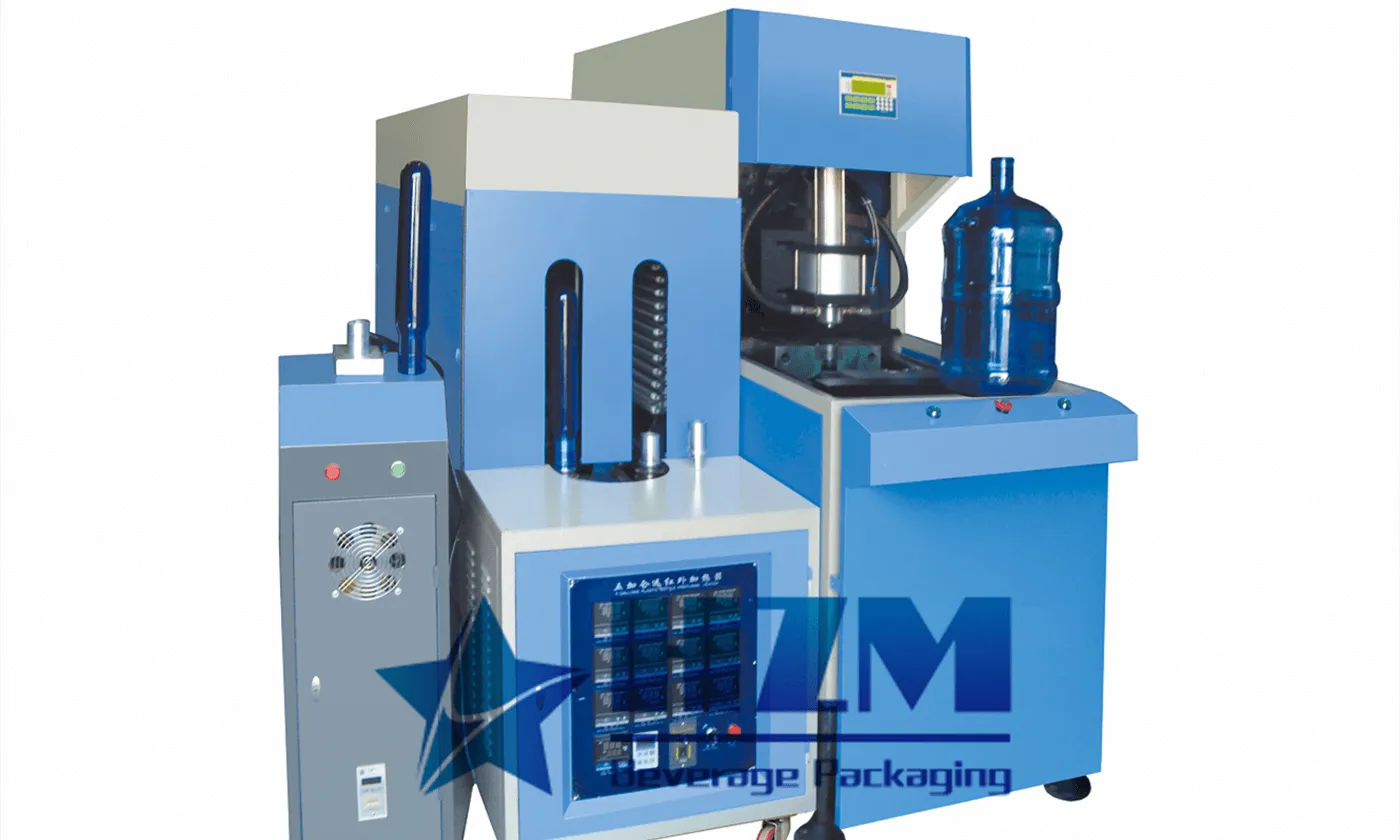
5 Gallon Bottle Blow Molding Machine
This blow moulding machine produces large PET water bottles, including 5-gallon containers.
Learn more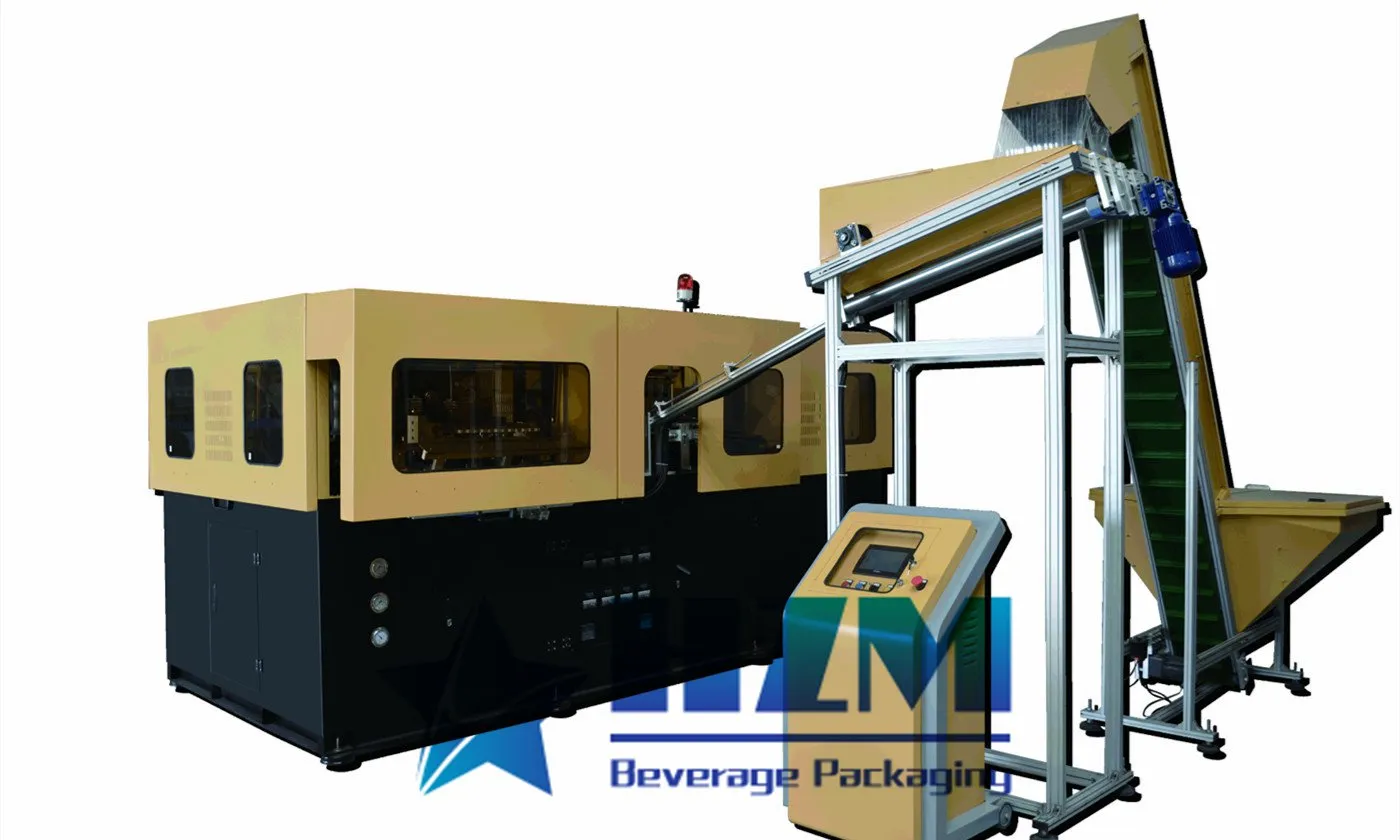
Automatic Oil Bottle Wide Neck PET Bottle Blowing Machine
PET blow moulding equipment for large edible-oil, drinking-water and wide-neck bottles, with bottle sizes up to 5–10 L by model.
Learn moreBlow-Moulder Oven Temperature Drifts During Production
Compare preform exit temperature by heating zone and time, then check lamp output, reflectors, cooling air, voltage, ventilation, spindle rotation, preform spacing and sensor measurement.
Learn moreBlow-Mould Changeover: Define the Complete Job
A mould change includes more than exchanging cavity parts. Cooling connections, stretch components, transfer settings and the selected recipe must all match the new bottle.
Learn morehow does a blow molding machine work
How Does a Blow Molding Machine Work? Exploring the Process with HZM Blow Molding Machine Manufacturer
Learn moreSolutions for Blow Molding Plastic Bottles
This article will discuss the price, HZM manufacturer, functions, applicable industries, solutions, procurement considerations, and maintenance techniques related to blow molding machines.
Learn more
User What are the three types of blow moulding?
Blow molding is a manufacturing process used to produce hollow plastic parts. There are three main types of blow molding: 1、Extrusion Blow Molding (EBM) This is the most common type of blow molding. In EBM, a continuous tube of plastic, called a parison, is extruded (pushed out) from an extruder. The parison is then enclosed […]
Learn moreHigh Efficiency 28000 BPH Automatic Pet Blow Molding Machine
High quality High Efficiency 28000 BPH Automatic Pet Blow Molding Machine from China, China's leading 28000 BPH Automatic Pet Blow Molding Machine product, with strict quality control 28000 BPH Auto Pet Blow Molding Machine factories, producing high quality 800 BPH Blow Molding Machine products.
Learn more