UV Water Sterilizer Shows a Low-Intensity Alarm
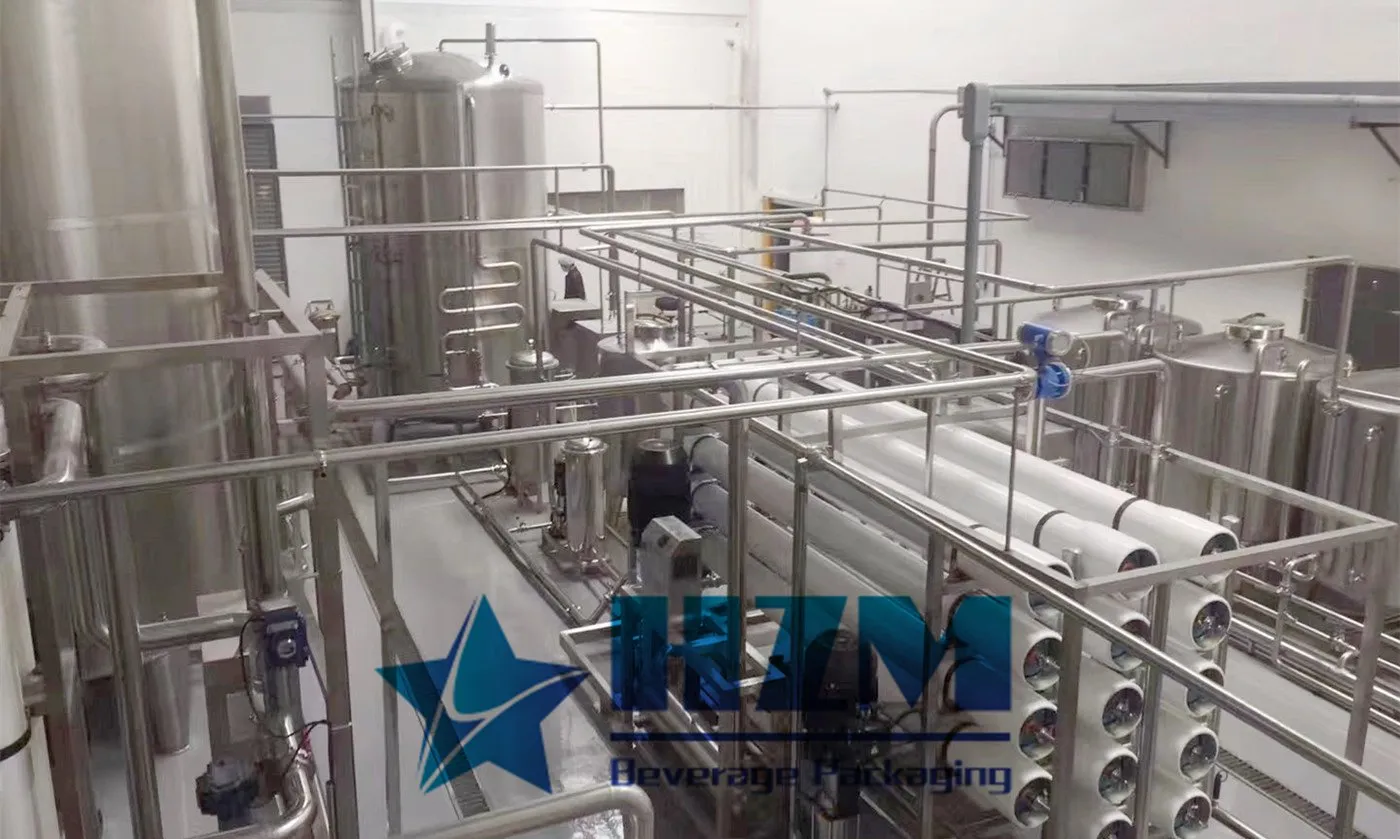
Verify flow and water transmittance, then inspect quartz-sleeve fouling, lamp age, sensor cleanliness, temperature, power supply and calibration. Never assume a lit lamp is delivering the required germicidal output.
Use the plant chemical-handling procedure, suitable PPE and lockout/tagout. Depressurize housings and verify that cleaning chemicals have been displaced before opening a pump, filter or membrane vessel.
Locate the fault
- UV intensity falls gradually during service
- Alarm appears immediately after lamp replacement
- Reading drops only at high water flow
- Quartz sleeves show mineral or organic film
Inspection sequence
- Place water on hold or divert it according to the validated disinfection plan
- Record flow, intensity, lamp hours, temperature and upstream water quality
- Measure UV transmittance with the approved method if available
- Inspect and clean sleeves and sensor window using the specified chemical and handling procedure
- Verify lamp part number, seating, connector and warm-up condition
- Check sensor calibration and ballast or power diagnostics with qualified personnel
Corrective work
- Clean or replace sleeves and damaged seals
- Install the specified lamp and reset hours only after actual replacement
- Correct upstream iron, turbidity or organic breakthrough and reduce flow only within validated limits
- Repair or calibrate the sensor, ballast or power supply
Operating records and follow-up
- Trend UV intensity with flow and transmittance
- Replace lamps by validated output or service interval
- Control hardness and iron ahead of UV
- Inspect sleeves before alarms become critical
- Test alarm and diversion interlocks
Equipment details: Water Treatment Machine Purification System.
Need help planning your packaging line?
Share your product, bottle and capacity requirements for a practical equipment recommendation.
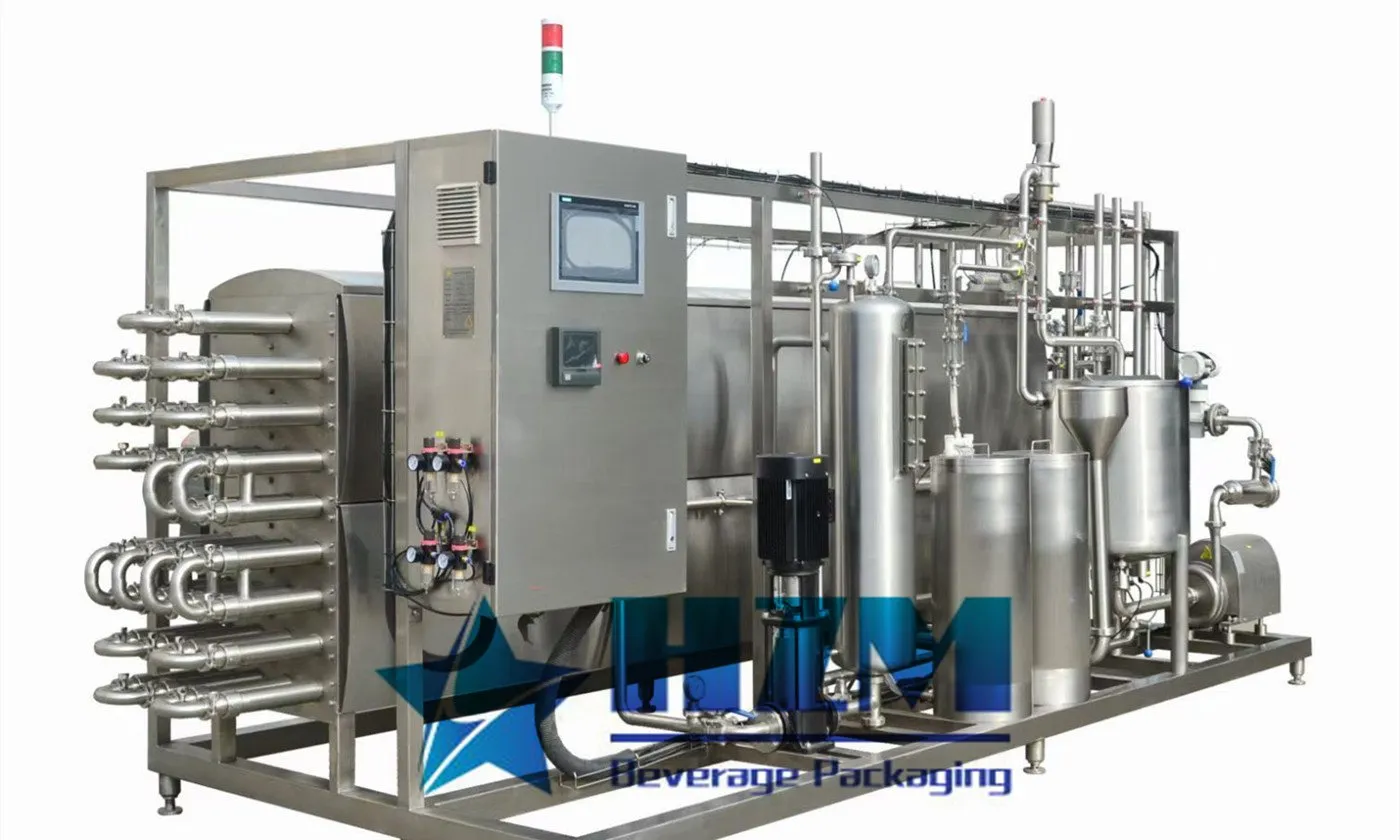
UHT Sterilizer
The UHT sterilizer heats and cools liquid products continuously in a closed system.
Learn more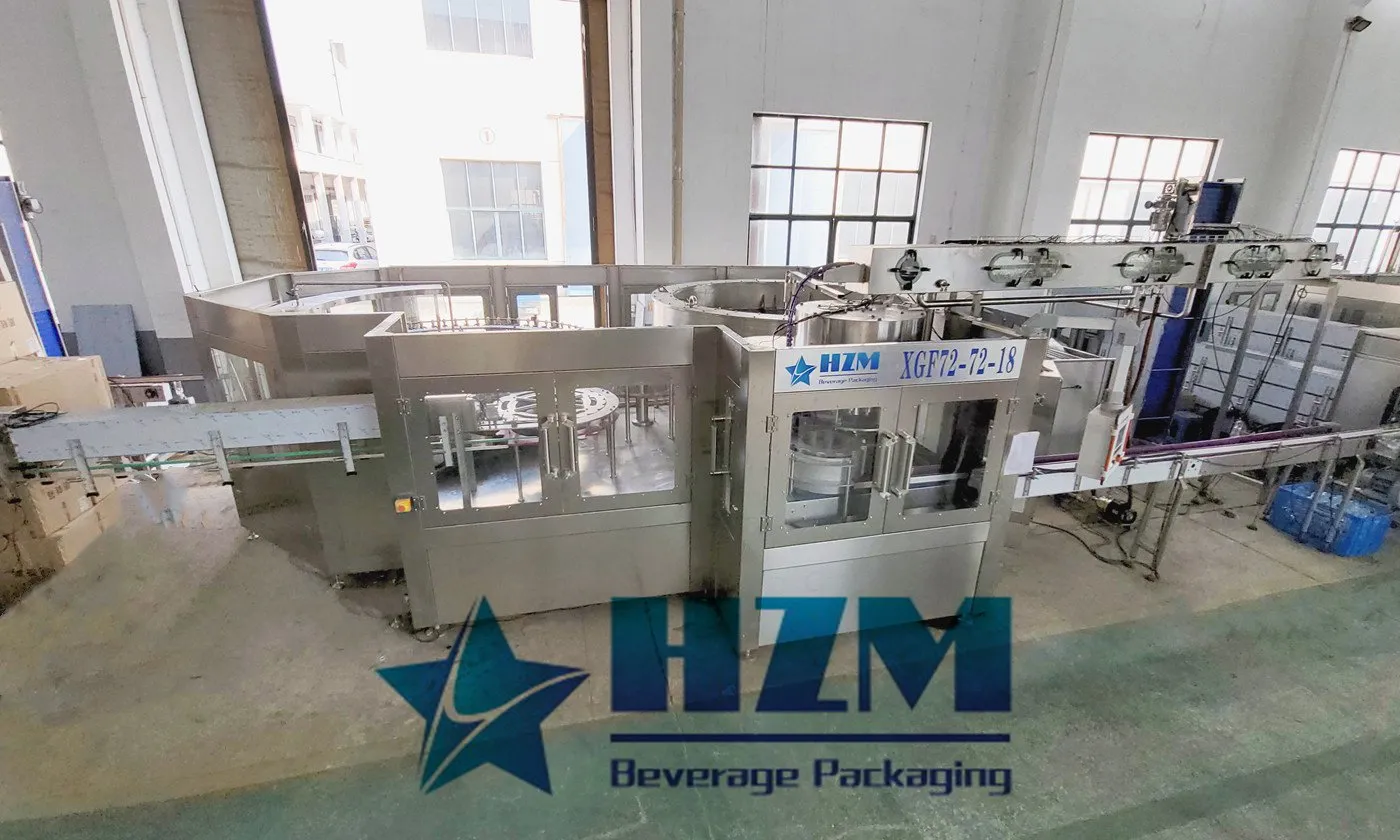
Automatic Water Bottle Filling Machine
Automatic rinsing, filling and capping for purified and mineral water in PET bottles, with capacities of 5,000–42,000 bottles/hour at 500 ml.
Learn more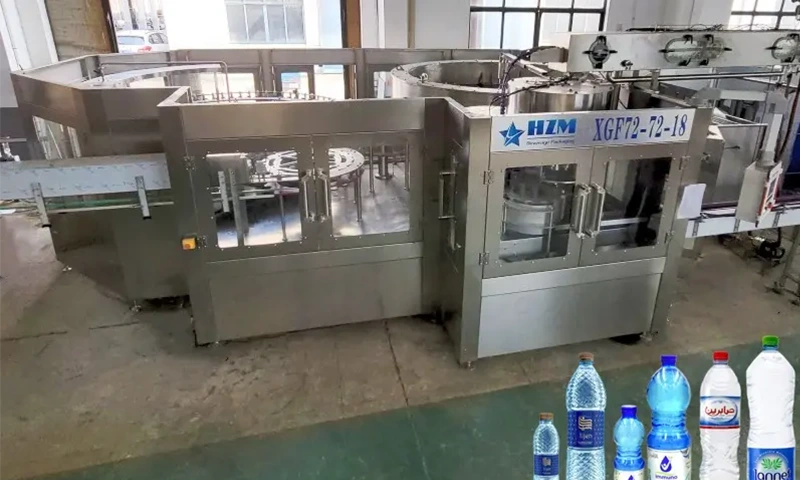
3-In-1 Water Bottle Filling Machine
A 3-in-1 PET bottle rinsing, filling and capping machine for drinking water, from 5,000 to 18,000 bottles/hour at 500 ml.
Learn more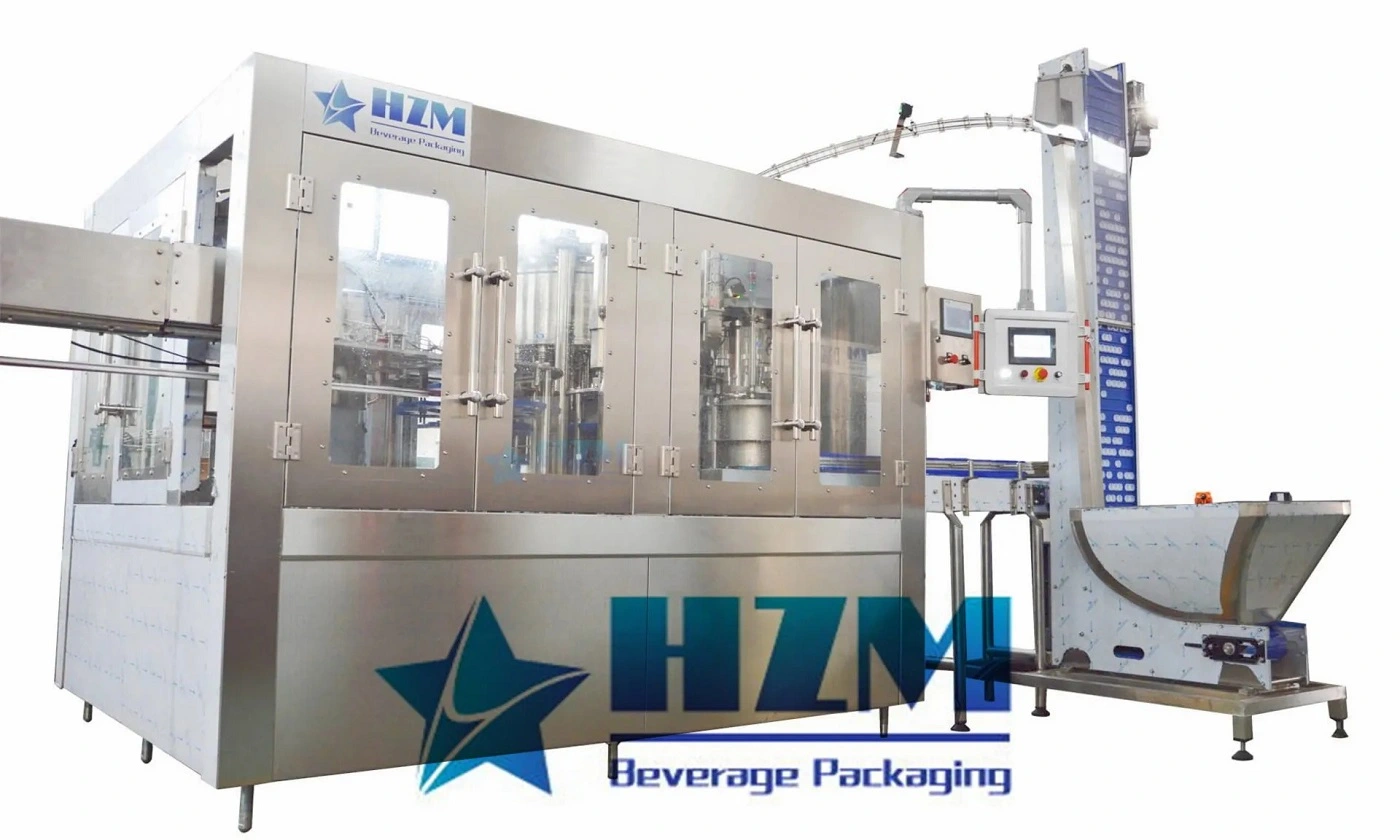
Automatic Drinking Water Bottling Machine
Drinking-water bottling equipment with automatic rinsing, filling and capping, plus conveying, labelling and packing options.
Learn more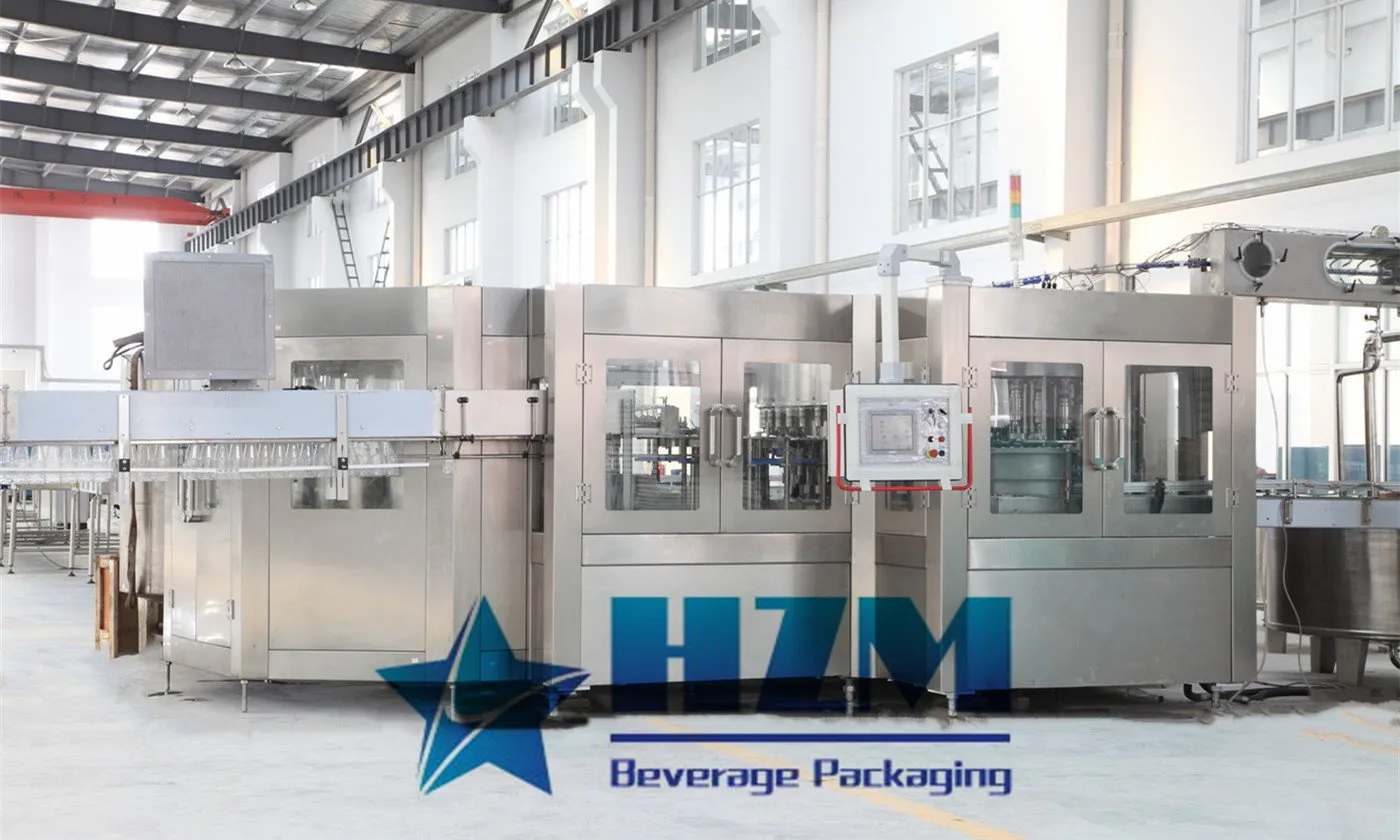
PET Bottle Water Filling Machine
PET bottle water filling with automatic rinsing and capping, for purified water, mineral water and still drinking water.
Learn more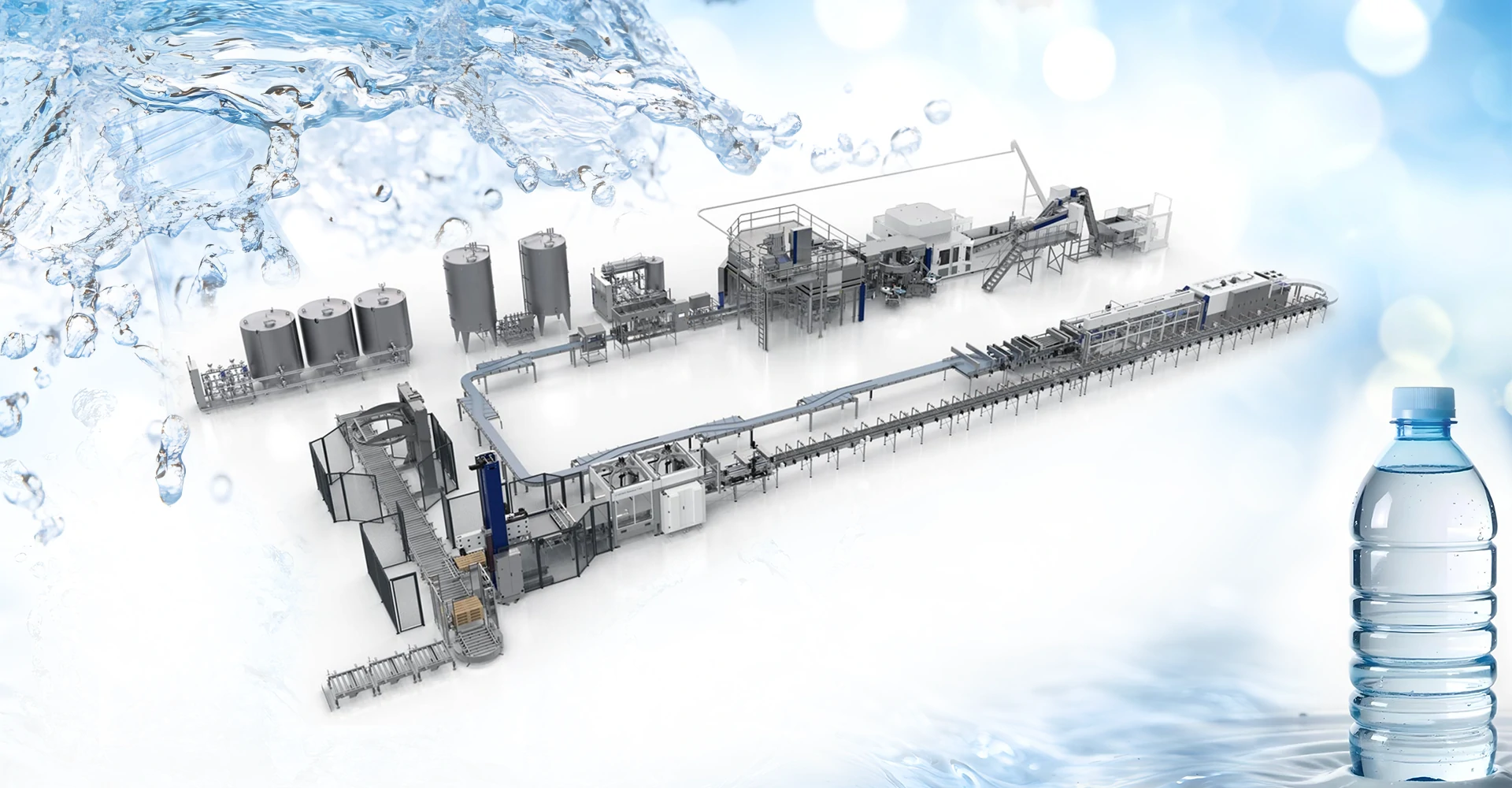
Drinking water production line – Bottled Water Filling Machine Manufacturer
PET-bottled drinking-water production with automatic rinsing, filling and capping, plus water treatment and packaging equipment.
Learn more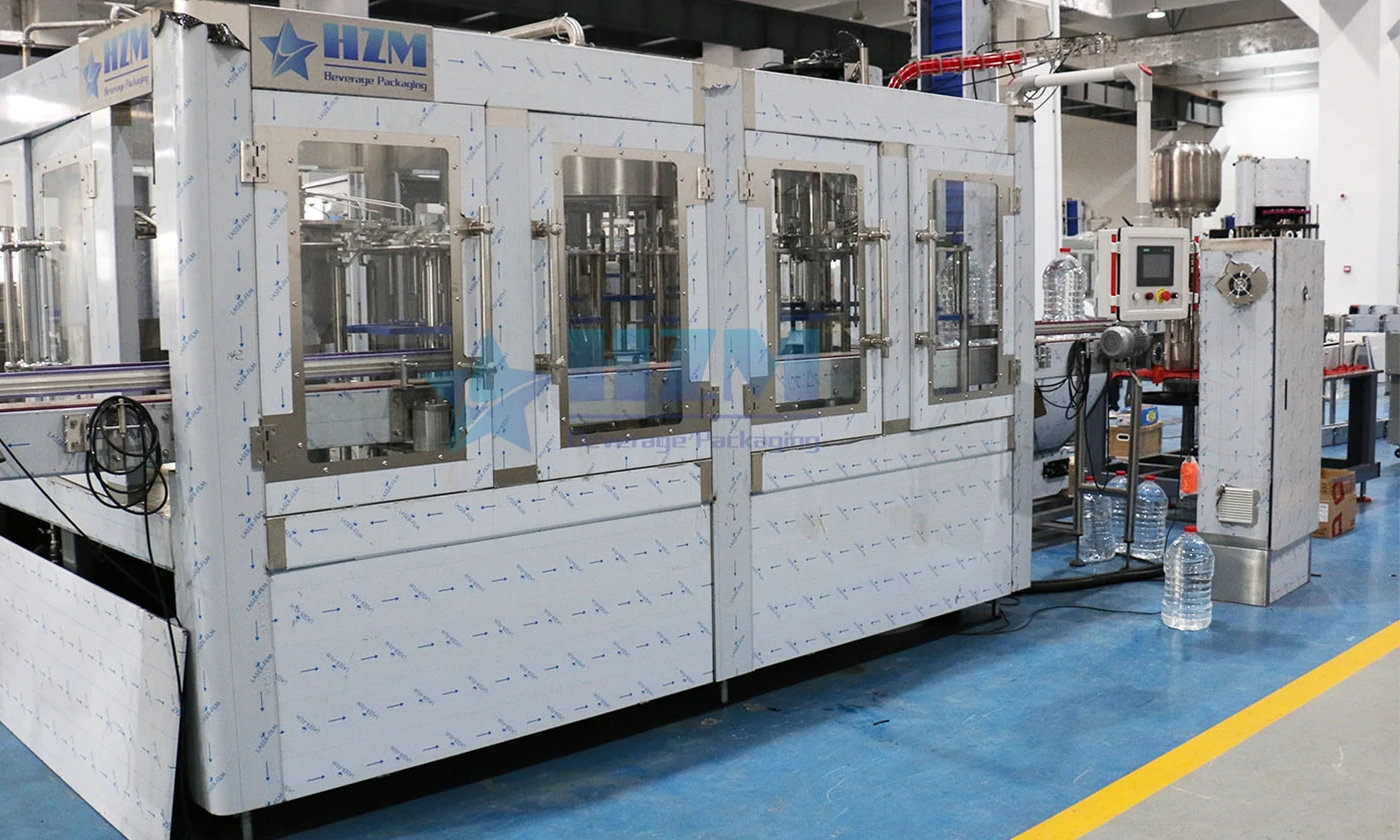
5L-10L Large Bottle Drinking Water production line
XGF12-12-4 rinsing, filling and capping for 5 L and 10 L water bottles, with stable outputs of 1,200 and 700 bottles/hour respectively.
Learn more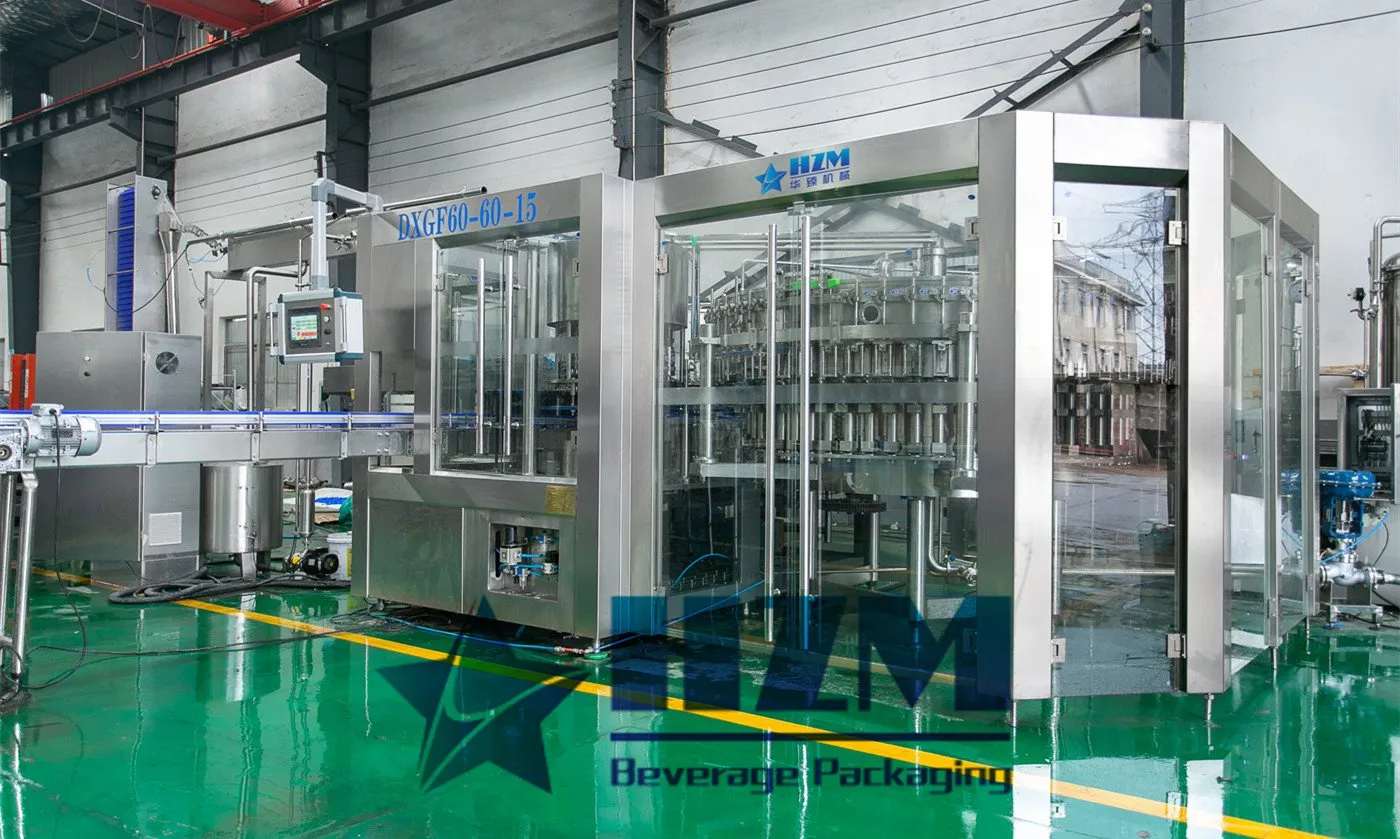
Soda Water Filling Machine
Soda water filling equipment with bottle rinsing, isobaric filling and capping for PET-bottled sparkling water.
Learn more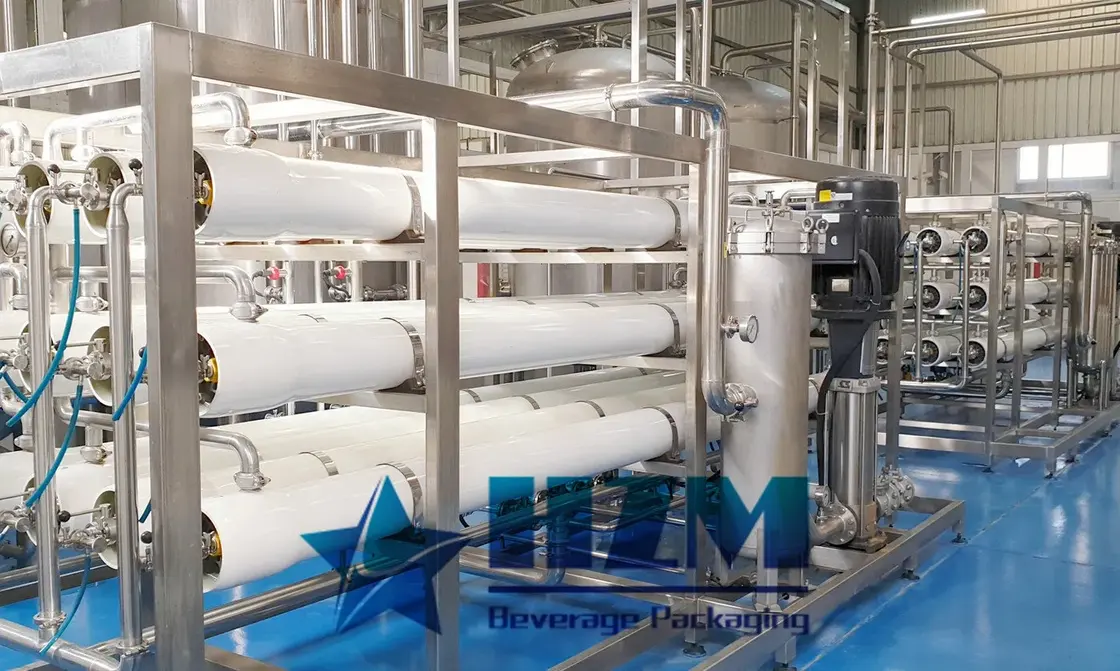
Water Treatment System
HZM water treatment systems prepare process water for bottled water, beverages and brewing.
Learn moreLow-cost PET bottle filling machine
Compare PET filling-machine costs, production capacity, labour, utilities and changeovers to choose equipment that meets your budget and bottle requirements.
Learn moreOzone Generator Output Is Low in a Bottled-Water Plant
Separate ozone generation from mass transfer and ozone demand.
Learn more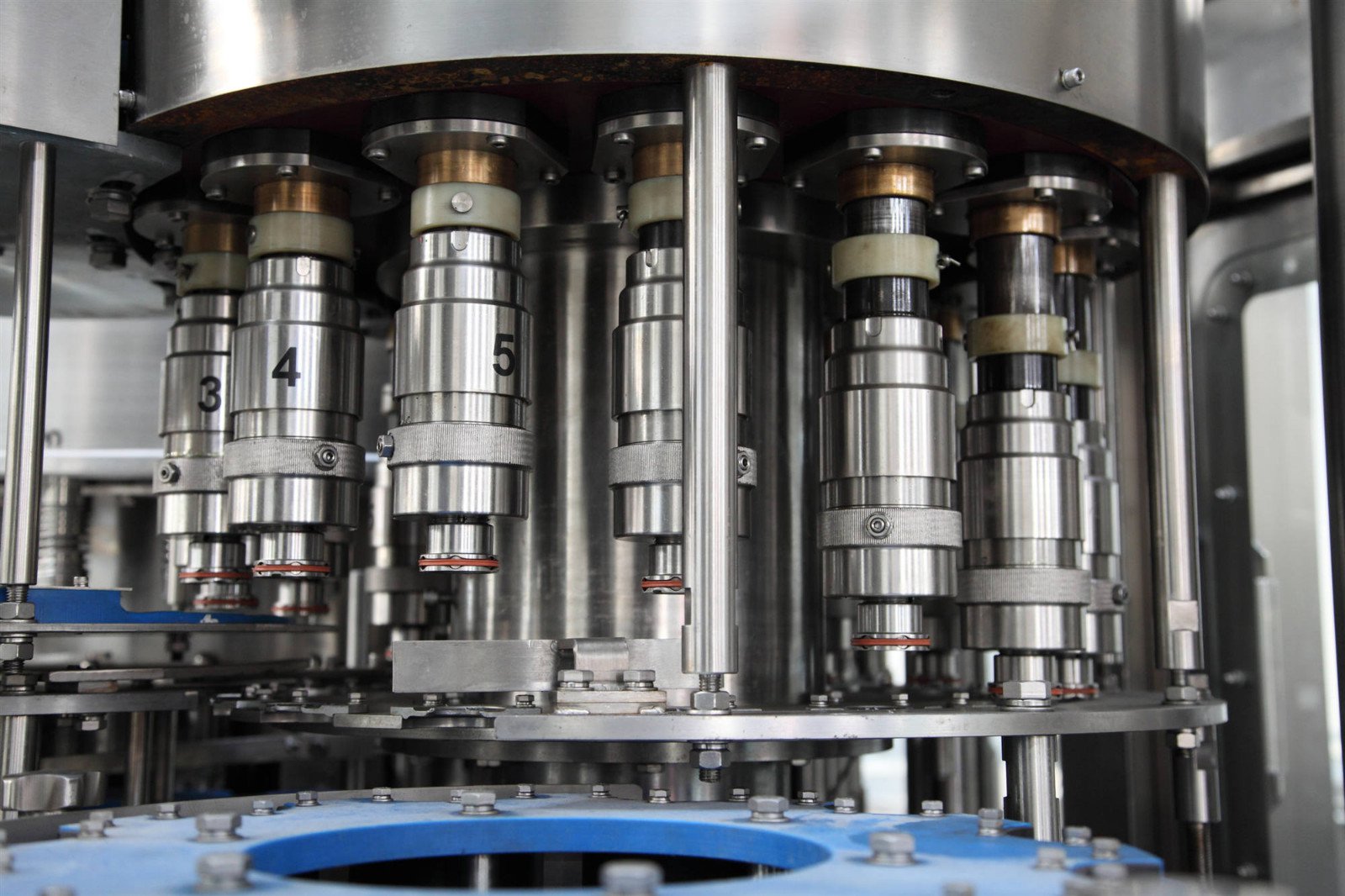
What is the Working Principle of 3 in 1 Water Filling Machine?
Water filling machines are used by perse beverage companies. In the 1990s, the companies were using manual machines. Several labors were needed to handle and use the machine. After that, the semi-automatic filling machines took over the market. Since 2000, the technology has been evolved. The manufacturers include advanced technological innovation into the equipment. Every […]
Learn morePretreatment PET Bottle sterilization Beverage Processing System
High quality Pretreatment PET Bottle sterilization Beverage Processing System from China, China's leading sterilization Beverage Processing System product, with strict quality control PET Bottle Beverage Processing System factories, producing high quality 25TPH PET Bottle sterilization Processing System products.
Learn more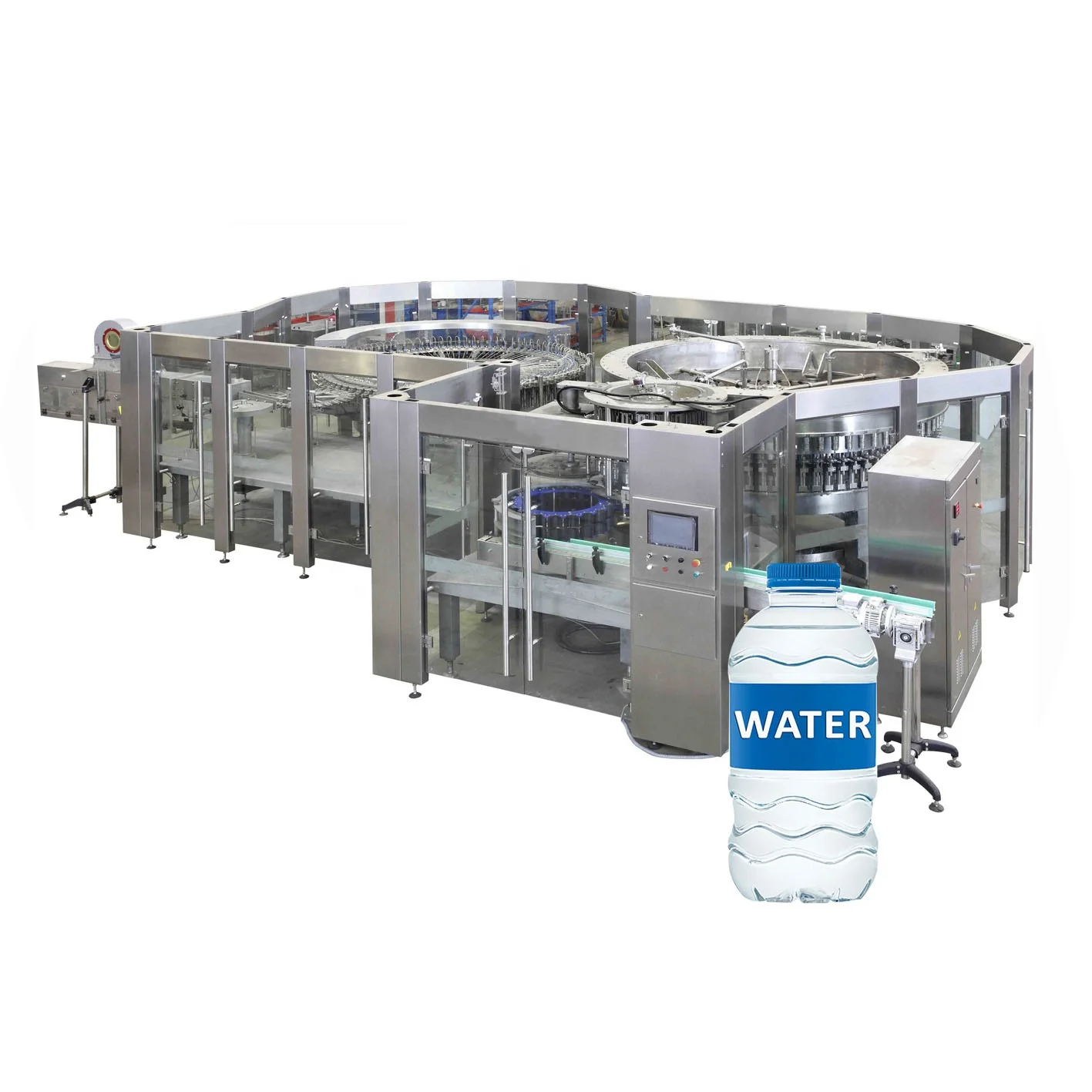
Water Bottle Filling Machine Solutions
Water bottle filling machines come in various configurations, from small-scale, semi-automatic machines suitable for small businesses to fully automated, high-speed machines used in large-scale production facilities. They play a crucial role in ensuring the efficiency and quality of the water bottling process.
Learn more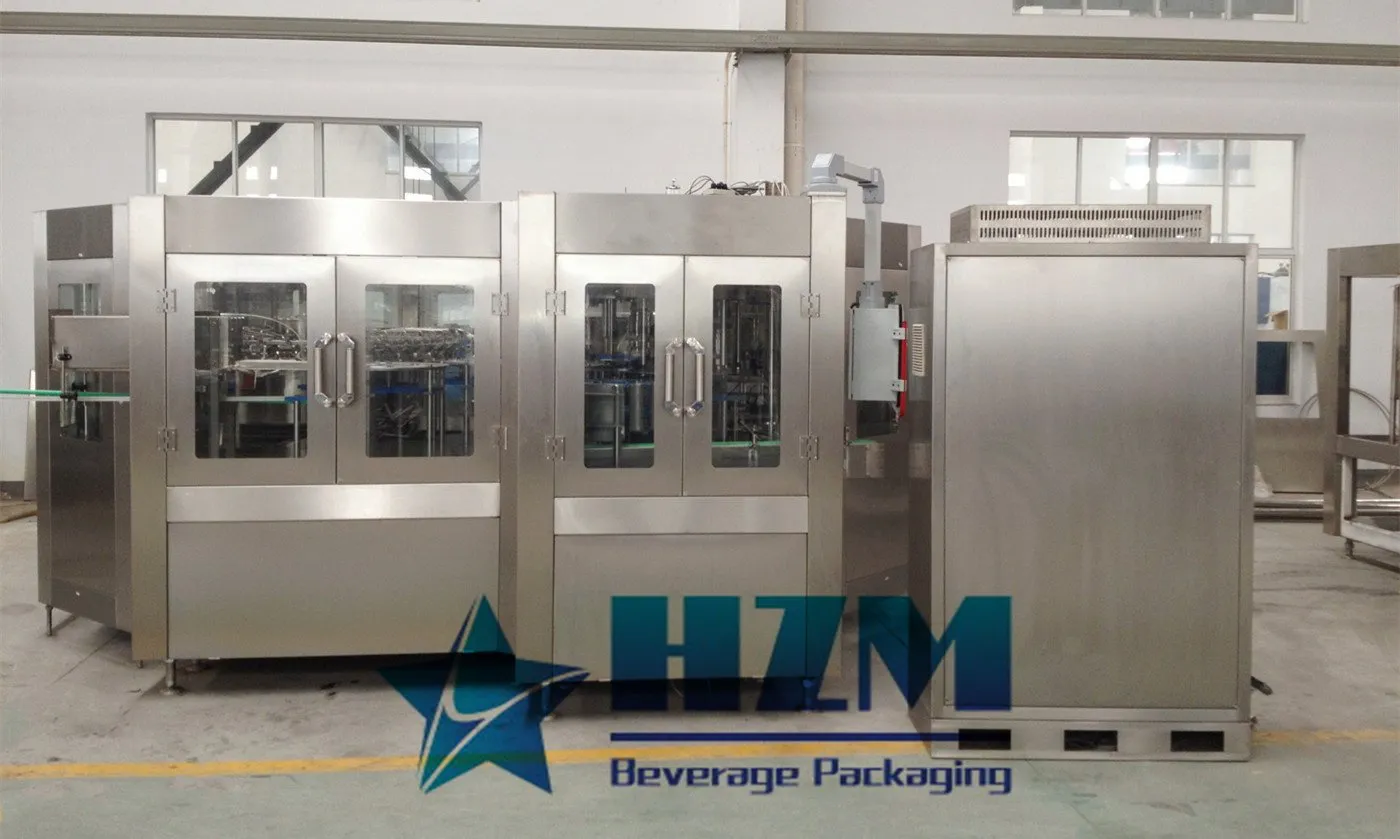
Low Carbonation After Filling: Where Is the CO2 Being Lost?
Confirm the beverage entering the filler first.
Learn more