RO Plant and Water Filler Capacities Do Not Match
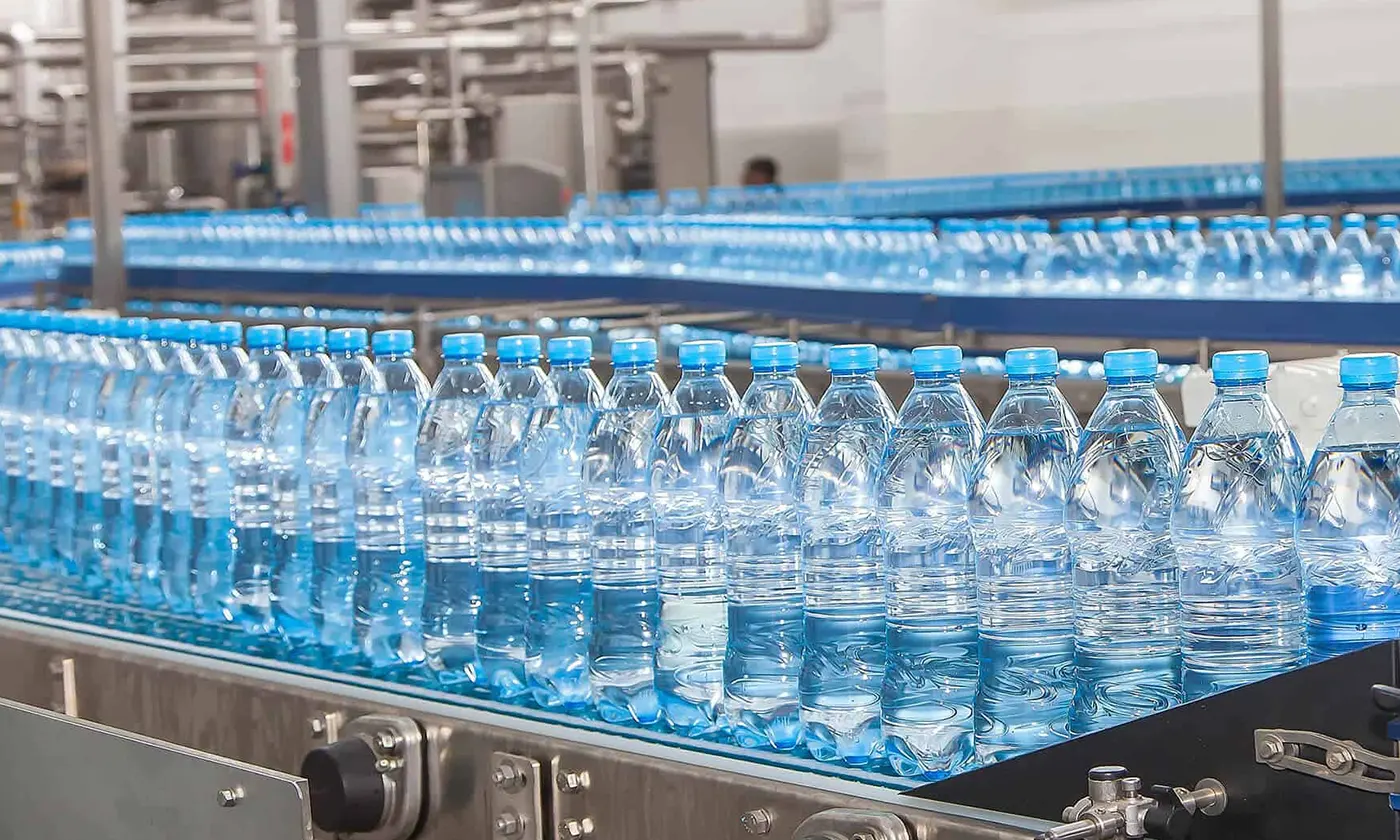
Compare actual RO permeate supply with the water drawn by filling, rinsing and cleaning over the same production period. Keep raw-water demand and RO concentrate on a separate upstream balance. Use normalized RO performance to diagnose deterioration, not as the physical flow available to the filler.
Use the line-wide stop, lockout/tagout and product-hold procedures. A safe diagnosis must include adjacent machines, stored pneumatic and hydraulic energy, hot process circuits, robots and the possibility that equipment can restart from an upstream or downstream command.
Locate the fault
- The treated-water tank runs low during long filling campaigns
- RO cycles or stops while the filler is idle
- CIP and filter backwash interrupt production
- The line meets rate only with an oversized storage buffer
Inspection sequence
- Meter every major treated-water user over representative shifts
- Measure actual permeate output, recovery and quality; normalize operating data separately to compare membrane performance
- Balance treated-water supply and users hourly, keeping feed-water demand and RO reject in a separate upstream balance
- Check usable tank volume between hygienic level limits
- Trend tank level, RO state and filler speed together
- Model planned SKU, cleaning and backwash sequences
Corrective work
- Correct hidden consumption and water leaks
- Restore RO performance to its design baseline
- Improve hygienic storage and coordinated level control
- Reschedule large cleaning demands or engineer justified capacity expansion
Operating records and follow-up
- Review the full water balance seasonally
- Meter CIP and rinse users
- Trend normalized RO capacity
- Plan production and backwash together
- Size future lines from sustainable utility demand
Need help planning your packaging line?
Share your product, bottle and capacity requirements for a practical equipment recommendation.
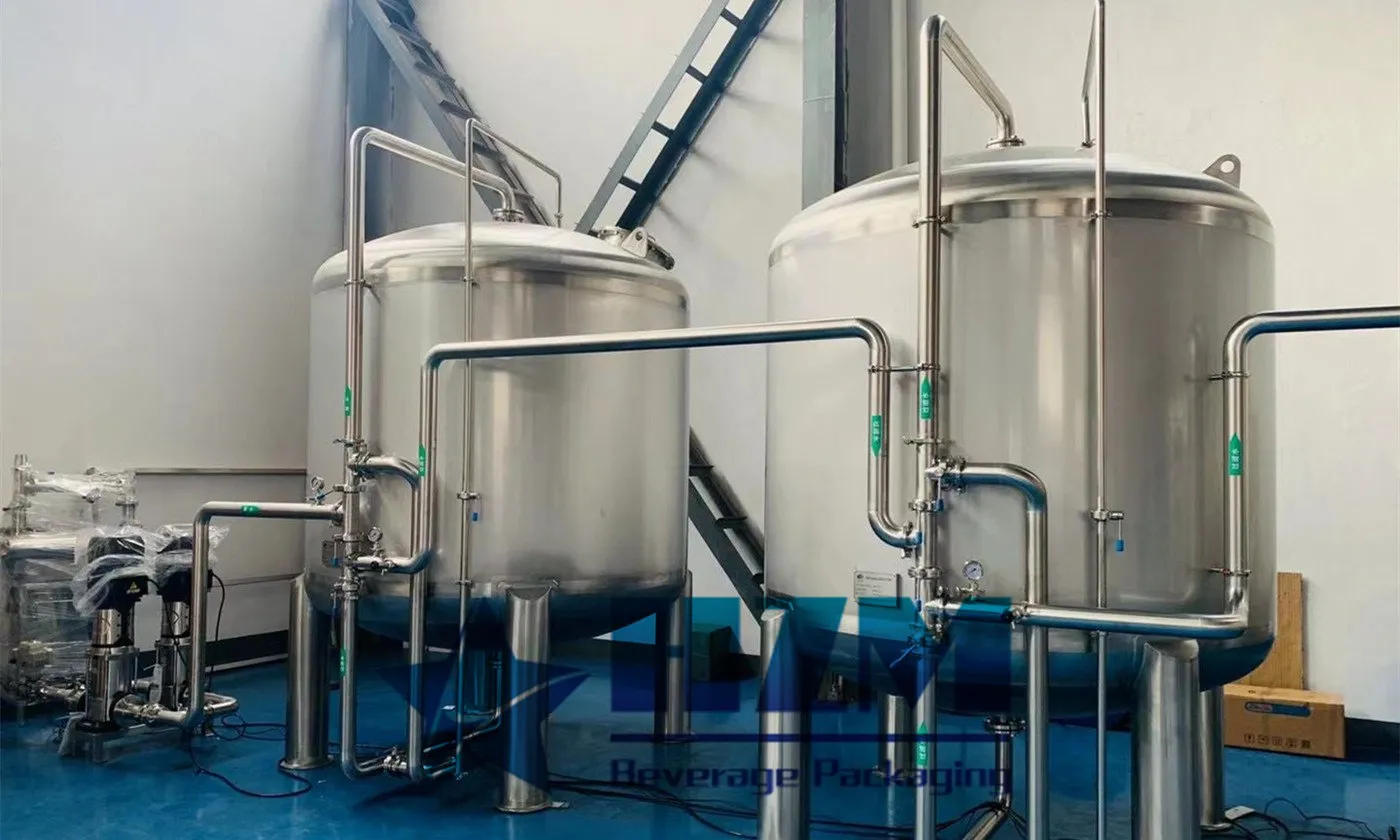
RO System Water Treatment Plant
The RO water treatment plant produces purified water through feed-water pretreatment and reverse-osmosis membrane separation.
Learn more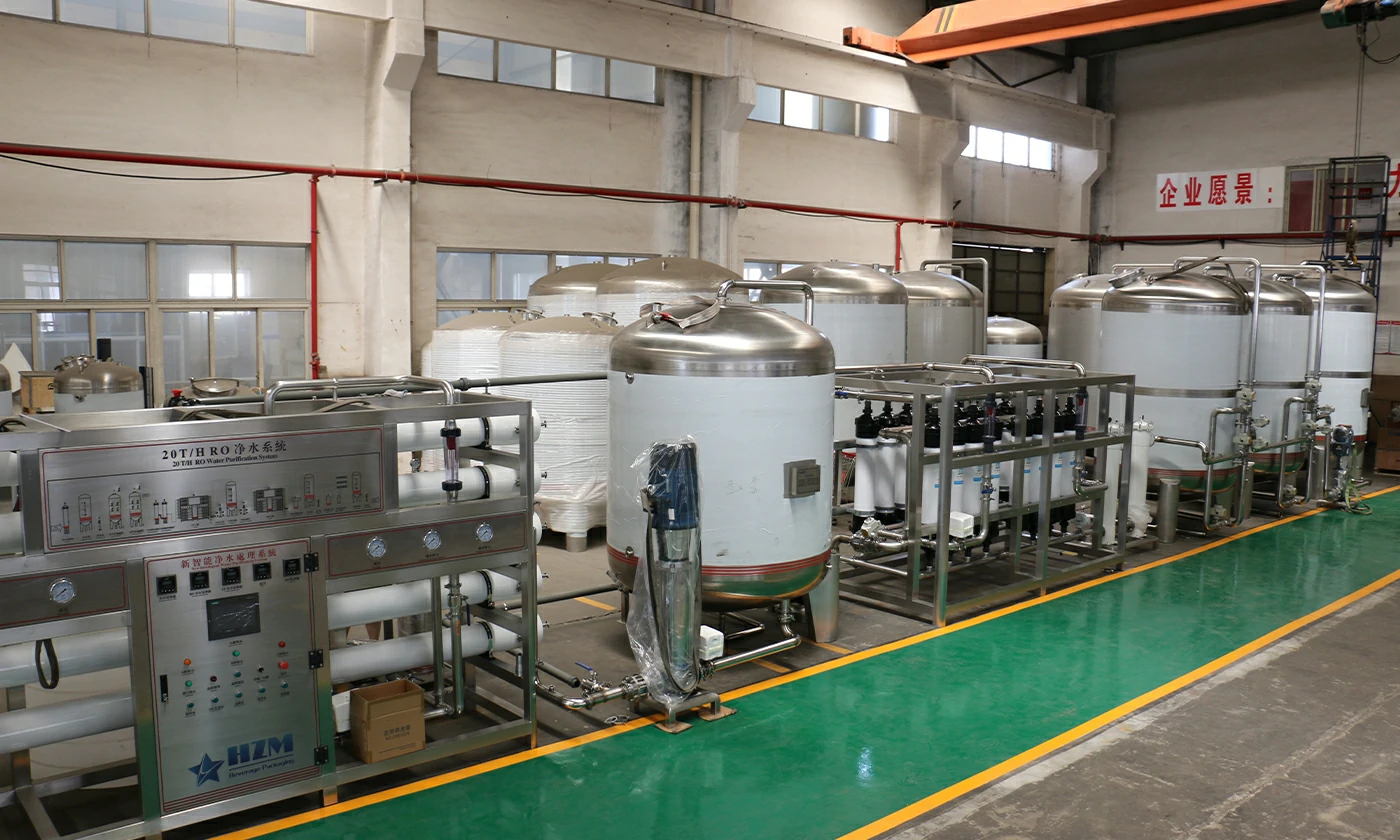
Industrial RO Drinking Water Treatment Plant – Reverse Osmosis Equipment for Beverage & Bottled Water
1,000 litres/hour reverse osmosis water treatment for bottled-water, beverage and food production.
Learn more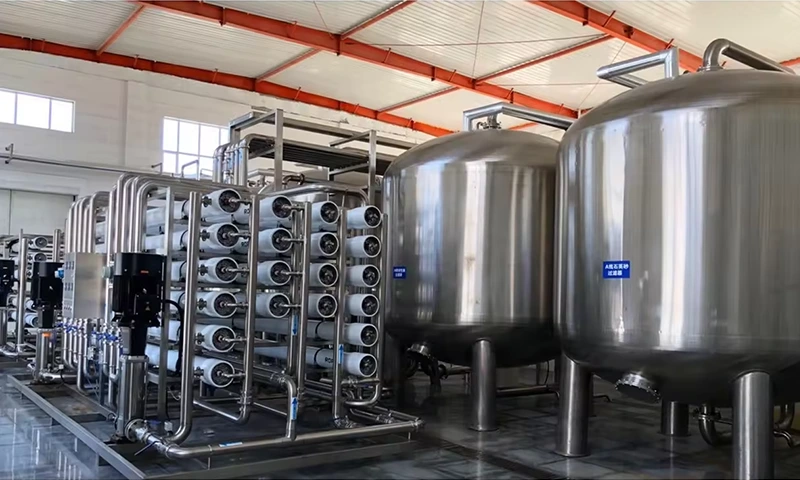
RO Water Treatment Machine for Bottled Water Production
10 T/H reverse osmosis water treatment for purified-water bottling, with pretreatment, storage and filler-supply connections.
Learn moreWater Treatment for the Food & Beverage Industry – RO Water Treatment Equipment
10 T/H RO water treatment for ingredient, process and rinse water in food and beverage plants.
Learn more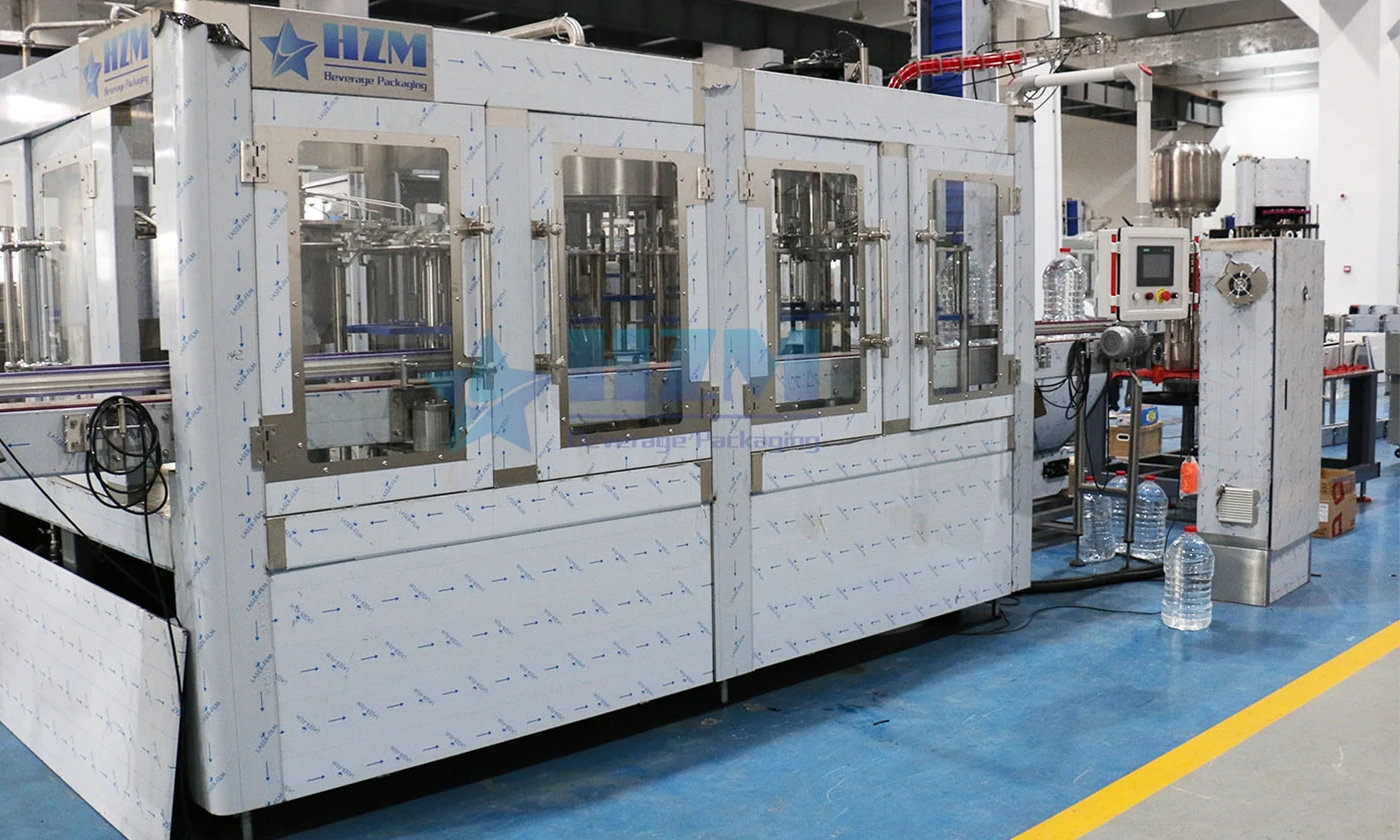
5L-10L Large Bottle Drinking Water production line
XGF12-12-4 rinsing, filling and capping for 5 L and 10 L water bottles, with stable outputs of 1,200 and 700 bottles/hour respectively.
Learn moreIndustrial food water treatment equipment – 10T/H RO Water Treatment System
10 T/H reverse osmosis water treatment for food and beverage production, with pretreatment and stainless-steel equipment options.
Learn moreFood Grade RO Water Plant
10 T/H food and beverage RO water treatment with SUS304 or SUS316 stainless-steel options, monitoring and cleaning connections.
Learn more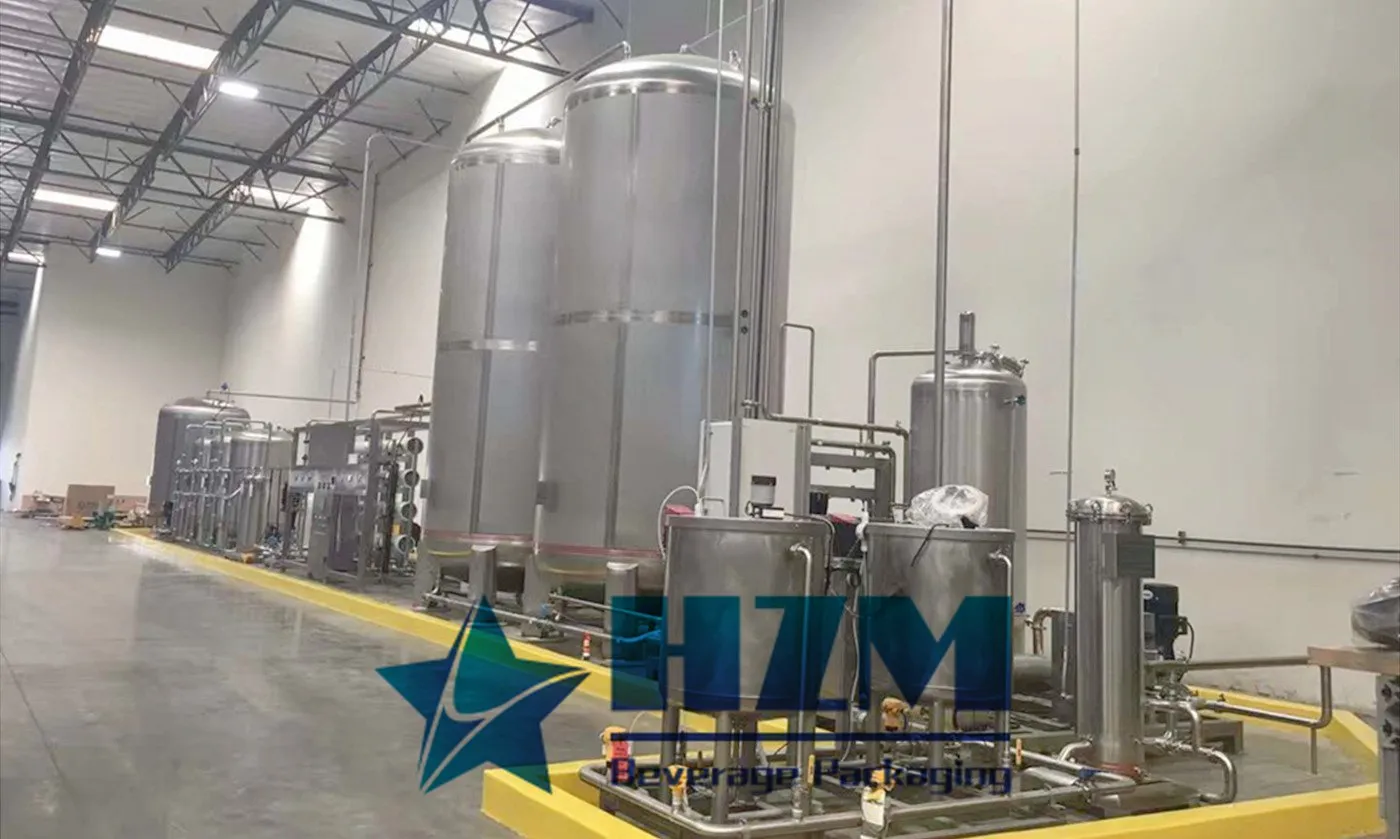
RO Water Treatment System Drinking Water Purifier
This RO water treatment system combines pretreatment, reverse-osmosis membrane separation and final treatment for purified-water production.
Learn more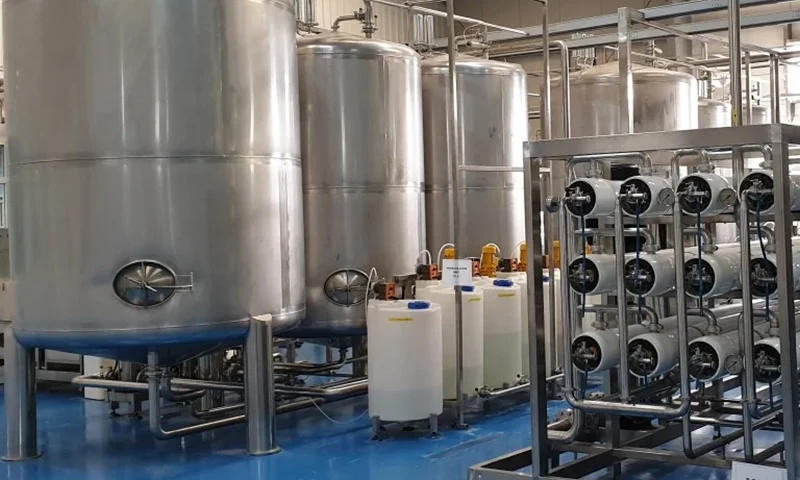
Well Water Purification Small Ro System Ro Plant
This reverse osmosis system treats well water and groundwater for drinking-water production.
Learn moreHZM Water Filling Line: Your Reliable Supplier for Complete Equipment Solutions
HZM Water Filling Line is dedicated to offering efficient and reliable equipment and services to water production enterprises.
Learn more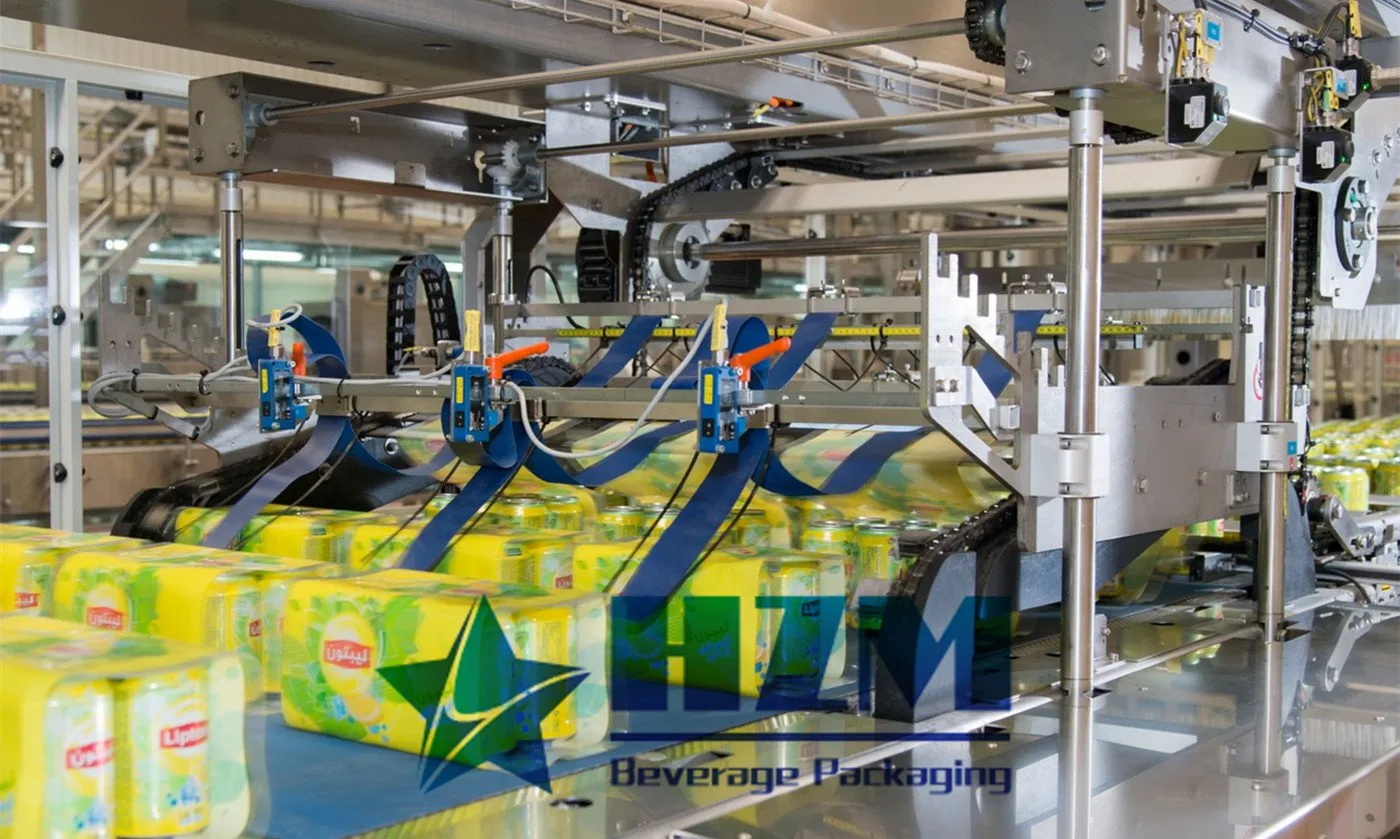
How to Match Filling, Labeling and Shrink Packing Machine Capacities
A water bottling line rated at 12,000 bottles per hour can be limited to 10,800 bottles per hour by a downstream shrink packing machine.
Learn moreHZM Mineral Water Production Line Equipment Manufacturer
HZM Mineral Water Production Line Equipment Manufacturer: Competitive Pricing, Factory Direct Sales, Reliable After-Sales Service
Learn more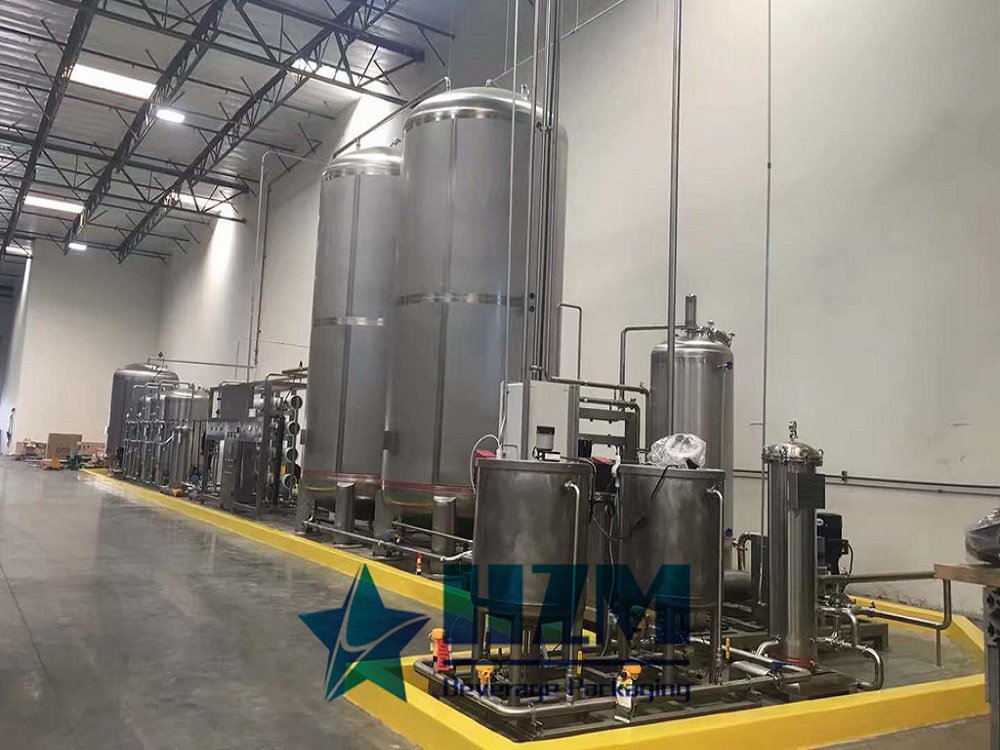
Technical characteristics of reverse osmosis
Technical characteristics of reverse osmosis: 1. Reverse osmosis is the desalination and desalination of salt water using a physical method without phase change at room temperature. The desalination rate of ultra-thin composite membrane elements can reach more than 99.5%, and it can remove colloids, organic matter, bacteria, viruses, etc. in the water at the same […]
Learn more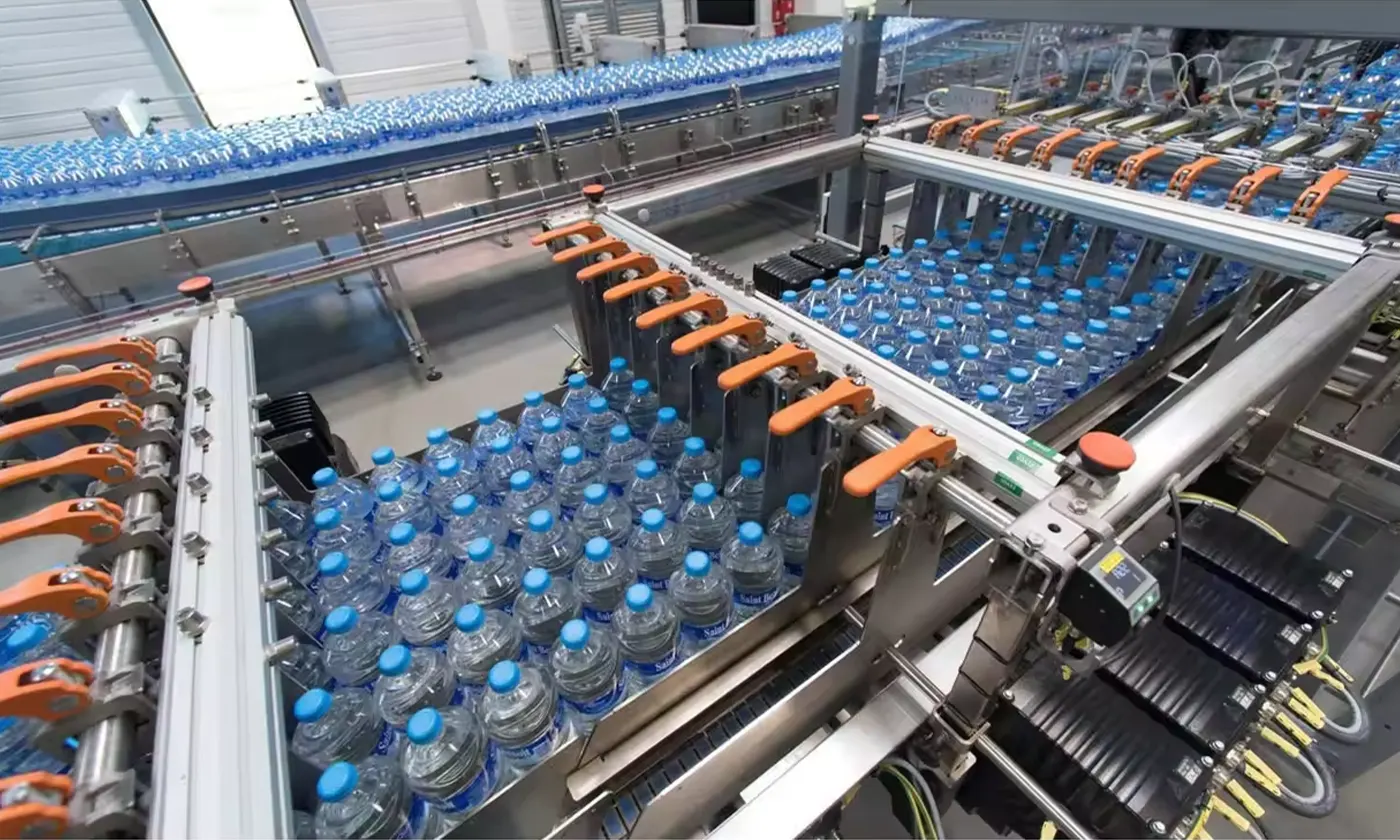
Leading Chinese Supplier of Mineral Water Production Line Equipment
HZM Machinery Co., Ltd. is a leading Chinese supplier of mineral water production line equipment. As a trusted partner from China, we focus on excellence, innovation, and delivering high-performance machinery. Our solutions are designed to meet the diverse needs of the beverage and packaging industries, offering reliable, cost-effective, and tailored equipment.
Learn moreThe process flow of mineral water production line
The production process of the mineral water production line includes mineral water treatment equipment, mineral water bottle blowing machine, fully automatic mineral water filling machine ...
Learn more