
Insights & Updates
Drinking Water Production Process PDF: Well Water & Tap Water Purification
7-page technical guide · Original flow chart · Printable checklists
Scope: Packaged drinking water made by treating well water or municipal tap water. This is distinct from the protected natural-mineral-water route.
Raw-water assessment & process map
A drinking water production line using well water or municipal tap water should be designed from measured feed quality and a defined finished-water specification. Filtration is a useful part of many systems, but a filter train chosen without water analysis may leave important contaminants uncontrolled. This PDF explains how source testing, pretreatment, optional membrane purification, microbial control and hygienic bottling fit together.
Keep this route separate from a natural-mineral-water project. Here, treatment can intentionally alter dissolved constituents to meet the selected packaged-water specification and applicable requirements. A naturally occurring well supply does not automatically justify a mineral-water label. Likewise, a compliant municipal supply does not remove the need to control storage, processing and contamination risks inside the bottling plant.
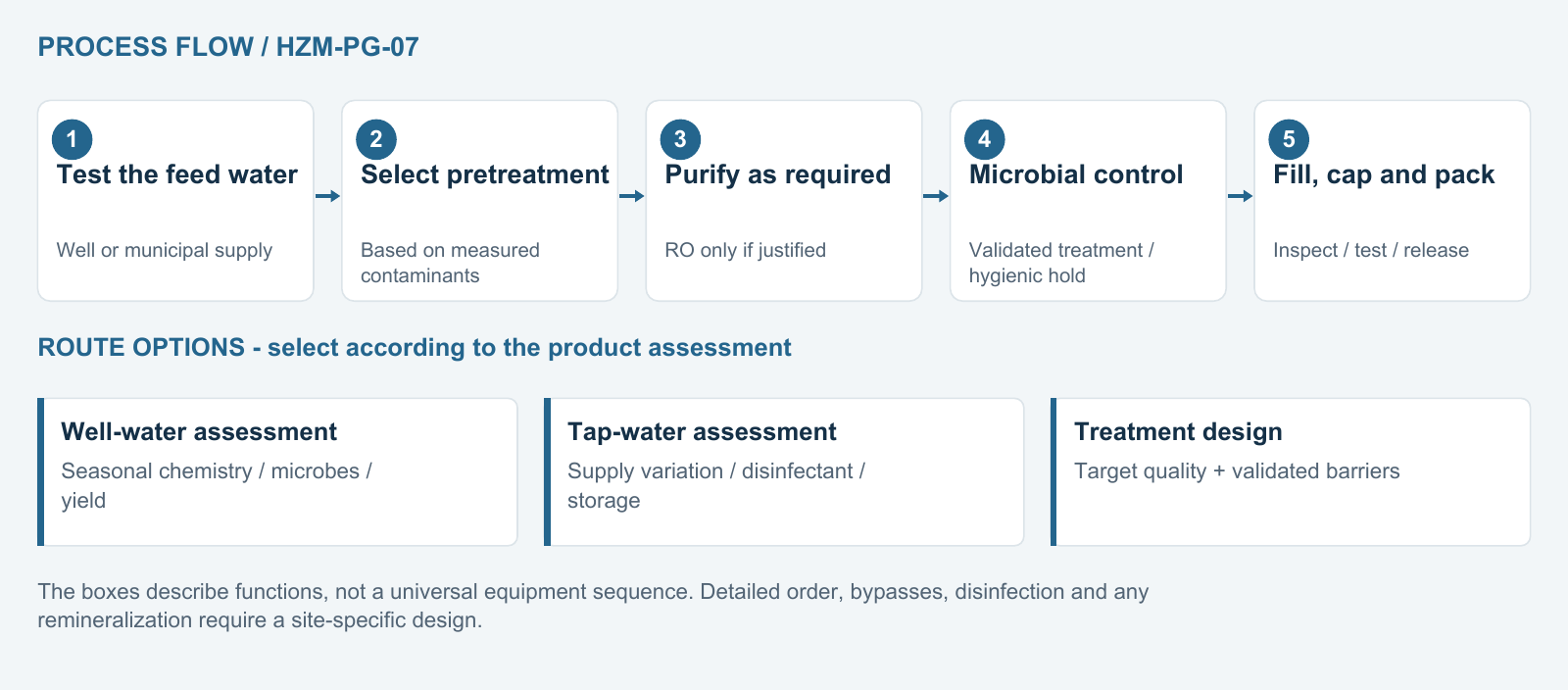
Read the process flow as text
- Test the feed water – Well or municipal supply
- Select pretreatment – Based on measured contaminants
- Purify as required – RO only if justified
- Microbial control – Validated treatment / hygienic hold
- Fill, cap and pack – Inspect / test / release
The boxes describe functions, not a universal equipment sequence. Detailed order, bypasses, disinfection and any remineralization require a site-specific design.
From well or tap to treated product water
01 / Test representative feed conditions
For a well, investigate seasonal chemistry, microbiology, turbidity and dependable yield. Review locally relevant contaminants such as iron, manganese, hardness, nitrate, arsenic or salinity as appropriate. For tap water, obtain utility information but also sample at the plant; internal tanks and pipework can change the quality received by the treatment skid.
02 / Protect the raw-water system
Provide suitable storage, vents, drains and sampling access. Prevent cross-connections with process waste, cleaning chemicals and nonpotable services. Define the operating response to supply interruption or a change in water source. A backup supply must be assessed before it is substituted into a validated treatment train.
03 / Select pretreatment for the measured problem
Solids removal, iron or manganese treatment, activated carbon, hardness control or other steps may be needed. EPA describes different technologies for different contaminants; their functions are not interchangeable. For membrane systems, specify acceptable feed conditions and pretreatment performance with the membrane supplier.
04 / Use RO or other purification where justified
RO can reduce many dissolved constituents, but its performance depends on feed chemistry, membrane selection and operating conditions. Confirm the target, rejection basis, recovery and concentrate handling. Protect chlorine-sensitive membranes through an appropriate dechlorination strategy where required, while also managing the microbiological consequences of removing residual disinfectant.
05 / Establish finished-water microbial control
Select and validate the required treatment barriers and hygienic storage arrangement. UV does not provide a persistent disinfectant residual, and ozone requires its own contact, residual, materials and byproduct assessment. Do not infer treatment adequacy simply because a lamp is lit or an ozone generator is running.
Water treatment equipment & bottle filling
| Function | Possible equipment | Selection basis |
|---|---|---|
| Pretreatment | Media filters, activated carbon, softening or specific removal | Measured contaminants and downstream feed limits |
| Membrane purification | RO or other selected membrane system | Target quality; recovery; fouling and scaling assessment |
| Microbial control | Validated UV, ozone or other appropriate barriers | Organism target; water characteristics; operating envelope |
| Product storage | Hygienic tank, venting and controlled circulation | Turnover; sanitation; protection from recontamination |
| Bottling | Container preparation, filler, capper, inspection and packing | Bottle format; hygiene; closure; traceability |
Specify the exact treatment function rather than calling every vessel a sterilizer. A particulate filter may reduce suspended matter without removing dissolved salts; a membrane or disinfection system must be assessed against its own performance targets. There is no fixed number of stages that makes every well or tap supply acceptable.
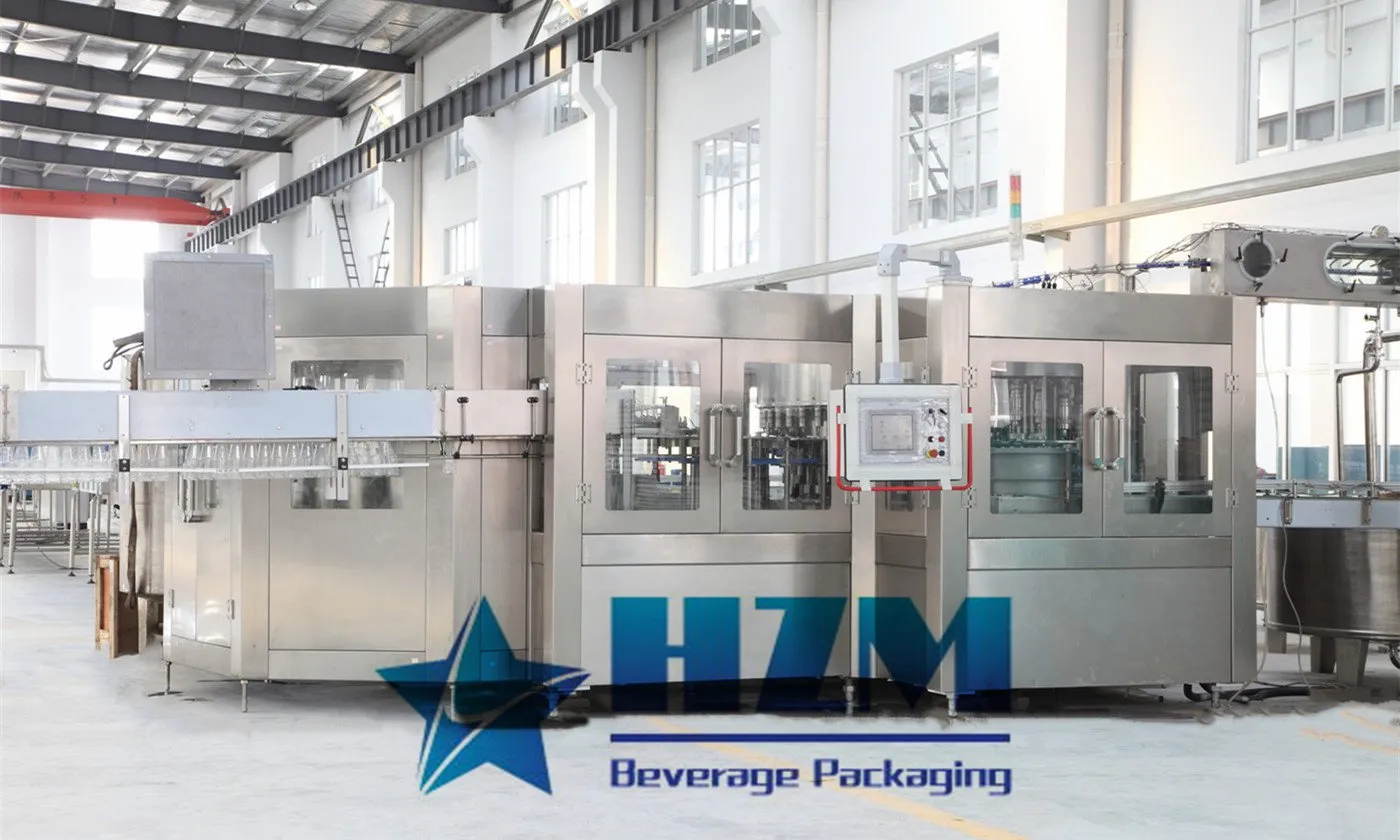
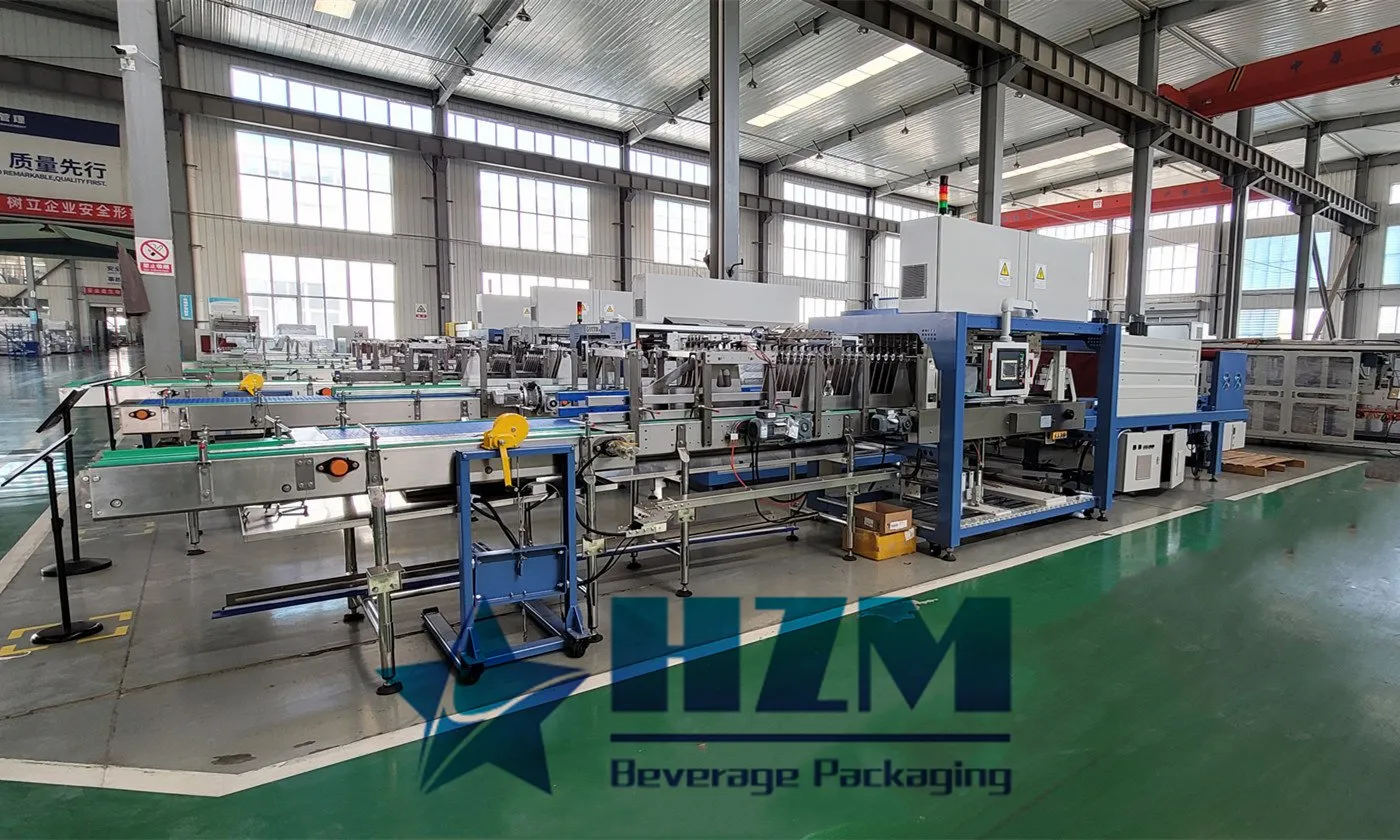
Prepare bottles and caps through the selected hygienic route, then fill and close in a protected environment. Purchased bottles and on-site PET blowing need different infeed arrangements. Keep the product-water circuit segregated from cleaning and reject-water circuits, and verify package integrity after filling.
Monitoring, sanitation & release checks
| Control location | Examples of records | Response to define |
|---|---|---|
| Feed water | Analysis, pressure, source identity and supply events | Hold or reassess changed feed |
| Pretreatment | Pressure loss, relevant contaminant breakthrough | Service, regenerate or replace as specified |
| RO, if used | Flow, pressure, conductivity, recovery, normalized trends | Investigate performance outside the approved envelope |
| Disinfection | Validated operating indicators and applicable checks | Stop/divert or hold affected water |
| Finished product | Microbiology, chemistry, sensory, closure and lot identity | Release, hold or reject with traceability |
Conductivity and TDS are not microbiological tests and do not demonstrate that every contaminant has been removed. Combine online operating records with representative sampling and laboratory analysis. Define both routine monitoring and verification after maintenance, extended shutdown, source changes or an abnormal process event.
Address treatment byproducts
Where ozone is selected, assess bromide-related bromate risk and the relevant finished-water requirements. Chlorinated or chloraminated feeds may require attention to residual disinfectants and associated byproducts. The solution is a validated treatment and monitoring plan, not a universal ozone dose copied from another plant.
Control hygienic storage and restarts
Treated water can be recontaminated in tanks, vents, hoses and filler circuits. Define sanitation, turnover, hold-time limits and restart verification. Follow approved cleaning instructions for membranes and other components, including material compatibility. FDA guidance emphasizes sanitary processing, bottling, holding and transport.
Keep suspect stock identifiable. Link a bottle code to the source, treatment run, line and release results so that an investigation can isolate the affected interval without guessing which pallets were produced.
Water balance, recovery & line capacity
The 75% value is an arithmetic assumption, not a recommended recovery for every source. Feed chemistry, scaling risk, temperature and membrane design determine the feasible setting. Add pretreatment backwash, cleaning, bottle preparation and other uses separately. A plant drawing 8,163 L/h for RO may need substantially more raw-water capacity during simultaneous service operations.
Plan reject water and utilities
Characterize concentrate and cleaning waste before deciding how to handle them. Any reuse needs a separately assessed purpose and protection from product-water cross-connections. Ask the supplier for electrical loads, compressed-air demand, drain flows and peak water use, including startup and cleaning rather than only steady production.
- Obtain representative well or plant-inlet tap-water analyses.
- Define finished-water quality and the intended product description.
- Approve the treatment diagram, barrier targets and monitoring plan.
- Confirm membrane pretreatment, recovery and concentrate handling where used.
- Verify microbial control, hygienic tank design and cleaning procedures.
- Test bottling speed, closure integrity, code reading and restart handling.
- Train operators on out-of-limit actions and batch release.
A useful RFQ includes feed results, source variability, bottle sizes, good-output target, operating hours, product specification, plant layout and available utilities. Require a guaranteed duty tied to those inputs, not merely an advertised liters-per-hour rating.
Frequently asked questions
Does every tap-water bottling plant need RO?
No. Select treatment according to measured feed quality, the intended product and applicable requirements. RO may be useful where dissolved constituents need reduction; it is not mandatory solely because the source is municipal.
Can a sediment filter make well water safe?
A sediment filter alone is not a complete solution for dissolved chemicals or all microbiological hazards. Characterize the well and design the required barriers for the identified risks.
Can filtered water be sold as natural mineral water?
Do not infer the name from a filtration step or natural origin. Product categories depend on source and processing requirements. This guide describes treated drinking water, not source qualification for natural mineral water.
Should UV and ozone both be installed?
Not automatically. Select a validated barrier strategy based on the product, water properties, process hygiene and operating conditions. Additional equipment is useful only when its purpose, performance and monitoring are established.
Can minerals be added after RO?
A defined remineralization step may be part of a suitable drinking-water formulation, subject to the relevant requirements. Assess dosing accuracy, hygienic addition, stability and labeling; it does not create a natural-mineral-water source.
Water-treatment and packaging photographs
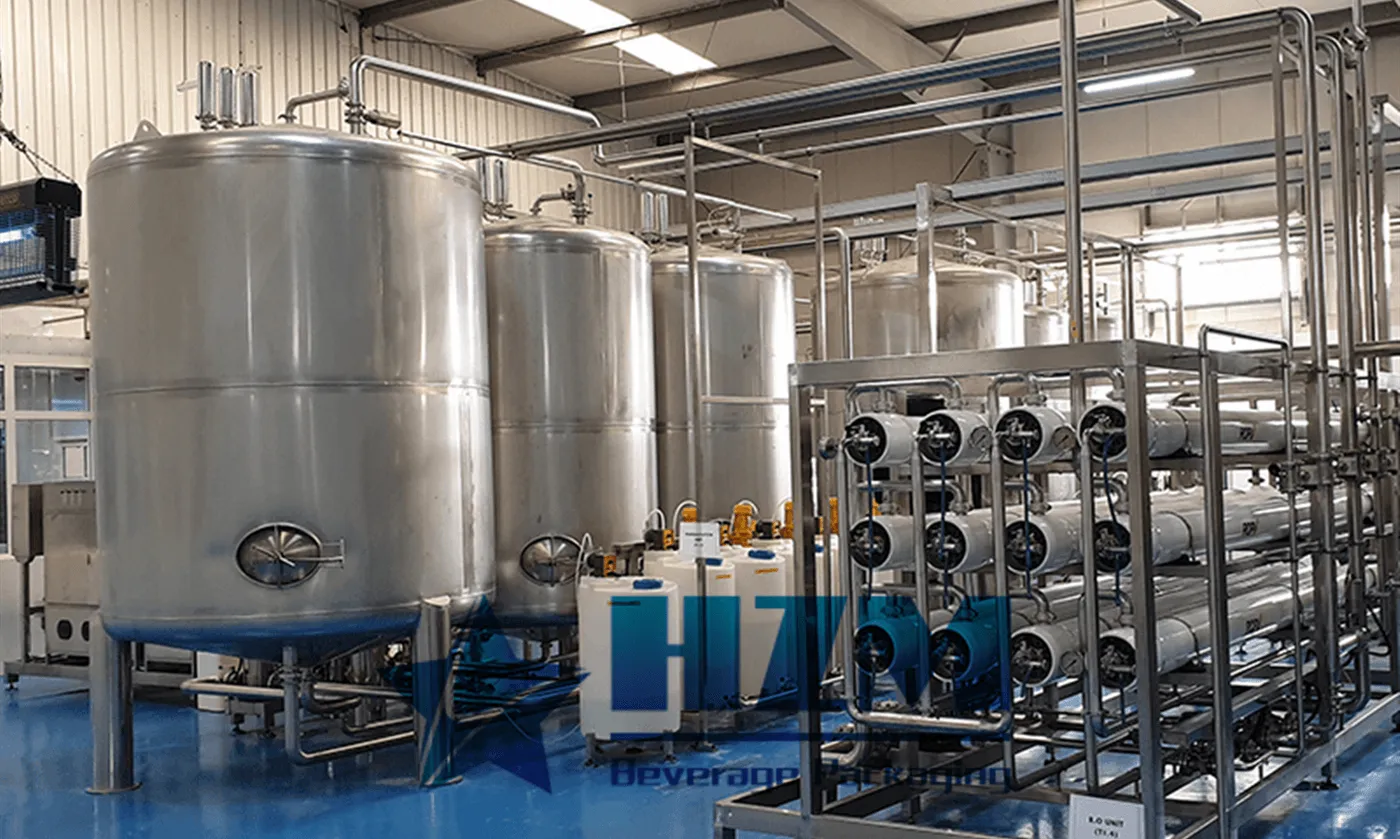
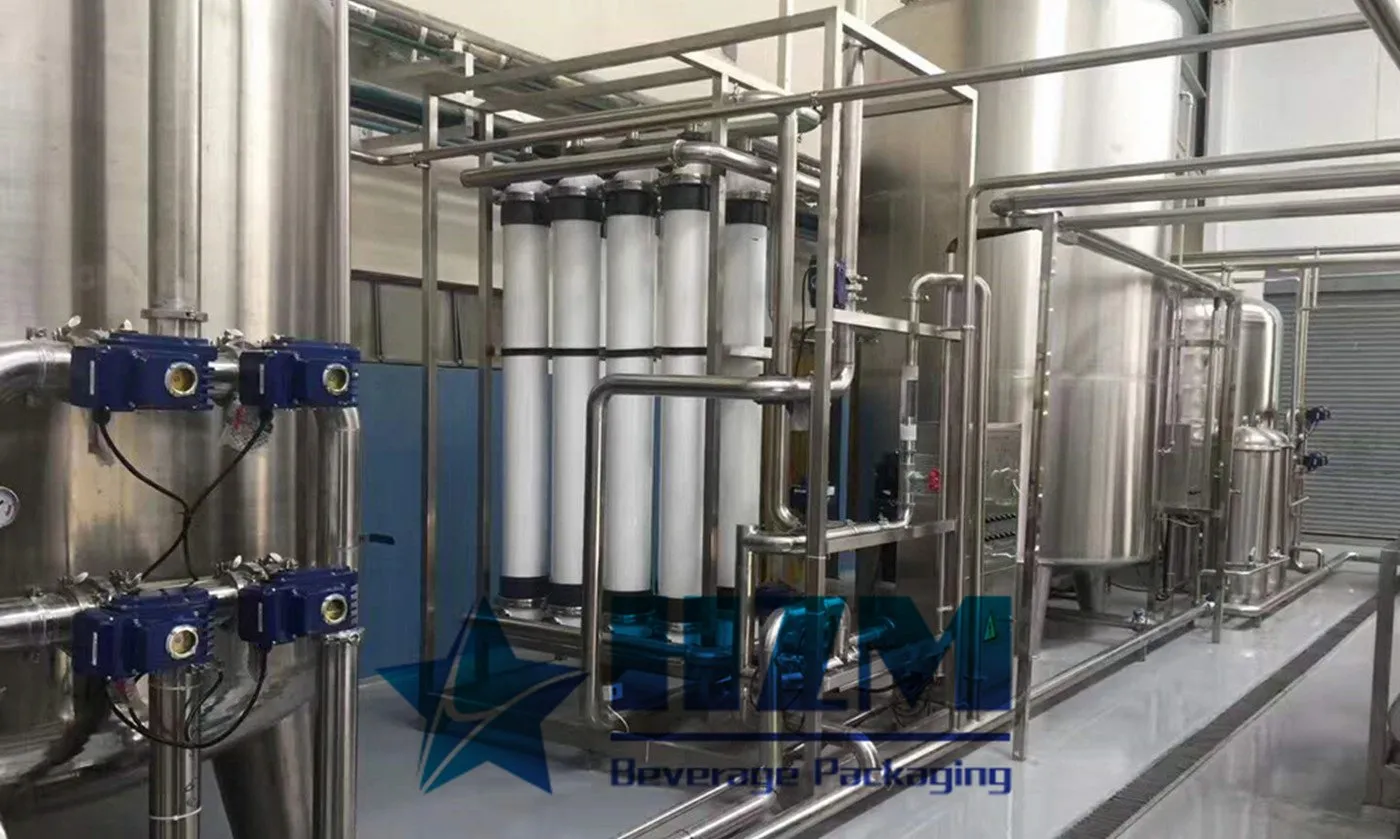
Selected media-library photographs show equipment categories used when designing a treated drinking-water line. The pictures are illustrative; the approved process diagram determines which equipment belongs in the project.
Continue planning your line
- Industrial RO Drinking Water Treatment Plant – Reverse Osmosis Equipment for Beverage & Bottled Water
- Water Treatment for the Food & Beverage Industry – RO Water Treatment Equipment
- PET Bottle Water Filling Machine
- Bottled water production process PDF
More downloadable process guides
- Complete Beverage Production Line Process PDF: Flow Chart & Equipment Guide
- Carbonated Soft Drink Production Process PDF: Syrup, Carbonation & Filling
- Juice Hot-Filling Production Process PDF: Flow Chart & Quality Checklist
- Ready-to-Drink Tea Production Process PDF: Extraction, Clarity & Filling
- Energy Drink Production Line Process PDF: Mixing, Filling & Quality Control
- Natural Mineral Water Production Line Process PDF: Source to Bottle
Talk to our engineering team
Need help planning your packaging line?
Share your product, bottle and capacity requirements for a practical equipment recommendation.
Equipment
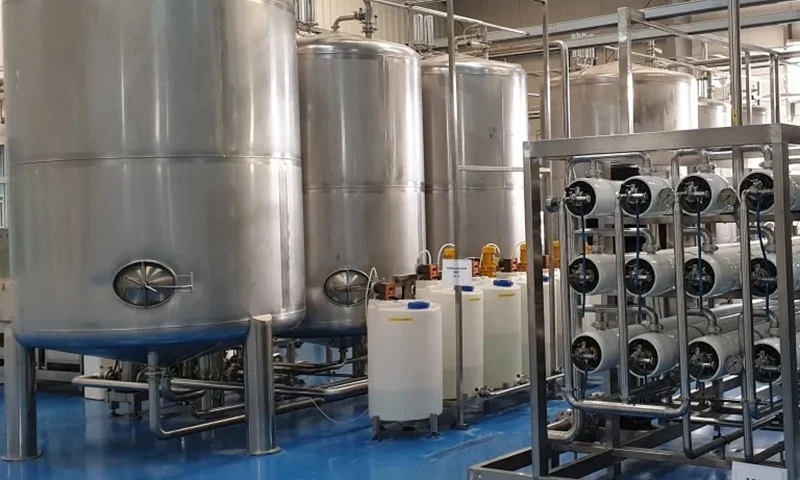
Well Water Purification Small Ro System Ro Plant
This reverse osmosis system treats well water and groundwater for drinking-water production.
Learn more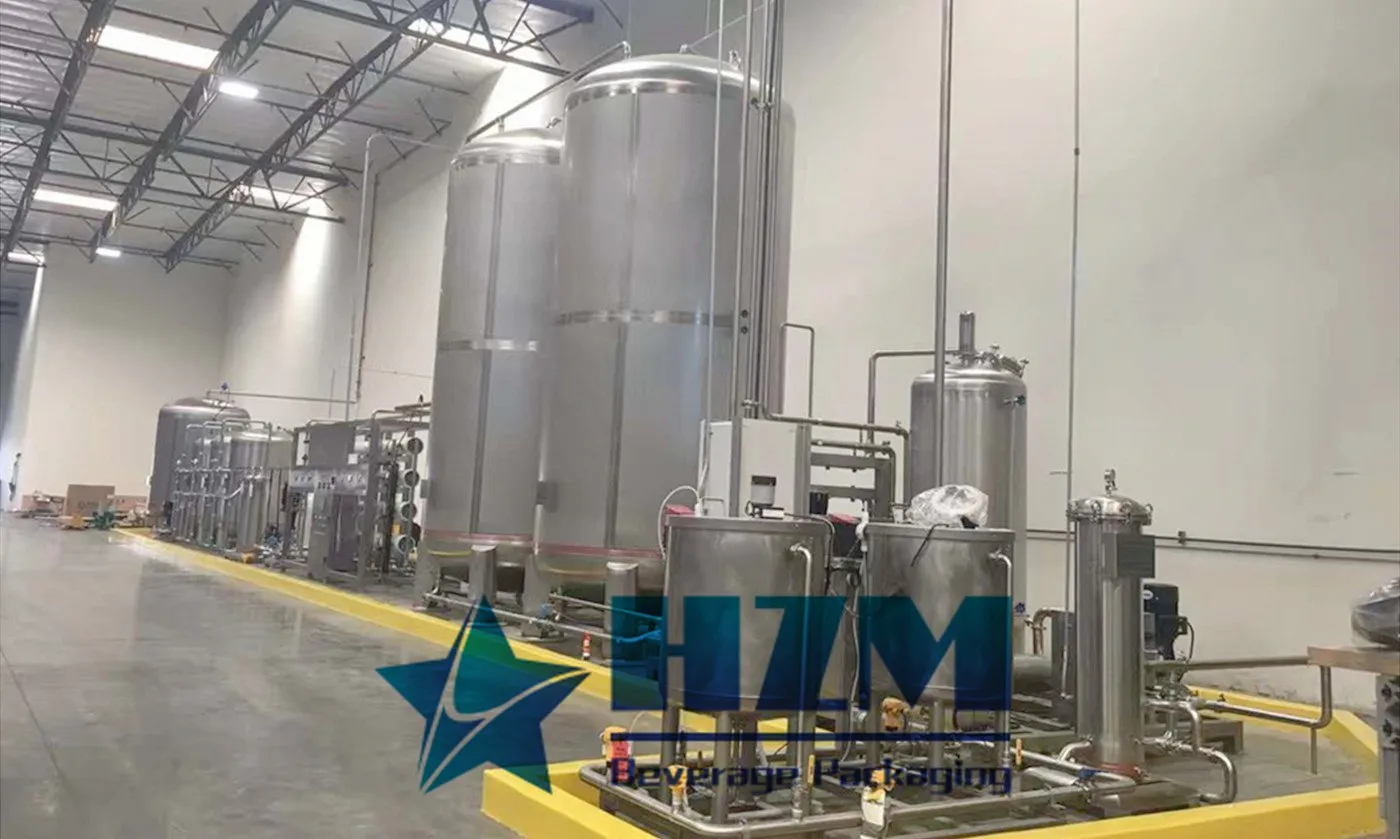
Equipment
Water Purify System
The ultrafiltration water purification system uses membrane separation to remove fine particles and colloids from water.
Learn more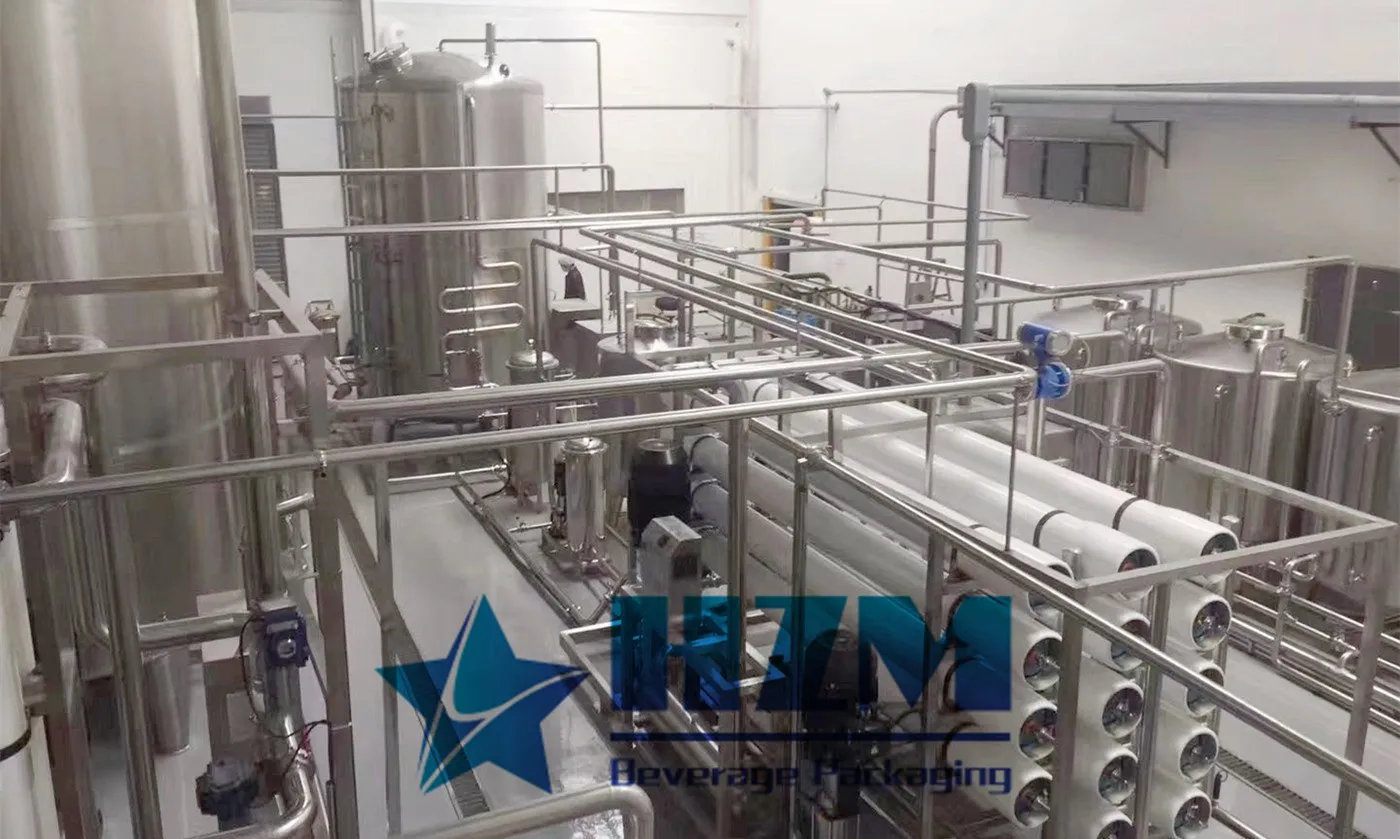
Equipment
Water Treatment Machine Purification System
HZM water purification equipment combines filtration, membrane treatment and final treatment in one process.
Learn more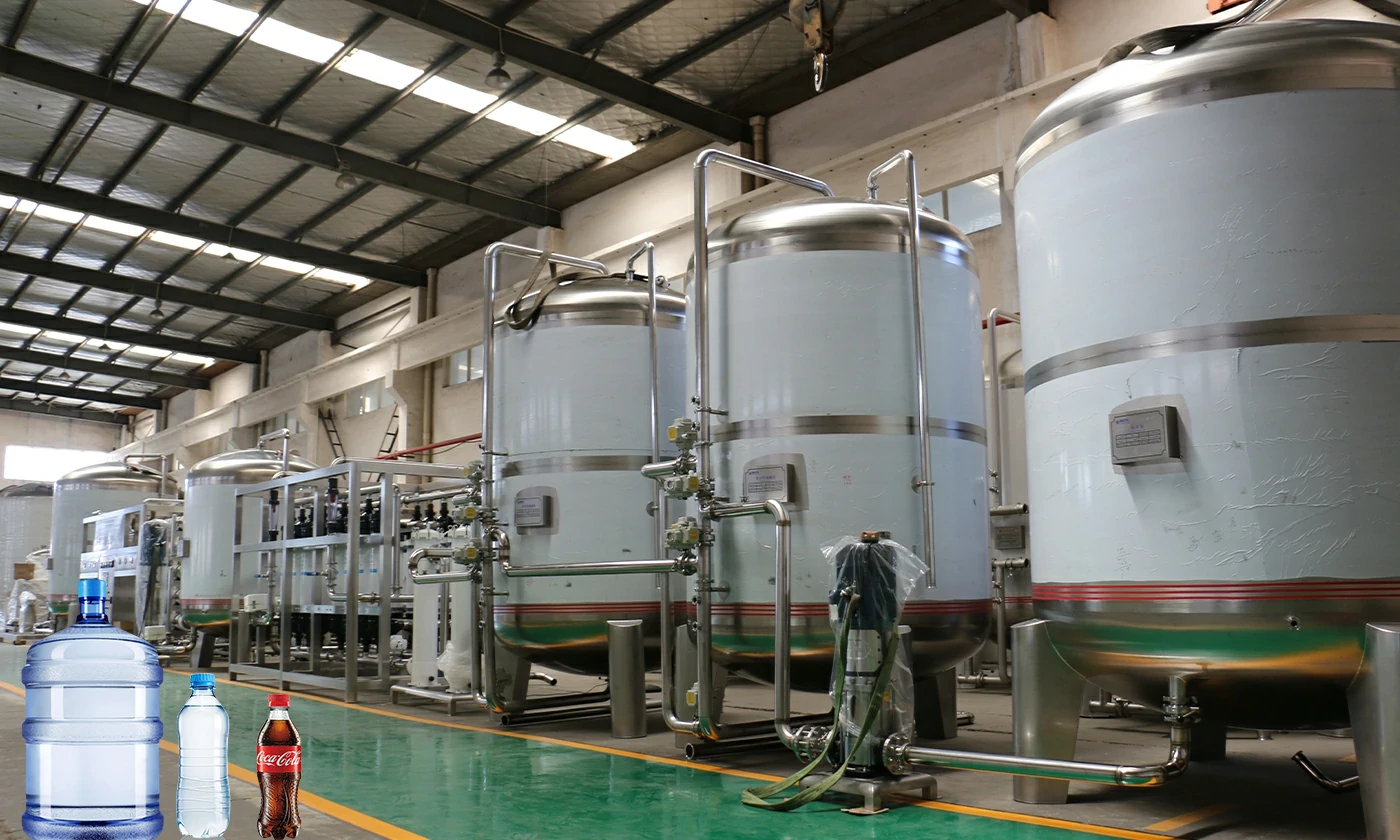
Equipment
bottled water treatment plant – water purification system for bottling line
10 T/H bottled-water treatment with pretreatment, reverse osmosis, storage and connections to the water filling line.
Learn moreEquipment
RO Water Treatment System Drinking Water Purifier
This RO water treatment system combines pretreatment, reverse-osmosis membrane separation and final treatment for purified-water production.
Learn more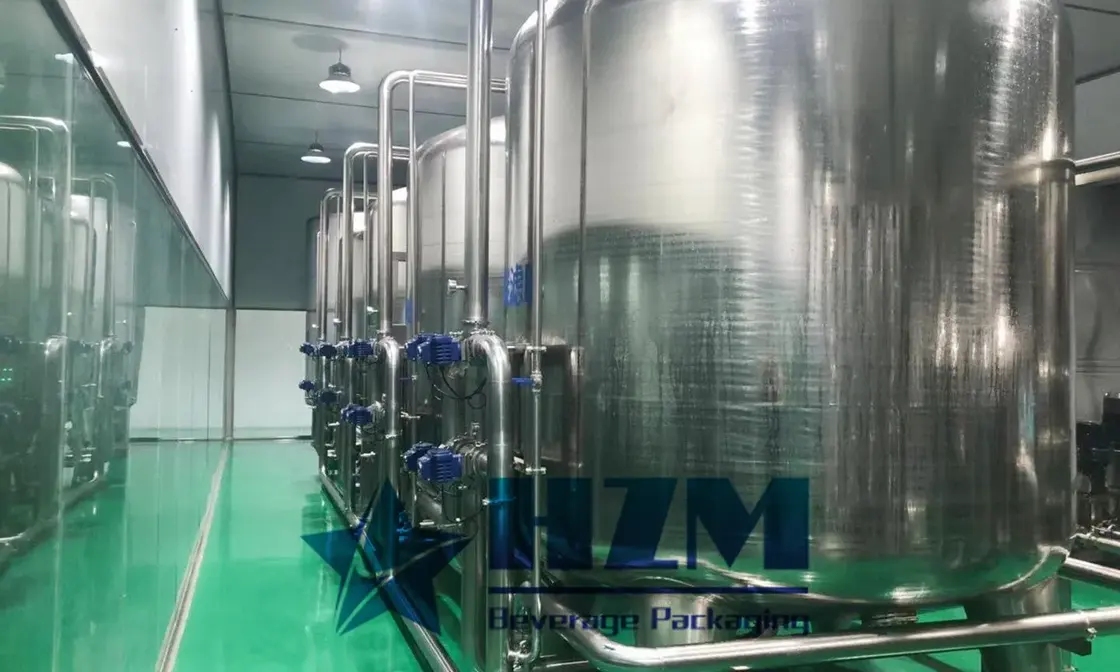
Equipment
Water Purification System for Mineral Water Plant
The mineral water purification system removes unwanted particles and supports hygienic storage and transfer before bottling.
Learn more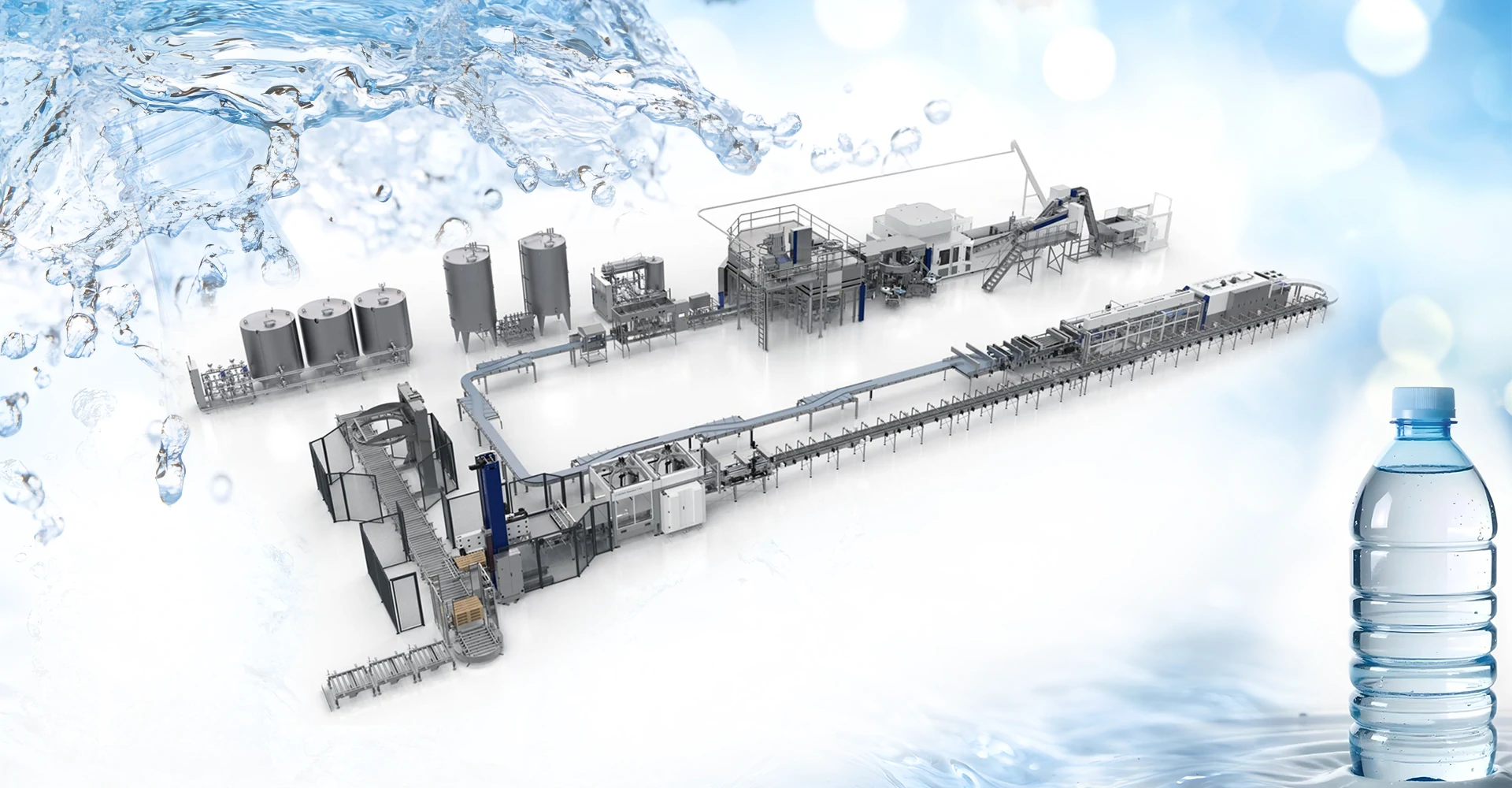
Equipment
Drinking water production line – Bottled Water Filling Machine Manufacturer
PET-bottled drinking-water production with automatic rinsing, filling and capping, plus water treatment and packaging equipment.
Learn more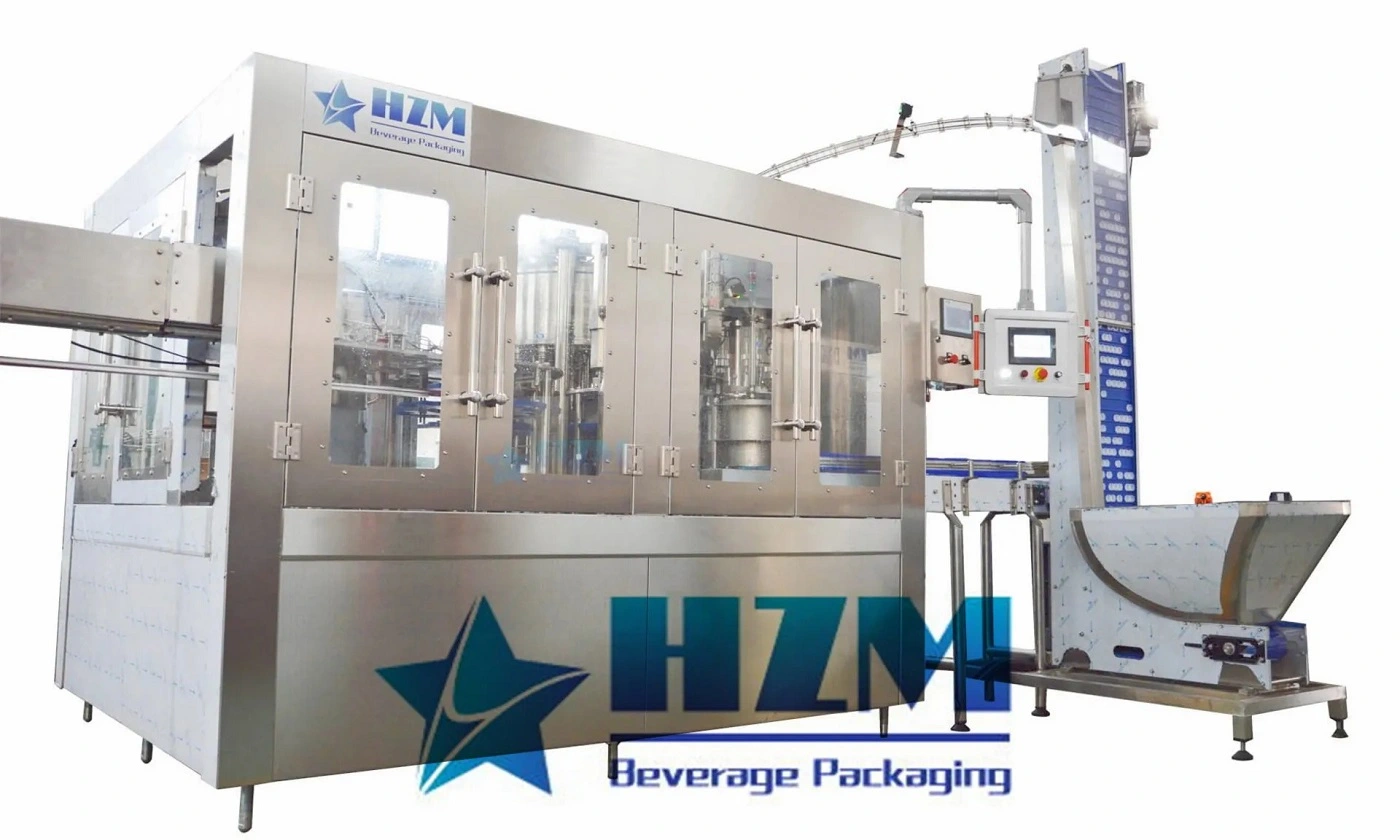
Equipment
Automatic Drinking Water Bottling Machine
Drinking-water bottling equipment with automatic rinsing, filling and capping, plus conveying, labelling and packing options.
Learn more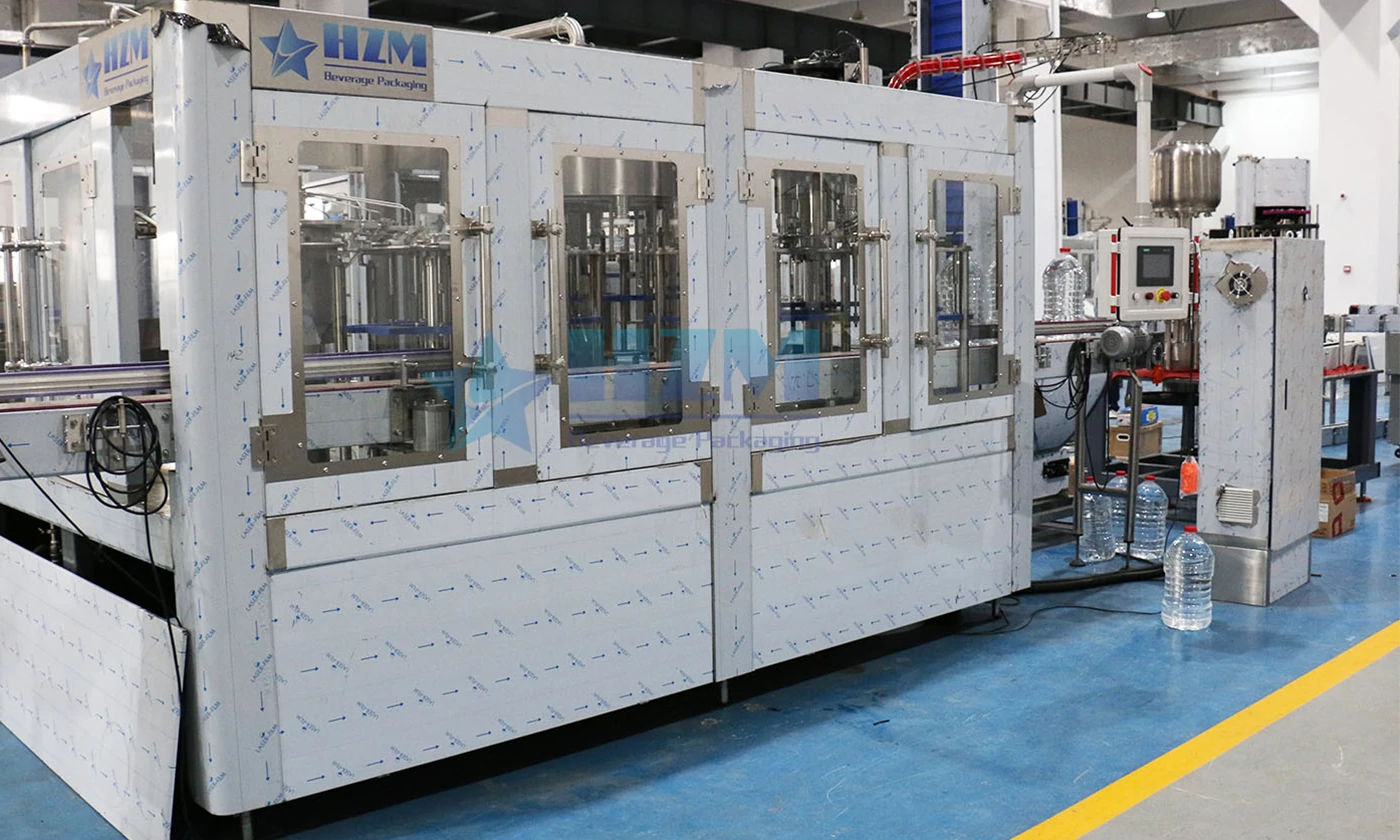
Equipment
5L-10L Large Bottle Drinking Water production line
XGF12-12-4 rinsing, filling and capping for 5 L and 10 L water bottles, with stable outputs of 1,200 and 700 bottles/hour respectively.
Learn more2023-09-18
Bottled water production process PDF
The PDF document on the bottled water production process encompasses detailed information on how bottled water is manufactured, including a comprehensive description of production steps, illustrated process diagrams, and in-depth explanations of quality control methods.
Learn more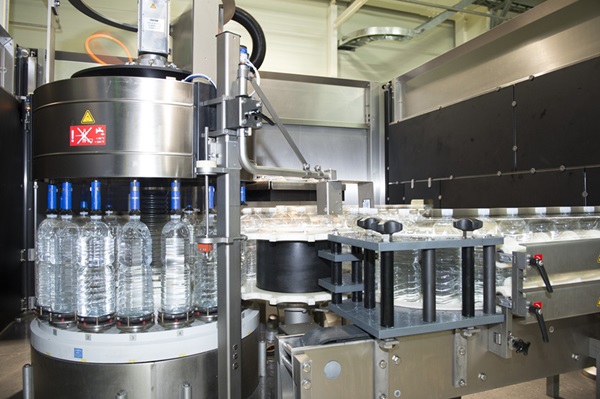
2024-06-11
How Much Does a Small Bottled Purified Water Production Machine Cost?
The price of a bottled water production line depends on its production capacity. Manufacturers provide quotes based on the hourly output of different bottled water production lines.
Learn more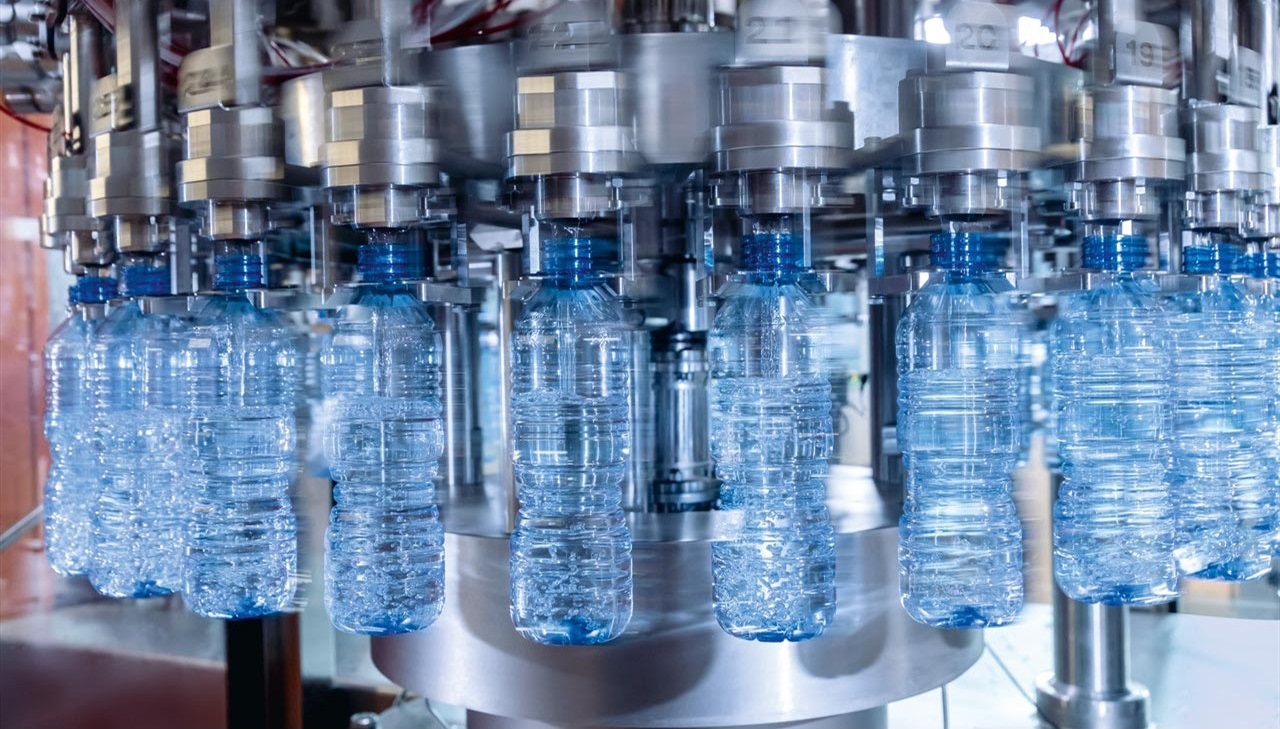
2023-10-07
Is Mineral Water Production Equipment the Same as Purified Water Equipment?
This article will provide a detailed comparison of mineral water production equipment and purified water equipment to help readers understand these two entirely different water treatment systems.
Learn more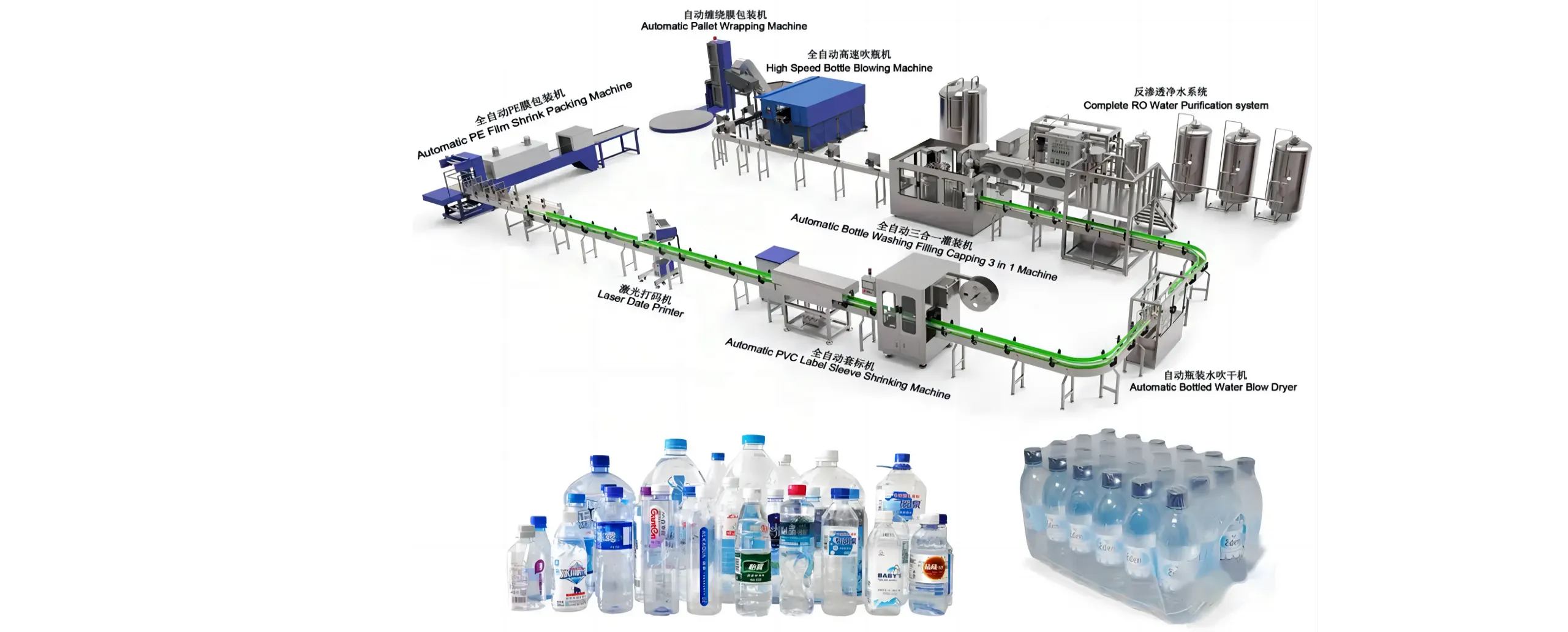
2023-12-07
Bottled Drinking Water Production Line: Equipment and Production Process
Today, we will delve into the equipment and production process of bottled drinking water production lines.HZM Machinery is a comprehensive professional supplier of Bottled Drinking Water Production Lines, integrating R&D, manufacturing, and sales.
Learn more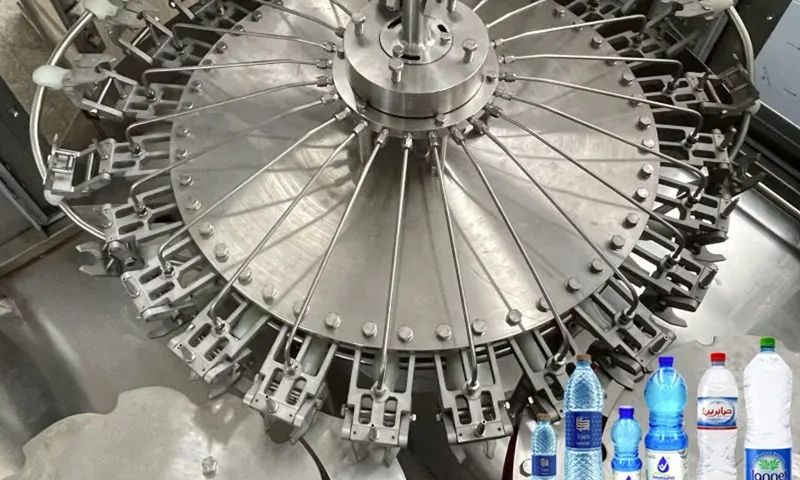
2024-03-17
Bottled Purified Water Production Line Equipment: Safeguarding from Source to Bottle
Producing high-quality, safe bottled purified water relies heavily on having an advanced production line equipment. This article will introduce the equipment used in bottled purified water production lines and its crucial role in ensuring the quality of drinking water.
Learn more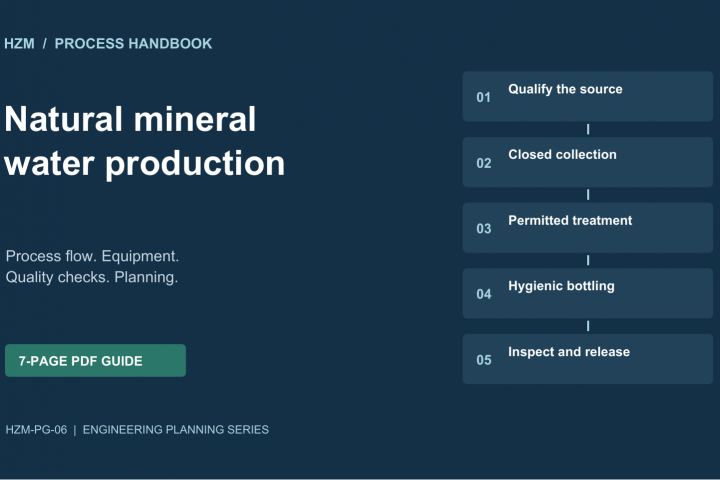
2026-09-21
Natural Mineral Water Production Line Process PDF: Source to Bottle
Download a natural mineral water production process PDF covering protected sources, permitted treatment, hygienic bottling, equipment images and quality checks.
Learn more