
Insights & Updates
Natural Mineral Water Production Line Process PDF: Source to Bottle
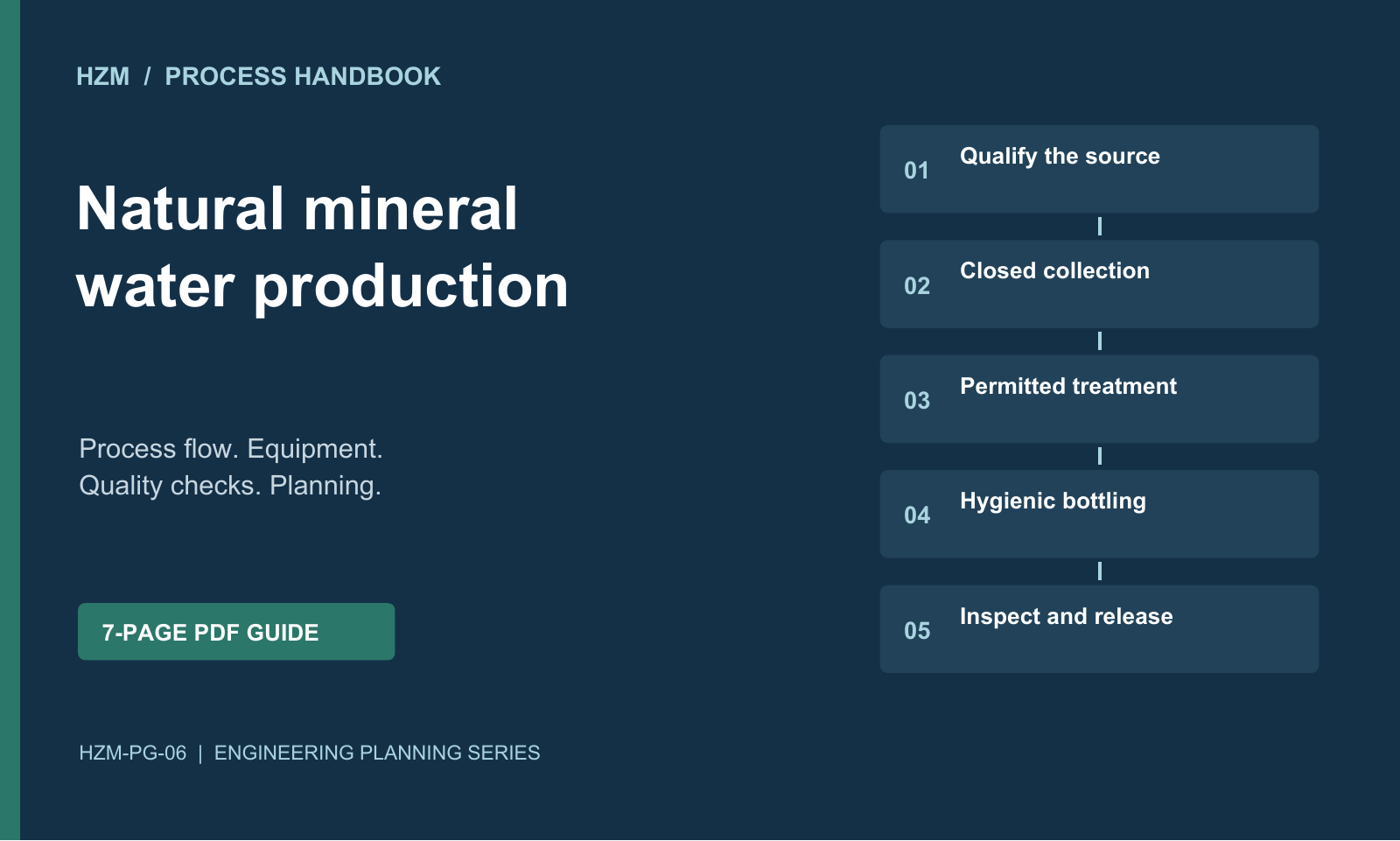
7-page technical guide · Original flow chart · Printable checklists
Scope: Natural mineral water from a qualified protected underground source. Natural origin alone does not establish the legal product category.
Source-to-bottle process map
A natural mineral water production line begins with a qualified source, not a purification skid. Its purpose is to protect the water during collection, any permitted processing and bottling while preserving the characteristics that define the product. This guide focuses on natural underground water and explains why its process specification differs from that of purified drinking water made from a well or municipal supply.
A drilled source can be natural in origin, but that fact alone does not qualify the finished product as natural mineral water. Source identity, composition, protection and the relevant recognition requirements must be established. Spring water and other naturally sourced bottled waters may fall under different categories. Determine the intended designation before commissioning treatment equipment or printing labels.
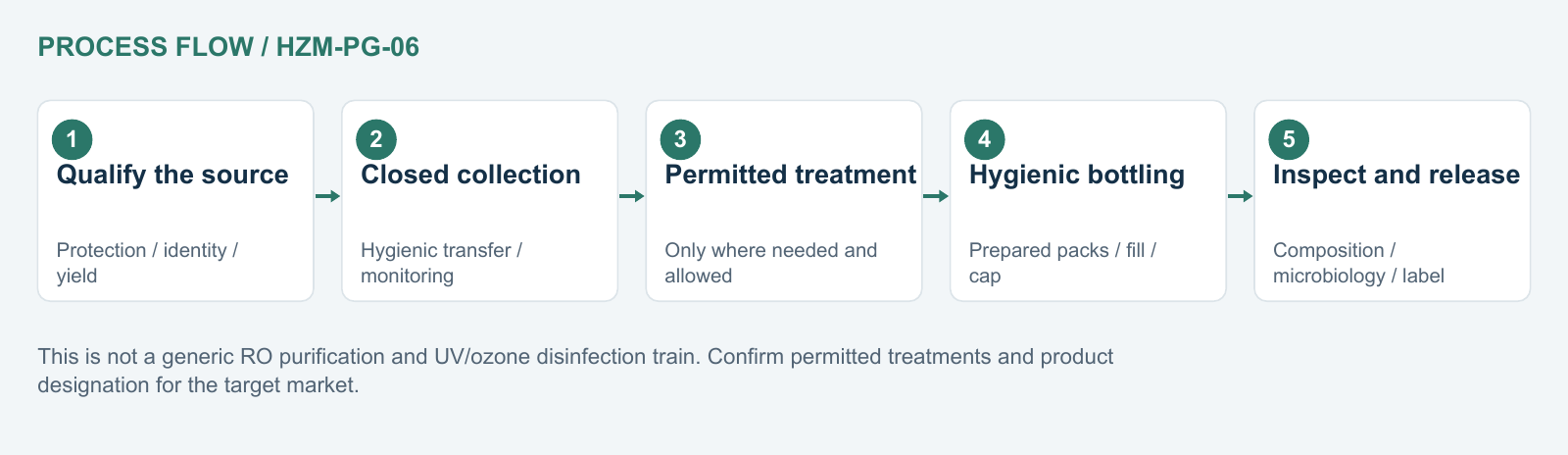
Read the process flow as text
- Qualify the source – Protection / identity / yield
- Closed collection – Hygienic transfer / monitoring
- Permitted treatment – Only where needed and allowed
- Hygienic bottling – Prepared packs / fill / cap
- Inspect and release – Composition / microbiology / label
This is not a generic RO purification and UV/ozone disinfection train. Confirm permitted treatments and product designation for the target market.
Source assessment, collection & permitted treatment
01 / Establish the water source dossier
Obtain hydrogeological information, abstraction conditions, representative analyses and evidence of source protection. Review chemical and microbiological behavior over relevant seasonal conditions. The dossier should connect the named source to the water actually entering the bottling plant, rather than relying on one attractive laboratory report.
02 / Match production to dependable source yield
Use a professionally assessed abstraction rate and operating permissions. Monitor drawdown or other relevant source indicators and establish a response to abnormal results. Increasing filler speed should not force pumping beyond the agreed source envelope. Plan cleaning and packaging schedules around the water actually available.
03 / Protect collection and transfer
Design collection heads, sanitary pipework, vents, sampling points and any buffer storage to minimize contamination and stagnation. Identify connections to other water systems and prevent cross-contamination. Provide inspection and cleaning access without creating uncontrolled openings into the product path.
04 / Define any treatment with its permitted purpose
Codex describes limited separation of unstable constituents while preserving the essential mineral characteristics. European provisions distinguish specific allowed treatments from disinfection; ozone-enriched-air separation under defined conditions is not blanket permission to disinfect natural mineral water. Document the need, legal basis, validation and effect of every proposed stage.
05 / Bottling and source identity
Keep the source-to-package link traceable. Review where packaging may take place and how the source and composition must be described for the market concerned. Check the proposed product name against the actual source and treatment history. Do not relabel purified and remineralized water as natural mineral water.
Hygienic filling & packaging equipment
| Area | Equipment / design | Required confirmation |
|---|---|---|
| Source transfer | Compatible sanitary piping, monitoring and sampling | Protection, access and source traceability |
| Allowed processing | Only specified and justified separation stages | Permission and preserved water characteristics |
| Bottle preparation | Purchased-bottle or on-site blowing arrangement | Container cleanliness and protected transfer |
| Filling / closure | Suitable water filler and capper | Hygiene; filling accuracy; closure integrity |
| Pack handling | Inspection, labeling, shrink or carton packing | Identity, code, label accuracy and pack strength |
Define the hygiene boundary around empty containers, closures and exposed product. Select the container preparation method with the process specialist; a rinse is not automatically a sterilization step. Protect caps through storage and feeding, and assess compressed air where it can contact a bottle interior or product-contact surface.
Keep storage of chemicals, waste and packaging materials organized around the protected bottling area. Design drainage so that cleaning activity does not contaminate the filler environment. After sanitation, use an approved verification and release procedure before bringing source water back into the product circuit.
Monitoring, release & contamination response
| Location | What to evaluate | Purpose |
|---|---|---|
| Source | Composition, microbiology, yield and relevant source indicators | Detect change before bottling |
| After an allowed stage | Its intended effect and the water characteristics | Verify the defined treatment |
| Filler supply | Hygienic condition and representative water samples | Check transfer and storage integrity |
| Finished package | Microbiology, composition, closure, net content and labeling | Make a documented release decision |
| Retained samples | Storage-related sensory and package observations | Support quality investigations |
Use qualified laboratories and a sampling plan aligned with the applicable category and jurisdiction. Trend results rather than treating every acceptable result as unrelated to the previous one. Conductivity or total dissolved solids can be useful process indicators, but neither replaces a full composition review or microbiological examination.
Treat a contamination event as a source or hygiene investigation
Stop and isolate potentially affected production under the site procedure, investigate the origin and restore acceptable conditions before restart. Do not assume that adding a disinfection stage will make a nonconforming natural-mineral-water process acceptable. Review collection, transfer, packaging and cleaning records together.
Separate equipment sanitation from product treatment
Document when tanks and lines are cleaned, how residues are removed and how the system is released to production. Product-design restrictions on treating natural mineral water do not mean that equipment can be left unsanitized. Keep the cleaning method and the permitted water-processing route clearly distinguished.
Agree a traceable product hold and release system. The packing code should identify the collection or bottling period, line and relevant inspection records. Test the ability to identify affected pallets before commercial dispatch.
Source capacity & line-planning worksheet
For an illustrative 2% product-water loss on feed, the required feed for 5,000 L/h of saleable water is 5,000 / 0.98 = approximately 5,102 L/h. Cleaning, container preparation and other plant uses need a separate water balance. Define which services may use a different approved water supply and protect against any cross-connection.
Buffering without losing control
A 2,500 L usable buffer corresponds to 30 minutes of product demand at 5,000 L/h. That arithmetic does not establish a permitted holding period. Specify tank hygiene, venting, turnover, temperature exposure, monitoring and restart conditions. Avoid oversizing storage merely to compensate for unreliable source yield.
- Confirm source recognition or category qualification and the intended market designation.
- Document seasonal composition and the dependable abstraction envelope.
- Approve every proposed treatment before ordering the equipment.
- Verify hygienic transfer, sampling points and system separation.
- Test container preparation, fill amount, leakage and closure integrity.
- Check source, composition and treatment statements on the label.
- Agree restart, hold, release and traceability procedures.
For an RFQ, send the water analyses, source description, permitted treatment scope, package drawings, output by size, site plan and utility data. Ask vendors to identify any stage they have assumed rather than specified from that information.
Natural mineral water: common questions
Is spring water always mineral water?
No. The names refer to different product categories in many markets. Natural origin is not enough to decide the designation. Review source qualification, composition and the rules for the intended sales market.
Is RO normally part of this process?
Not as a default natural-mineral-water stage. RO changes dissolved constituents and belongs in a different treatment assessment. If the business intends to produce purified water, define and label that product separately instead of mixing the two concepts.
Can UV or ozone be assumed acceptable?
No. Under the EU framework, disinfection of natural mineral water is prohibited, while certain specific separation treatments have defined conditions. Do not generalize a purified-water disinfection train to every natural-water category or country.
Does adding minerals back create natural mineral water?
No. A recipe based on treated water and added minerals is not a substitute for qualifying a natural source. Select the correct product description and keep the manufacturing routes separate.
What about sparkling mineral water?
It requires an additional gas and pressure-filling assessment, including the relevant designation for the origin and amount of CO2. This guide shows the still-water base route rather than a complete carbonation design.
Media-library equipment illustrations
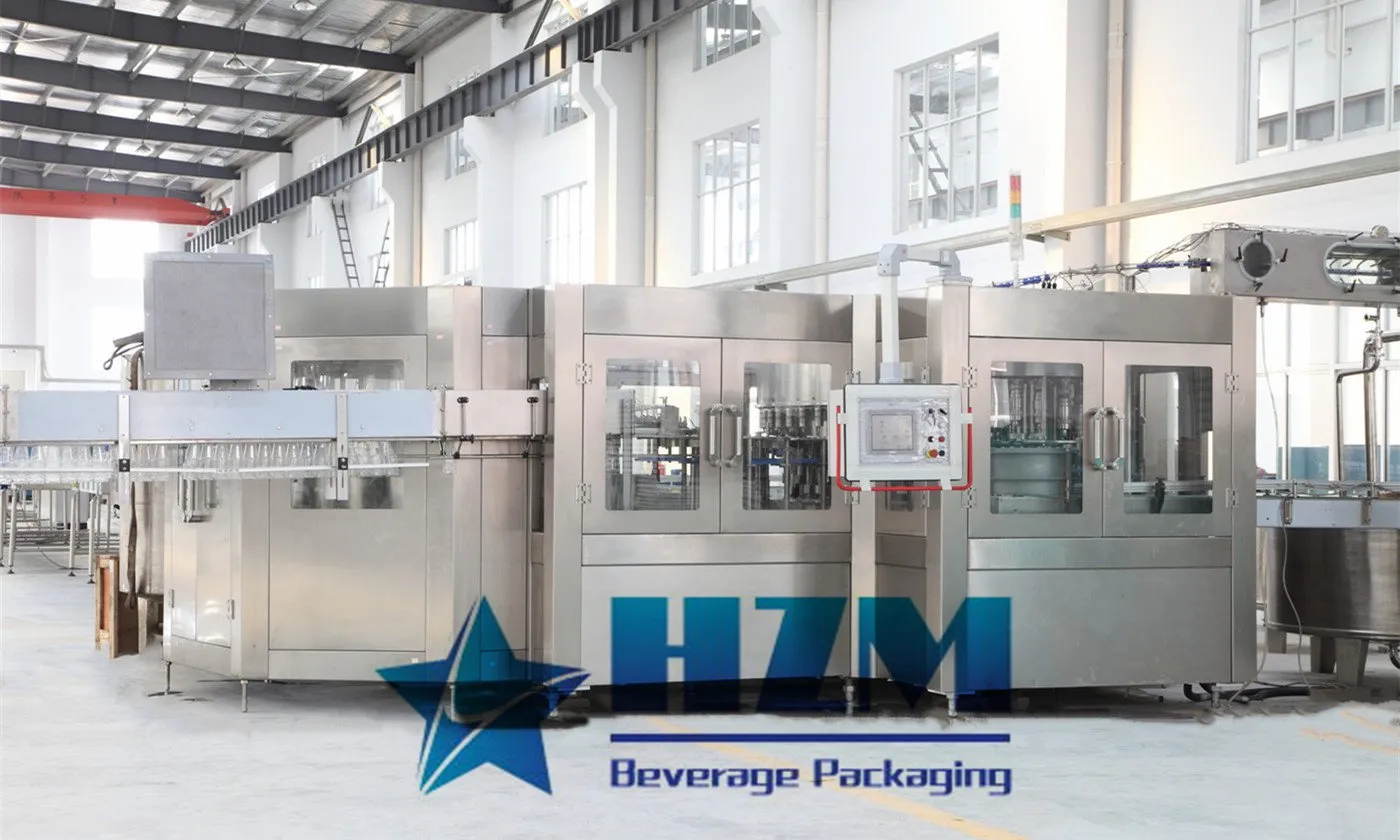
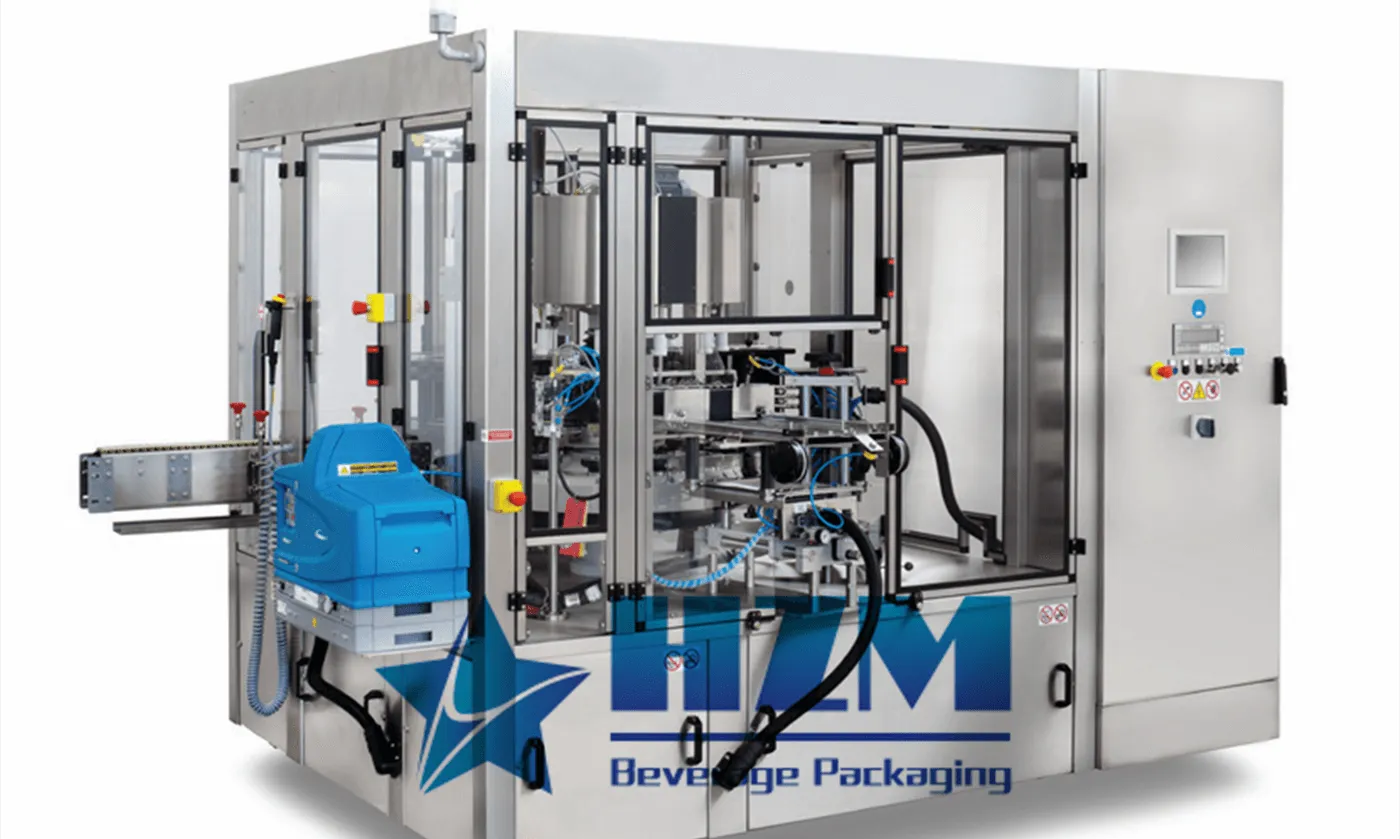
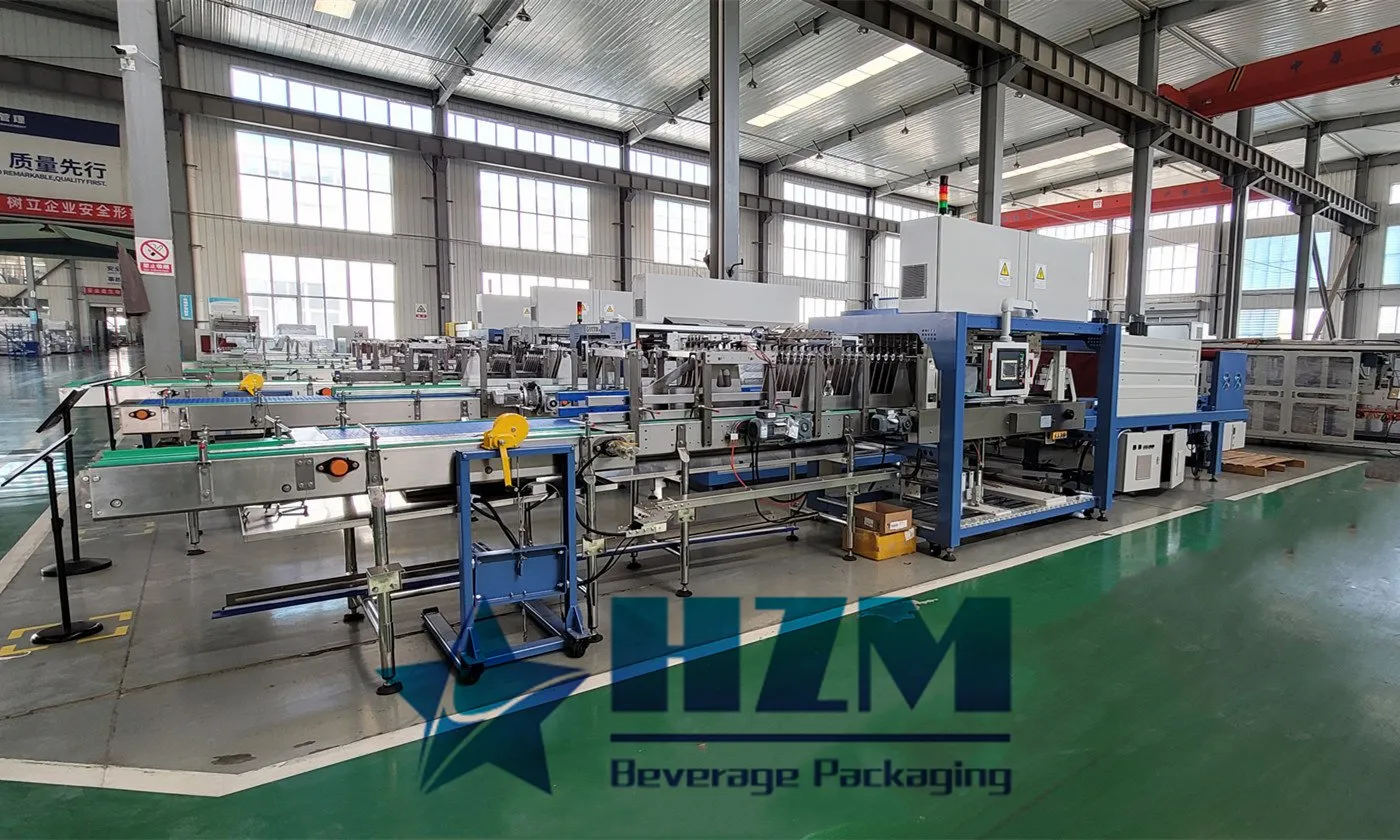
The images below illustrate the packaging end of the line. No RO purification system is presented as a natural-mineral-water treatment stage. Equipment images do not certify a source or establish permission to use a product name.
Continue planning your line
- PET Bottle Water Filling Machine
- Bottled water production process PDF
- Complete Beverage Production Line Process PDF: Flow Chart & Equipment Guide
- Beverage Plant Utilities Checklist Before Equipment Installation
More downloadable process guides
- Complete Beverage Production Line Process PDF: Flow Chart & Equipment Guide
- Carbonated Soft Drink Production Process PDF: Syrup, Carbonation & Filling
- Juice Hot-Filling Production Process PDF: Flow Chart & Quality Checklist
- Ready-to-Drink Tea Production Process PDF: Extraction, Clarity & Filling
- Energy Drink Production Line Process PDF: Mixing, Filling & Quality Control
- Drinking Water Production Process PDF: Well Water & Tap Water Purification
Talk to our engineering team
Need help planning your packaging line?
Share your product, bottle and capacity requirements for a practical equipment recommendation.
Equipment
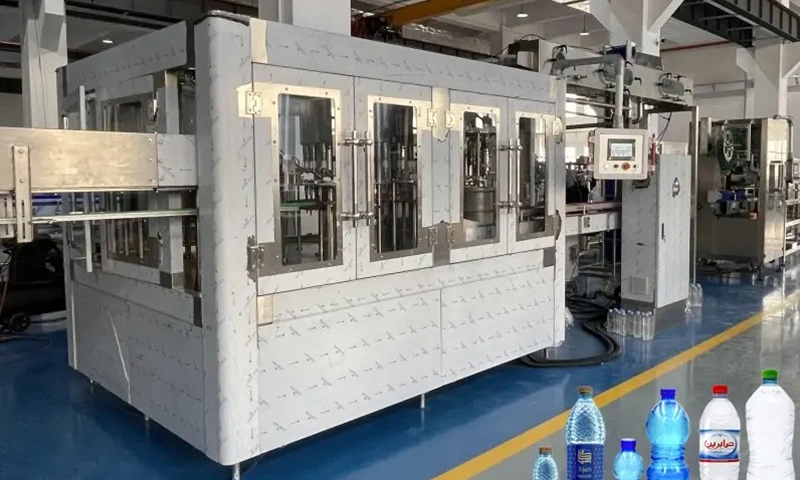
Automatic Mineral Water Bottle Filling Machine
Automatic mineral-water bottling with rinsing, filling and capping, from 5,000 to 18,000 bottles/hour at 500 ml.
Learn more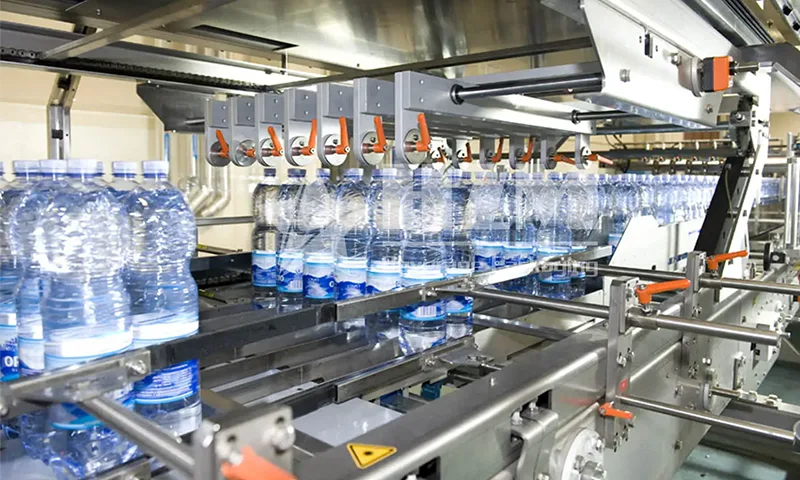
Equipment
Mineral Water Bottle Packaging Machine
Automatic drinking-water production equipment with PET bottle rinsing, filling and capping, plus downstream packaging options.
Learn more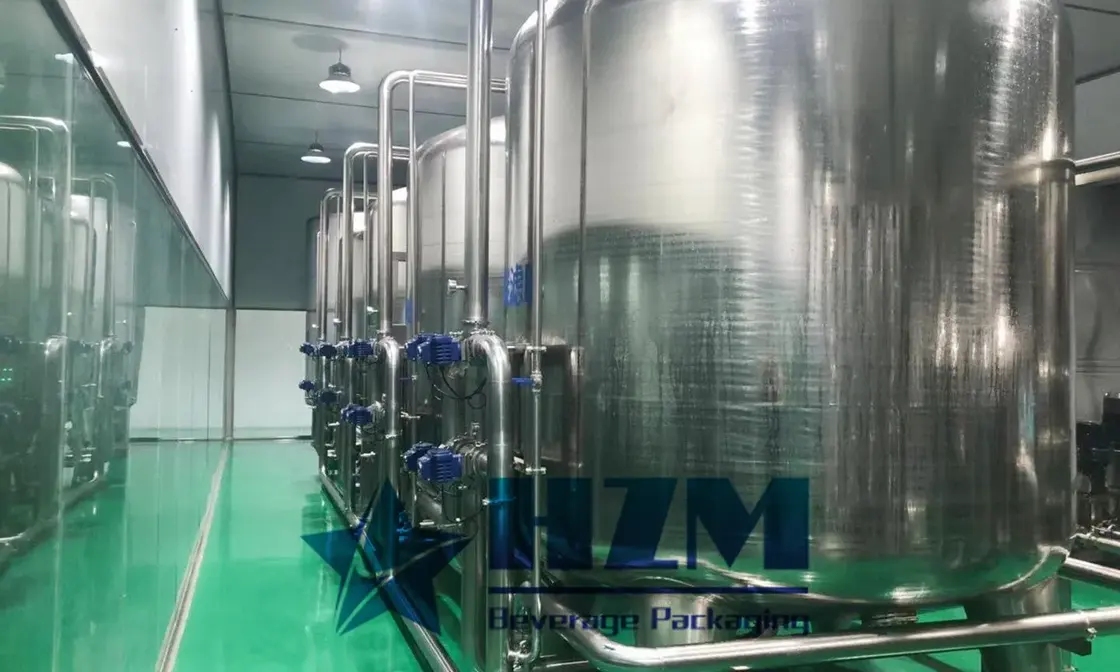
Equipment
Water Purification System for Mineral Water Plant
The mineral water purification system removes unwanted particles and supports hygienic storage and transfer before bottling.
Learn more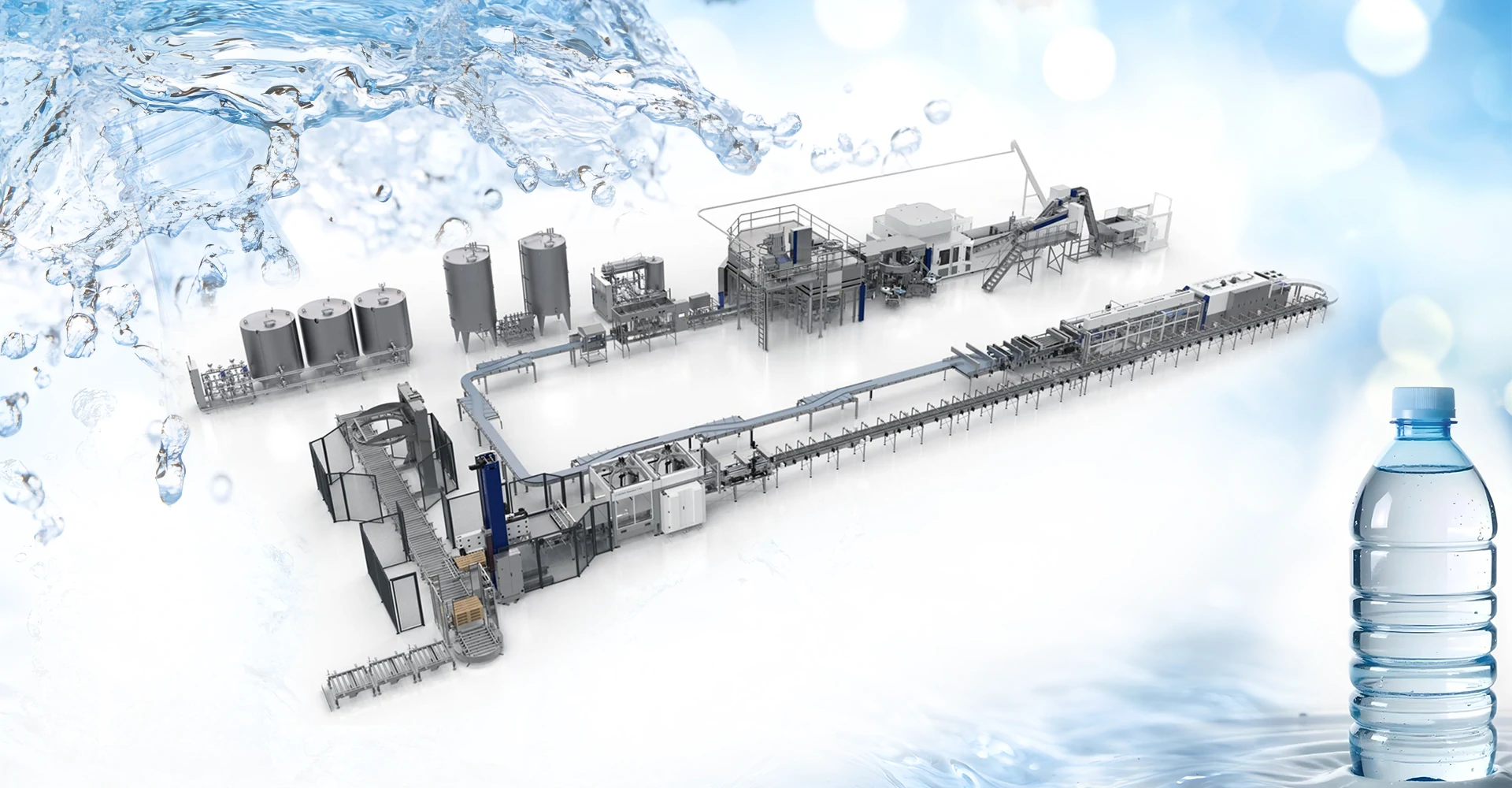
Equipment
Drinking water production line – Bottled Water Filling Machine Manufacturer
PET-bottled drinking-water production with automatic rinsing, filling and capping, plus water treatment and packaging equipment.
Learn more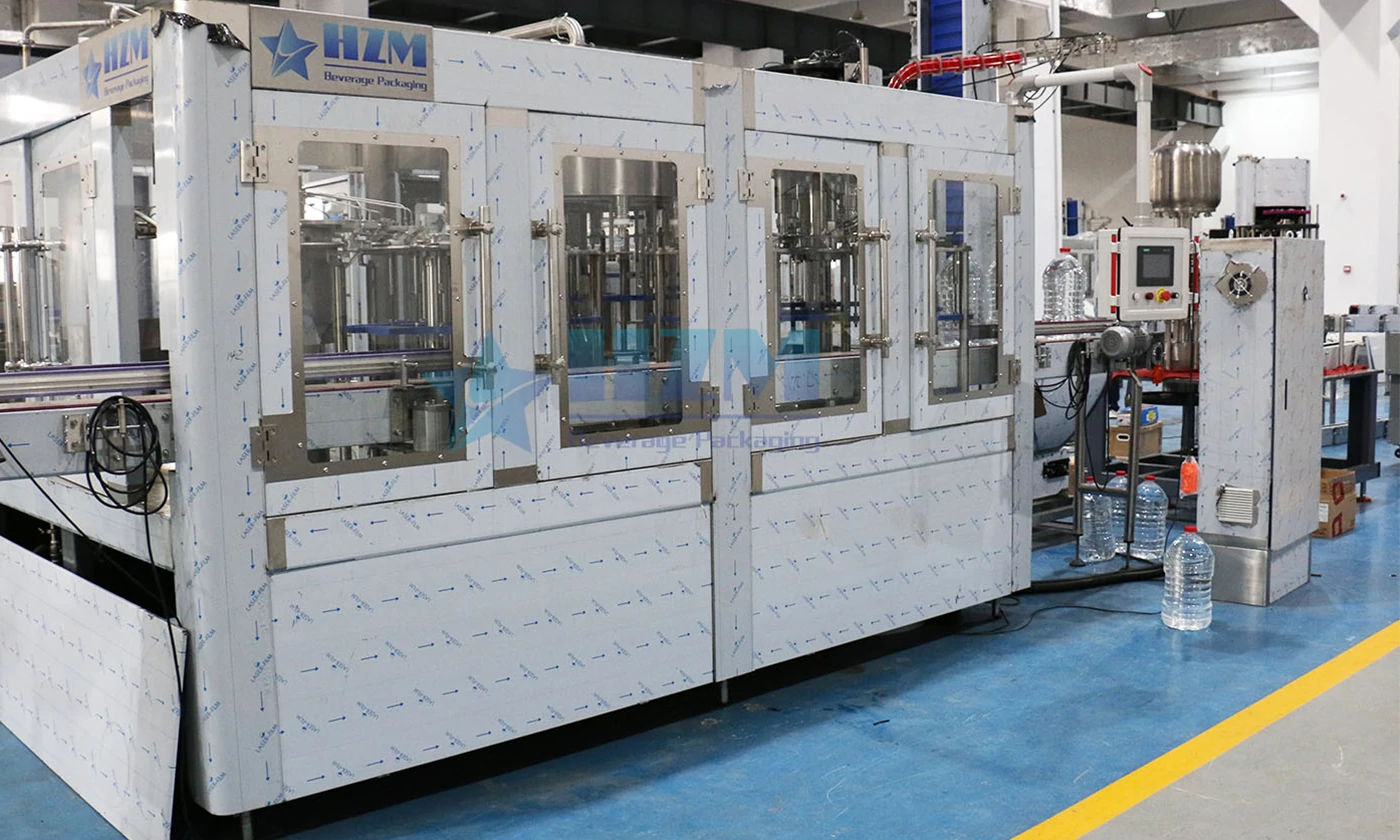
Equipment
5L-10L Large Bottle Drinking Water production line
XGF12-12-4 rinsing, filling and capping for 5 L and 10 L water bottles, with stable outputs of 1,200 and 700 bottles/hour respectively.
Learn more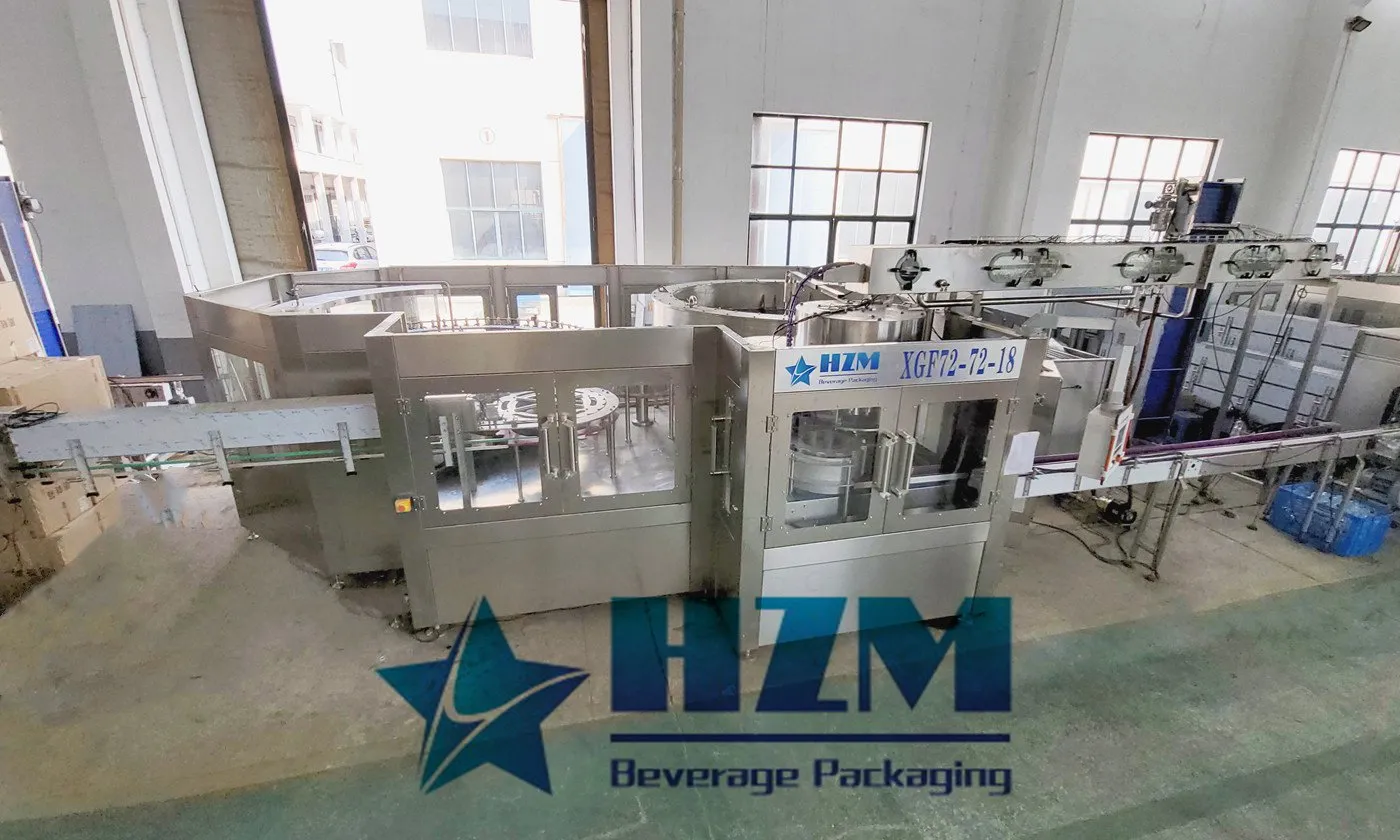
Equipment
Automatic Water Bottle Filling Machine
Automatic rinsing, filling and capping for purified and mineral water in PET bottles, with capacities of 5,000–42,000 bottles/hour at 500 ml.
Learn more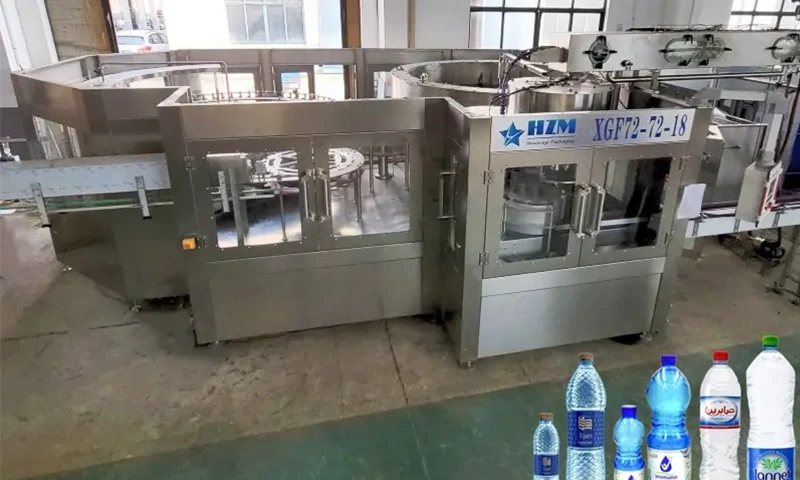
Equipment
3-In-1 Water Bottle Filling Machine
A 3-in-1 PET bottle rinsing, filling and capping machine for drinking water, from 5,000 to 18,000 bottles/hour at 500 ml.
Learn more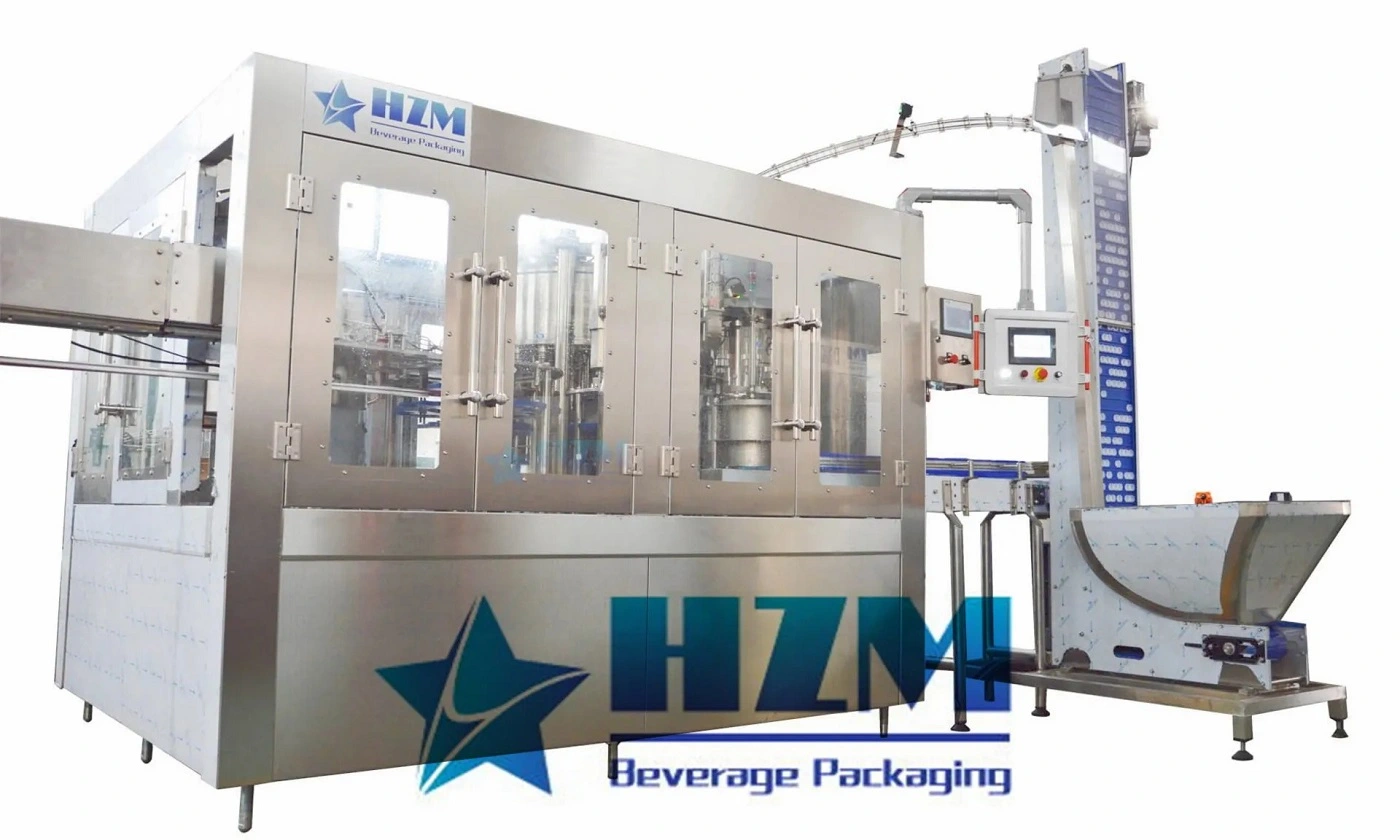
Equipment
Automatic Drinking Water Bottling Machine
Drinking-water bottling equipment with automatic rinsing, filling and capping, plus conveying, labelling and packing options.
Learn more
Equipment
PET Bottle Water Filling Machine
PET bottle water filling with automatic rinsing and capping, for purified water, mineral water and still drinking water.
Learn more2023-09-18
Bottled water production process PDF
The PDF document on the bottled water production process encompasses detailed information on how bottled water is manufactured, including a comprehensive description of production steps, illustrated process diagrams, and in-depth explanations of quality control methods.
Learn more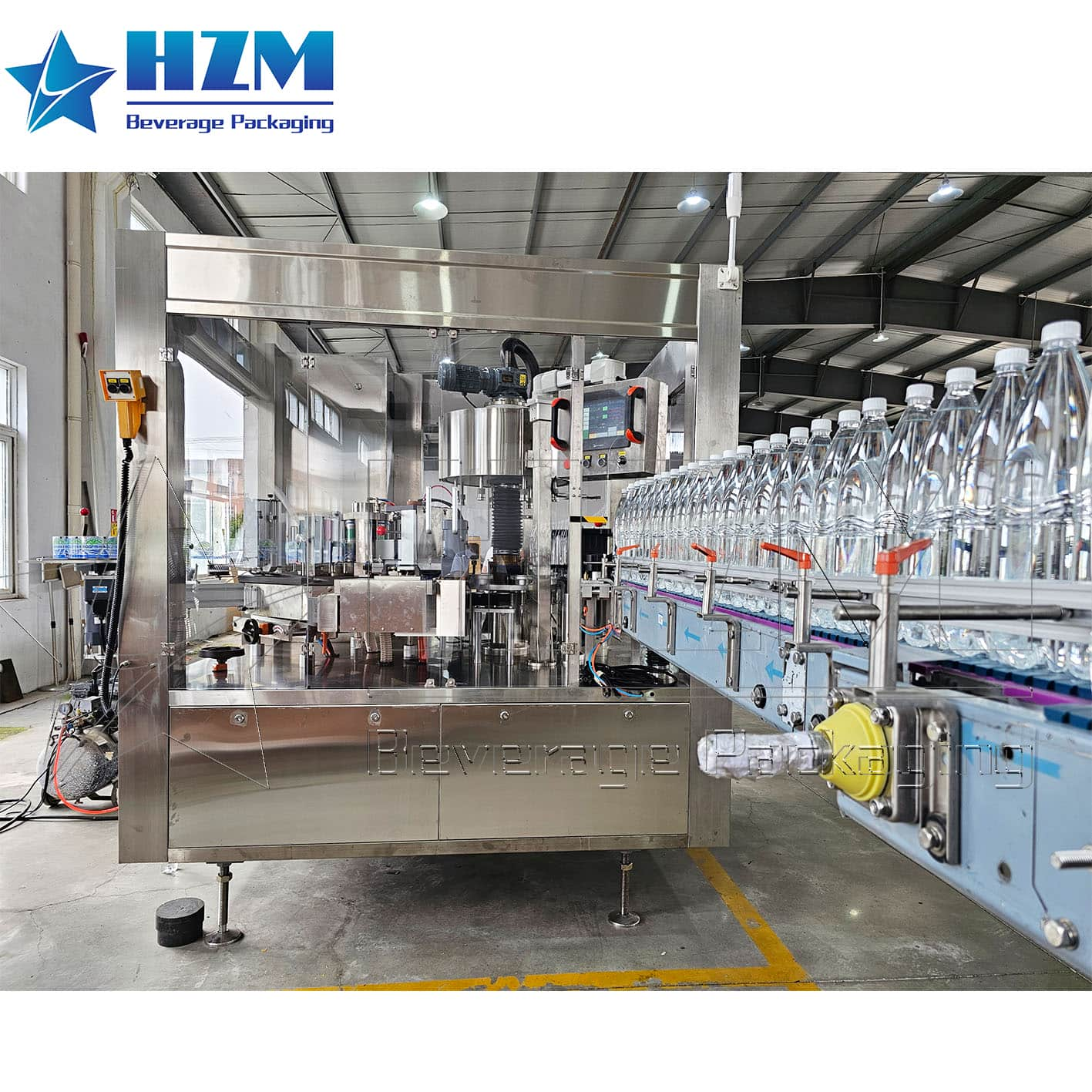
2023-07-06
Mineral Water Bottling Production Line Process
Before the production of any mineral water bottling production line, it is necessary to carry out on-site construction and development according to the construction plan
Learn more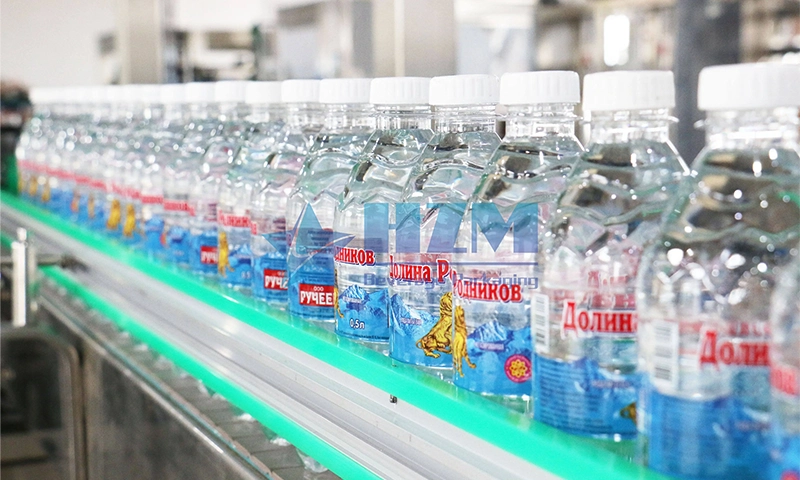
2025-02-10
Mineral Water Production Line – cost-effective
Mineral water production line equipment, factory, price, parameters.
Learn more2023-06-06
HZM Mineral Water Production Line Equipment Manufacturer
HZM Mineral Water Production Line Equipment Manufacturer: Competitive Pricing, Factory Direct Sales, Reliable After-Sales Service
Learn more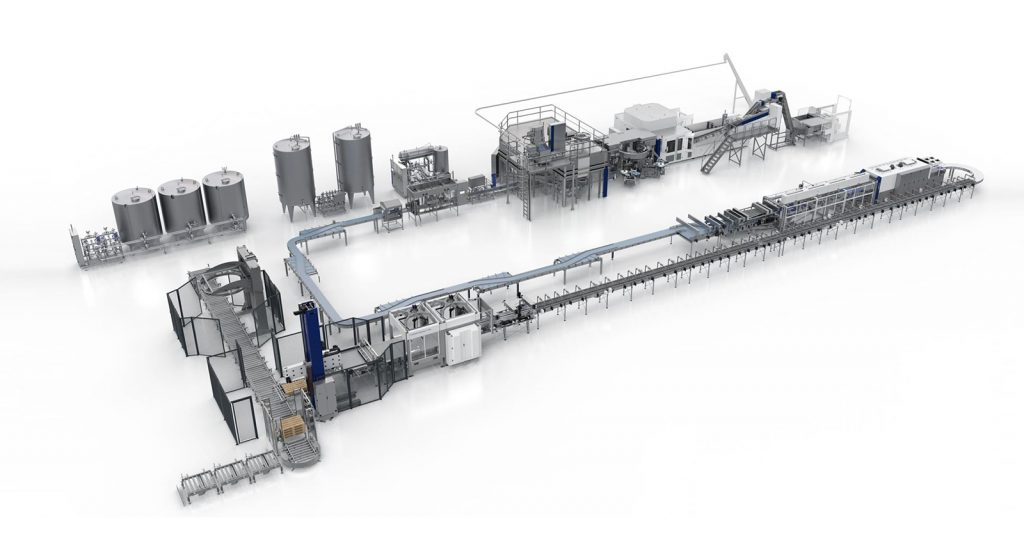
2023-09-14
How Much Does a Mineral Water Production Line Cost?
The cost of a mineral water production line equipment depends on factors such as equipment capacity. Many people wonder how much a small-scale mineral water production line equipment costs.
Learn more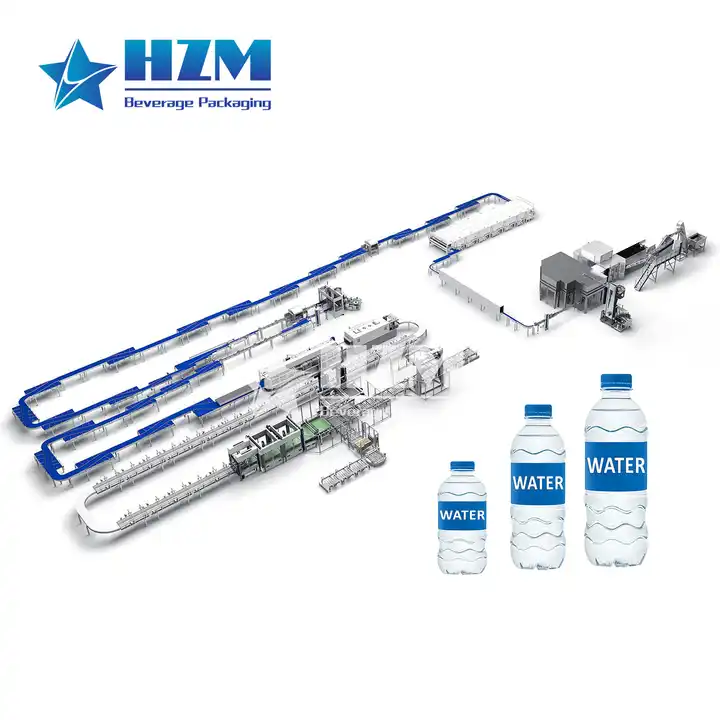
2024-07-30
How Much Does a Complete Mineral Water Production Line Cost?
Many mineral water production companies are concerned about the cost of a complete mineral water production line. The specific price depends on the production capacity of the equipment.
Learn more