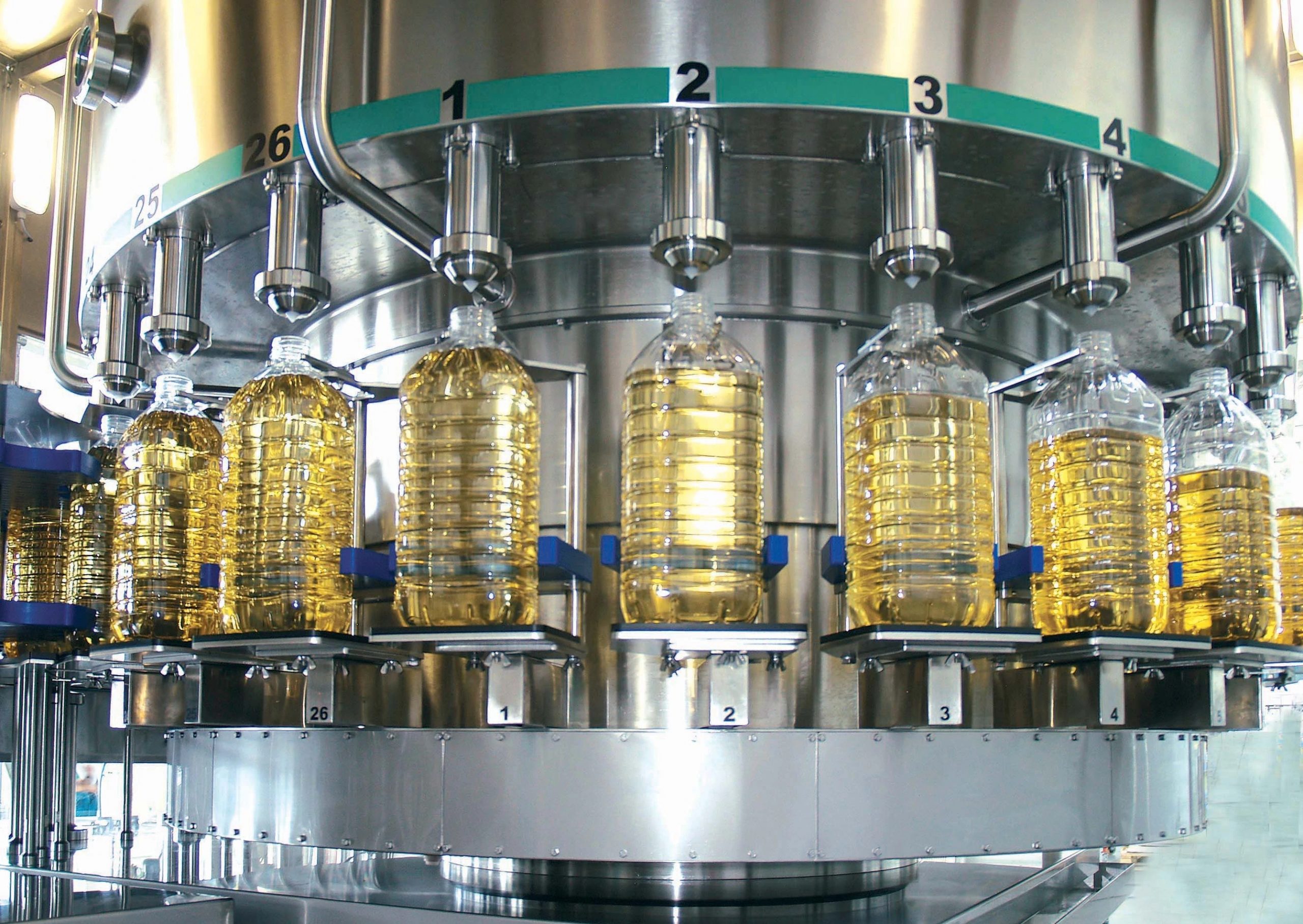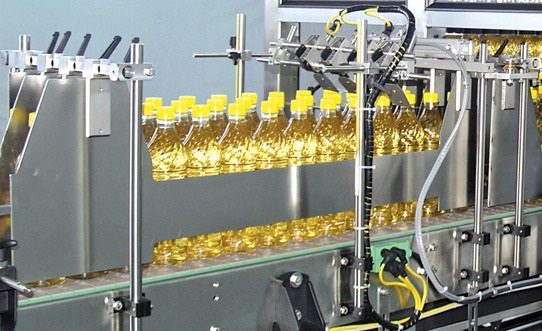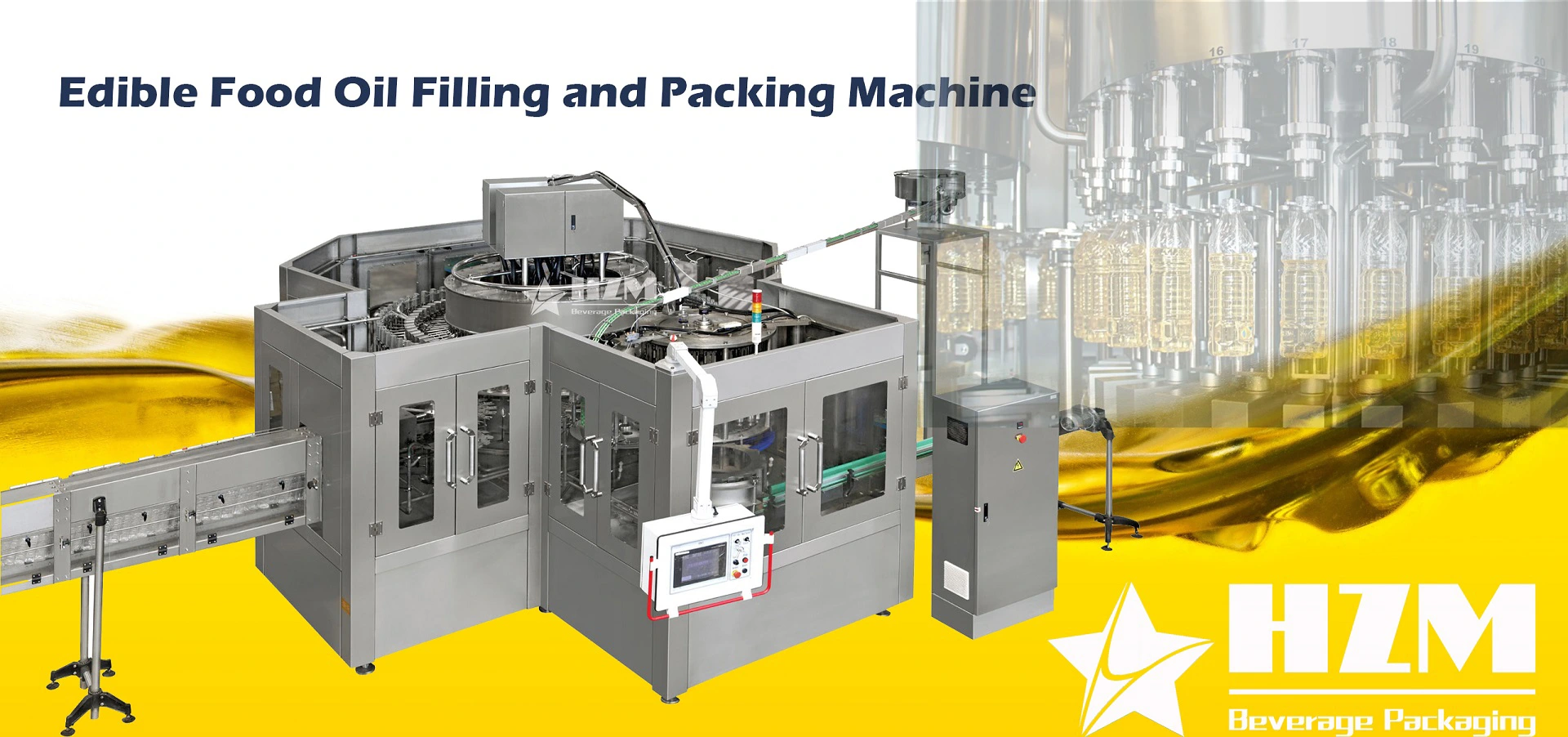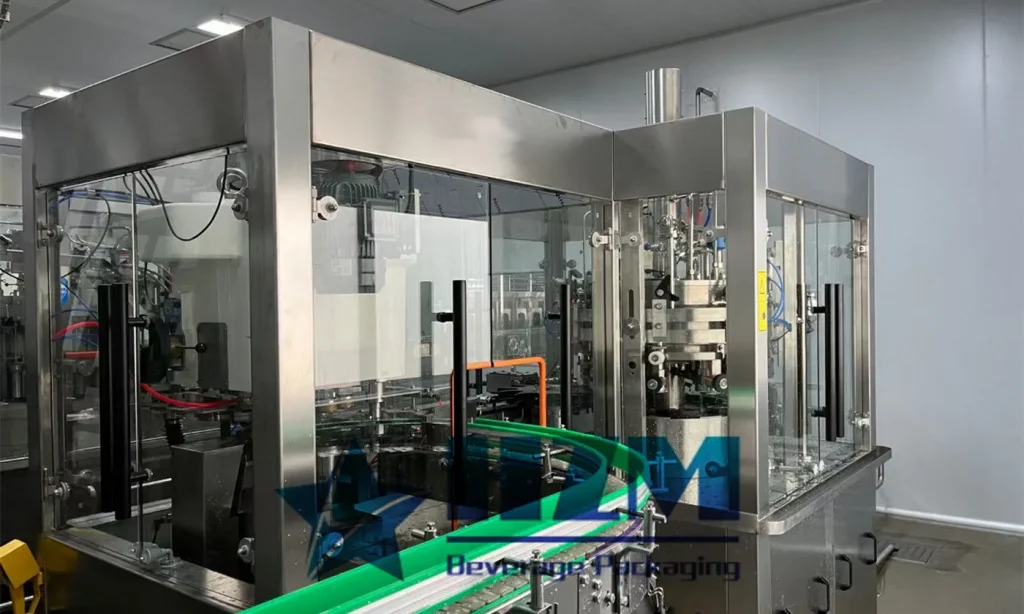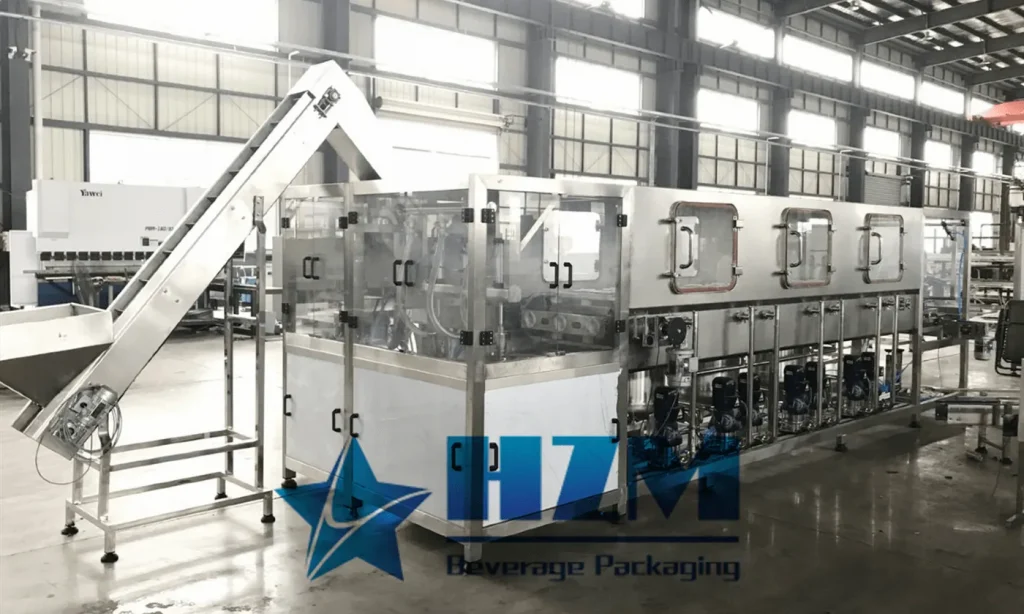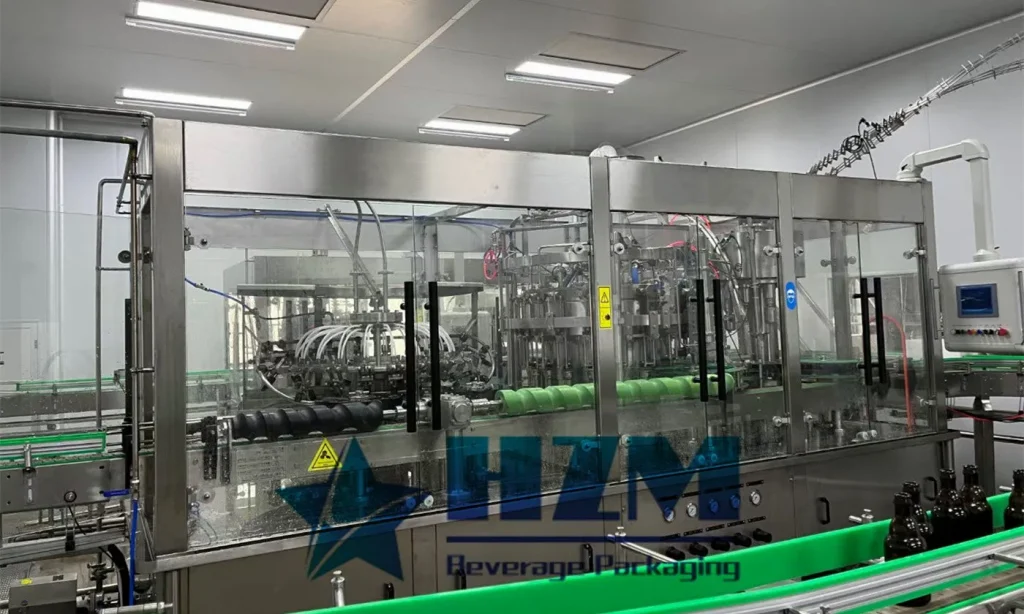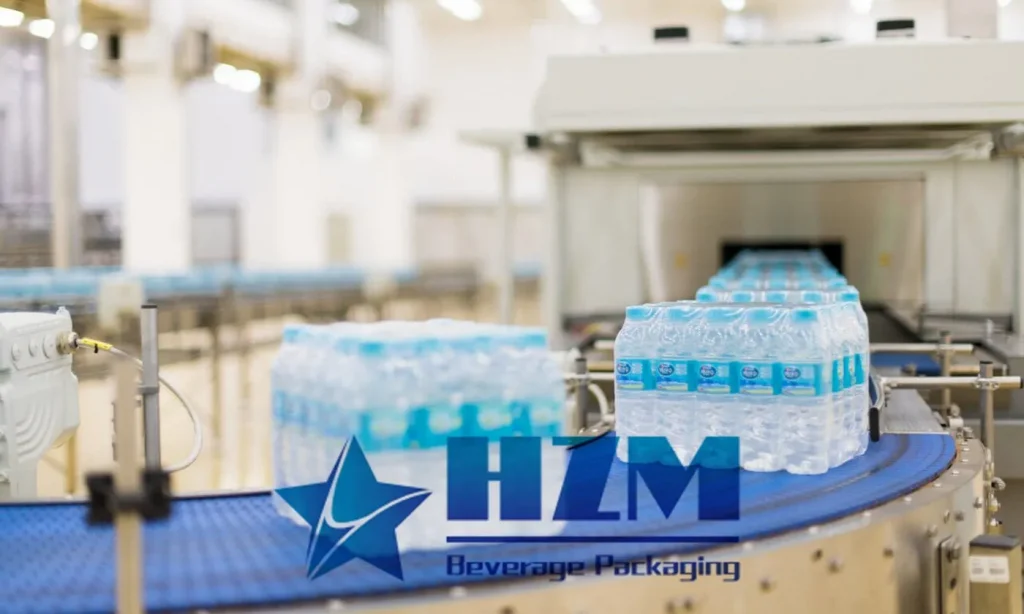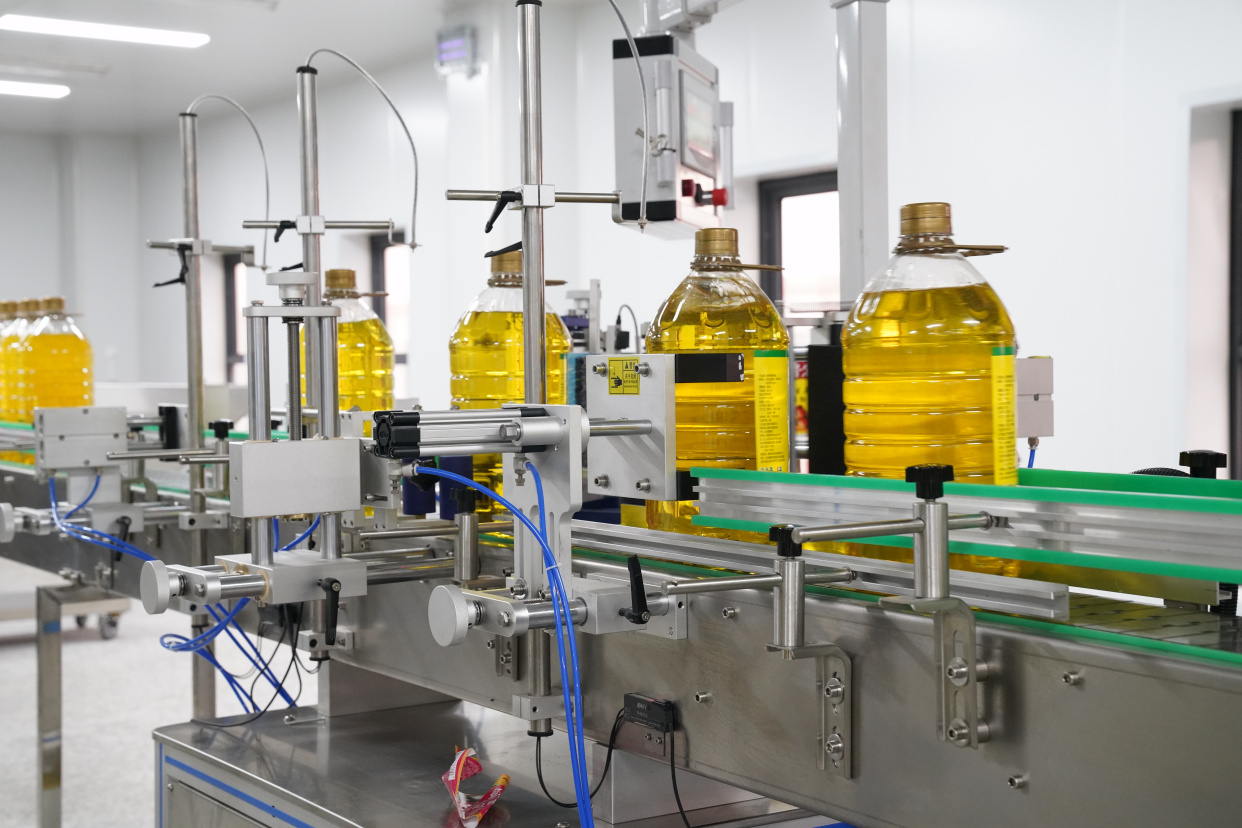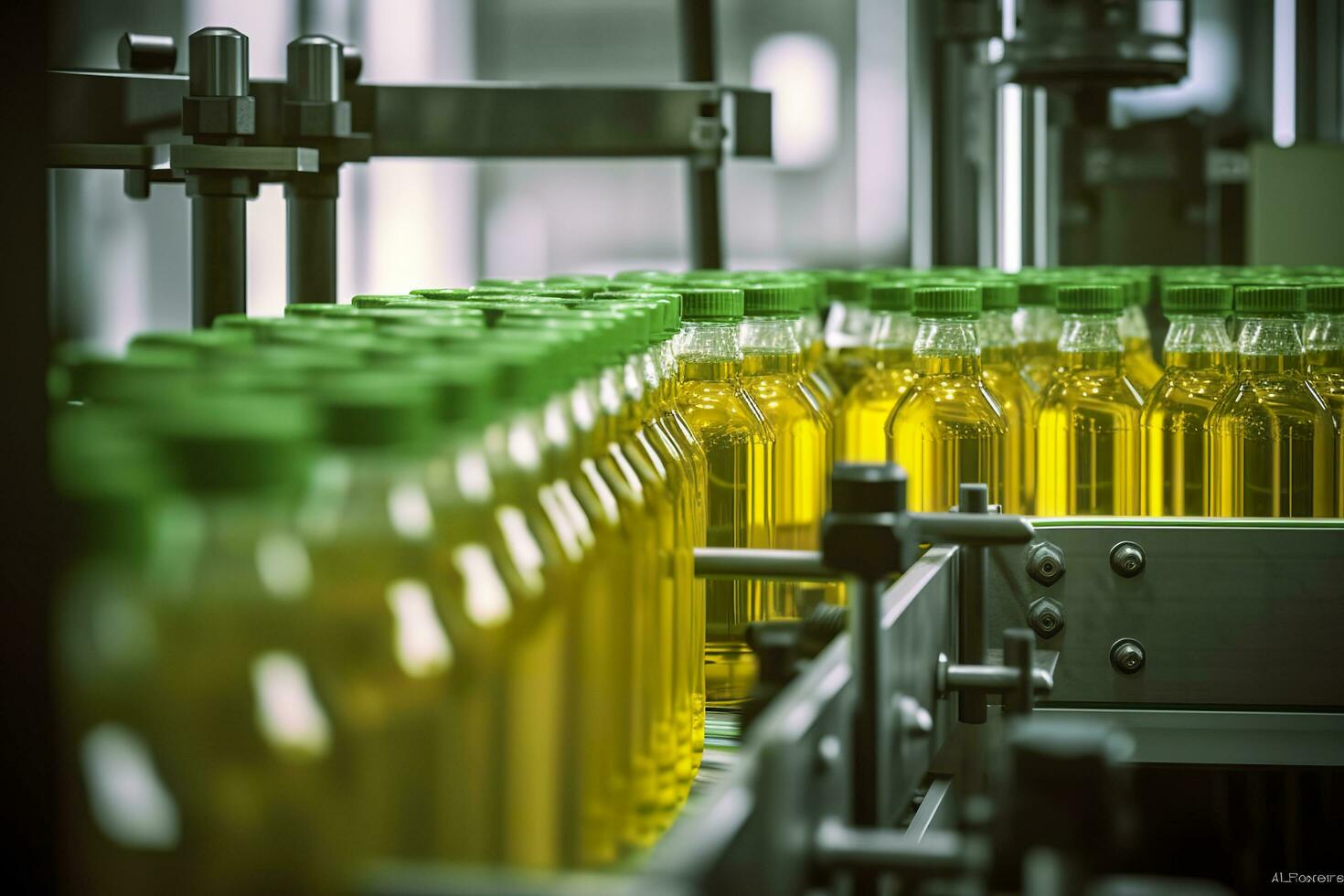
Why Do Automatic Edible Oil Filling Machines Experience Oil Leakage?
Many edible oil manufacturers, in pursuit of increased efficiency and production output, opt to equip their production lines with automatic edible oil filling machines
Learn more
Provides production line solutions for bottled water, beverages, beer and edible oils, including water treatment systems, bottle blowing machines, filling machines, packaging machines, labeling machines and other necessary equipment.
Many edible oil manufacturers, in pursuit of increased efficiency and production output, opt to equip their production lines with automatic edible oil filling machines
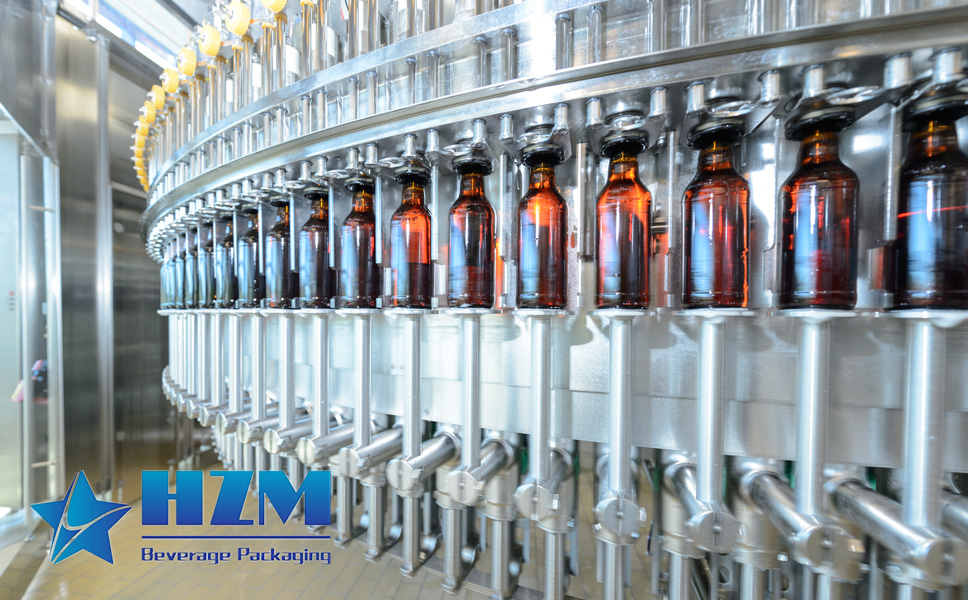
Learn moreWhen filling beer, it is essential to maintain strict sterility, minimize beer loss, prevent carbon dioxide (CO2) loss, and avoid contact between the beer and air to prevent oxidation. The filling valves must be clean and provide a good seal to prevent turbulence and beer surging.
Learn moreIn the market, there are numerous manufacturers of edible oil filling machines, which means that edible oil producers need to carefully select the equipment that suits their needs.
Learn moreboth of these machines are typically used for filling liquid edible oils, but the specific differences depend on the machine's design and the manufacturer's labeling. When choosing a machine, you should consider your production requirements and the specific types of edible oils you will be handling.
Learn moreCO2 → Bottle Caps → Labels → Beer Bottles → Selection → Bottle Washing Machine → Bottle Inspection → Filling Machine → Capping Machine → Quality Inspection → Sterilization Machine → Quality Inspection → Labeling Machine → Filtration of Beer → Packaging Machine → Bottled Beer
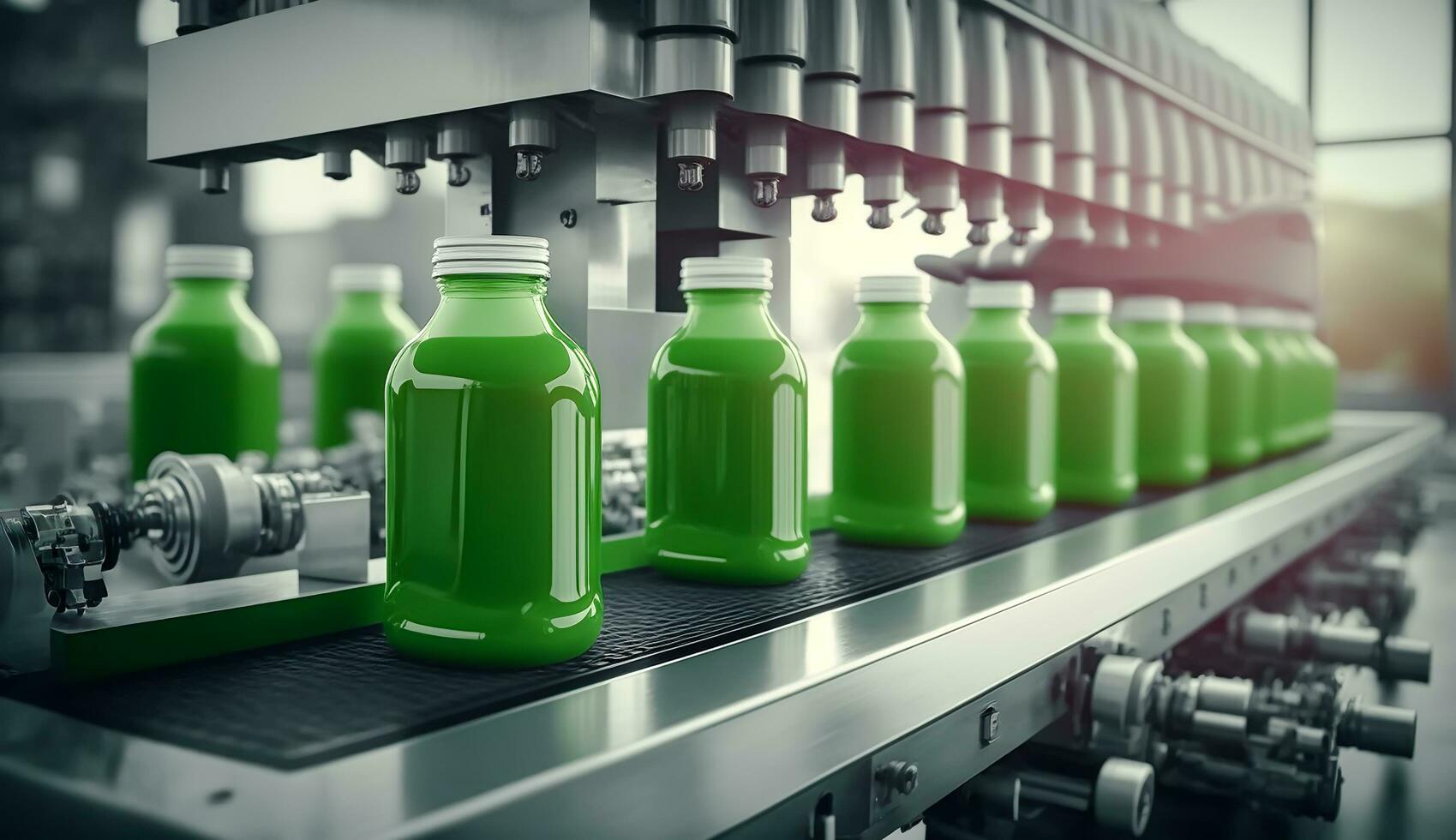
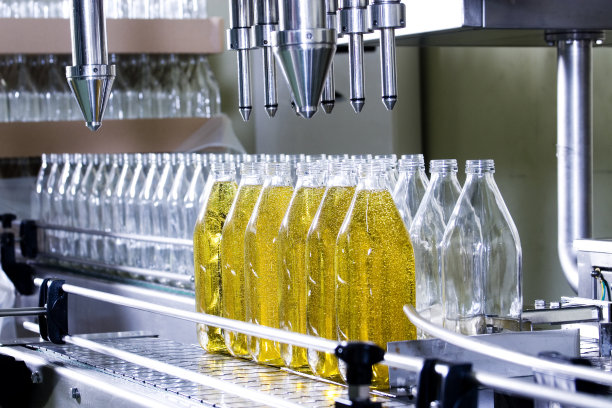
Learn moreThe edible oil filling machine (referred to as the machine hereafter) is a device used for the automatic or semi-automatic filling of edible oil. The is primarily used to fill various types of edible oils, such as peanut oil, rapeseed oil, corn oil, sunflower oil, soybean oil, walnut oil, and olive oil, into various types of containers, including bottles, barrels, and bags.
Learn moresmall-scale beverage packaging production lines provide a flexible and efficient production and packaging solution for small to medium-sized beverage manufacturers and businesses.
Learn moreBottles, cans and kegs require different preparation, filling and closure equipment. The package decision also changes inspection, return handling and downstream packing.
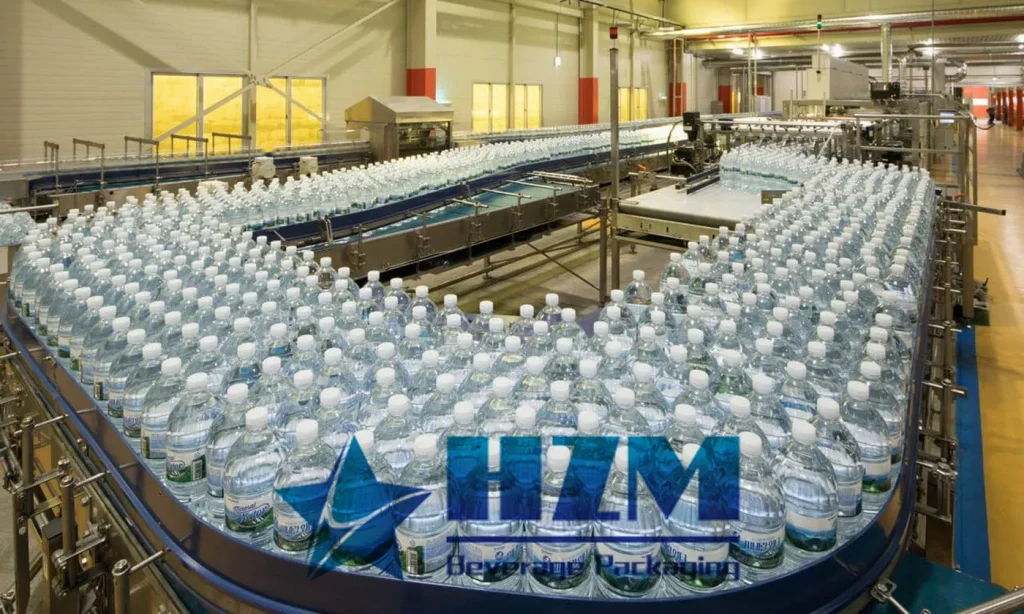
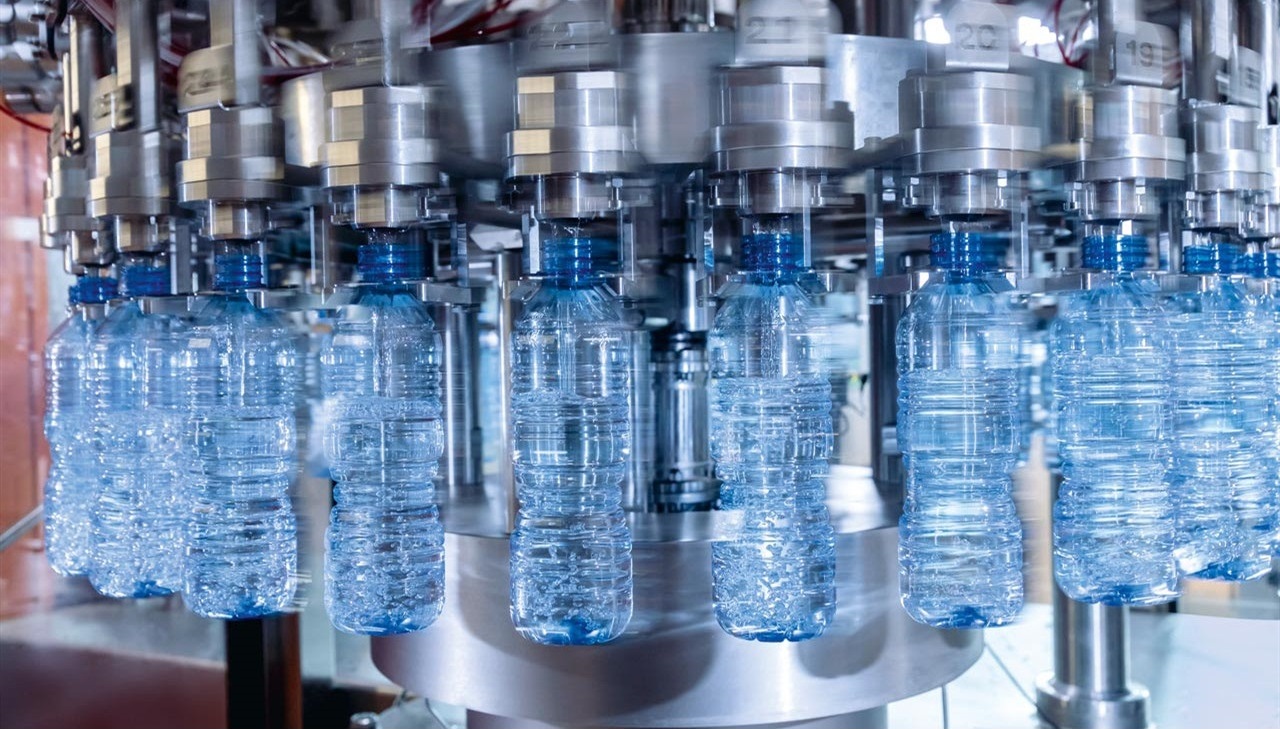
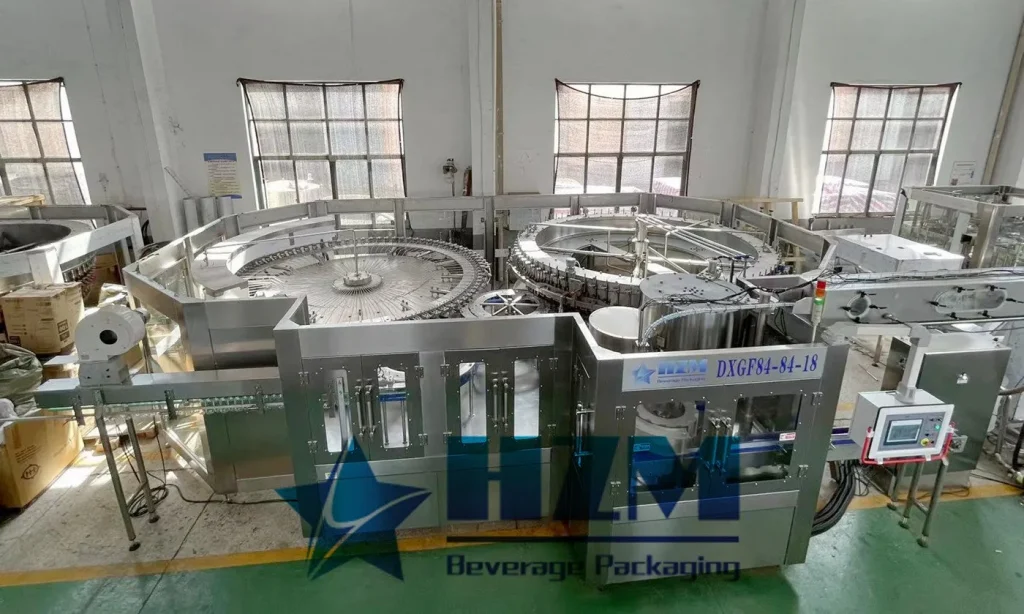
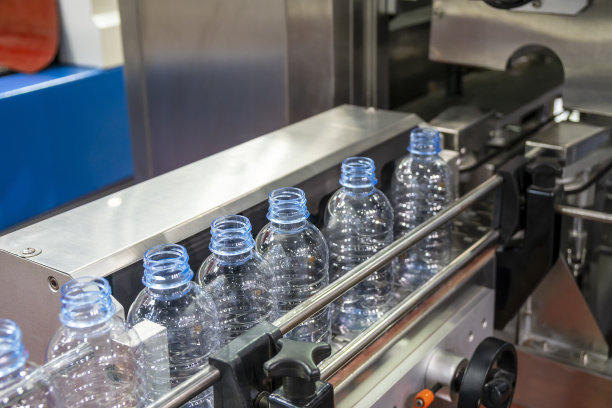
Learn moreA beverage filling machine is a subcategory of packaging machinery used for producing bottled and barrelled drinking water, including mineral water. It comprises processes such as cleaning, filling, and capping, making it an ideal equipment for the production of mineral water and purified water.
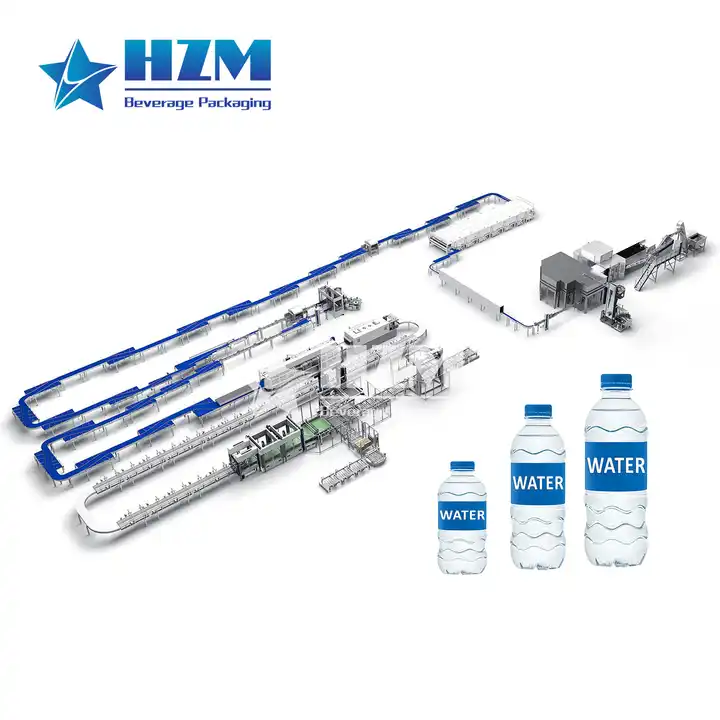
Learn moreOrganize the enquiry by water preparation, container supply, filling and dispatch packaging.
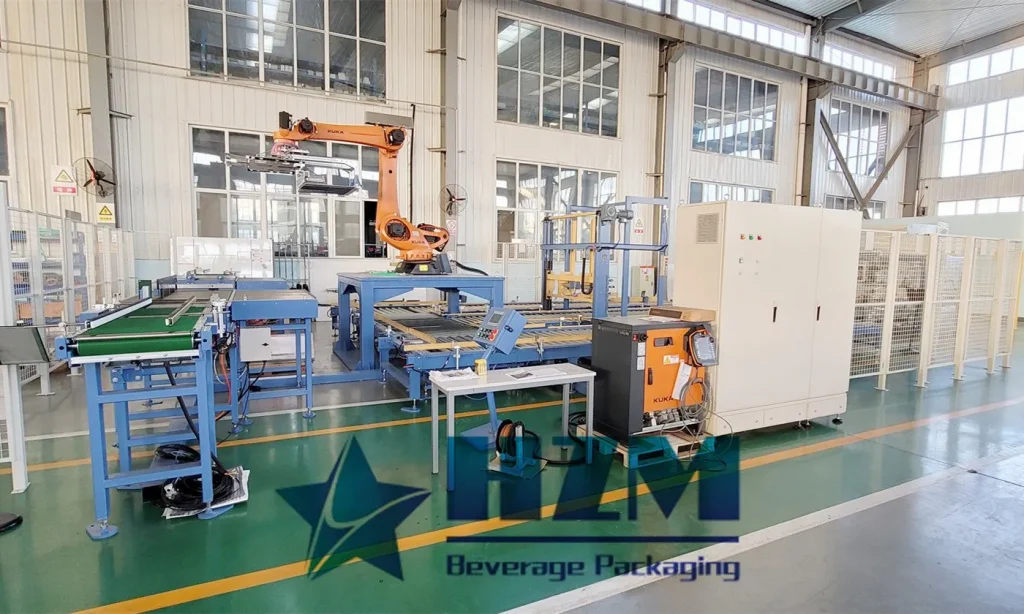
Learn moreA commanded motion and a confirmed position are different events. When a palletizer stops, compare the command, actuator movement and sensor feedback before replacing the valve or sensor.
Learn moreThis article will provide a detailed comparison of mineral water production equipment and purified water equipment to help readers understand these two entirely different water treatment systems.
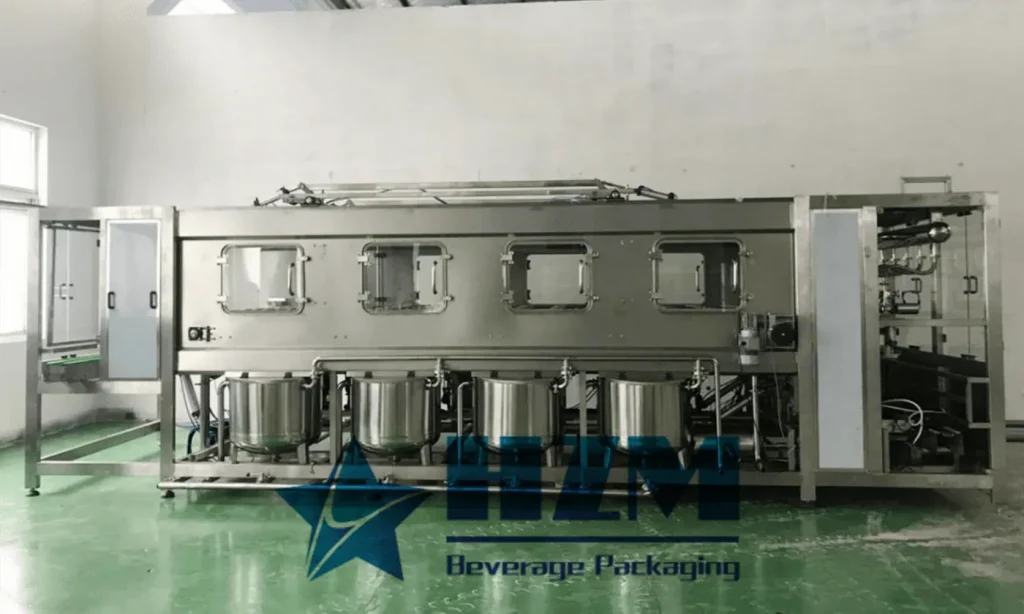
Learn moreA jar-line operating procedure must match the installed machine and washing programme.
Learn moreThe beer packaging process is a complex step in the beer production, serving as the final stage that significantly impacts the quality of the end product and its sales. Filtered beer is transferred into bottles, cans, or kegs, and undergoes processes such as capping, biostabilization treatment, labeling, and boxing to become the finished beer product or is directly sold as such.
Learn moreDuring the operation of a 5-gallon drum filling line, there are often encountered issues that can lead to production interruptions and decreased efficiency. This article will discuss five common faults and their corresponding solutions to help address these problems and ensure smooth production.
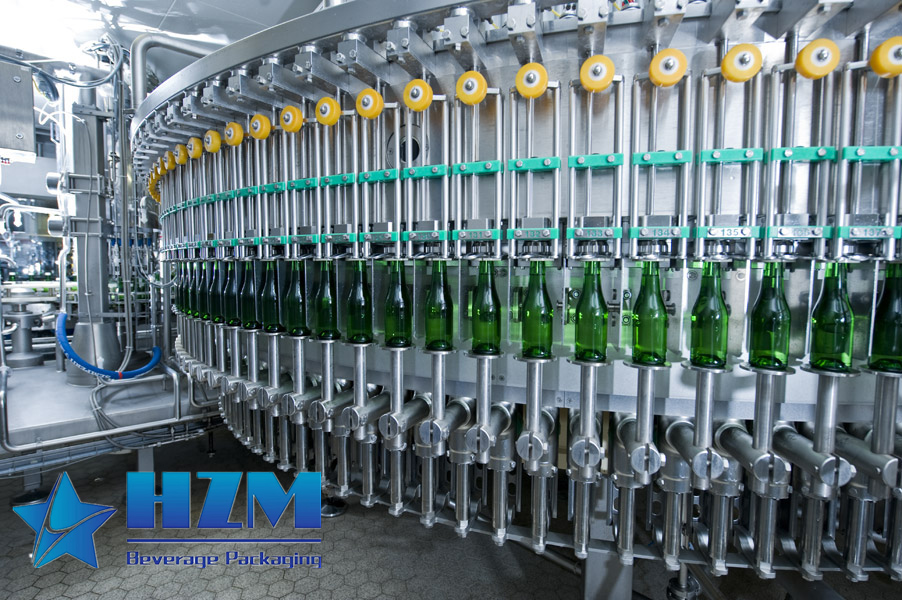
Learn moreThe beer filling process is well-established and can be divided into seven basic parts. The filling machine is designed around the filling process, and its working principle involves the following steps
Learn moreIn Pakistan, the demand for mineral water has been on the rise due to the increasing awareness of health and hygiene. As a result, the need for high-quality mineral water production equipment has grown significantly.
Learn moreMineral water machines, also known as water treatment plants or water purification systems, play a vital role in the production of safe and clean drinking water. These machines are responsible for treating and purifying water from various sources, ensuring that it meets the stringent quality standards required for consumption.
Learn moreThe price of beverage filling machine equipment has always been a focal point of concern for many enterprises. When purchasing a beverage filling machine, price is an unavoidable and important factor. This article will analyze the price of beverage filling machine equipment from the perspectives of market demand, product performance, price factors, and purchasing recommendations. […]
Learn moreThis article delves into the analysis of beverage filling machine prices in the Pakistani market, providing readers with comprehensive market information and purchasing recommendations through various comparisons.
Learn moreA water-filler specification should tie model, head counts, bottle basis and utility data to one configuration.
Learn moreThis user manual is designed to provide installation and usage instructions for the Beverage Packaging Machine. It will guide you through the correct installation and operation of the machine to ensure it functions smoothly and meets your production needs
Learn moreA blowing-filling-capping combi-block connects PET preform handling and bottle forming with filling and closure.
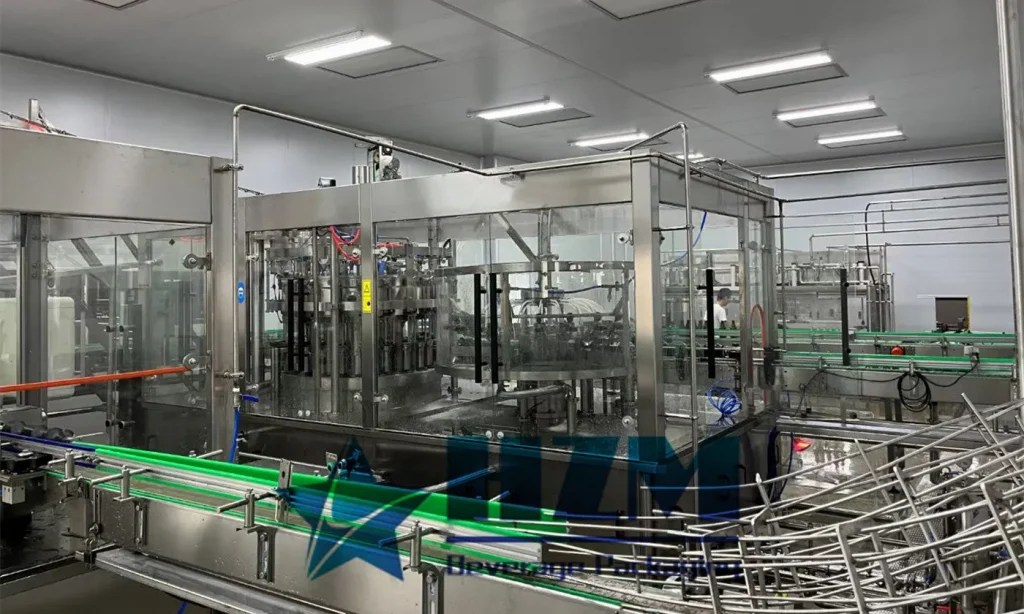
Learn moreCSD Filling Machines are typically automated or semi-automated systems that can fill a large number of containers quickly and consistently. They often include components like bottle rinsers, filling nozzles, carbonation systems, and capping or sealing stations to complete the packaging process.
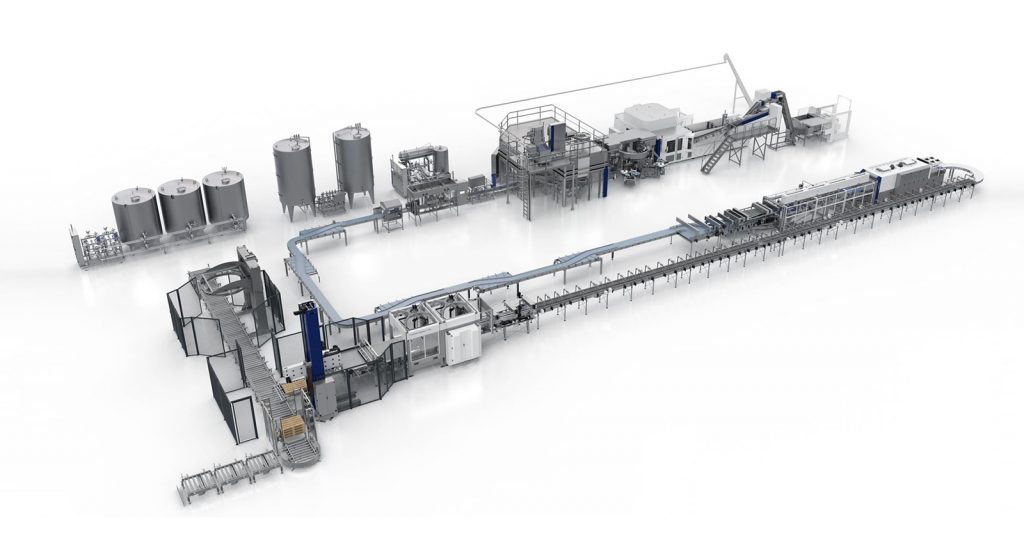
Learn moreHowever, the key challenge lies in understanding how to configure the equipment for an edible oil filling production line, which is crucial for packaging edible oil. Below, let us provide a detailed explanation of the equipment typically required for a complete edible oil filling production line.
Learn moreA carbonated beverage filling machine is a kind of equipment used for filling carbonated beverages into bottles or other containers. It is typically composed of a number of different components, including a carbon dioxide cylinder, a pressure reducer, a filling valve, a pressure sensor, and a cleaning system.
Learn moreAseptic filling describes a process objective, not one universal container mechanism.
Learn moreThese prices are for reference only and can vary based on factors such as purchase quantity, region, distribution channel, brand, model, specifications, features, and quality.
Learn moreWhen it comes to setting up or expanding your carbonated beverage production line, one of the critical decisions you'll face is whether to invest in a new or used carbonated beverage filling machine. Both options have their advantages and disadvantages, and making the right choice depends on your specific needs and circumstances.
Learn moreA 10-litre PET bottle needs a compatible preform, mould, neck-handling arrangement and utility supply.
Learn moreA beverage filling machine factory is a manufacturing facility that specializes in designing, producing, and distributing machinery used for filling various types of beverages into bottles, cans, or other containers.
Learn moreEdible Oil Bottle Filling Machines are indispensable in the food production industry, ensuring accurate and efficient bottling processes. When seeking reliable machinery, HZM Machinery, as professional Edible Oil Bottle Filling Machine manufacturers, offers tailored solutions with a commitment to quality and competitive pricing.
Learn moreA small brewery needs to control product oxygen, carbonation and closure as well as quantity.
Learn moreA can-filling quotation must identify the beverage, can body, end and closure requirements.
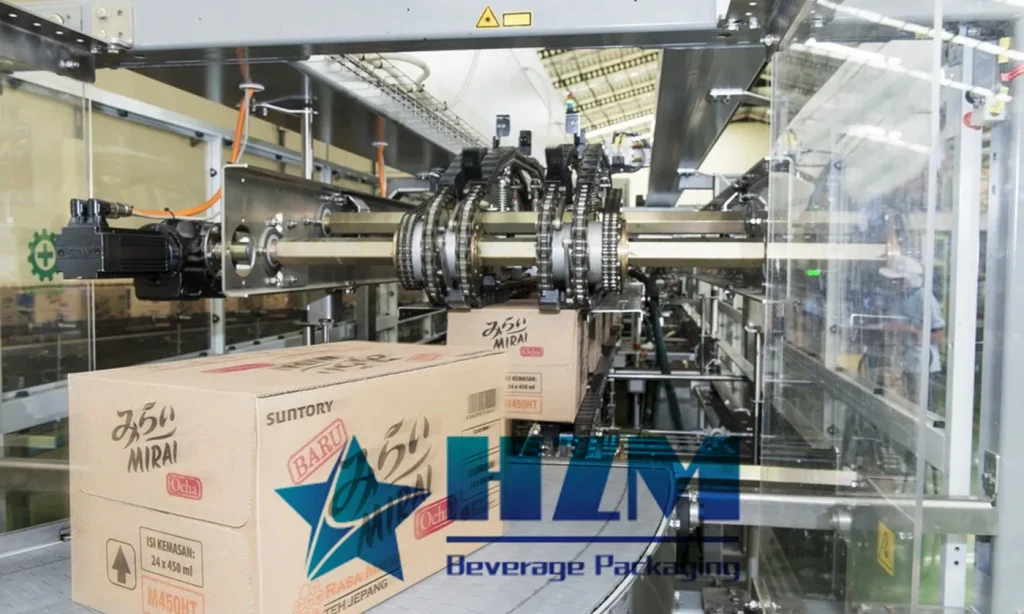
Learn moreTroubleshooting automatic carton packaging machines requires experienced technicians for diagnosis and repair. Regular maintenance and upkeep can help reduce the occurrence of faults. In the event of a fault, it is best to take prompt action to minimize production line downtime and maintain production efficiency to the greatest extent possible.
Learn moreTo meet the needs of beer producers, HZM Machinery, a professional liquid packaging machine manufacturer, offers a range of high-quality beer bottling machines to help customers enhance production efficiency, reduce costs, and ensure product quality.
Learn moreCustom beverage packaging machines have become an indispensable tool in achieving this goal. This article will delve into the significance of custom beverage packaging machines and their pivotal role in today's beverage industry.
Learn moreThe process plan should connect the source-water specification to the finished bottled product.
Learn moreThe PDF document on the bottled water production process encompasses detailed information on how bottled water is manufactured, including a comprehensive description of production steps, illustrated process diagrams, and in-depth explanations of quality control methods.
Learn moreStarting a mineral water business can be a rewarding venture, both financially and environmentally. This comprehensive business plan outlines the key elements necessary to establish and operate a successful mineral water company, covering everything from market analysis to operational strategies.
Learn moreBottled water has become a ubiquitous commodity worldwide, and its production involves a meticulous and highly controlled process to ensure its safety and quality. In this article, we will explore the comprehensive steps involved in the water bottling process, from source selection to packaging.
Learn moreWater bottling plants play a pivotal role in meeting the global demand for safe and convenient drinking water. These facilities are highly specialized and must adhere to stringent regulations to ensure the quality, purity, and safety of bottled water. In this article, we will explore the various aspects of water bottling plants, from their infrastructure to quality control measures.
Learn moreA complete mineral-water line budget starts with the intended finished-water specification and the point where the project ends: sealed bottles, packed cases or finished pallets.
Learn moreA water-filler quotation needs bottle and cap drawings, intended output and included functions.
Learn moreBegin an equipment budget with the source-water analysis and the package plan. Treatment, bottle supply and filling configuration change the project substantially.
Learn moreKenya, as a significant nation in East Africa, has rapidly emerged as a promising market in recent years, particularly in the water packaging business sector. This article explores the trends in the development of Kenya's water packaging business and the opportunities it presents.
Learn moreWith the widespread application of glue in industrial production and daily life, glue filling has become increasingly important. To meet market demands, enhance production efficiency, and ensure product quality, the super glue filling machine has emerged. This article will delve into the working principle, advantages, application areas, and future trends of the super glue filling machine.
Learn moreThe manufacturing process for carbonated beverages involves several key steps to create the characteristic fizz and flavor while ensuring product safety and quality.
Learn moreA beverage production plant is a facility dedicated to the manufacturing and packaging of various types of beverages, including soft drinks, bottled water, fruit juices, energy drinks, alcoholic beverages, and more.
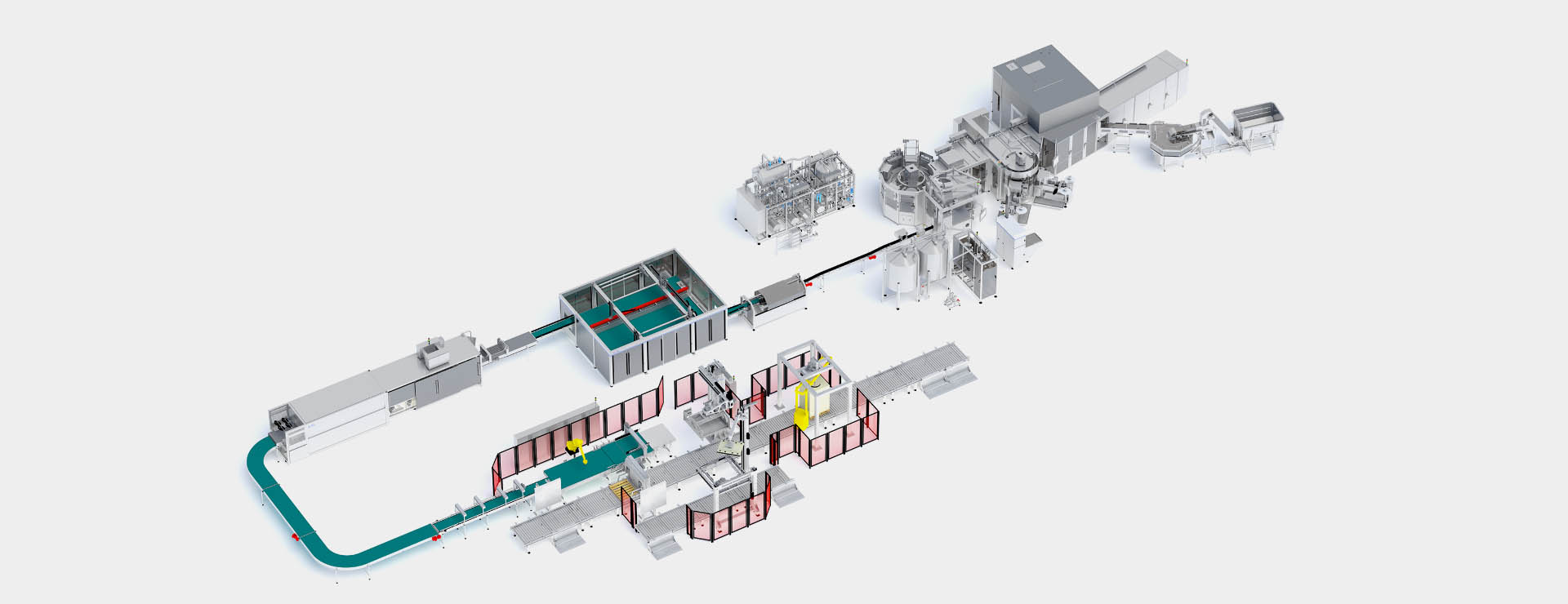
Learn moreBeverage production and packaging equipment refers to various machines and devices used in the processes of beverage manufacturing and packaging. These equipment encompass the entire production process from raw material handling to final packaging.
Learn moreRead practical HZM Machinery guides for planning and operating water and beverage production lines. Topics cover water treatment, beverage processing, PET bottle blowing, filling, labeling, secondary packaging, capacity selection, factory layout, maintenance and purchasing decisions for bottled water, juice and carbonated drink projects.
Tell us your beverage, container, capacity and target market. Our engineering team will prepare a practical line proposal.