
Insights & Updates
Water Bottling Plants: Ensuring Safe and Quality Hydration
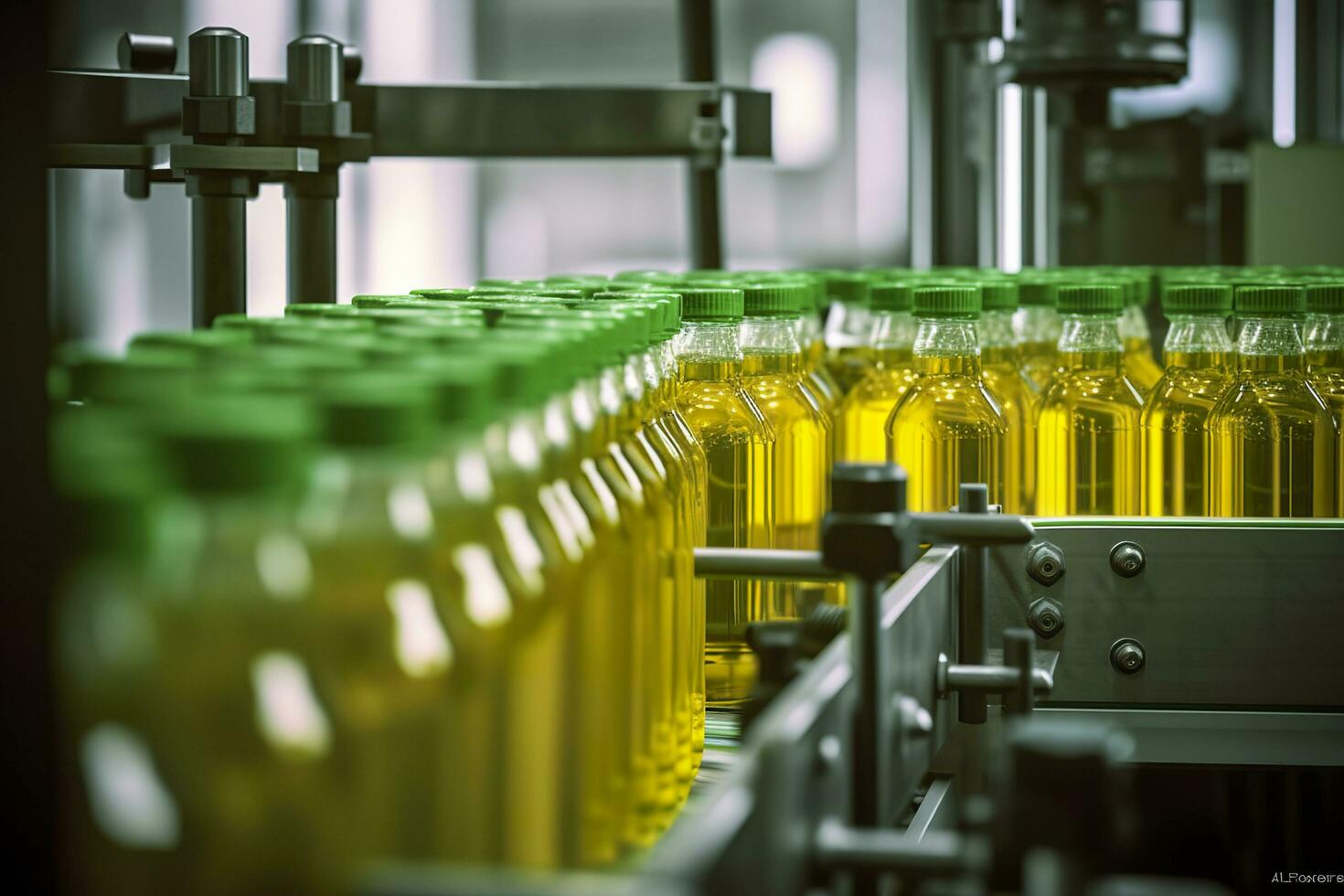
Water bottling plants play a pivotal role in meeting the global demand for safe and convenient drinking water. These facilities are highly specialized and must adhere to stringent regulations to ensure the quality, purity, and safety of bottled water. In this article, we will explore the various aspects of water bottling plants, from their infrastructure to quality control measures.
Infrastructure and Equipment:
- Water Source Selection: The first crucial step in establishing a water bottling plant is selecting an appropriate water source. This may include natural springs, wells, or municipal water supplies. The source’s quality and consistency are paramount.
- Water Treatment: Before bottling, the water undergoes a series of treatments. This includes filtration to remove particles and sediment, chemical treatments for disinfection and pH adjustment, and often reverse osmosis to remove dissolved minerals.
- Bottle Production: Bottles used for packaging water are typically made of PET (polyethylene terephthalate) and must meet strict quality standards. They are manufactured separately and thoroughly cleaned and sterilized before use.
- Bottle Filling and Capping: The filling process can vary depending on the type of water being bottled. Gravity filling is used for still water, while pressure filling is employed for carbonated water. Caps are placed and sealed, often with tamper-evident features to ensure product integrity.
- Labeling and Coding: Bottles are labeled with essential information, such as brand name, nutritional facts, and expiration dates. Coding machines may imprint batch numbers or production dates.
- Quality Control: Automated systems inspect bottles for defects, including cap integrity, fill levels, and label placement. Any substandard bottles are removed from the production line.
Quality Assurance:
- Regulatory Compliance: Water bottling plants must adhere to strict regulations and standards set by local health authorities and government agencies. Compliance ensures that the bottled water is safe for consumption.
- Regular Testing: Quality control measures include regular testing for pH levels, total dissolved solids (TDS), microbiological contaminants, and chemical composition. These tests ensure that the water meets or exceeds safety and purity standards.
- Hygiene and Sanitation: Maintaining a hygienic environment is critical. Bottling equipment, storage tanks, and the bottling facility itself are subject to rigorous cleaning and sanitation procedures to prevent contamination.
Environmental Considerations:
- Sustainable Practices: Many water bottling plants are adopting sustainable practices to reduce their environmental footprint. This includes water recycling, energy-efficient equipment, and eco-friendly packaging materials.
- Recycling: Responsible disposal and recycling of used bottles are essential. Some plants have recycling programs to minimize environmental impact.
Packaging and Distribution:
- Packaging: After the bottles are filled and sealed, they are packaged into cases, trays, or pallets, ensuring that they remain intact and secure during transportation.
- Distribution: Bottled water is distributed to retailers, wholesalers, or directly to consumers, ensuring a reliable supply chain to meet market demands.
Conclusion:
Water bottling plants are complex facilities that contribute to the accessibility of safe and quality drinking water worldwide. Their commitment to quality control, adherence to regulations, and adoption of sustainable practices are essential in providing consumers with a trusted source of hydration. These plants continue to evolve to meet the growing demand for bottled water while minimizing their environmental impact.
Talk to our engineering team
Need help planning your packaging line?
Share your product, bottle and capacity requirements for a practical equipment recommendation.
Equipment
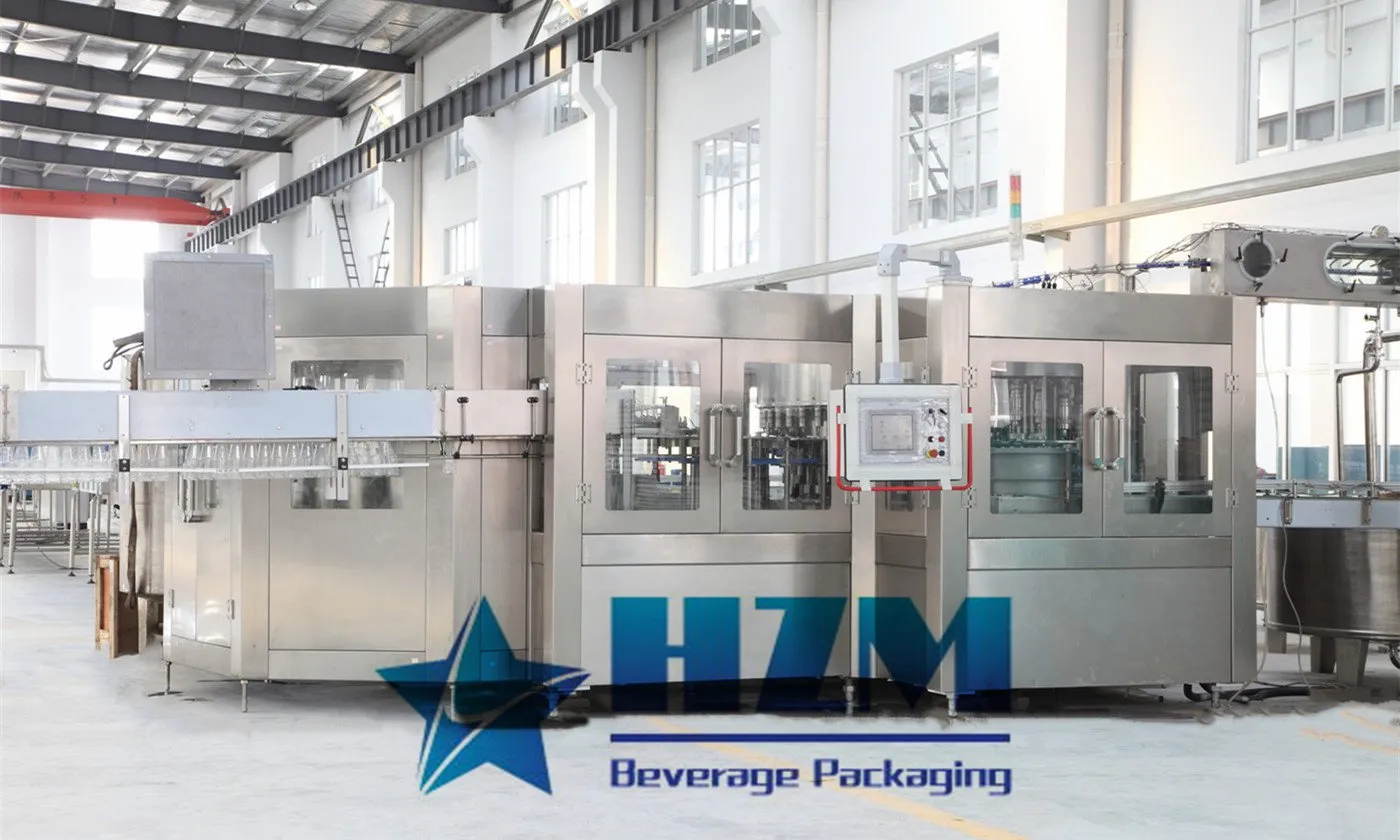
PET Bottle Water Filling Machine
PET bottle water filling with automatic rinsing and capping, for purified water, mineral water and still drinking water.
Learn more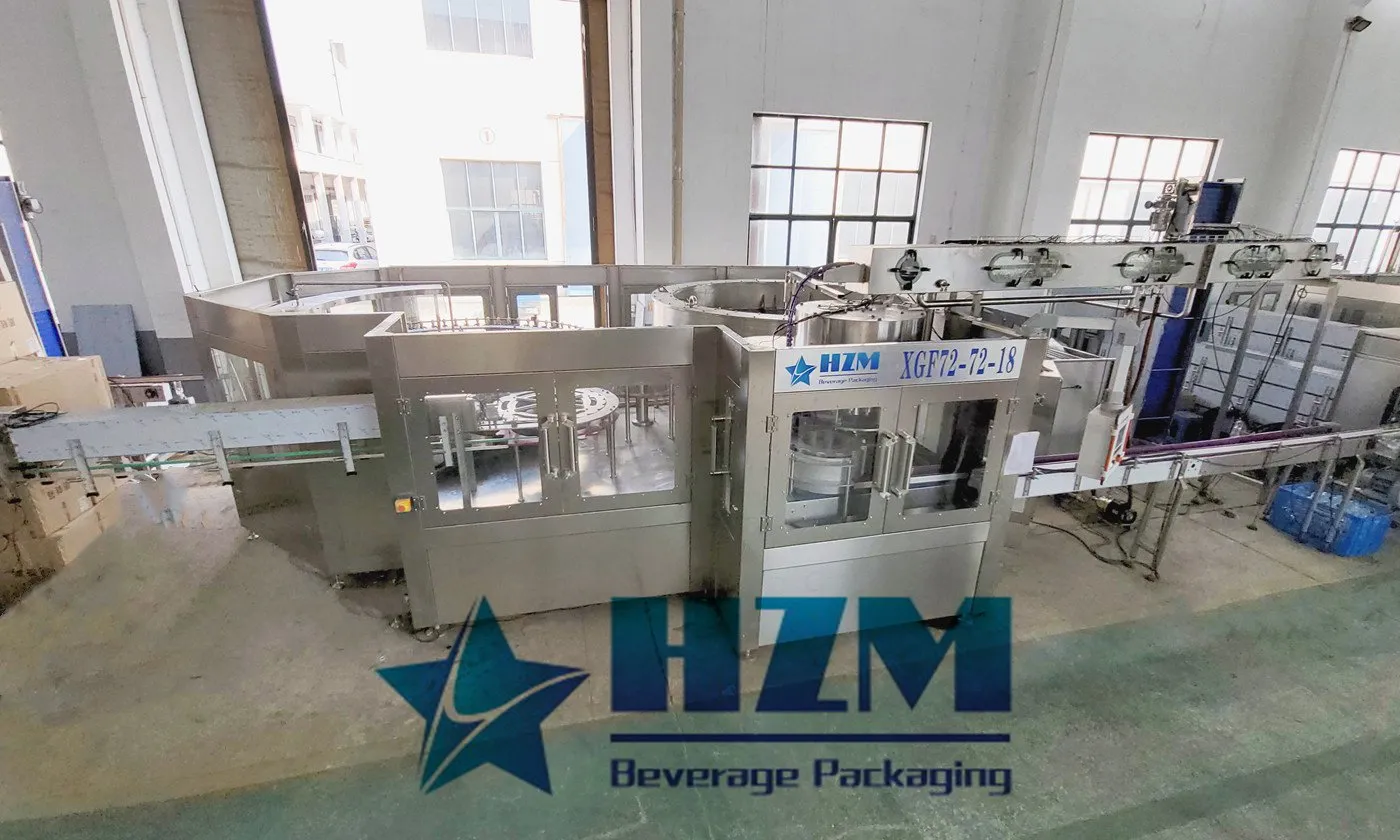
Equipment
Automatic Water Bottle Filling Machine
Automatic rinsing, filling and capping for purified and mineral water in PET bottles, with capacities of 5,000–42,000 bottles/hour at 500 ml.
Learn more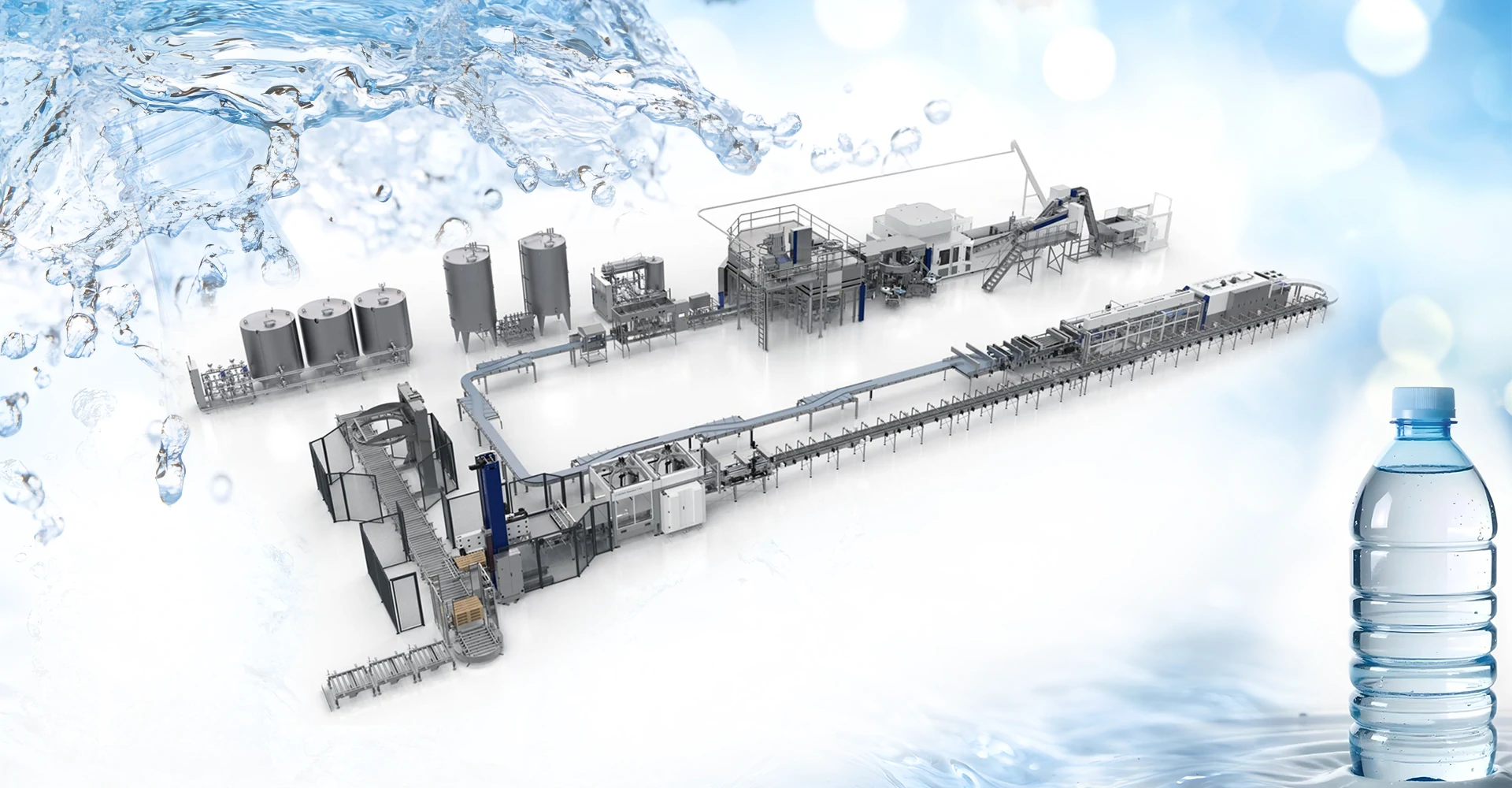
Equipment
Drinking water production line – Bottled Water Filling Machine Manufacturer
PET-bottled drinking-water production with automatic rinsing, filling and capping, plus water treatment and packaging equipment.
Learn more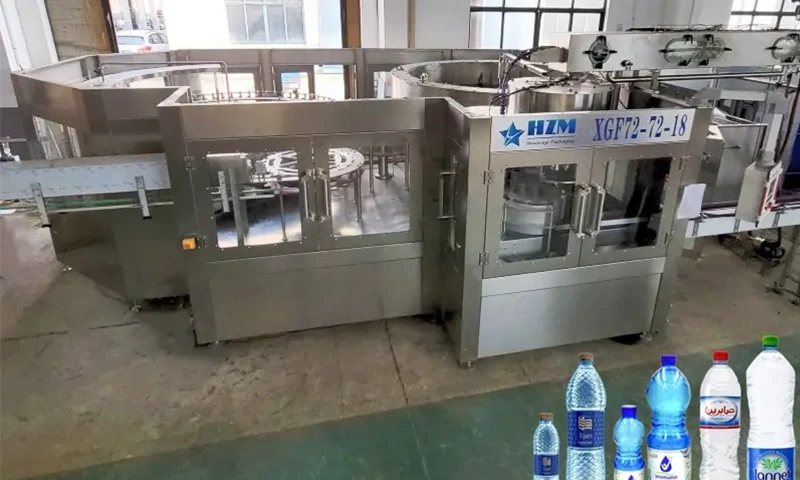
Equipment
3-In-1 Water Bottle Filling Machine
A 3-in-1 PET bottle rinsing, filling and capping machine for drinking water, from 5,000 to 18,000 bottles/hour at 500 ml.
Learn more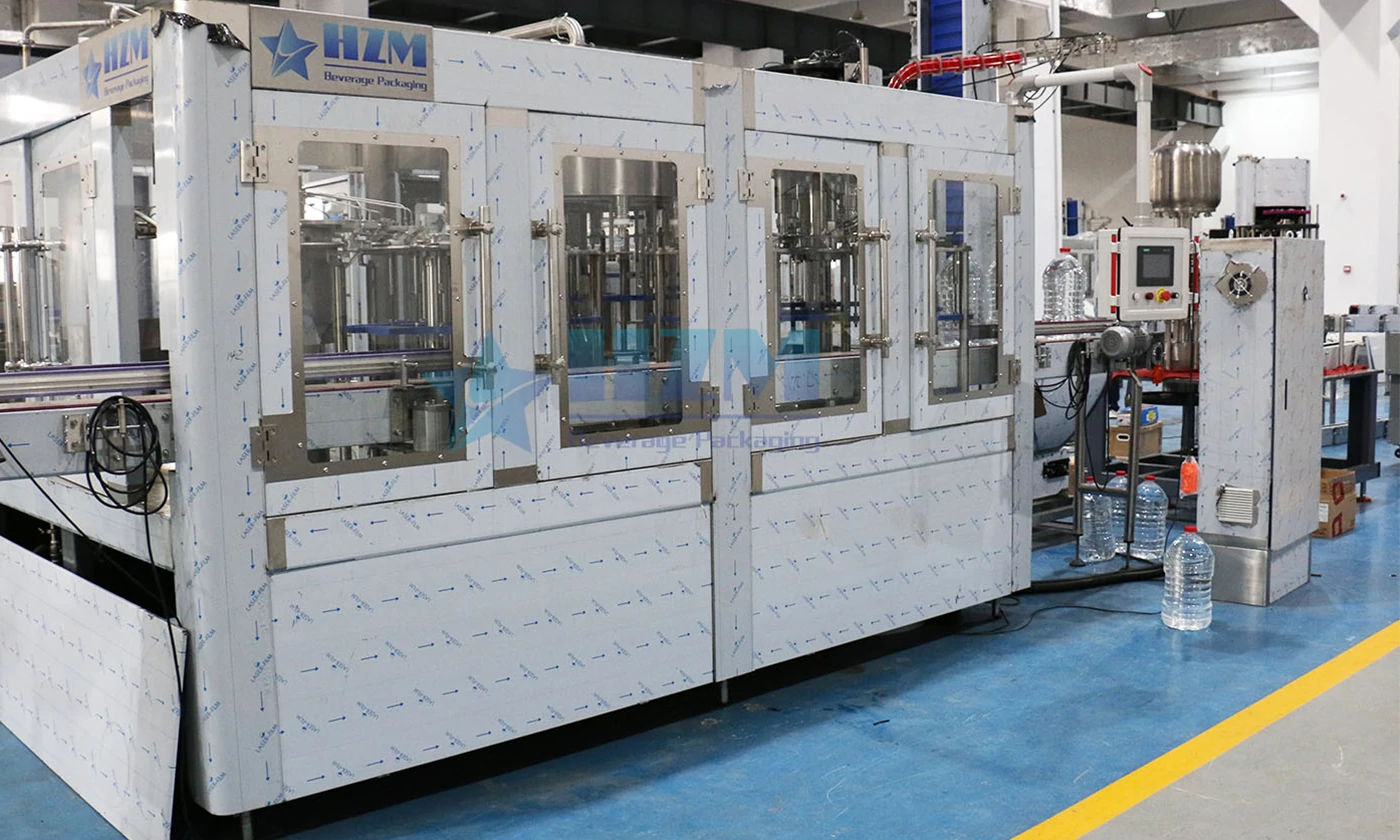
Equipment
5L-10L Large Bottle Drinking Water production line
XGF12-12-4 rinsing, filling and capping for 5 L and 10 L water bottles, with stable outputs of 1,200 and 700 bottles/hour respectively.
Learn more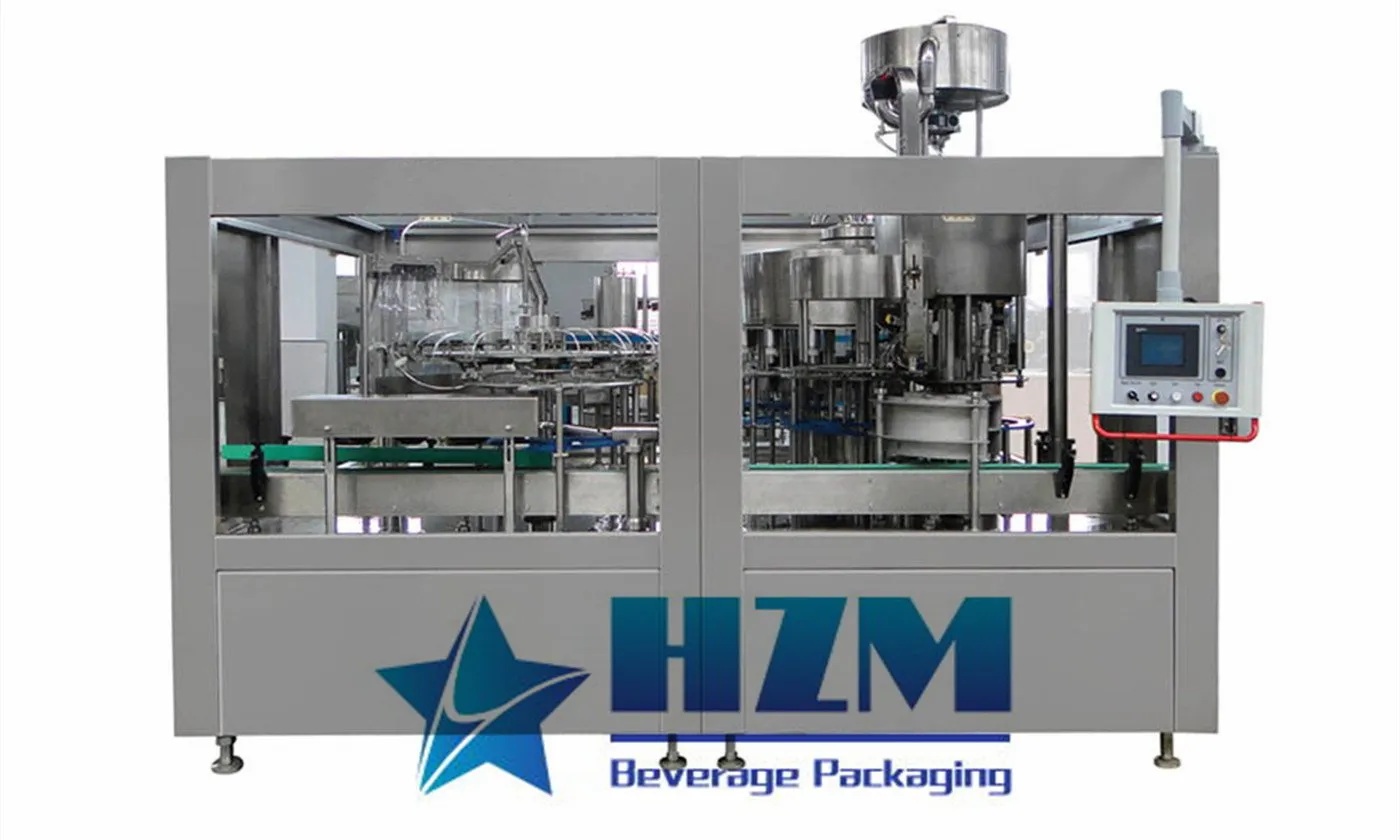
Equipment
3-10L Big PET Bottle Water Filling Machine
Large PET bottle water filling equipment for 3–10 L containers, combining rinsing, filling and capping.
Learn more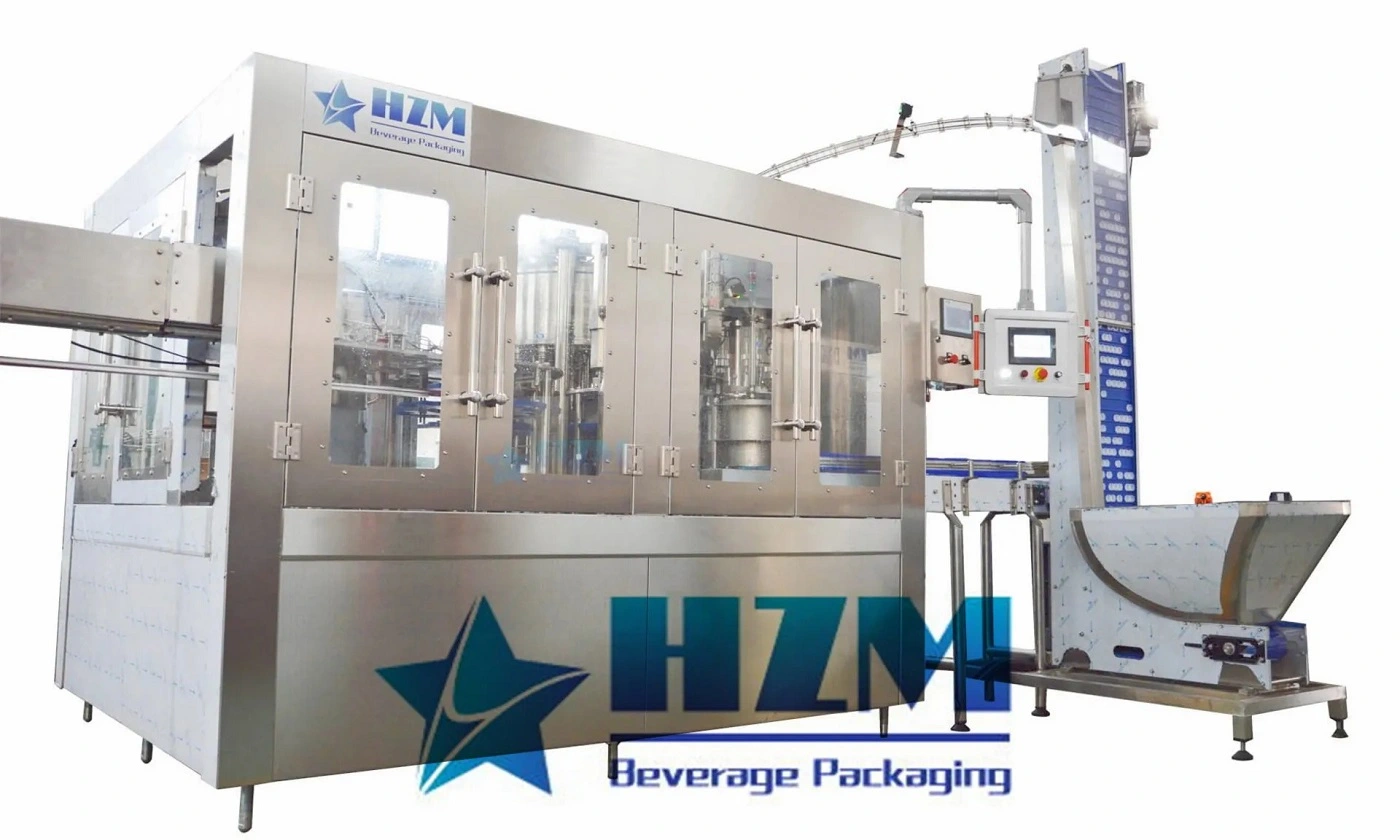
Equipment
Automatic Drinking Water Bottling Machine
Drinking-water bottling equipment with automatic rinsing, filling and capping, plus conveying, labelling and packing options.
Learn more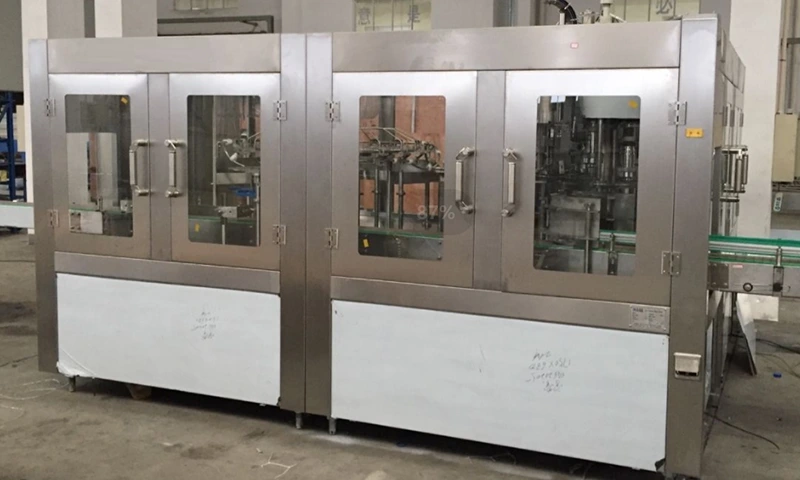
Equipment
10L Water Filling Machine 1200BPH – Automatic Washing Filling Capping Machine
RSXGF12-12-5(110Π) automatic rinsing, filling and capping for 10 L water bottles at 1,100–1,200 bottles/hour.
Learn more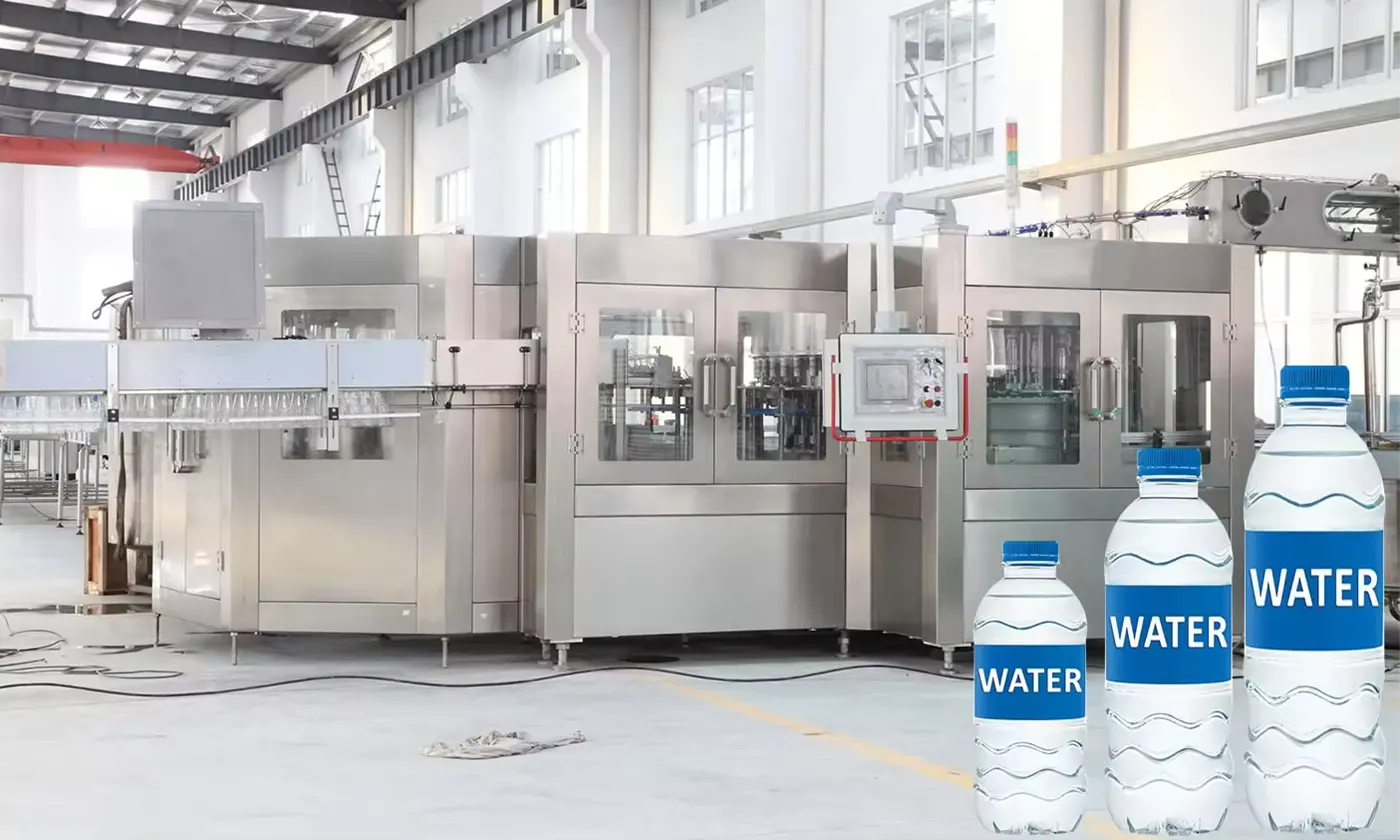
Equipment
Automatic Small Bottle Pure Water Filling Machine
Small PET bottle pure-water filling with automatic rinsing and capping, from 5,000 to 18,000 bottles/hour at 500 ml.
Learn more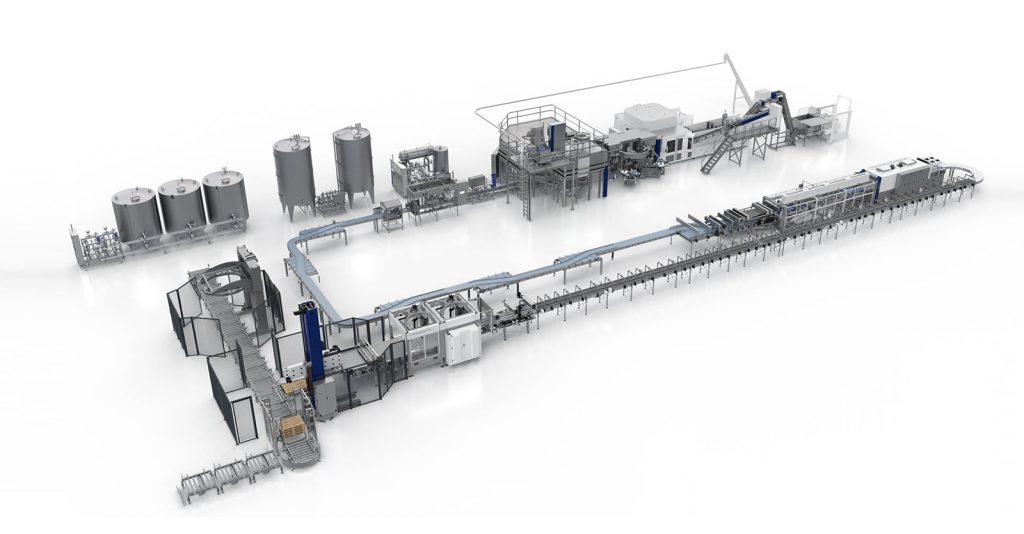
2023-07-04
Water Filling Production Line: Efficient, Safe, and Stable Industry Solution
water filling production line is a crucial equipment in the modern chemical industry, used for efficient, safe, and stable filling and packaging of water or other liquid products. This article will provide a detailed overview of the structure, characteristics, advantages, production standards, and safety measures of the water filling production line. It aims to help readers gain a comprehensive understanding of the importance and application of this industry solution.
Learn more2026-03-20
How to Choose a 10L Water Filling Machine for Your Bottling Plant (1200BPH Solution)
Learn how to choose a 10L water filling machine for your bottling plant. Discover features, benefits, and complete 1200BPH water production solutions.
Learn more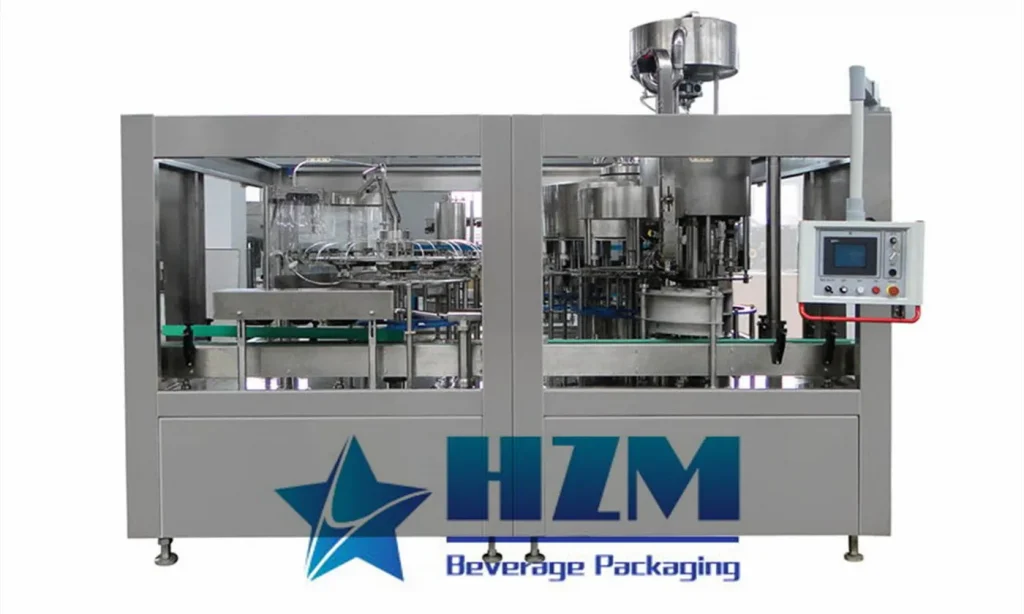
2023-06-27
What is the Working Principle of 3 in 1 Water Filling Machine?
Do you want to set up a unit where you will be manufacturing non-carbonated drinks and filling them into bottles? Now you must decide whether you want to get different machines with different functions like one for cleaning, filling and one for capping or you would like to get 3 in 1 water filling machine?
Learn more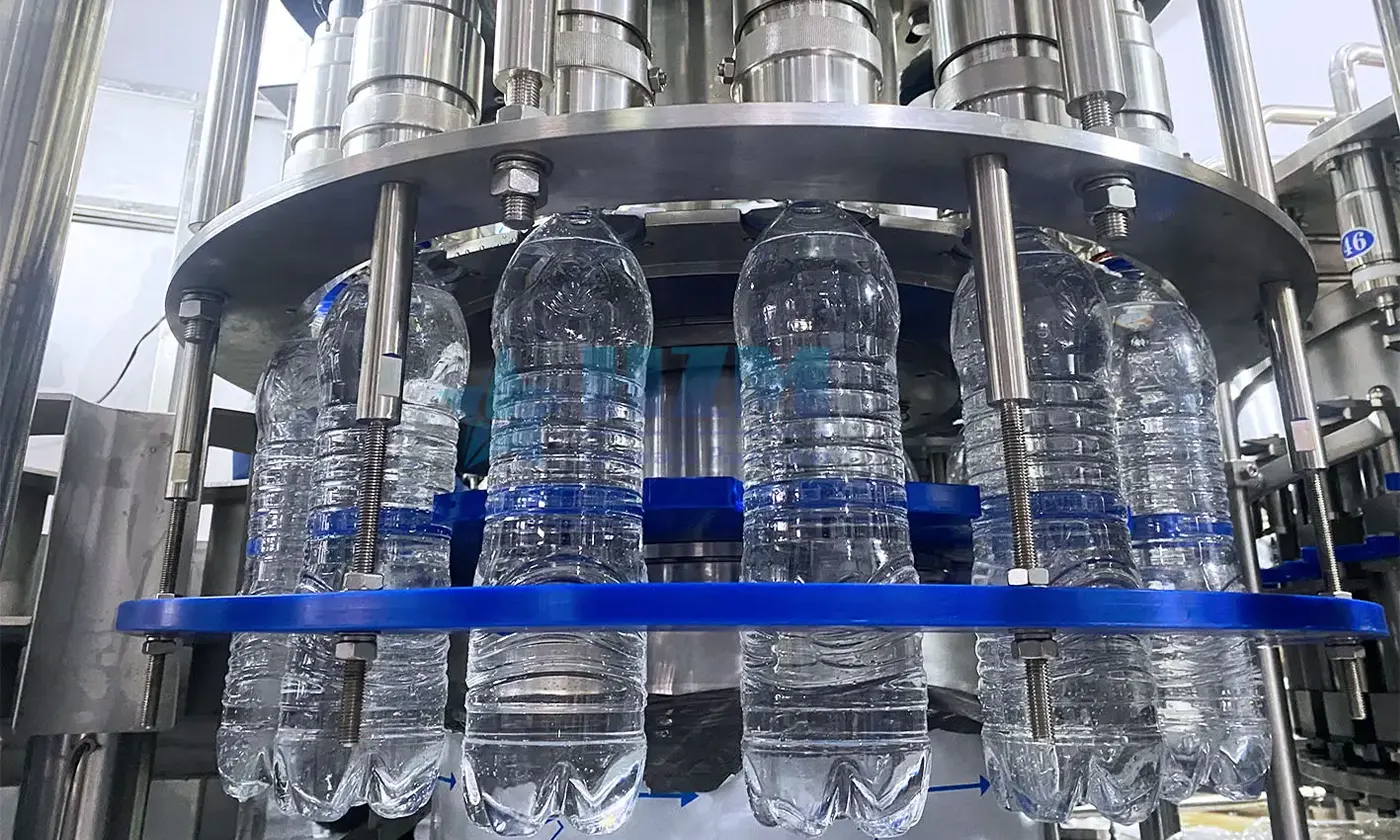
2023-12-24
Water Filling Machine for Sale
If you are interested in purchasing a water filling machine, please contact us today. We would be happy to discuss your needs and recommend the best machine for your application.
Learn more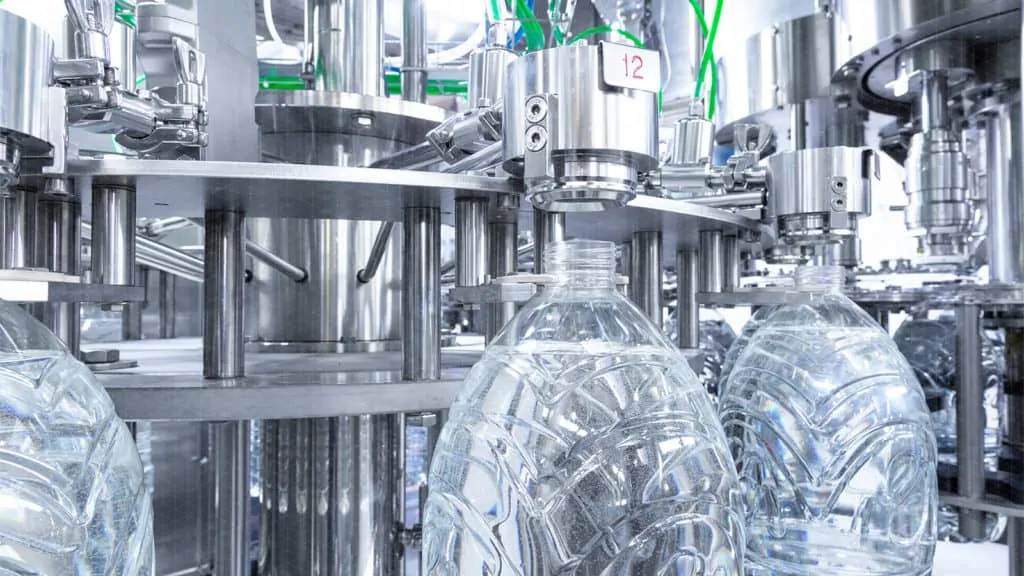
2023-12-21
Water Bottling Plant Equipment For Sale
In the global arena, HZM Machinery stands as a highly acclaimed manufacturer of water bottling plant equipment, renowned for its professional expertise and factory-direct pricing.
Learn more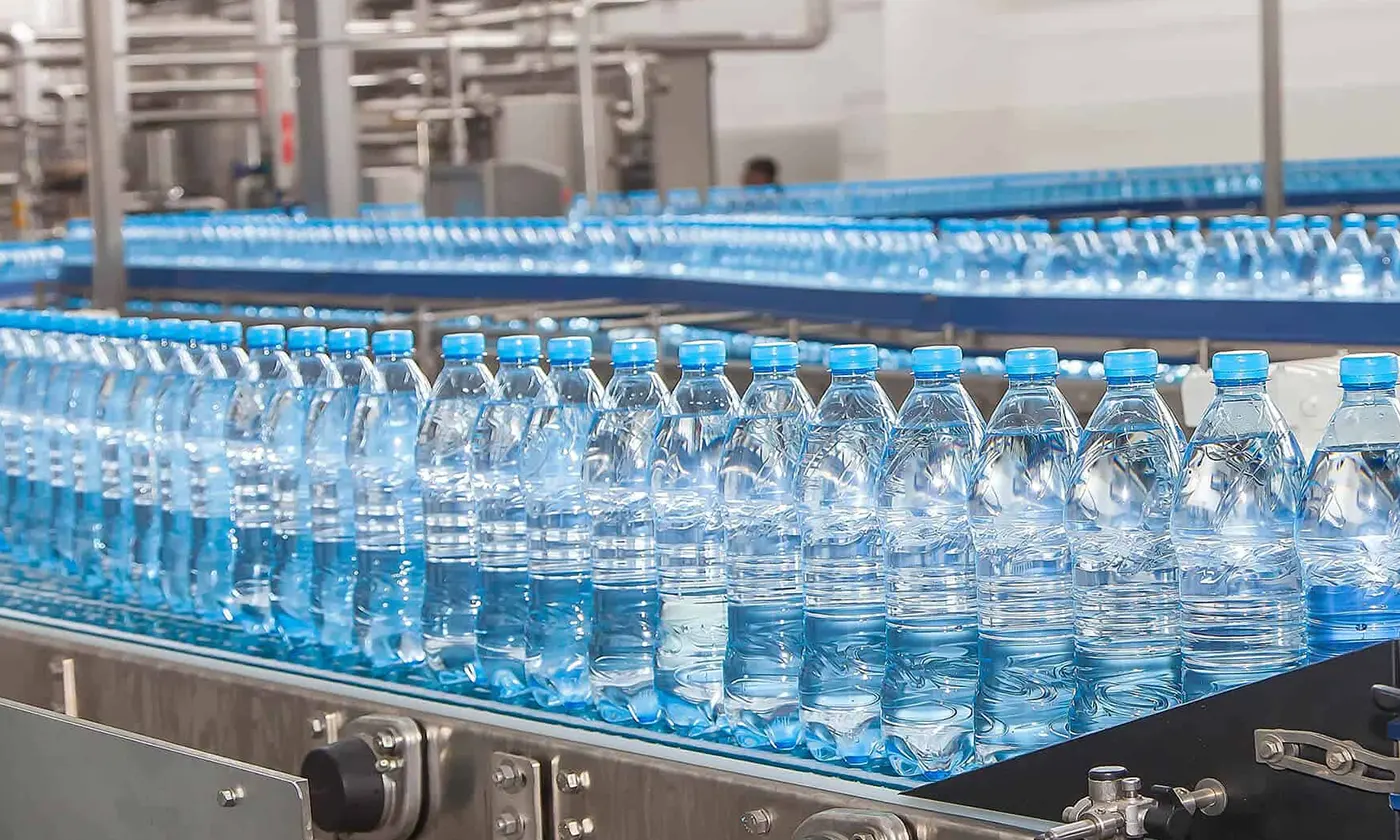
2024-09-22
Water Bottling Plant Cost
The cost of establishing a water bottling plant can vary depending on several factors, including the size of the plant, location, type of equipment, level of automation in the production line, and local regulatory requirements.
Learn more