
Insights & Updates
Aseptic Beverage Filling Machine
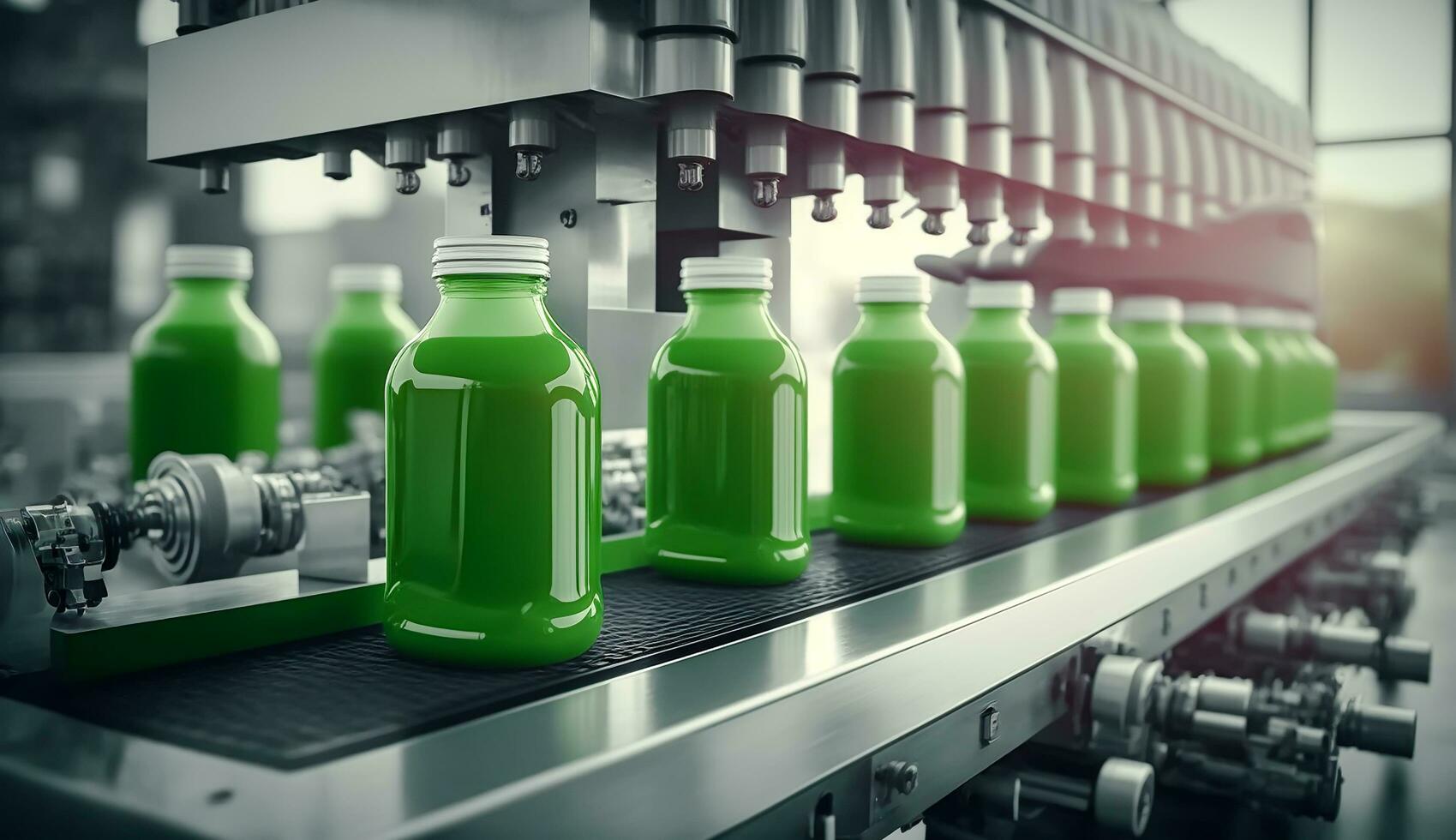
The aseptic filling machine is mainly suitable for aseptic filling of viscous or non-viscous fluids such as fruit and vegetable juices, jams or their concentrated products, dairy products, and more. It can also be used for non-aseptic filling of liquids and pastes such as red wine, rice wine, fruit juices, jams, edible oils, grains and oils, purified water, seasonings, milk, and more. It is primarily designed for large-capacity packaging ranging from 1 to 30 liters, using flexible inner bags made of composite films and sealed spouts, as well as outer paper packaging. This machine can be used for both intermediate storage and packaging purposes.
HZM Machinery’s aseptic beverage filling machine is highly automated with fast action efficiency. After bag sterilization through steam injection, each bag requires only 2 seconds to complete the mechanical filling process, and the time from filling to bag removal is also only 2 seconds. This equipment consists of an aseptic filling system, a flow (mass) measurement system, a roller (engineering plastic mesh bag) conveying system, a computer PLC control system, an operating platform, and more. The packaging bags used are aluminum-plastic composite aseptic bags (1L-30L). Steam injection is used to sterilize the bag mouth and filling chamber, ensuring that the filling chamber is always in an aseptic state. Sterilization, opening, filling, and sealing of aseptic bags are all done in an aseptic environment. The entire machine is made of high-quality 304L materials, and the pipeline layout is free of dead angles. Both recycled steam and compressed air are discharged outside the aseptic filling workshop through corresponding pipelines.
Key Features of the Aseptic Beverage Filling Machine:
- The entire machine is made of high-quality 304 stainless steel.
- Electrical control cabinet for material conveyance, signal conversion, and other controls.
- Three-phase five-wire, 380V, 50HZ.
- The main control components are Siemens, Omron, Schneider, or equivalent brands.
Operating Procedure of the Aseptic Beverage Filling Machine:
→ Manually place the bag onto the holder
→ Start the switch → Steam sterilization
→ Automatic cap removal
→ Automatic metered filling
→ Automatic cap sealing
→ Automatic bag removal
→ Conveyor to the workshop
→ Manual packaging.
Differences and Advantages of the Aseptic Beverage Filling Machine Compared to Similar Machines:
- Similar aseptic large bag filling machines can’t achieve the required accuracy for packaging sizes under 30L, whereas this machine has a volume error of ±0.5%.
- The aseptic beverage filling machine is specifically designed for filling 1-30L aseptic small packages and can handle the frequency of small bag filling. Using a large bag filling machine for small bag packaging can result in frequent issues like parts jamming and inefficient operations, which can progressively worsen.
- The aseptic large bag filling machine has slower action efficiency, taking about 18 seconds for mechanical actions after bagging and before bag removal (based on measured data from our company’s large bag filling machine). In contrast, our specialized small bag aseptic beverage filling machine completes all actions in just 4 seconds.
- Before shipping, our company’s beverage aseptic filling machines undergo fatigue testing with a requirement of at least 100,000 cycles in the factory. This helps eliminate potential mechanical failures during production, preventing delays and ensuring the machine’s aseptic state. This minimizes the risk of bag bursting or product spillage.
- Stand-up pouch filling machines use non-aseptic bags, requiring two sterilizations after filling to meet standards. Double sterilization affects product color, taste, nutritional value, and quality. Additionally, water bath sterilization poses a higher risk of bag bursting, making the shelf life shorter compared to aseptic packaging products.
- HZM’s aseptic filling machine has low maintenance costs. More efficient actions result in more frequent wear and tear of vulnerable parts. All mechanical wear parts in HZM’s aseptic filling machine are custom-made from German igus company’s food-grade, oil-free lubricating, and wear-resistant materials, with a continuous service life of over 2 years. The sealing rubber is food-grade fluororubber, with a continuous service life of over 6 months.
Talk to our engineering team
Need help planning your packaging line?
Share your product, bottle and capacity requirements for a practical equipment recommendation.
2023-04-30
The requirement of aseptic filling machine for the juice production line process
The requirements of aseptic filling machine manufacturers for the juice production line process are as follows: Dilution: Aseptic filling machine manufacturers dilute the frozen concentrated juice with pure water according to the formula requirements.
Learn more2023-06-09
30000BPH Aseptic Cold Filling Machine For Beverage Juice
High quality 30000BPH Aseptic Cold Filling Machine For Beverage Juice from China, China's leading 30000BPH Aseptic Cold Filling Machine product, with strict quality control 30000BPH Aseptic Juice Filling Machine factories, producing high quality 24000BPH Aseptic Cold Filling Machine products.
Learn more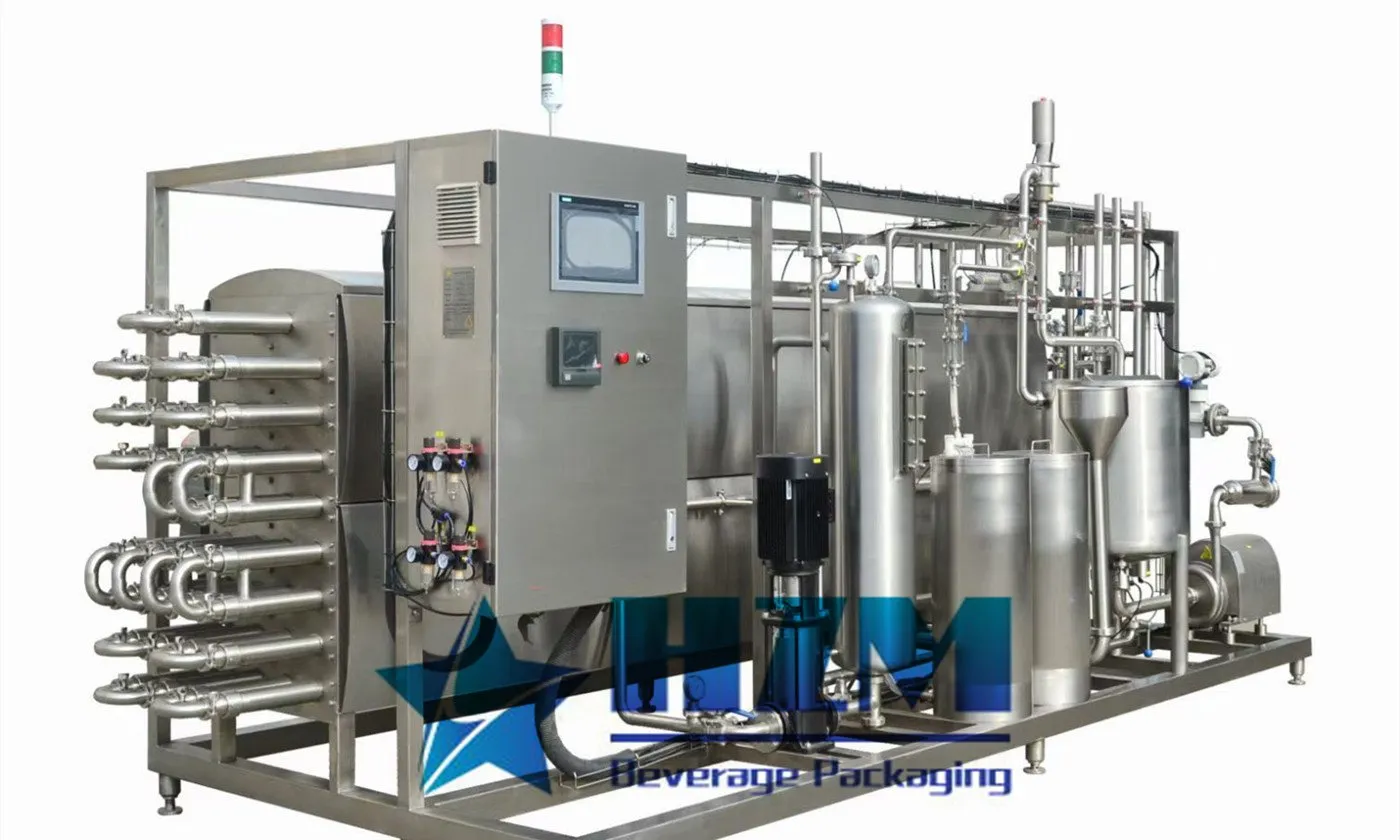
2023-06-09
Aseptic Beverage Filling Project Guide: High-Acid Beverage Process Selection
Practical HZM guidance on aseptic beverage filling project, focused on high-acid beverage process selection, line integration, RFQ data and measurable acceptance checks.
Learn more2023-06-09
500ml PET bottle Dry Aseptic Filling Capping Machine
High quality 500ml PET bottle Dry Aseptic Filling Capping Machine from China, China's leading 500ml Dry Aseptic Filling Capping Machine product, with strict quality control 350ml Dry Aseptic Filling Capping Machine factories, producing high quality 54000bph Filling Capping Machine products.
Learn more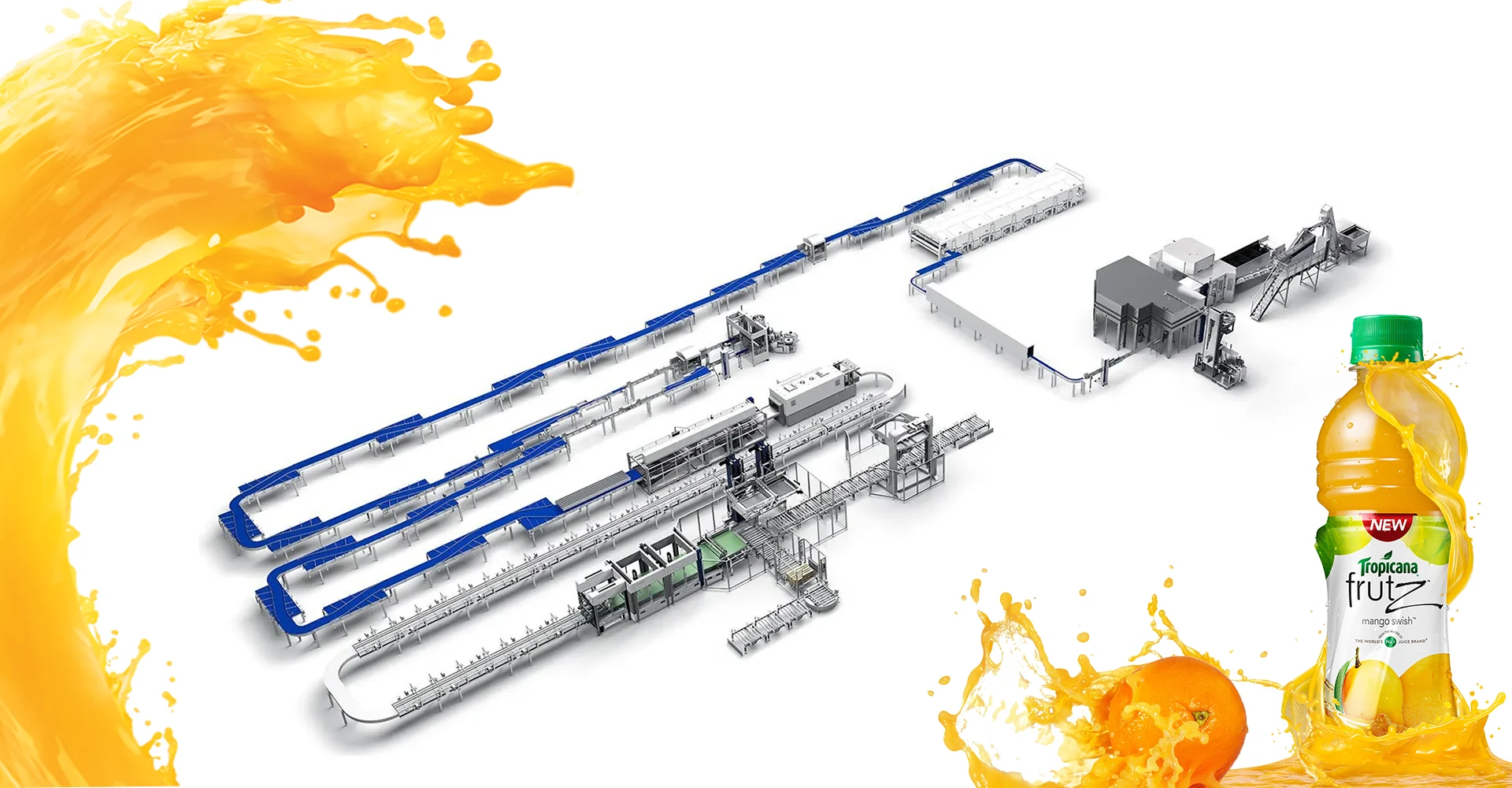
2023-06-09
Aseptic Beverage Filling Project Guide: Maintenance without Contamination
Practical HZM guidance on aseptic beverage filling project, focused on maintenance without contamination, line integration, RFQ data and measurable acceptance checks.
Learn more2023-06-09
15000bph Liquid Cold Intelligent Aseptic Filling Equipment For Sale
High quality 15000bph Liquid Cold Intelligent Aseptic Filling Equipment from China, China's leading cold intelligent aseptic filling equipment product, with strict quality control intelligent aseptic liquid filling machine factories, producing high quality 15000bph aseptic filling equipment products.
Learn more