
Insights & Updates
Why Do Automatic Edible Oil Filling Machines Experience Oil Leakage?
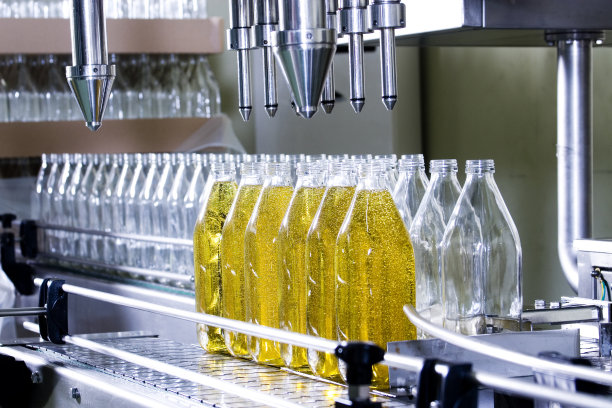
Many edible oil manufacturers, in pursuit of increased efficiency and production output, opt to equip their production lines with automatic edible oil filling machines. However, one of the primary concerns for these manufacturers is the occurrence of oil leakage in automatic edible oil filling machines. When such a situation arises, it not only disrupts regular production but also results in wastage of edible oil. Today, let’s delve into the reasons behind the occurrence of oil leakage in automatic edible oil filling machines.
As China’s manufacturing capabilities have significantly improved, automatic edible oil filling and packaging equipment have witnessed substantial advancements in performance, appearance, functionality, and configuration. Currently, the primary cause of oil leakage in automatic edible oil filling machines is typically attributed to improper equipment usage.
So, what measures should be taken when an issue arises with an edible oil filling machine?
Given that edible oil is a viscous liquid, rapid filling during the filling process can easily generate air bubbles, leading to oil overflow. To address this issue, it is advisable to consider reducing the filling speed.
HZM’s automatic edible oil filling machines are equipped with a PLC system, allowing for easy adjustment of filling speed and specifications, thus effectively resolving the problem of oil overflow.
Talk to our engineering team
Need help planning your packaging line?
Share your product, bottle and capacity requirements for a practical equipment recommendation.
Equipment
Edible Oil Filling Machine
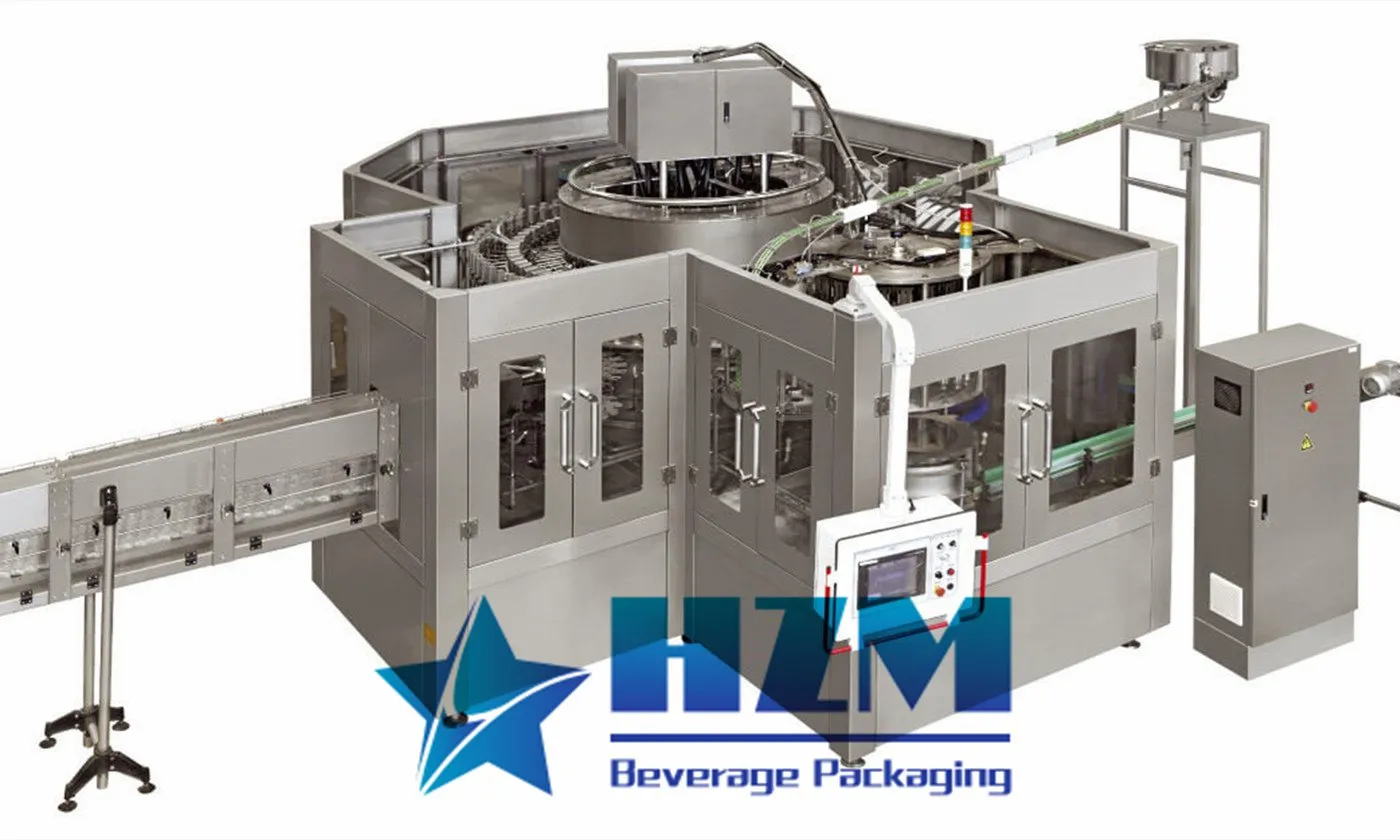
Rotary edible oil filling and capping with GYH models from 3,500 to 10,000 bottles/hour at 500 ml.
Learn more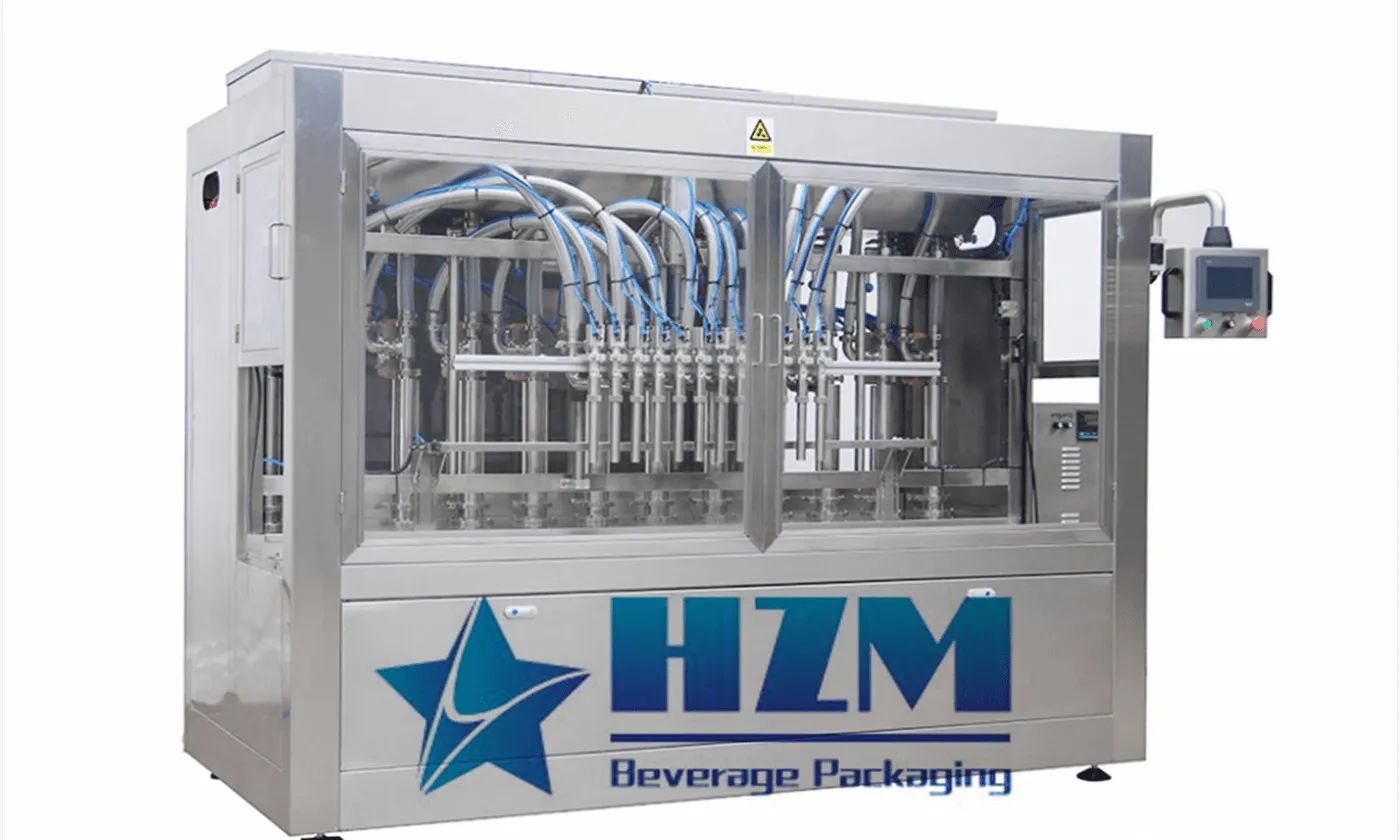
Equipment
Linear Type Oil Filling Machine
The linear oil filling machine fills bottled edible oils and compatible liquid food products.
Learn more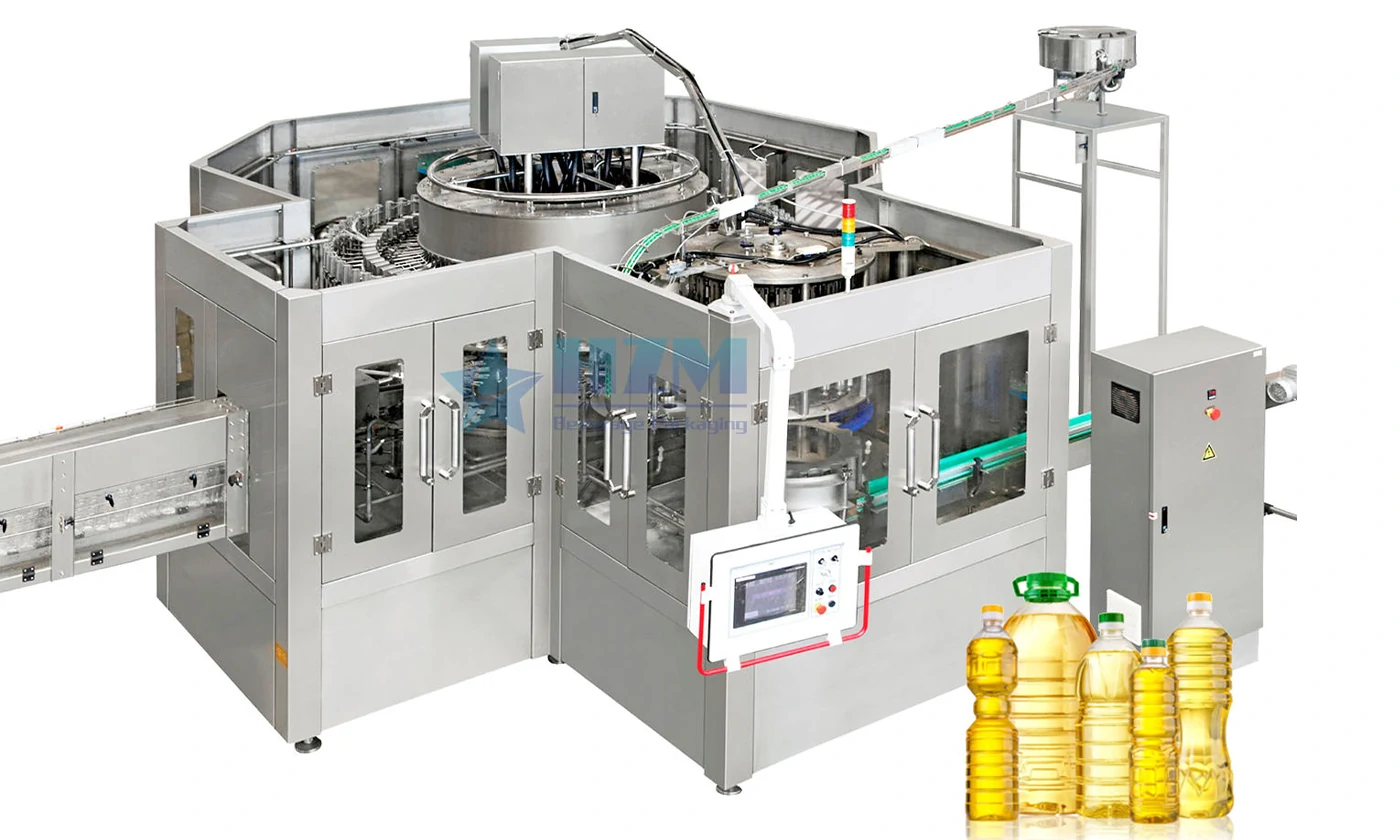
Equipment
PET Bottle Edible Oil Bottling Line | Automatic Rotary Type Edible Oil Filling Machine
The PET bottle edible oil bottling line combines rotary oil filling and capping with bottle conveying and downstream packaging.
Learn more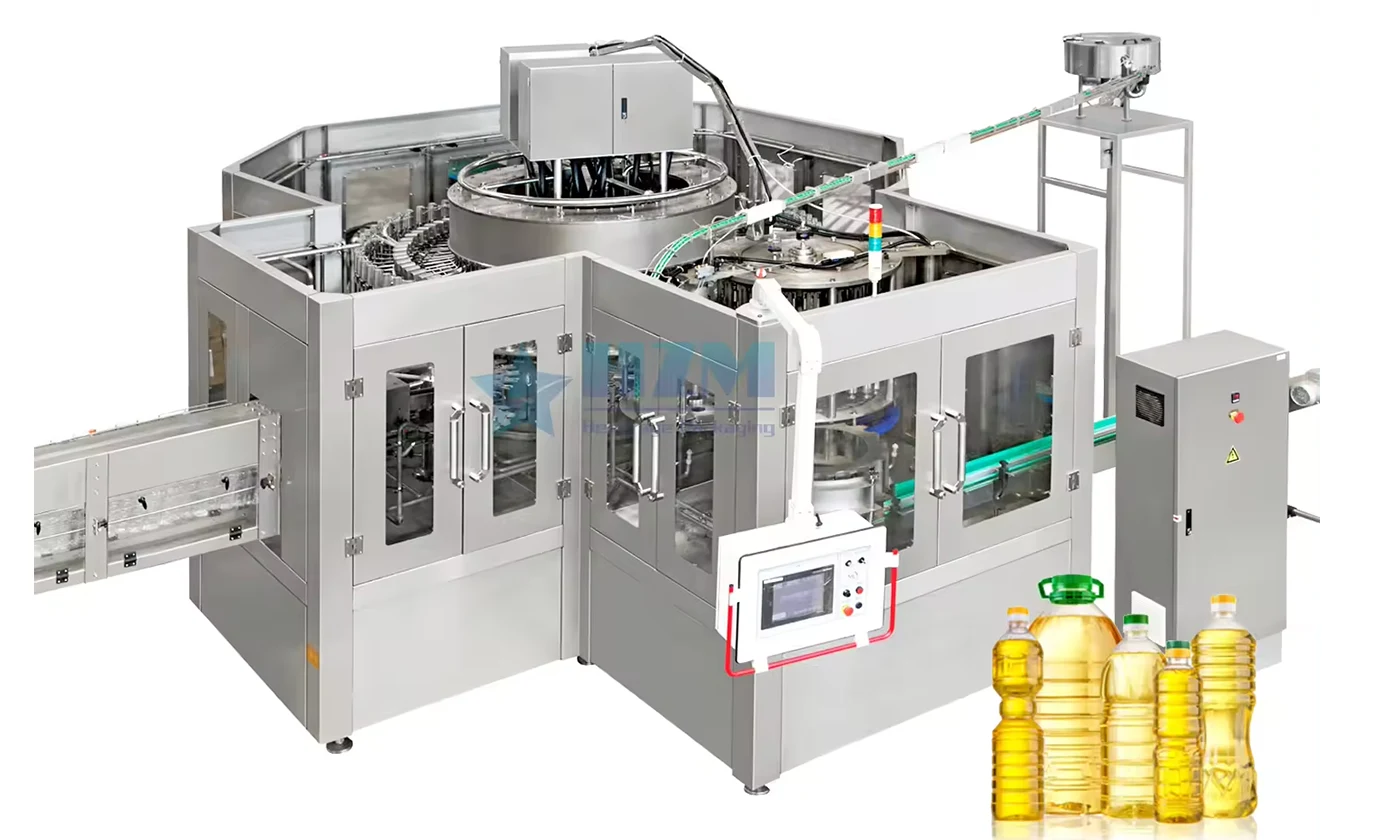
Equipment
Automatic Cooking Oil Filling Machine
The automatic cooking oil filling machine fills and caps bottles of edible oil.
Learn more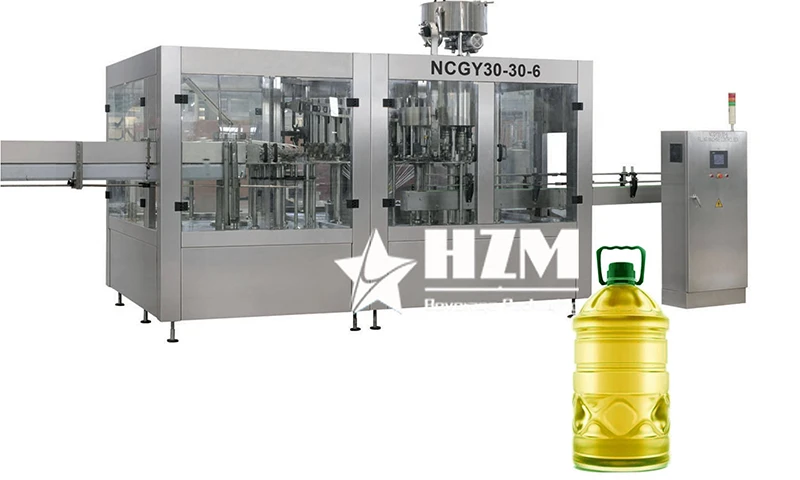
Equipment
2-in-1 Monoblock Edible Cooking Oil Filling and Capping Machine
The 2-in-1 monoblock fills and caps bottles of edible cooking oil in a continuous operation.
Learn moreEquipment
Automatic Edible Oil Filling Machine | Cooking Oil Bottling & Packing Line
Automatic cooking oil filling and capping with GYH models from 3,500 to 10,000 bottles/hour at 500 ml.
Learn more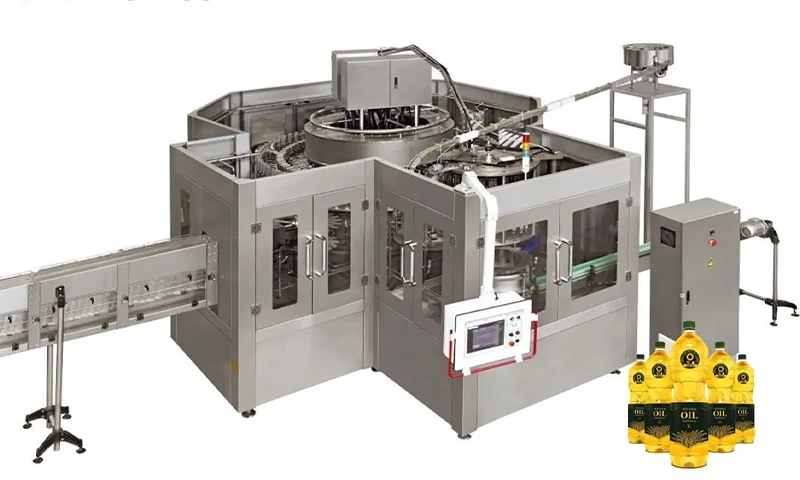
Equipment
Olive Oil Filling Machine
Olive oil bottle filling and capping with GYH models from 3,500 to 10,000 bottles/hour at 500 ml.
Learn more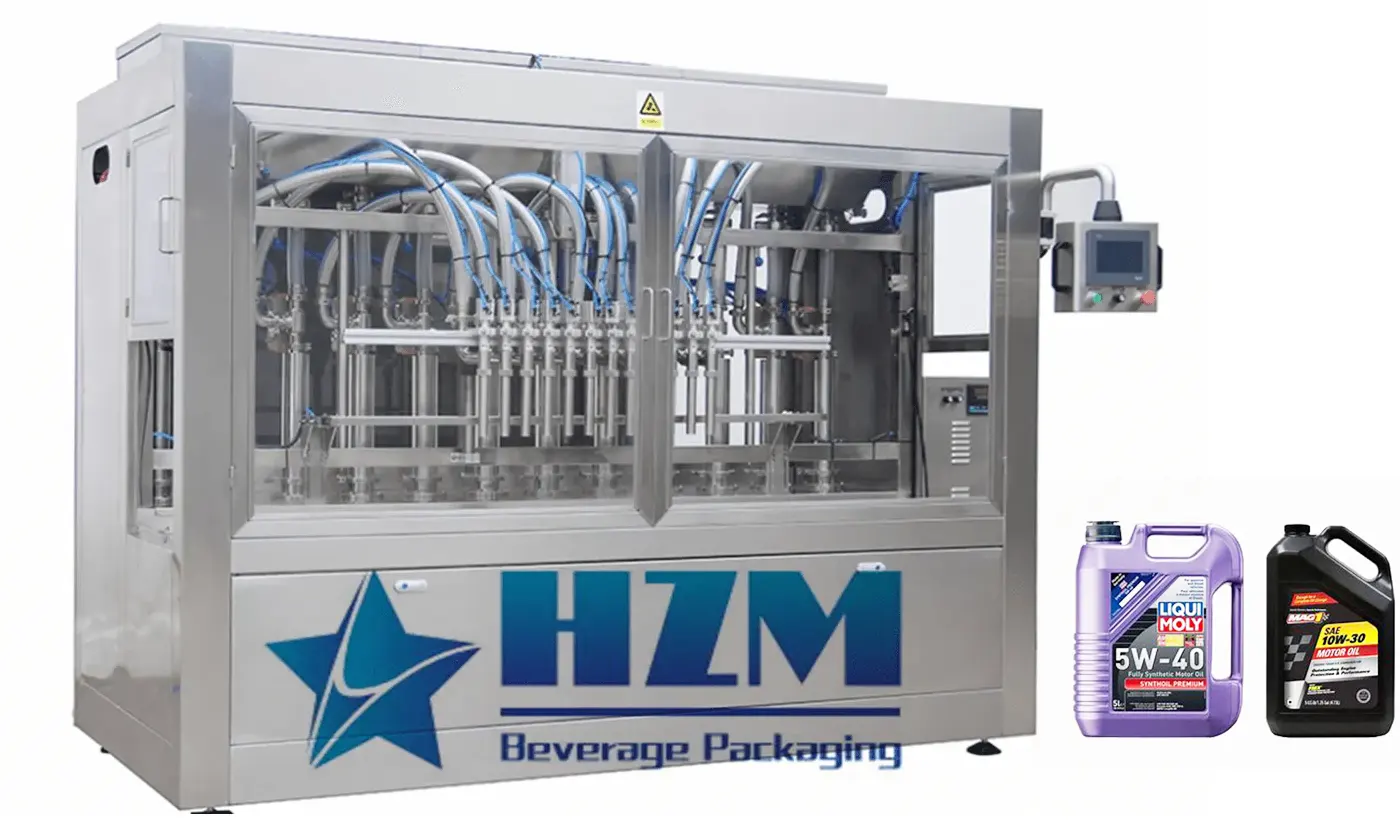
Equipment
Automotive Lubricants Oil Filling Machine
This automotive lubricating-oil filling machine doses oil into bottles and containers on a linear filling line.
Learn more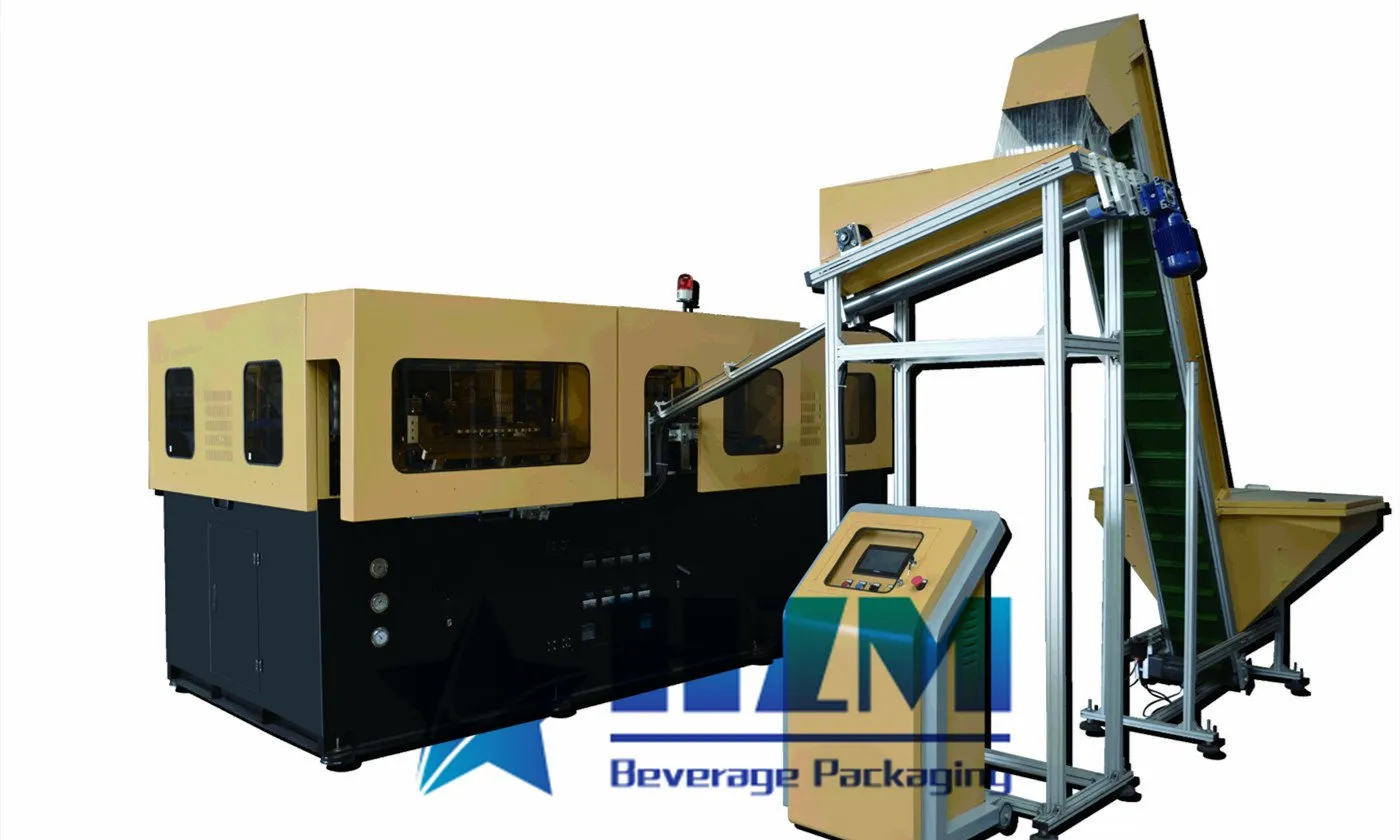
Equipment
Automatic Oil Bottle Wide Neck PET Bottle Blowing Machine
PET blow moulding equipment for large edible-oil, drinking-water and wide-neck bottles, with bottle sizes up to 5–10 L by model.
Learn more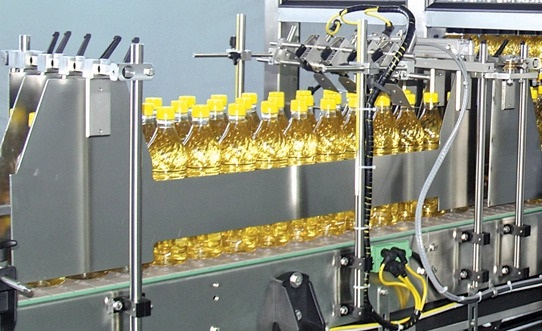
2023-09-25
Overview of Equipment for Edible Oil Filling Production Line
However, the key challenge lies in understanding how to configure the equipment for an edible oil filling production line, which is crucial for packaging edible oil. Below, let us provide a detailed explanation of the equipment typically required for a complete edible oil filling production line.
Learn more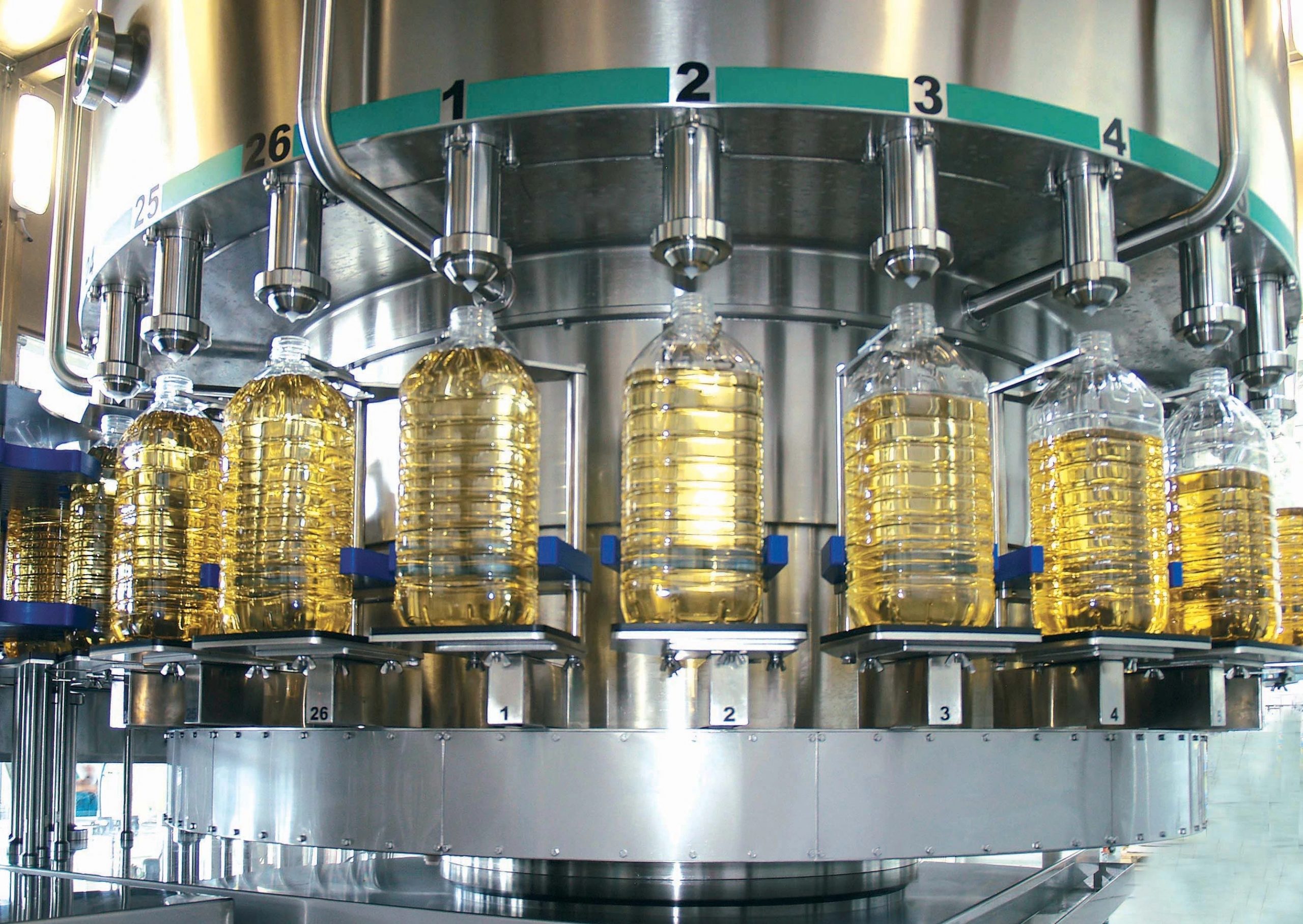
2023-10-22
What is an edible oil filling machine?
An edible oil filling machine is a specialized mechanical device used for filling and packaging edible oils. It is widely employed in the production and packaging processes of oil-based products to ensure precise filling, sealing, and packaging of these products.
Learn more2023-10-13
Comparison between Edible Oil Filling Machine and Cooking Oil Filling Machine
both of these machines are typically used for filling liquid edible oils, but the specific differences depend on the machine's design and the manufacturer's labeling. When choosing a machine, you should consider your production requirements and the specific types of edible oils you will be handling.
Learn more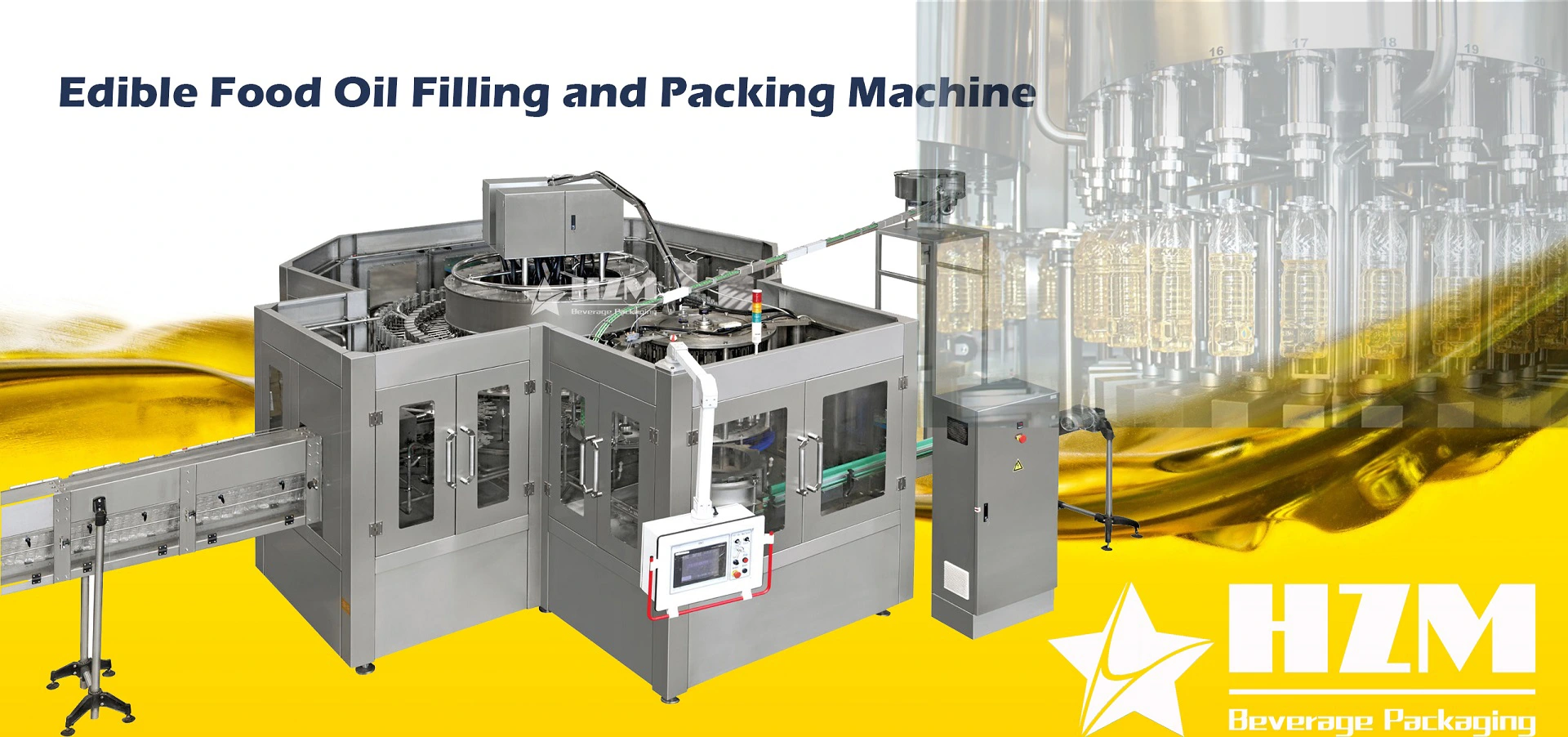
2023-10-12
Edible Oil Filling Machine Manual
The edible oil filling machine (referred to as the machine hereafter) is a device used for the automatic or semi-automatic filling of edible oil. The is primarily used to fill various types of edible oils, such as peanut oil, rapeseed oil, corn oil, sunflower oil, soybean oil, walnut oil, and olive oil, into various types of containers, including bottles, barrels, and bags.
Learn more2023-11-09
How to Perform Maintenance on Edible Oil Filling Machine with Oil Leakage
When an edible oil filling machine experiences an oil leakage issue, it is crucial to conduct timely repairs to ensure the proper functioning of the equipment while avoiding unnecessary production losses. Here are some basic maintenance steps for addressing oil leakage problems in an edible oil filling machine.
Learn more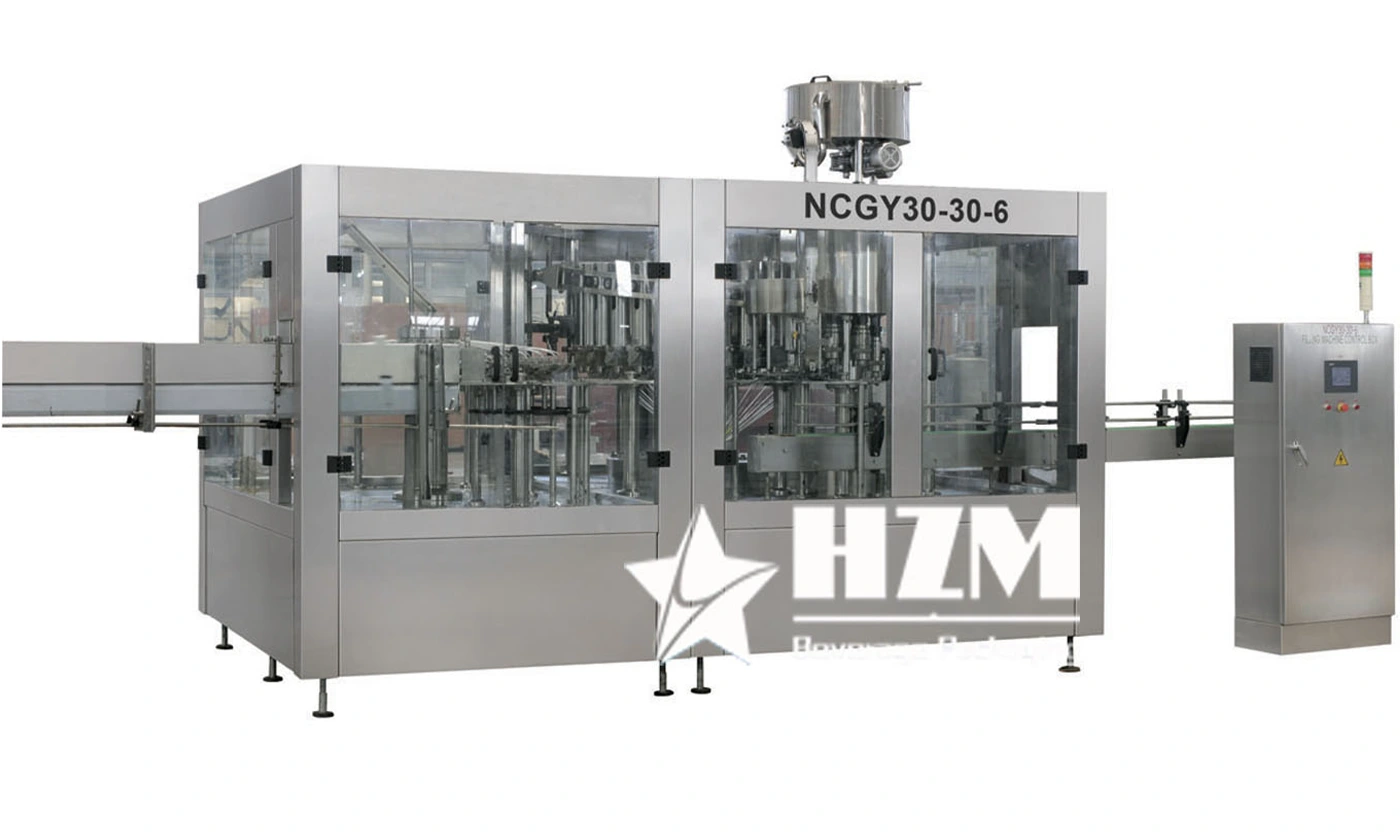
2023-11-26
Introduction to the Edible Oil Filling Production Line
The edible oil filling production line is a modern bottling production system designed to enhance the efficiency and quality of edible oil production while meeting the demands of standardized production. This assembly line consists of various individual machines, including bottle sorting, filling, capping, aluminum foil sealing, and adhesive labeling equipment.
Learn more