
Insights & Updates
Addressing the Leakage Problem of the Edible Oil Filling Machine’s Filling Head
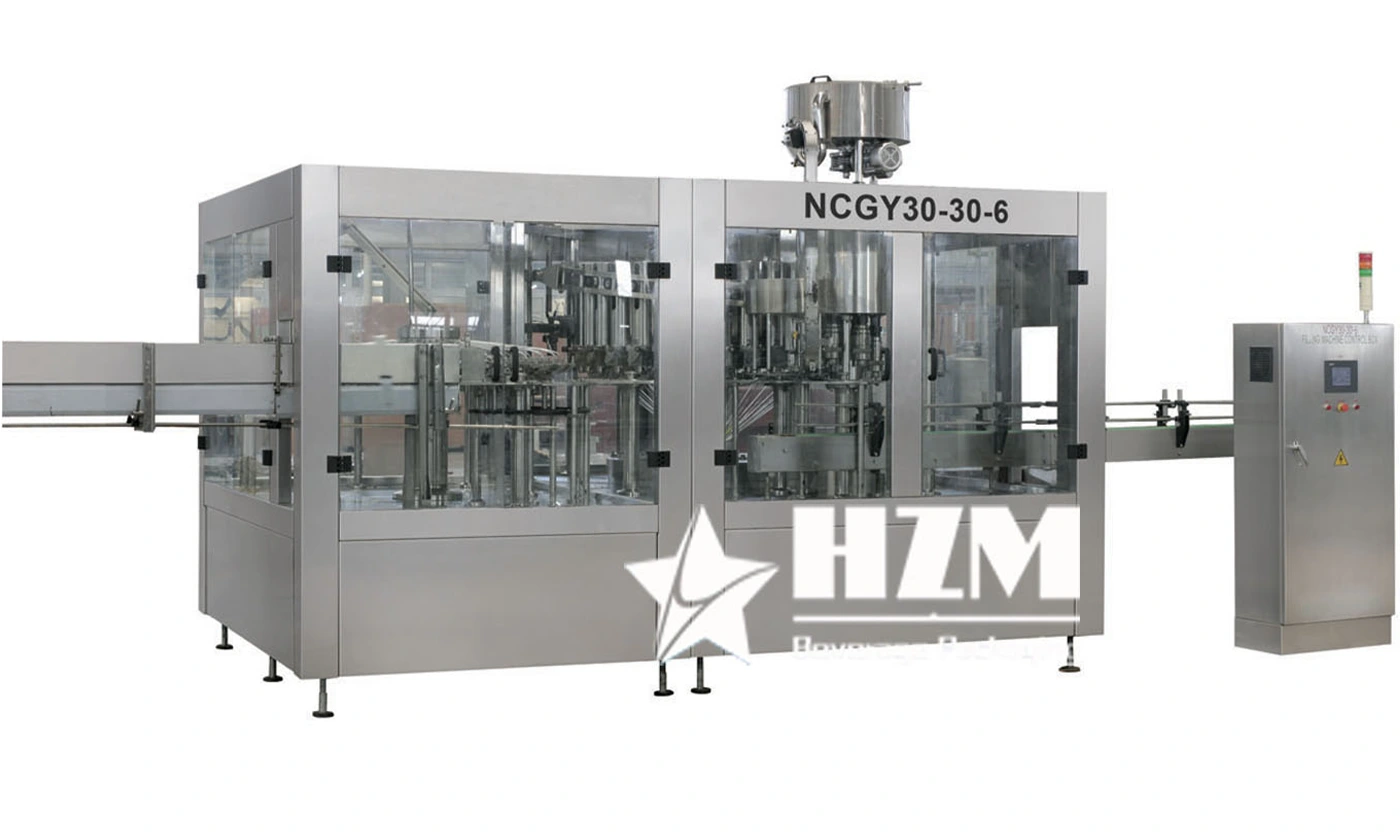
Edible oil filling machines play a crucial role in the food industry. However, when the filling head experiences a leakage issue, it can pose safety and hygiene concerns, necessitating timely resolution. as an after-sales engineer for edible oil filling machines, I will share the key steps in handling this problem to ensure the equipment’s proper functioning and product quality.
Step 1: Halt Operations and Inspection
The first step is to immediately shut down the machine to prevent further leakage and reduce potential damage. Turn off the equipment and disconnect the power source to ensure a safe working environment.
Step 2: Check Installation and Rotation
Thoroughly examine the proper installation of the filling head, ensuring it is securely attached to the equipment. Confirm that all connections are tight and that there are no loose threads or joints. Conduct a visual inspection at the installation point of the filling head to ensure no obvious issues.
Step 3: Inspect Sealing Gaskets
Inspect the sealing gaskets of the filling head, such as O-rings or washers, to ensure they are not worn, aged, or damaged. Damaged sealing gaskets can be a cause of leakage. If issues are found, promptly replace the sealing gaskets with those that meet the specifications.
Step 4: Clean and Maintain
Regularly cleaning and maintaining the filling head and related components are crucial to prevent the accumulation of edible oil residue or impurities that can lead to leakage. Use appropriate cleaning agents and tools and adhere to the manufacturer’s maintenance recommendations.
Step 5: Replace Damaged Parts
If damage is identified during inspection, whether in the filling head or other components, replacement must be done promptly. Do not overlook minor wear and tear, as it can negatively impact the equipment’s performance and hygiene.
Step 6: Testing and Validation
After addressing the issue, conduct tests to ensure that the filling head no longer leaks and that everything is functioning properly. Perform trial runs to verify that the problem has been resolved and that the equipment is safe and reliable.
Step 7: Train Operators
Lastly, ensure that operators receive training on proper operation and maintenance of the edible oil filling machine to reduce the risk of leakage and other issues. Provide operation manuals and training to ensure they can use the equipment correctly.
Conclusion
Leakage issues in edible oil filling machine’s filling head should be addressed promptly to ensure product quality and safety. By following the above key steps, including checking installation, inspecting sealing gaskets, cleaning and maintaining, replacing damaged parts, testing, and operator training, this issue can be effectively resolved to ensure the proper operation of the equipment. Regular maintenance and upkeep of the equipment are crucial to minimizing the risk of leakage.
Talk to our engineering team
Need help planning your packaging line?
Share your product, bottle and capacity requirements for a practical equipment recommendation.
Equipment
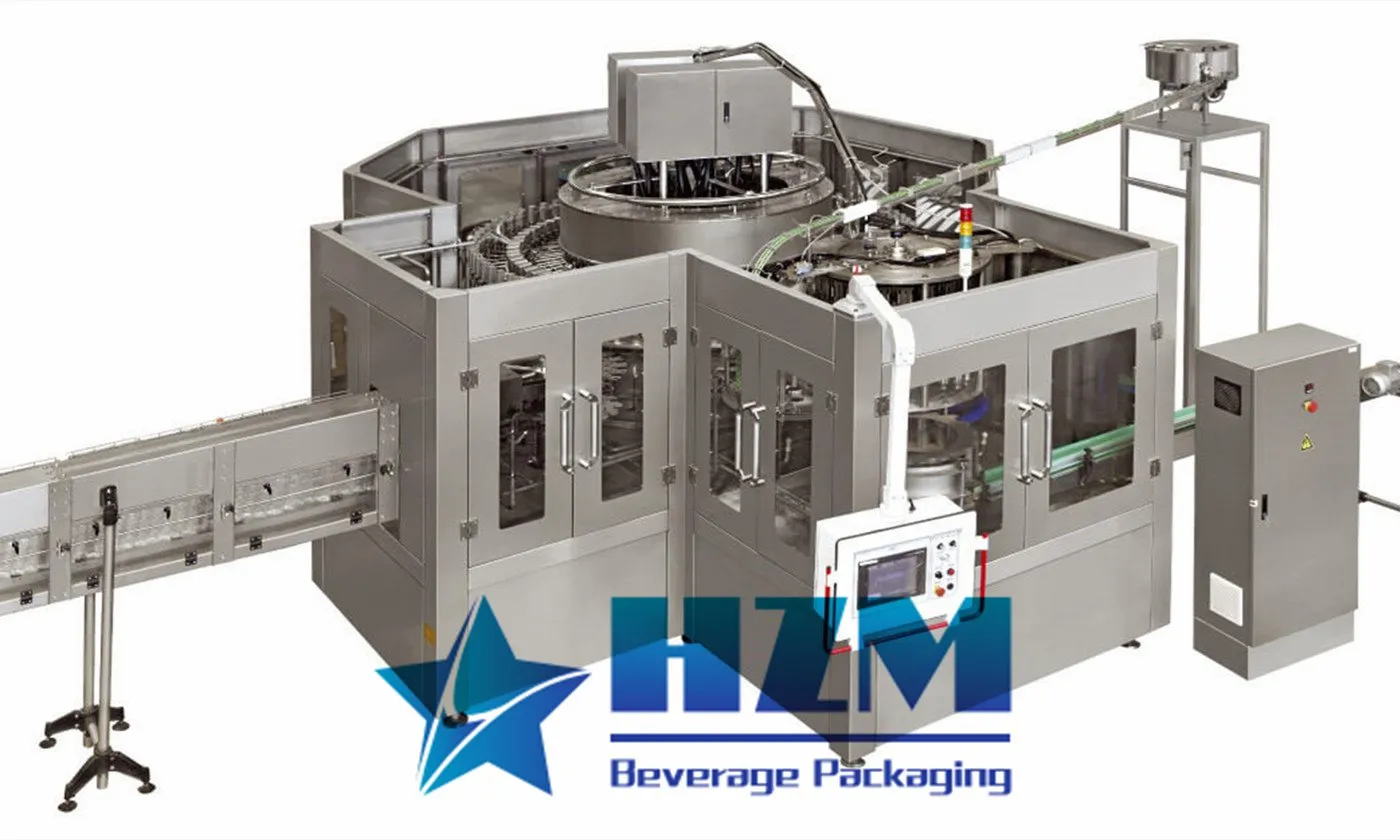
Edible Oil Filling Machine
Rotary edible oil filling and capping with GYH models from 3,500 to 10,000 bottles/hour at 500 ml.
Learn more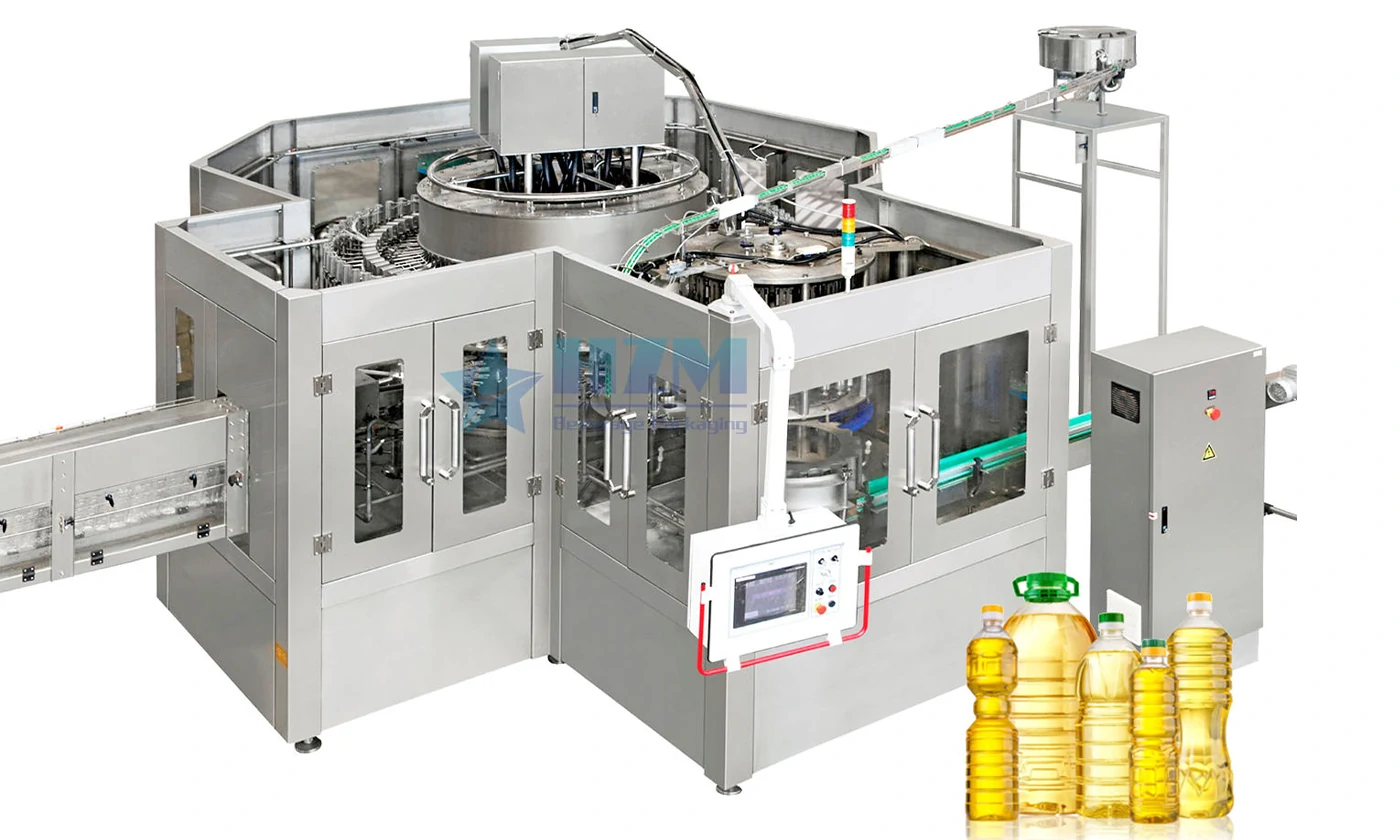
Equipment
PET Bottle Edible Oil Bottling Line | Automatic Rotary Type Edible Oil Filling Machine
The PET bottle edible oil bottling line combines rotary oil filling and capping with bottle conveying and downstream packaging.
Learn more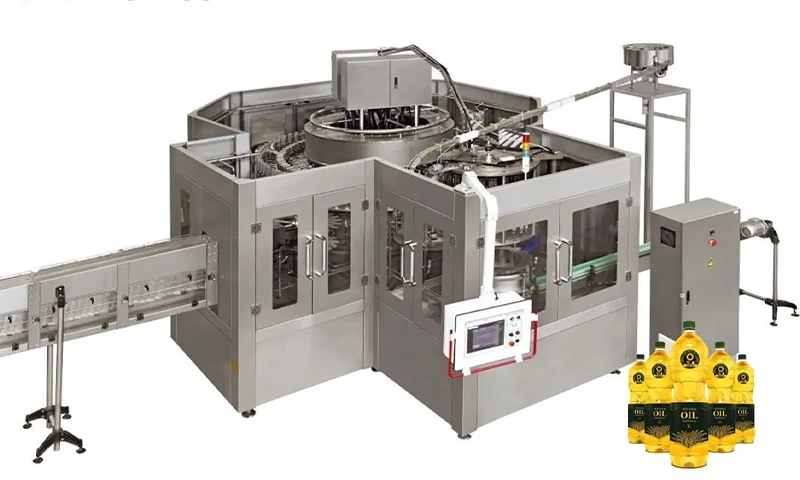
Equipment
Olive Oil Filling Machine
Olive oil bottle filling and capping with GYH models from 3,500 to 10,000 bottles/hour at 500 ml.
Learn more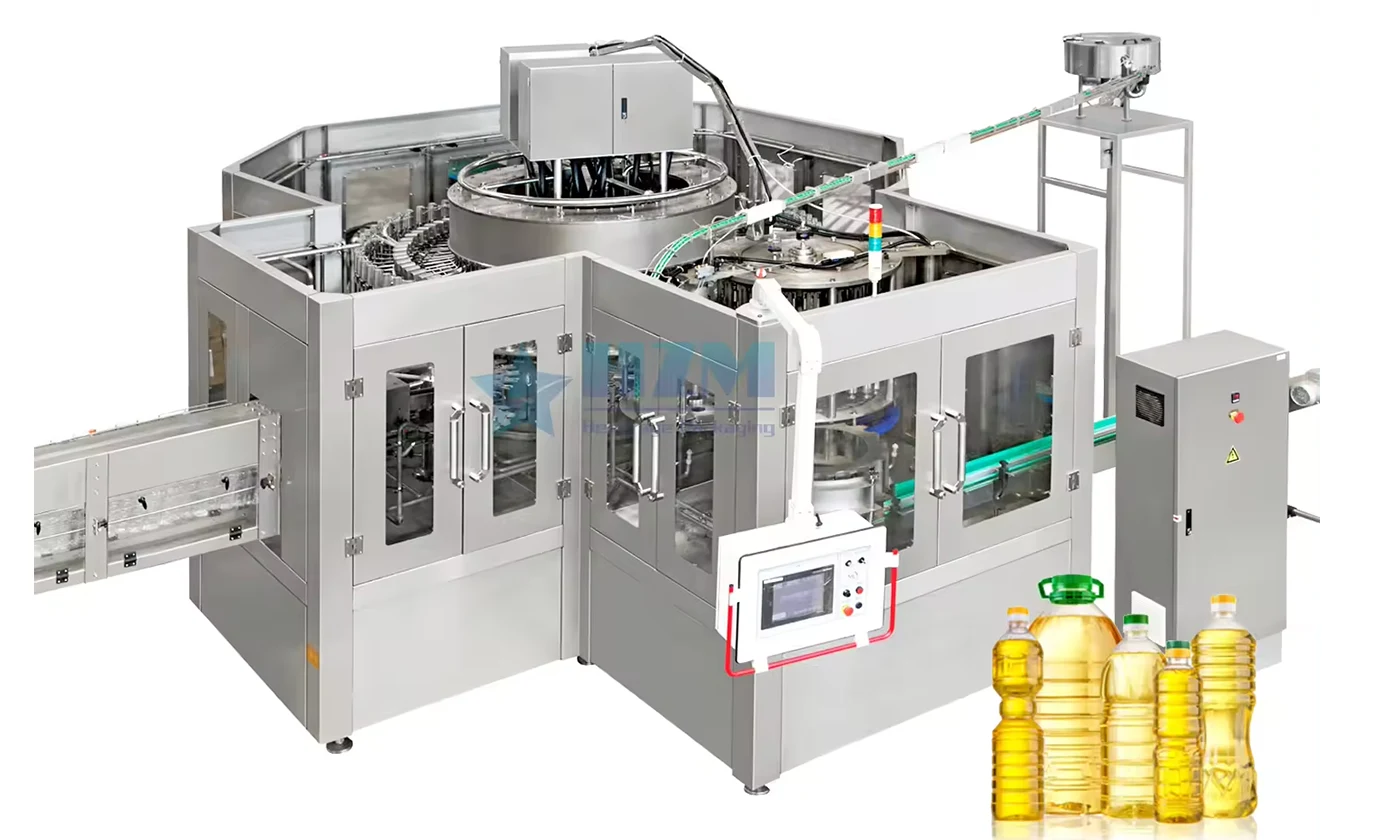
Equipment
Automatic Cooking Oil Filling Machine
The automatic cooking oil filling machine fills and caps bottles of edible oil.
Learn more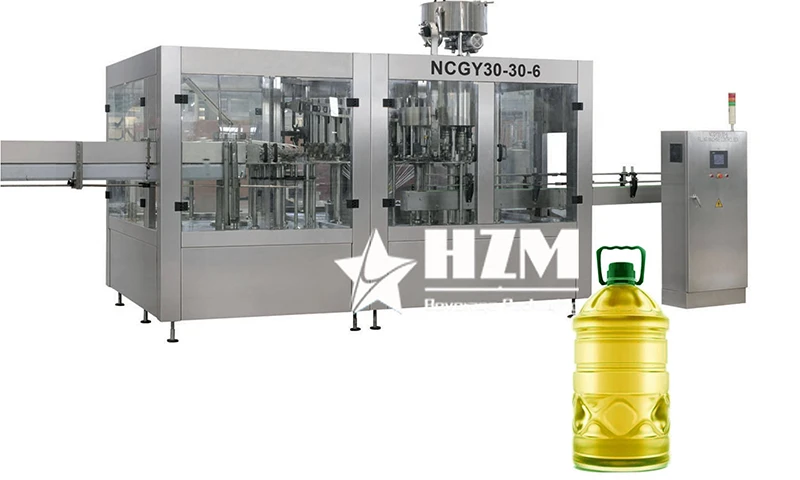
Equipment
2-in-1 Monoblock Edible Cooking Oil Filling and Capping Machine
The 2-in-1 monoblock fills and caps bottles of edible cooking oil in a continuous operation.
Learn more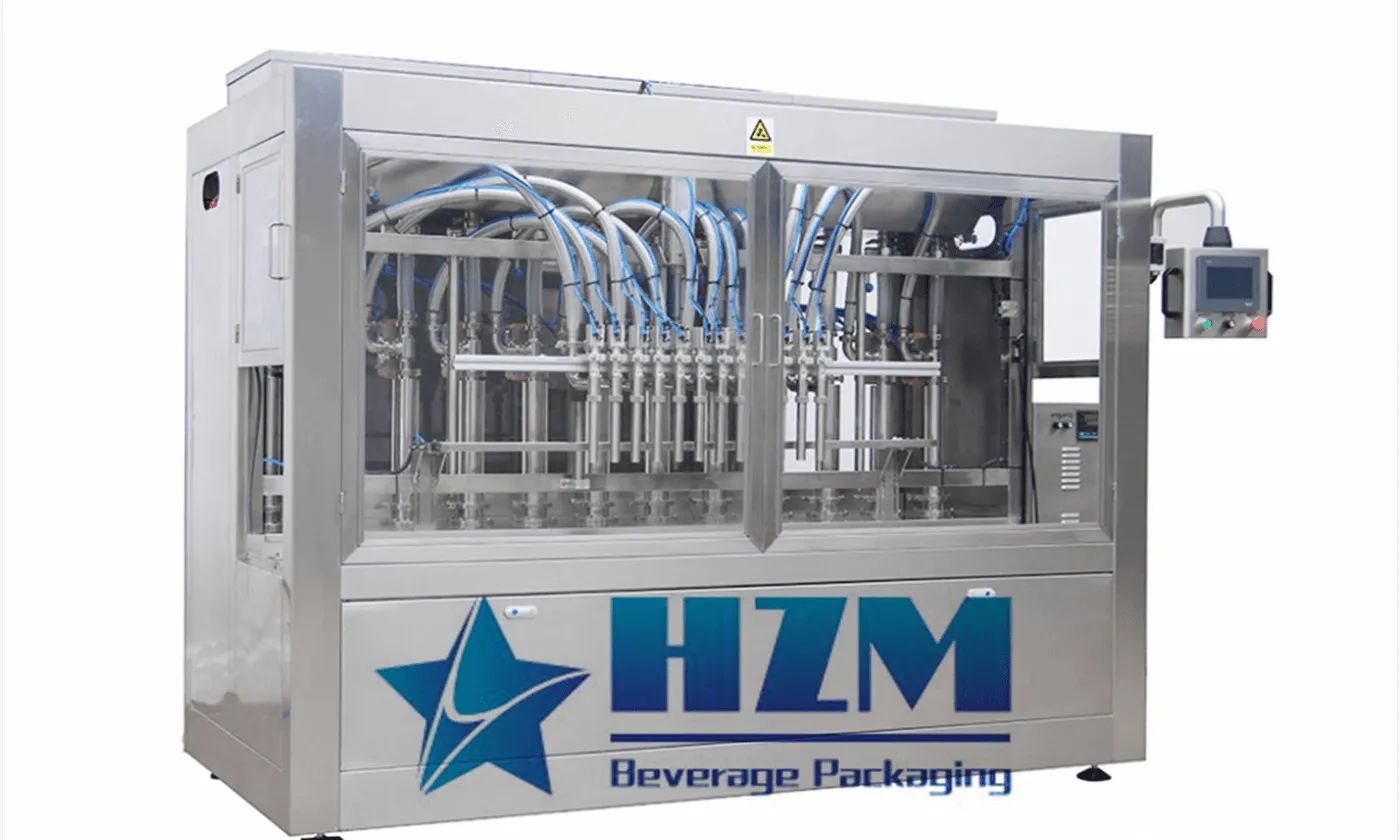
Equipment
Linear Type Oil Filling Machine
The linear oil filling machine fills bottled edible oils and compatible liquid food products.
Learn moreEquipment
Automatic Edible Oil Filling Machine | Cooking Oil Bottling & Packing Line
Automatic cooking oil filling and capping with GYH models from 3,500 to 10,000 bottles/hour at 500 ml.
Learn more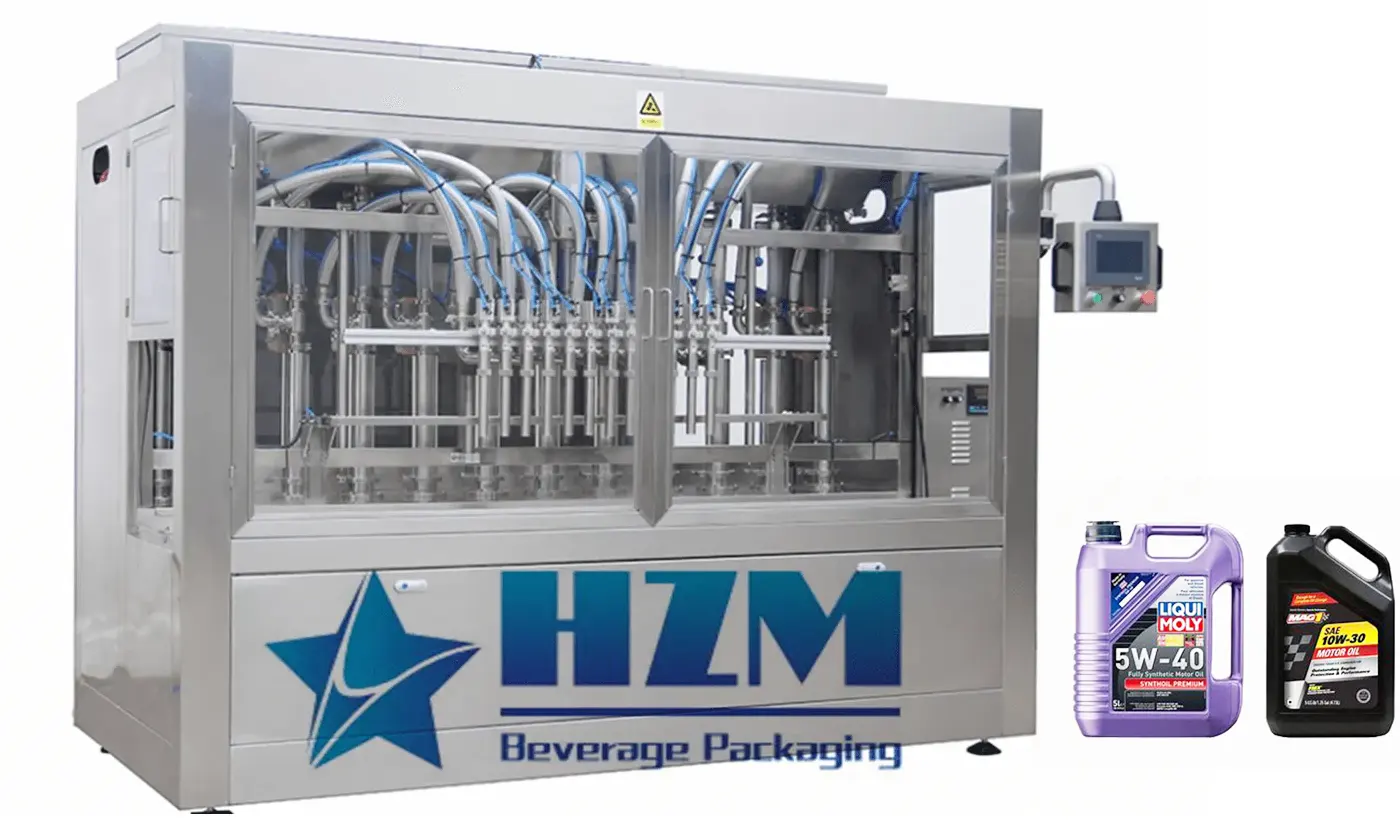
Equipment
Automotive Lubricants Oil Filling Machine
This automotive lubricating-oil filling machine doses oil into bottles and containers on a linear filling line.
Learn more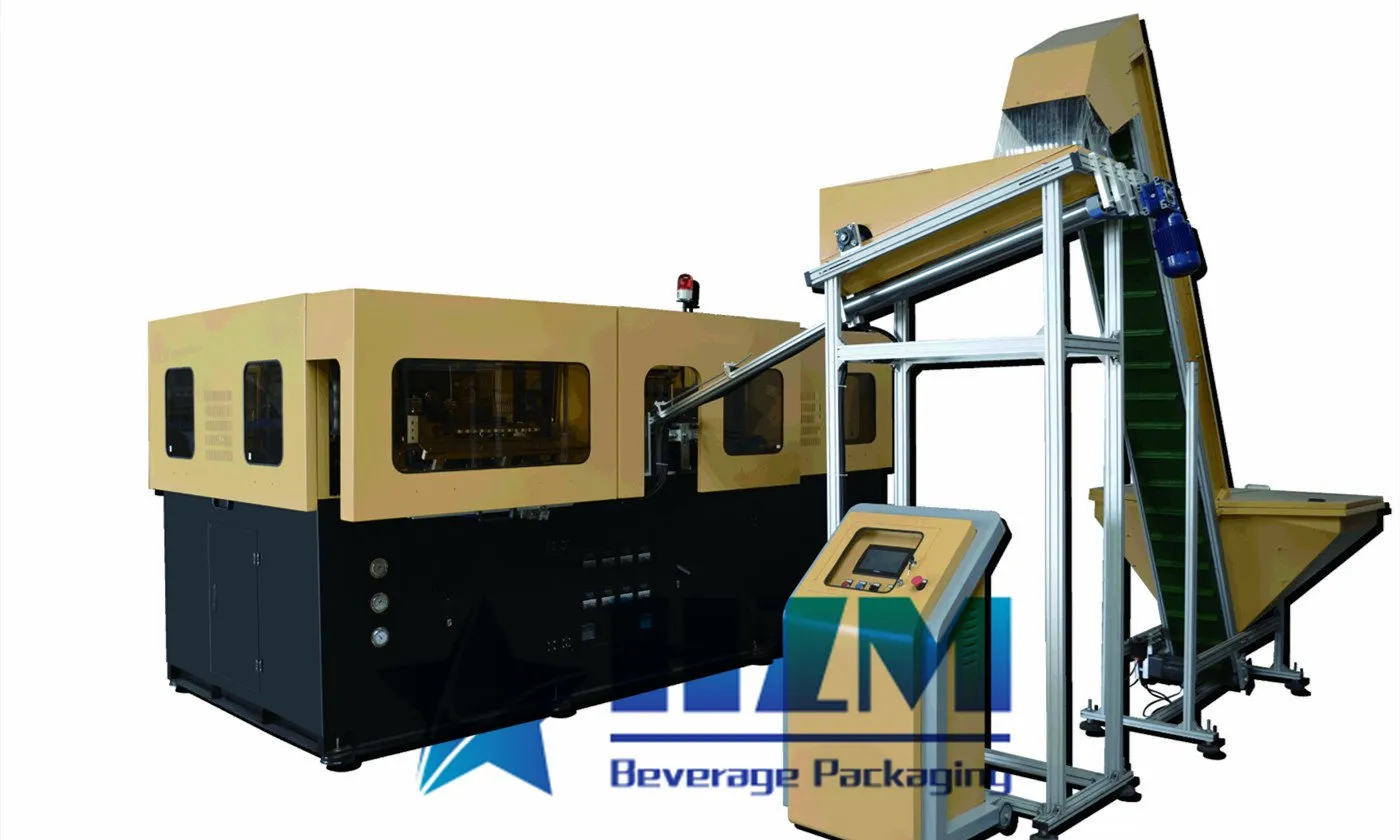
Equipment
Automatic Oil Bottle Wide Neck PET Bottle Blowing Machine
PET blow moulding equipment for large edible-oil, drinking-water and wide-neck bottles, with bottle sizes up to 5–10 L by model.
Learn more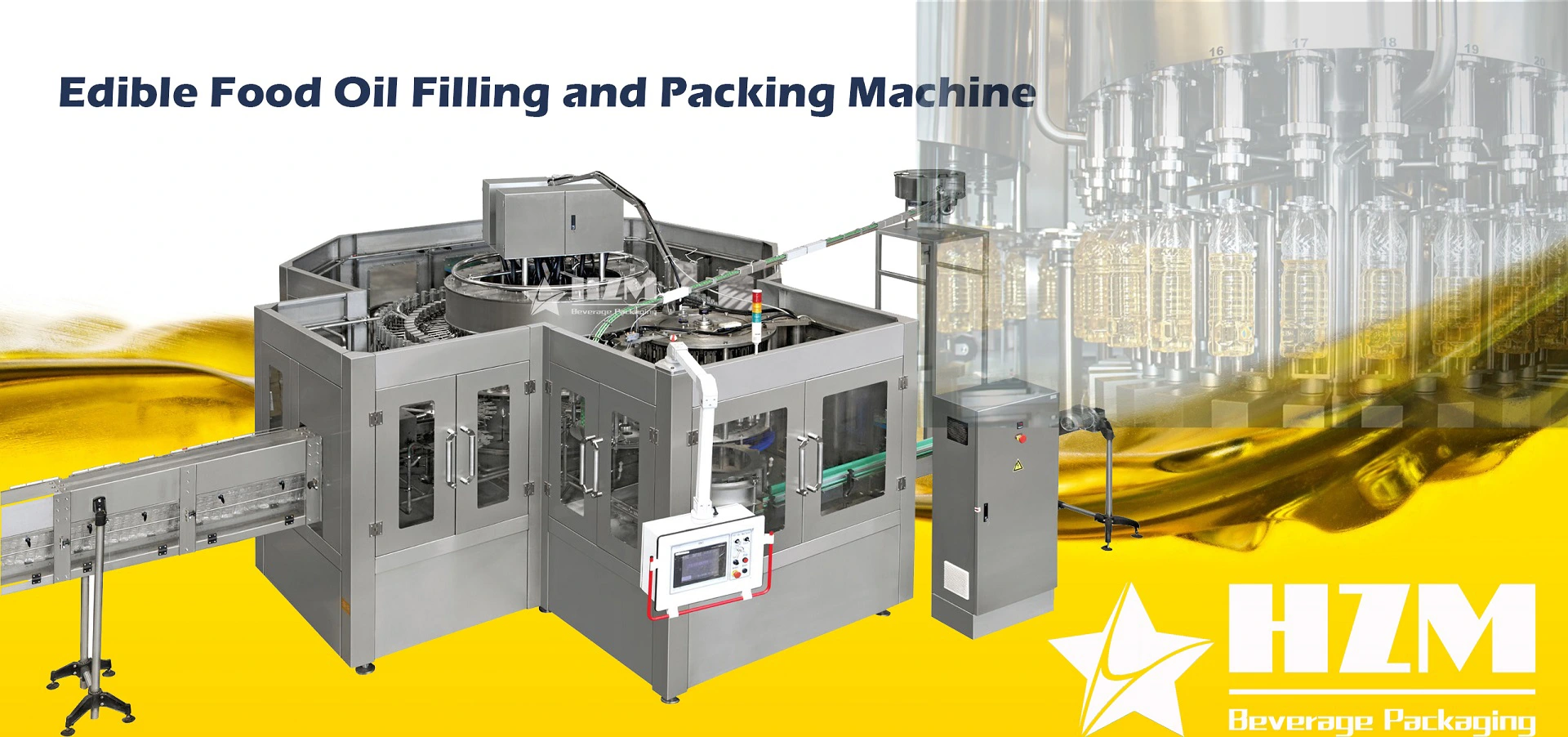
2023-11-09
How to Perform Maintenance on Edible Oil Filling Machine with Oil Leakage
When an edible oil filling machine experiences an oil leakage issue, it is crucial to conduct timely repairs to ensure the proper functioning of the equipment while avoiding unnecessary production losses. Here are some basic maintenance steps for addressing oil leakage problems in an edible oil filling machine.
Learn more2023-11-26
Introduction to the Edible Oil Filling Production Line
The edible oil filling production line is a modern bottling production system designed to enhance the efficiency and quality of edible oil production while meeting the demands of standardized production. This assembly line consists of various individual machines, including bottle sorting, filling, capping, aluminum foil sealing, and adhesive labeling equipment.
Learn more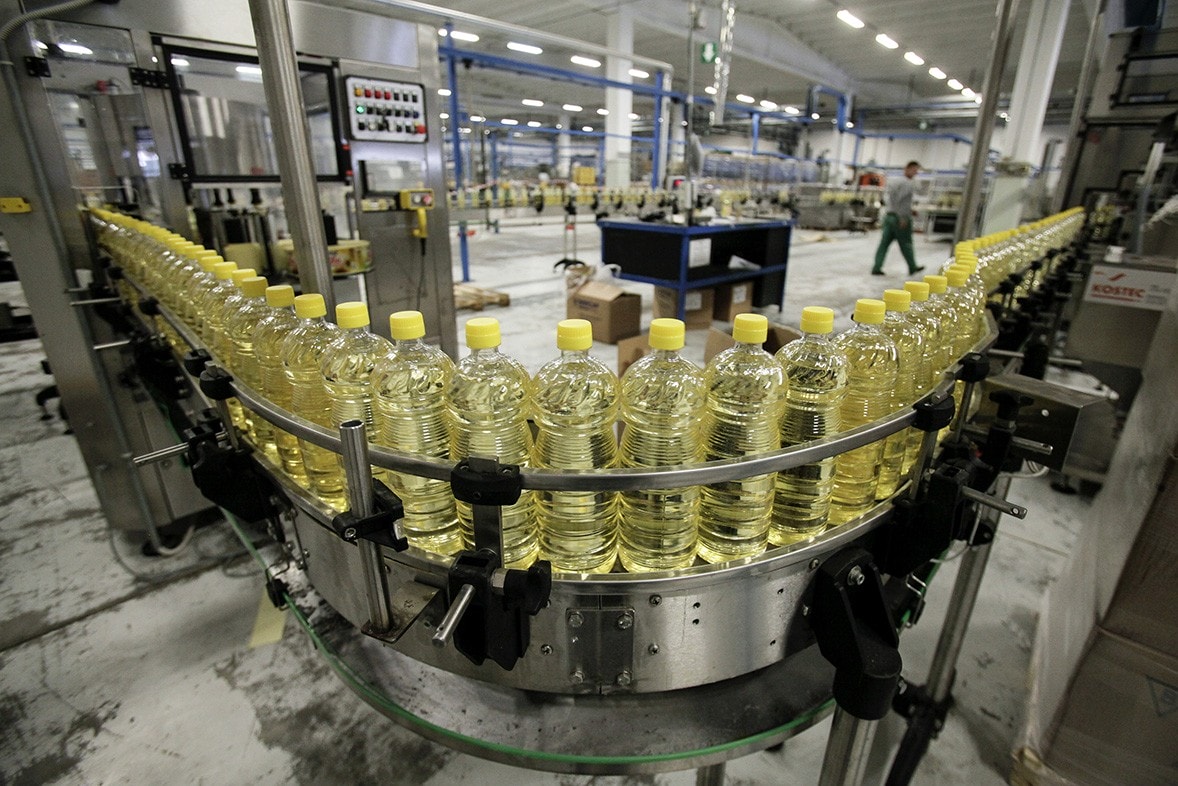
2023-11-20
Edible Oil Production Line Equipment and Costs
As a professional edible oil packaging machine solution provider, HZM Machinery offers tailor-made complete edible oil filling production line solutions to meet customer needs.
Learn more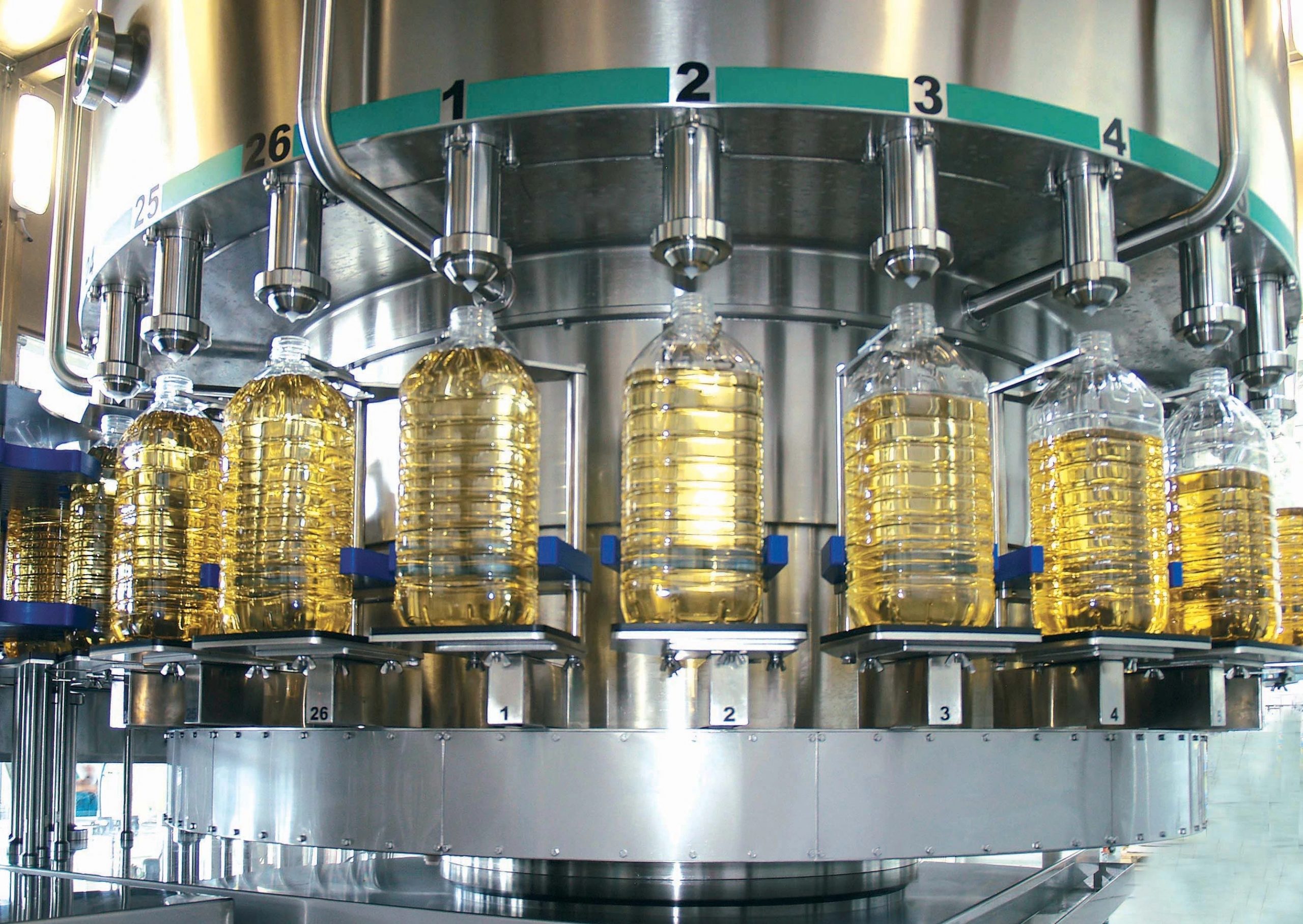
2024-01-06
Edible Oil production process
The edible oil production process is a multi-stage operation that involves extracting oil from oilseeds, refining it, and packaging it for sale.
Learn more2023-10-22
What is an edible oil filling machine?
An edible oil filling machine is a specialized mechanical device used for filling and packaging edible oils. It is widely employed in the production and packaging processes of oil-based products to ensure precise filling, sealing, and packaging of these products.
Learn more
2023-11-15
Choosing Quality Cooking Oil: Tips from Edible Oil Filling Machine Manufacturer
Choosing the right cooking oil is essential for both health and culinary purposes. Amid the multitude of cooking oil brands and types available in the supermarket, HZM Machinery, a manufacturer of edible oil filling machines, offers practical tips for selecting cooking oil, helping you navigate the supermarket's overwhelming selection
Learn more