
Insights & Updates
What Is a Fully Automatic Blow Molding, Filling, and Capping Integrated Machine?
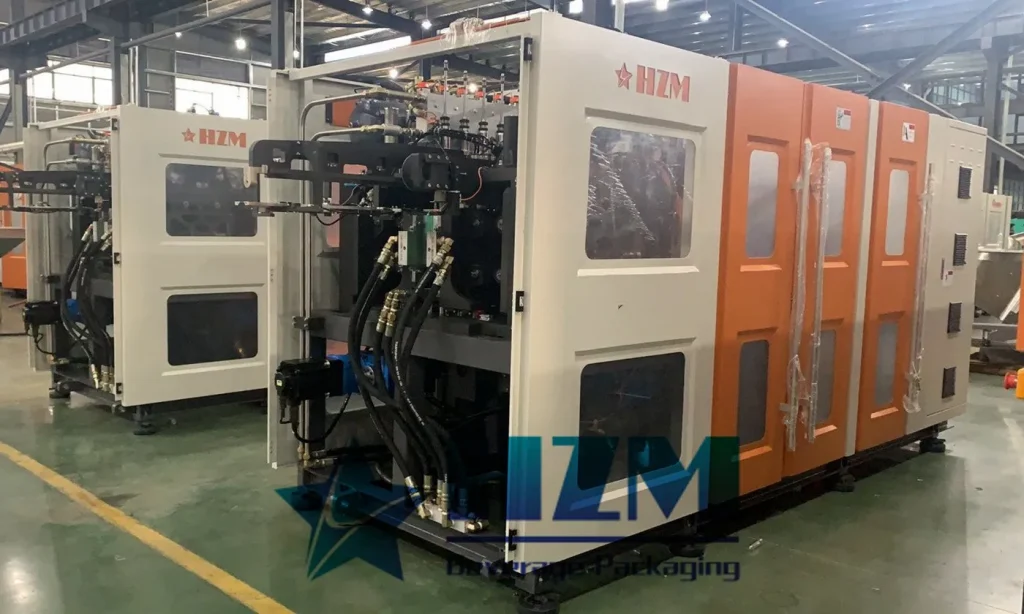
A fully automatic blow molding, filling, and capping integrated machine is a highly automated apparatus that combines several critical functions. Its primary tasks include blow molding plastic bottles, filling them with liquid products, and then capping and sealing the bottles. This machine plays a pivotal role in the production of bottled beverages, fruit juices, condiments, cleaning agents, and various liquid products. It efficiently and precisely fills products into bottles while ensuring product quality and hygiene standards are met.
Working Principles
- Blow Molding: Firstly, this machine heats and molds plastic raw materials into the desired bottle shapes. Typically, it utilizes polyethylene terephthalate (PET) or other suitable plastics for this purpose.
- Liquid Filling: Once the bottle shapes are formed, the liquid filling system injects the liquid product into each bottle. This process requires precise control to ensure that each bottle contains the correct product volume.
- Capping and Sealing: After liquid filling is complete, the machine automatically caps and seals the bottles, ensuring the bottles are securely closed and meet hygiene standards.
Application Areas
Fully automatic blow molding, filling, and capping integrated machines find extensive application across various industries. The most common applications include:
- Beverage Industry: Used for the production of carbonated beverages, fruit juices, sodas, and other liquid beverages.
- Food Industry: Utilized for filling condiments, salad dressings, edible oils, and other liquid food products.
- Cleaning Agent Manufacturing: Employed in the production of detergents, hand sanitizers, disinfectants, and other cleaning products.
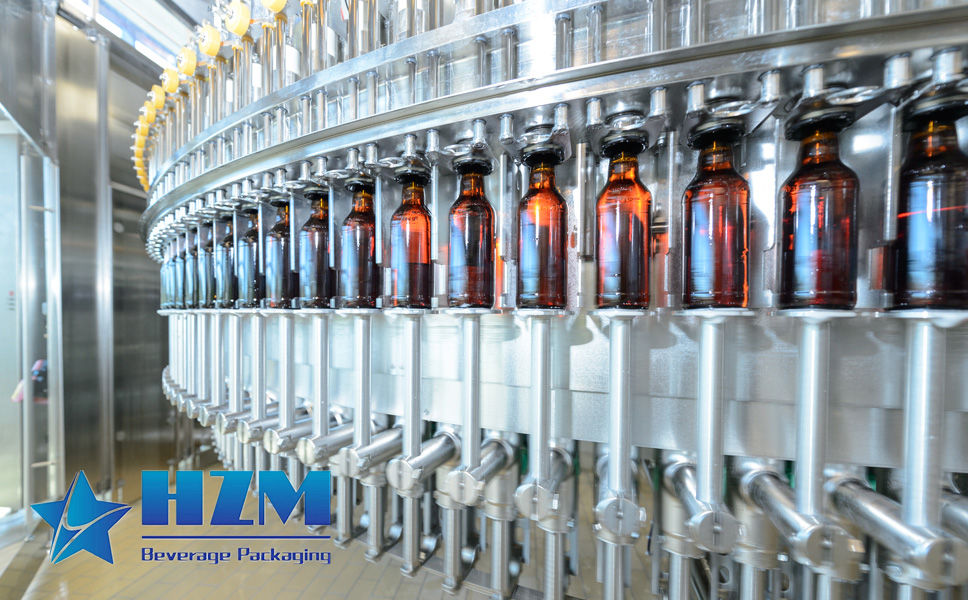
Features
- High Automation: The fully automatic blow molding, filling, and capping integrated machine is a highly automated device capable of performing multiple steps such as blow molding, liquid filling, and capping and sealing with minimal human intervention. In contrast, conventional machines typically require more manual operation and supervision.
- Versatility: This integrated machine combines various functions, including blow molding, liquid filling, and capping and sealing, making it suitable for different types of products and applications. Conventional machines tend to have single functions and may require multiple different machines to perform similar tasks.
- Precision and Consistency: The fully automatic machine boasts high precision and consistency, ensuring that each product conforms to the same specifications and quality standards. Conventional machines may be influenced by manual operations, making it challenging to achieve such a high level of consistency.
- Production Efficiency: Typically, this integrated machine can produce products at higher speeds as it can complete multiple steps in a short time. In contrast, conventional machines may require more time to process the same quantity of products.
- Hygiene Standards: The fully automatic blow molding, filling, and capping integrated machine is typically designed for applications involving liquid food and beverages, thus adhering to higher hygiene standards. They often include cleaning and sterilization features to ensure product hygiene and safety. In contrast, conventional machines may require additional hygiene measures and supervision.
- Customizability: This integrated machine can often be customized and adjusted according to the requirements of different products and containers. Conventional machines may require more adaptability and modifications to suit various applications.
In summary, the fully automatic blow molding, filling, and capping integrated machine is a highly specialized and automated device suited for specific production needs, particularly in the manufacturing and packaging of liquid products. Compared to conventional machines, it offers higher efficiency, precision, and hygiene standards, enabling manufacturers to better meet market demands and quality requirements.
Talk to our engineering team
Need help planning your packaging line?
Share your product, bottle and capacity requirements for a practical equipment recommendation.
Equipment
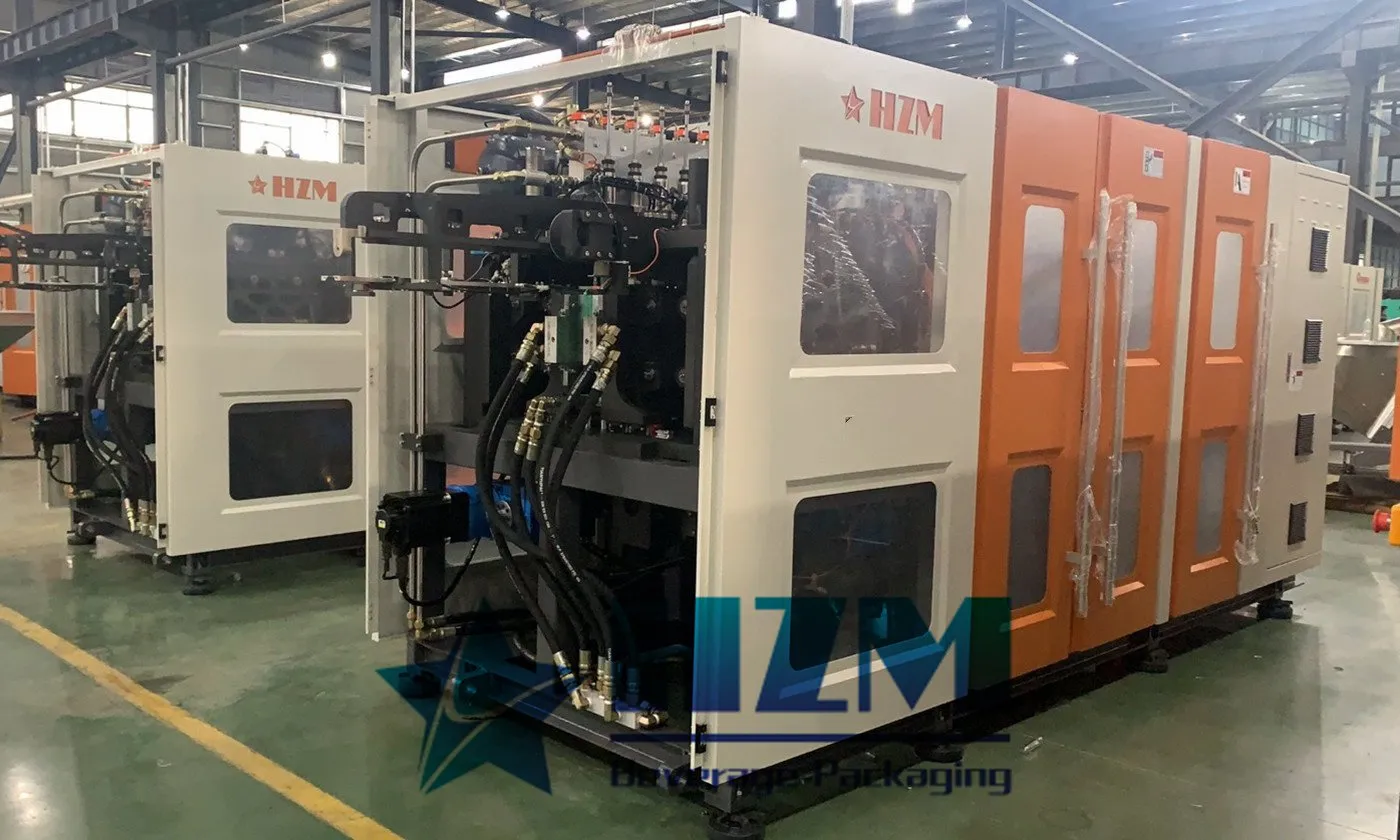
Automatic Blow Molding Machine
Automatic PET bottle blowing for water and beverage packaging, with capacities of 12,000–24,000 bottles/hour at 500 ml.
Learn more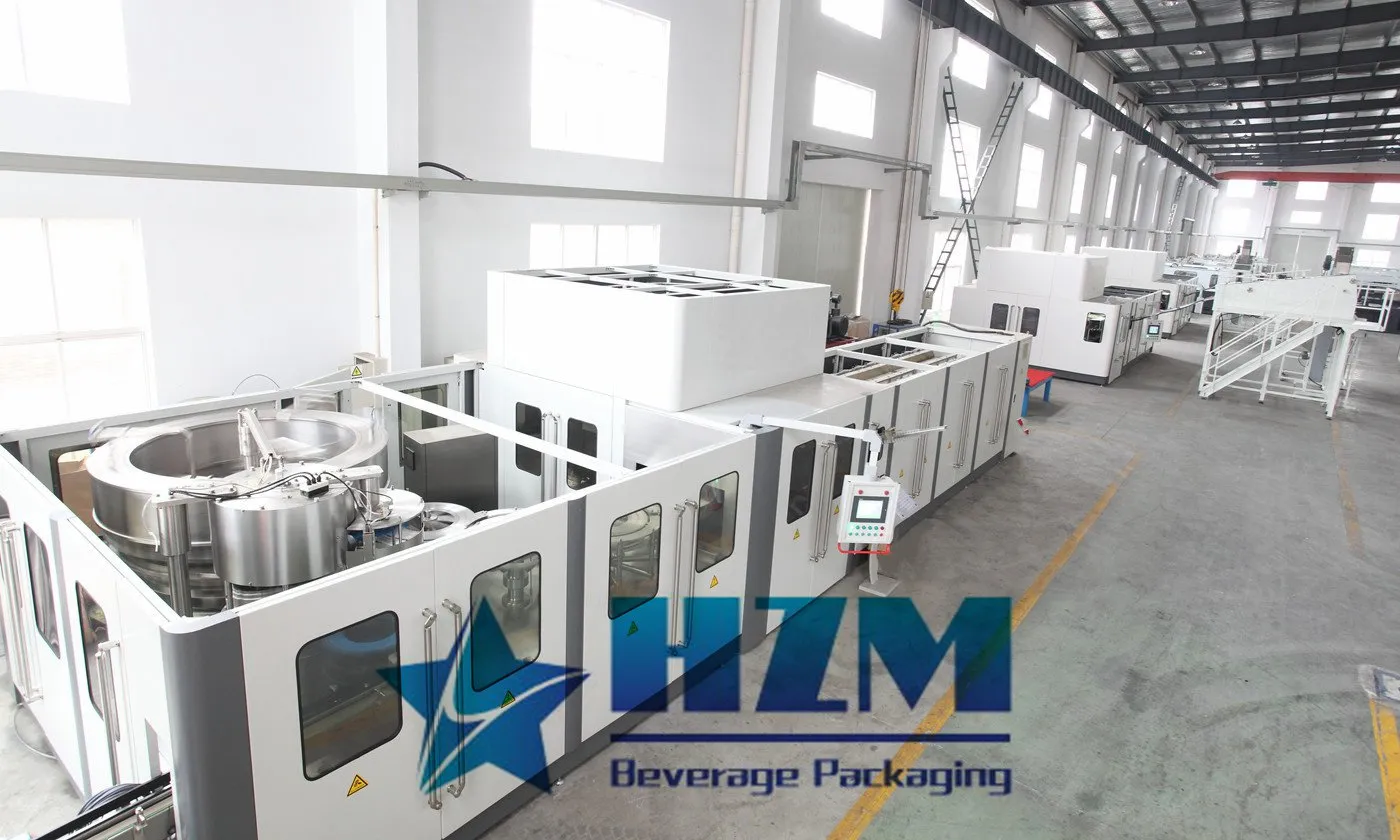
Equipment
Blowing-Filling-Capping Machine
A PET combiblock that combines preform heating, bottle blowing, filling and capping at 12,000–48,000 bottles/hour at 500 ml.
Learn more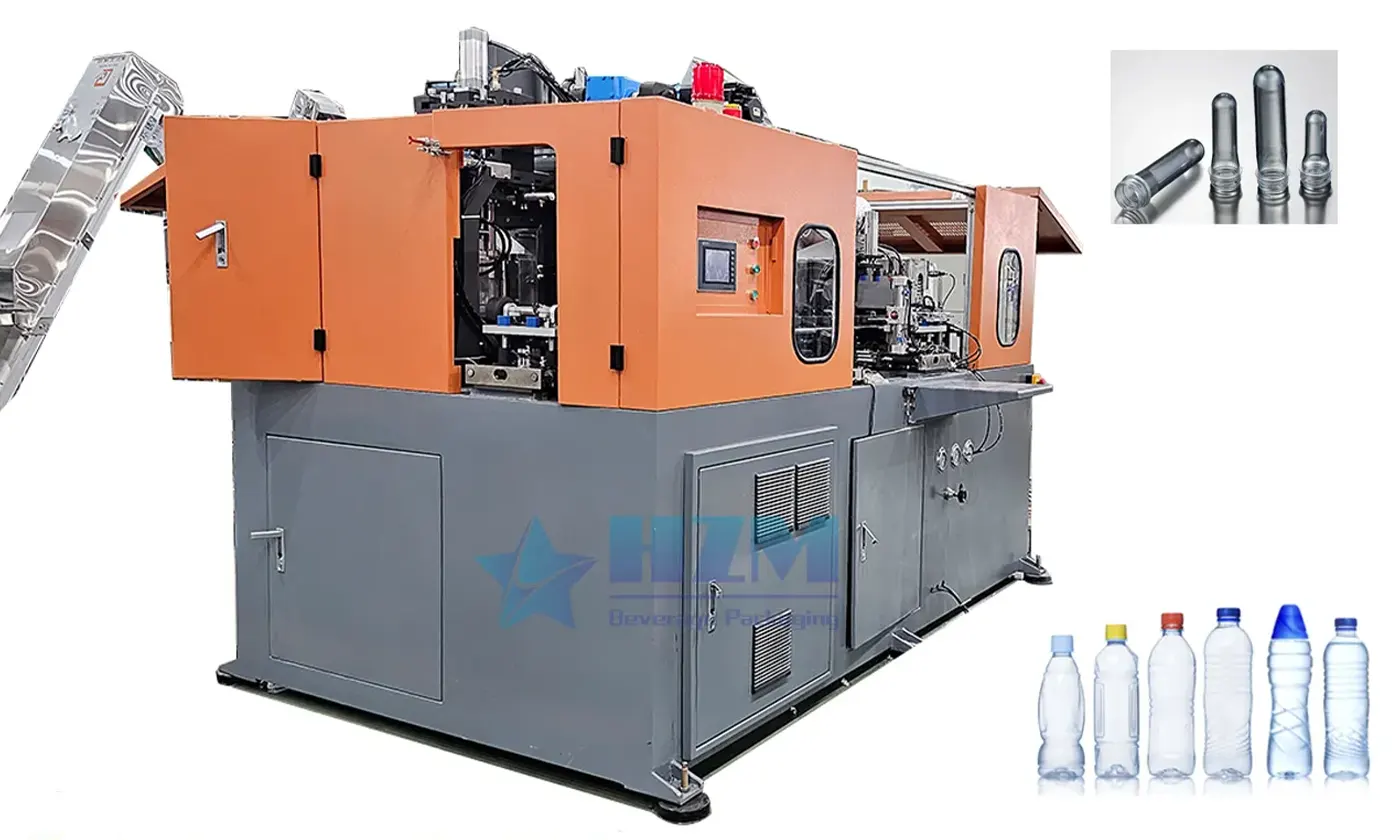
Equipment
PET Bottle Blow Molding Machine
PET bottle blow moulding with 6–12 cavities and capacities of 12,000–21,600 bottles/hour at 500 ml.
Learn more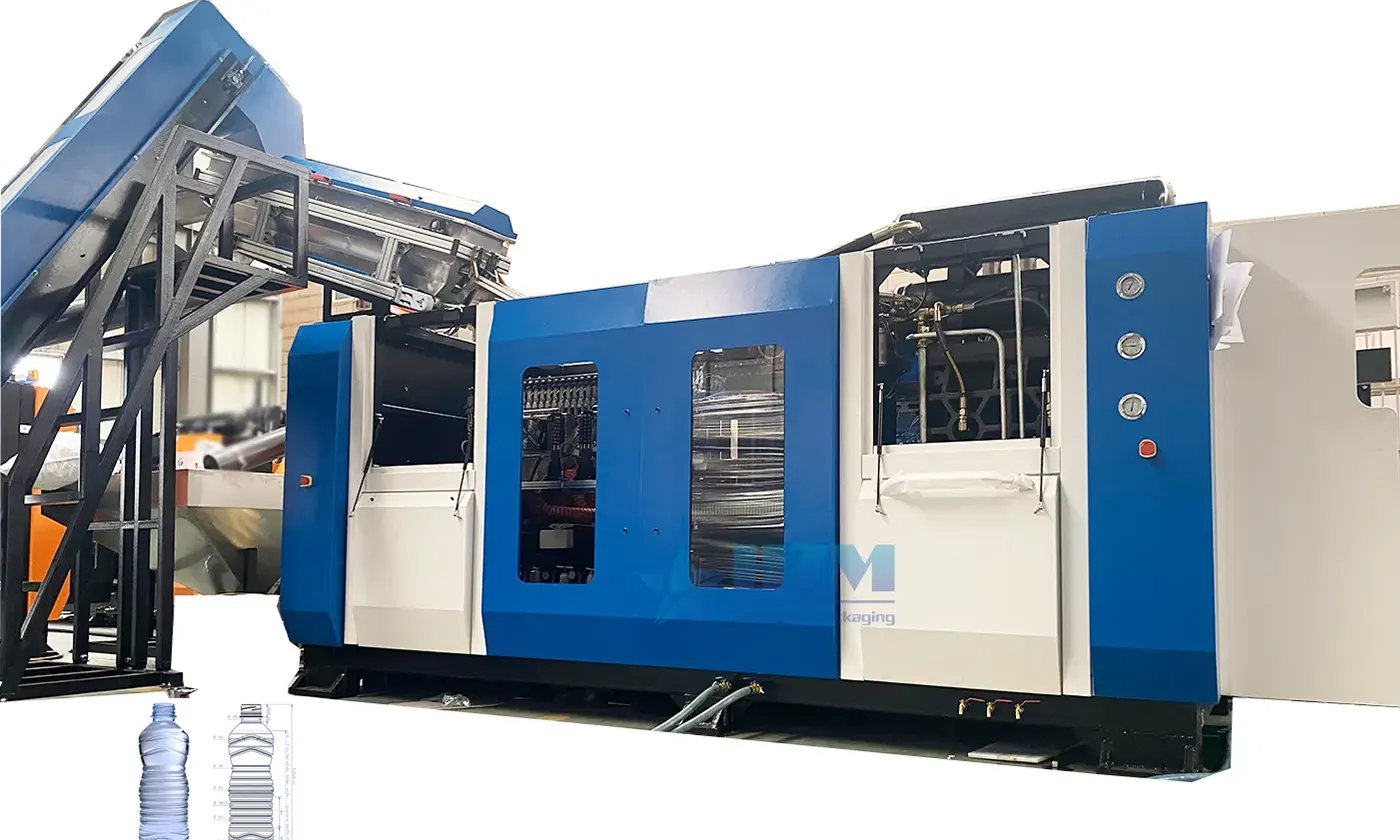
Equipment
Automatic Water Bottle Blowing Molding Machine
Automatic water bottle blowing from PET preforms, with 6–12 cavities and capacities up to 21,600 bottles/hour at 500 ml.
Learn more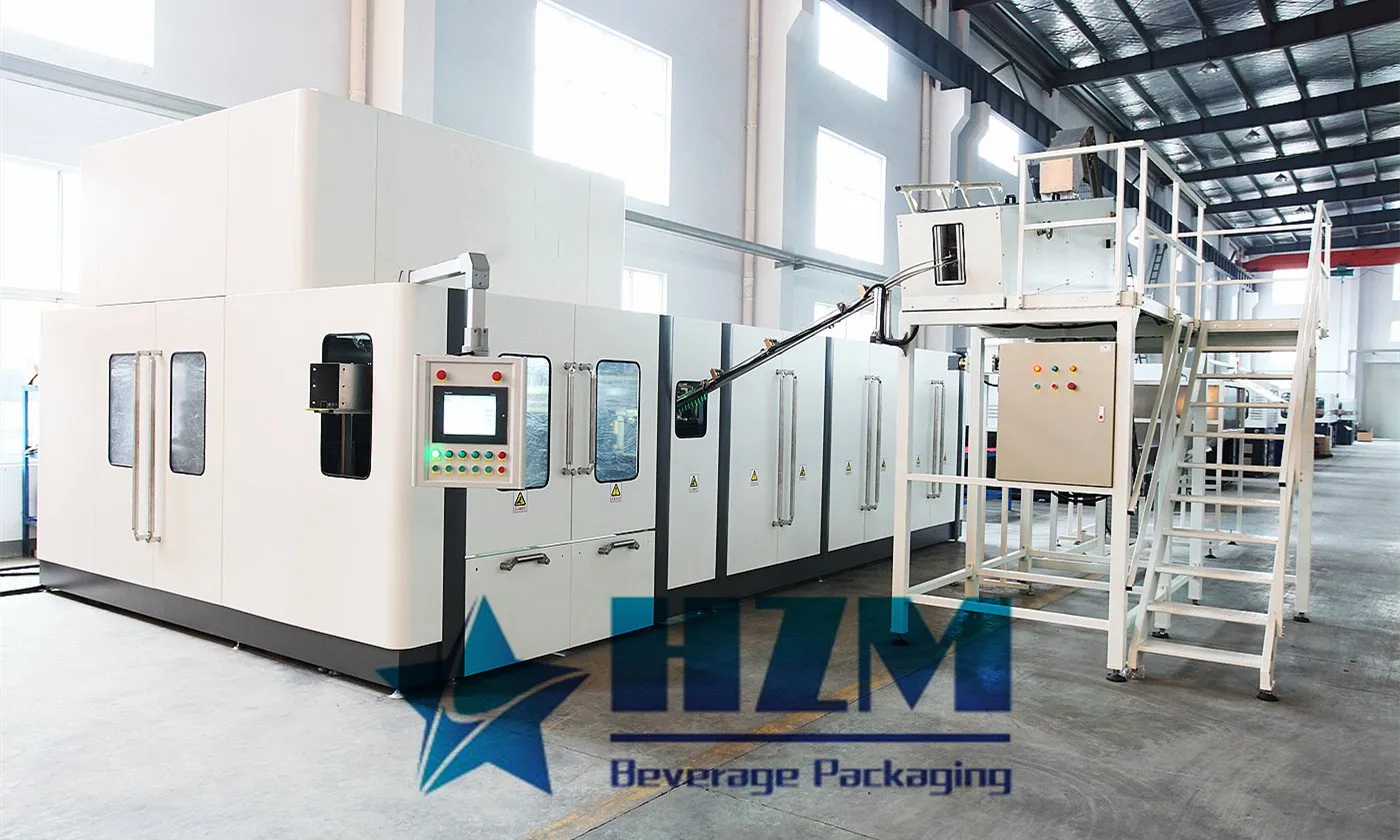
Equipment
Automatic Rotary Blow Molding Machine
Rotary PET bottle blow moulding for water and beverage packaging, with 6–24 cavities and capacities up to 48,000 bottles/hour at 500 ml.
Learn more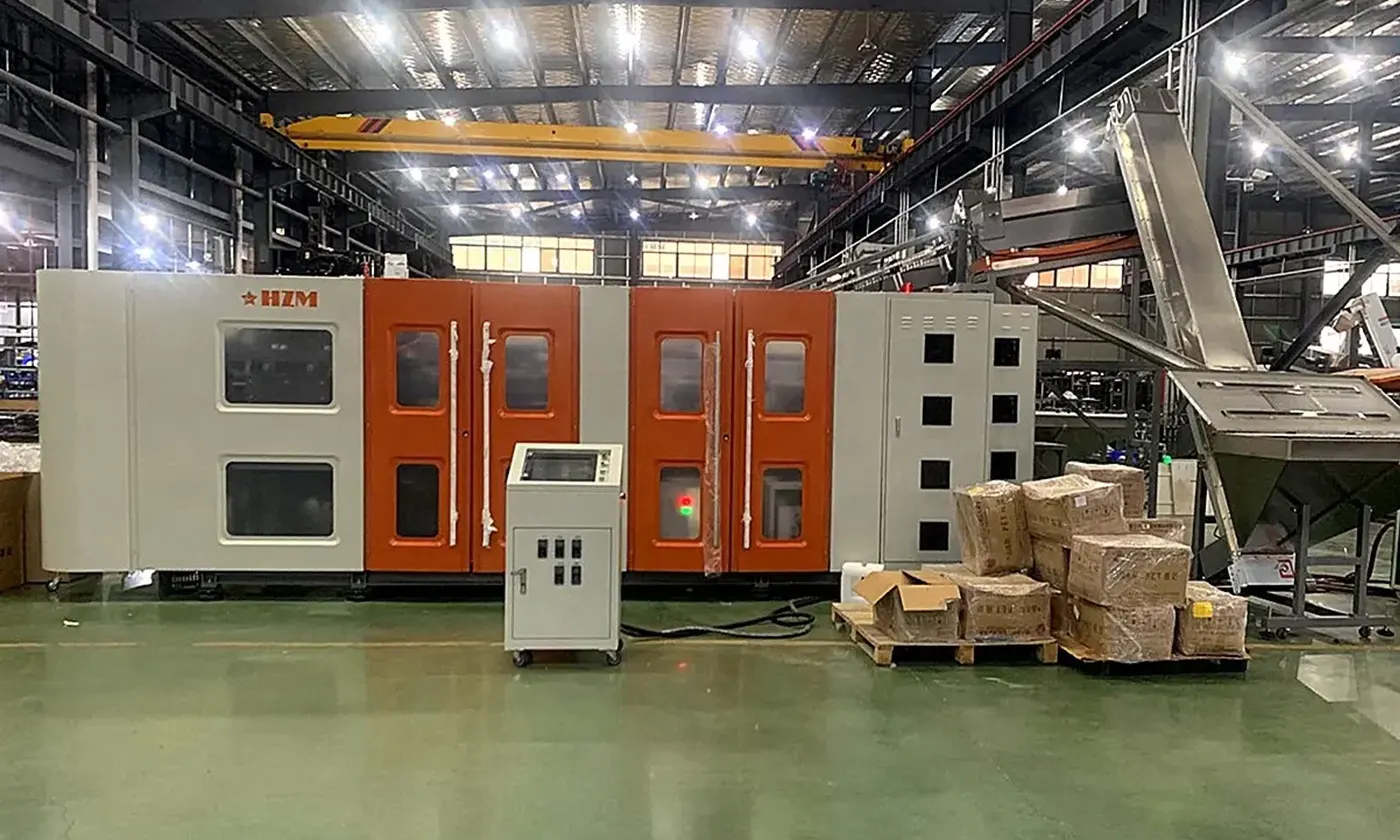
Equipment
Automatic PET Stretch Blow Molding Machine
Automatic PET stretch blow moulding with 2, 4 or 6 cavities and HZM-ECO model capacities of 1,800–7,000 bottles/hour.
Learn more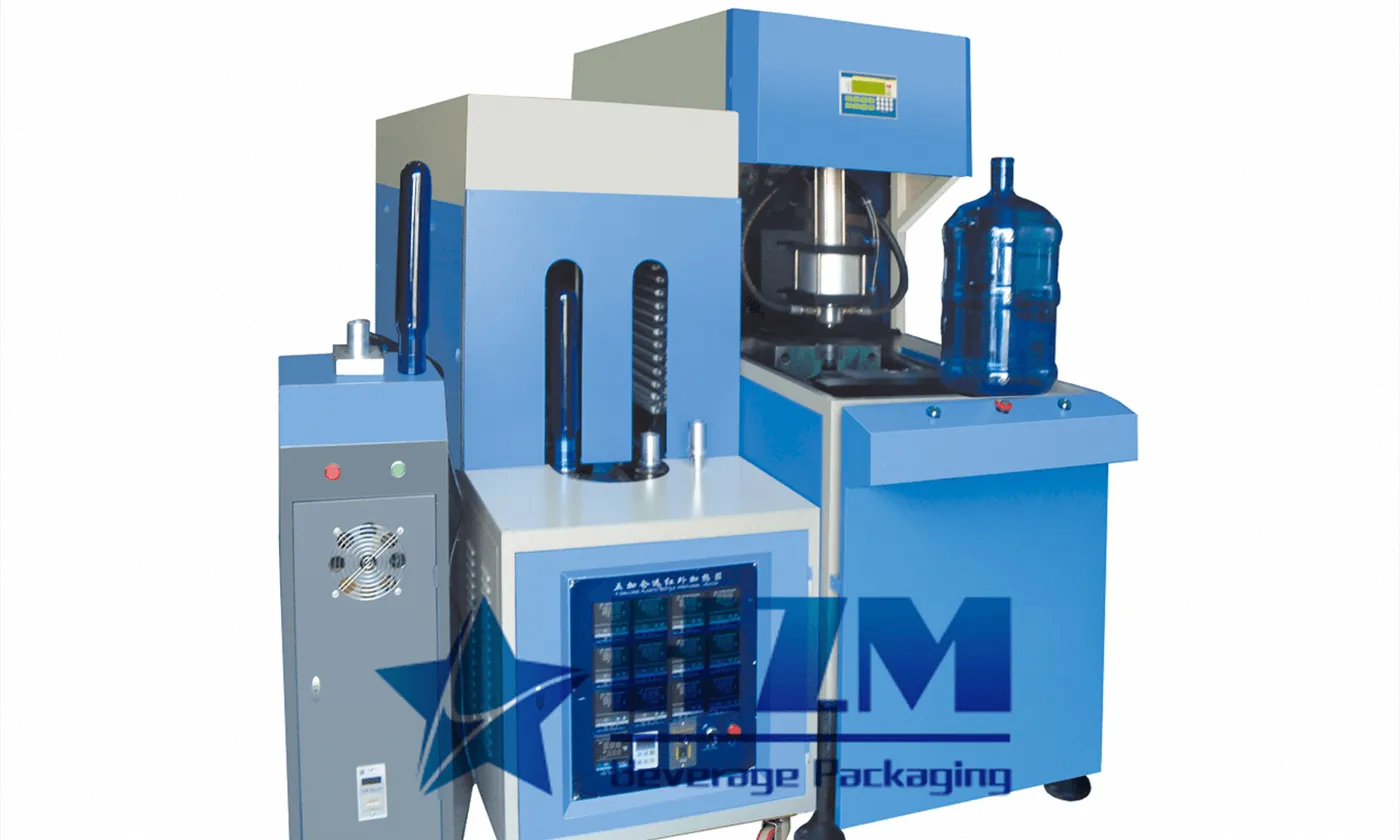
Equipment
5 Gallon Bottle Blow Molding Machine
This blow moulding machine produces large PET water bottles, including 5-gallon containers.
Learn more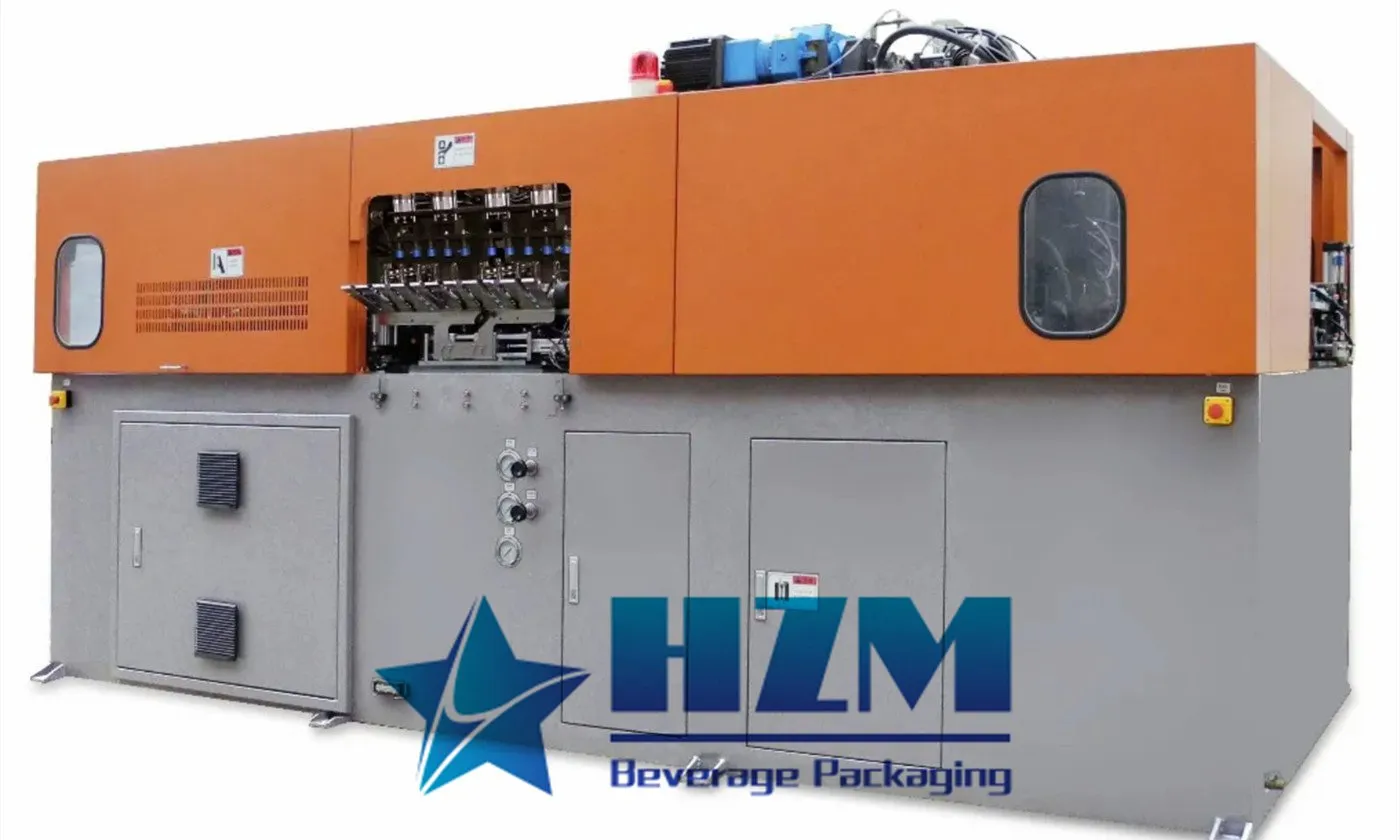
Equipment
Full Electric Servo Type Blow Molding Machine
Full-electric servo PET blow moulding with 4, 6, 9 or 10 cavities and capacities of 5,400–13,000 bottles/hour at 500 ml.
Learn more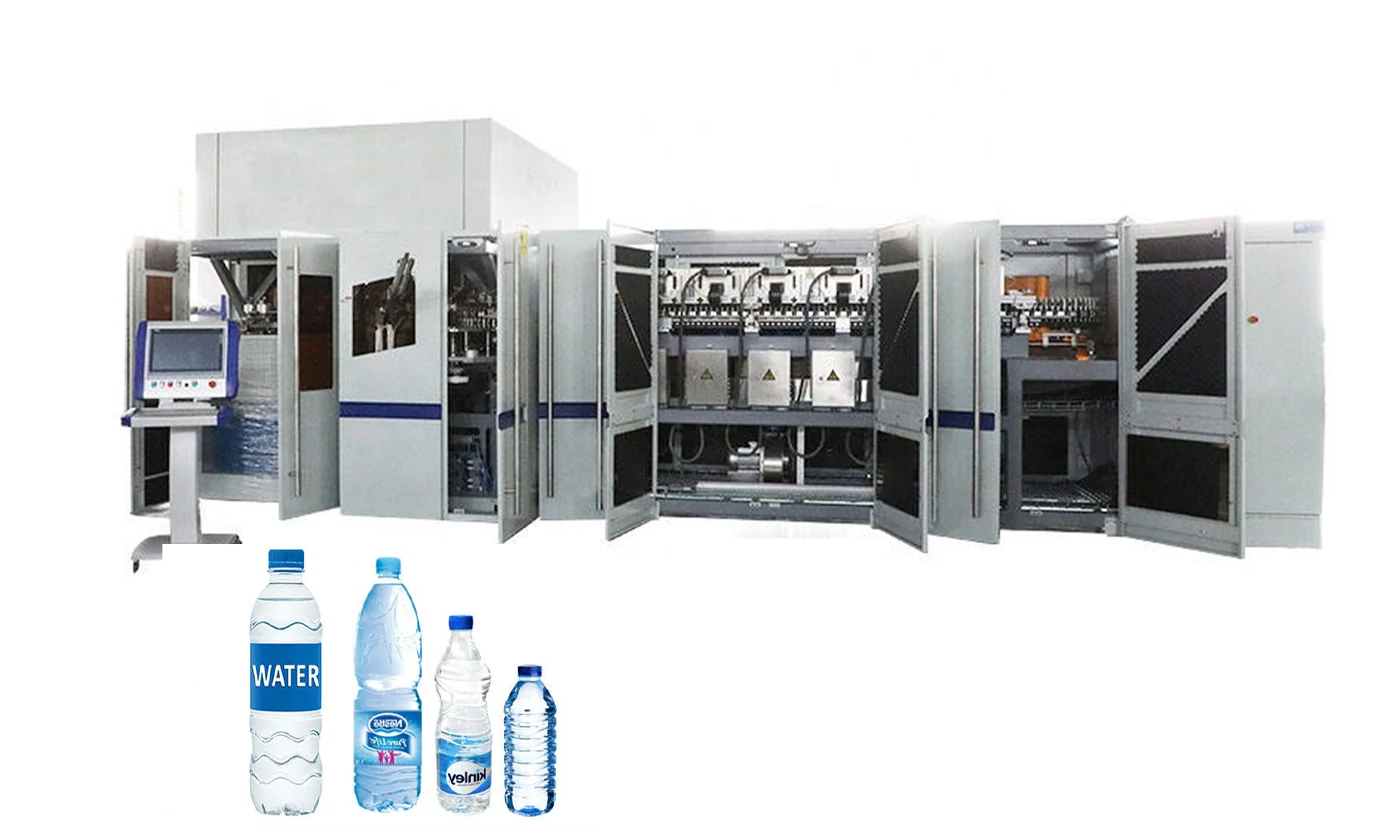
Equipment
Automatic PET Bottle Blowing Filling Capping Machine – Best price beverage machinery
Automatic PET bottle blowing, filling and capping, with capacities of 12,000–48,000 bottles/hour at 500 ml and bottle volumes up to 2 L.
Learn more2023-06-07
How Much Does a Blow Molding Machine Cost?
we will explore the various factors that influence the cost of a blow molding machine and provide insights into the pricing range.
Learn more2023-06-08
how does a blow molding machine work
How Does a Blow Molding Machine Work? Exploring the Process with HZM Blow Molding Machine Manufacturer
Learn more2023-06-09
Solutions for Blow Molding Plastic Bottles
This article will discuss the price, HZM manufacturer, functions, applicable industries, solutions, procurement considerations, and maintenance techniques related to blow molding machines.
Learn more2024-01-28
PET Blow Molding Machine Principles and Process
Currently, most blow molding machines employ a two-step method, requiring the conversion of plastic raw materials into preforms before the actual blowing process. The commonly used material is environmentally friendly PET (Polyethylene Terephthalate) plastic, collectively referred to as PET blow molding machines.
Learn more2023-06-09
High Efficiency 28000 BPH Automatic Pet Blow Molding Machine
High quality High Efficiency 28000 BPH Automatic Pet Blow Molding Machine from China, China's leading 28000 BPH Automatic Pet Blow Molding Machine product, with strict quality control 28000 BPH Auto Pet Blow Molding Machine factories, producing high quality 800 BPH Blow Molding Machine products.
Learn more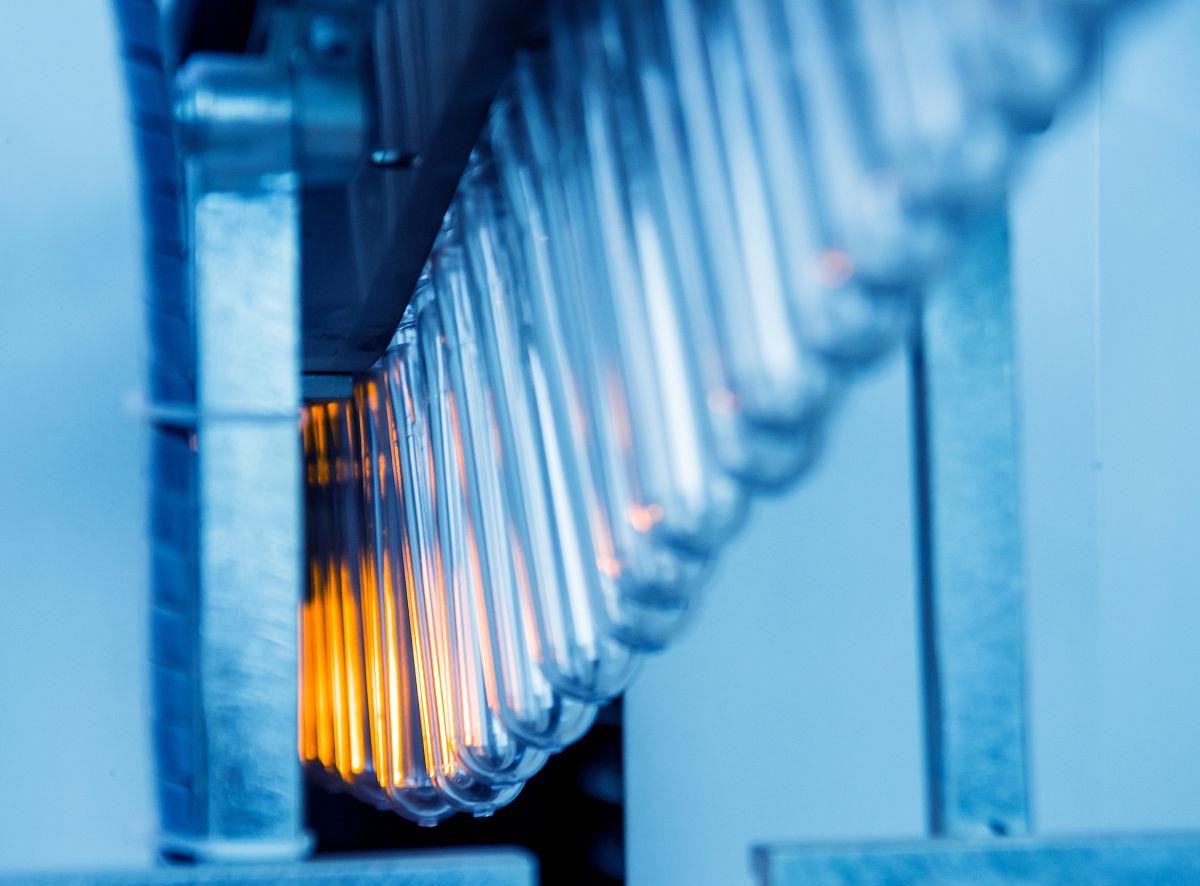
2023-11-23
User What are the three types of blow moulding?
Blow molding is a manufacturing process used to produce hollow plastic parts. There are three main types of blow molding: 1、Extrusion Blow Molding (EBM) This is the most common type of blow molding. In EBM, a continuous tube of plastic, called a parison, is extruded (pushed out) from an extruder. The parison is then enclosed […]
Learn more