
Insights & Updates
Enhancing Beverage Quality with Automatic Spraying Tunnel: A Comprehensive Guide
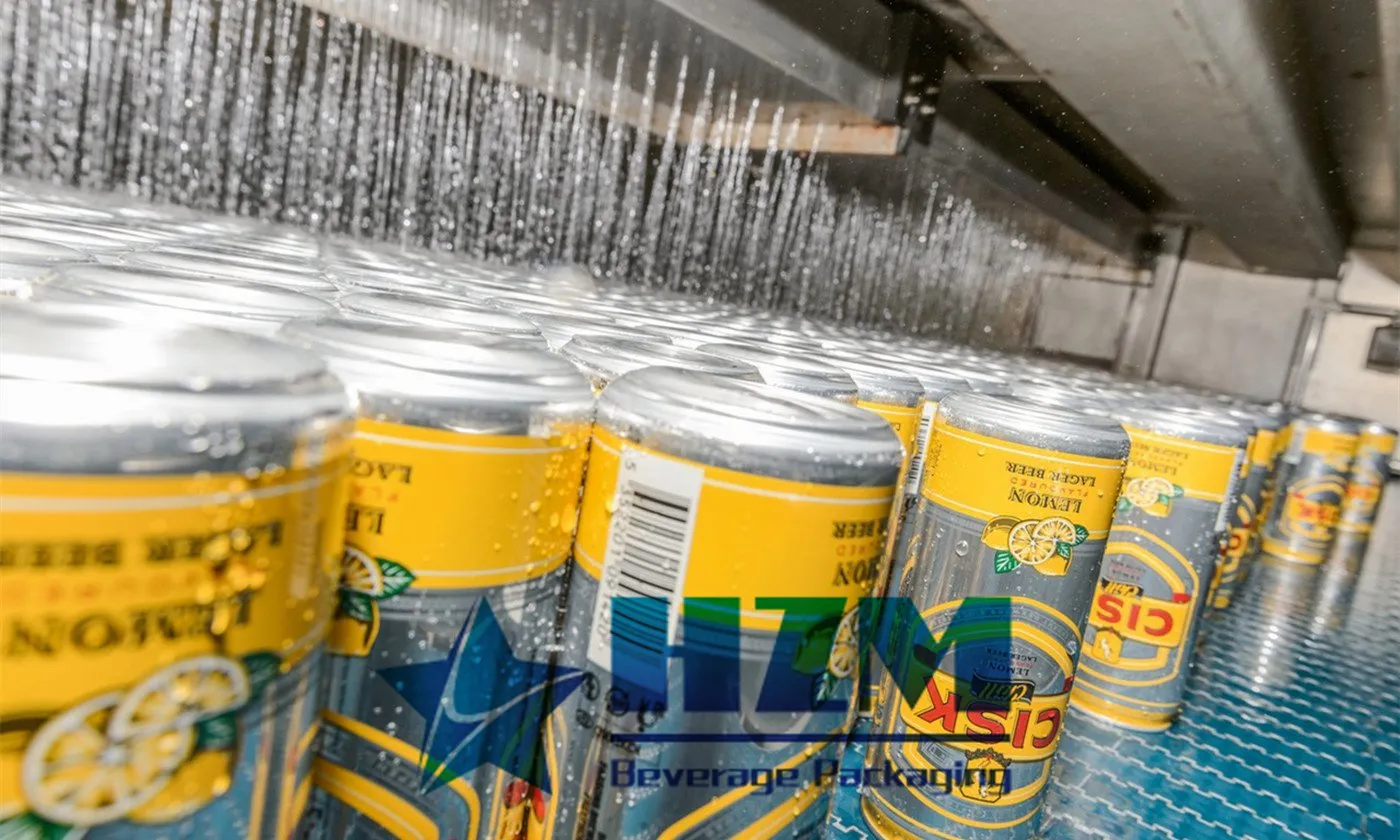
Automatic Spraying Tunnel is an industrial equipment that is widely used in the production line of tea beverages, hot filling, and carbonated beverages. It is designed to regulate the temperature of beverage products to ensure the best quality of the final product.
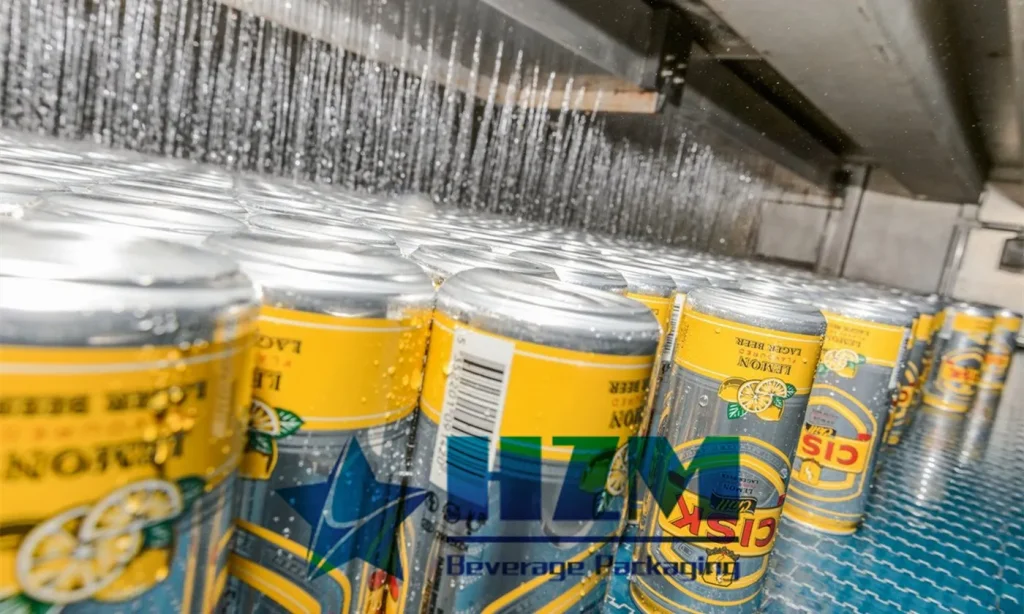
One of the main uses of Automatic Spraying Tunnel is to increase or decrease the temperature of beverage products according to different processes and technologies. The spraying tunnel can adjust the temperature from the product inlet to the product outlet to ensure the consistency of the final product quality.
Automatic Spraying Tunnel has a spray time setting that can be adjusted from 10 to 45 minutes, depending on the specific product and production line requirements. The temperature can also be adjusted according to the product requirements. This flexibility makes the equipment suitable for a wide range of beverage products.
The dimension design of Automatic Spraying Tunnel is based on the production line capacity. The equipment is available in different sizes and configurations to meet the needs of different production requirements. The design of the spraying tunnel ensures that the product is evenly sprayed and cooled, which helps to maintain the quality of the final product.
Automatic Spraying Tunnel is commonly used in the beverage industry, especially in the production of tea beverages, hot filling, and carbonated beverages. It is essential equipment for achieving high-quality products and ensuring the consistency of the production process.
To ensure the proper operation and maintenance of Automatic Spraying Tunnel, regular cleaning and inspection are required. It is also important to follow the manufacturer’s instructions for operation and maintenance to ensure the best performance of the equipment.
HZM Machinery is a leading supplier of Automatic Spraying Tunnel equipment. We offer a wide range of options to meet the needs of different industries and applications. Our team of experts is dedicated to providing high-quality equipment and excellent customer service to help our clients achieve their production goals.
Talk to our engineering team
Need help planning your packaging line?
Share your product, bottle and capacity requirements for a practical equipment recommendation.
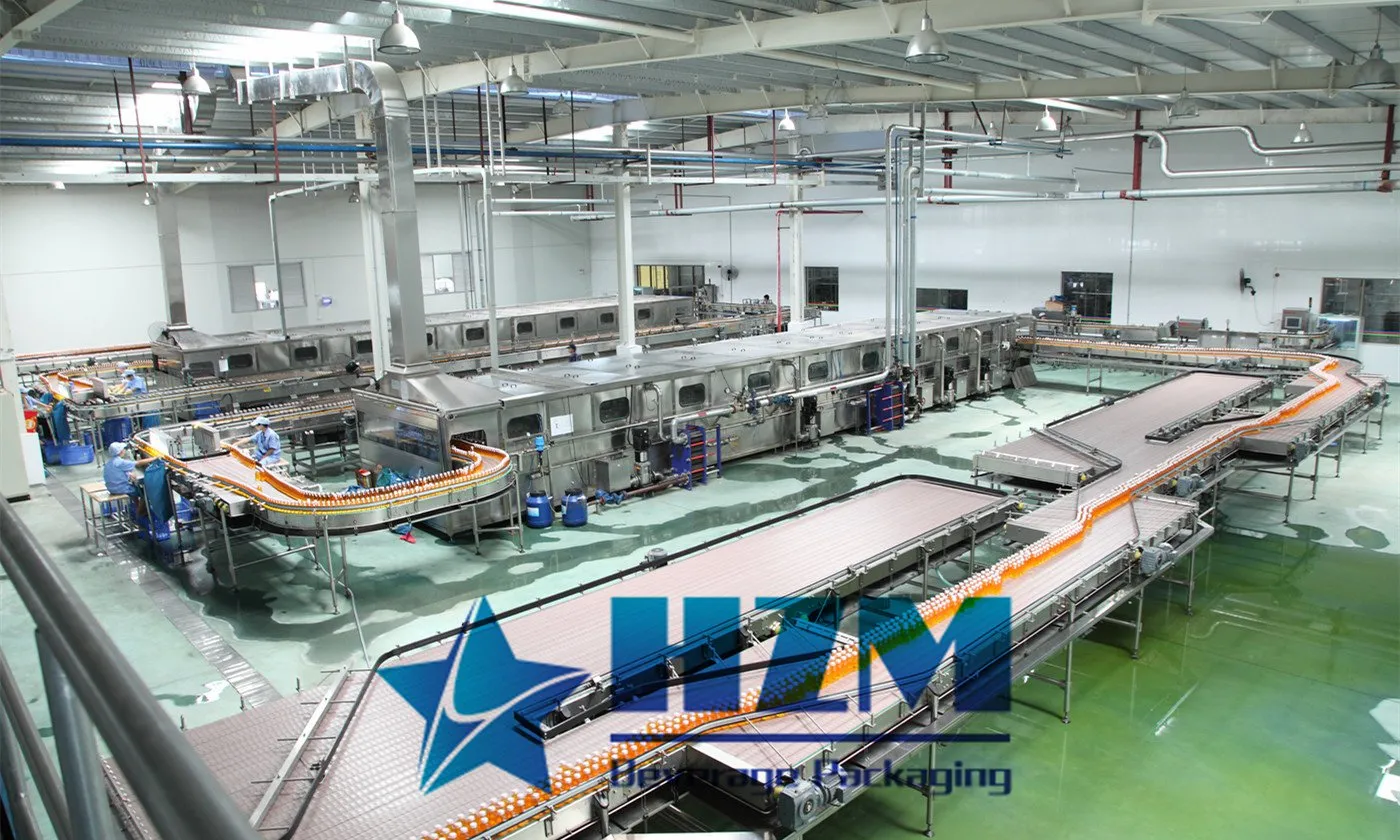
Equipment
Automatic Spraying Tunnel
Water-spray heating and cooling equipment for bottled and canned beverages, with adjustable treatment time and temperature.
Learn more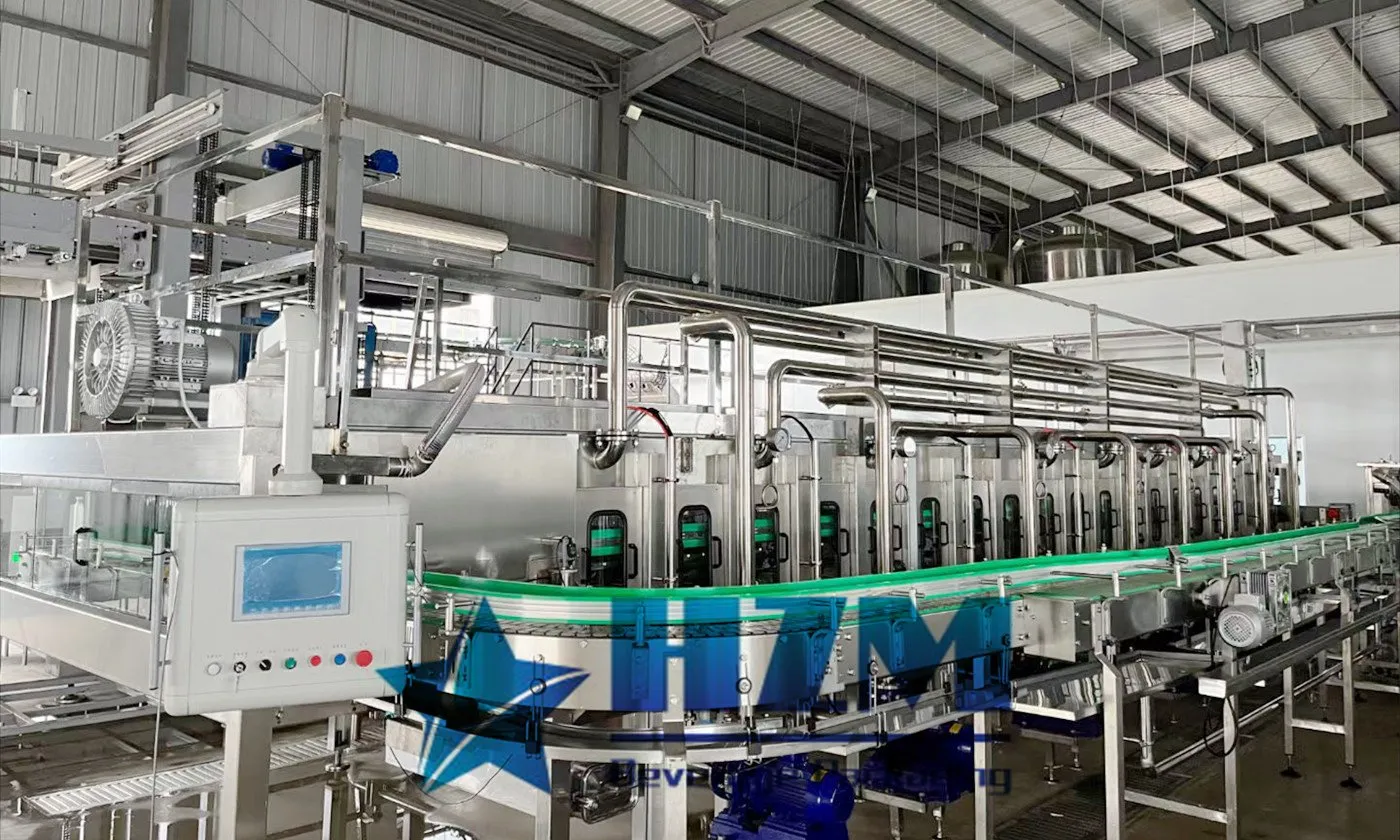
Equipment
Tunnel Pasteurizer
The tunnel pasteurizer carries packaged beverages through controlled heating, pasteurising and cooling zones.
Learn more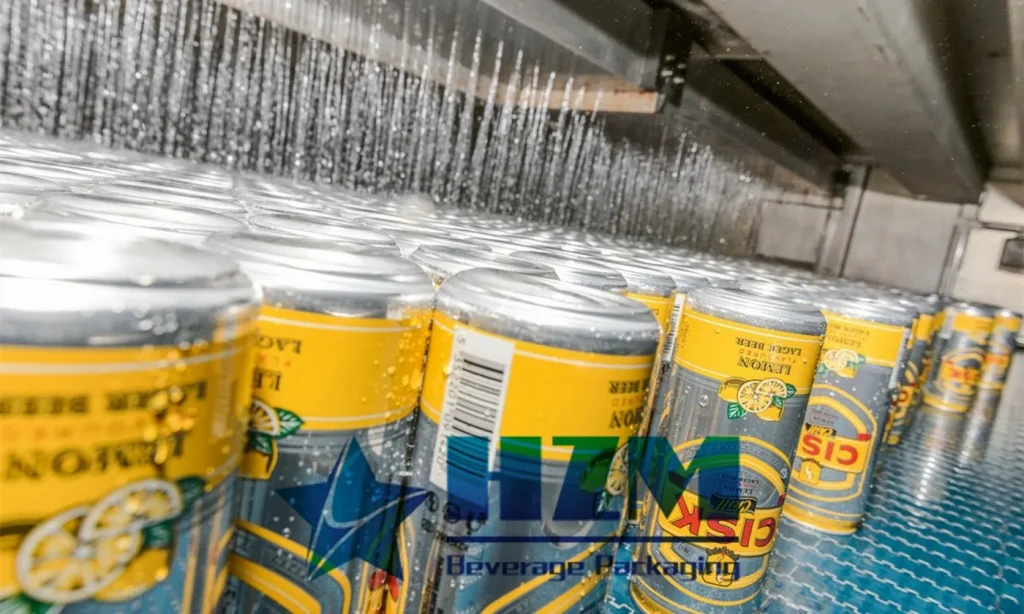
2023-09-06
Modern Beverage Tunnel Pasteurizer Machine
modern beverage manufacturing companies need advanced technological equipment to ensure the quality and safety of their products. The Beverage Tunnel Pasteurizer Machine, as an efficient and reliable sterilization device, provides a crucial safeguard for the beverage industry, helping companies produce safer and fresher products that meet consumer demands.
Learn more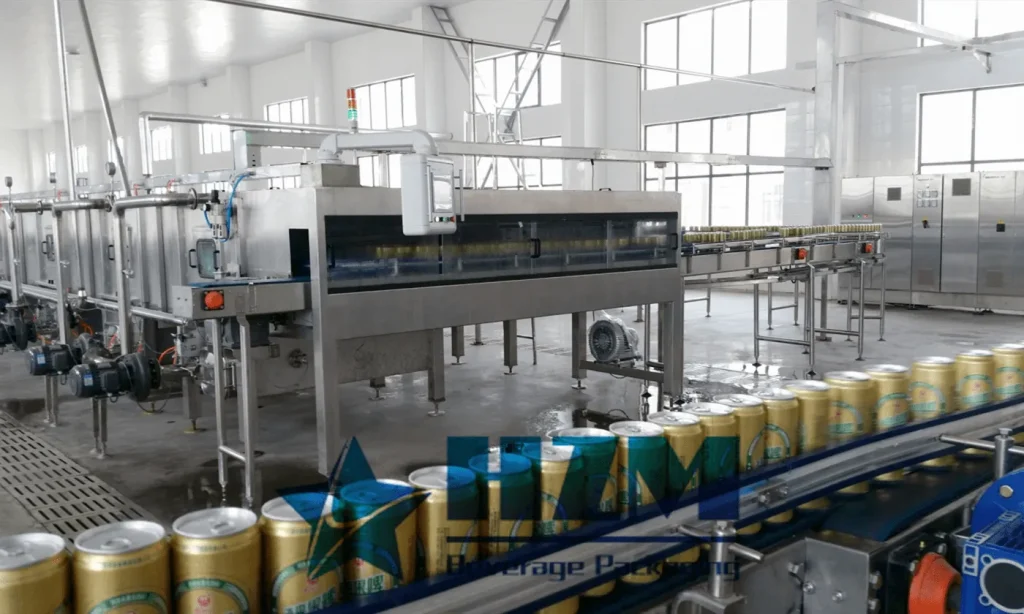
2023-09-05
HZM Tunnel Pasteurizer Machine: The Ultimate Solution for Quality and Sustainability in Beverage Processing
In the dynamic landscape of beverage production, ensuring the quality, safety, and sustainability of products has become a primary focus for manufacturers worldwide. The HZM Tunnel Pasteurizer Machine stands as a shining example of innovation in this realm, offering a sophisticated blend of high quality, sustainability, and ergonomic design
Learn more
2023-06-09
Beverage Packaging Line Guide: Shrink Tunnel Temperature and Airflow
Practical HZM guidance on beverage packaging line, focused on shrink tunnel temperature and airflow, line integration, RFQ data and measurable acceptance checks.
Learn more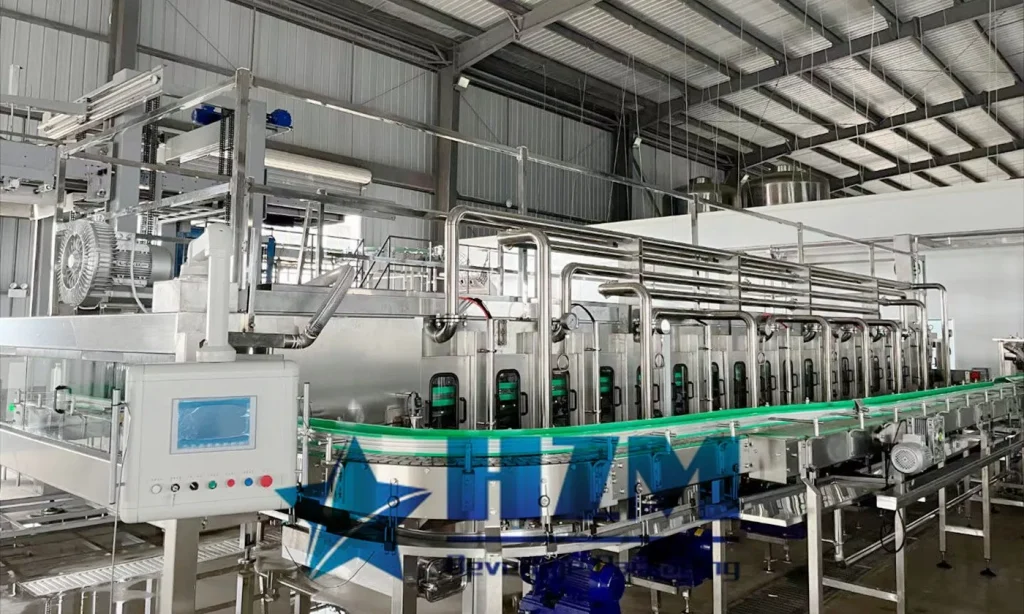
2023-09-01
Advancing Food Safety with the Tunnel Pasteurizer Machine
In the ever-evolving landscape of food and beverage production, ensuring the safety and quality of products is paramount. One significant innovation in this realm is the Tunnel Pasteurizer machine.
Learn more2024-02-25
Tunnel Pasteurizer Production Line: Process, Controls and Safety
A practical guide to tunnel pasteurizers for packaged beverages, explaining heating, holding and cooling zones, pasteurization units, sizing, package protection, cleaning, safety and acceptance testing.
Learn more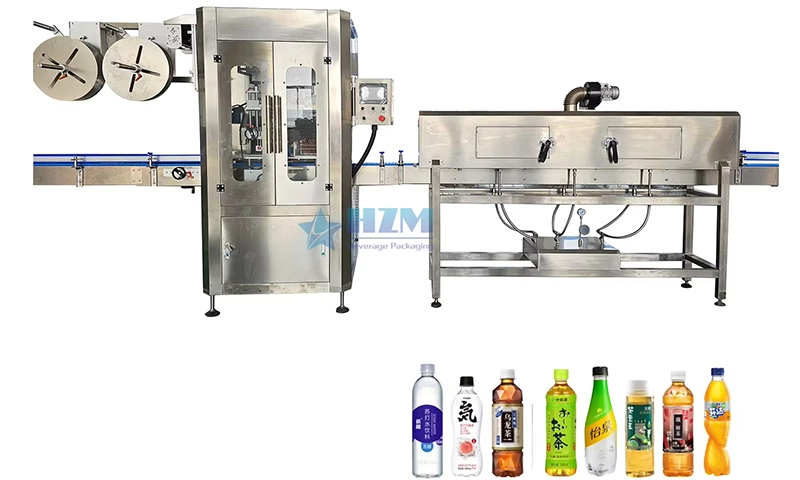
2026-08-28
Sleeve Labels Wrinkle After the Shrink Tunnel
Determine whether the sleeve was straight before entering the tunnel. Then check film shrink curve, tunnel-zone temperature, airflow or steam distribution, bottle moisture, conveyor speed and container geometry. Follow this practical fault-isolation, repair and prevention guide for bottling-line operators and maintenance teams.
Learn more