
Insights & Updates
How to Improve the Filling Efficiency of Beverage Filling Machines
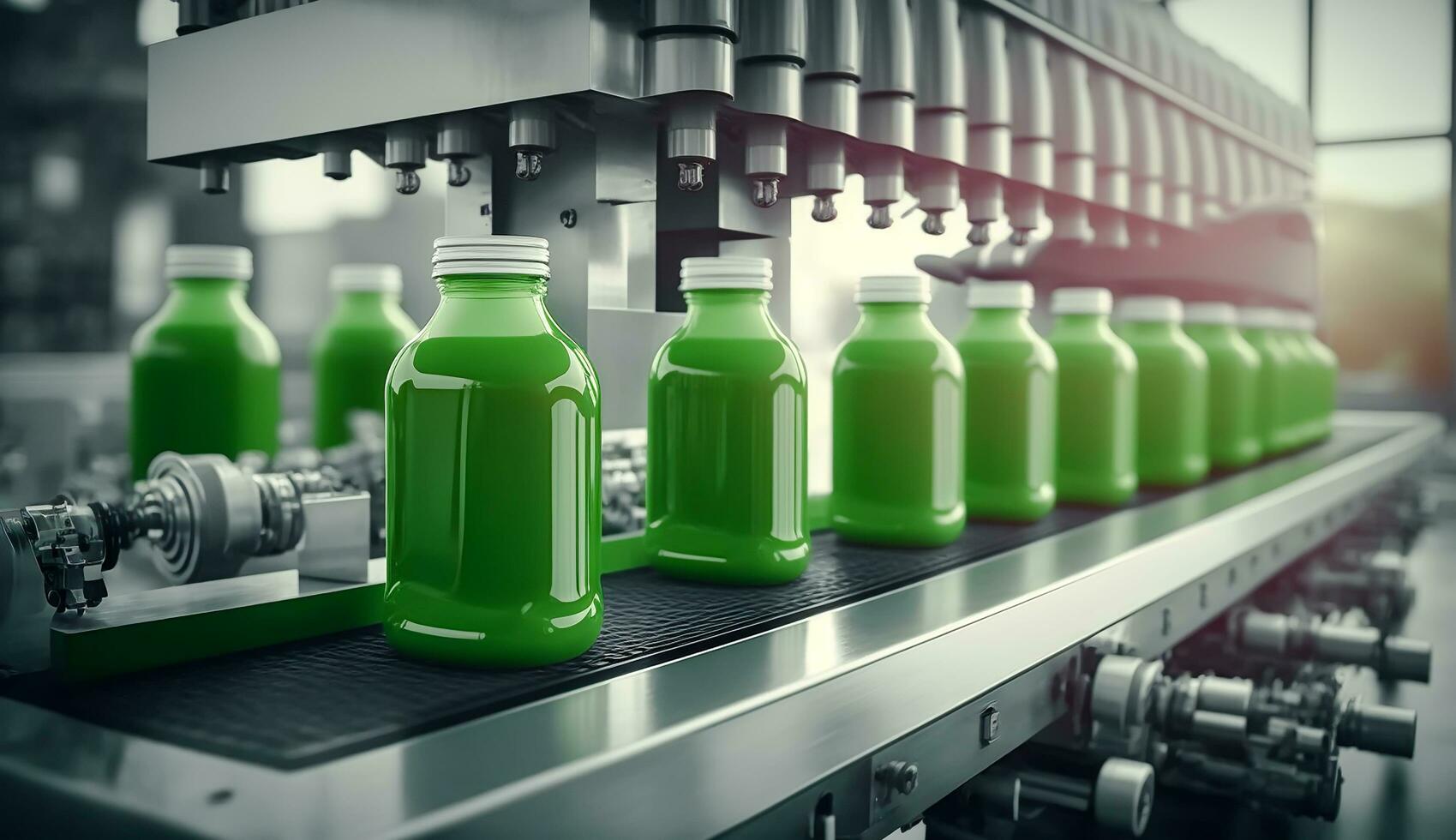
As market demands continue to grow, enhancing the filling efficiency of beverage filling machines has become a pressing challenge for production managers. This article will explore key strategies and methods aimed at optimizing the operation of beverage filling machines, increasing production efficiency, and achieving greater production capacity and quality.
1. Application of Automated Control and Intelligent Technologies
Introducing modern automated control systems and intelligent technologies, such as sensors and PLCs (Programmable Logic Controllers), can enable more precise control over the filling process and real-time monitoring. Through accurate data collection and analysis, operational parameters can be adjusted promptly, reducing filling errors, and enhancing production efficiency and product consistency.
2. Streamlining the Production Process
Conducting a comprehensive analysis of the production process to identify bottlenecks and inefficient operations allows for a redesign of processes to reduce waiting times and transportation costs. Streamlining the production process not only improves efficiency but also reduces waste in terms of time and resources.
3. Implementation of Rapid Changeover Technology
Designing molds and accessories that are easy to switch between different sizes of bottles, packaging, and beverage types can reduce changeover time, facilitating quick adaptation to varying production requirements. This flexible changeover technology enables seamless transitions from one product to another in a short period, enhancing the adaptability and flexibility of the production line.
4. Data-Driven Decision Making
Collecting and analyzing data from the production process can help identify potential issues and improvement opportunities. Data-driven decision-making better guides the optimization of production processes, ensuring the operation of the production line is more efficient and stable.
5. Ongoing Training and Skill Enhancement
Providing systematic training for operators ensures their proficiency in equipment operation and maintenance skills. Training helps reduce operational errors and equipment failures, thereby enhancing overall production efficiency.
6. Quality Control and Preventive Maintenance
Establishing strict quality control standards and processes ensures that each product meets the specified quality requirements. Simultaneously, implementing a preventive maintenance plan involves regular inspections of equipment wear and tear, enabling timely replacements of components to reduce unexpected failures and downtime.
7. Cultivating a Culture of Continuous Improvement
Establishing a culture of continuous improvement within the team encourages employees to propose enhancement suggestions and put forward those that effectively enhance efficiency into practice. A culture of continuous improvement helps maintain the production line in an optimal state consistently.
In conclusion, through the integrated application of automation technology, process optimization, rapid changeover, data analysis, training, and quality control, the filling efficiency of beverage filling machines can be significantly improved. This not only meets the market’s demand for high-quality, efficient products but also allows manufacturing enterprises to maintain a competitive edge in a fiercely competitive market.
Talk to our engineering team
Need help planning your packaging line?
Share your product, bottle and capacity requirements for a practical equipment recommendation.
Equipment
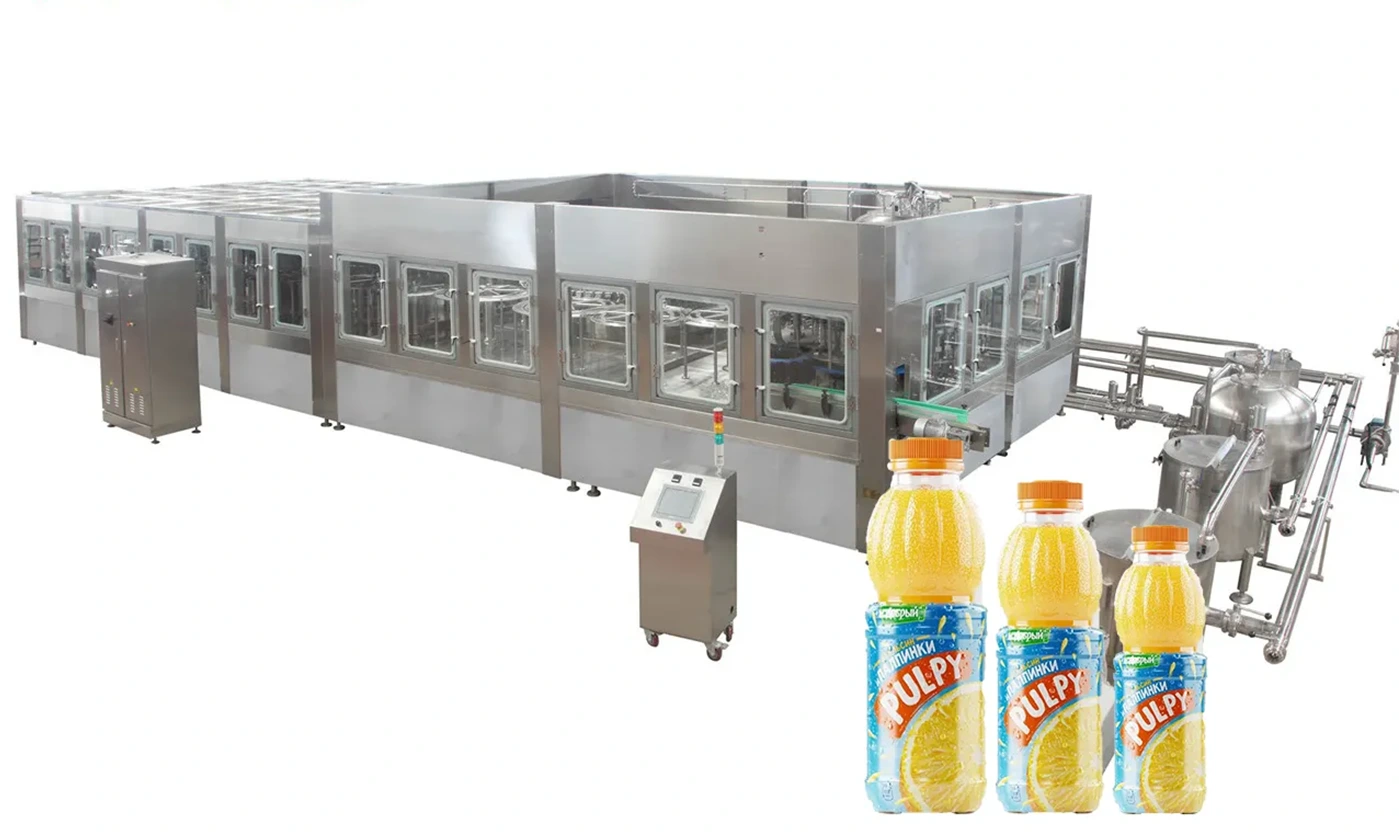
Fully Automatic Beverage Filling Machine
The fully automatic beverage filling machine combines bottle rinsing, filling and capping.
Learn more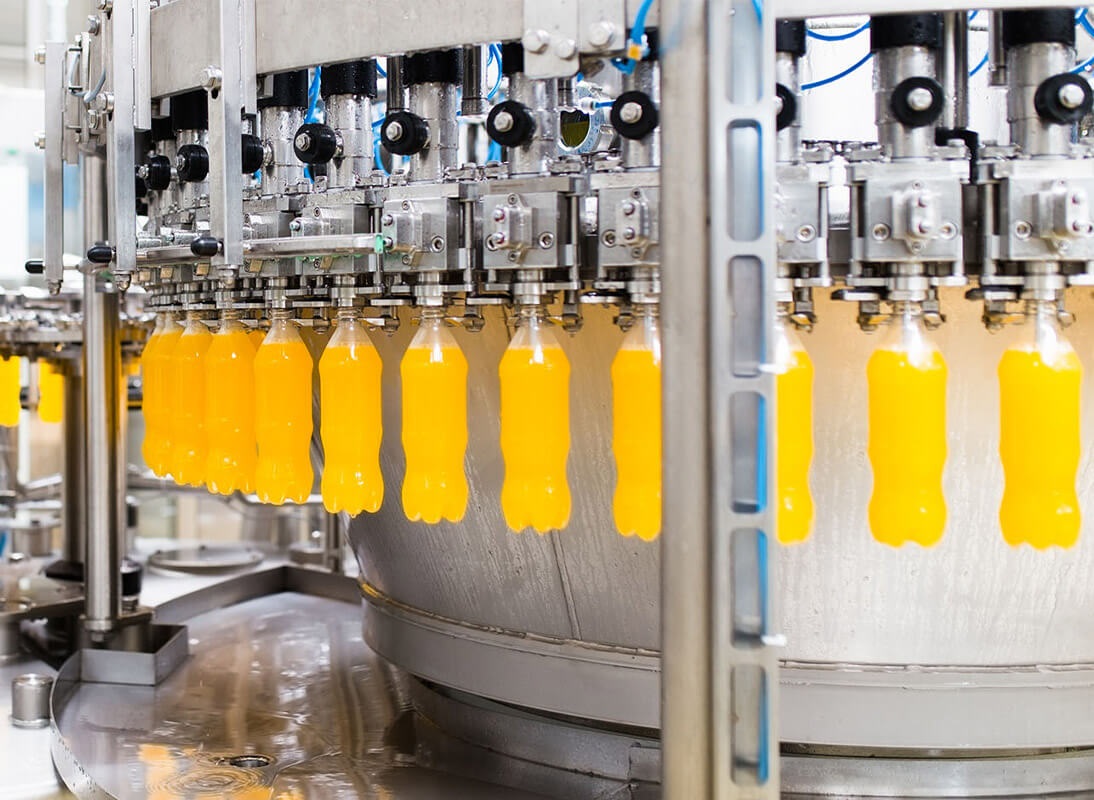
2023-05-10
The Principle and Characteristics of Beverage Filling Machine
It is a multifunctional beverage filling machine. It is used for filling carbonated drinks, soda water, salt soda water and other carbonated drinks. It can also be used for filling juice drinks, pure water and other non-carbonated drinks. It is a new type of practical filling machinery with high practicality.
Learn more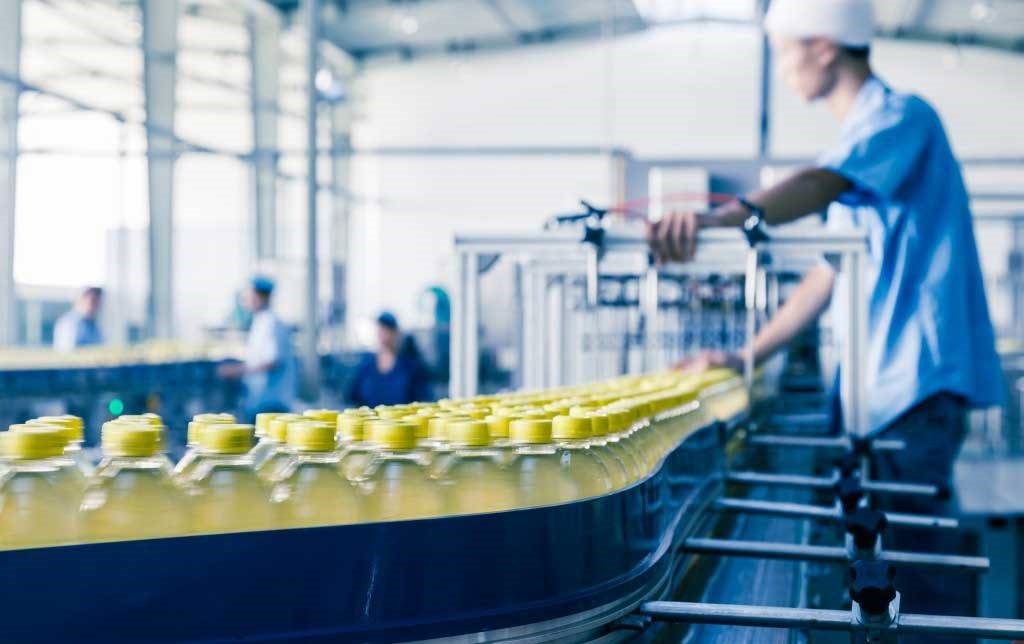
2023-04-26
HZM Machinery: Your Reliable Beverage Filling Machine Supplier
HZM Machinery is a professional supplier of beverage filling machines, dedicated to providing high-quality filling equipment and services to customers worldwide. With years of experience in the industry, we have become a trusted partner for many beverage manufacturers, helping them to improve their production efficiency, reduce costs, and enhance product quality
Learn more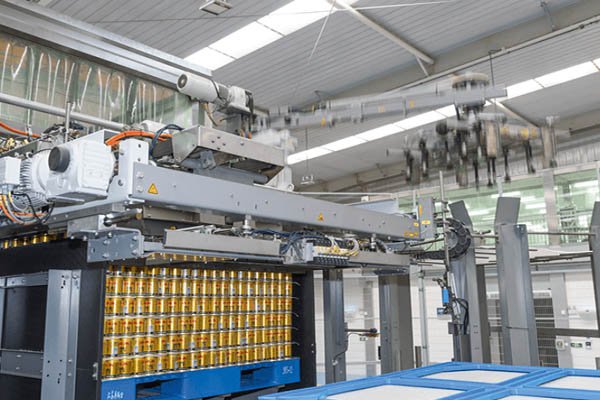
2023-05-10
The common faults of a fully automatic beverage filling machine.
The common faults of a fully automatic beverage filling machine:1.Insufficient or excessive filling amount . 2.Bottles falling or caps not tightened. 3.Conveyor belt jams 4.Control system failure
Learn more2023-05-30
Factors to Consider When Purchasing Beverage Filling Machine Equipment
When it comes to the production stage of a product, for beverage manufacturing companies, selecting a versatile, efficient, and low-consumption filling machine is exceptionally crucial. So, how do you choose a beverage filling machine that is both up-to-date and cost-effective?
Learn more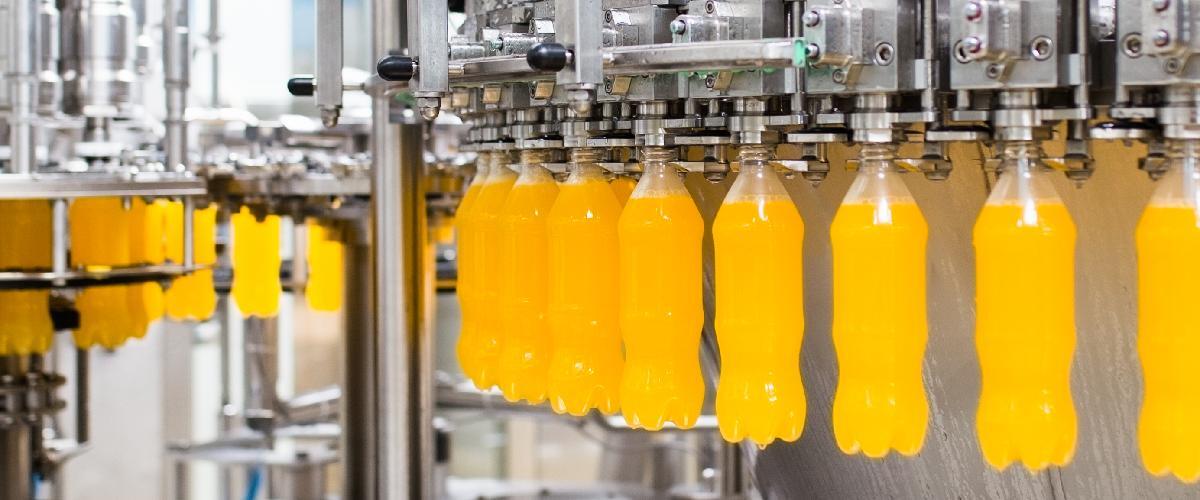
2023-07-12
Key Features of Fully Automatic Beverage Filling Machines
Fully automatic beverage filling machines have gained increasing popularity and trust in various industries. As the demand for these machines grows, businesses face greater pressure to invest in them. In this article, we will explore the key features of fully automatic beverage filling machines that make them a valuable asset for companies.
Learn more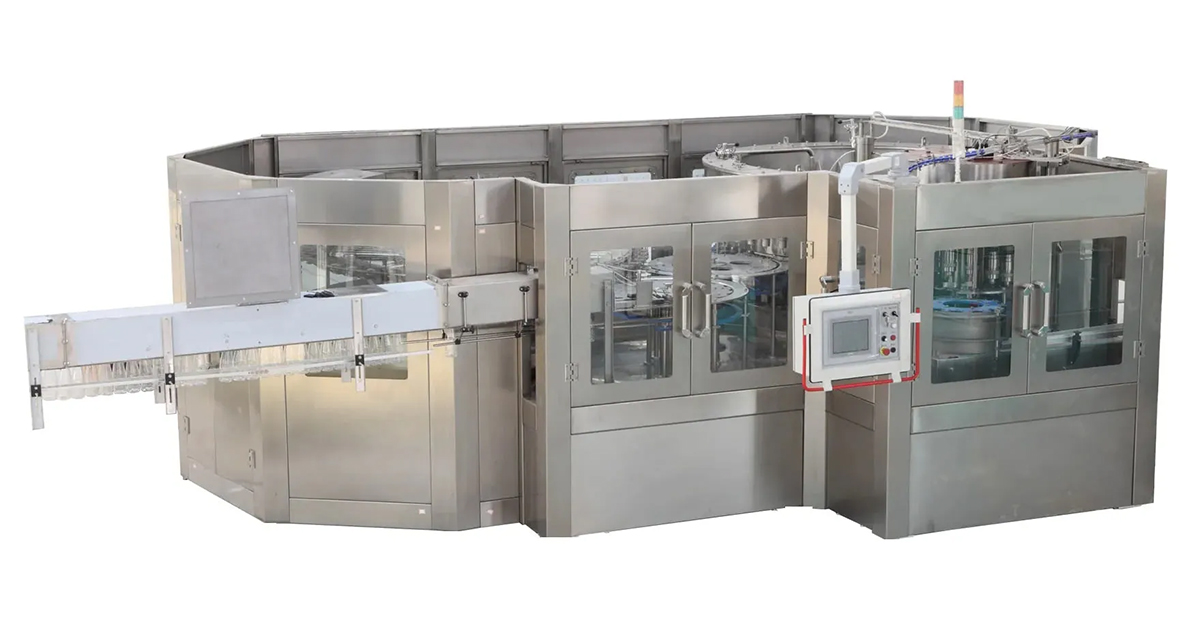
2023-07-20
How much does an automatic beverage filling machine cost?
the price range for an automatic beverage filling machine is wide, ranging from a few thousand dollars to hundreds of thousands of dollars. The price difference is primarily influenced by the following factors
Learn more