
Insights & Updates
Beverage Filling Machine Voltage Requirements
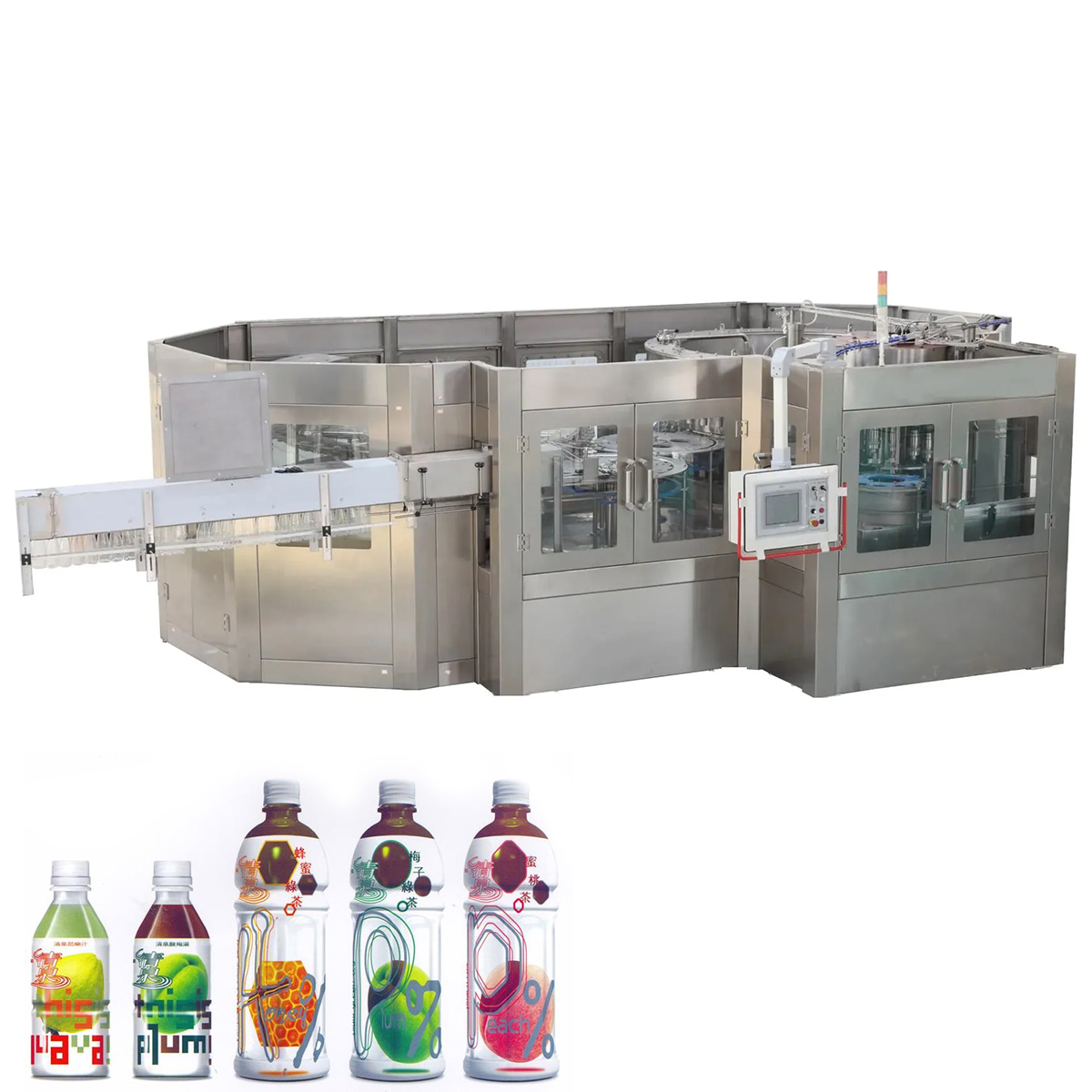
The voltage requirements of a Beverage Filling Machine have always been a focal point of user attention. Understanding the accurate power specifications is crucial for ensuring the smooth operation of the equipment in beverage production lines. This article delves into the voltage requirements of the Beverage Filling Machine, providing users with essential electrical information.
The Significance of Power Specifications
The Beverage Filling Machine is an indispensable part of modern beverage production processes. To ensure these machines perform tasks efficiently and stably, understanding their power specifications is crucial. This directly impacts the performance, lifespan, and overall production efficiency of the equipment.
Common Voltage Range
Different models of Beverage Filling Machines may have varying electrical specifications, but generally, they typically require higher voltage, usually ranging from 220V to 380V. This range typically aligns with industrial power standards to meet the equipment’s power requirements.
Refer to Manufacturer’s Technical Specifications
To ensure the correct power supply, users should carefully refer to the technical specifications provided by the manufacturer. Product manuals, specification sheets, or technical manuals often detail the electrical requirements of the equipment. These documents may also provide other key information, such as frequency, power, etc., aiding in ensuring stable power supply during operation.
Communicate with the Manufacturer
If there are any doubts or a need for further confirmation, users can directly contact the manufacturer or supplier of the Beverage Filling Machine. Manufacturers are usually willing to provide detailed technical support to ensure users have a proper understanding and meet the electrical requirements of the equipment.
In conclusion, understanding the power specifications of a Beverage Filling Machine is crucial for ensuring its smooth operation. By consulting technical specifications and communicating with the manufacturer, users can ensure the correct power supply for the equipment, facilitating efficient and reliable beverage production.
Talk to our engineering team
Need help planning your packaging line?
Share your product, bottle and capacity requirements for a practical equipment recommendation.
2023-12-20
Voltage Requirements of Water Bottle Filling Machine
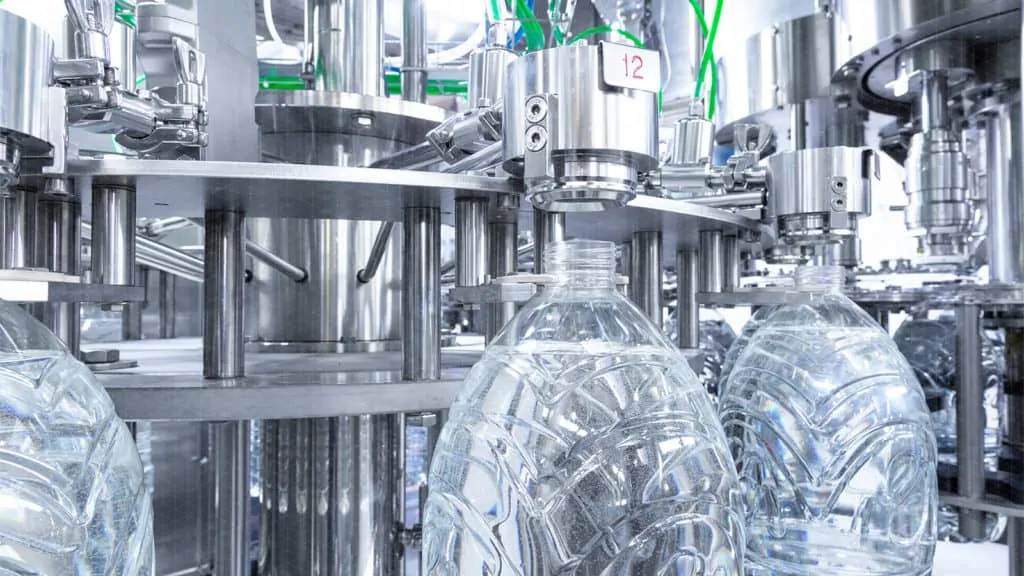
In the realm of beverage production, the electrical intricacies of Water Bottle Filling Machines are a vital puzzle piece. This article navigates the complexities of voltage requirements, ensuring a clear understanding while maintaining originality.
Learn more