
Insights & Updates
How to Avoid Pitfalls When Purchasing a Bottle Air Conveyor
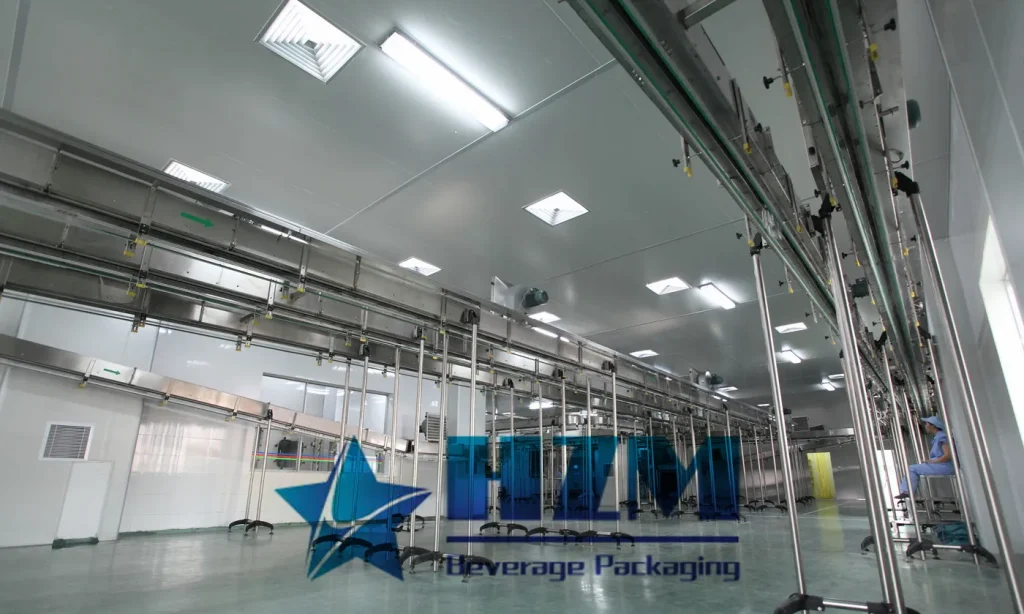
Purchasing a Bottle Air Conveyor is a significant investment in the beverage and food industries. However, with a wide range of products and suppliers available in the market, buyers need to exercise caution to avoid falling into unfavorable transactions and acquiring low-quality equipment. This article provides valuable advice to help you navigate the pitfalls when purchasing a Bottle Air Conveyor.
- Conduct Market Research: Thorough market research is essential before purchasing a Bottle Air Conveyor. Familiarize yourself with different suppliers and brands, compare their product features, quality, performance, and pricing. Refer to customer reviews and feedback to gain insights into others’ purchasing experiences and evaluations of the suppliers.
- Determine Your Requirements: Before making a purchase, clearly define your needs and budget. Identify the desired conveying capacity, speed, applicable bottle types, and any specific requirements. This will help narrow down your options and ensure that the equipment you choose aligns with your specific needs.
- Choose a Reliable Supplier: Selecting a reputable supplier is crucial in avoiding pitfalls. Look for suppliers with a good reputation and extensive experience, capable of providing high-quality Bottle Air Conveyors and offering professional pre-sales consultation and after-sales service. Evaluate supplier reliability by referencing customer reviews, industry reputation, and considering on-site visits to their production facilities.
- Request Equipment Demonstration or On-Site Visits: If possible, request equipment demonstrations or personally visit the supplier’s site. Observe the equipment’s actual operation, inspect its quality, craftsmanship, and performance. This will help better assess the equipment’s suitability and reliability.
- Consider After-Sales Service: Before purchasing, inquire about the supplier’s after-sales service policies and commitments. Ensure that the supplier offers timely technical support, spare parts availability, and maintenance services. Understand the equipment’s warranty period and extended warranty options to ensure comprehensive support during usage.
- Look Beyond Price: While price is an important factor in the purchase decision, it should not be the sole determining factor. Extremely low prices may indicate low-quality equipment or lack of reliable after-sales service. Consider the overall quality, performance, reliability, and the reputation of the supplier to obtain better value and long-term return on investment.
Conclusion: Purchasing a Bottle Air Conveyor requires careful consideration. By conducting market research, determining your requirements, choosing a reliable supplier, requesting equipment demonstrations or on-site visits, and considering after-sales service, you can avoid falling into pitfalls and acquiring low-quality equipment. Remember to prioritize quality, performance, and reliability while selecting equipment and opt for a professional Bottle Air Conveyor manufacturer like HZM Machinery.
Talk to our engineering team
Need help planning your packaging line?
Share your product, bottle and capacity requirements for a practical equipment recommendation.
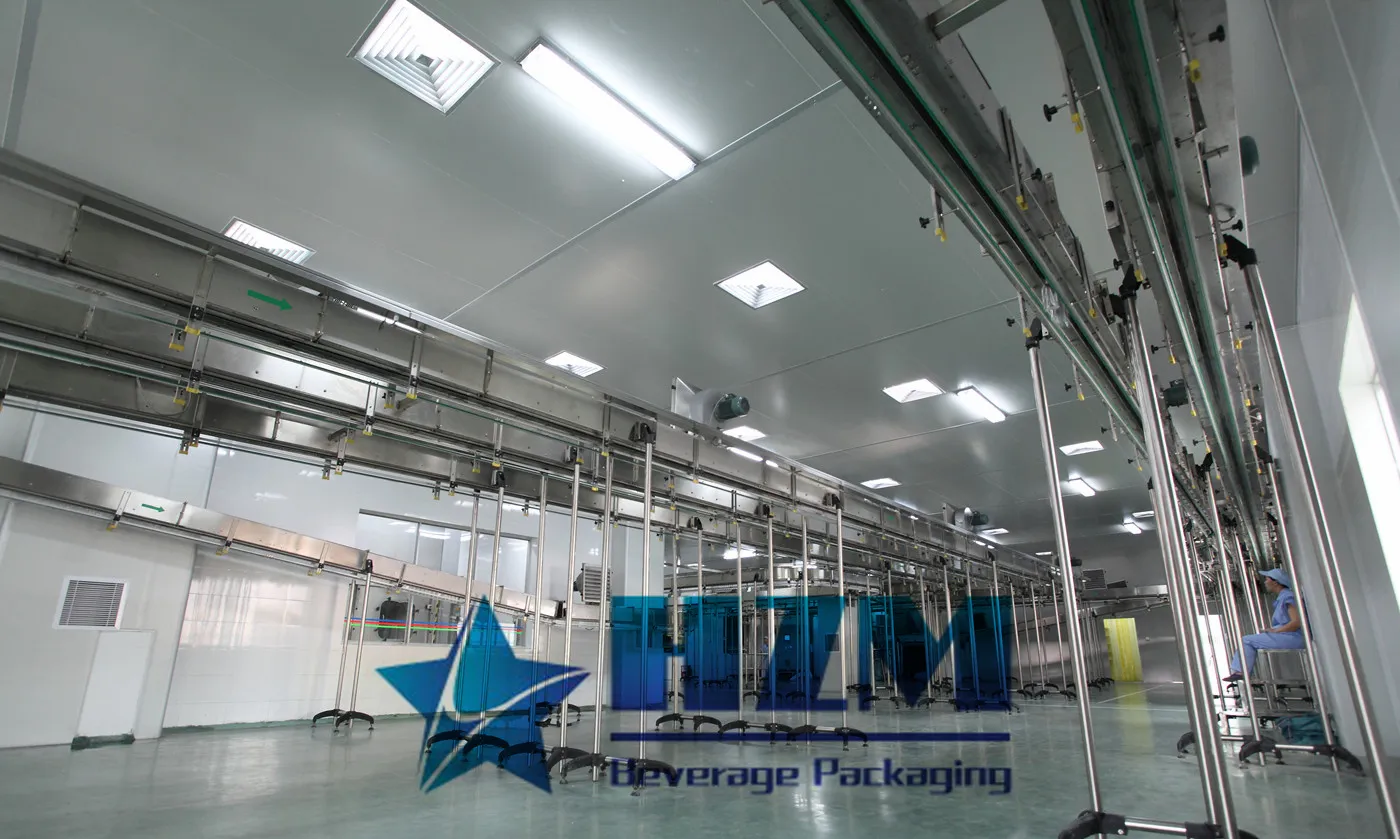
Equipment
Bottle Air Conveyor
The bottle air conveyor transfers empty PET bottles from the blowing machine to the filler.
Learn more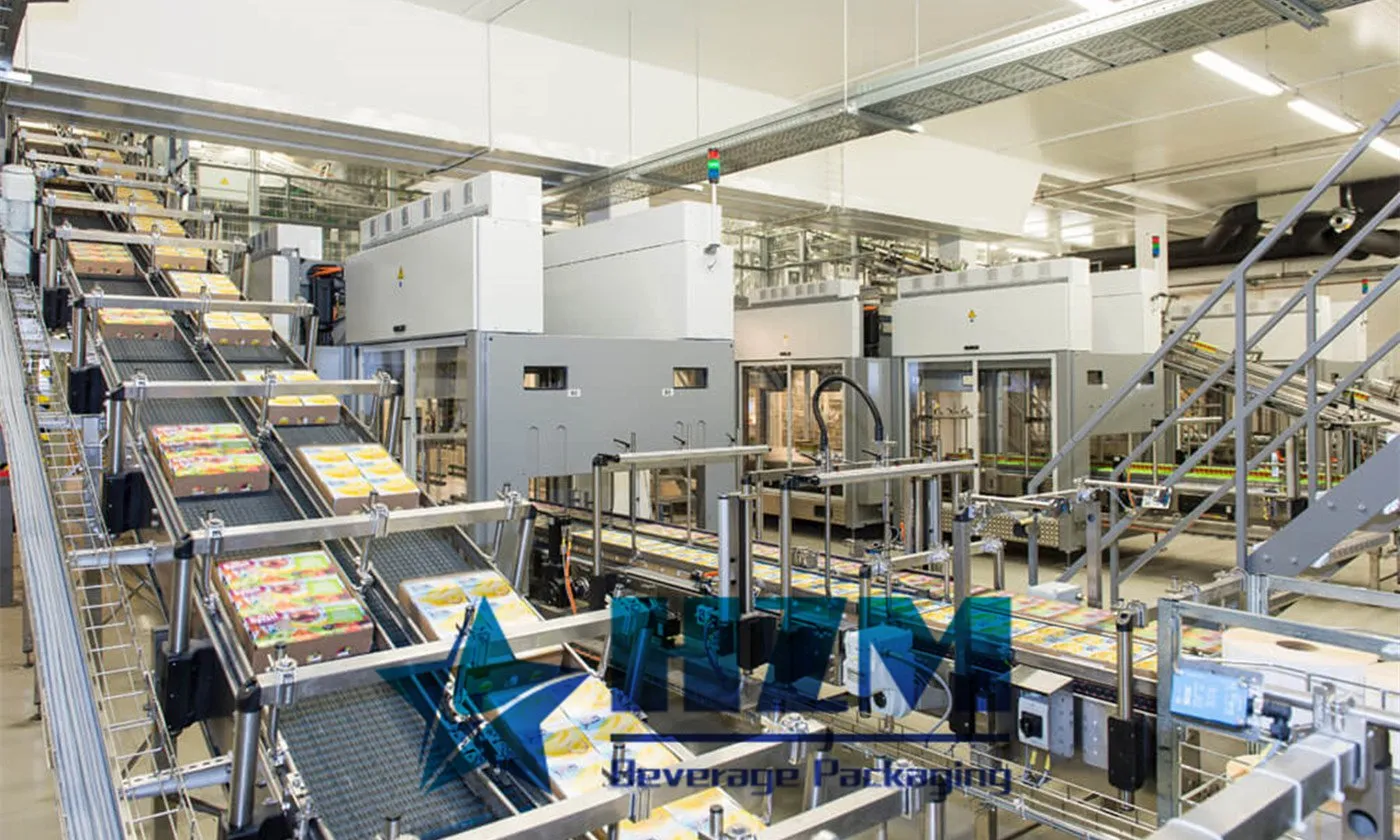
Equipment
Packs Conveyor
The packs conveyor moves finished packs, cartons and other packaged products between packing and handling stations.
Learn more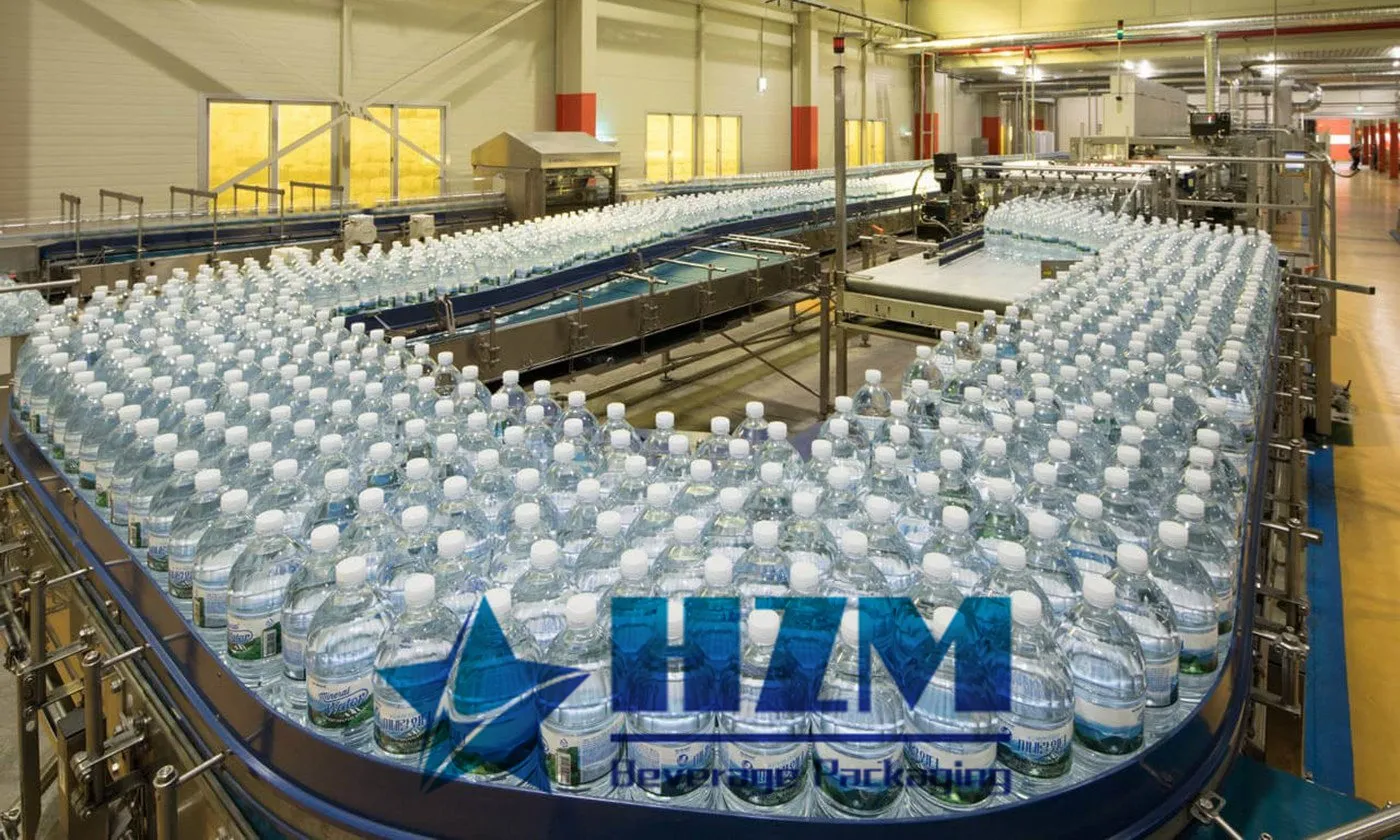
Equipment
Bottle Conveyor
The bottle conveyor transfers containers between filling, labelling and packing machines.
Learn more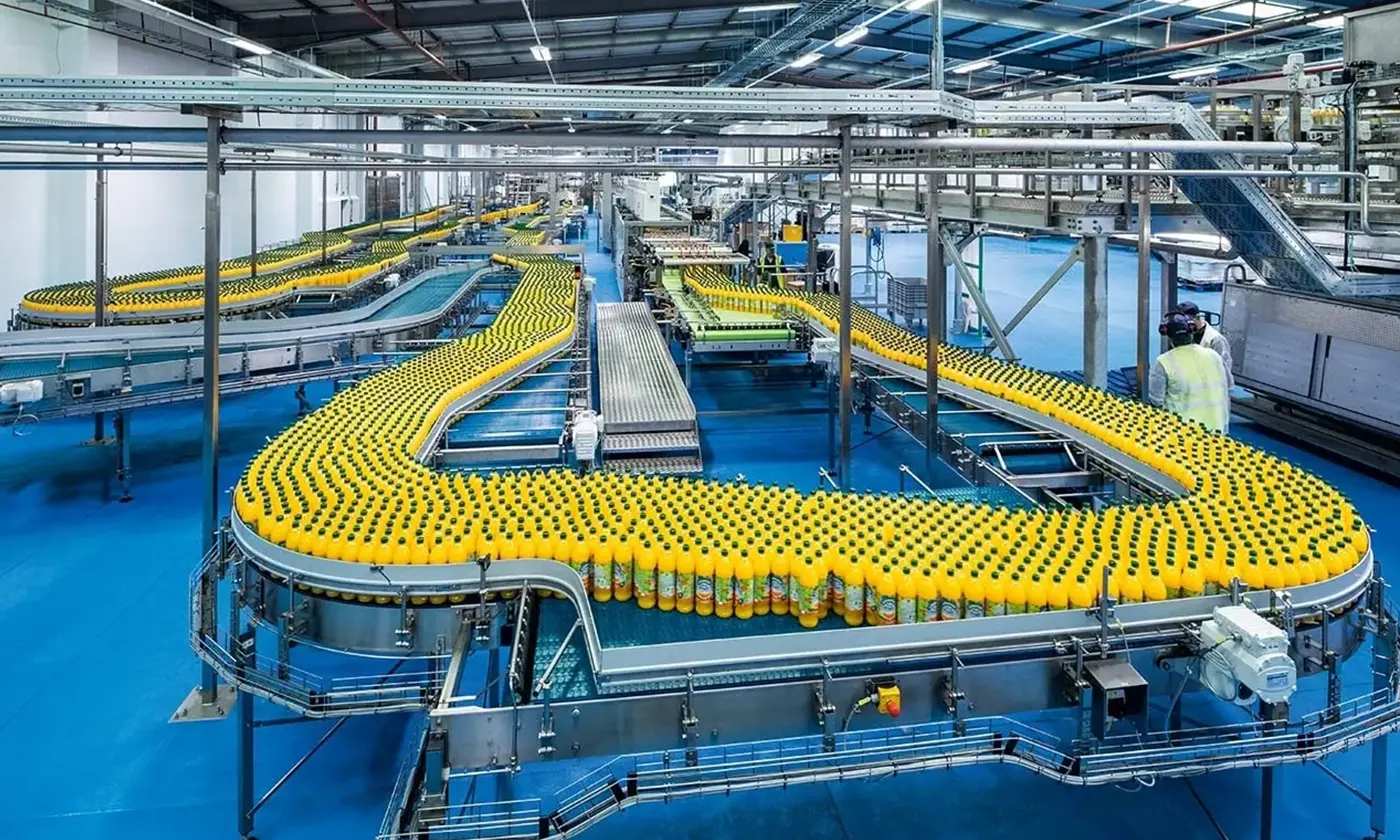
Equipment
Bottle Water & Beverage Conveyor System
The bottled-water and beverage conveyor system connects container supply, filling and packaging.
Learn more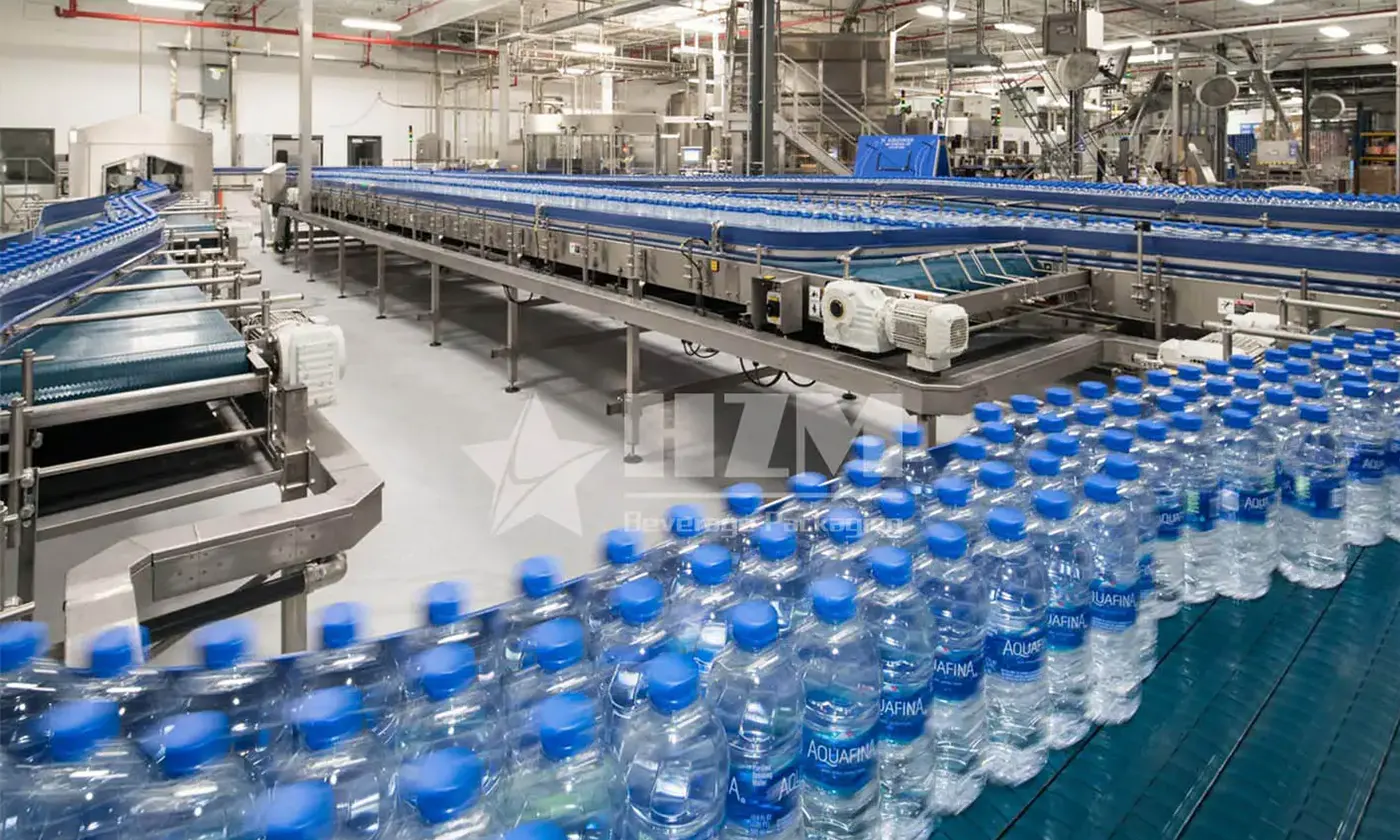
Equipment
Conveyor Belt For Bottle Water Production Line
This conveyor belt system moves bottles through a bottled-water production line, from empty-bottle feeding to filled-bottle labelling and packing.
Learn more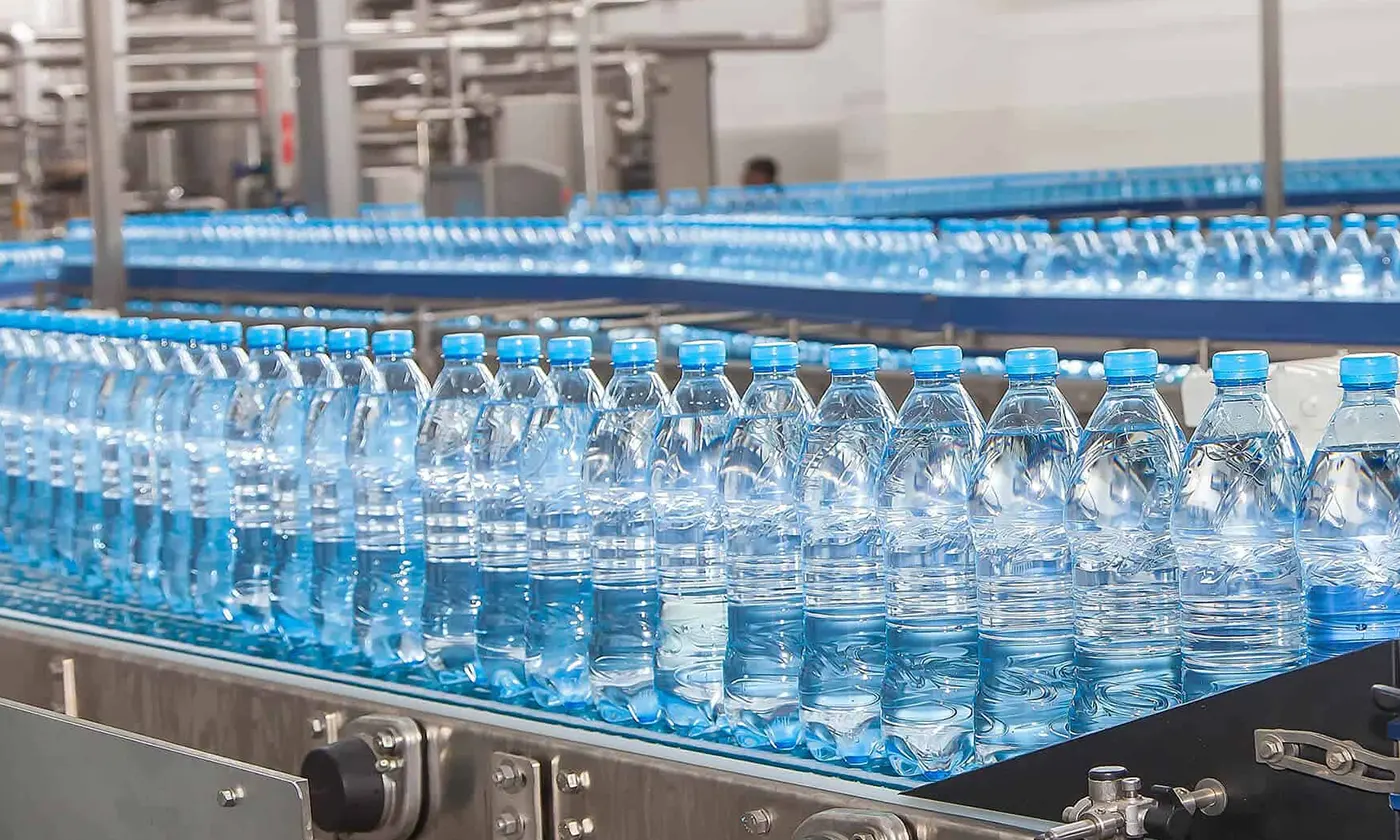
Equipment
Conveyor Belt System For PET Bottle And GLASS Bottle
The conveyor system transfers PET and glass bottles between production machines.
Learn more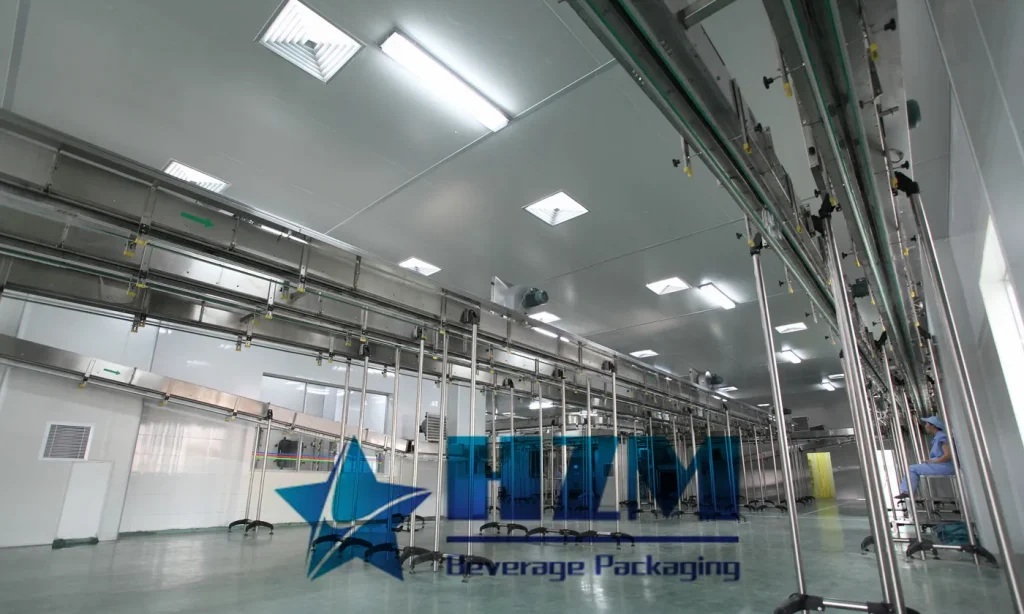
2023-06-26
HZM Machinery: Leading in Bottle Air Conveyor Manufacturing
Bottle Air Conveyors, also known as pneumatic conveyors, play a crucial role in the beverage and food industries. HZM Machinery, a leading manufacturer of Bottle Air Conveyors, has gained recognition and acclaim in the industry for its exceptional quality, innovative technology, and outstanding customer service.
Learn more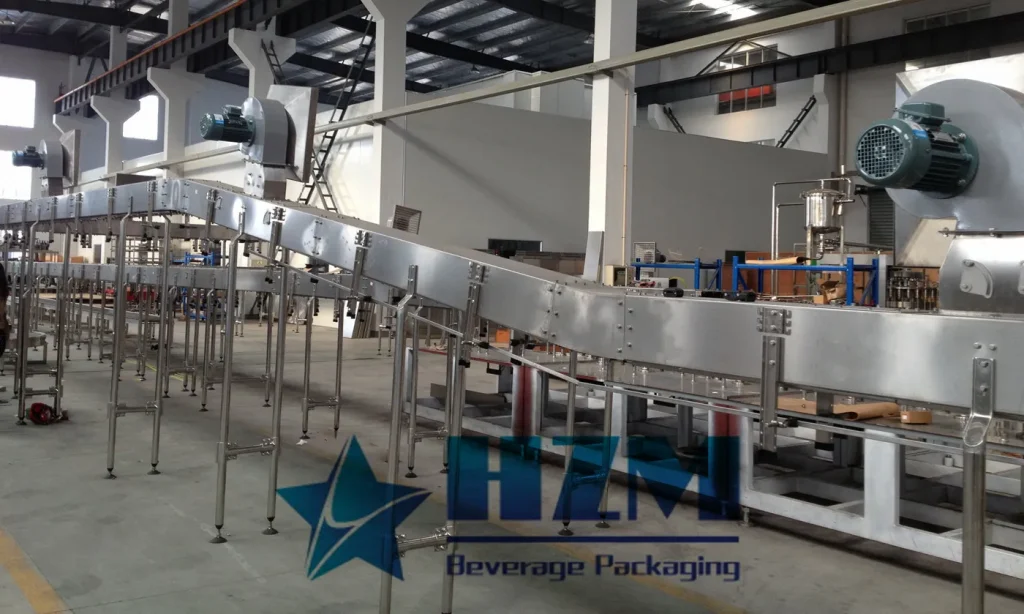
2023-07-02
Bottle Air Conveyor is a system used for transporting bottles
Bottle Air Conveyor is a system used for transporting bottles. It is a device commonly employed in industries such as beverages, food, pharmaceuticals, and cosmetics to automatically convey bottles along a production line.
Learn more2023-07-12
Sale of Large, Medium, and Small Bottle Air Conveyors
Bottle Air Conveyor is a device that suspends empty bottles blown out by the bottle blowing machine onto bottle hanging plates and conveys them from the bottle blowing machine to the filling machine using the force of airflow generated by a fan
Learn more2023-07-12
Air conveyor systems
The air conveyor, also known as a pneumatic conveyor, serves the purpose of efficiently transporting empty bottles between machines within a filling line. It also acts as a buffer, allowing for automatic operation of the entire line. Primarily, it is employed to transfer empty PET bottles from the blowing machine to the filling machine, also known as the filler.
Learn more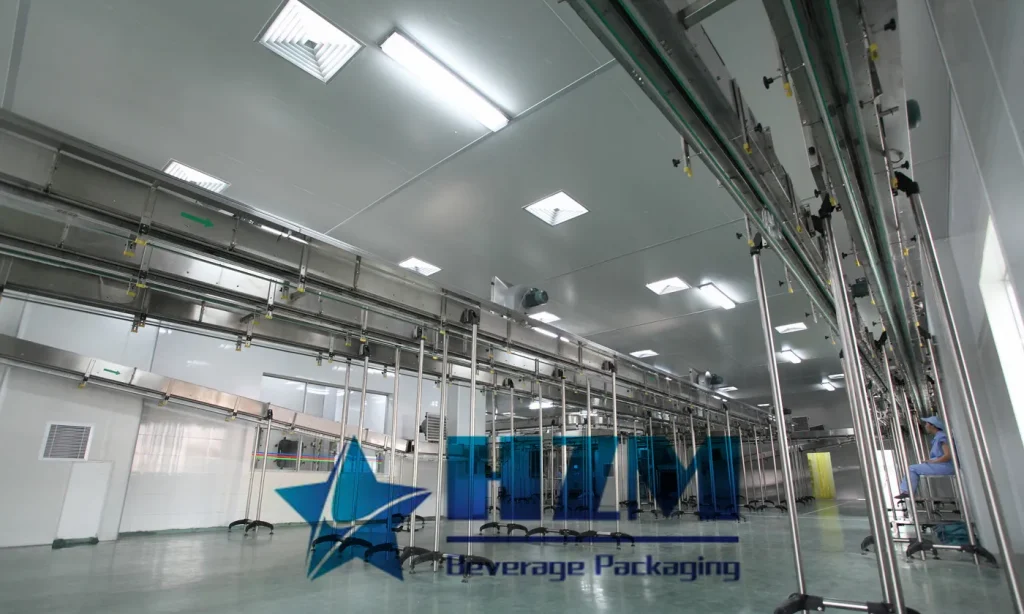
2023-07-03
Maintenance and Troubleshooting for Bottle Air Conveyor
Bottle Air Conveyor is a device that requires regular maintenance and upkeep to ensure proper operation and extend its lifespan. Here are some suggestions for the daily maintenance and troubleshooting of Bottle Air Conveyor
Learn more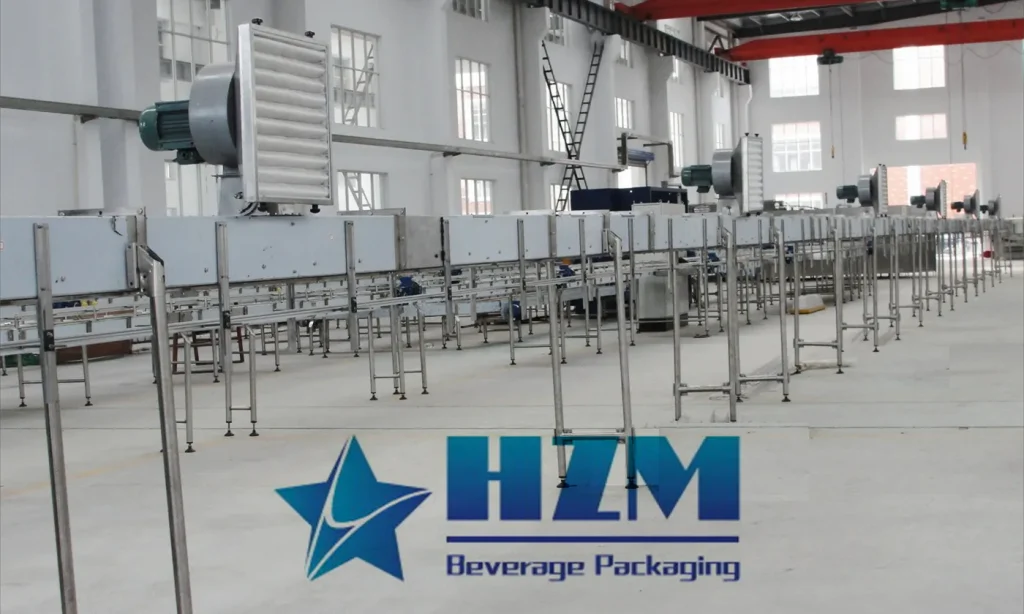
2023-07-04
Bottle Air Conveyor Pricing: HZM, Your Trusted Manufacturer for Direct Sales
when purchasing a Bottle Air Conveyor, pricing is a crucial factor. Fortunately, HZM stands as a professional manufacturer, providing factory direct sales with competitive pricing.
Learn more