
Insights & Updates
This Is Why You Should Choose Rotary Hot Juice filling machine Over Inline Filling Machine
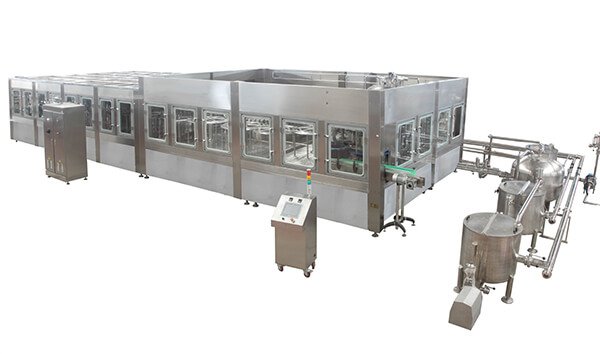
Some people will rather purchase inline filling machines because they are of the opinion that using inline filling machines will help them reduce bottle format equipment and format change as time goes on.
Obviously, they also believe that it can help them reach higher speed production targets.
Rotary hot juice filling machines are large and specialized machines that can have over a hundred heads. They are big, quick and by using them, your company will produce far more BPM than the typical inline machine.
Although bottles can be wasted if problems occur in the middle of production because there is always more in the machine. Rotary hot juice filling machines can be complex to fix, while inline machines tend to incline more towards easier and faster fixing.
Inline filling machines on the other hand, as their name implies, fill bottles in a line. Inline machines are quite common, cost-effective, and easy to alter according to your needs.
They can be made with more than twenty heads. It is mostly used by small to medium-sized companies because it can be easily fixed in case of technical problems, and fewer bottles will be wasted.
However, if you own a big and booming business, the rotary hot juice filling machines are definitely your best bet. They achieve unmatched speed and high production volume.
Well, it is also worth noting here again that buying your rotary hot juice filling machine from a reputable and reliable manufacturer will reduce or completely eliminate the likelihood of the occurrence of technical problems.

Major Features of Rotary Liquid Filling Machines
· Quick product Switches
· 2 to 40 head liquid filling system
· Similar filling precision of ±0.5 To1%
· Several modifications without stopping the machine
· High output speed, up to 400bpm or higher.
· Adaptable conveyor guide rails to accommodate perse products.
· Nozzles can set to be above bottle matching with liquid level to lessen bubbling of foamy liquids.
· No bottle no filling system
· Smooth and precise container management
· Combined fault light and alarm to notify the operator of a production error
· Elective interlocked shielding for filling zone protection safety
· Completely spillage free on bottles’ neck and shoulder
· Nozzle ping or bottle lifting according to requirement.
· Easy changeover and cleaning
· Precise and repeatable servo piston-syringe, flow meter, weight filler, vacuum, gear pump filling technology
· Programmable for various speed and profile filling cycles
· Selective adjustment for finishing touches
· Automatic on /off the system, automatically starts once the bottle goes into the feed conveyor, also stops once there are no bottles.
· There is a harmonized variable speed control
Wrap Up
The rotary hot juice liquid filling machines can be used in chemical, pharmaceutical, cosmetic, food & beverages, toiletries.
The major reason why they find so much relevance for various industrial applications is due to their high-quality and high-efficiency features that enhance a smooth production process.
They are incredibly fast and efficient especially when you source them from a professional juice filling line manufacturer.
Talk to our engineering team
Need help planning your packaging line?
Share your product, bottle and capacity requirements for a practical equipment recommendation.
Equipment
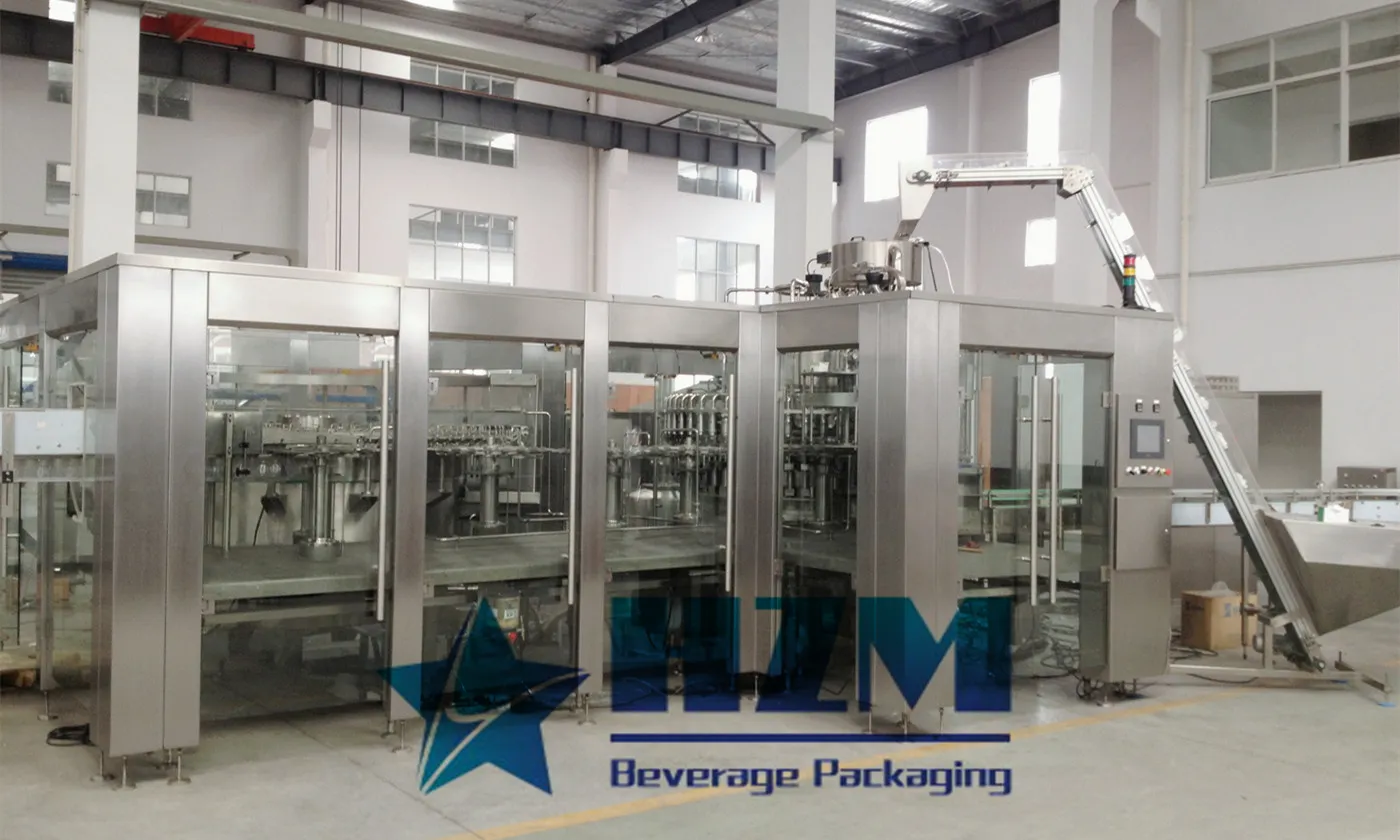
PET Bottle juice Beverage Hot Filling Machine
Hot filling for juice and tea in heat-compatible PET bottles, with automatic rinsing, filling and capping.
Learn more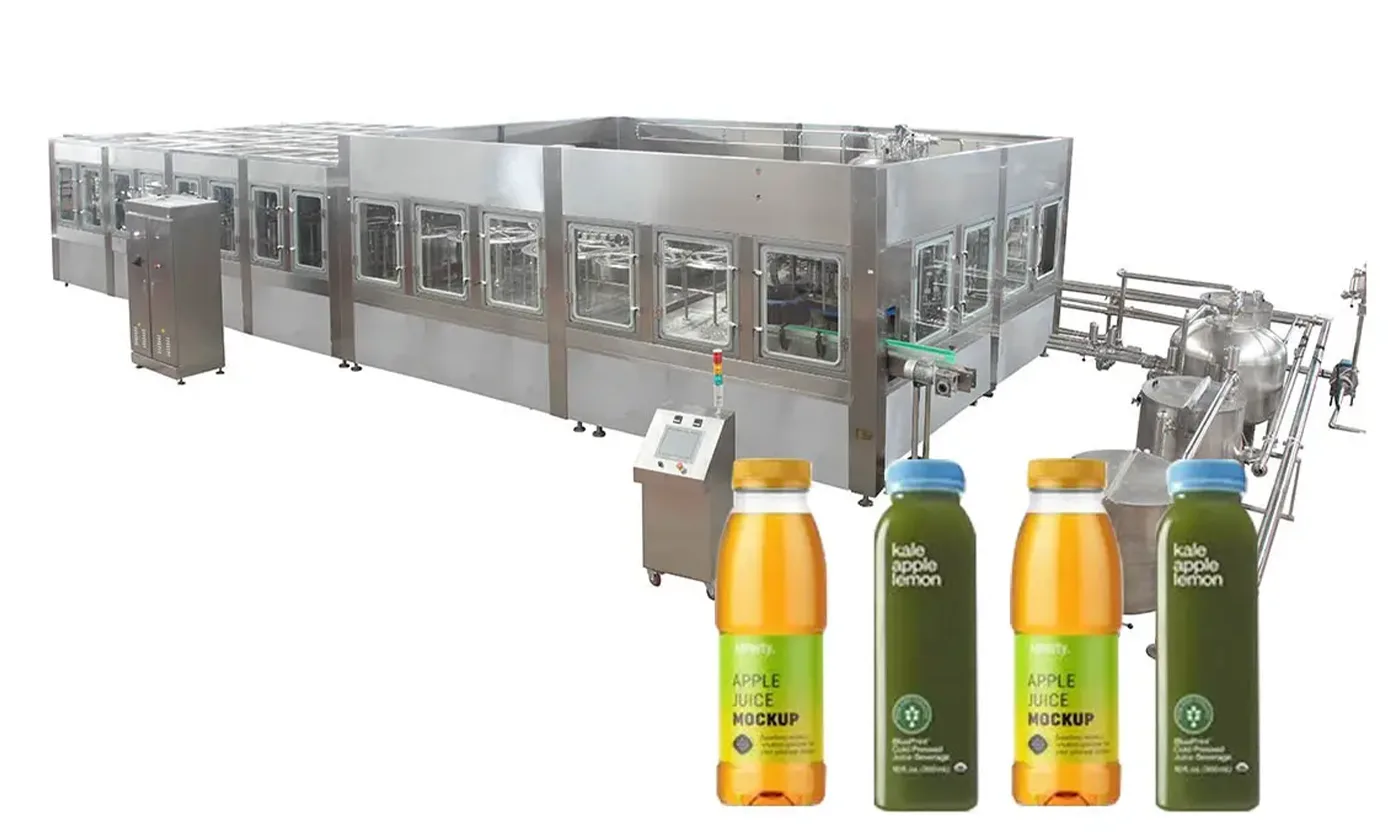
Equipment
Bottled Juice Packaging Machine
Bottled juice filling equipment with rinsing and capping, from 6,000 to 18,000 bottles/hour at 500 ml.
Learn more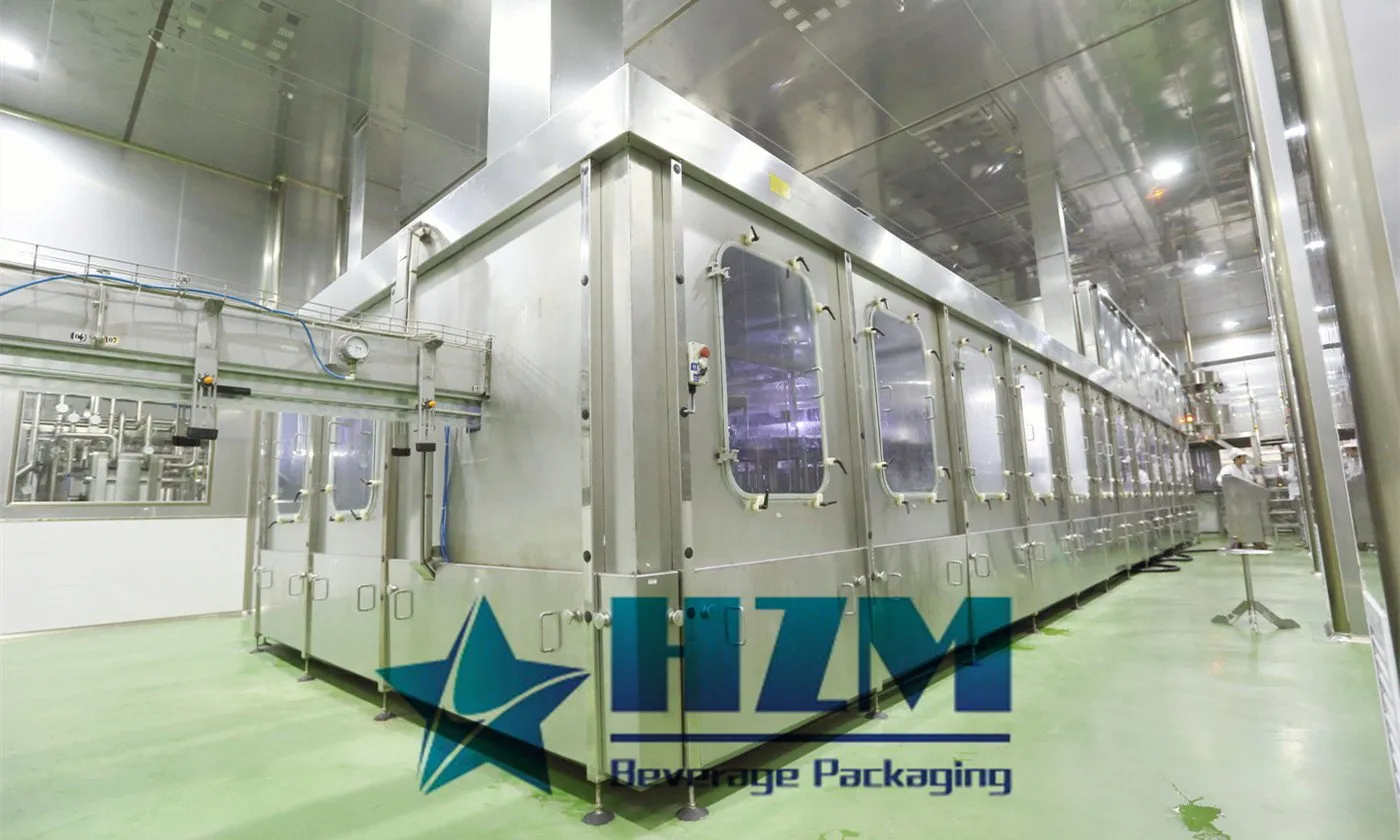
Equipment
PET Bottle Juice Beverage Filling Machine
PET bottle juice filling with automatic rinsing and capping, for juice, tea and still beverages.
Learn more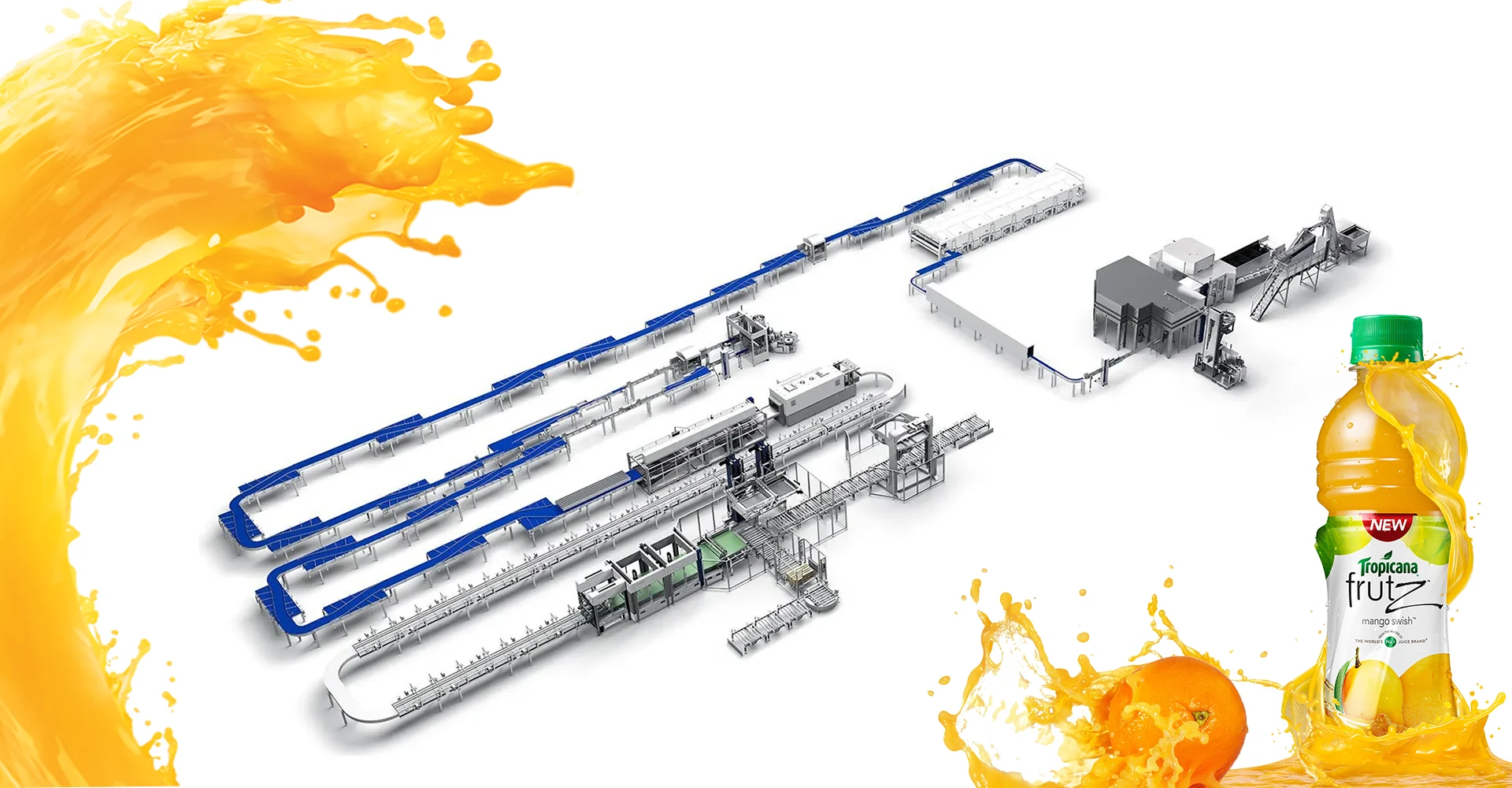
Equipment
Juice beverage bottling line
The juice beverage bottling line connects beverage preparation and thermal processing with bottle filling, capping, labelling and packing.
Learn more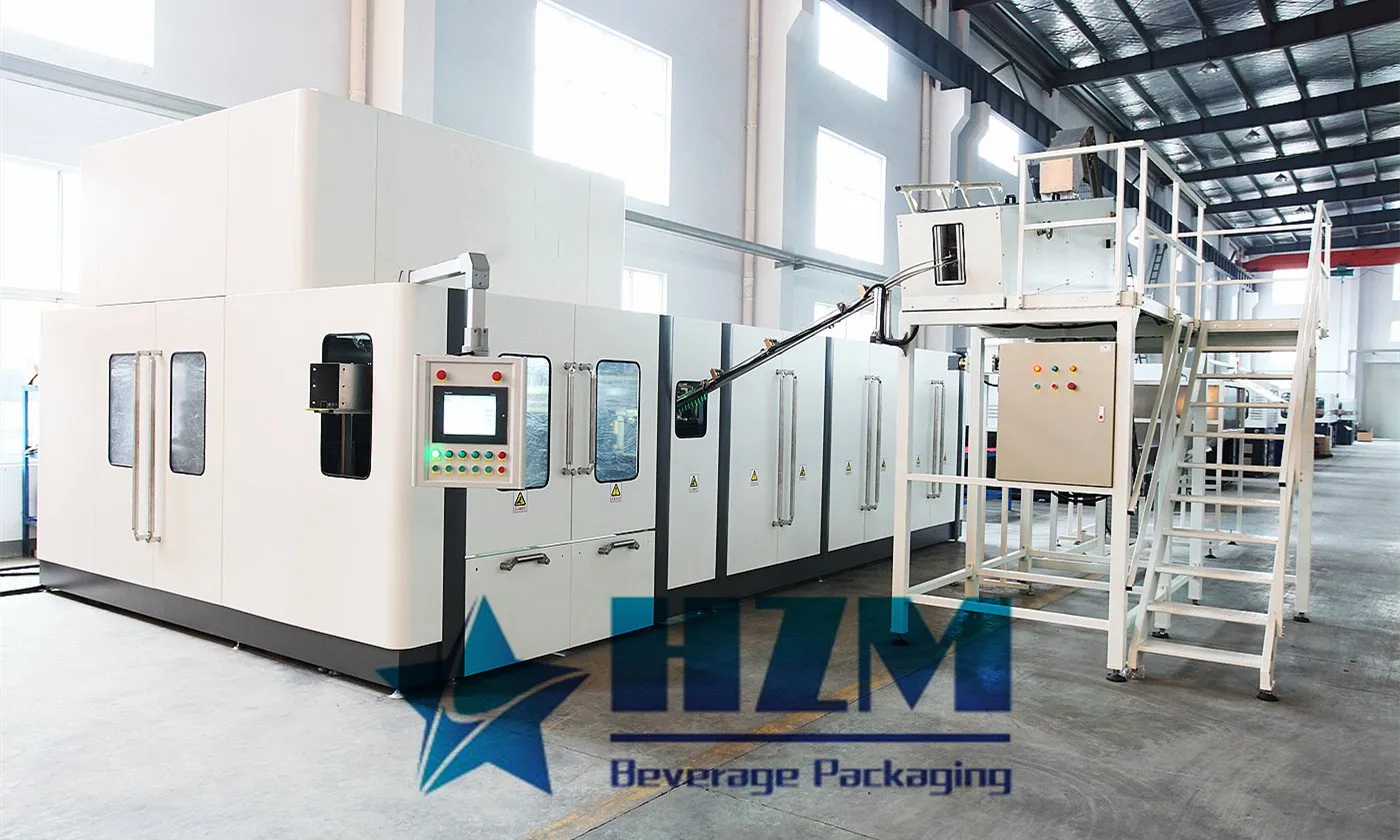
Equipment
Automatic Rotary Blow Molding Machine
Rotary PET bottle blow moulding for water and beverage packaging, with 6–24 cavities and capacities up to 48,000 bottles/hour at 500 ml.
Learn more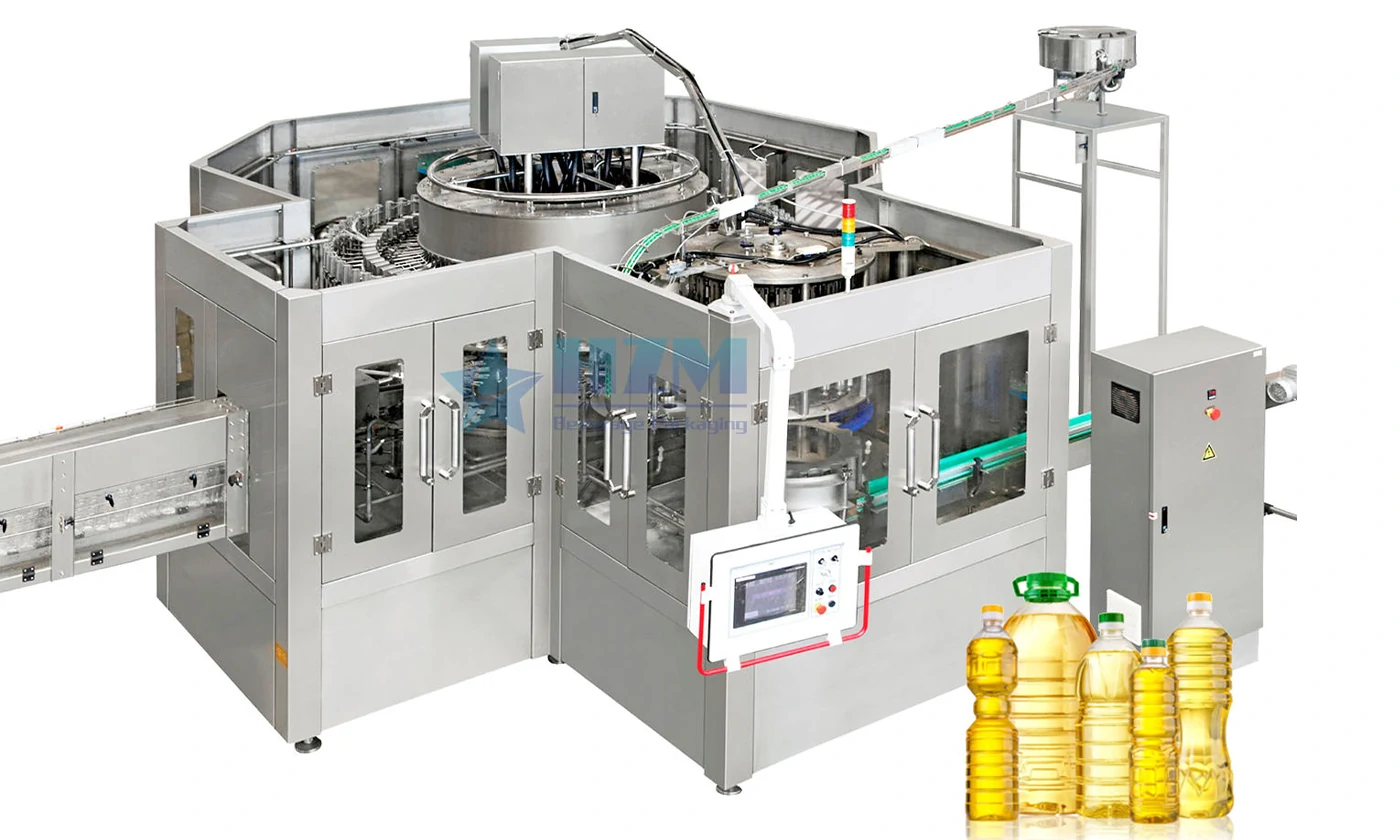
Equipment
PET Bottle Edible Oil Bottling Line | Automatic Rotary Type Edible Oil Filling Machine
The PET bottle edible oil bottling line combines rotary oil filling and capping with bottle conveying and downstream packaging.
Learn more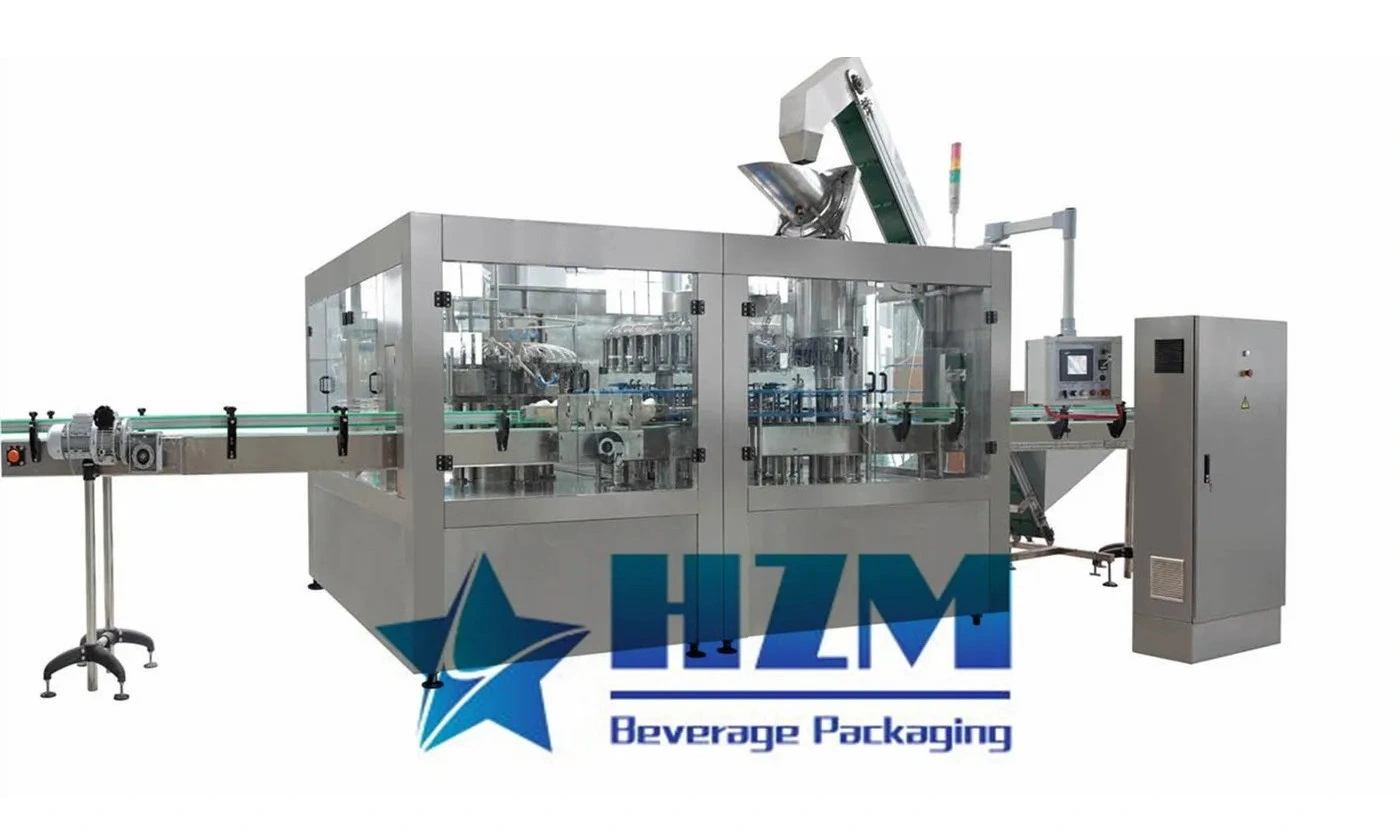
Equipment
Glass Bottle Juice Beverage Filling Machine
Glass bottle juice filling with rinsing and capping, for juice, tea and other still beverages.
Learn more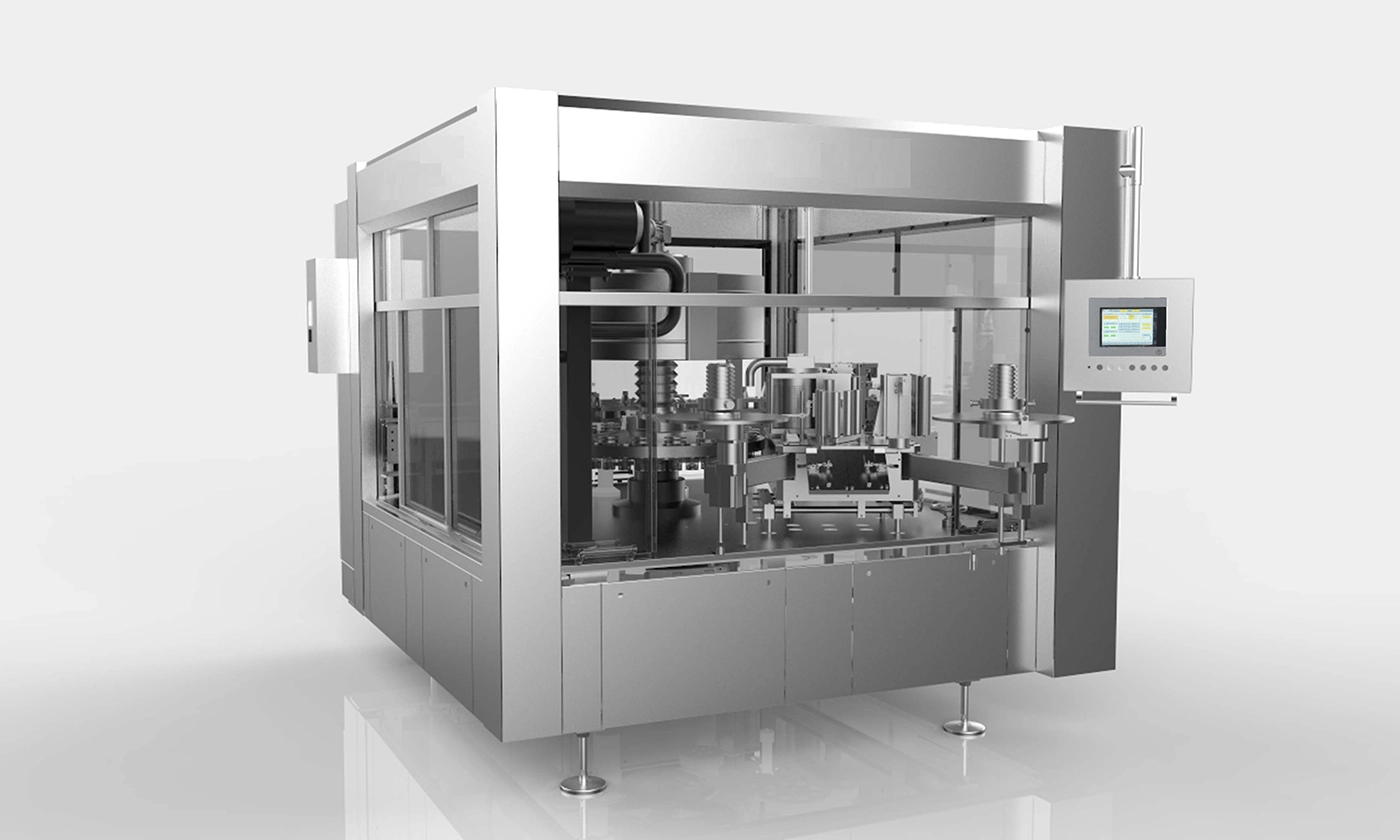
Equipment
Automatic rotary OPP labeling machine: Bottle labeling machine
RH8 rotary OPP and BOPP labelling for round containers, with speeds of 4,000–12,000 bottles/hour for 500–2,000 ml containers.
Learn more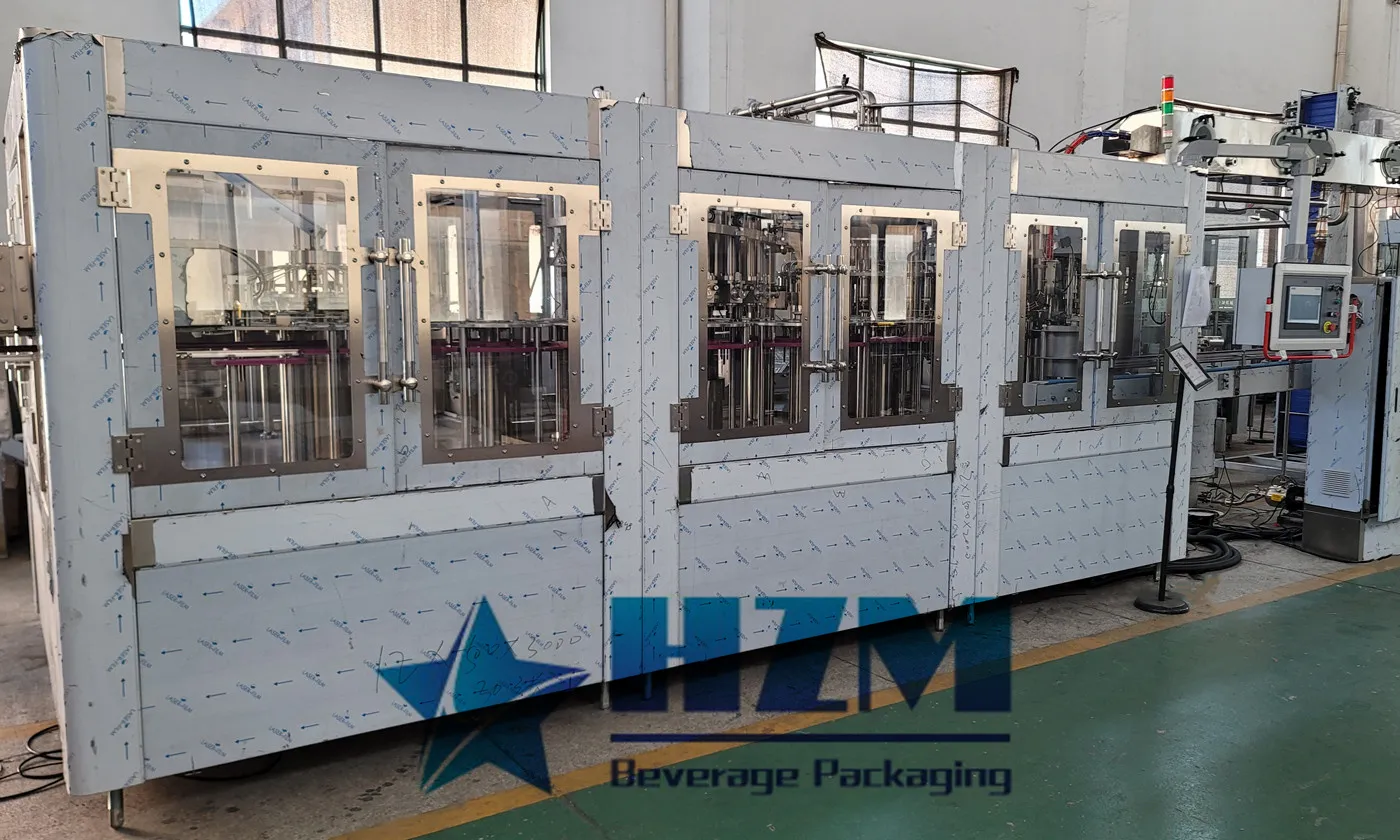
Equipment
Automatic Pulp Juice Filling Machine
Pulp juice filling with separate pulp and liquid dosing, bottle rinsing and capping for beverages containing fruit particles.
Learn more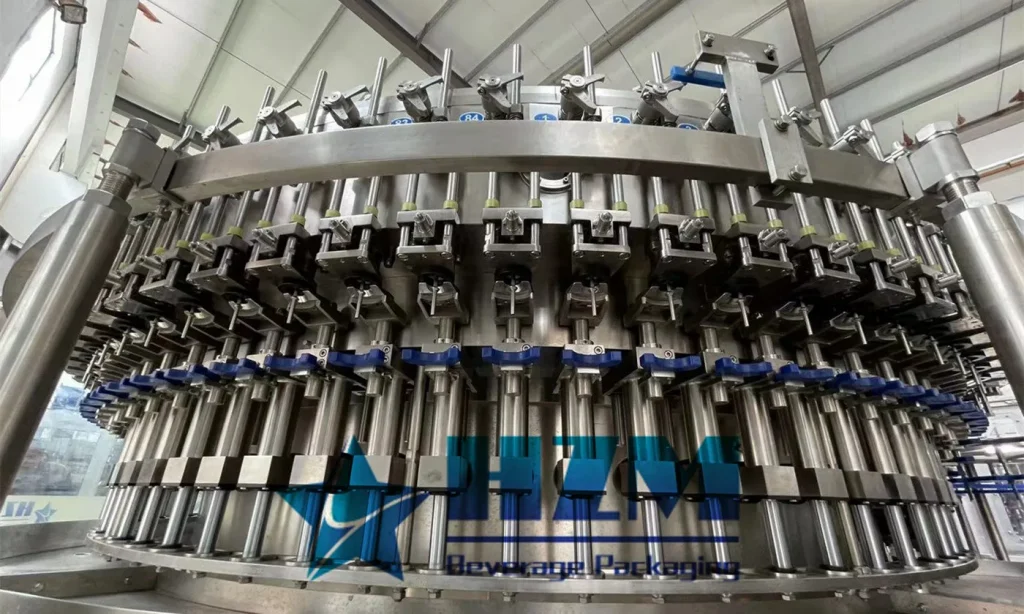
2023-09-13
Working Principle of Rotary Filling Machine
The rotary filling machine is a commonly used automated filling equipment in the food and beverage industries. Its main features are high efficiency, high precision, and ease of operation, making it suitable for various packaging requirements in terms of specifications and capacities.
Learn more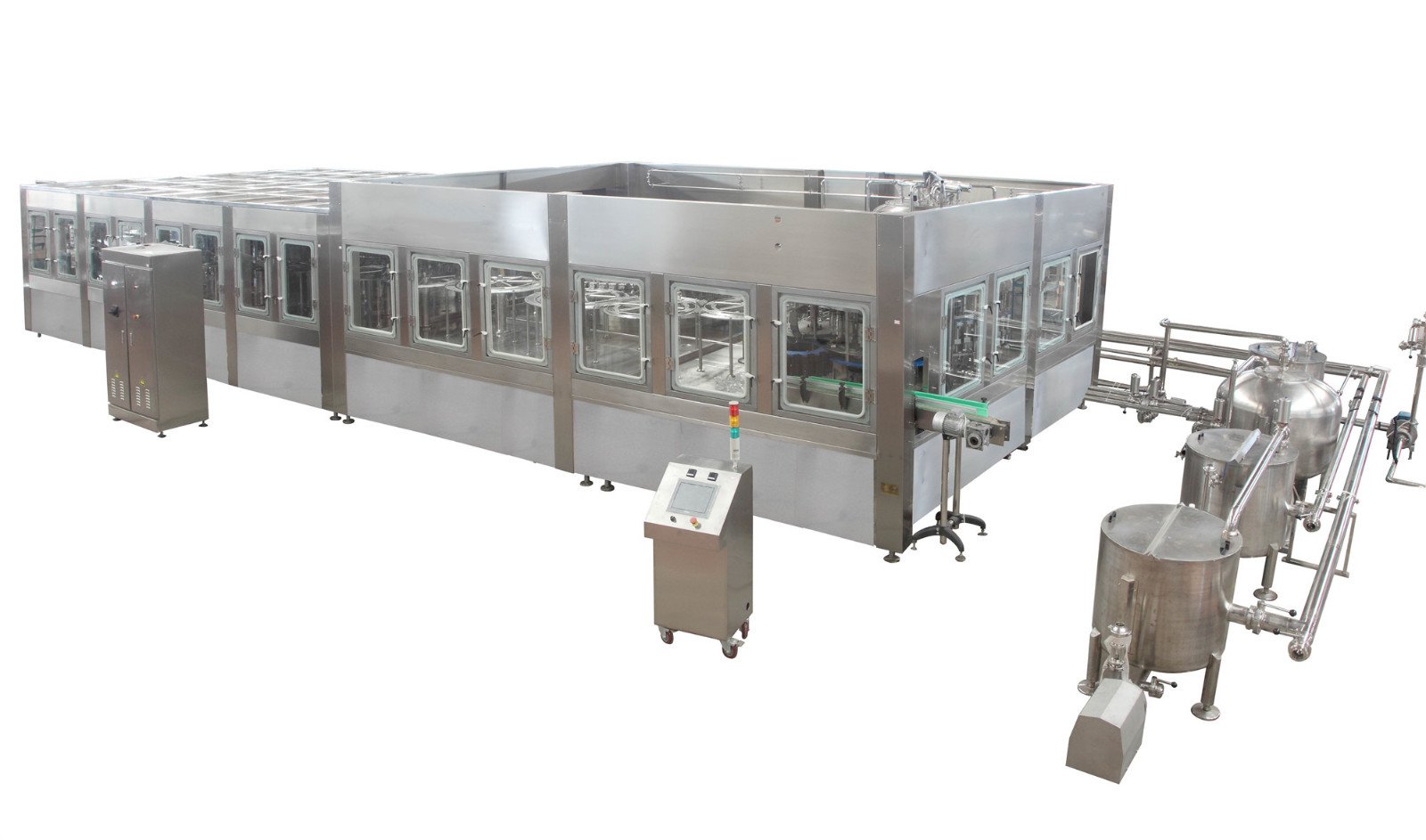
2023-03-24
The Working Principle of Juice Filling Machine
Juice filling machine and ordinary water or carbonated beverage materials are significantly different in composition, filling methods and filling processes are also different. Therefore, the structure of juice filling machine is very different from that of ordinary water filling machine in terms of filling cylinder, filling valve and management system. Because the ingredients of the juice hot filling […]
Learn more2026-07-24
Juice Production Line Optimization: Cold Filling vs. Hot Filling
Compare cold, hot and aseptic juice filling by product risk, shelf-life target, packaging, utilities and total operating cost, then optimize the complete juice production process.
Learn more2023-11-22
Common Faults and Solutions in Juice Beverage Filling Machines
It is inevitable that issues may arise when using a juice beverage filling machine over an extended period. This does not necessarily indicate a problem with the quality of the equipment. Just like any other machinery, minor malfunctions can develop with time. While these issues may not immediately disrupt operations, if left unattended, they can […]
Learn more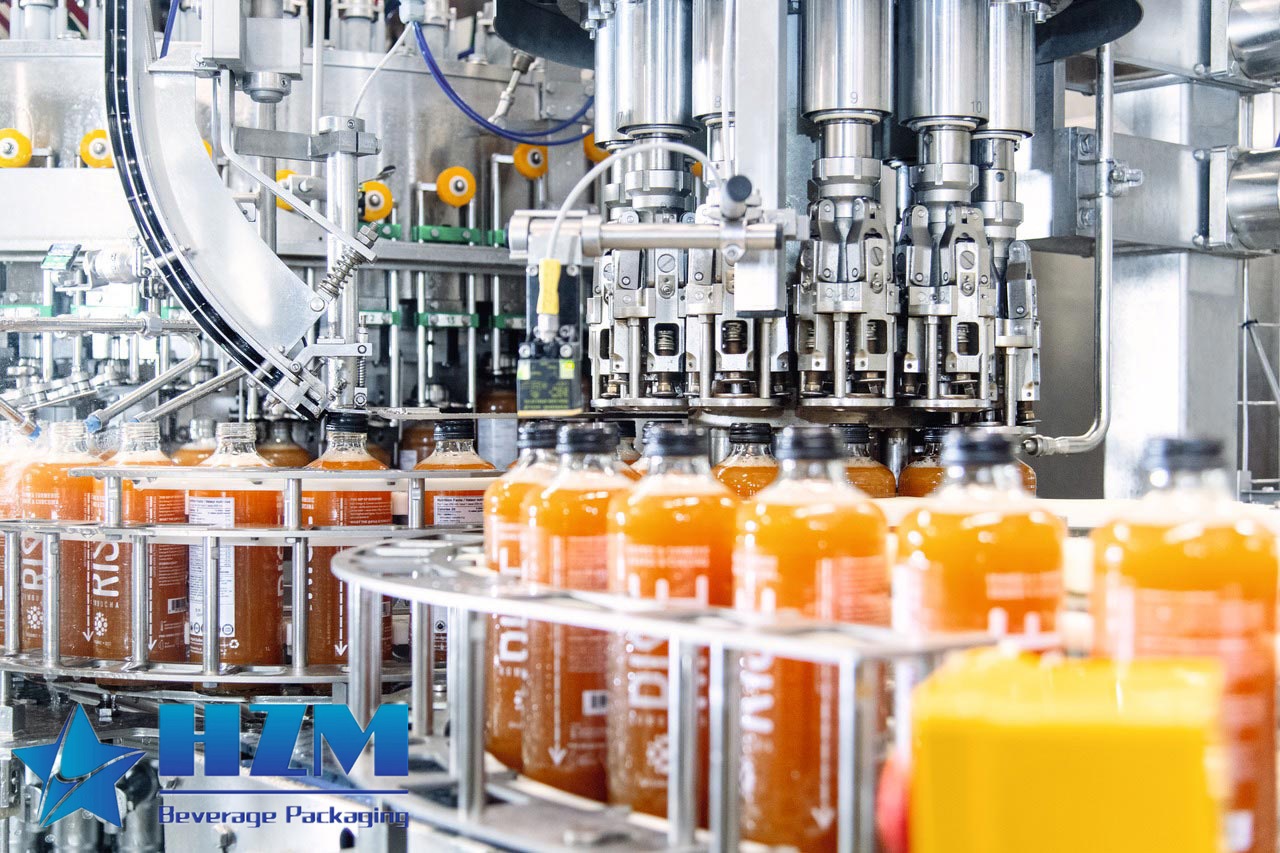
2023-08-22
The Application of Filling Machines in the Juice Beverage Industry
With the growing emphasis on healthy consumption, juice beverages have become increasingly popular in modern life. To meet market demands, juice beverage manufacturers employ advanced technologies and equipment, with filling machines playing a pivotal role in the juice beverage industry. This article focuses on the application and advantages of filling machines in the realm of juice beverages.
Learn more2023-06-09
Enclosed Juice Filling Lines: Hygiene and Hot-Fill Design
A practical guide to enclosure, hygienic zoning, product-contact design, hot filling, cleaning and environmental control for juice filling lines.
Learn more