
Insights & Updates
What Is the Production Capacity of a Small-Scale Beverage Packaging Line?
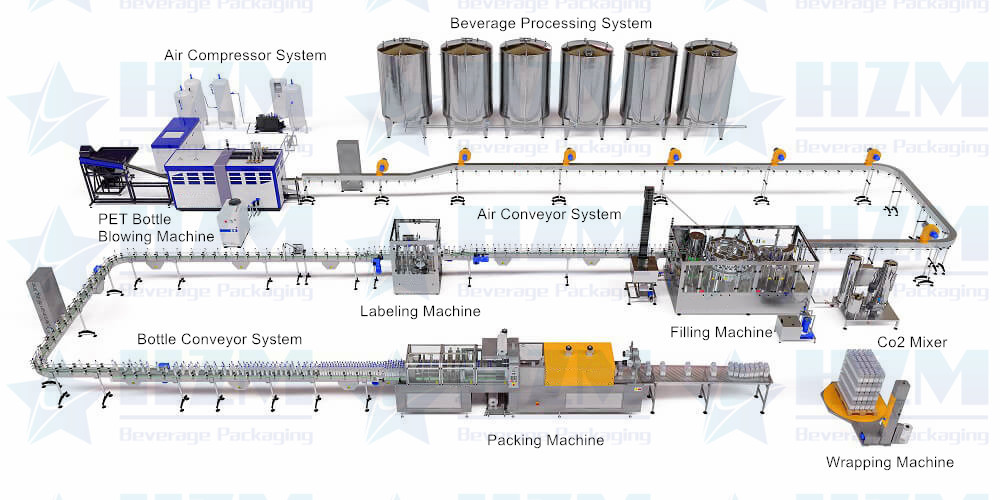
In the beverage industry—whether it’s juice, tea, energy drinks, or bottled water—the production capacity of the packaging line is a core metric that defines operational efficiency. For startups, small-scale factories, or custom production workshops, choosing the right small beverage packaging line is crucial. So, what exactly is the output capacity of a small beverage packaging line? Let’s explore this question through a modern integrated machine that combines rinsing, filling, and capping into one unit.
Integrated Design for Efficient Output
This small beverage packaging line integrates bottle rinsing (with disinfectant and pure water), beverage filling, and cap sealing into a single piece of equipment. This not only saves floor space but also simplifies operations, making it an ideal solution for efficient and stable production.
Typical Output Range of a Small Beverage Packaging Line
Depending on the specific model and configuration, this equipment delivers a production capacity ranging from 6,000 to 18,000 bottles per hour (based on 500ml PET bottles). Here is a breakdown of different models and their corresponding capacities:
| Model | Rinsing-Filling-Capping Heads | Capacity (500ml) | Dimensions (mm) | Main Power |
|---|---|---|---|---|
| RXGF16-16-5 | 16-16-5 | 6,000 BPH | 2760×2060×2700 | 2.2 KW |
| RXGF24-24-8 | 24-24-8 | 8,000 BPH | 2800×2230×2700 | 3.0 KW |
| RXGF32-32-8 | 32-32-8 | 12,000 BPH | 3550×2650×2700 | 4.0 KW |
| RXGF40-40-10 | 40-40-10 | 15,000 BPH | 4360×3300×2700 | 7.5 KW |
| RXGF50-50-12 | 50-50-12 | 18,000 BPH | 4720×3545×2700 | 7.5 KW |
Key Features and Highlights
High-Precision Filling System
The machine uses a full-level filling method, effectively preventing bottle deformation after cooling and minimizing oxygen dissolution. The umbrella-type filling valve ensures rapid flow, high filling precision, and stable liquid level—with no spillage or product loss.
Intelligent Temperature Control & CIP Cleaning
Equipped with an automated temperature control system for hot filling, the equipment also features a comprehensive CIP system that thoroughly cleans pipelines and filling valves to maintain hygiene and product safety.
Efficient Rinsing System
The rinser uses EPDM sealing rings and UMPE nozzles, capable of reaching all interior surfaces of the bottle. A water-saving design with splash guards and recovery pipes ensures efficiency and eco-friendliness.
Flexible Capping Design
The capping head features a dual-purpose design, compatible with both flat caps and sports caps, making it suitable for a wide range of beverage types.
Premium Electrical Components
The equipment uses internationally renowned brands such as SIEMENS, SCHNEIDER, FESTO, and others, ensuring reliable and stable operation.
A Smart Investment for Growing Brands
Small beverage packaging lines combine flexibility, efficiency, and sanitation, making them the go-to solution for many new beverage brands and local manufacturers. Thanks to their lower investment cost and modular scalability, these systems can help businesses quickly launch and stabilize production.
Whether you’re developing a new juice product or planning large-scale production of energy drinks, a small beverage packaging line is your reliable partner for streamlined and professional output.
Interested in a customized solution based on your production needs and budget? Contact us today for detailed technical specs and a personalized quote.
Talk to our engineering team
Need help planning your packaging line?
Share your product, bottle and capacity requirements for a practical equipment recommendation.
2023-10-11
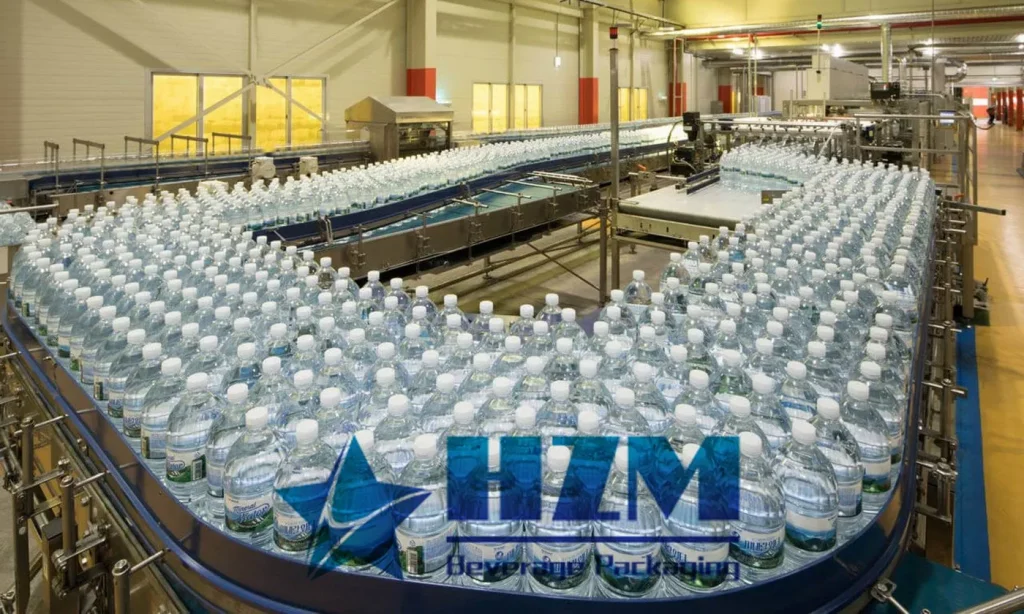
Small-Scale Beverage Packaging Production Line
small-scale beverage packaging production lines provide a flexible and efficient production and packaging solution for small to medium-sized beverage manufacturers and businesses.
Learn more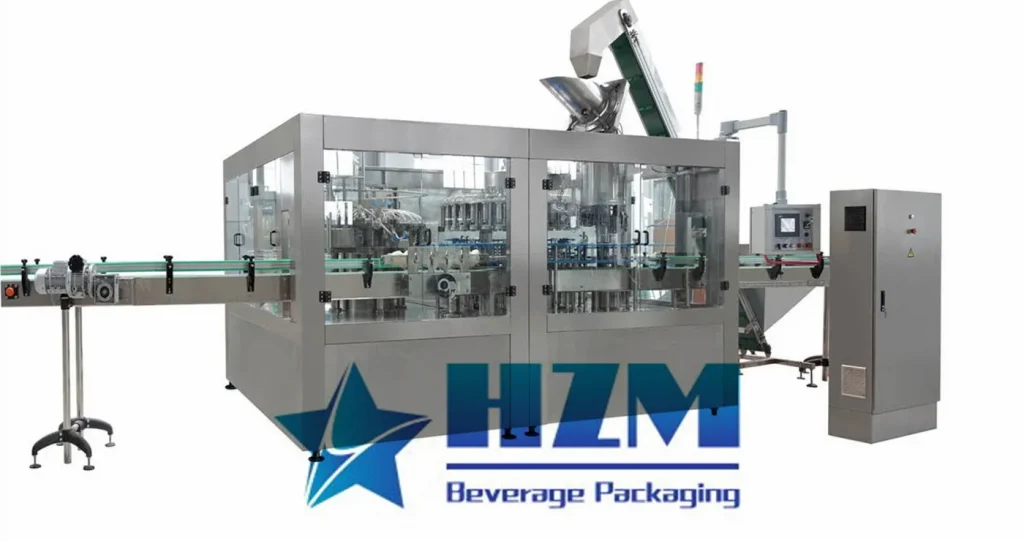
2023-07-23
Small Beverage Filling Machine: Empowering Small-Scale Beverage Production
The small beverage filling machine is a specialized equipment designed for small-scale enterprises. It offers a wide range of applications, affordable prices, and delivers quick and efficient beverage filling solutions.
Learn more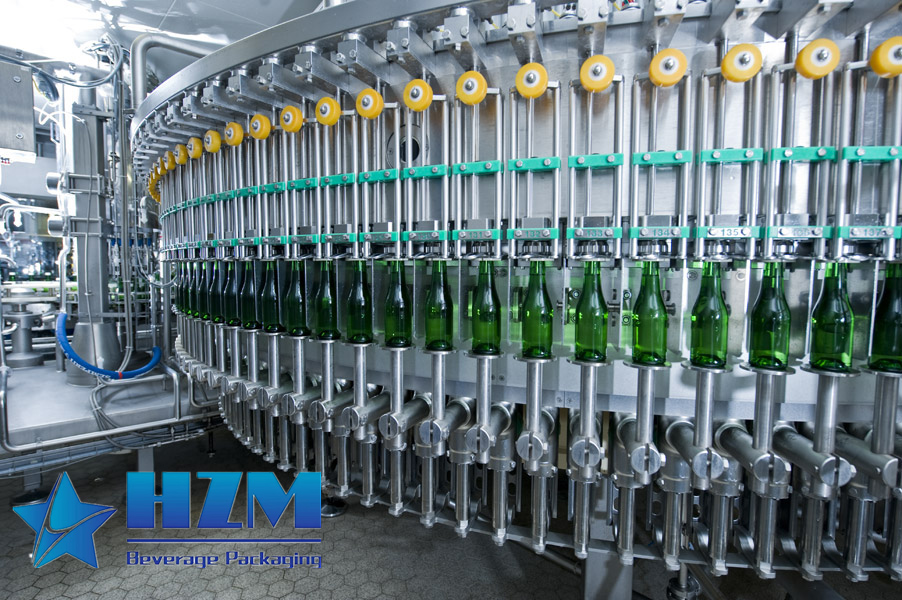
2023-09-20
small scale beer bottling equipment
Breweries of all sizes, from startups to well-established brands, are looking for efficient and cost-effective ways to package their brews. This is where small scale beer bottling equipment from HZM Machinery steps in, offering a range of functionalities, features, and applications that cater to the needs of diverse brewers.
Learn more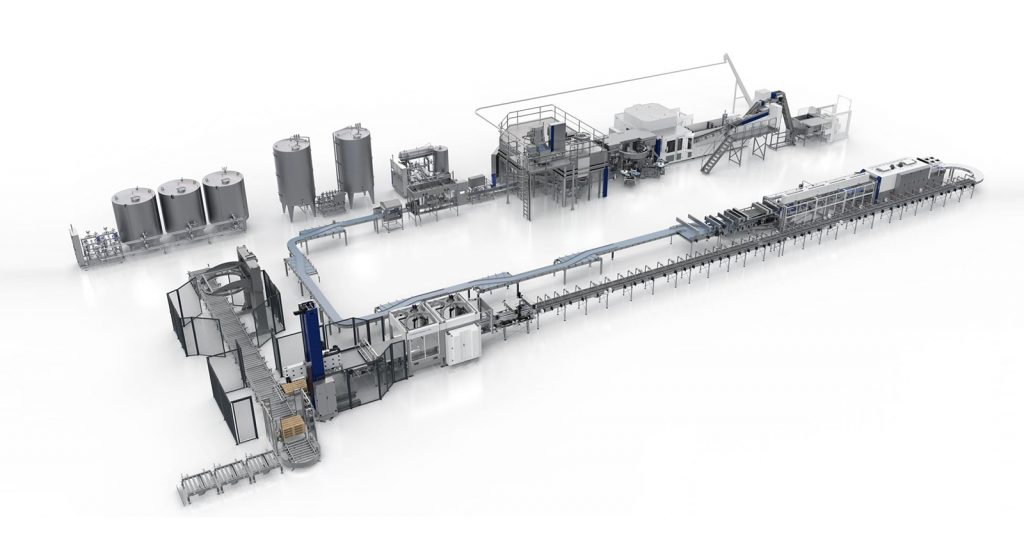
2023-07-24
Large-Scale Beverage Filling Line: Enhancing Efficiency and Innovation in Beverage
The large-scale beverage filling line is a highly automated equipment system widely used in mass beverage production. Comprised of multiple devices, each with its specific role, it ensures efficient and precise filling and packaging of beverages.
Learn more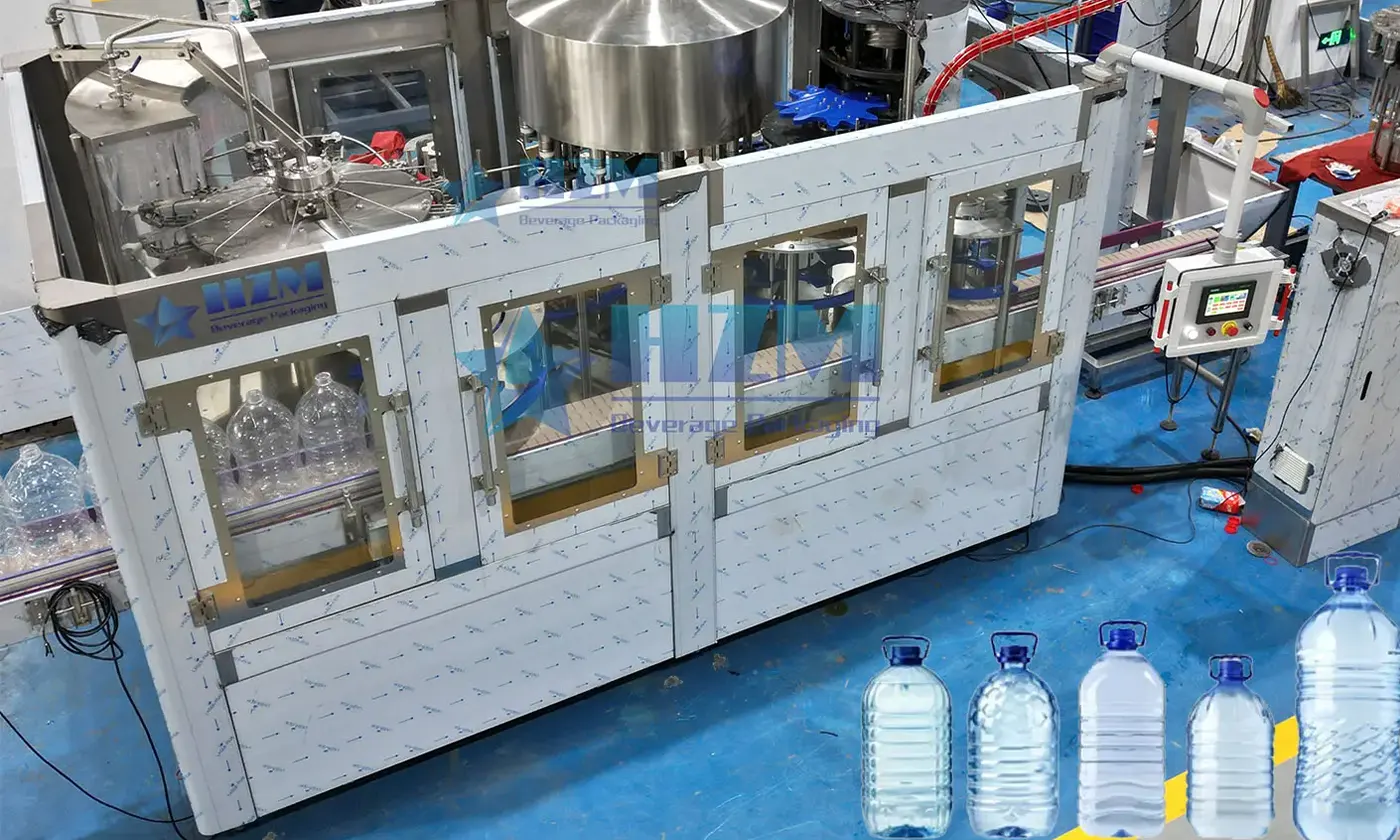
2023-06-09
Water Bottling Line Guide: Capacity Sizing and Line Balance
Practical HZM guidance on water bottling line, focused on capacity sizing and line balance, line integration, RFQ data and measurable acceptance checks.
Learn more2023-06-09
Sparkling Water Filling Machine: Pressure Filling, CO2 Control and Capacity
Select a sparkling water filling machine by matching carbonation, product temperature, container, closure, pressure filling and real output requirements.
Learn more