
Insights & Updates
Working Principle and Detailed Operation of the Fully Automatic Glass Bottle Vacuum Capping Machine
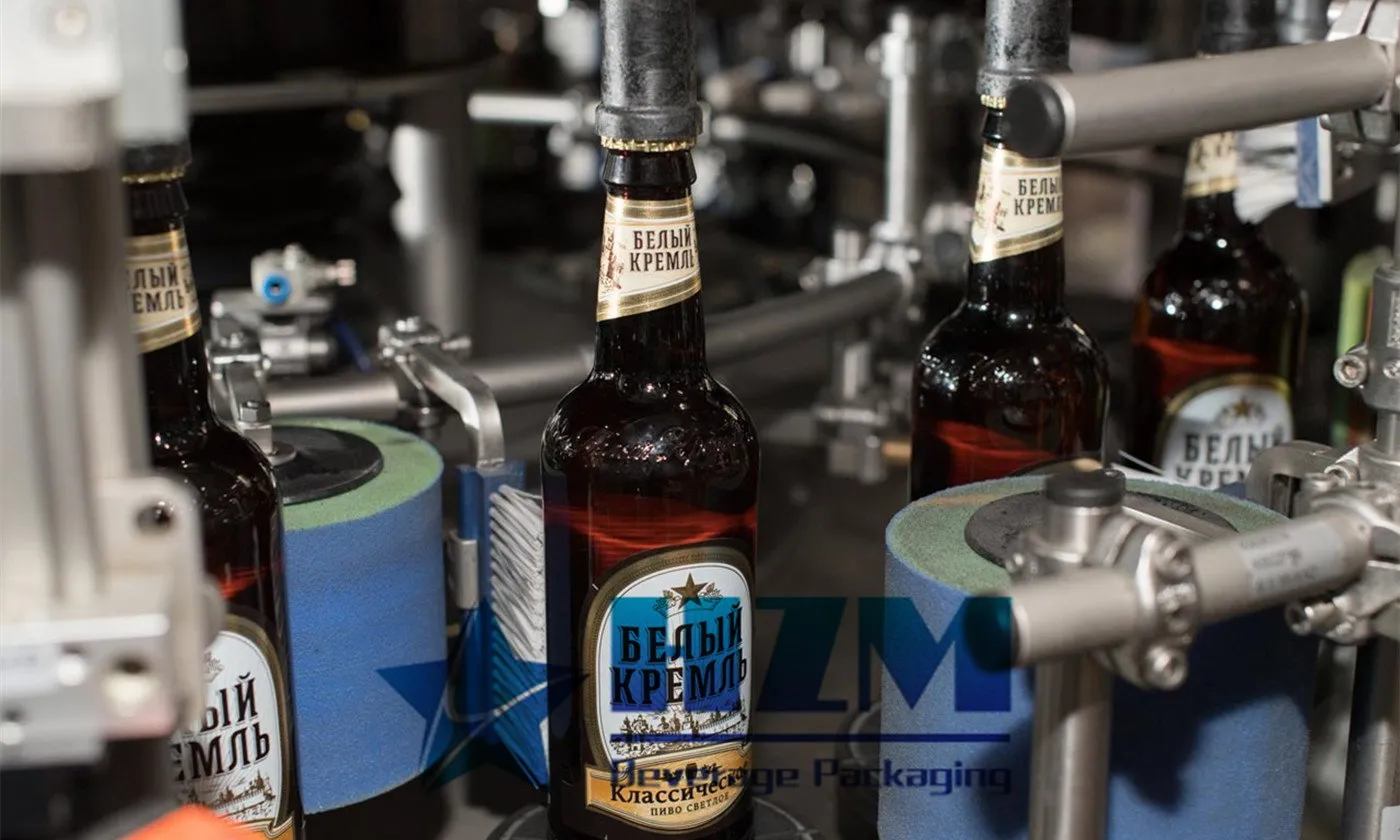
Working Principle
The fully automatic glass bottle vacuum capping machine is designed specifically for metal caps (such as tinplate caps, can caps, chili sauce metal caps, etc.). In practical applications, it is usually connected with packaging machinery, filling machinery, and other equipment through a conveyor belt to form a complete production line. Its working principle mainly involves the following steps:
Positioning and Fixing
When the glass bottle container reaches the capping machine via the conveyor belt, pneumatic devices on both sides of the machine will fix the container, ensuring that only one bottle enters the capping position at a time.
Cap Pushing and Vacuum Extraction
When the bottle reaches the capping position, the cap feeder pushes a corresponding cap to the underside of the capping plate, and vacuum extraction begins. During this process, other bottles will not enter the working area.
Capping
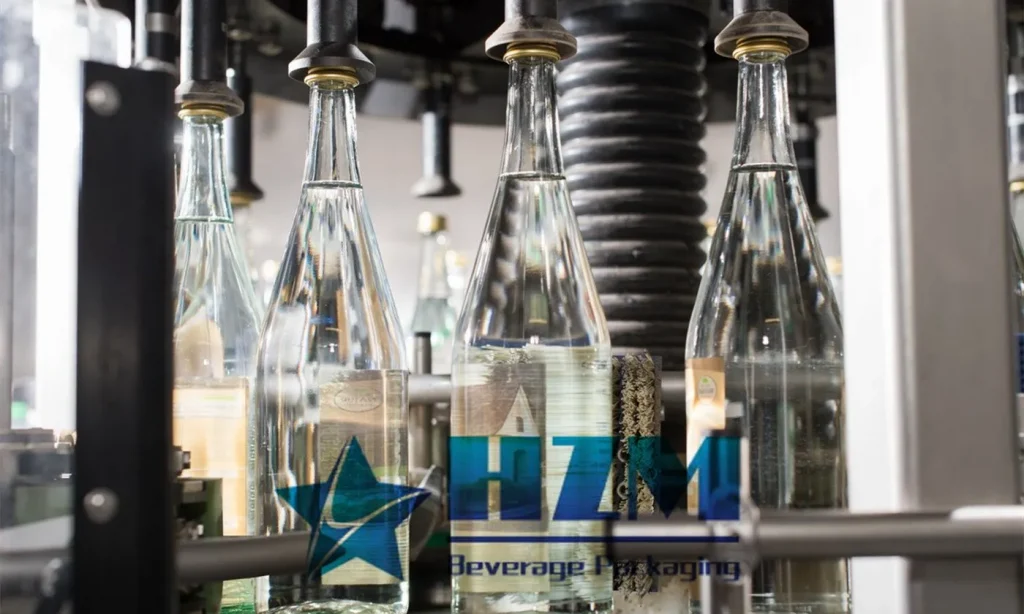
Once the vacuum reaches the set value, the capping head starts rotating. The friction between the capping plate and the cap transmits the capping torque, screwing the cap along the bottle mouth thread.
Reset and Cycle
After capping is completed, the vacuum chamber connects to the atmosphere, returning to normal pressure. All devices reset, waiting for the next bottle to be capped.
Specific Operation
Startup Preparation
Check whether all parts of the equipment are in good condition, turn on the power, and carry out necessary preheating and adjustments.
Bottle Loading
Place the glass bottles filled with material on the conveyor belt, ensuring the bottles stably enter the capping machine.
Capping
The equipment automatically completes positioning, fixing, cap pushing, vacuum extraction, and capping operations.
Inspection
After capping, manually check the capping effect to ensure there are no leaks or misalignments.
Bottle Unloading
Remove the capped bottles from the output area for the next step of packaging or storage.
Features
The HZM mechanical can vacuum capping machine boasts high automation, simple and quick operation, sensitive sensing devices, high capping efficiency, good sealing effect, and minimal error. It is a very popular and widely used metal cap vacuum capping equipment on the market.
Talk to our engineering team
Need help planning your packaging line?
Share your product, bottle and capacity requirements for a practical equipment recommendation.
Equipment
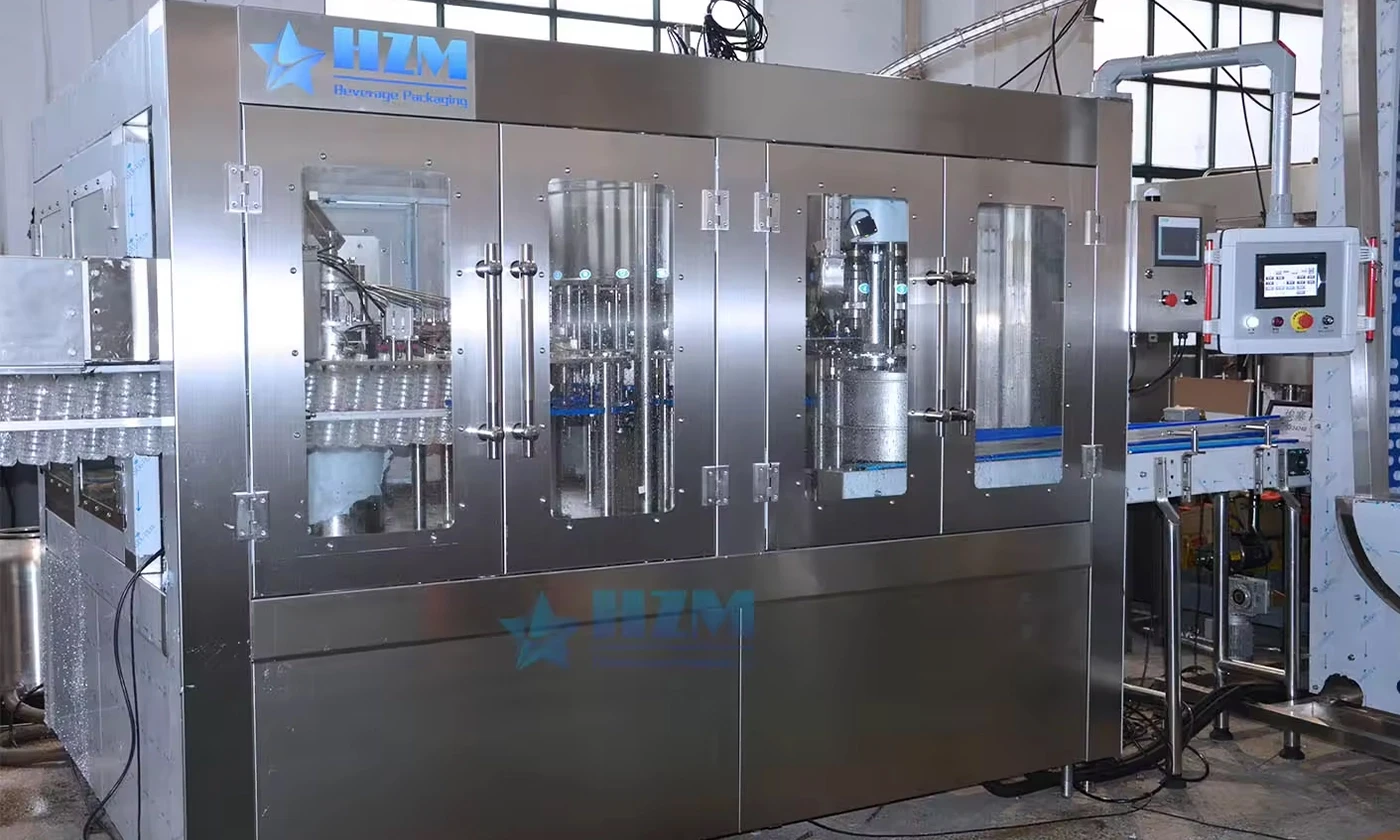
Bottle Washing-Filling-Capping Machine
Large-bottle water rinsing, filling and capping with design outputs of 1,500 bottles/hour at 5 L, 1,000 at 7 L and 700 at 10 L.
Learn more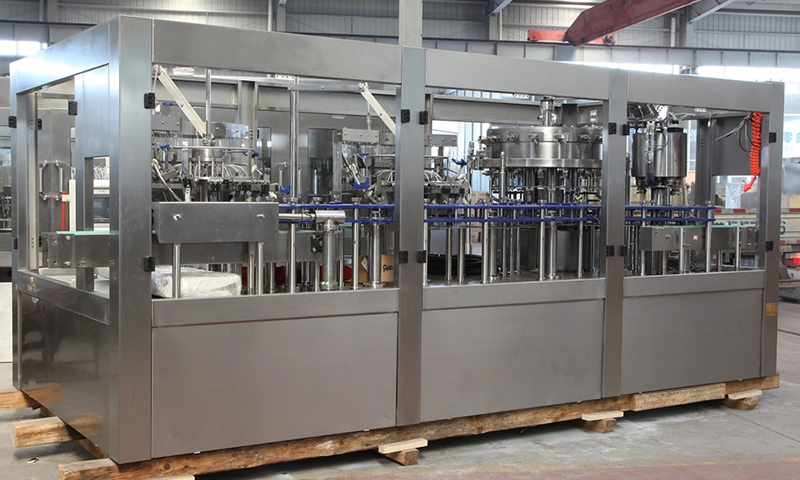
Equipment
Glass Bottle Filling Machine – DXGF14-12-5
DXGF14-12-5 glass bottle rinsing, isobaric filling and capping for carbonated drinks, at 2,000–3,000 bottles/hour for 750 ml bottles.
Learn more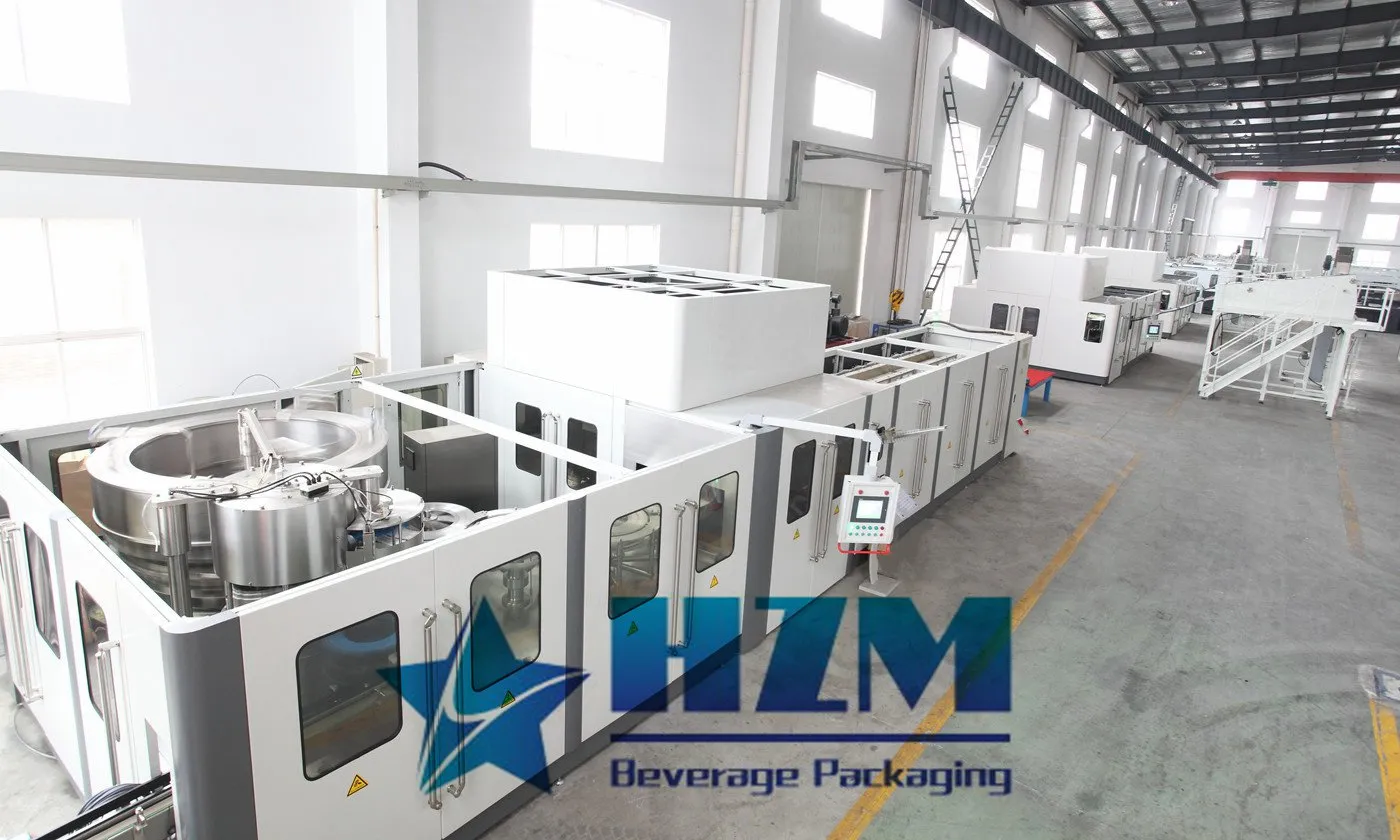
Equipment
Blowing-Filling-Capping Machine
A PET combiblock that combines preform heating, bottle blowing, filling and capping at 12,000–48,000 bottles/hour at 500 ml.
Learn more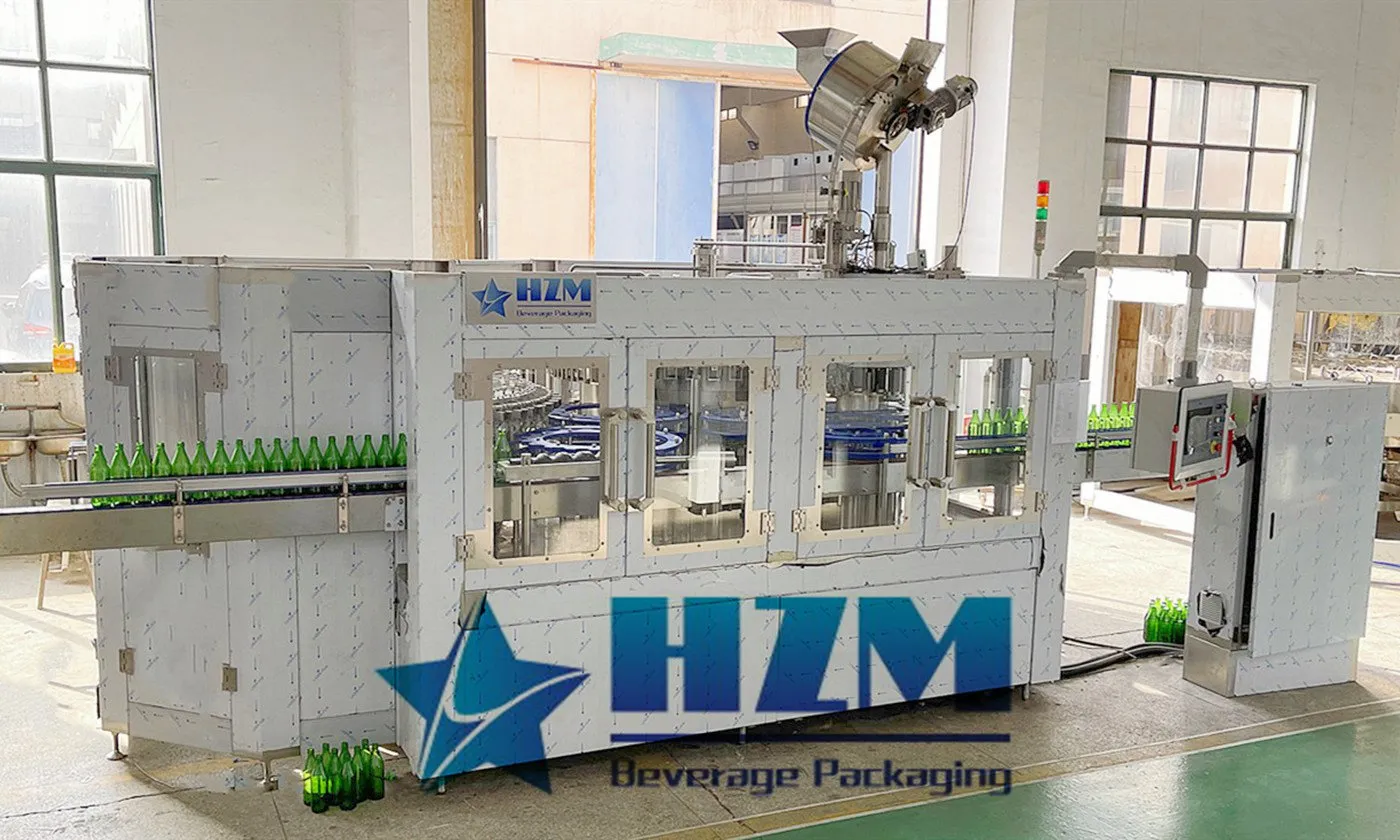
Equipment
Glass Bottle CSD Beverage Filling Machine
Glass bottle filling for carbonated beverages, with isobaric filling and capacities of 2,000–20,000 bottles/hour at 500 ml.
Learn more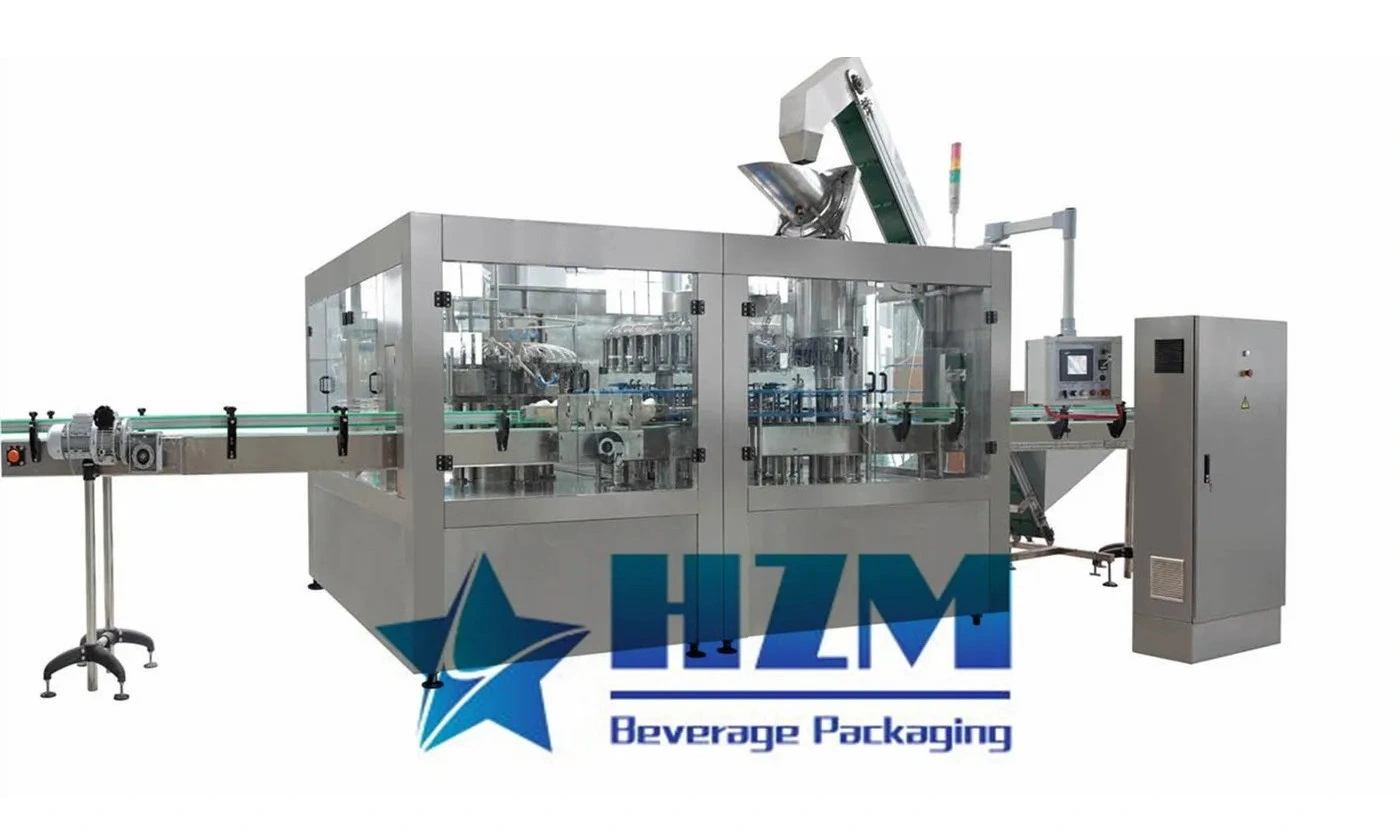
Equipment
Glass Bottle Juice Beverage Filling Machine
Glass bottle juice filling with rinsing and capping, for juice, tea and other still beverages.
Learn more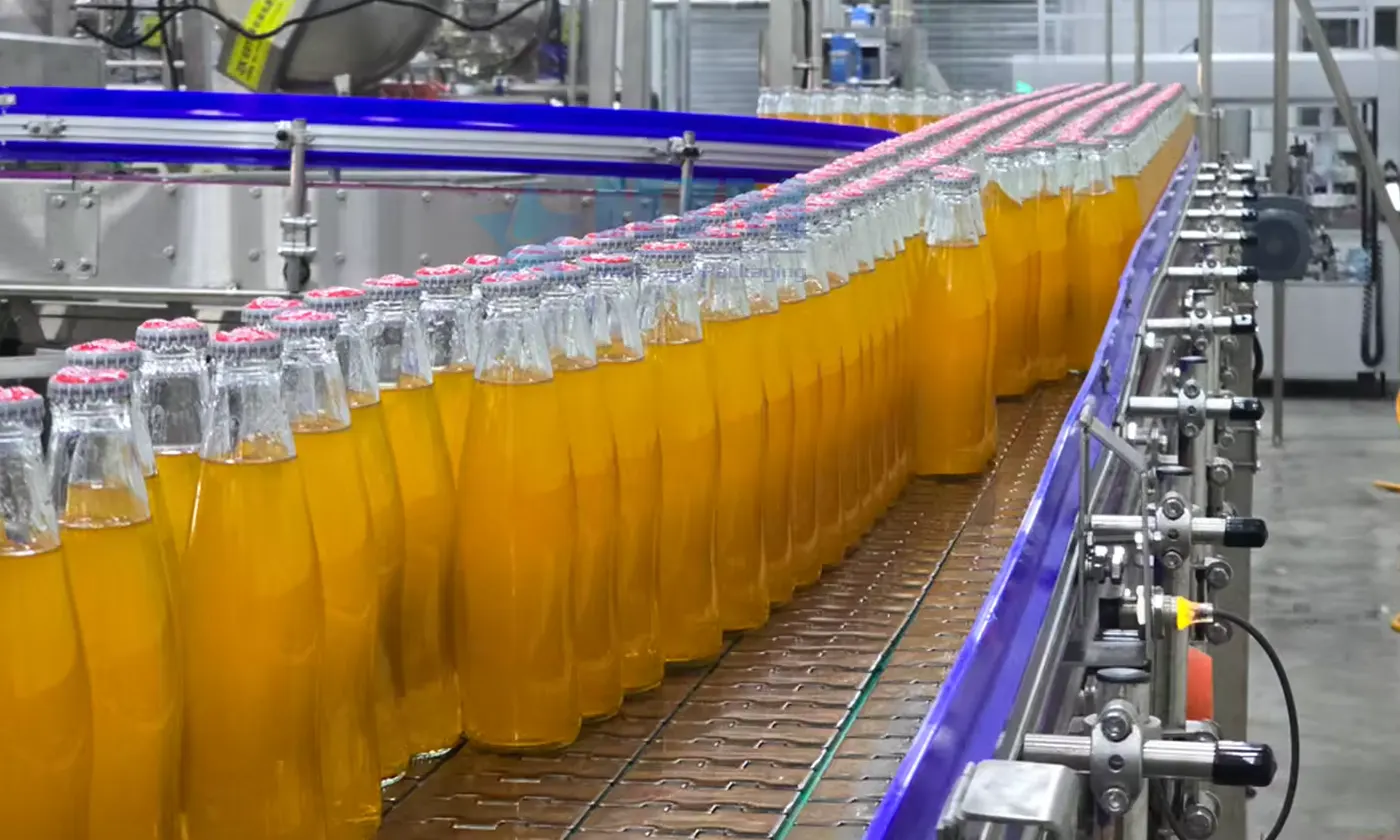
Equipment
Glass Bottle Carbonated Beverage Filling Bottling Line
This glass bottle carbonated beverage line combines bottle rinsing, isobaric filling and capping with conveying, labelling and packing.
Learn more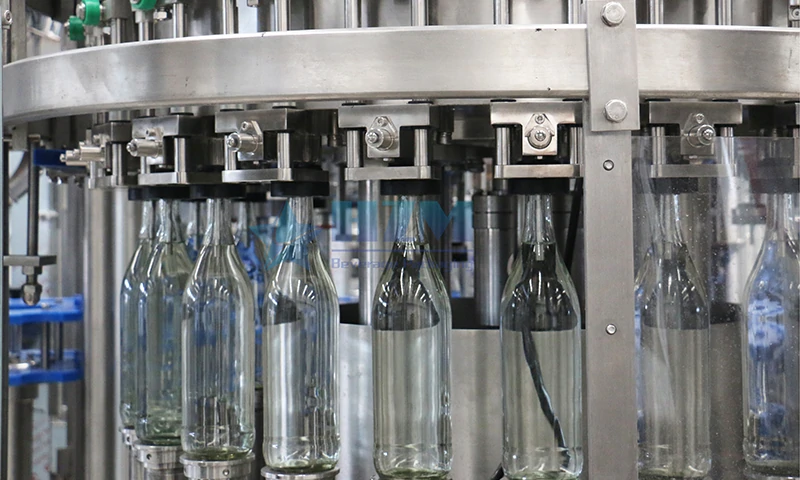
Equipment
Glass Bottle CSD & Water Drinks Filling Machine
DXGF24-24-8-8 glass bottle isobaric filling for carbonated drinks, with rinsing and two capping stations.
Learn more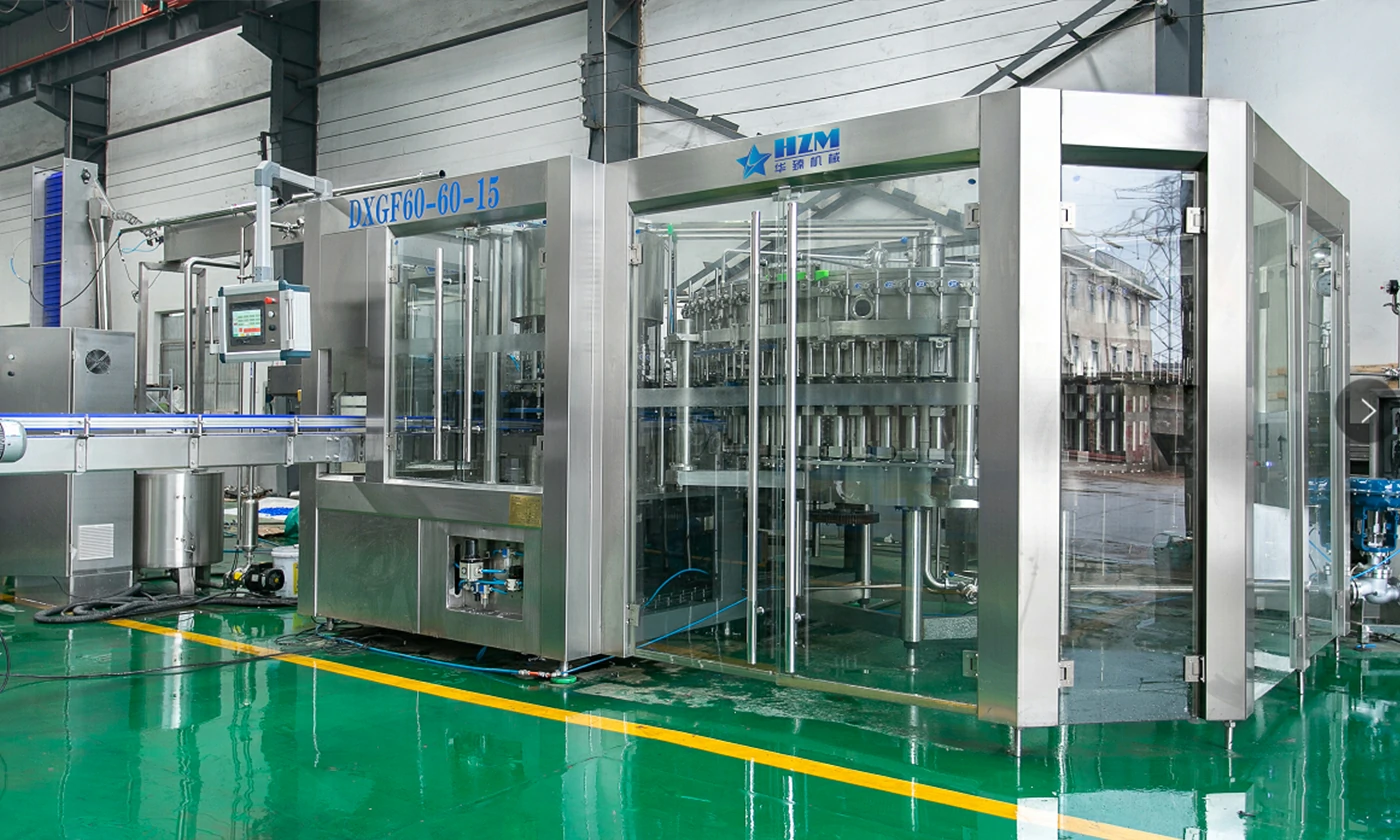
Equipment
Glass Bottle Beer & Beverage Filling Machine
DXGF60-60-15 glass bottle rinsing, isobaric filling and capping for beer and beverages, at 18,000 bottles/hour for 500 ml bottles.
Learn more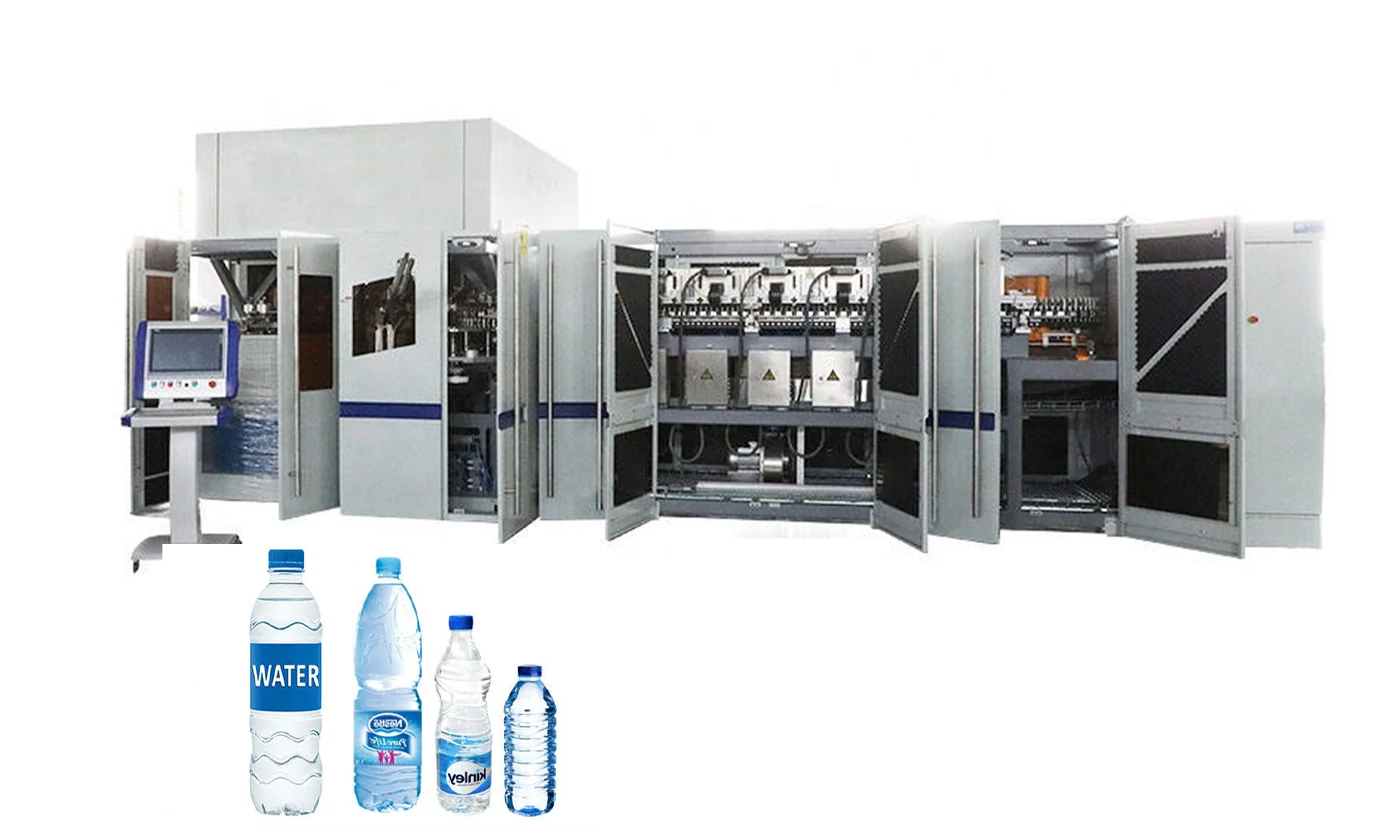
Equipment
Automatic PET Bottle Blowing Filling Capping Machine – Best price beverage machinery
Automatic PET bottle blowing, filling and capping, with capacities of 12,000–48,000 bottles/hour at 500 ml and bottle volumes up to 2 L.
Learn more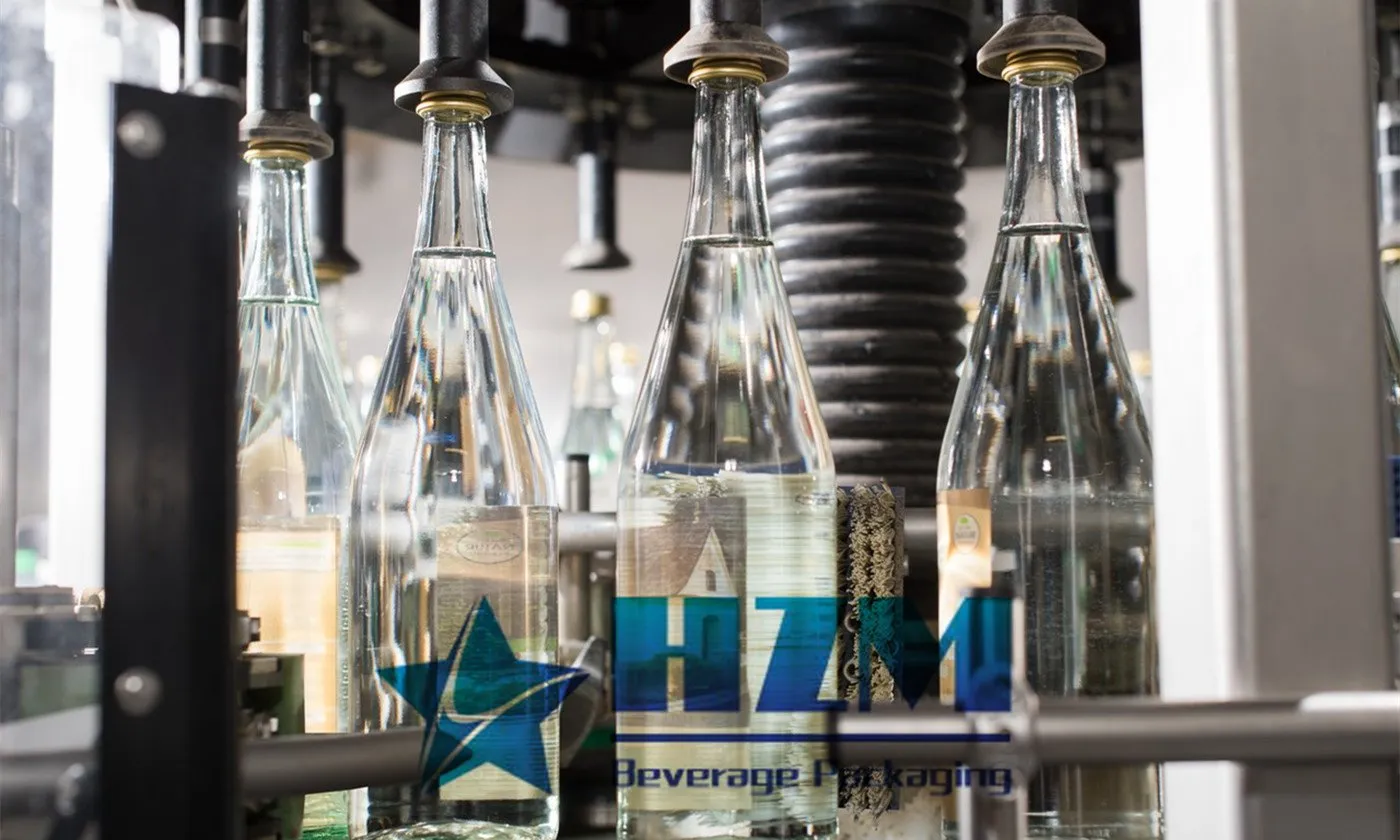
2024-05-25
Working Principle of the Automatic Cap Sorting and Capping Machine
While the working principles of automatic capping machines may vary depending on the manufacturer, model, and application, they are generally designed to efficiently and accurately seal caps onto containers, meeting production needs and ensuring product quality.
Learn more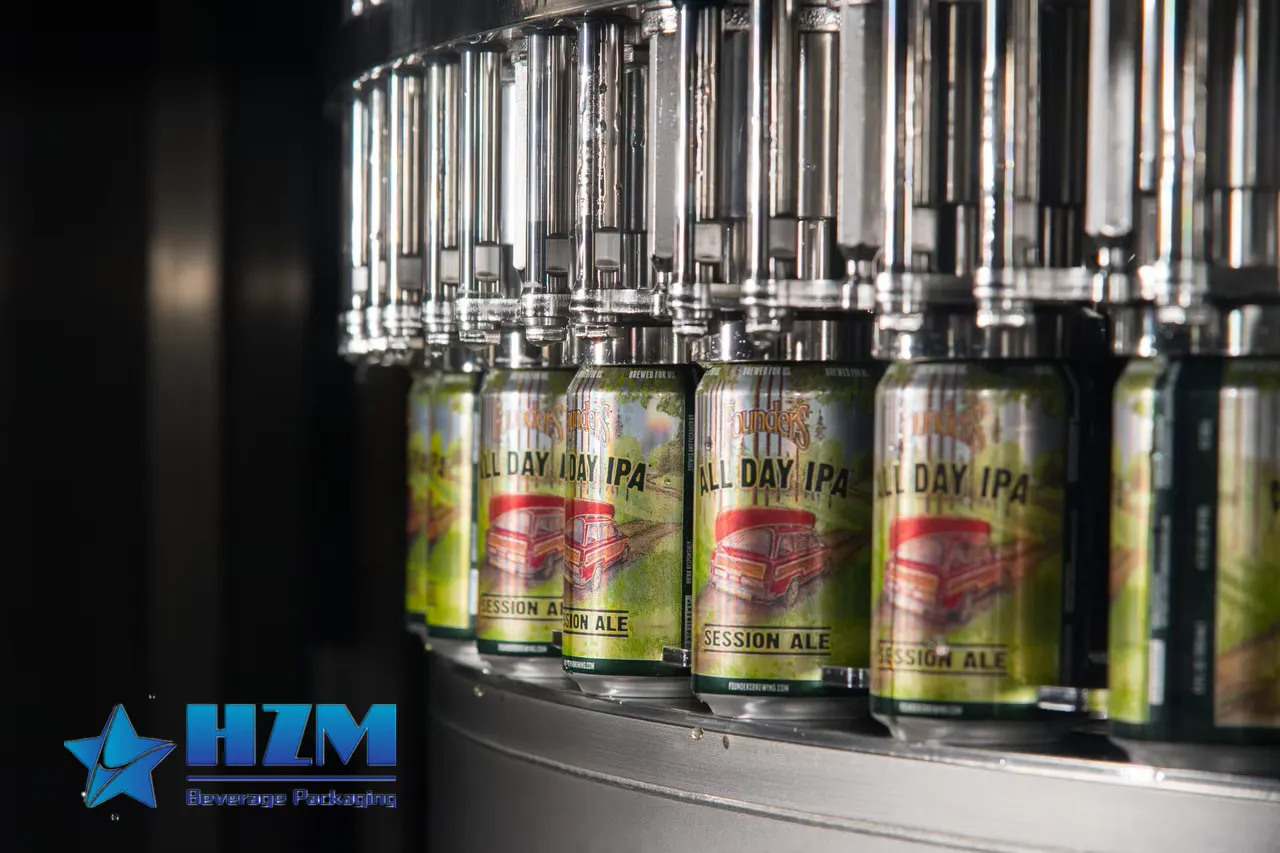
2024-11-15
Beverage Production Line Operation Guide: Enhancing Your Production Efficiency
Before beginning beverage production, it’s crucial to prepare the production line. This includes inspecting and maintaining equipment, checking the quality and sufficiency of raw materials, and training operators
Learn more2023-06-07
Glass Bottle Packaging Equipment
What’s timeless, classic, and beautiful to look at? The answer is Water, Juice, Dairy, Liquor, CSD, Beer, Wine, Pharma, Cosmetic etc products in glass packaging.
Learn more
2023-12-23
Detailed Process of Food and Beverage Packaging
The process of food and beverage packaging encompasses the entire process of packaging, including the preparation of raw materials, the selection and configuration of packaging equipment, and the various steps involved in packaging operations. The following is a detailed process of food and beverage packaging. I. Preparation of Raw Materials Raw materials for food and […]
Learn more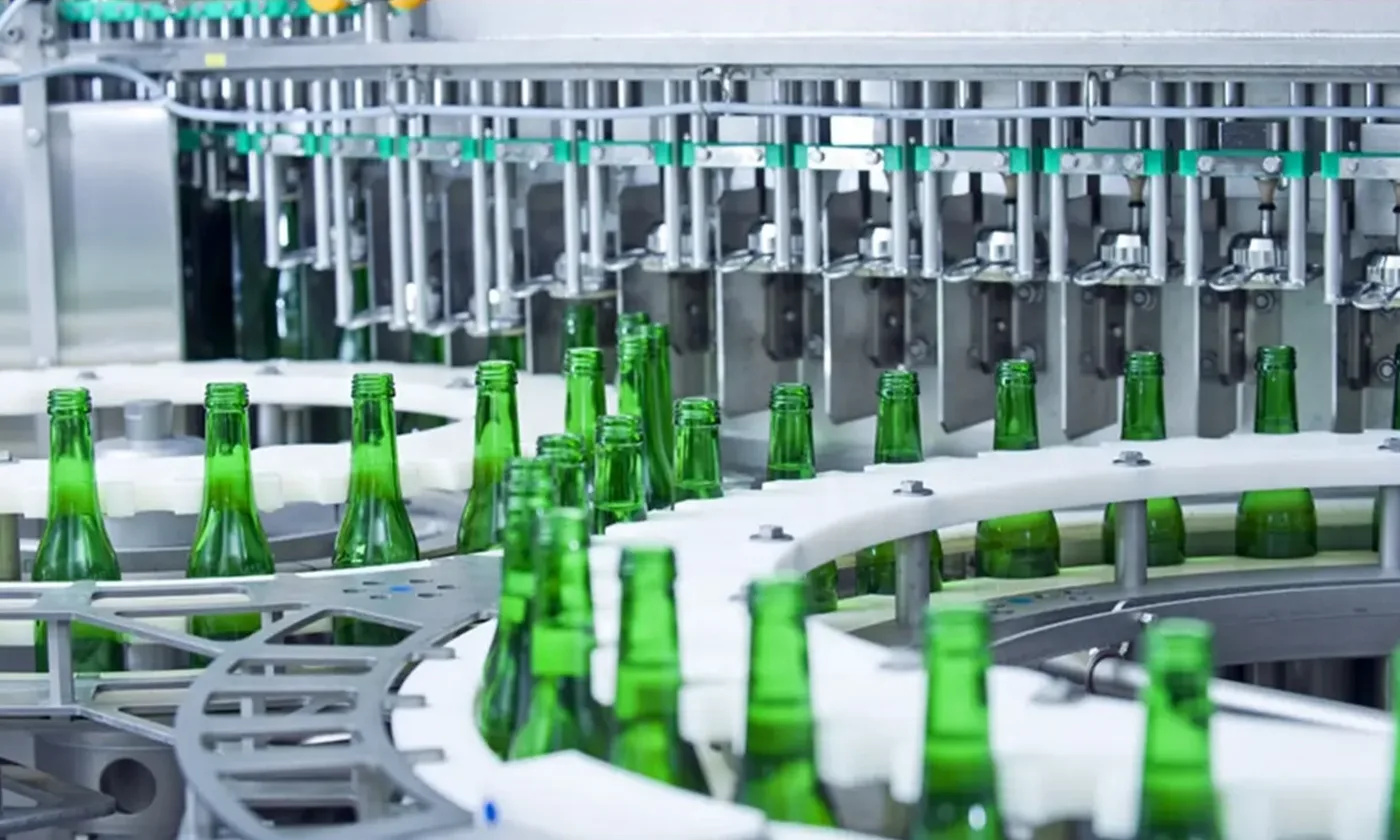
2026-07-24
Glass Bottle CSD Filling and Capping Line: Buyer’s Guide
A practical guide to glass bottle carbonated drink filling and capping lines, covering counter-pressure filling, bottle handling, closure choice, line balance and acceptance testing.
Learn more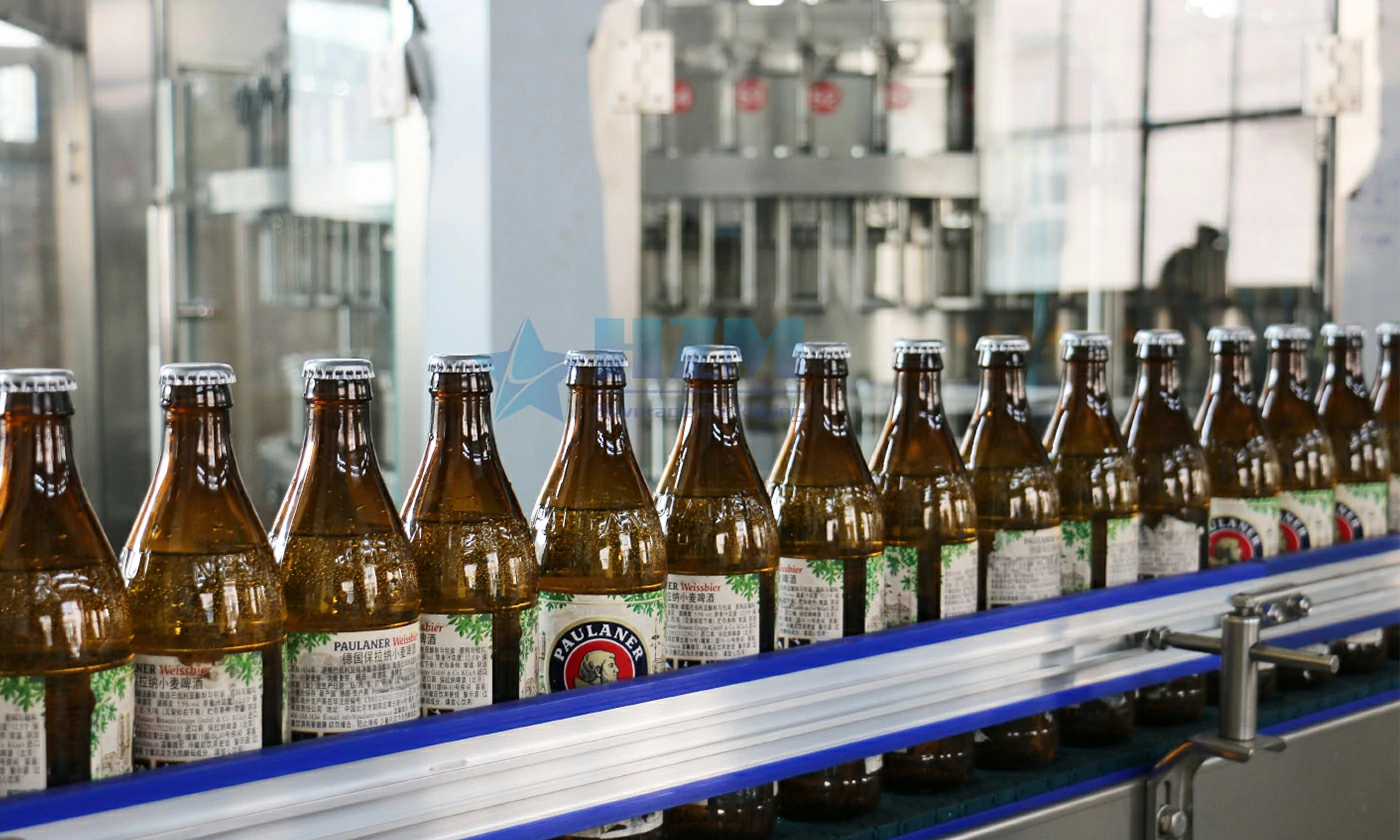
2025-03-25
glass bottle making machine manufacturers: glass bottle manufacturer in china
China has emerged as a global leader in the production of advanced glass bottle manufacturing and filling equipment, driven by cutting-edge technology, cost-efficiency, and a commitment to innovation.
Learn more