
Insights & Updates
Working Principle of the Automatic Cap Sorting and Capping Machine
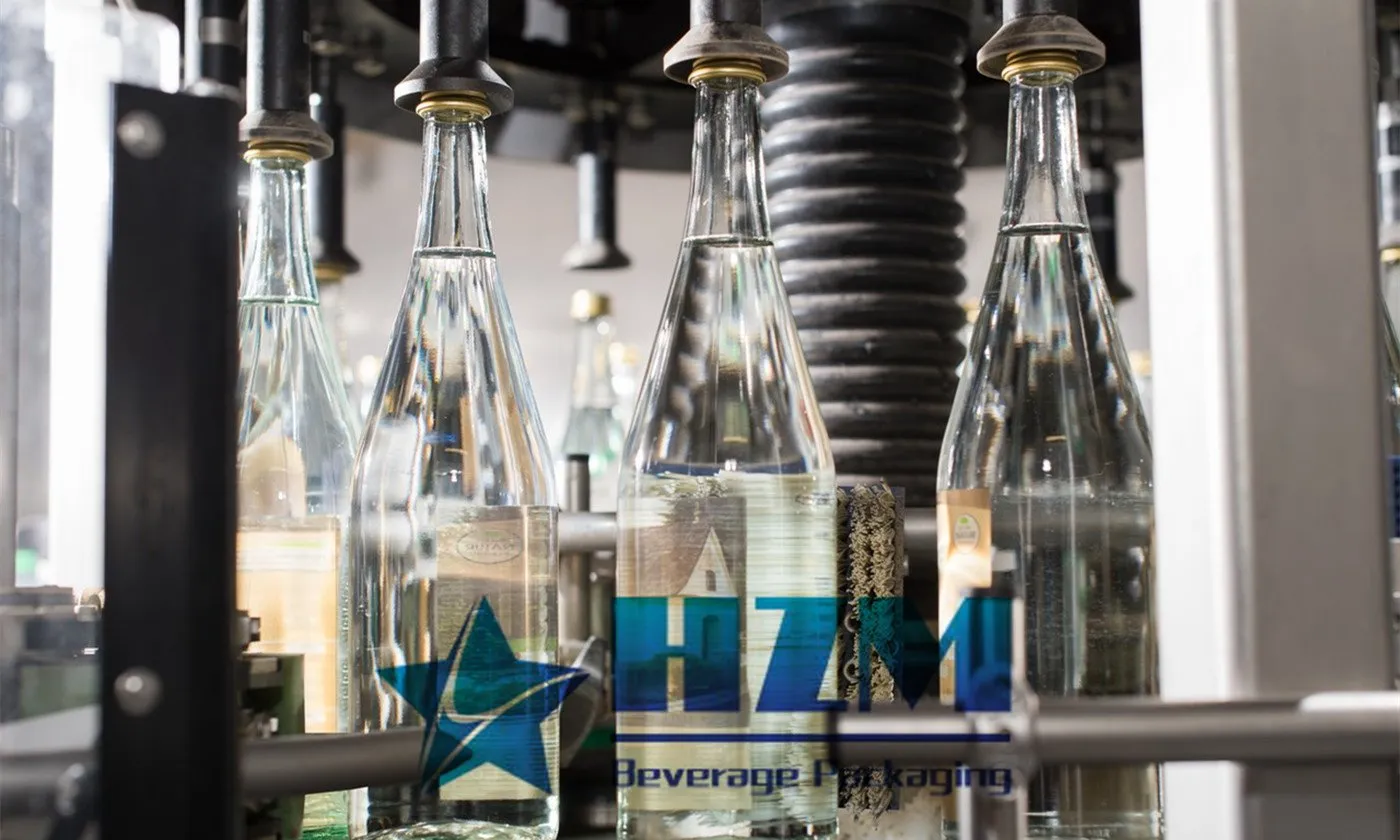
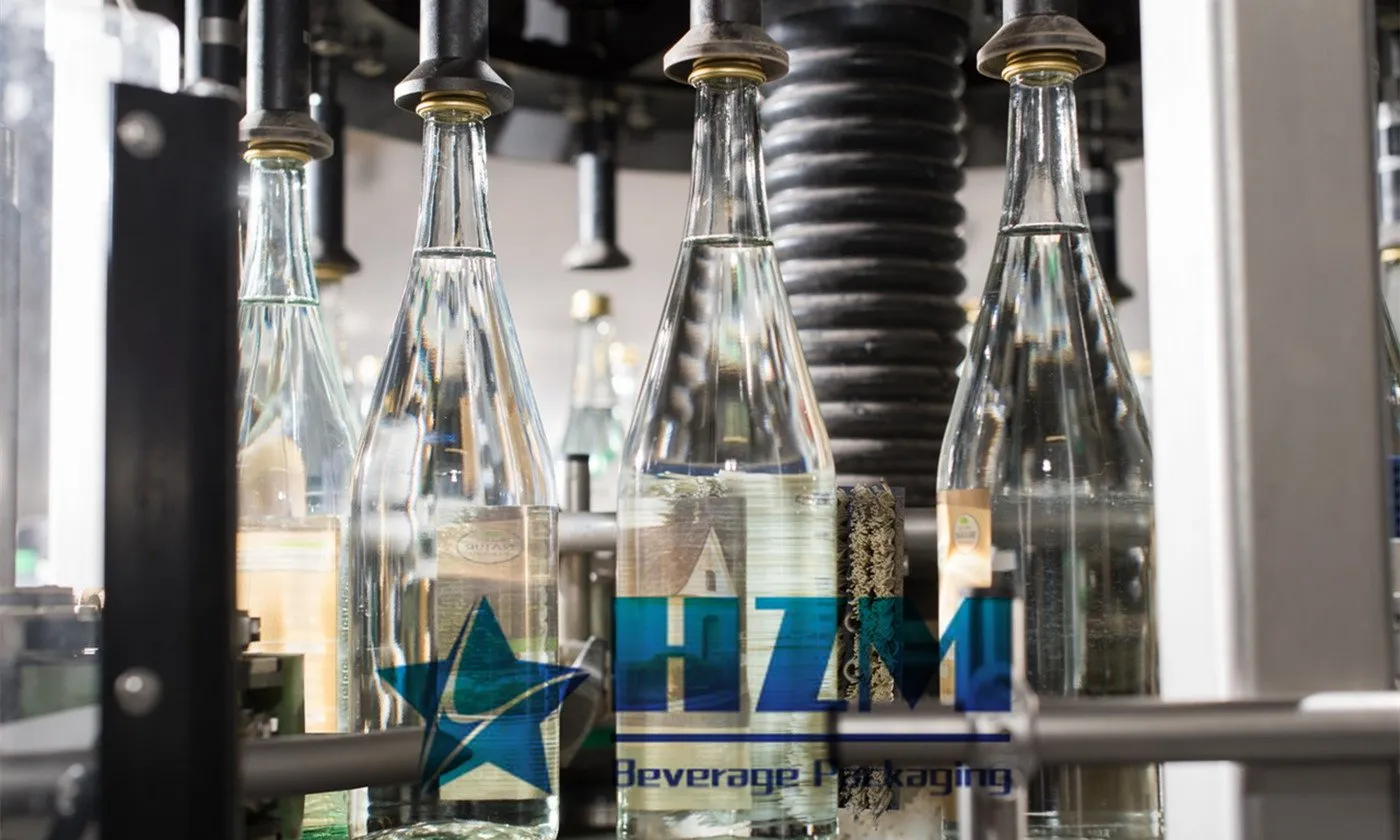
The automatic cap sorting and capping machine is designed to seal containers efficiently. Its working principle typically involves the following steps:
Automatic Cap Sorting and Capping Machine
- Cap Supply: Unprocessed caps are stored in a container and then transported to the capping machine’s work area via a conveyor belt, vibration system, or other mechanical means.
- Cap Positioning: Using sensors and other devices, the automatic capping machine detects and determines the cap’s position and orientation, ensuring that the cap is accurately placed above the container for subsequent sealing operations.
- Container Positioning: Before sealing, the container must also be positioned correctly. This can be achieved through the use of a conveyor belt, clamps, robotic arms, or similar mechanisms.
- Capping Operation: Once both the cap and container are properly positioned, the capping machine uses appropriate mechanical components (such as a pressure head or pressure arm) to press the cap tightly onto the container, ensuring a secure seal.
- Transfer to the Next Workstation: After the capping operation is completed, the container is typically transferred to the next workstation for subsequent processes such as packaging and labeling.
- Fault Detection and Handling: Like other automated equipment, the automatic capping machine is usually equipped with sensors to detect faults, errors, or abnormal situations. Upon detecting an issue, the machine may stop operation or trigger an alarm, waiting for the operator to address the problem.
While the working principles of automatic capping machines may vary depending on the manufacturer, model, and application, they are generally designed to efficiently and accurately seal caps onto containers, meeting production needs and ensuring product quality.
Talk to our engineering team
Need help planning your packaging line?
Share your product, bottle and capacity requirements for a practical equipment recommendation.
Equipment
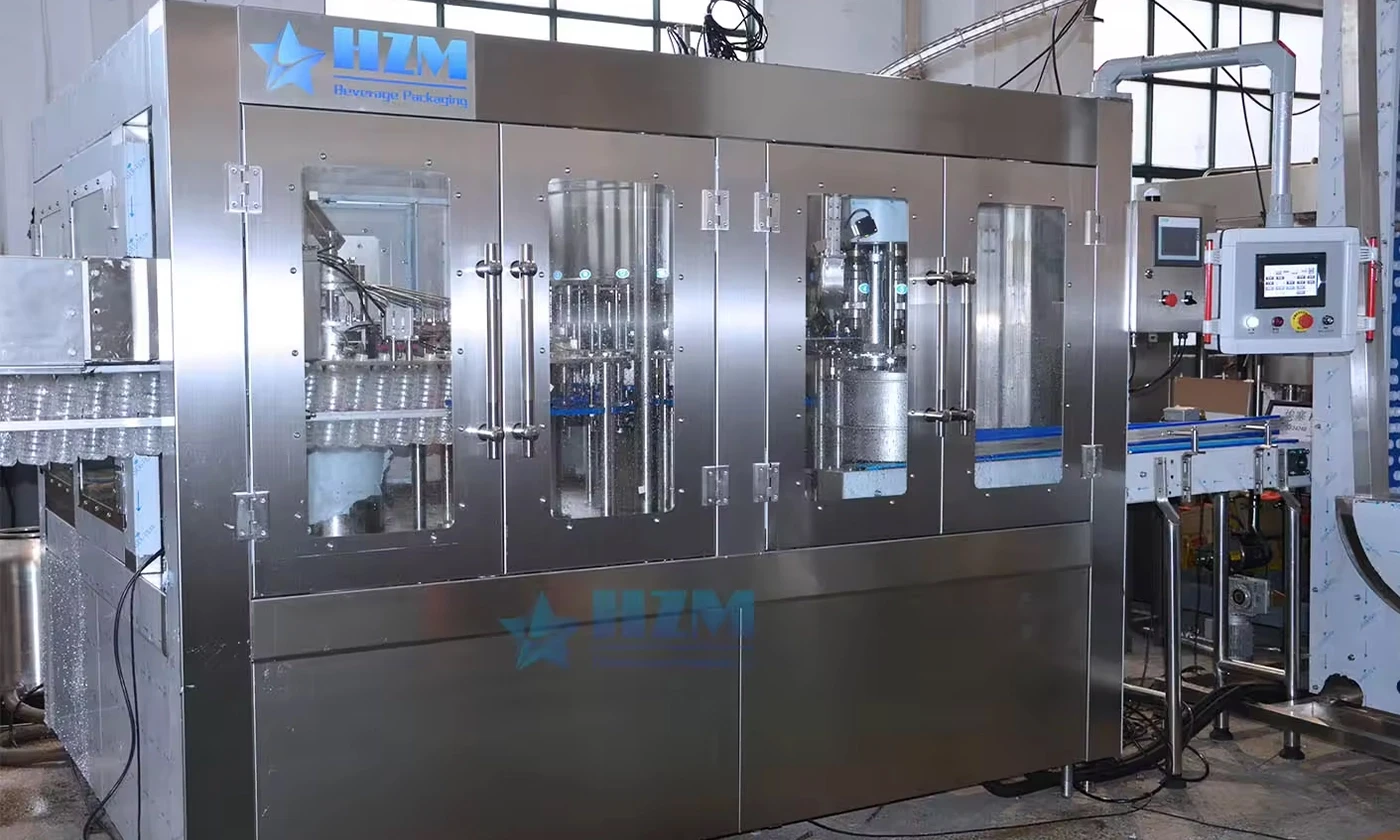
Bottle Washing-Filling-Capping Machine
Large-bottle water rinsing, filling and capping with design outputs of 1,500 bottles/hour at 5 L, 1,000 at 7 L and 700 at 10 L.
Learn more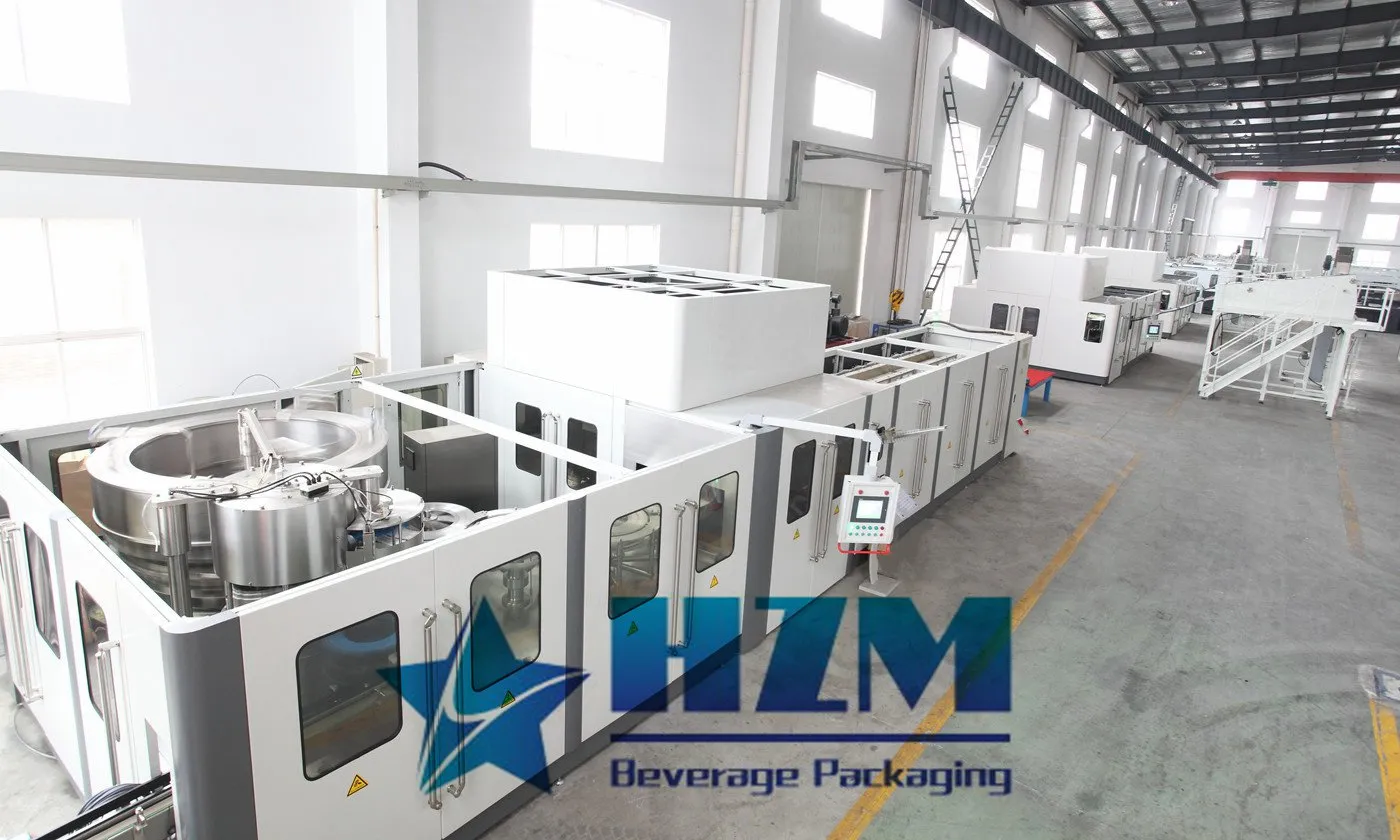
Equipment
Blowing-Filling-Capping Machine
A PET combiblock that combines preform heating, bottle blowing, filling and capping at 12,000–48,000 bottles/hour at 500 ml.
Learn more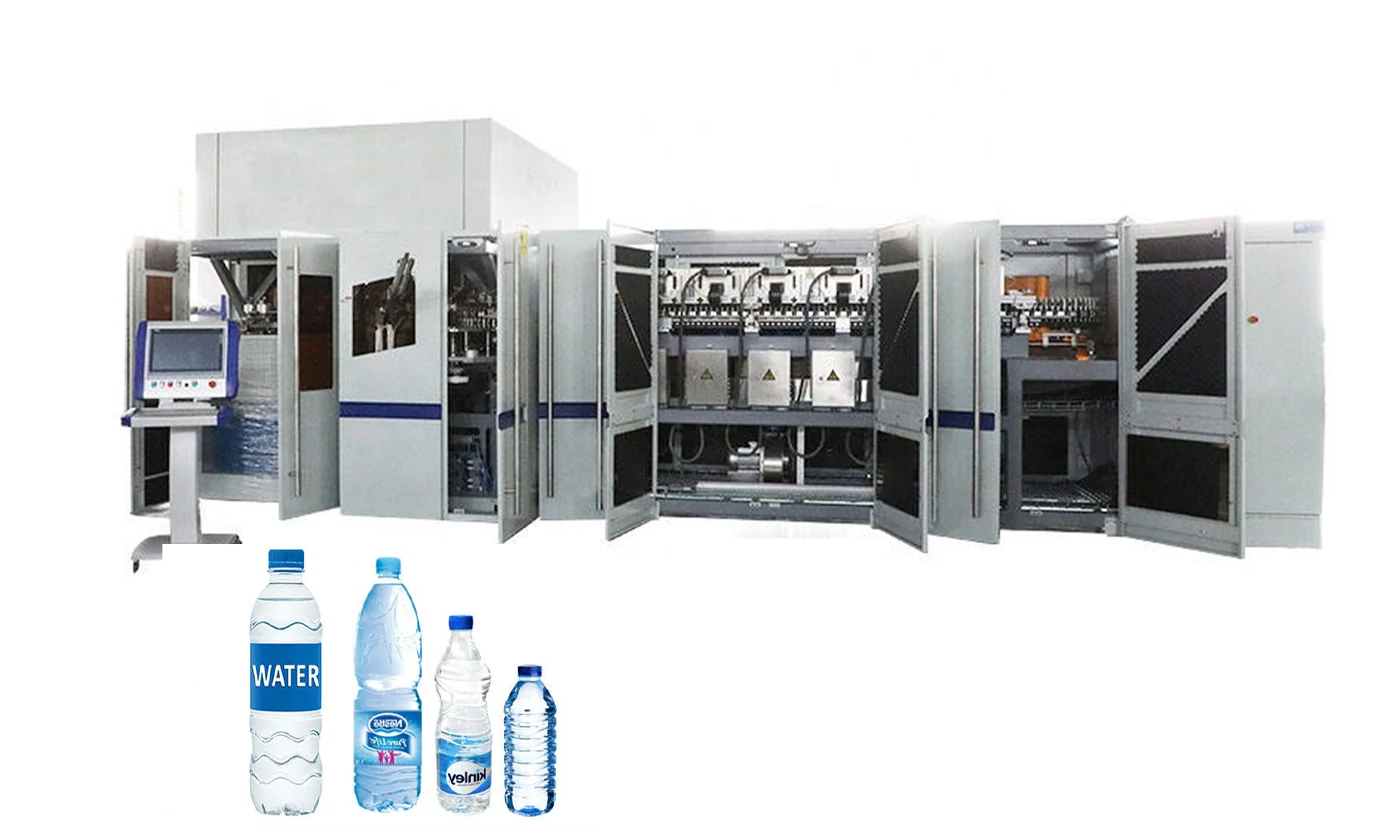
Equipment
Automatic PET Bottle Blowing Filling Capping Machine – Best price beverage machinery
Automatic PET bottle blowing, filling and capping, with capacities of 12,000–48,000 bottles/hour at 500 ml and bottle volumes up to 2 L.
Learn more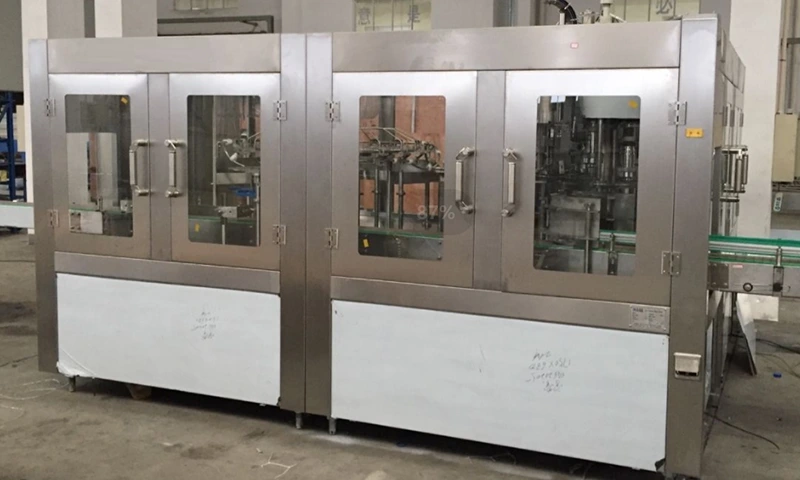
Equipment
10L Water Filling Machine 1200BPH – Automatic Washing Filling Capping Machine
RSXGF12-12-5(110Π) automatic rinsing, filling and capping for 10 L water bottles at 1,100–1,200 bottles/hour.
Learn more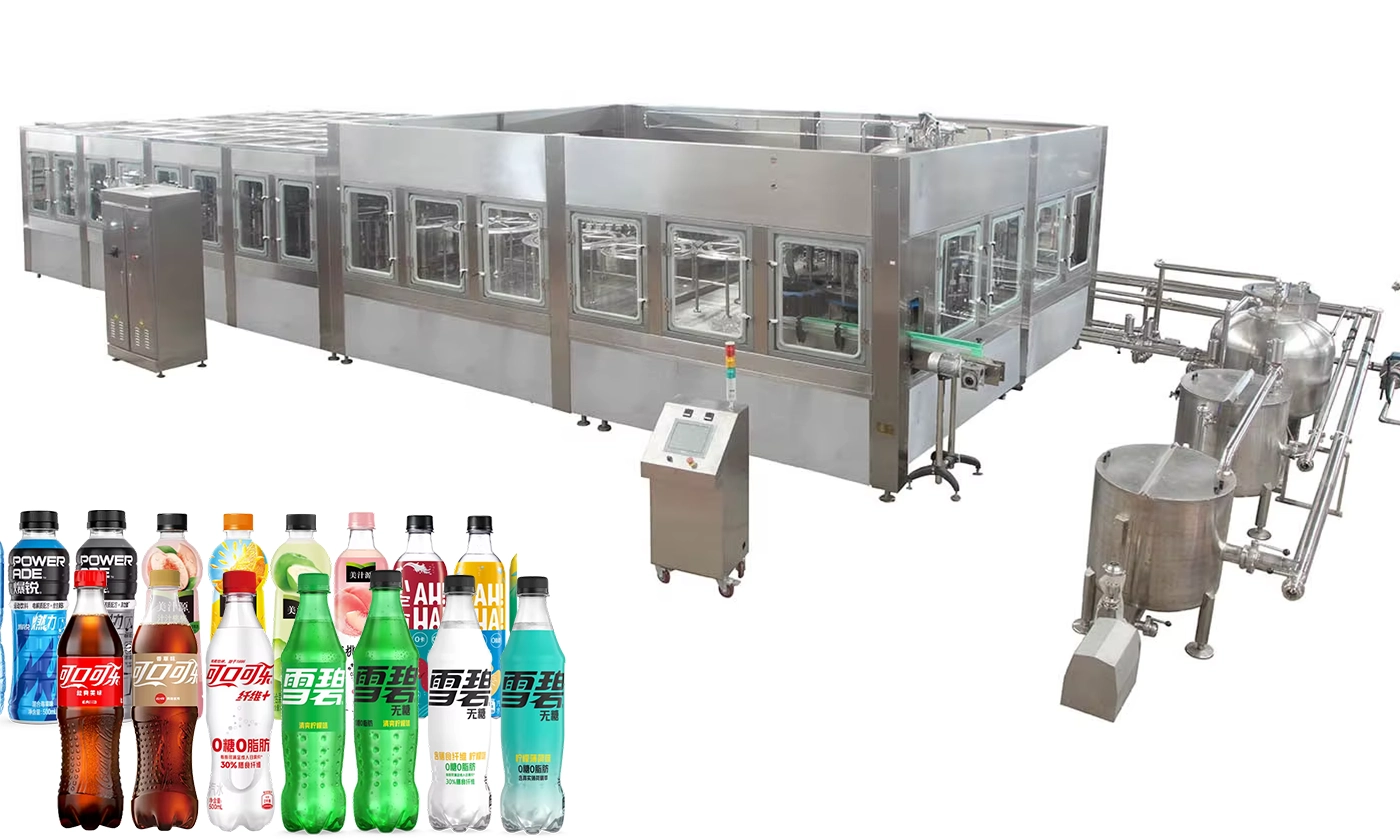
Equipment
Rinsing, Filling And Capping Monoblock Machines
HZM monoblock machines combine bottle rinsing, filling and capping in a continuous operation.
Learn more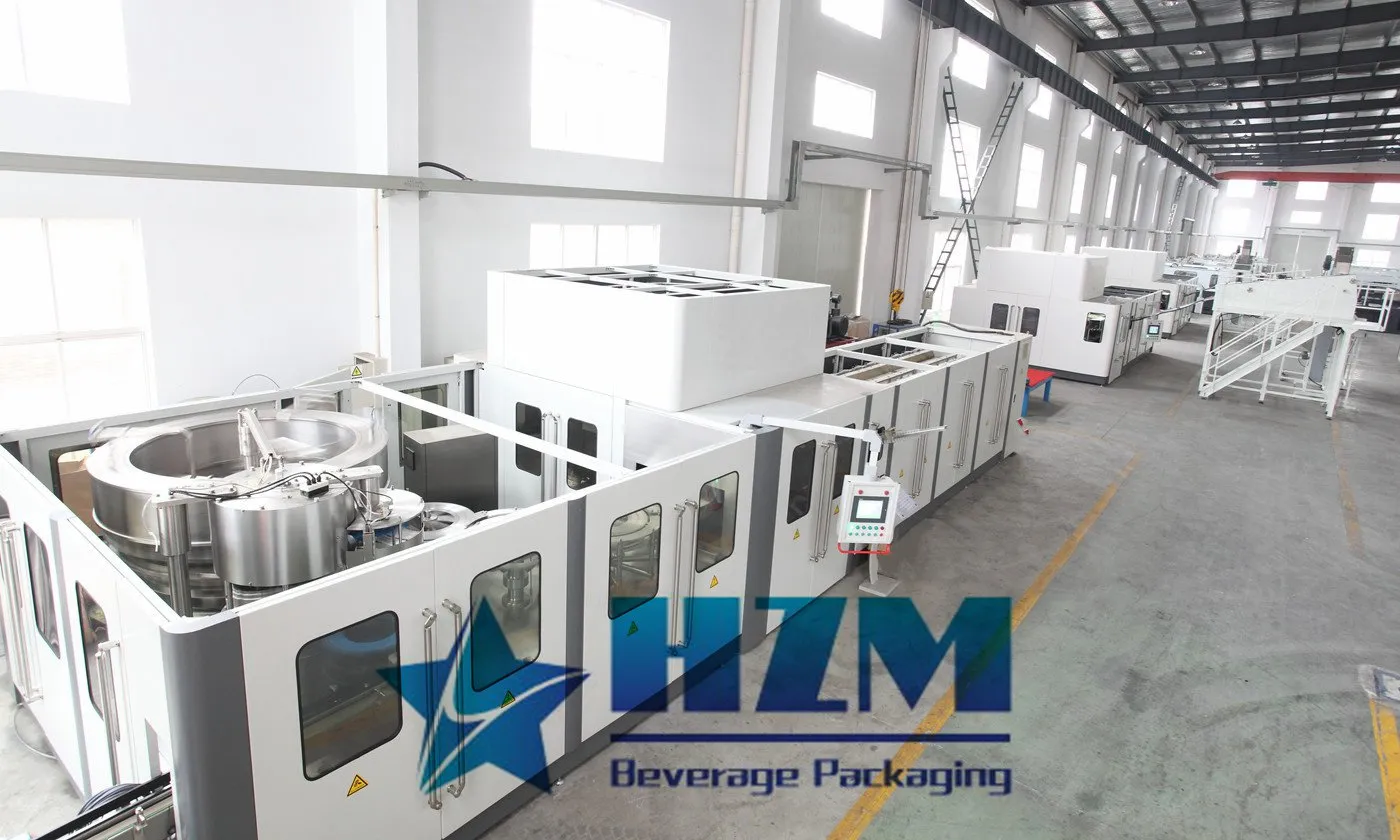
Equipment
Blowing Filling Capping Combiblock for Water and Beverage Packaging
PET bottle blowing, filling and capping in one combiblock for water and beverage production, from 12,000 to 48,000 bottles/hour at 500 ml.
Learn more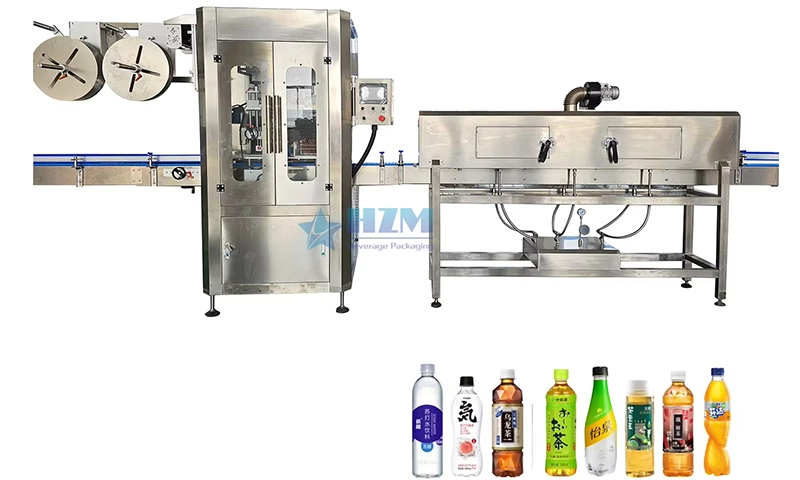
Equipment
Automatic Shrink Sleeve Bottles Labeling Capping Packing Machine
Automatic shrink sleeve application for beverage bottles, with SHB capacities of 9,000–27,000 bottles/hour.
Learn more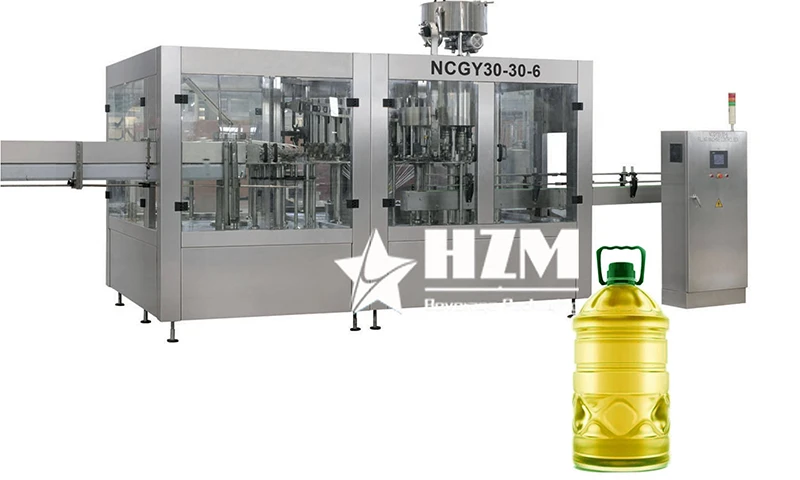
Equipment
2-in-1 Monoblock Edible Cooking Oil Filling and Capping Machine
The 2-in-1 monoblock fills and caps bottles of edible cooking oil in a continuous operation.
Learn more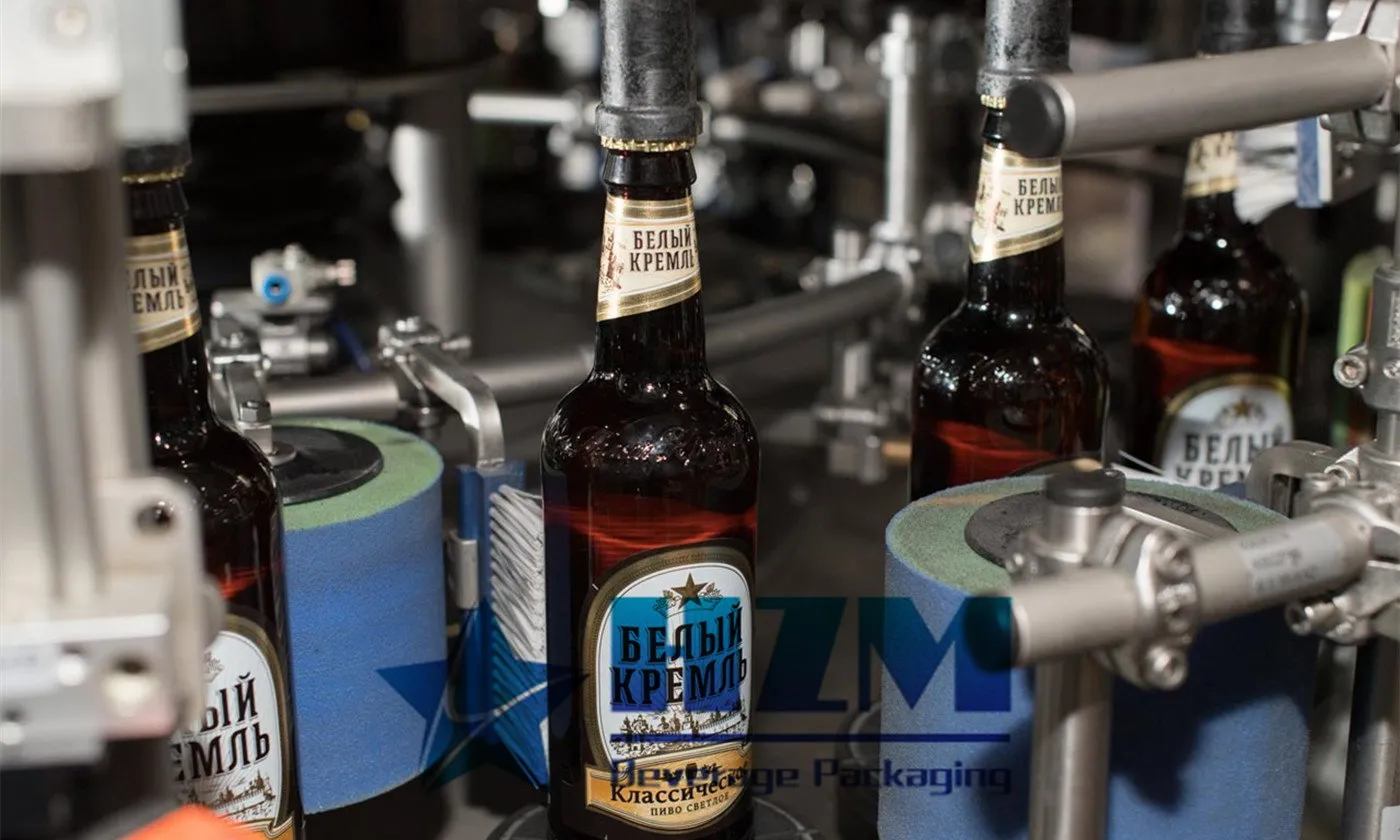
2024-05-21
Working Principle and Detailed Operation of the Fully Automatic Glass Bottle Vacuum Capping Machine
The fully automatic glass bottle vacuum capping machine is designed specifically for metal caps (such as tinplate caps, can caps, chili sauce metal caps, etc.). In practical applications, it is usually connected with packaging machinery, filling machinery, and other equipment through a conveyor belt to form a complete production line.
Learn more
2023-08-09
Three-in-One Beverage Filling Machine: Filling, Capping, Labeling
The Three-in-One Beverage Filling Machine revolutionizes the beverage production process by integrating three crucial functions into one seamless operation
Learn more2023-06-09
500ml PET bottle Dry Aseptic Filling Capping Machine
High quality 500ml PET bottle Dry Aseptic Filling Capping Machine from China, China's leading 500ml Dry Aseptic Filling Capping Machine product, with strict quality control 350ml Dry Aseptic Filling Capping Machine factories, producing high quality 54000bph Filling Capping Machine products.
Learn more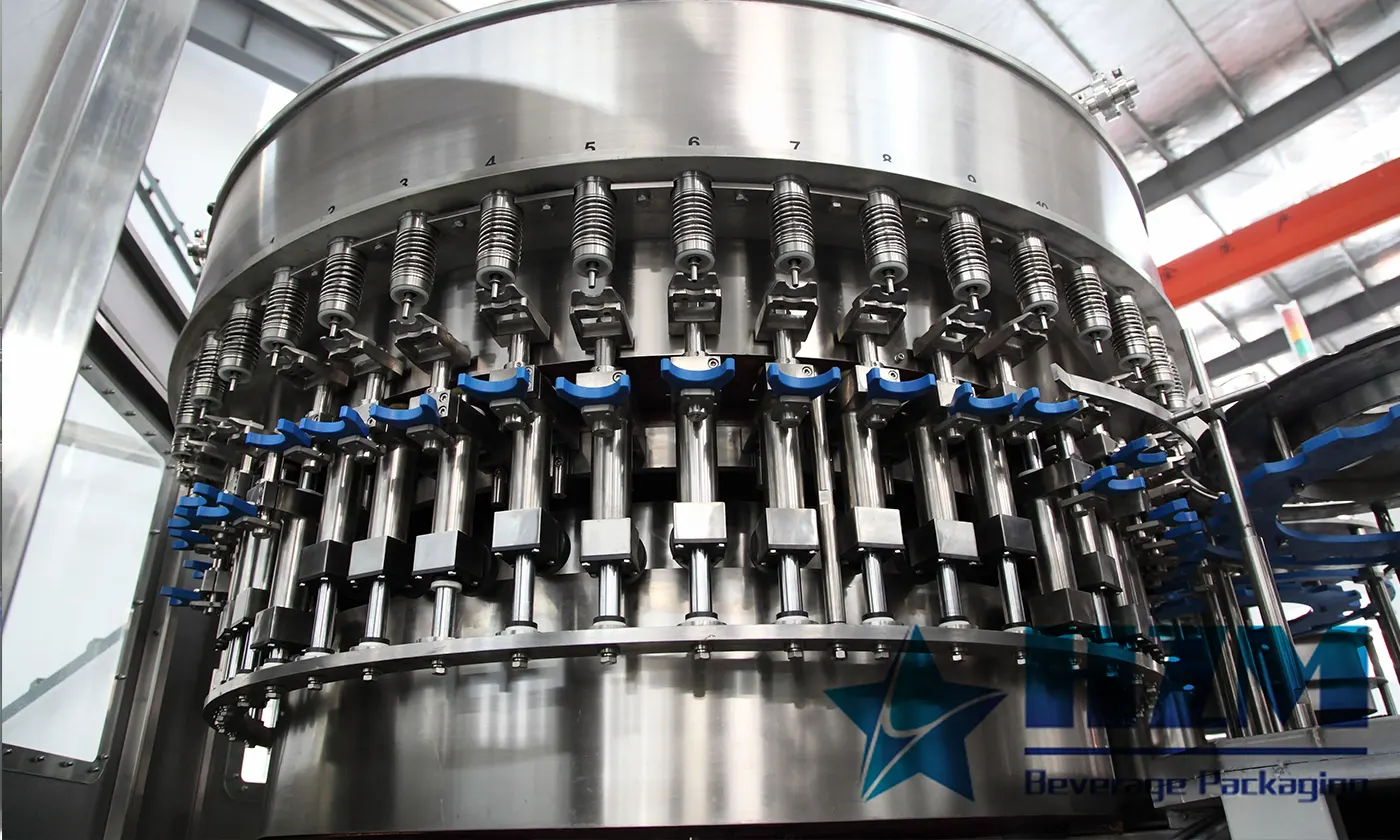
2026-07-24
Key Components of a Filling Machine: Rinsing, Filling and Capping Explained
Understand the main components of beverage filling equipment and how the rinser, filler, capper, product circuit, drives, sensors and controls work together.
Learn more2023-06-09
Three Rinsing Filling Capping 5 in 1 Monoblock Machine
High quality Three Rinsing Filling Capping 5 in 1 Monoblock Machine from China, China's leading spout pouch filling and capping machine product, with strict quality control Spout Pouch Filling Capping Machine factories, producing high quality 1500bph Pouch Filling And Capping Machine products.
Learn more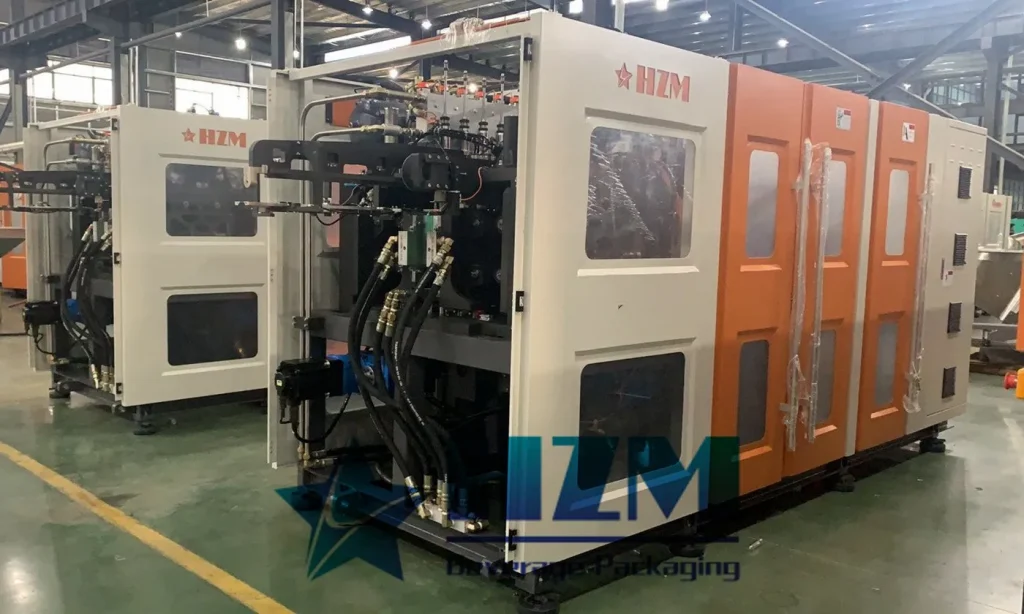
2023-09-26
What Is a Fully Automatic Blow Molding, Filling, and Capping Integrated Machine?
A fully automatic blow molding, filling, and capping integrated machine is a highly automated apparatus that combines several critical functions. Its primary tasks include blow molding plastic bottles, filling them with liquid products, and then capping and sealing the bottles.
Learn more