
Insights & Updates
An Easy-to-Understand Maintenance Plan for Beverage Packaging Machines
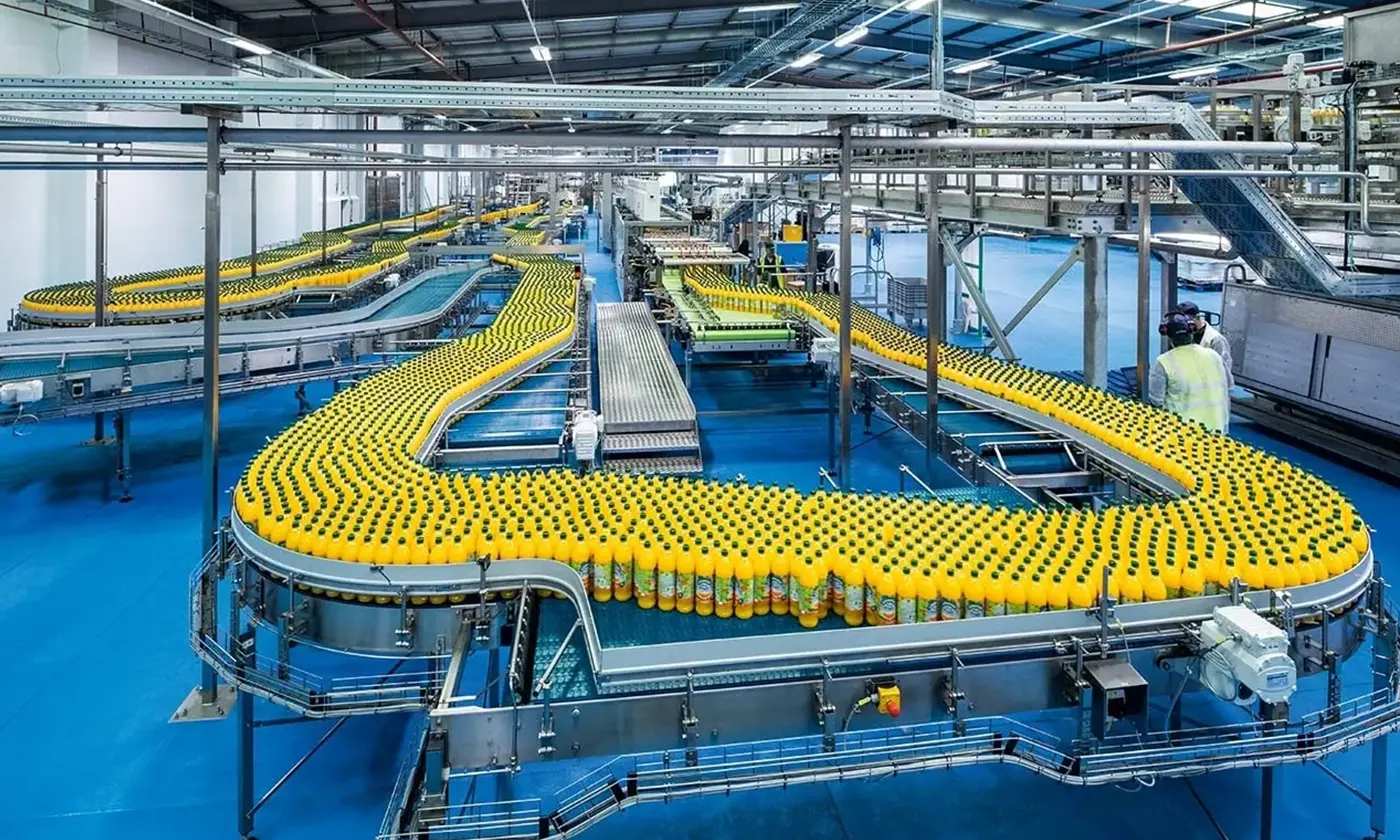
As the beverage industry continues to evolve, the smooth operation of beverage packaging machines is crucial for the efficiency of production lines. To ensure your machine operates seamlessly, we have devised an easy-to-understand maintenance plan to keep your packaging machine in peak condition.
1. Cleaning and Maintenance
Regular cleaning is the first step in ensuring the proper functioning of a beverage packaging machine. Pay particular attention to the following:
- Conveyor Belts: Check for cleanliness and remove any debris. Use a brush or an air blower to clean, ensuring smooth operation.
- Lubrication Points: Ensure mechanical parts have adequate lubrication. Use the appropriate lubricating oil to prevent wear and tear.
- Sensors: Clean optical sensors and liquid level sensors, ensuring they can accurately detect products and control liquid levels.
2. Regular Inspections
Conduct comprehensive inspections at regular intervals to ensure all parts of the machine are in good condition:
- Equipment Status: Check for unusual sounds, vibrations, or odors. If any abnormalities are found, promptly troubleshoot the issue.
- Sensor Calibration: Periodically calibrate optical sensors and other sensors to maintain their accuracy.
- Fasteners: Inspect bolts and nuts on the equipment, ensuring all components are securely fastened.
3. Liquid Level Control
Maintaining proper liquid level control is crucial for the packaging process:
- Check Liquid Level Sensors: Ensure liquid level sensors are functioning properly to prevent inaccurate liquid level control.
- Adjust Liquid Level Parameters: Depending on the characteristics of different beverages, adjust liquid level control parameters to ensure packaging quality.
4. Operator Training
Equally important is ensuring operators can operate the equipment correctly and safely:
- Training Program: Develop a training program to ensure operators understand the basic principles of the equipment, common troubleshooting methods, and emergency shutdown procedures.
- Safe Operation: Emphasize the importance of safety awareness among operators, ensuring the use of appropriate personal protective equipment during operations.
By implementing this straightforward maintenance plan, you can easily extend the lifespan of your beverage packaging machine, ensure packaging quality, and keep your production line running efficiently. Remember, regular care is the key to the health and longevity of your machine!
Talk to our engineering team
Need help planning your packaging line?
Share your product, bottle and capacity requirements for a practical equipment recommendation.
2026-09-02
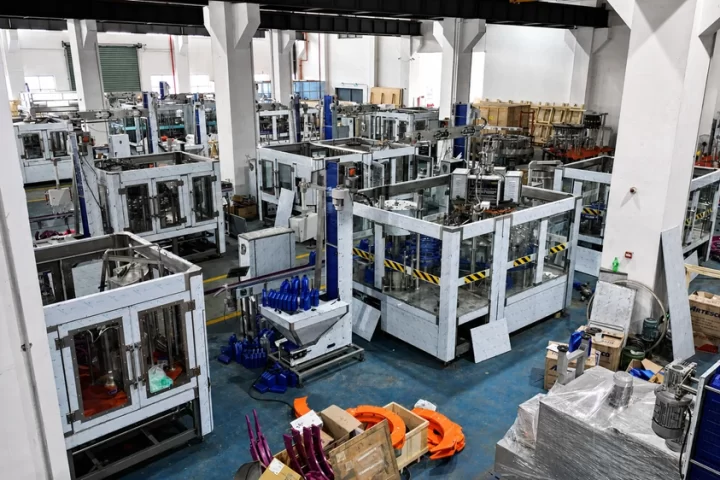
How to Plan Safe Access for Beverage Production Line Installation and Maintenance
Practical guidance on planning operating platforms, walkways and temporary access for beverage production line installation, inspection, cleaning and maintenance.
Learn more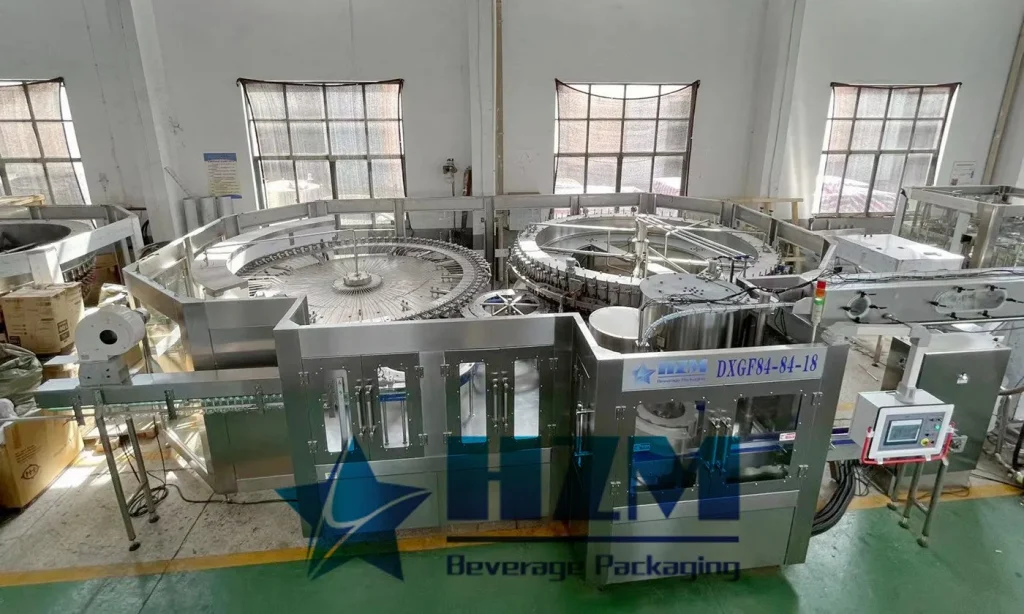
2023-08-17
Purchasing Plan for Carbonated Drink Filling Machine
In the beverage production industry, acquiring a suitable Carbonated Drink Filling Machine is a critical decision that ensures efficient operation of the production line and product quality
Learn more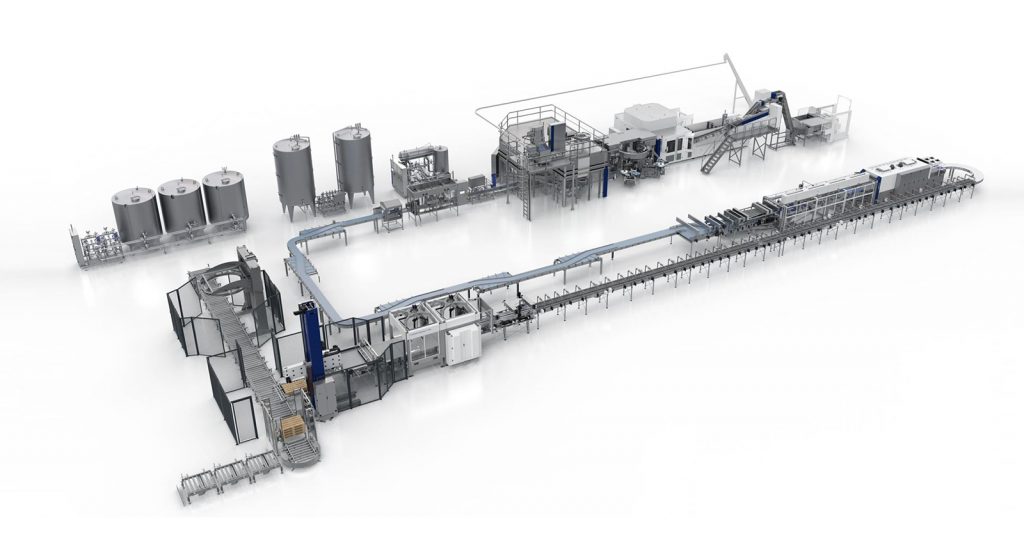
2023-09-18
Comprehensive Equipment Plan for Mineral Water Production
This plan outlines the key components and processes for setting up a mineral water production line, focusing on equipment selection, workflow optimization, quality assurance, and sustainability.
Learn more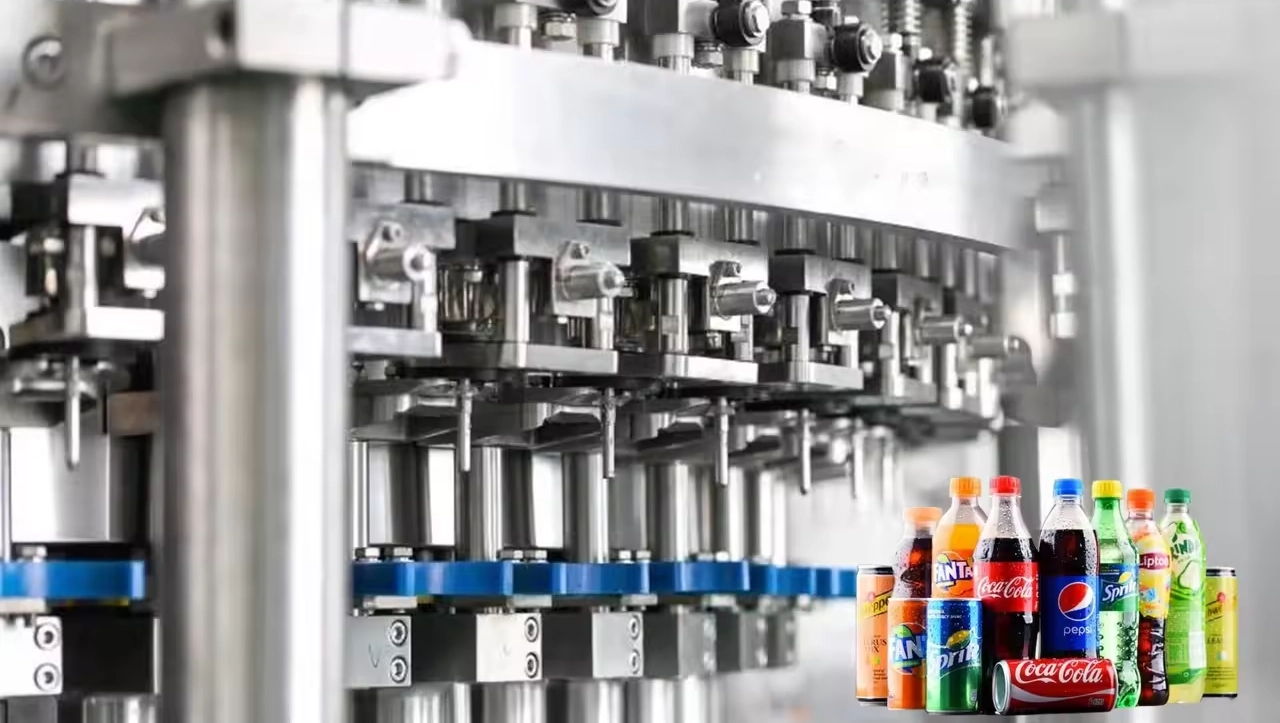
2024-10-09
Beverage Packaging Machine: Cleaning and Maintenance Guide
The beverage packaging machine is a crucial piece of equipment in beverage production, primarily used to fill beverages into containers. To ensure sanitary and safe production and prevent contamination, regular cleaning and maintenance of the machine are essential.
Learn more2023-09-17
Mineral Water Business Plan
Starting a mineral water business can be a rewarding venture, both financially and environmentally. This comprehensive business plan outlines the key elements necessary to establish and operate a successful mineral water company, covering everything from market analysis to operational strategies.
Learn more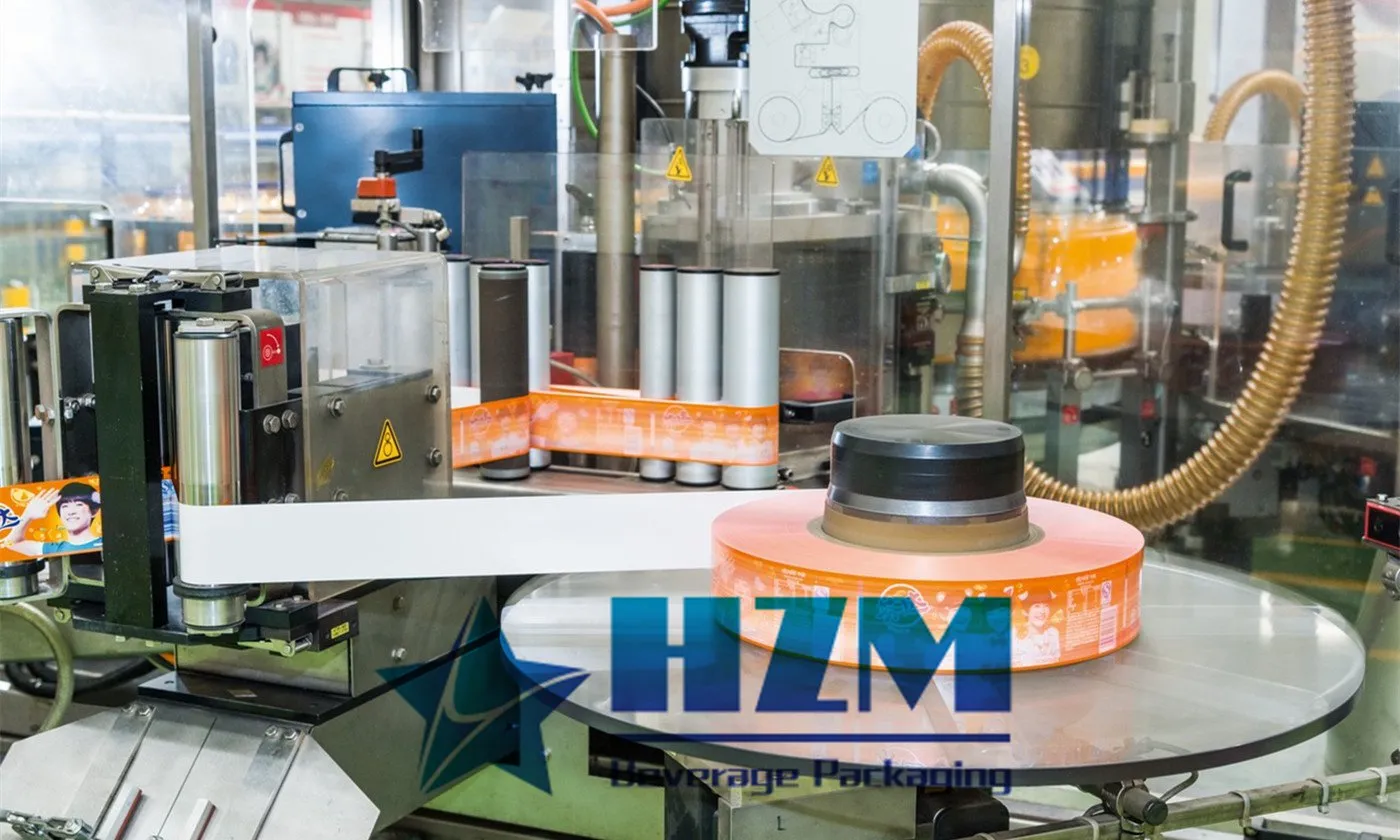
2024-02-29
Essential Maintenance Tips for Labeling Machines
Like countless other mechanical devices, the use of a labeling machine is inseparable from daily correct operation and maintenance. Only when both are carried out simultaneously can the labeling machine perform with maximum efficiency.
Learn more