
Insights & Updates
Beverage Filling Machines and Industry 4.0: Embracing the Future of Manufacturing
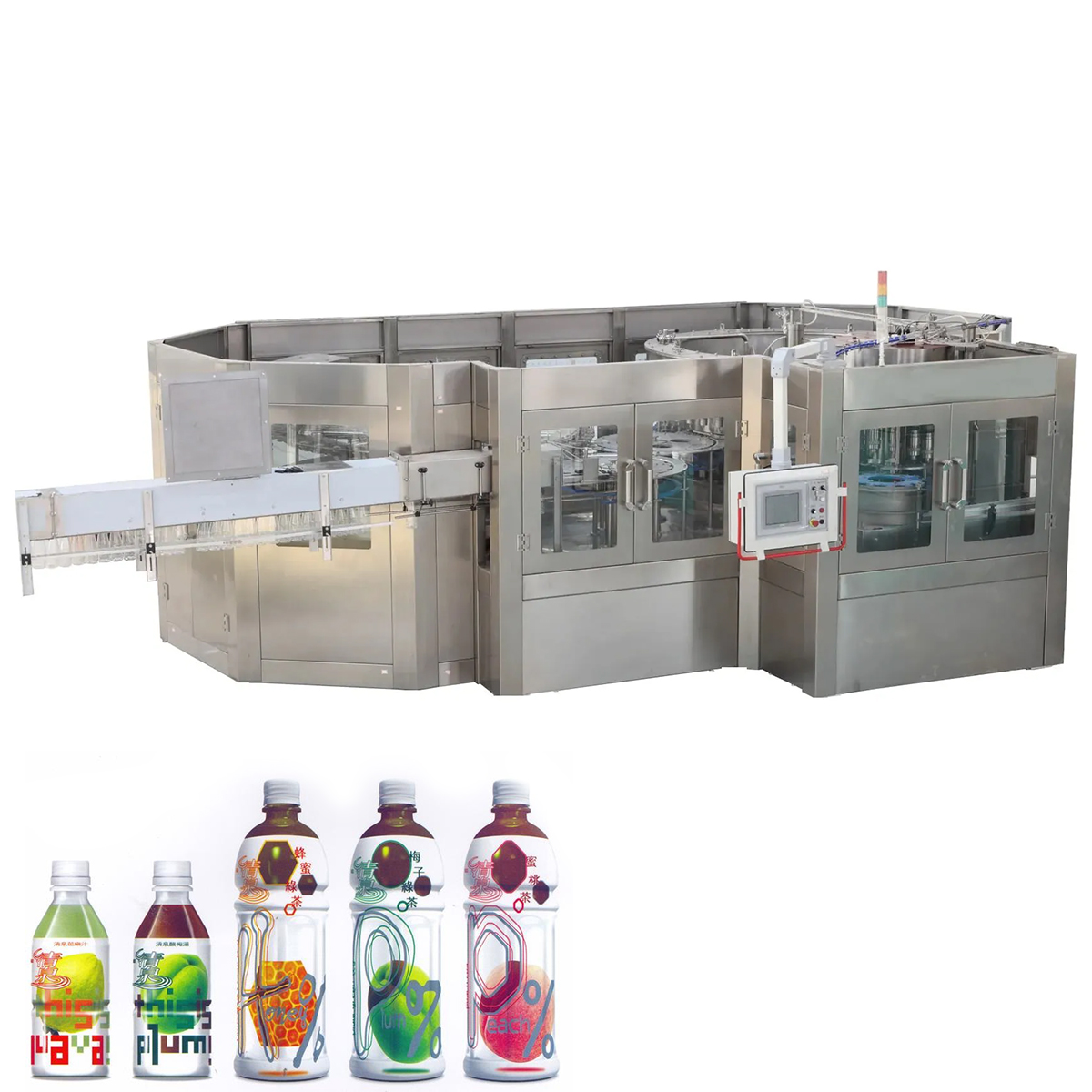
Industry 4.0, characterized by the integration of digital technologies into manufacturing processes, has revolutionized various industries, including the beverage filling machine sector. This article explores the profound impact of Industry 4.0 on beverage filling machines, highlighting its role in enhancing efficiency, optimizing operations, improving product quality, and enabling smart manufacturing.
Enhanced Efficiency through Automation and Connectivity
Industry 4.0 brings automation and connectivity to beverage filling machines, enabling seamless integration of processes and data exchange. Automated systems, equipped with sensors and actuators, facilitate faster and more precise filling operations, reducing human intervention and improving overall production efficiency. Connectivity among machines, through the Internet of Things (IoT), allows real-time monitoring and control, ensuring smooth workflow and proactive maintenance.
Optimal Operations with Data Analytics and Artificial Intelligence
Industry 4.0 empowers beverage filling machines with advanced data analytics and artificial intelligence (AI) capabilities. Sensor data and production metrics collected during the filling process can be analyzed in real-time, providing valuable insights for process optimization and predictive maintenance. AI algorithms can identify patterns and anomalies, enabling proactive decision-making, reducing downtime, and minimizing production errors.
Improved Product Quality and Safety through Quality Control Systems
Industry 4.0 enables beverage filling machines to implement robust quality control systems. Advanced sensors, combined with data analysis and machine learning algorithms, can monitor and detect quality deviations, such as incorrect filling levels or defective packaging. Real-time feedback allows for immediate adjustments, ensuring consistent product quality and enhancing consumer safety.
Smart Manufacturing and Flexibility in Production
Industry 4.0 enables smart manufacturing capabilities in beverage filling machines. Cyber-physical systems (CPS) integrate physical components with digital systems, creating interconnected and adaptive production environments. With the ability to quickly adapt to changing market demands, beverage filling machines can adjust parameters, change recipes, and accommodate different packaging formats, providing manufacturers with flexibility and agility.
Enhanced Maintenance and Predictive Analytics
Industry 4.0 revolutionizes maintenance practices for beverage filling machines. With the integration of IoT sensors and data analytics, machines can continuously monitor their own performance and detect signs of wear or potential failures. Predictive maintenance algorithms analyze historical data and patterns to predict maintenance needs, enabling proactive servicing and minimizing unplanned downtime.
Sustainable and Resource-Efficient Operations
Industry 4.0 promotes sustainable manufacturing practices in beverage filling machines. Through data analytics and optimization algorithms, energy and resource consumption can be monitored and controlled, minimizing waste and reducing environmental impact. Smart sensors and actuators ensure precise ingredient dosing, reducing material wastage and supporting sustainable production practices.
Industry 4.0 has transformed the beverage filling machines sector, enabling automation, connectivity, and intelligence in manufacturing processes. Through enhanced efficiency, optimal operations, improved product quality, and smart manufacturing capabilities, beverage filling machines embrace the future of manufacturing. As Industry 4.0 continues to evolve, the sector will witness further advancements, paving the way for more efficient, flexible, and sustainable production processes in the beverage industry.
Talk to our engineering team
Need help planning your packaging line?
Share your product, bottle and capacity requirements for a practical equipment recommendation.
Equipment
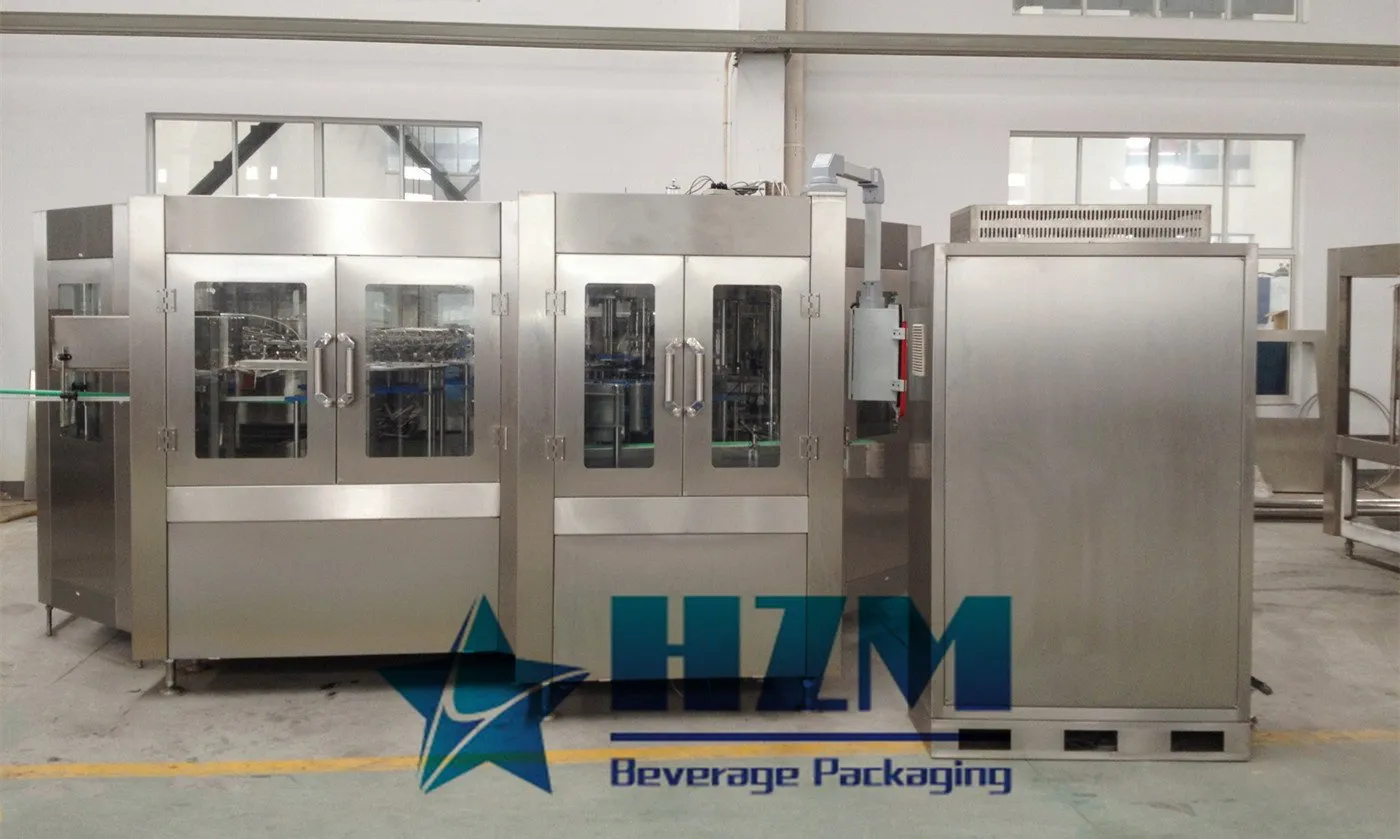
PET Bottle CSD Beverage Filling Machine
Automatic PET bottle rinsing, isobaric filling and capping for cola, soda water and other carbonated soft drinks.
Learn more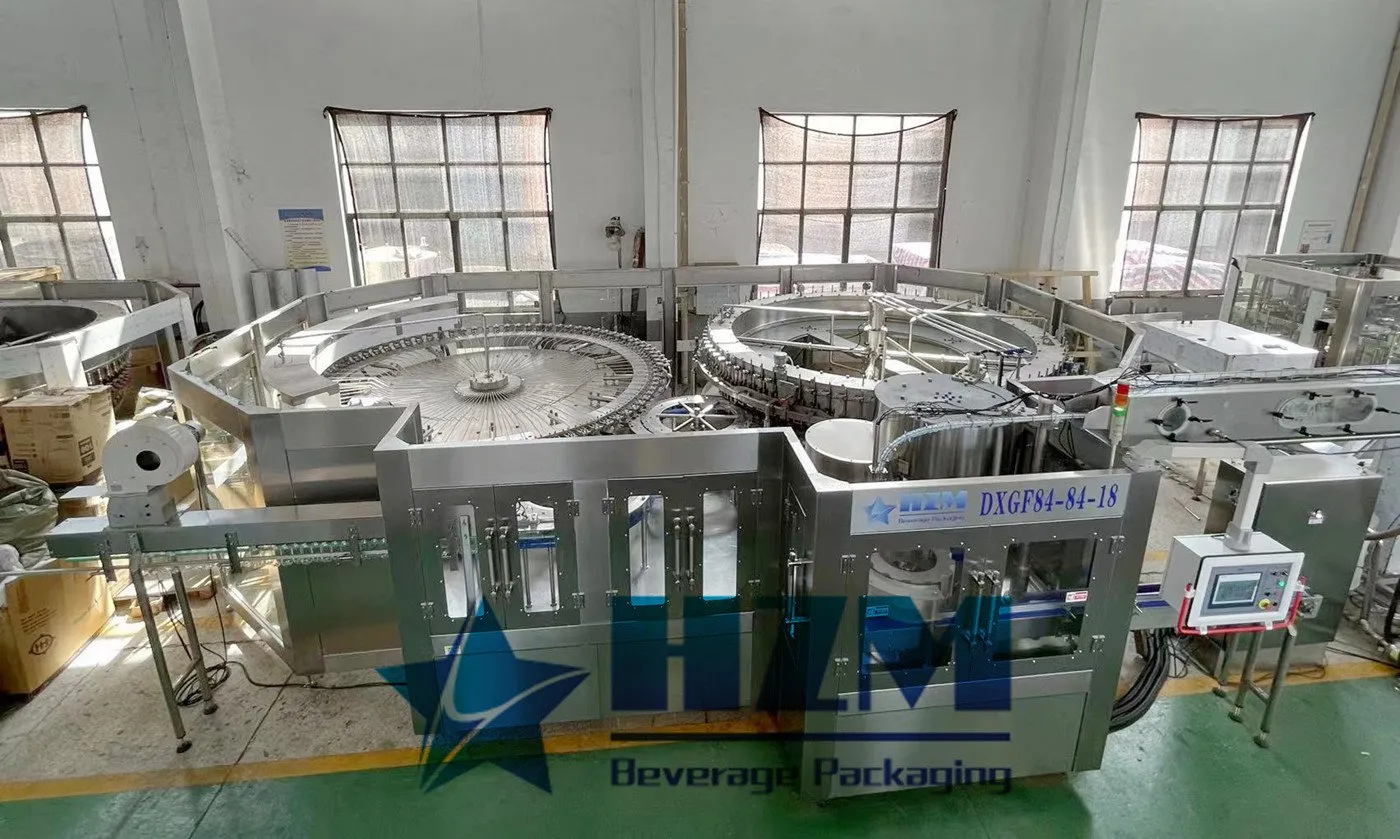
Equipment
Carbonated Drinks Filling Machine
Carbonated drink rinsing, isobaric filling and capping for PET bottles, with capacities of 4,000–36,000 bottles/hour at 500 ml.
Learn more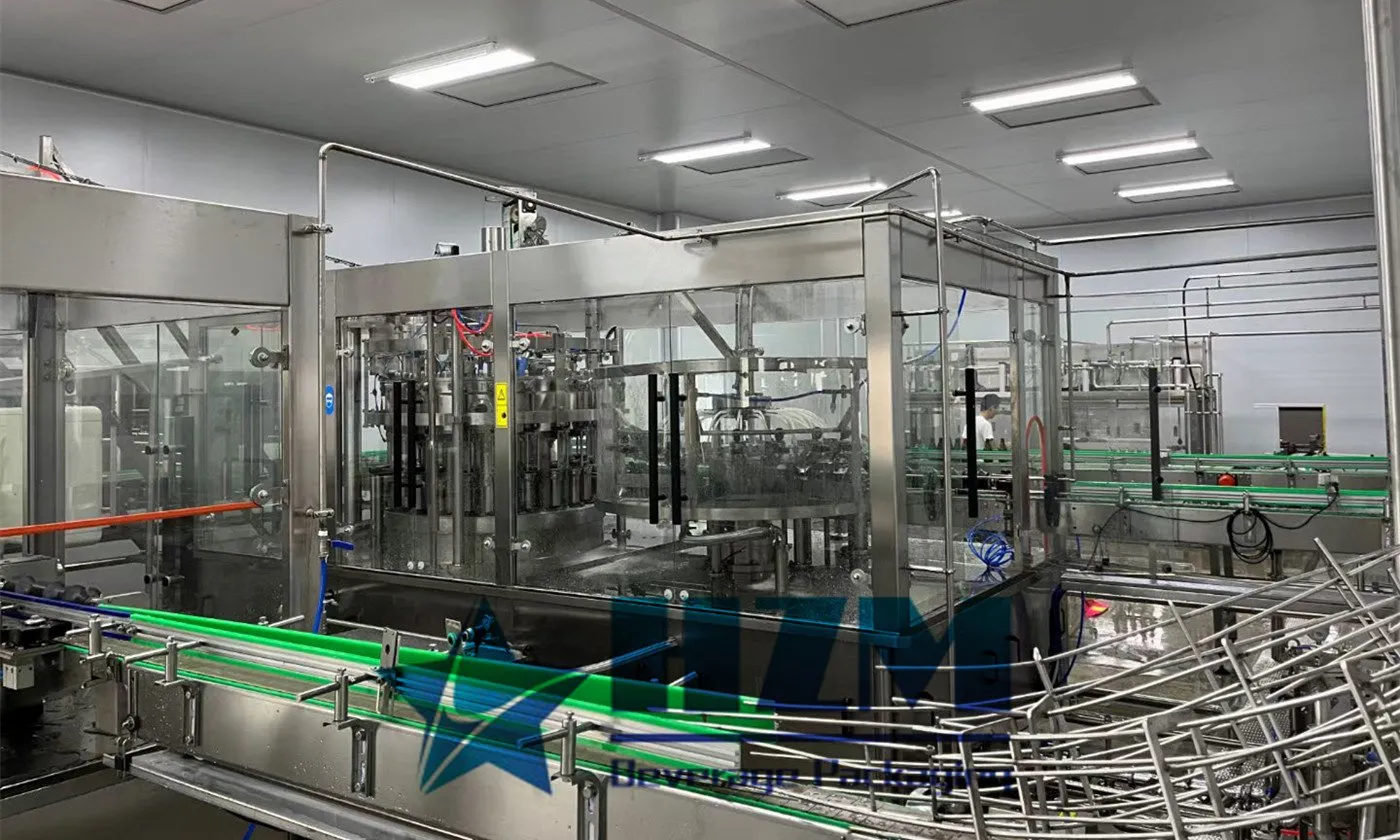
Equipment
CSD Beverage Can Filling Machine
CGS can filling and seaming for carbonated beverages, with capacities of 6,000–36,000 cans/hour at 330 ml.
Learn more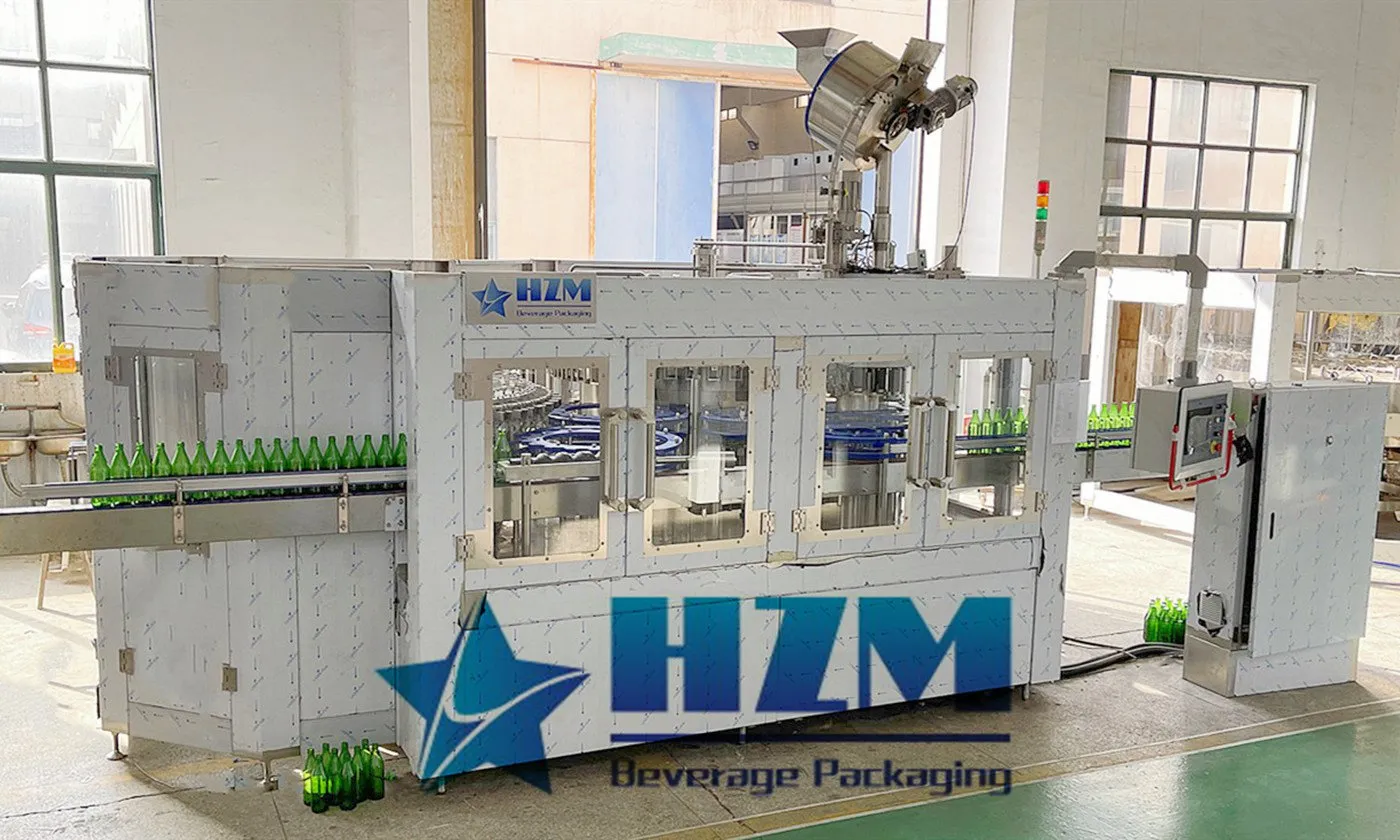
Equipment
Glass Bottle CSD Beverage Filling Machine
Glass bottle filling for carbonated beverages, with isobaric filling and capacities of 2,000–20,000 bottles/hour at 500 ml.
Learn more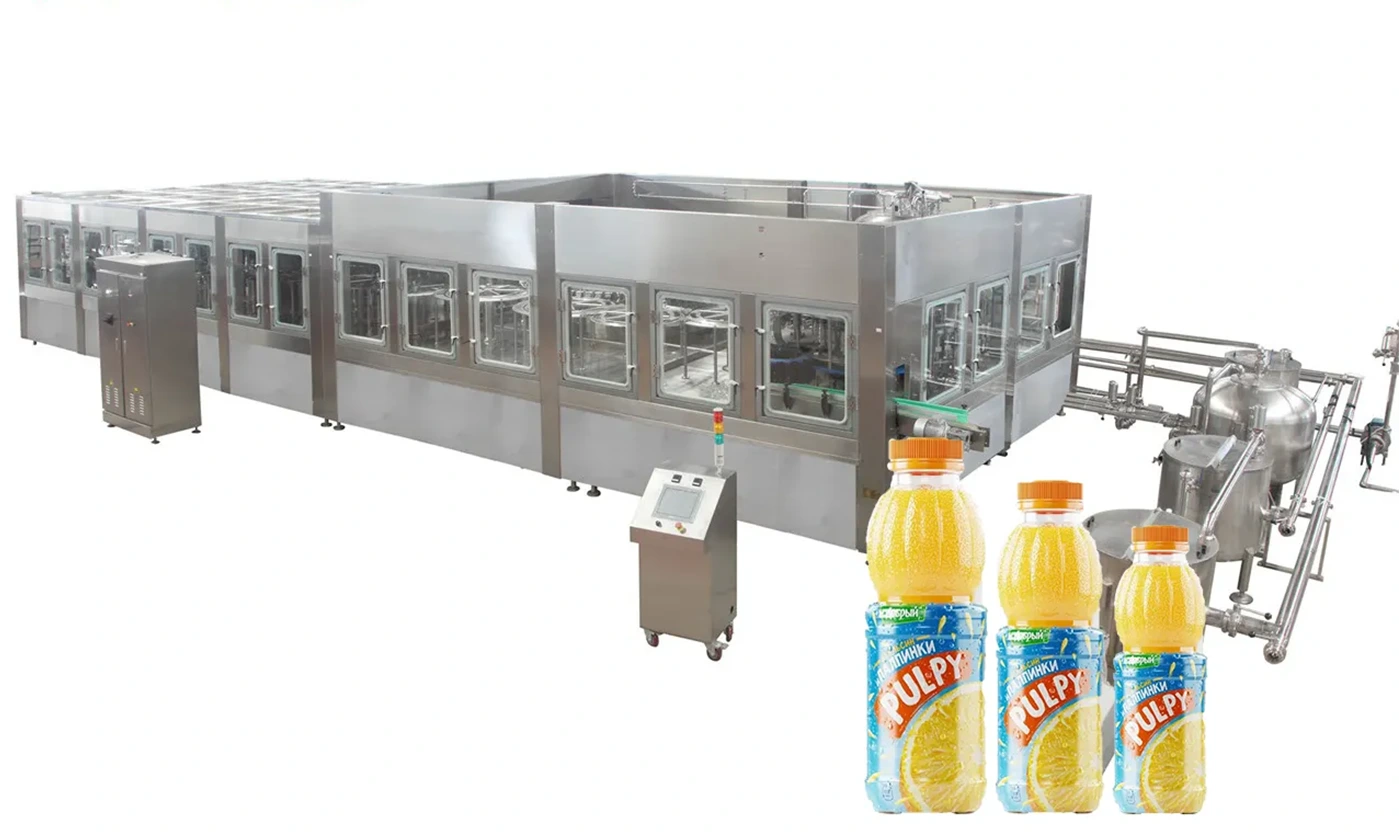
Equipment
Fully Automatic Beverage Filling Machine
The fully automatic beverage filling machine combines bottle rinsing, filling and capping.
Learn more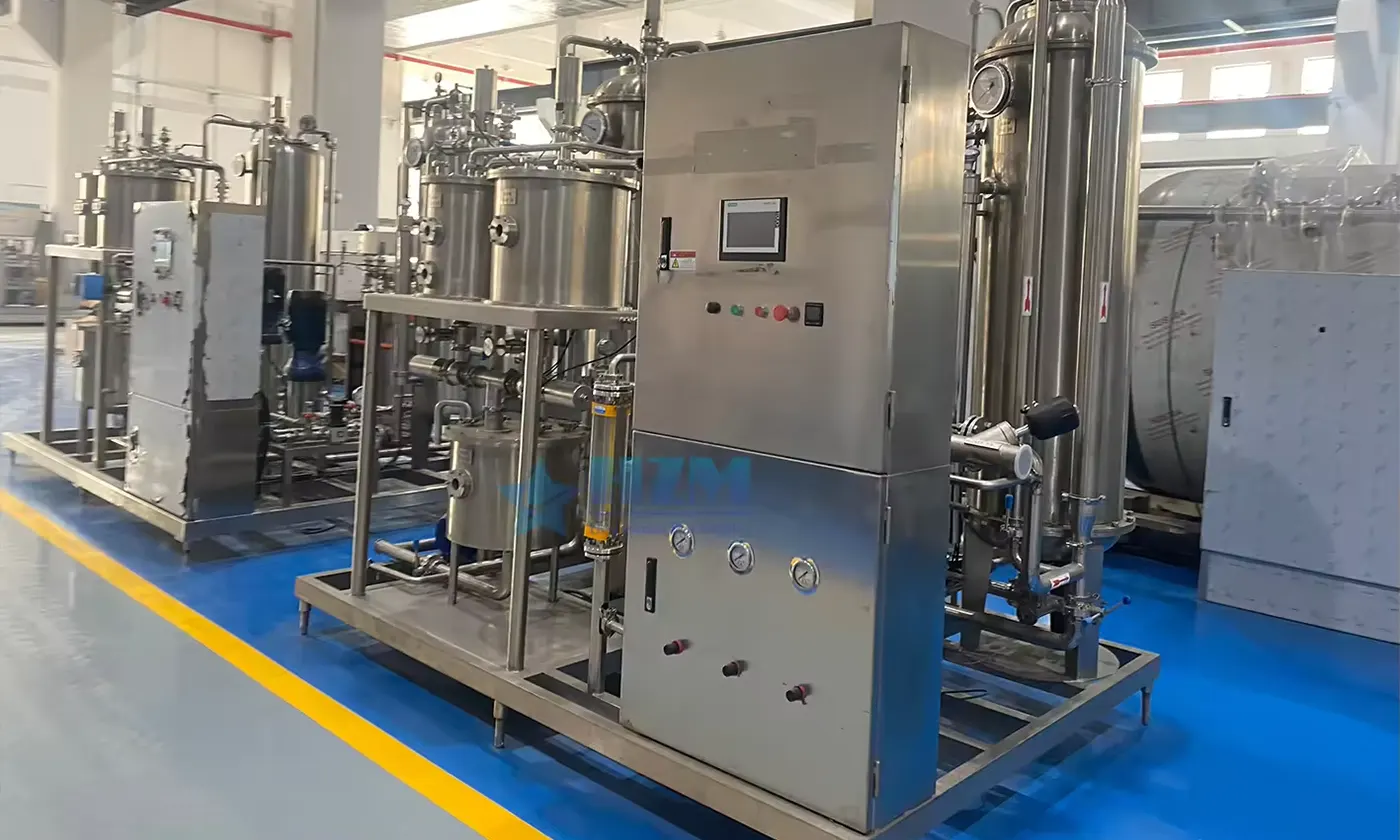
Equipment
Carbonated Drink Co2 Mixer Machine
The CO2 mixer blends beverage ingredients and carbonates the drink before filling.
Learn more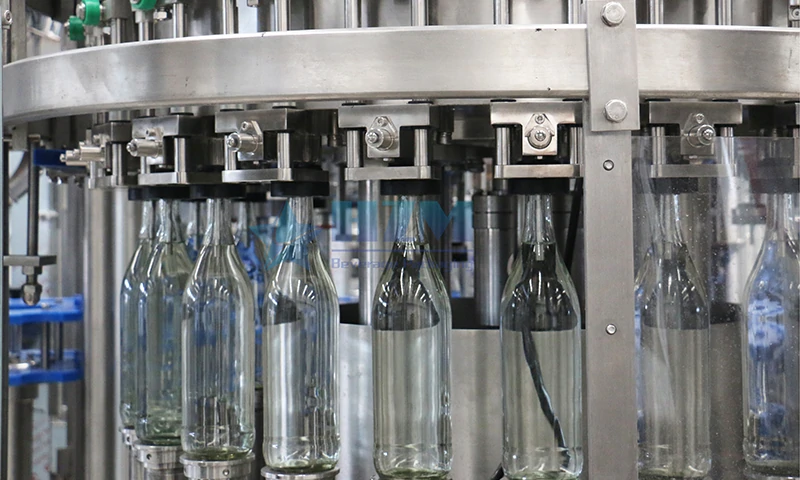
Equipment
Glass Bottle CSD & Water Drinks Filling Machine
DXGF24-24-8-8 glass bottle isobaric filling for carbonated drinks, with rinsing and two capping stations.
Learn more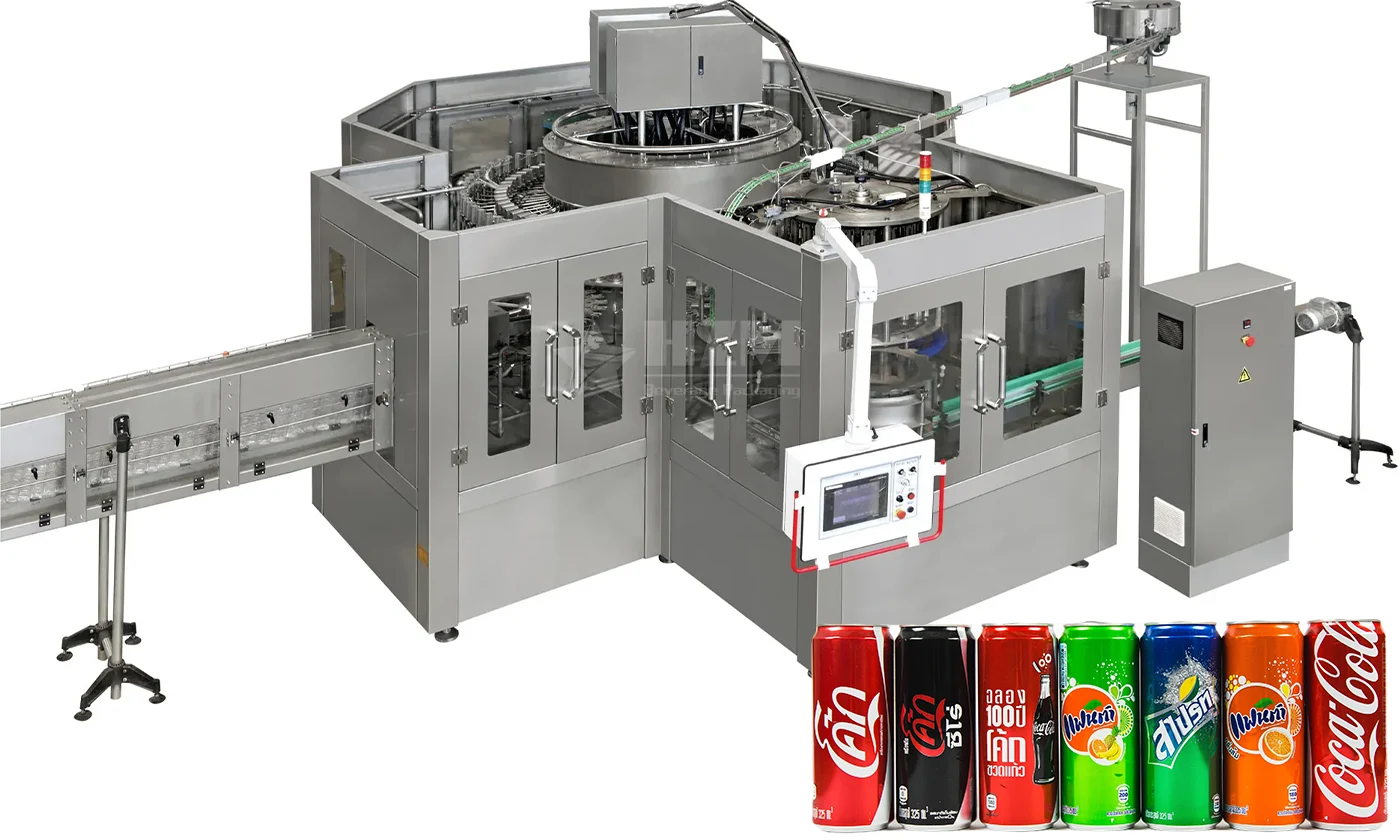
Equipment
Carbonated Beverage Can Filling Machine
Automatic carbonated beverage can filling and seaming, with CGS capacities of 6,000–36,000 cans/hour at 330 ml.
Learn more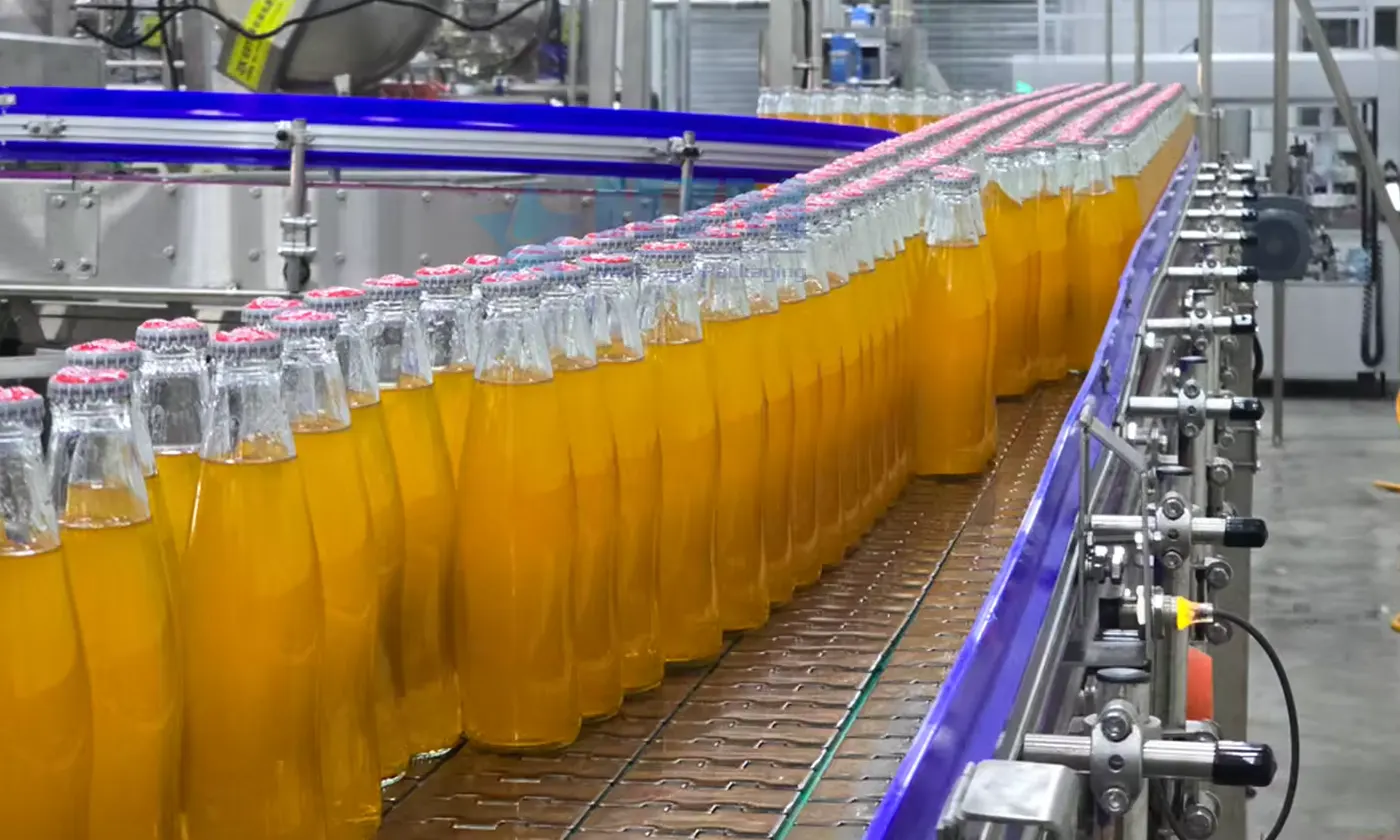
Equipment
Glass Bottle Carbonated Beverage Filling Bottling Line
This glass bottle carbonated beverage line combines bottle rinsing, isobaric filling and capping with conveying, labelling and packing.
Learn more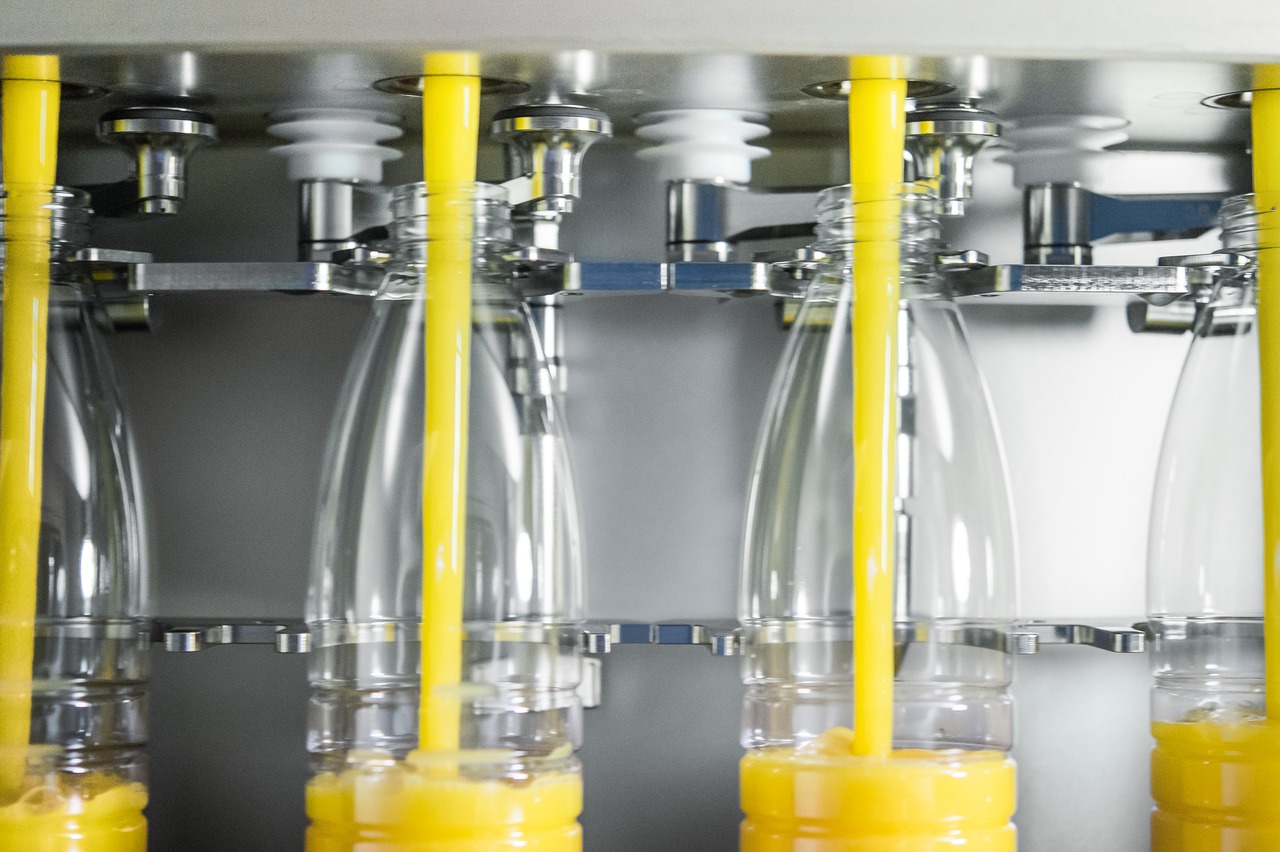
2023-05-08
Fully Understanding Automatic Beverage Filling Machines
Fully automatic beverage filling machines are the backbone of modern beverage production. They streamline the filling process, ensure accuracy and consistency, and minimize human error, ultimately leading to increased efficiency and productivity.
Learn more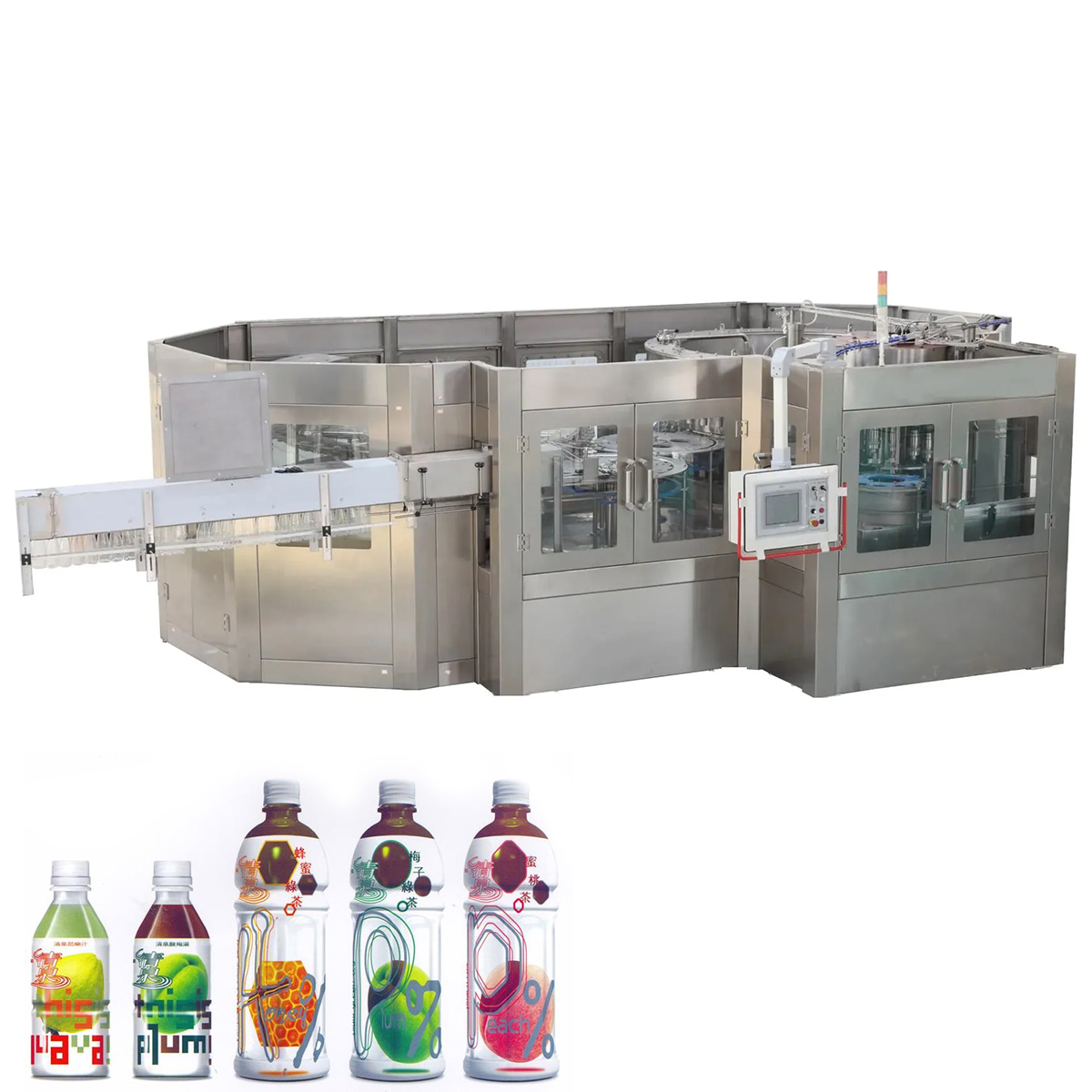
2023-07-25
Types and Prices of Beverage Filling Machines
Beverage filling machines are essential mechanical equipment in beverage production lines, primarily designed to fill beverages into bottles. Common Types of Beverage Filling Machines Automatic Filling Machine: This type of filling machine is fully automated and can complete filling, capping, and packaging operations automatically. They typically use a servo quantitative system to control the filling […]
Learn more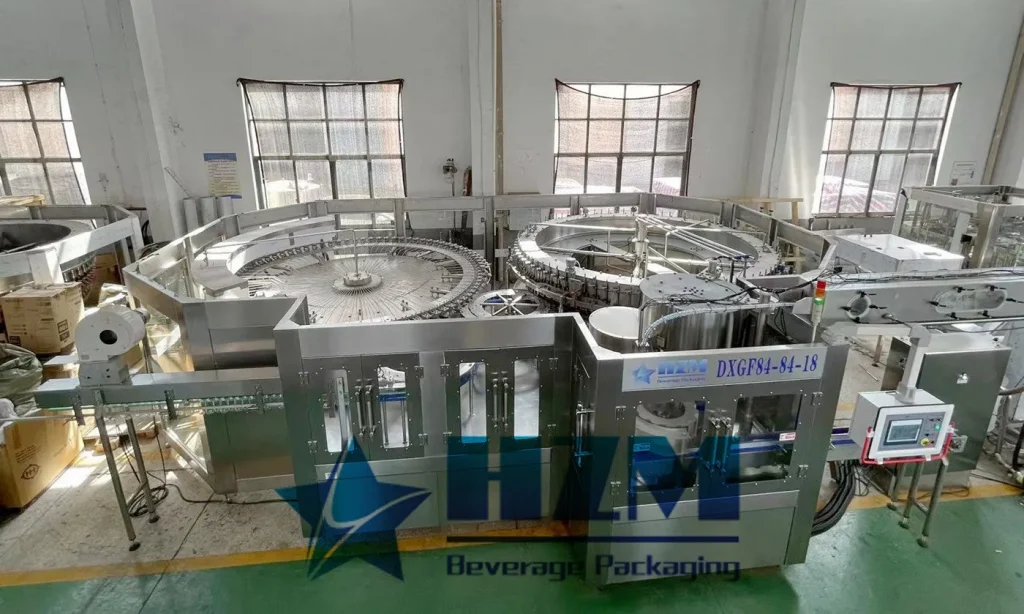
2023-09-22
Choosing Between Used and New Carbonated Beverage Filling Machines
When it comes to setting up or expanding your carbonated beverage production line, one of the critical decisions you'll face is whether to invest in a new or used carbonated beverage filling machine. Both options have their advantages and disadvantages, and making the right choice depends on your specific needs and circumstances.
Learn more2023-06-06
Automatic PET Bottle CSD Beverage Filling Machine
Fully Automatic PET Bottle CSD Beverage Filling Machine - The Efficient Tool for Beverage Production
Learn more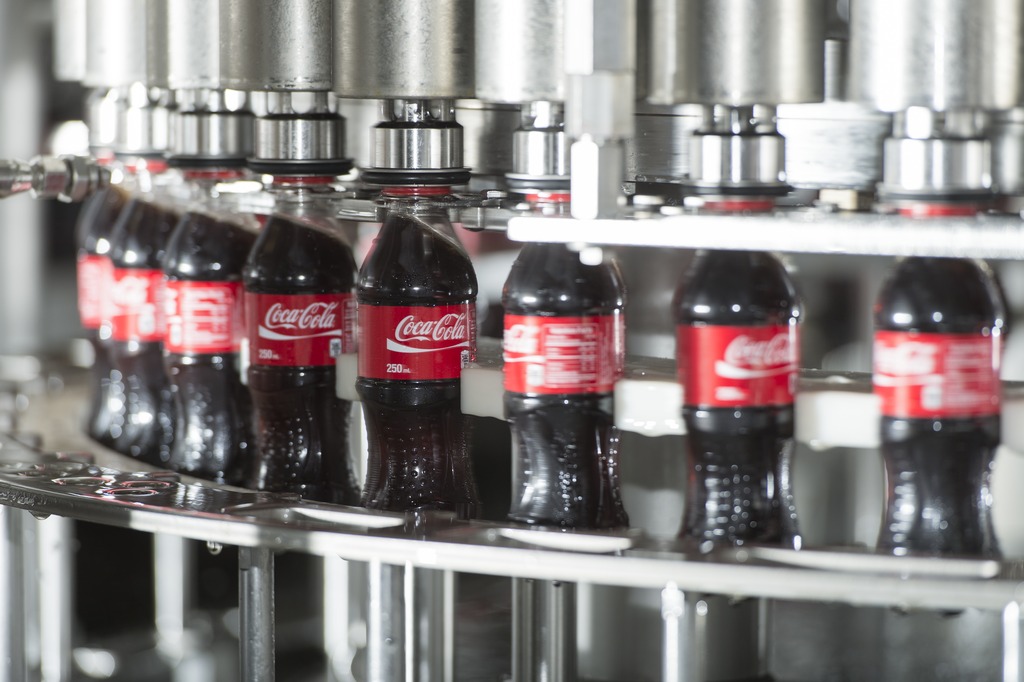
2023-04-22
Carbonated Beverage Filling Machine Solution
Carbonated beverage filling equipment is used for filling sweetened drinks containing carbon dioxide, commonly known as carbonated drinks or carbonated beverages. They typically consist of water
Learn more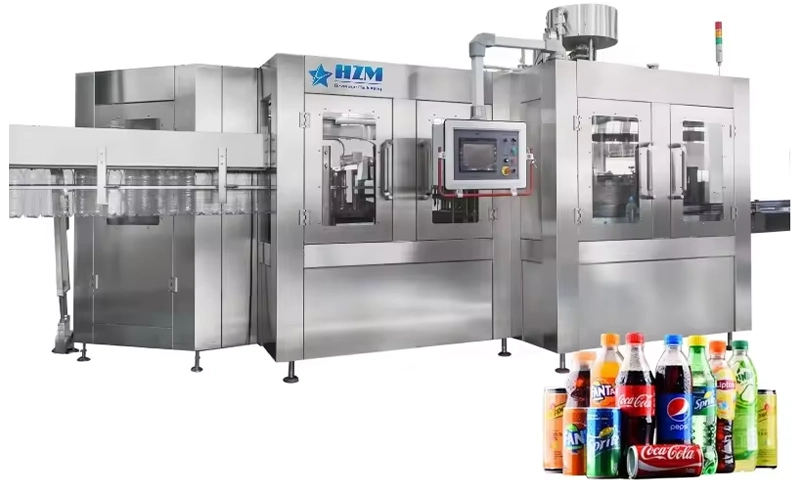
2023-06-09
Carbonated Drink Filling Line Guide: CO2 Control, Isobaric Filling and Foam Reduction
Practical HZM guidance on carbonated drink filling line, focused on co2 control, isobaric filling and foam reduction, line integration, RFQ data and measurable acceptance checks.
Learn more