
Insights & Updates
Beverage Packaging Machine User Installation and Operation Guide
Welcome to using our Beverage Packaging Machine! This manual will provide detailed instructions on how to install, operate, and maintain the Beverage Packaging Machine. Before using it, please read and follow the steps below carefully to ensure correct, safe, and efficient operation of the machine.
Table of Contents:
Part One: Installation and Setup
1.1 Receipt and Acceptance of the Packaging Machine
Before beginning the installation, ensure you have completed the following steps:
- Inspect the appearance of the packaging machine to ensure it hasn’t been damaged during transport.
- Verify that all components and accessories have been received intact.
1.2 Machine Installation
- Place the packaging machine on a level surface, ensuring its stability.
- Connect the power supply and set the voltage switch according to local voltage requirements.
- Install and connect the water supply pipeline to ensure a proper water supply.
- Install the wastewater discharge pipeline for proper drainage.
1.3 Parameter Settings
Perform the following parameter settings on the machine’s control panel:
- Bottle and cap specifications.
- Packaging speed and temperature.
- Filling volume and pressure.
- Other relevant parameters.
Ensure that these settings are in line with your product and packaging requirements.
Part Two: Operating Instructions
2.1 Machine Start-Up and Shutdown
- Turn on the power supply, making sure the main power switch is in the off position.
- Start the machine: Follow the instructions on the control panel to gradually start each functional module.
- Shutdown the machine: After completing the work, press the stop button and wait for the machine to come to a complete stop before turning off the main power.
2.2 Packaging Operations
- Ensure bottles and caps are ready for use.
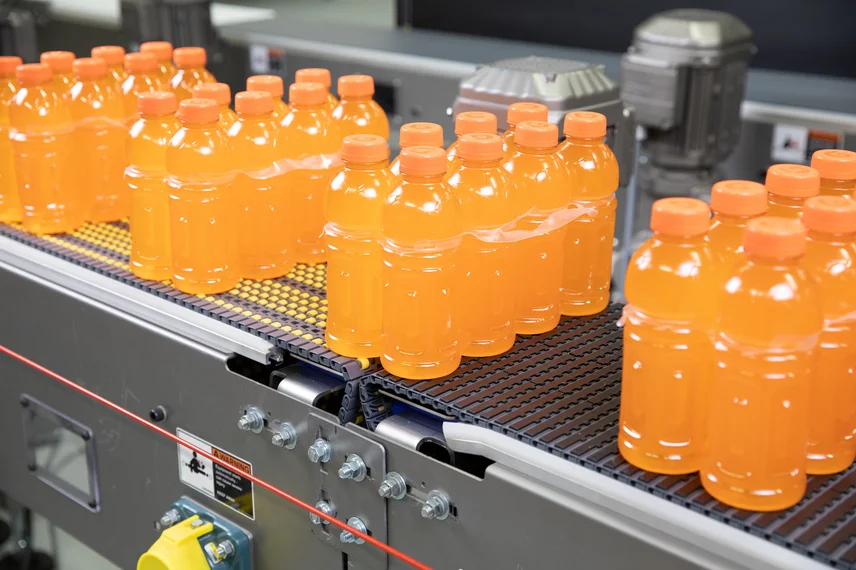
- Place the bottles on the machine’s conveyor belt, ensuring proper positioning.
- The machine will automatically perform tasks such as filling, capping, and label application.
- Monitor the machine’s operational status and promptly address any anomalies.
Part Three: Maintenance and Care
3.1 Daily Cleaning
After each day of operation, perform the following cleaning steps:
- Clean the internal and external surfaces of the packaging machine, especially the parts in contact with the product.
- Clean sinks, pipelines, and filters to ensure there is no buildup of debris.
3.2 Regular Maintenance
Follow this maintenance schedule:
- Weekly: Inspect drive belts, gears, and bearings for any looseness or wear.
- Monthly: Replace lubricating oil and inspect electrical connections for safety.
- Quarterly: Perform deep cleaning and check the functionality of sensors and controllers.
- Annually: Replace wear parts and seals, conduct comprehensive maintenance.
Part Four: Troubleshooting
During operation, if you encounter the following issues, take immediate action:
- Machine won’t start: Check the power supply connection and inspect circuit breakers.
- Poor packaging quality: Review filling, capping, and label settings to ensure correctness.
- Leakage or wastewater discharge problems: Inspect pipeline connections for proper fastening.
Part Five: Safety Precautions
When operating the beverage packaging machine, adhere to the following safety guidelines:
- Operators must undergo training and must understand the machine’s principles of operation and procedures.
- Do not touch conveyor belts, devices, or transmission components while the machine is running.
- Machine maintenance and care must be performed when the machine is not in operation.
- Operate the machine with appropriate protective gear, such as gloves and safety goggles.
Part Six: Contact Us
If you encounter issues during use or require further support and training, please don’t hesitate to contact our customer support team. We are here to assist and provide answers.
Thank you for choosing our Beverage Packaging Machine. We hope this guide helps you operate and maintain the machine correctly, safely, and efficiently, thereby improving your production efficiency and product quality. If you have any suggestions or feedback, please feel free to contact us. We are dedicated to serving you.
Talk to our engineering team
Need help planning your packaging line?
Share your product, bottle and capacity requirements for a practical equipment recommendation.
2023-09-07
Beverage Filling Machine Installation and User Manual
beverage filling machine serves as a crucial component of automated production lines, providing efficient and precise filling solutions for beverage production. This article will provide a detailed guide on the installation and usage steps of the beverage filling machine to ensure that you can maximize its performance and enhance production efficiency.
Learn more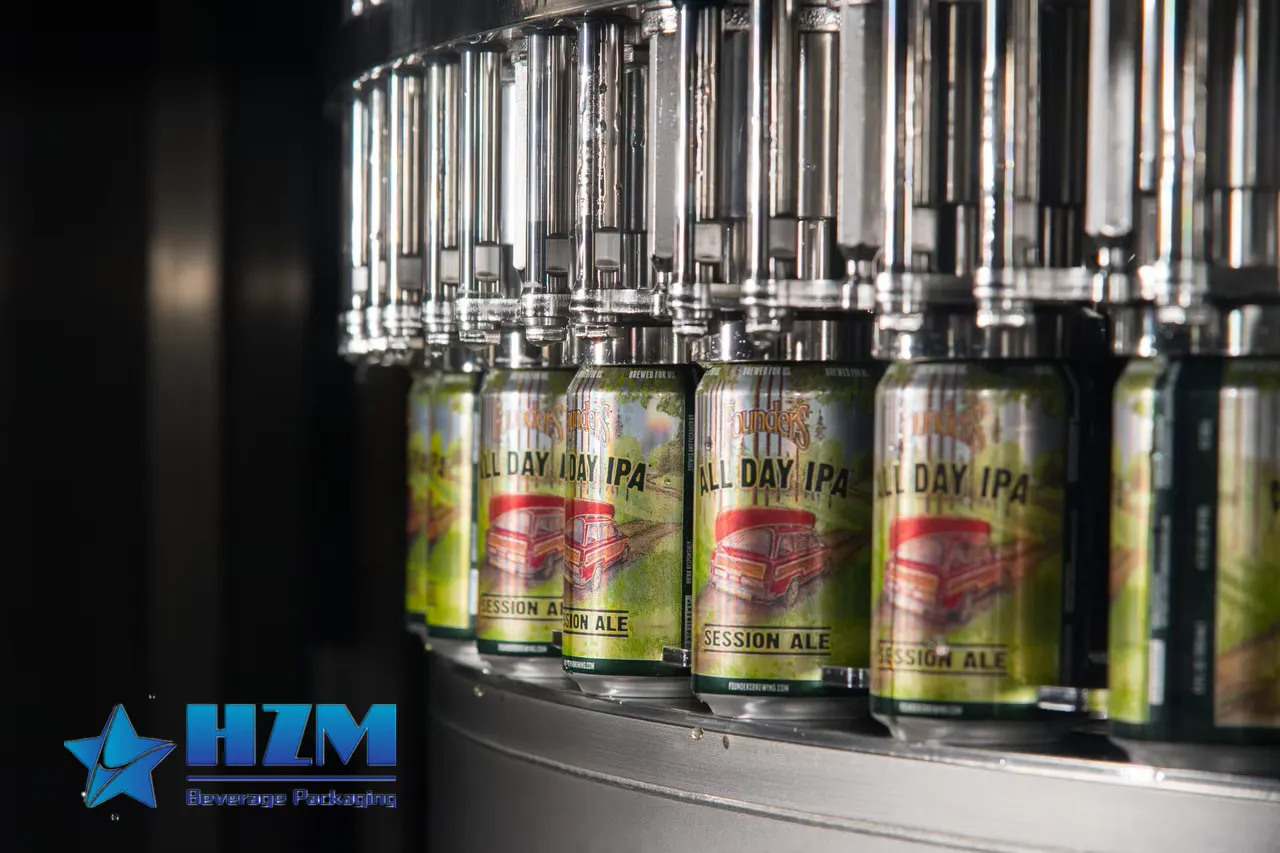
2024-11-15
Beverage Production Line Operation Guide: Enhancing Your Production Efficiency
Before beginning beverage production, it’s crucial to prepare the production line. This includes inspecting and maintaining equipment, checking the quality and sufficiency of raw materials, and training operators
Learn more2023-09-27
Beverage Packaging Machine User Manual
This user manual is designed to provide installation and usage instructions for the Beverage Packaging Machine. It will guide you through the correct installation and operation of the machine to ensure it functions smoothly and meets your production needs
Learn more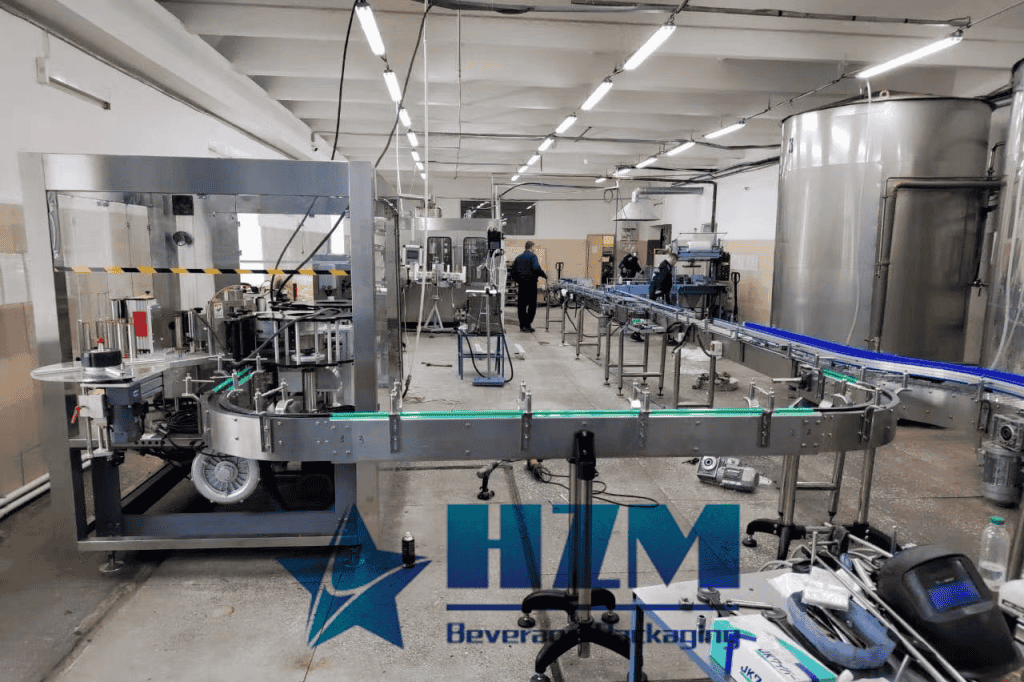
2023-03-24
12,000BPH Carbonated Drinks Beverage Production Line in Installation
HZM customer checked the serveal our projects in East Europe and they’re very satisfied with the machine performance. So they ordered a 12,000BPH carbonated drinks beverage production line from HZM. It includes DXGF32-32-8 carbonated drinks filling machine, Bopp labeling machine, PE film shrink packing machine, bottle dryer and conveyor system. After 2months shipment and customs […]
Learn more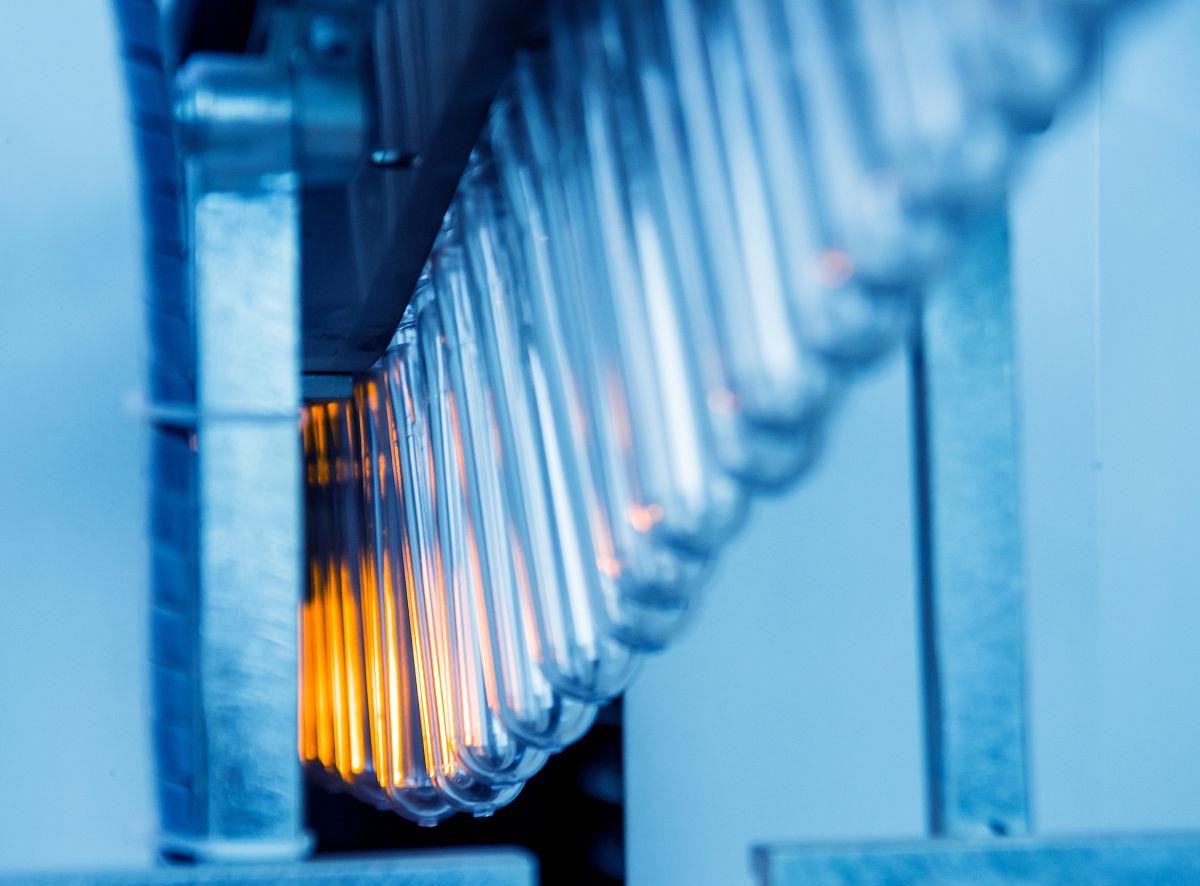
2023-11-23
User What are the three types of blow moulding?
Blow molding is a manufacturing process used to produce hollow plastic parts. There are three main types of blow molding: 1、Extrusion Blow Molding (EBM) This is the most common type of blow molding. In EBM, a continuous tube of plastic, called a parison, is extruded (pushed out) from an extruder. The parison is then enclosed […]
Learn more2023-08-25
Filling Machine Operation Guidelines
Power on and start the air compressor, adjust the pressure to 6 kg/cm², supply compressed air to the filling machine, and connect the power source.
Learn more