
Insights & Updates
Beverage Plant Production Equipment
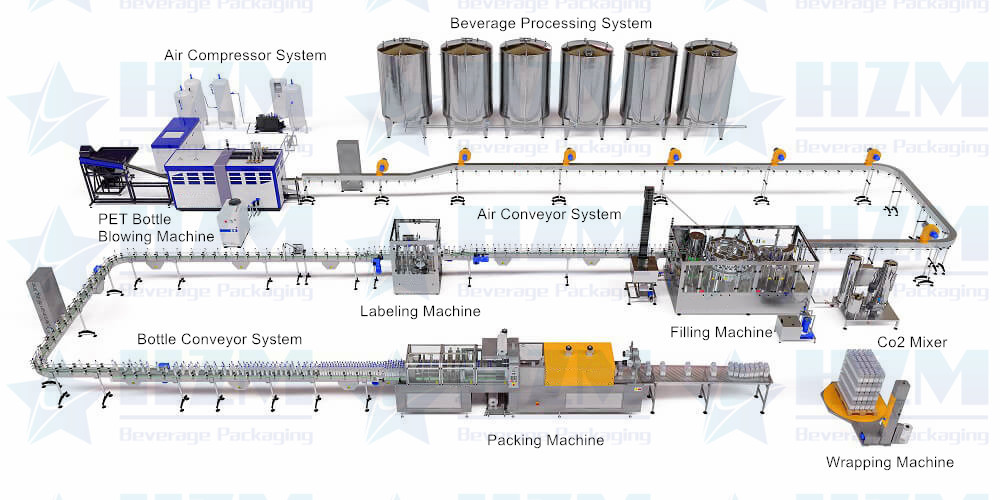
Beverage plant production equipment refers to the machinery and tools used in the manufacturing and packaging of various beverages, including soft drinks, juices, bottled water, beer, wine, and more. These machines play a critical role in the production process, ensuring that beverages are produced efficiently, safely, and with consistent quality. Here are some common types of equipment used in beverage production plants:
- Mixing and Blending Equipment:
- Tanks and agitators for mixing ingredients, such as water, sugar, flavorings, and additives.
- Homogenizers to ensure uniform particle size and consistency.
- Filtration Equipment:
- Filters and separators to remove impurities and particulates from the liquid.
- Pasteurization and Sterilization Equipment:
- Heat exchangers and pasteurizers to eliminate harmful microorganisms and extend shelf life.
- Filling and Packaging Equipment:
- Bottle fillers and cappers for filling bottles with the beverage.
- Can fillers and seaming machines for canned beverages.
- Labeling and packaging machines for applying labels, caps, and packaging materials.
- Bottling and Canning Lines:
- Complete lines that automate the process of filling, capping, and packaging bottles or cans.
- Carbonation Equipment:
- Carbonation systems to add carbon dioxide to soft drinks.
- Quality Control Equipment:
- Sensors and analyzers to monitor and ensure the quality of the product, including pH meters, density meters, and spectrophotometers.
- Beverage Pasteurization and Cooling Systems:
- Systems for heating and cooling beverages to specific temperatures for processing.
- Conveying Systems:
- Conveyor belts and systems for transporting containers throughout the production line.
- Beverage Tanks and Storage:
- Storage tanks for holding raw materials and finished products.
- Cleaning and Sanitization Equipment:
- Cleaning-in-place (CIP) systems to clean and sanitize the equipment.
- Utilities and Infrastructure:
- Refrigeration systems to maintain product temperature.
- Boiler systems for generating steam.
- Water treatment and purification systems.
- Automation and Control Systems:
- Programmable Logic Controllers (PLCs) and Human-Machine Interfaces (HMIs) for process control and monitoring.
- Bottling and Packaging Inspection Equipment:
- Equipment for inspecting the filled bottles or cans for defects or contaminants.
- Palletizing and Material Handling Equipment:
- Machinery for stacking and moving pallets of finished products.
- Waste Treatment and Recycling Systems:
- Systems for managing and recycling waste materials generated during the production process.
Beverage production plants may vary in size and complexity, so the specific equipment used can differ based on the type of beverage being produced and the production capacity of the facility.
HZM Machinery is your premier partner in the field of Beverage Plant Production Equipment. As a professional manufacturer, we are committed to providing high-quality and high-efficiency equipment to meet your production needs. Our innovative technology, stringent quality control, and extensive experience enable us to tailor solutions for various types of beverage production. Whether you are producing soft drinks, juices, beer, wine, or other beverages, HZM Machinery will provide you with reliable equipment to achieve efficient production and exceptional quality. Choose HZM Machinery for a successful partnership.
Talk to our engineering team
Need help planning your packaging line?
Share your product, bottle and capacity requirements for a practical equipment recommendation.
Equipment
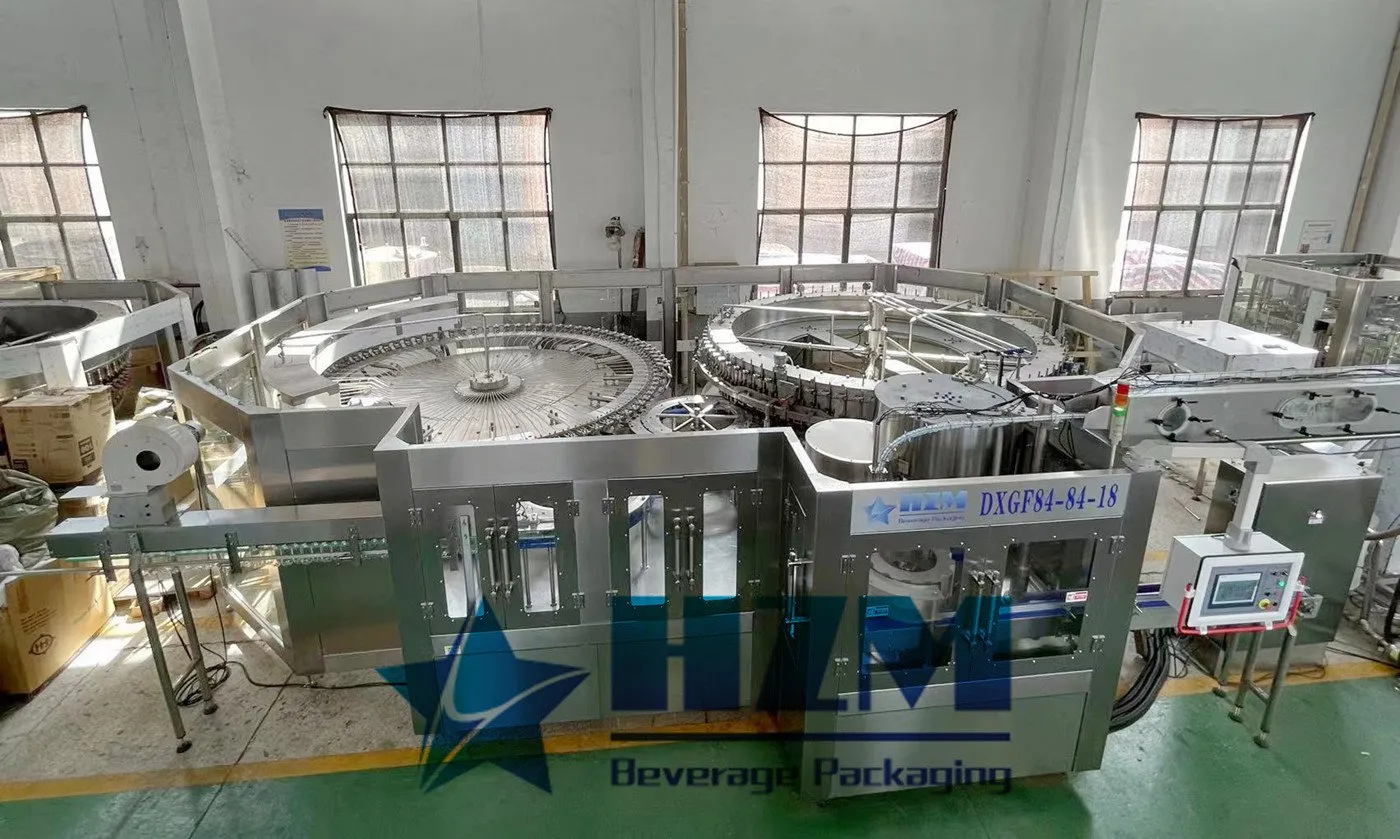
Carbonated Drinks Filling Machine
Carbonated drink rinsing, isobaric filling and capping for PET bottles, with capacities of 4,000–36,000 bottles/hour at 500 ml.
Learn more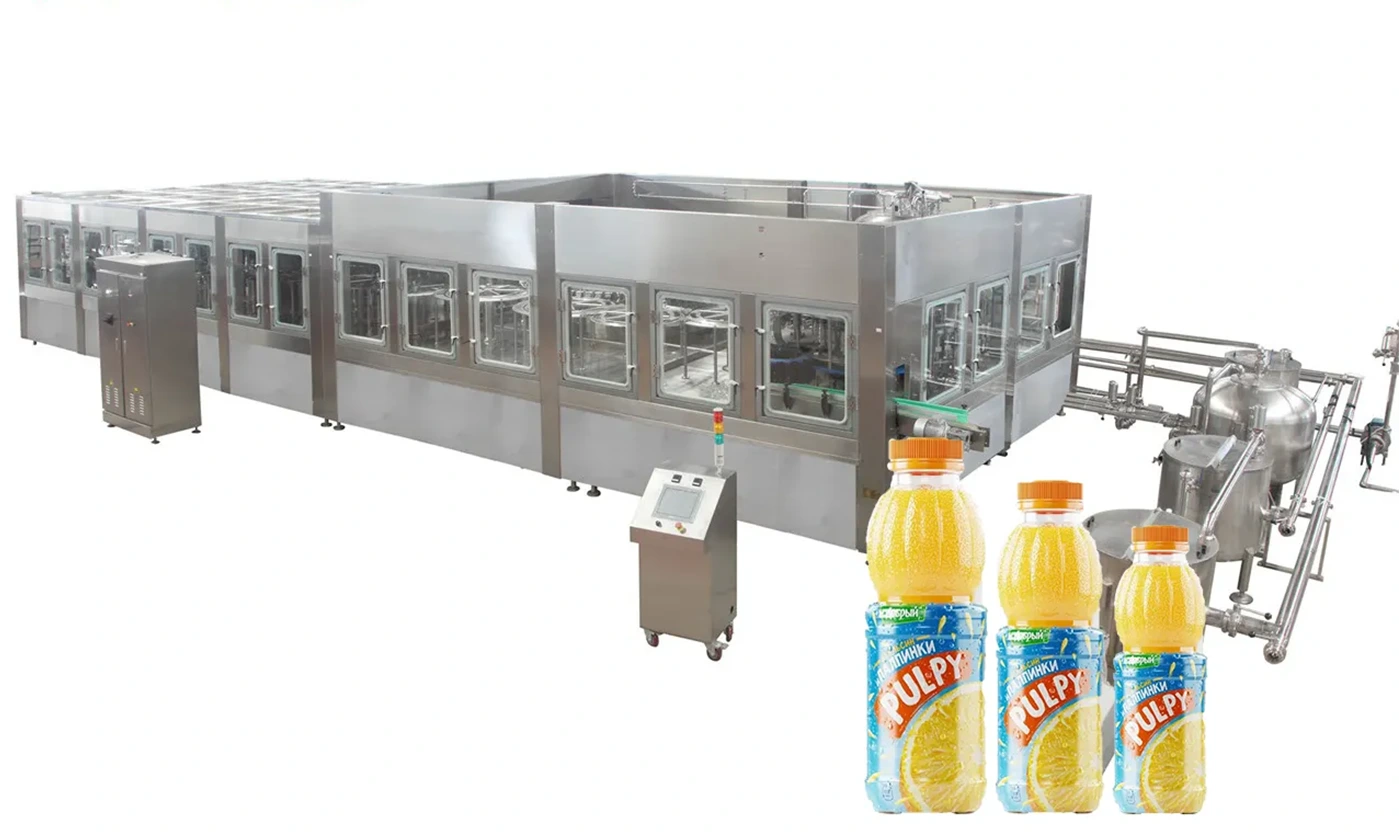
Equipment
Fully Automatic Beverage Filling Machine
The fully automatic beverage filling machine combines bottle rinsing, filling and capping.
Learn more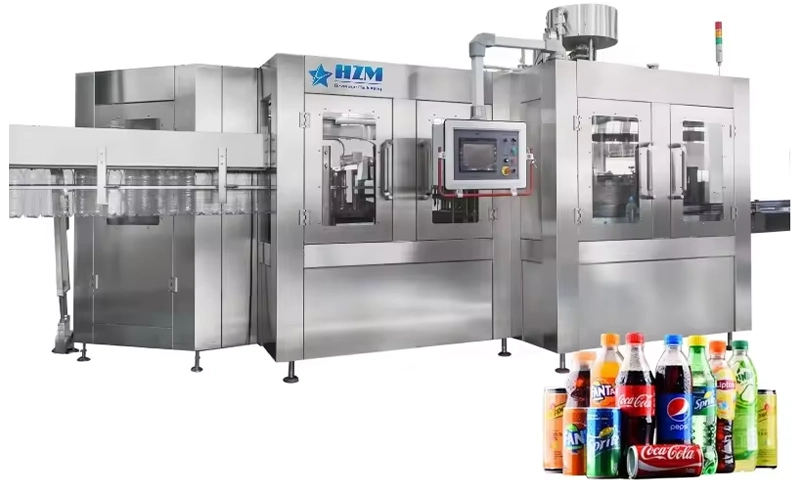
Equipment
Carbonated Soft Drink Filling Machine
Carbonated soft drink rinsing, isobaric filling and capping, with DXGF models from 3,000 to 15,000 bottles/hour at 500 ml.
Learn more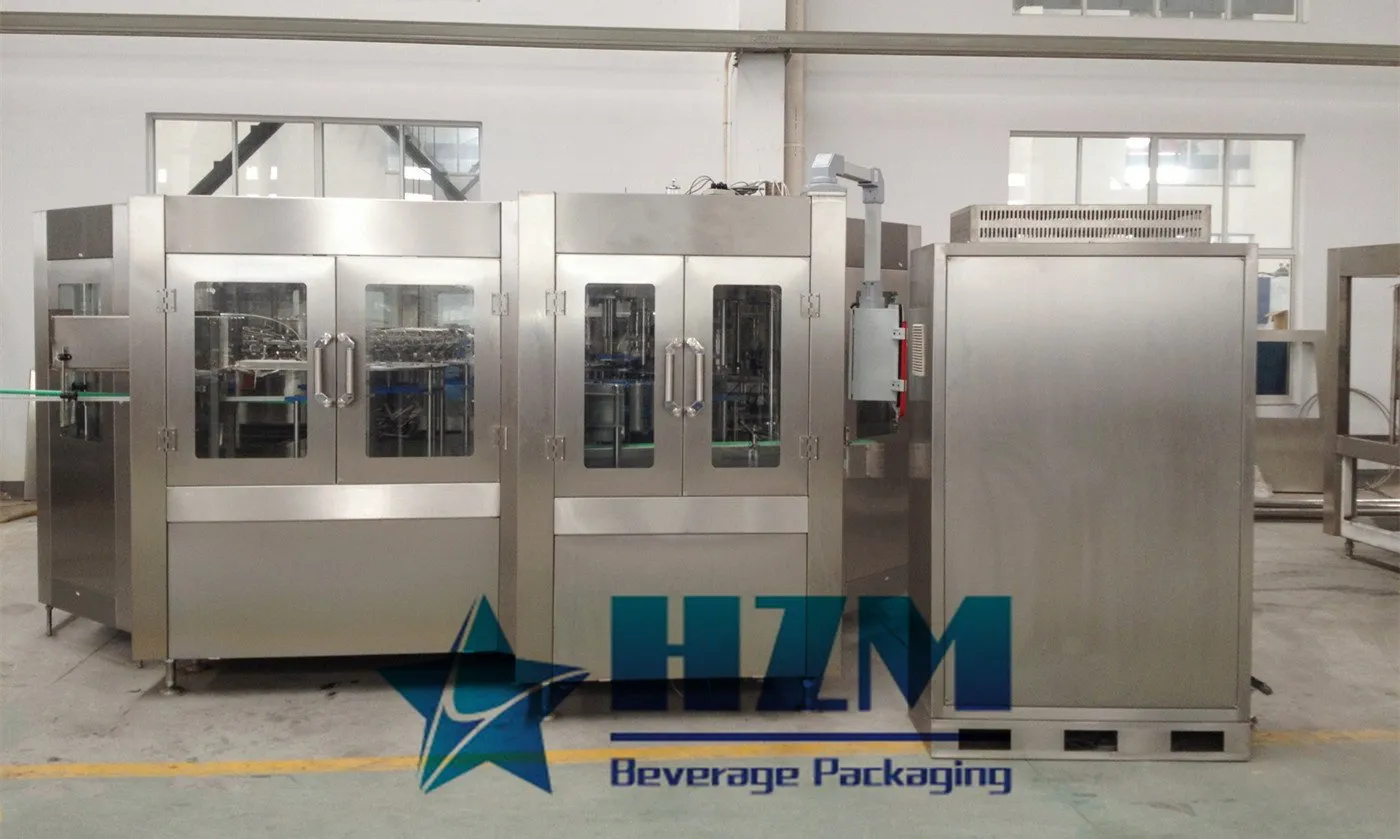
Equipment
PET Bottle CSD Beverage Filling Machine
Automatic PET bottle rinsing, isobaric filling and capping for cola, soda water and other carbonated soft drinks.
Learn more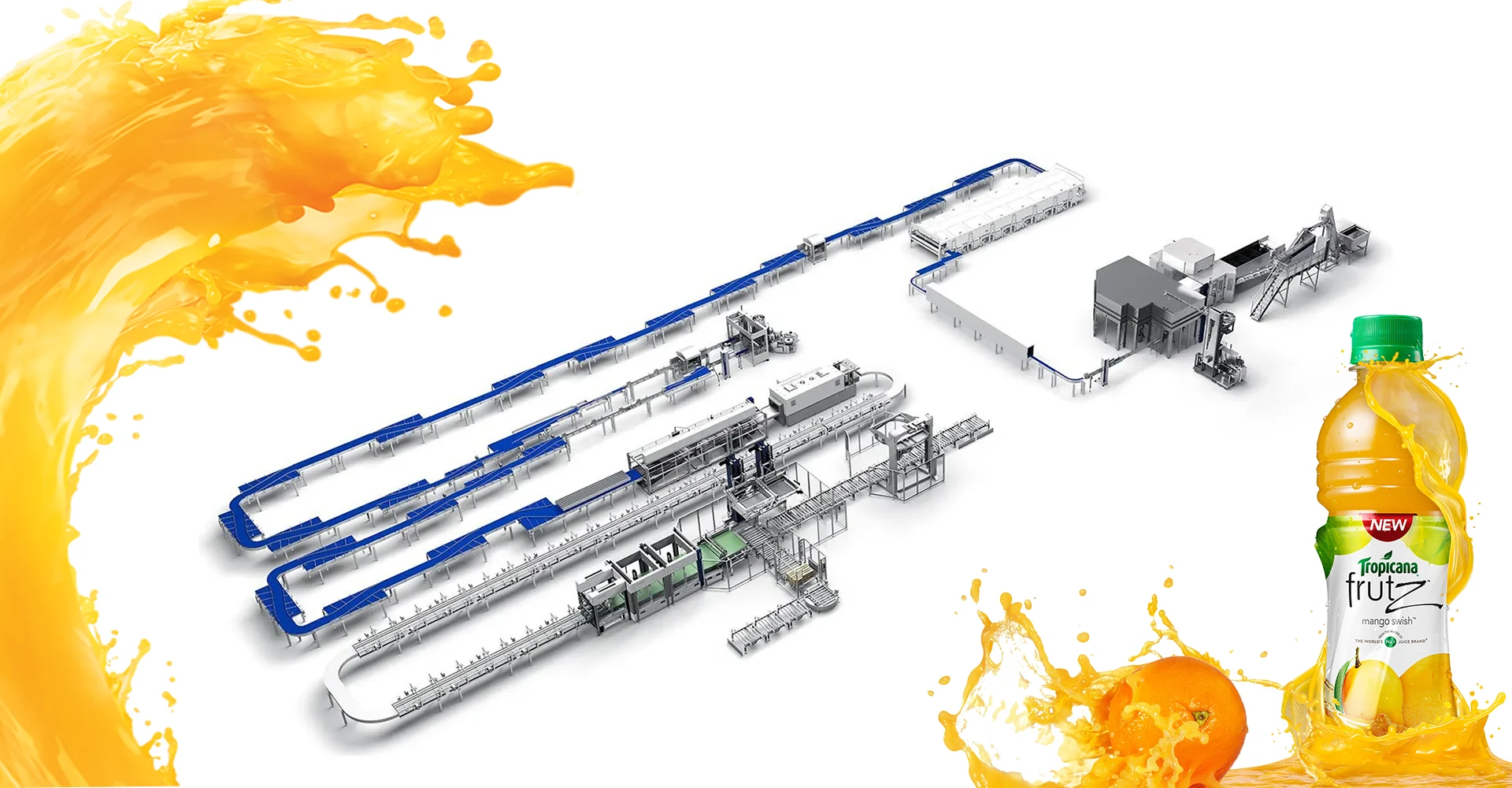
Equipment
Juice beverage bottling line
The juice beverage bottling line connects beverage preparation and thermal processing with bottle filling, capping, labelling and packing.
Learn more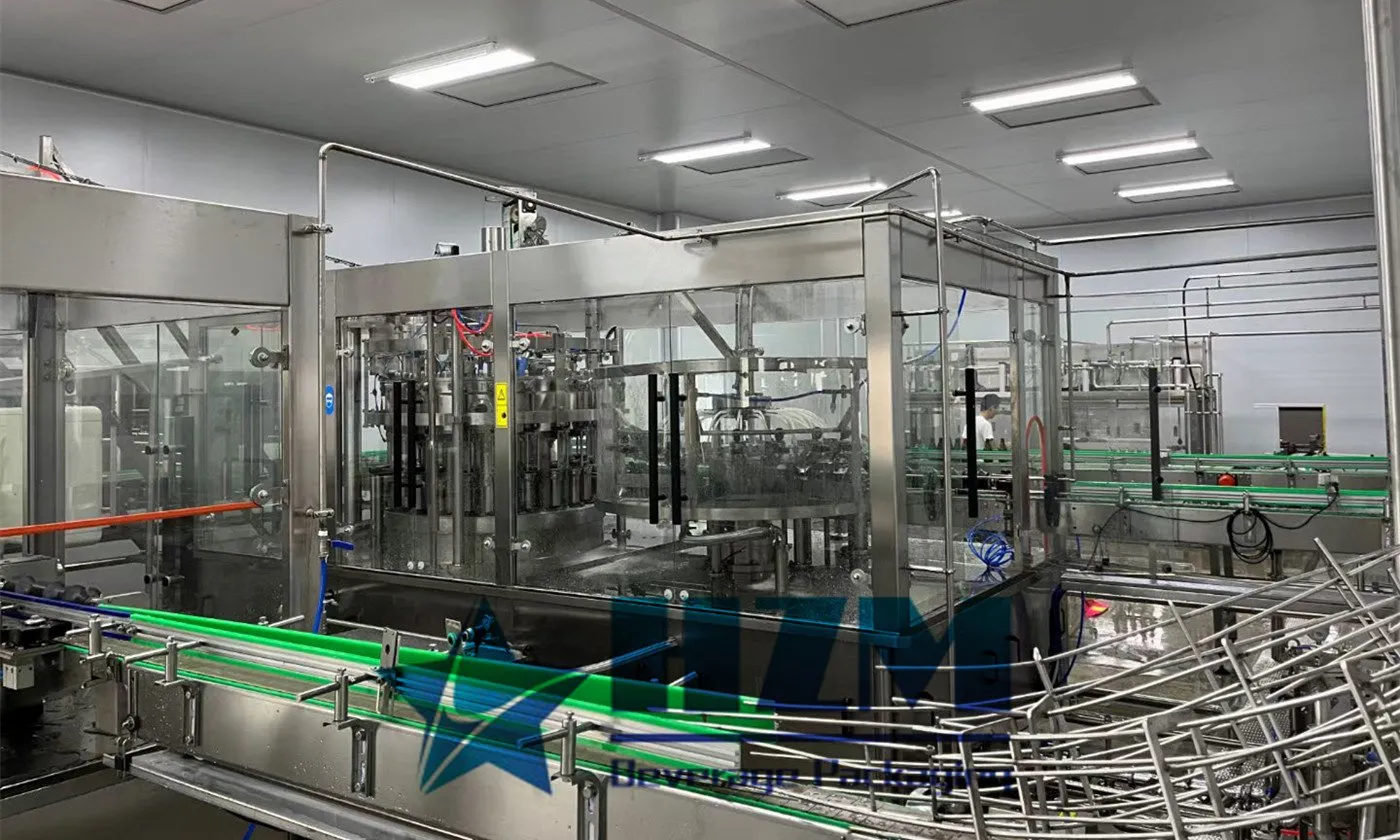
Equipment
CSD Beverage Can Filling Machine
CGS can filling and seaming for carbonated beverages, with capacities of 6,000–36,000 cans/hour at 330 ml.
Learn more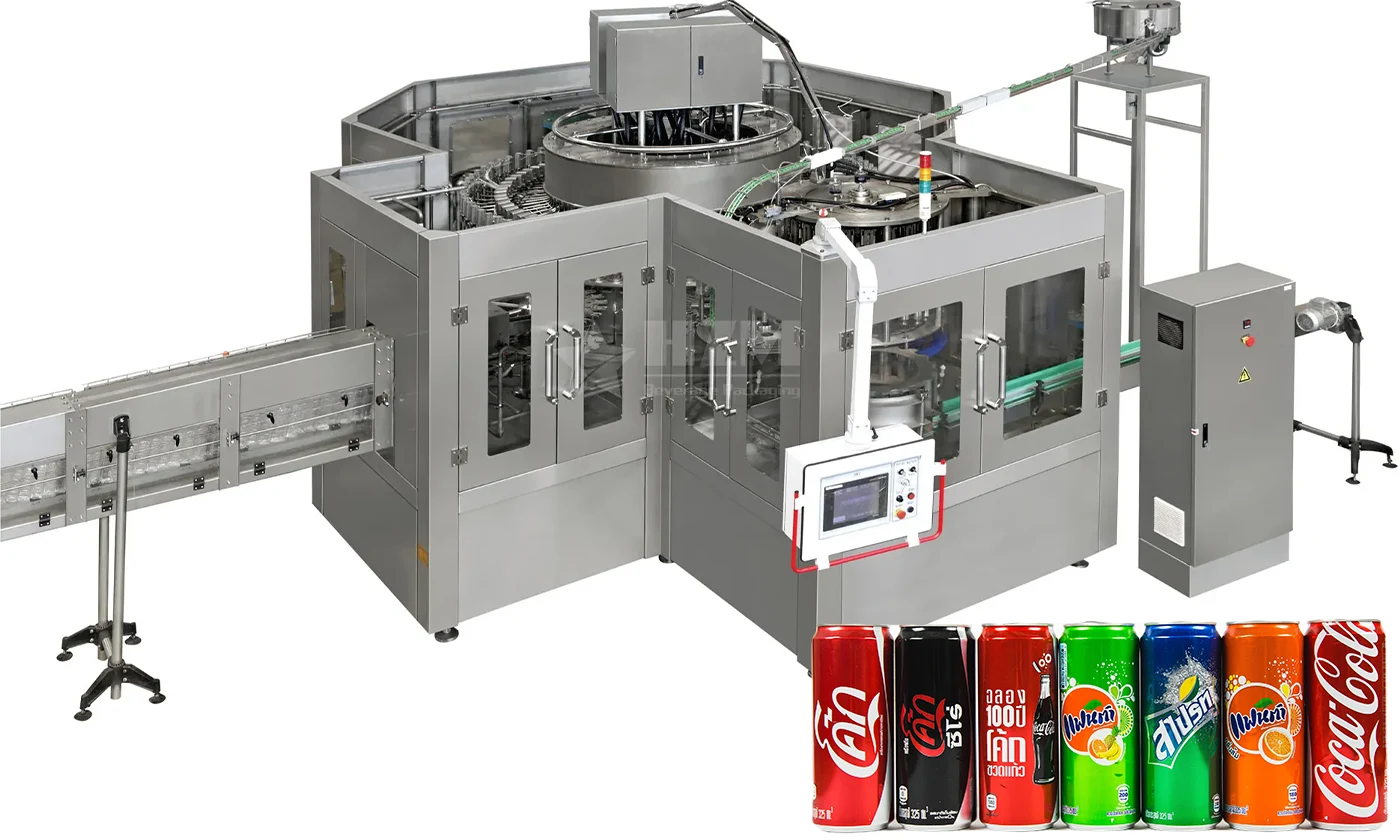
Equipment
Carbonated Beverage Can Filling Machine
Automatic carbonated beverage can filling and seaming, with CGS capacities of 6,000–36,000 cans/hour at 330 ml.
Learn more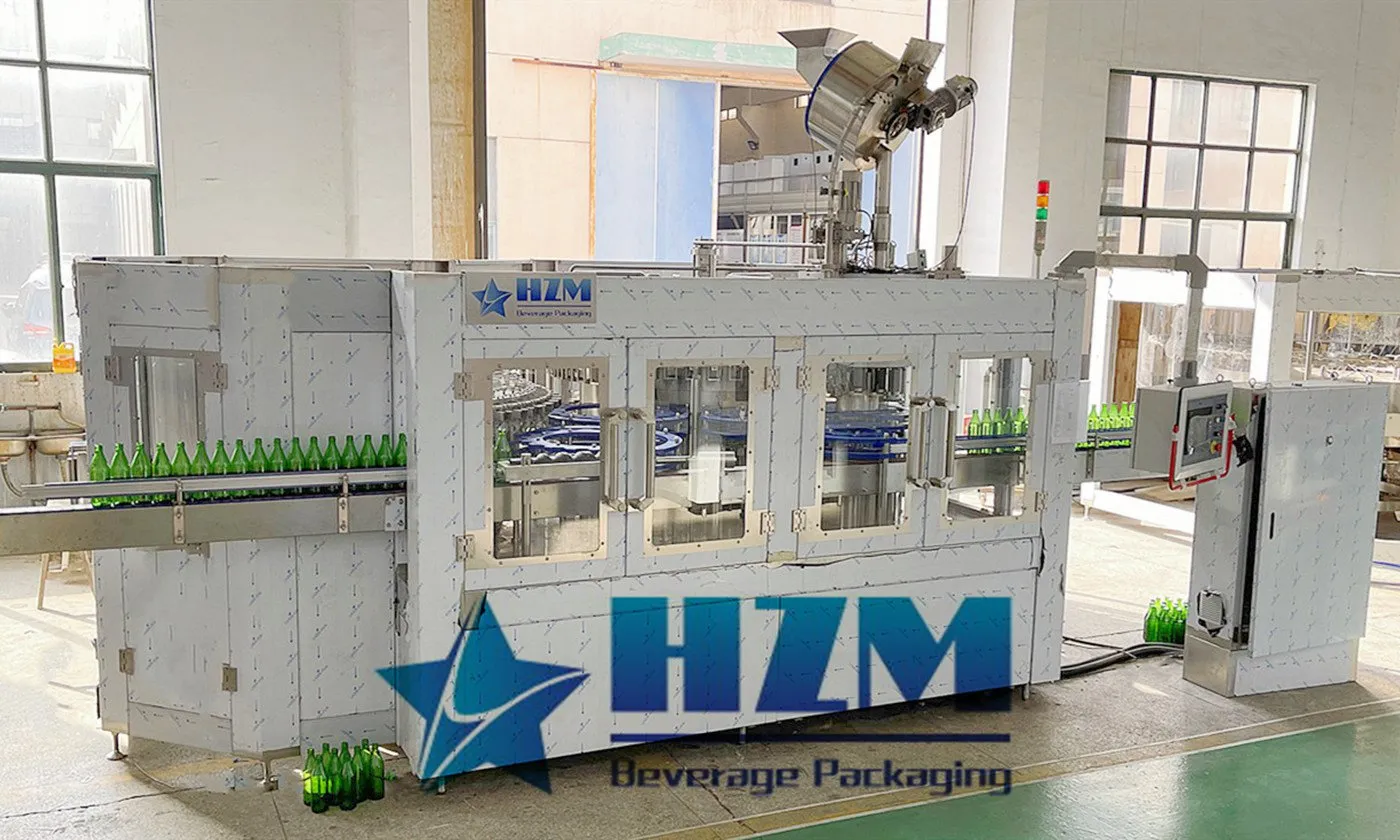
Equipment
Glass Bottle CSD Beverage Filling Machine
Glass bottle filling for carbonated beverages, with isobaric filling and capacities of 2,000–20,000 bottles/hour at 500 ml.
Learn more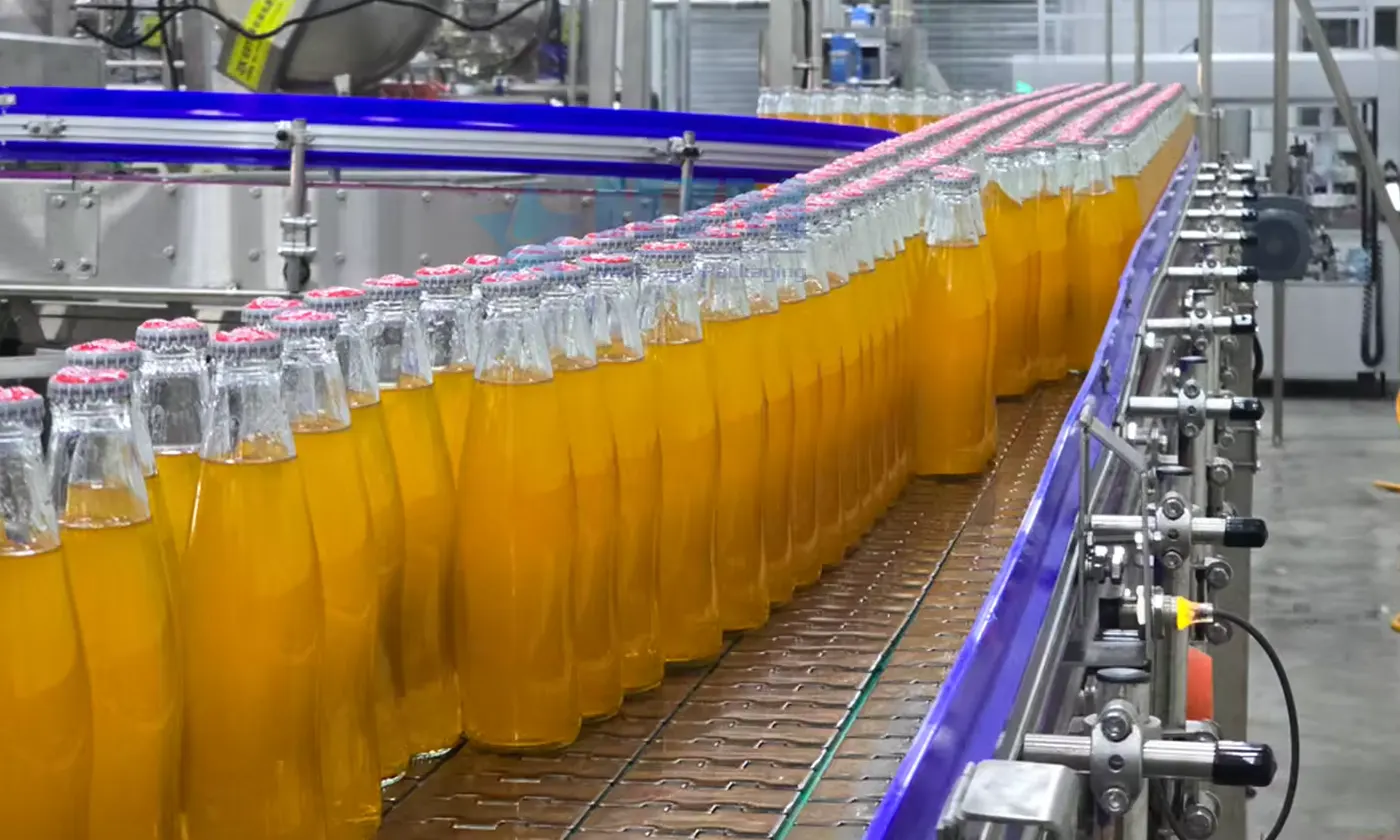
Equipment
Glass Bottle Carbonated Beverage Filling Bottling Line
This glass bottle carbonated beverage line combines bottle rinsing, isobaric filling and capping with conveying, labelling and packing.
Learn more2023-11-13
What are the factors that affect the price of liquid beverage filling machines?
HZM, a professional manufacturer of liquid beverage filling machines, is here to explain the key factors influencing the price of liquid beverage filling machines. Our expert team is dedicated to providing you with professional guidance to assist you in making informed purchasing decisions.
Learn more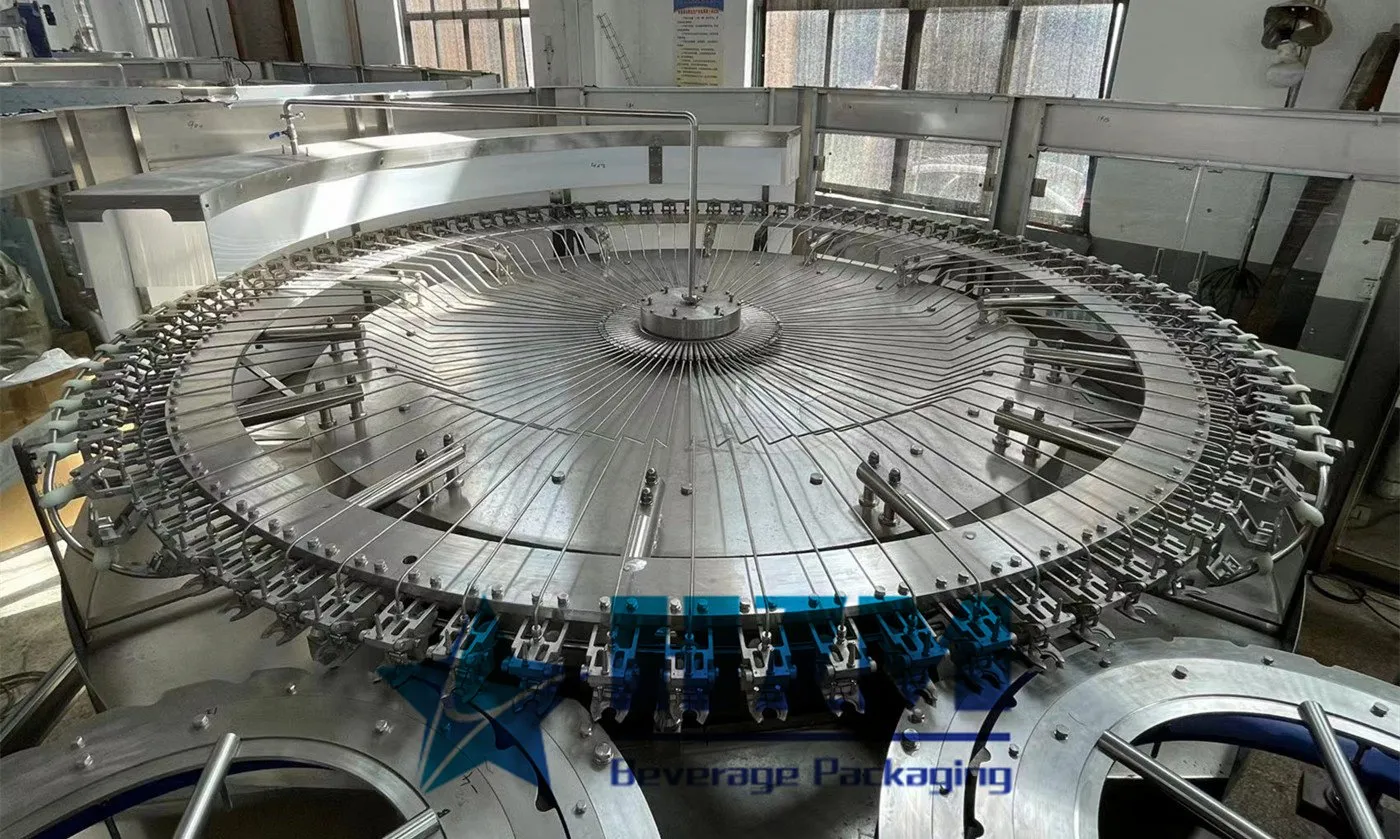
2024-03-29
Enhancing Beverage Carbonation Equipment
Beverage carbonation equipment plays a pivotal role in producing both large and small bottled carbonated beverages. Through processes like sugar blending, it crafts preliminary beverages, which are then treated in a soda blending machine. Here, the beverage undergoes deoxygenation, followed by proportional mixing of the original syrup and water. The resulting mixture is then atomized […]
Learn more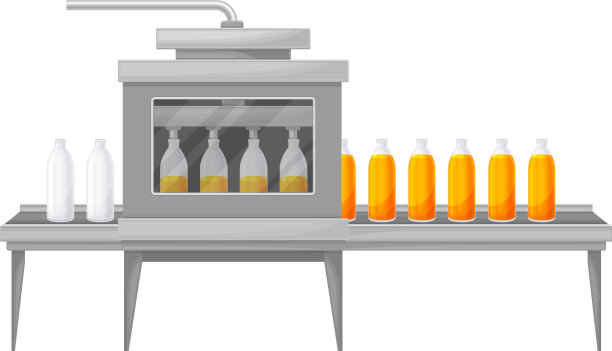
2023-06-16
Enhancing Production Efficiency and Quality-Beverage Filling Machines
In the modern beverage market, efficient and reliable beverage filling machines are essential for producers. Whether it's water, carbonated drinks, juice, or canned beverages, HZN Filling Machine Manufacturer offers a range of high-quality and advanced beverage filling machines
Learn more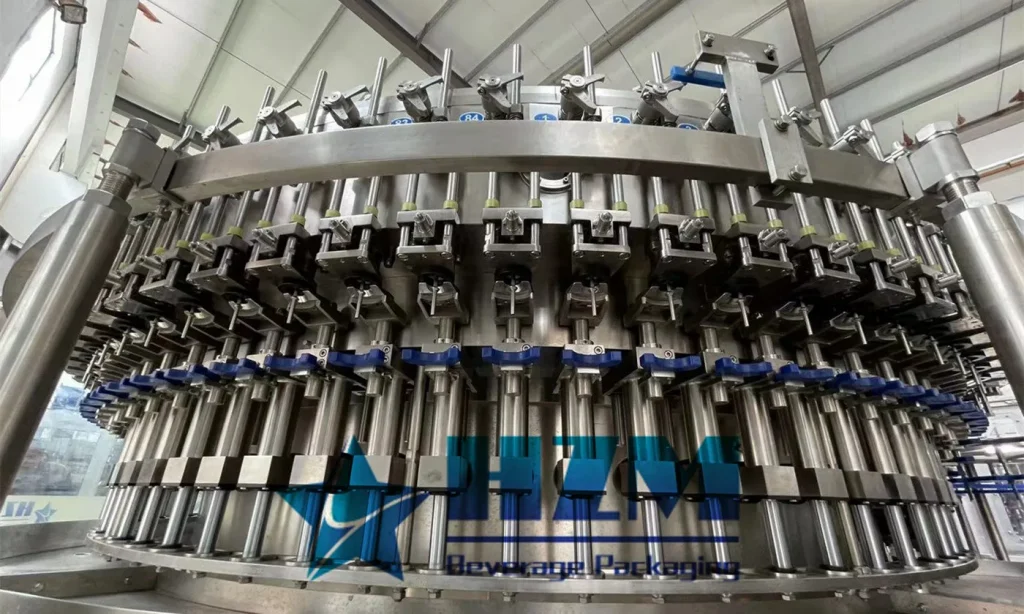
2023-08-16
Must-Know Technical Knowledge for Purchasing a Carbonated Drink Filling Machine
In the beverage industry, the Carbonated Drink Filling Machine serves as a core piece of equipment on the production line, directly impacting production efficiency and product quality
Learn more2023-09-14
Carbonated Beverage manufacturing process flow
The manufacturing process for carbonated beverages involves several key steps to create the characteristic fizz and flavor while ensuring product safety and quality.
Learn more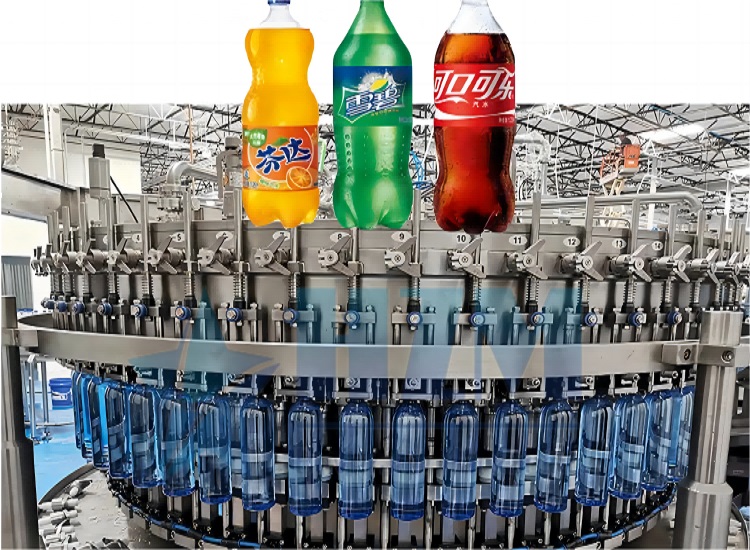
2023-09-08
Coca-Cola Filling Machine: An Efficient Production Tool for Carbonated Beverages
Coca-Cola, as one of the world's most popular carbonated beverages, consumes a significant amount of production processes and resources annually. To meet market demand, manufacturers rely on efficient production lines and innovative technology.
Learn more