
Checking a 5,000 LPH RO Proposal Against Actual Water Demand
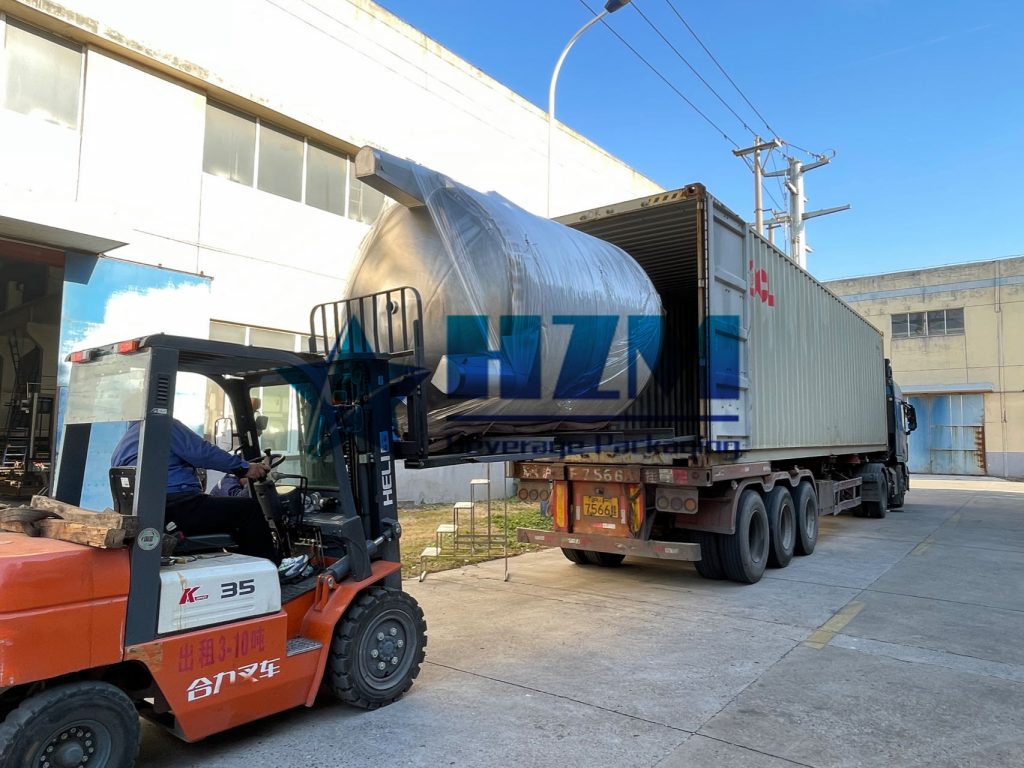
A 5,000 LPH reverse osmosis (RO) water treatment system can theoretically produce 5,000 liters of purified water per hour if that figure refers to its net permeate output. However, it will require more than 5,000 liters of raw water to do so.
For example, at an assumed 75% recovery rate, producing 5,000 LPH of RO permeate requires approximately 6,667 LPH of feedwater. The remaining 1,667 LPH leaves as concentrate.
That difference directly affects raw-water supply, pretreatment equipment, wastewater handling and operating costs.
For bottled water manufacturers, there is another important consideration: a 5,000 LPH RO system does not automatically support a filling line rated at 5,000 or 10,000 bottles per hour. The answer depends on bottle volume, production schedules, storage capacity and the quantity of treated water consumed outside the bottles.
Before selecting a 5,000 LPH RO water treatment system, buyers should establish the required product-water output, analyze the raw water and define the finished-water quality standard.
1. What Does 5,000 LPH Actually Mean?
LPH means liters per hour, but equipment specifications do not always make clear which water stream is being measured.
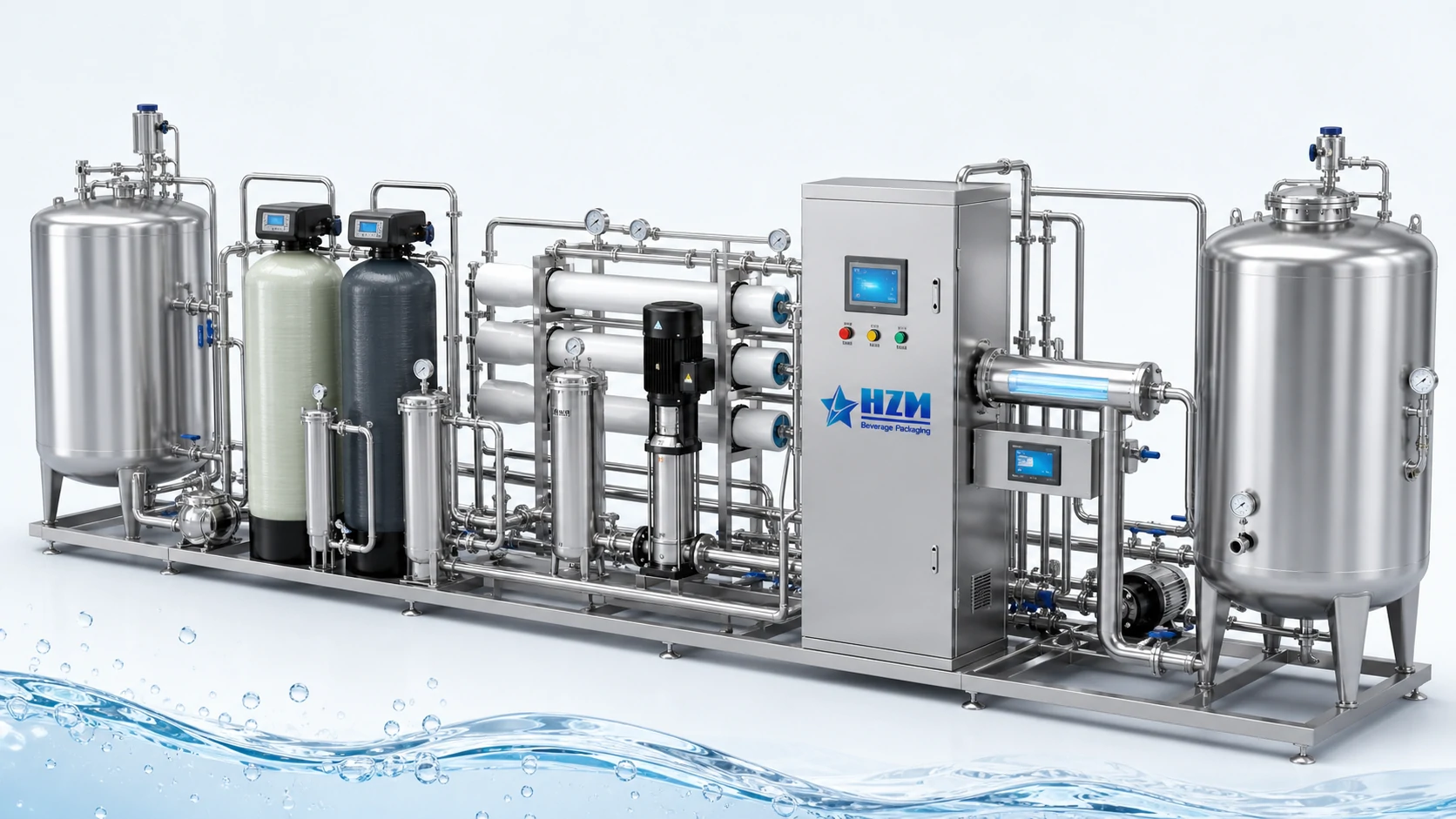
An RO installation has three principal flow measurements:
- Feedwater flow: The total water entering the RO membrane system.
- Permeate flow: The treated water passing through the membranes.
- Concentrate flow: The water carrying the higher concentration of rejected dissolved substances.
For bottling applications, the most useful production figure is usually the available permeate flow under defined operating conditions.
If a quotation states “5,000 LPH RO system,” it should explicitly identify whether that represents feedwater flow or treated-water production.
How to Calculate RO Water Recovery
RO recovery is the proportion of feedwater converted into permeate.
Recovery (%) = Permeate flow ÷ Feedwater flow × 100
The corresponding feedwater requirement is:
Feedwater flow = Required permeate flow ÷ Recovery fraction
Consider a system designed to produce 5,000 LPH of permeate.
| Assumed recovery | Feedwater required | Concentrate discharged |
|---|---|---|
| 60% | 8,333 LPH | 3,333 LPH |
| 70% | 7,143 LPH | 2,143 LPH |
| 75% | 6,667 LPH | 1,667 LPH |
These figures are calculation examples, not performance guarantees or recommended recovery settings for a particular machine.
Actual recovery depends on raw-water chemistry, membrane selection, scaling potential, system configuration and operating conditions.
Increasing recovery reduces concentrate volume relative to permeate production, but it also increases the concentration of retained substances in the reject stream.
If mineral concentrations become too high, scaling risk can increase.
The highest achievable recovery is therefore not necessarily the most practical operating point. A suitable design must balance water use, membrane protection and treatment cost.
2. Can a 5,000 LPH RO System Supply a Bottled Water Production Line?
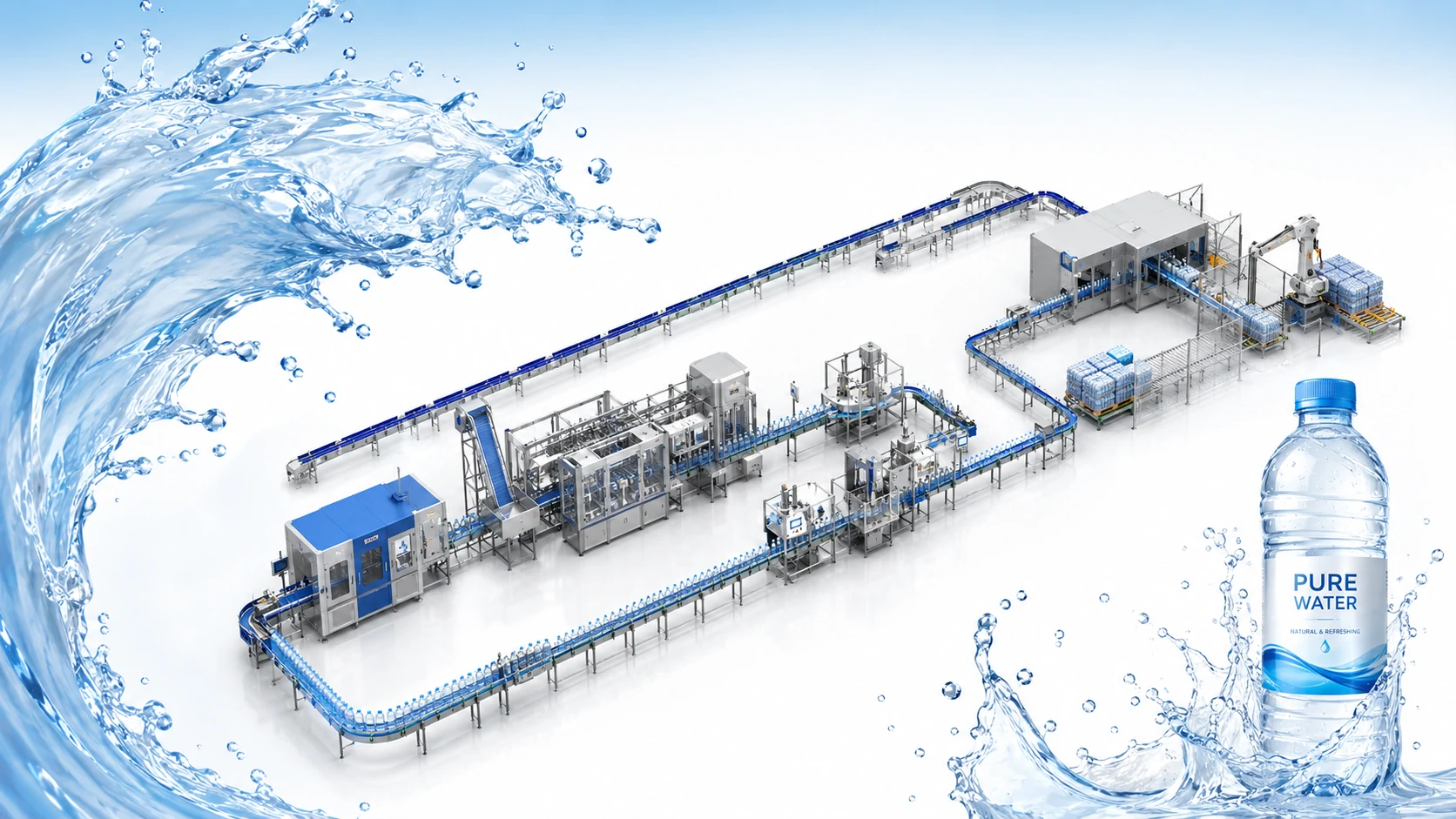
The required water-treatment capacity should be calculated from the quantity of water that the bottling plant actually consumes.
For a simplified calculation, assume that all 5,000 liters of permeate produced each hour are available for filling bottles.
Theoretical bottle output is:
Bottles/hour = Available product water (L/hour) ÷ Bottle volume (L)
| Bottle volume | Theoretical bottle output at 5,000 LPH |
|---|---|
| 500 ml | 10,000 BPH |
| 1 L | 5,000 BPH |
| 1.5 L | Approximately 3,333 BPH |
| 2 L | 2,500 BPH |
| 5 L | 1,000 BPH |
These are volume conversions, not confirmed filling-line production rates.
Actual water consumption can be higher because a plant may use treated water for bottle rinsing, equipment cleaning, product preparation or other processes.
Water may also be lost during startup, flushing, draining and production interruptions.
Example: A 12,000 BPH Water Filling Line
Suppose a factory plans to fill 12,000 PET bottles per hour, each containing 500 ml of purified water.
The theoretical finished-water requirement is:
12,000 × 0.5 = 6,000 LPH
A system providing only 5,000 LPH of permeate would have a 1,000 LPH shortfall during continuous operation at that filling rate, even before additional treated-water consumption.
A storage tank could temporarily supply the difference, but it would not eliminate the long-term imbalance if the filling line continuously consumed more water than the RO system produced.
The factory would need a different production schedule, additional water-treatment capacity or a suitably designed combination of water production and storage.
This is why RO systems and filling machines should be sized from the same production plan.
3. Raw-Water Quality Determines the Pretreatment Process
Two factories with identical purified-water production targets may require different RO pretreatment systems.
A plant using municipal tap water may face different contaminants from a plant using groundwater.
For example, groundwater may contain elevated hardness, dissolved iron, manganese or silica. Municipal water may contain a disinfectant residual that must be controlled before the water reaches certain RO membranes.
The treatment process should be based on a representative laboratory analysis rather than a standard equipment package selected from capacity alone.
Important raw-water parameters include:
| Parameter | Why it matters to RO design |
|---|---|
| Conductivity and TDS | Indicate the dissolved-ion load and influence membrane and pressure selection |
| Hardness, calcium and magnesium | Contribute to mineral-scaling risk |
| Alkalinity and pH | Influence carbonate equilibrium and scaling calculations |
| Silica | Can limit practical recovery under certain conditions |
| Iron and manganese | May cause deposits or membrane fouling |
| Turbidity and SDI | Help assess particulate and colloidal fouling potential |
| Free chlorine and other oxidants | May damage oxidation-sensitive membrane materials |
| Microbiological indicators | Help determine biological control and hygienic treatment requirements |
The analysis should reflect normal operation and, where relevant, seasonal changes in the water source.
A single conductivity reading cannot establish whether the water is suitable for direct RO treatment.
Multimedia Filtration
A multimedia filter can reduce suspended particles and help protect downstream equipment.
Its design depends on the incoming particle load, filtration rate, media characteristics and backwashing arrangement.
A multimedia filter does not remove dissolved salts in the same way as reverse osmosis.
Activated Carbon and Dechlorination
Activated carbon can adsorb certain organic compounds and remove residual chlorine under suitable operating conditions.
Chlorine control is particularly important for oxidation-sensitive polyamide RO membranes.
An activated carbon filter should not be assumed to provide adequate chlorine removal indefinitely.
Media condition, water flow, contact time and the actual chlorine concentration affect performance.
The pretreatment system should include an appropriate method for verifying that oxidants are controlled before the membrane stage.
Softening and Scale Control
Water softening or chemical scale control may be used when raw-water chemistry indicates a significant scaling risk.
These methods serve different purposes and are not automatically interchangeable.
Ion-exchange softening reduces calcium and magnesium hardness. Antiscalant dosing is used to control precipitation under specified chemical and operating conditions.
Selecting a suitable approach requires water analysis and calculation of the concentrate-side scaling potential.
Cartridge Filtration
Cartridge filters are commonly installed upstream of RO high-pressure pumps and membrane vessels to capture residual particles.
The cartridge rating, filter area, pressure-drop limits and replacement procedure should match the selected system.
A cartridge filter is a protective stage, not a substitute for adequate upstream pretreatment.
4. What Does Modified Polypropylene Mean in an RO System?
Polypropylene, often abbreviated as PP, is used in various industrial filtration components.
Depending on the product, the term may refer to filter elements, housings or other fabricated parts.
However, the phrase “modified polypropylene” does not, by itself, identify the selective membrane material inside a reverse osmosis element.
For example, many industrial spiral-wound RO membrane elements use thin-film composite polyamide membranes.
These membrane materials should not be described as modified polypropylene without specific supporting documentation.
If a supplier lists modified polypropylene in an RO system specification, the buyer should identify the exact component involved.
The material documentation should state its intended function and applicable operating limits, including pressure, temperature, chemical exposure and any required food-contact compliance.
The material specification should be assessed separately from RO membrane salt rejection, permeability and recovery.
A particular housing or filter material cannot establish the treatment performance of an entire RO system.
5. How Is the RO Membrane System Selected?
The RO membrane stage is responsible for separating much of the dissolved salt load from the water.
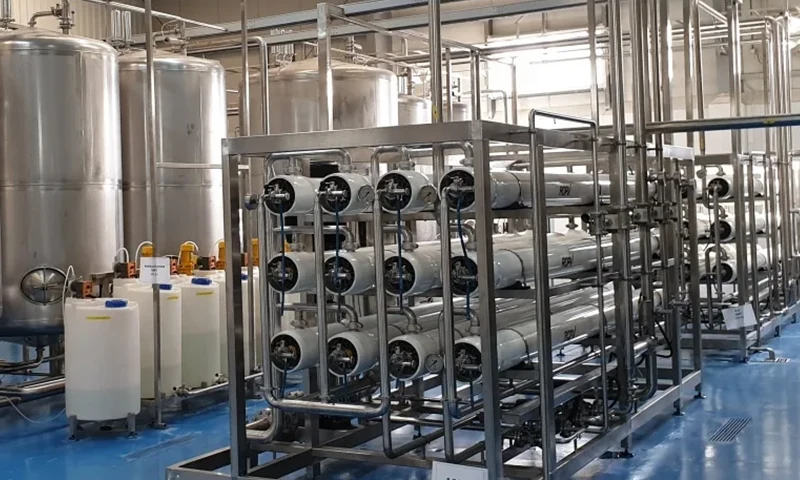
It typically consists of a high-pressure pump, membrane pressure vessels, membrane elements, connecting pipework, instruments and associated controls.
The number and type of membrane elements cannot be selected reliably from the 5,000 LPH target alone.
Important design inputs include feedwater composition, temperature, pressure, desired recovery, required permeate quality and membrane fouling potential.
Water Temperature Affects Output
Membrane water permeability changes with temperature.
When feedwater becomes colder, the permeate flow at otherwise comparable operating conditions generally decreases.
This matters for facilities using groundwater or operating in regions with significant seasonal temperature differences.
A system rated under one test temperature may produce a different flow at another temperature.
The technical proposal should specify the reference feedwater temperature and the acceptable operating range.
Recovery and Salt Rejection Are Different
Recovery describes how much feedwater becomes permeate.
Salt rejection describes the extent to which dissolved salts are prevented from entering the permeate.
For a simplified single-point calculation using concentrations:
Salt rejection (%) = (1 − Permeate concentration ÷ Feed concentration) × 100
For example, if feedwater contains 500 mg/L of a measured dissolved constituent and permeate contains 10 mg/L of the same constituent:
Salt rejection = (1 − 10 ÷ 500) × 100 = 98%
This example illustrates the calculation. It is not a claimed rejection rate for an HZM system.
Actual membrane performance must be evaluated using the correct sampling locations, operating conditions and appropriate measurement methods.
Conductivity can be useful for monitoring dissolved-ion passage, but conductivity and TDS are not identical measurements.
When comparing membrane performance over time, temperature, flow, pressure and recovery changes should also be considered.
6. Product-Water Storage and Treatment Before Filling
RO permeate is not necessarily ready for immediate bottling solely because it has passed through the membrane system.
The final treatment and hygienic handling arrangement depend on the finished-water specification and applicable food-safety requirements.
A bottling plant may require a treated-water tank, sanitary transfer piping and a suitable final microbial-control process.
UV treatment, ozone treatment or other permitted methods may form part of the process design, depending on the intended product and applicable requirements.
These methods have different functions. UV treatment does not provide a persistent disinfectant residual, while ozone requires controls appropriate to the water and equipment.
The final system must be designed so that treated water is not recontaminated during storage and transfer.
How Large Should the Treated-Water Tank Be?
Tank capacity should be based on the consumption pattern of the filling line and the ability of the RO system to replenish stored water.
For illustration, a filling process consuming 5,000 liters per hour requires approximately 83.3 liters per minute.
To supply that demand for 15 minutes without replenishment:
5,000 × 15 ÷ 60 = 1,250 liters
This is the theoretical usable water volume required for the stated period.
It is not a recommendation to install a 1,250-liter nominal tank.
Real tank sizing must allow for unusable volume, level-control settings, operating variation, sanitation requirements and the intended response to equipment stoppages.
A larger tank is not automatically better. Long residence times and inadequate hygienic design can create additional water-quality risks.
The tank and transfer system should be assessed as part of the complete water-treatment process.
7. What Water Quality Should the Finished System Achieve?
The finished-water standard should be defined before the treatment equipment is ordered.
Purified bottled water, drinking water used as a beverage ingredient and officially recognized natural mineral water may be subject to different rules.
Define the intended product category and market before selecting a treatment that changes mineral composition.
For purified bottled water, the required chemical and microbiological quality must be demonstrated against the applicable market requirements.
Conductivity alone is not sufficient to verify drinking-water safety.
Depending on the source, treatment process and jurisdiction, laboratory testing may be necessary for microbiological indicators, inorganic constituents and other regulated contaminants.
A complete water-treatment specification should distinguish between:
- Raw-water quality at the plant inlet.
- Water quality entering the RO membranes.
- RO permeate quality.
- Final treated-water quality at the agreed sampling location.
- Water quality at the point of bottling, where applicable.
These results can help identify whether a problem originates in pretreatment, membrane separation, storage or downstream handling.
8. How Should a 5,000 LPH RO System Be Tested Before Acceptance?
A production-capacity statement is meaningful only when the relevant operating conditions are defined.
For a proposed system targeting 5,000 LPH of net permeate, the acceptance procedure should establish the reference water quality, temperature, operating pressure and recovery.
During commissioning, the following data should be recorded:
| Measurement | Purpose |
|---|---|
| RO feedwater flow | Confirms the water entering the membrane stage |
| Permeate flow | Measures actual treated-water production |
| Concentrate flow | Supports recovery and water-balance calculations |
| Feed and permeate conductivity | Helps assess dissolved-ion separation |
| Feedwater temperature | Provides context for membrane flux |
| Feed and concentrate pressure | Helps characterize operating conditions |
| Pretreatment filter differential pressure | Indicates filtration resistance |
| Relevant oxidant measurements | Help verify membrane protection |
| Product-water laboratory results | Establish compliance with the agreed quality requirements |
Verify the Water Balance
For steady-state operation, the approximate flow relationship is:
Feedwater flow = Permeate flow + Concentrate flow
Differences may occur because of measurement accuracy, auxiliary flows, flushing or other system arrangements.
If a test records 6,800 LPH of feedwater, 5,000 LPH of permeate and 1,800 LPH of concentrate, the calculated recovery is approximately 73.5%.
Those numbers are an illustrative test dataset, not a recorded HZM factory test.
Actual acceptance should use calibrated instruments and a defined operating period.
The system should also demonstrate the required product-water quality under the agreed test conditions.
Final acceptance should distinguish between the membrane unit’s permeate capacity and the quantity of acceptable water available at the specified delivery point.
9. Planning a 5,000 LPH RO Water Treatment System with HZM Machinery
HZM Machinery supplies water-treatment equipment for bottled-water and beverage production, including pretreatment, reverse osmosis and related water-processing systems.
HZM’s published Reverse Osmosis Water Treatment product information describes multimedia filtration, activated carbon filtration, softening, cartridge filtration and RO membrane treatment.
That published product page specifies a 2,000 LPH equipment configuration. Its parameters should not automatically be applied to a separate proposed 5,000 LPH system.
The broader HZM Water Treatment System category covers water purification equipment for beverage and bottled-water applications.
For a new 5,000 LPH project, the proposed configuration should be developed around the required treated-water output and the actual source-water conditions.
A useful request for quotation should include the raw-water laboratory report, finished-water quality requirements, operating hours, required net permeate flow, available utilities and the intended bottling-line consumption.
The equipment quotation should identify the proposed process stages, major components, feedwater and permeate design conditions, utility requirements, control functions and acceptance criteria.
Request an RO Water Treatment System Quotation
If you are planning a bottled-water production plant or upgrading an existing water-treatment system, HZM Machinery can review your water-treatment requirements and propose a suitable equipment configuration.
Provide your raw-water analysis, target production capacity, bottle sizes and plant operating schedule so the treatment process can be matched to the intended production demand.
Use the same design conditions in every quotation
Compare net permeate capacity at the same feedwater analysis and temperature. Identify auxiliary water demand and the agreed delivery point separately. A proposal stated as 5,000 LPH feed flow cannot be compared directly with one stated as 5,000 LPH permeate.
Need help planning your packaging line?
Share your product, bottle and capacity requirements for a practical equipment recommendation.
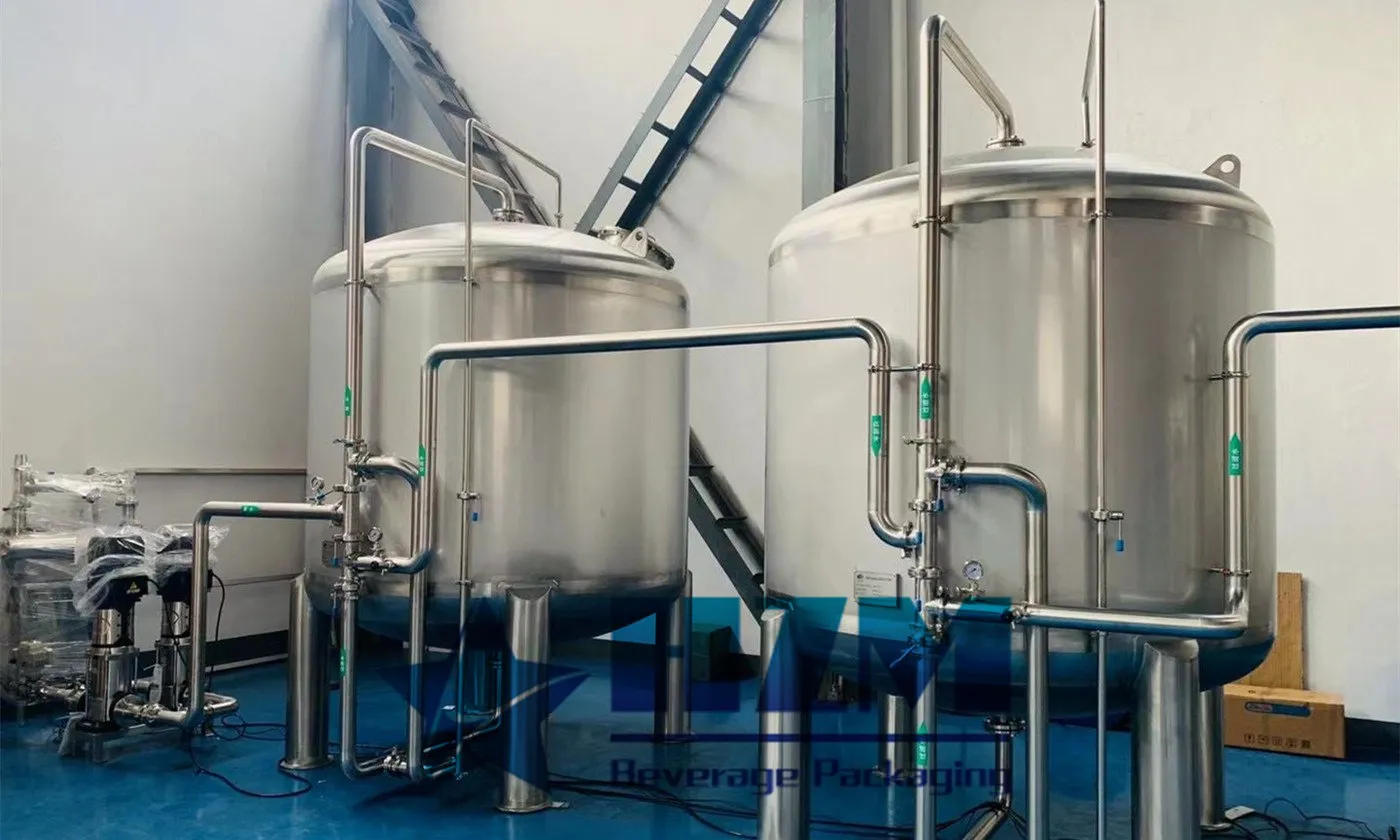
RO System Water Treatment Plant
The RO water treatment plant produces purified water through feed-water pretreatment and reverse-osmosis membrane separation.
Learn more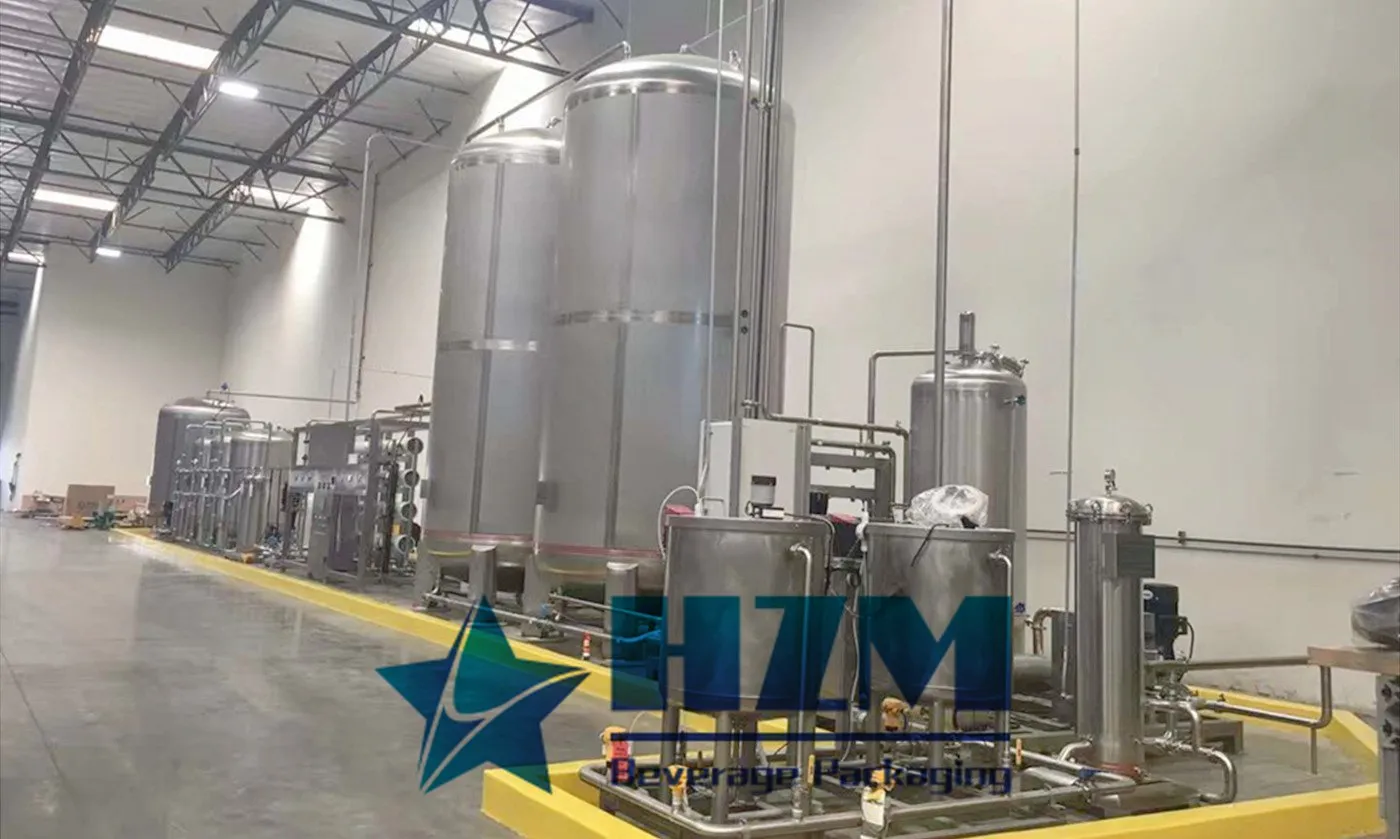
RO Water Treatment System Drinking Water Purifier
This RO water treatment system combines pretreatment, reverse-osmosis membrane separation and final treatment for purified-water production.
Learn more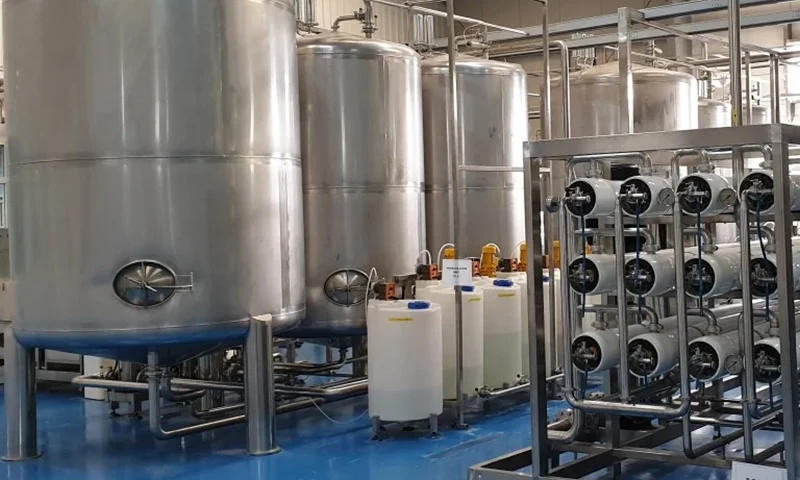
Well Water Purification Small Ro System Ro Plant
This reverse osmosis system treats well water and groundwater for drinking-water production.
Learn more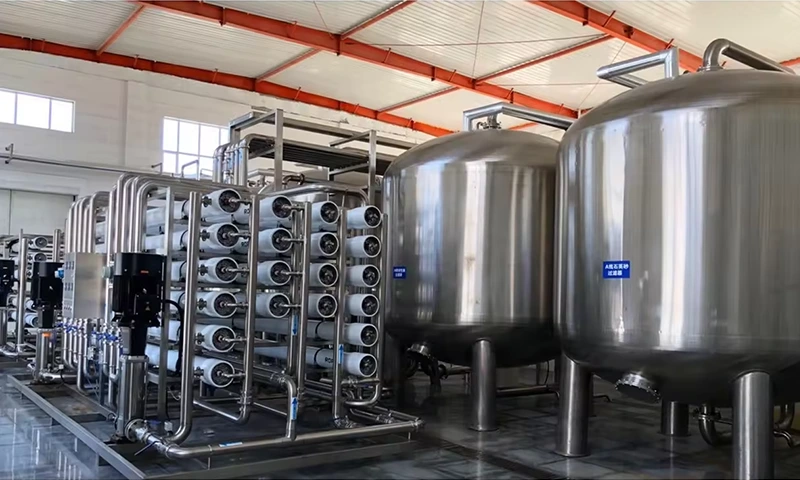
RO Water Treatment Machine for Bottled Water Production
10 T/H reverse osmosis water treatment for purified-water bottling, with pretreatment, storage and filler-supply connections.
Learn moreWater Treatment for the Food & Beverage Industry – RO Water Treatment Equipment
10 T/H RO water treatment for ingredient, process and rinse water in food and beverage plants.
Learn moreIndustrial food water treatment equipment – 10T/H RO Water Treatment System
10 T/H reverse osmosis water treatment for food and beverage production, with pretreatment and stainless-steel equipment options.
Learn more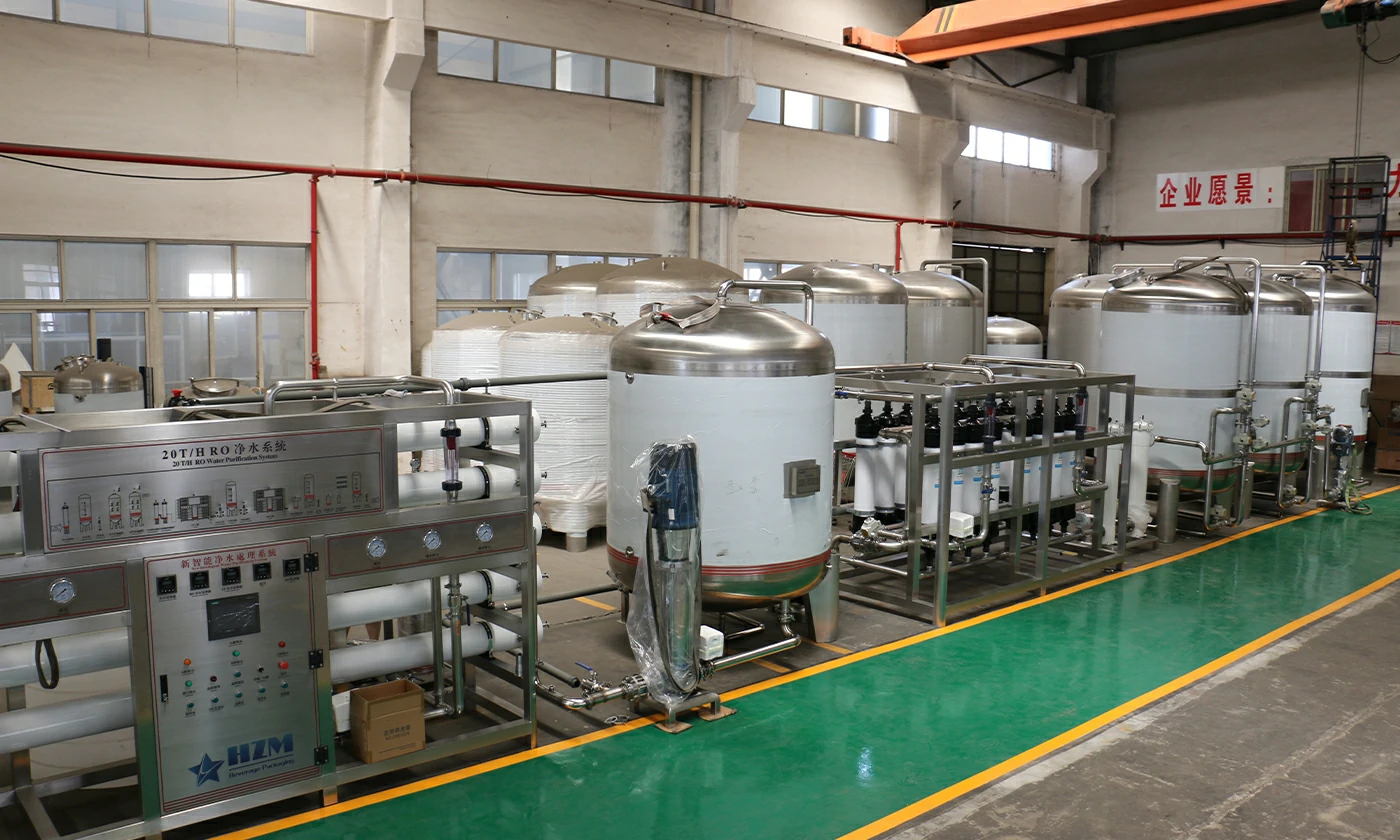
Industrial RO Drinking Water Treatment Plant – Reverse Osmosis Equipment for Beverage & Bottled Water
1,000 litres/hour reverse osmosis water treatment for bottled-water, beverage and food production.
Learn moreFood Grade RO Water Plant
10 T/H food and beverage RO water treatment with SUS304 or SUS316 stainless-steel options, monitoring and cleaning connections.
Learn more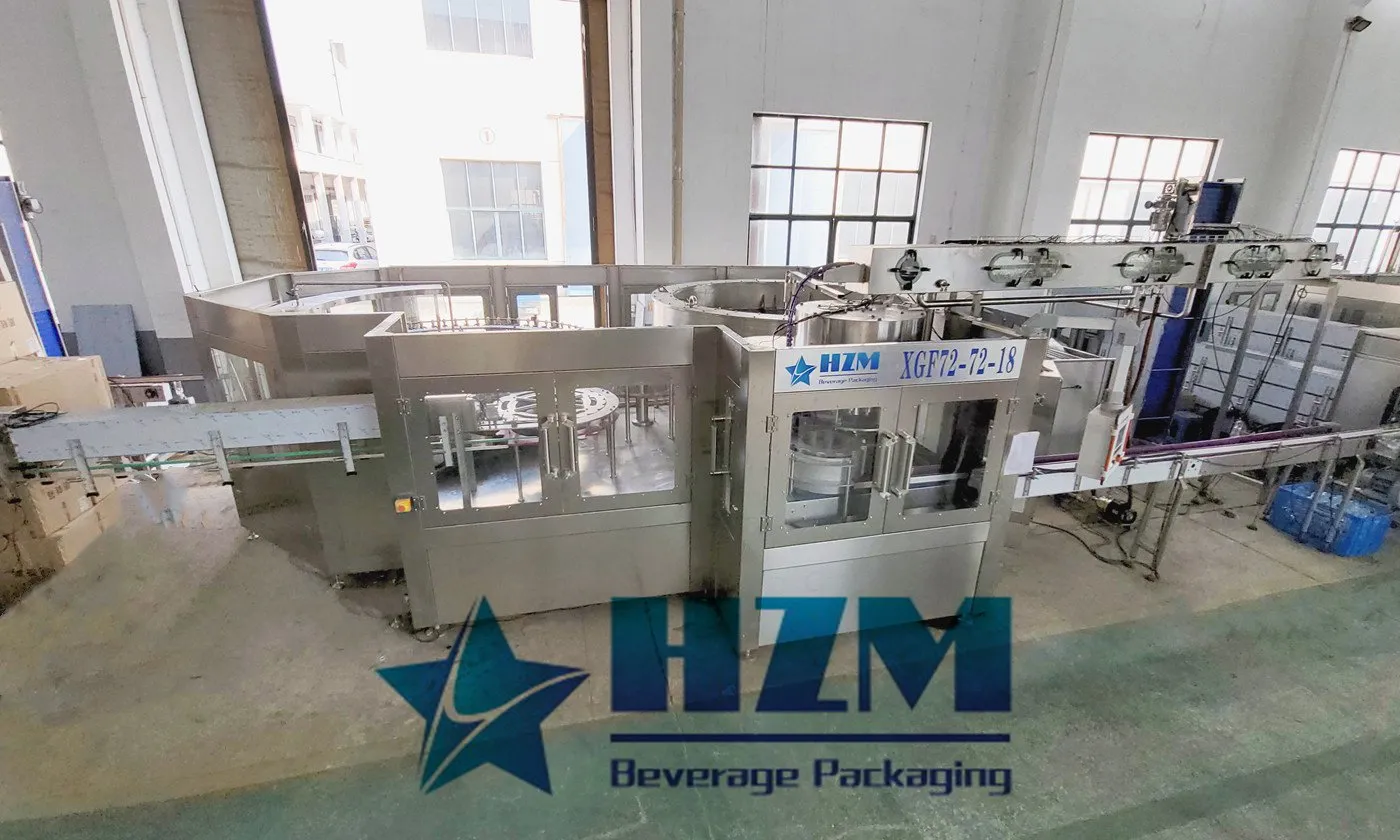
Automatic Water Bottle Filling Machine
Automatic rinsing, filling and capping for purified and mineral water in PET bottles, with capacities of 5,000–42,000 bottles/hour at 500 ml.
Learn moreRaw-Water Analysis Before RO Process Selection
Specify the feed source and sample it under representative conditions. Conductivity alone does not describe scaling, fouling or the pretreatment needed to protect an RO system.
Learn more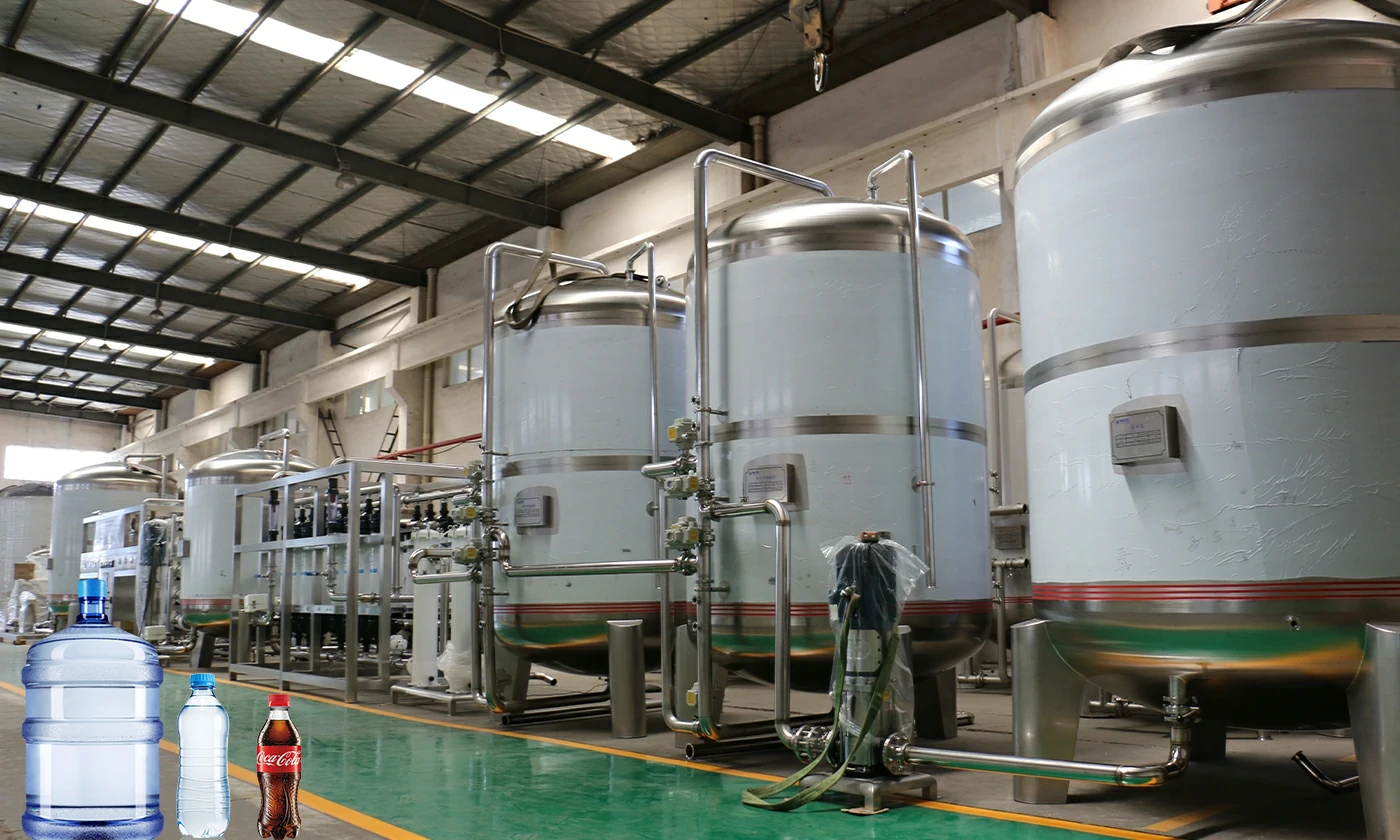
RO Capacity and Recovery: Keep Feed and Product Flows Separate
RO feed flow, permeate flow and concentrate flow are different quantities. Recovery is permeate flow divided by feed flow over the same time interval.
Learn more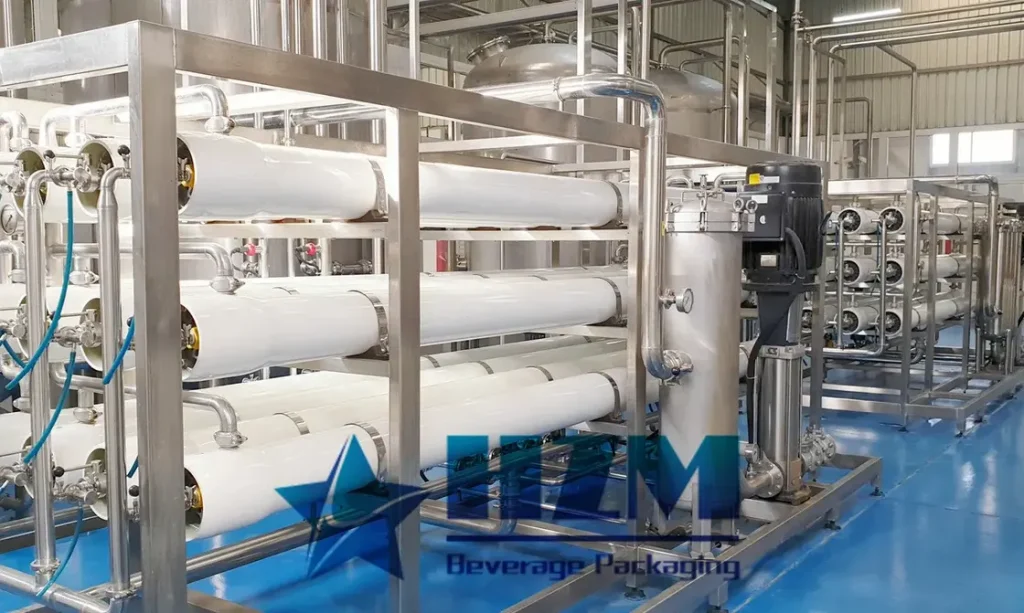
Reverse Osmosis Water Treatment for Beverage Production: Design and Maintenance
A practical guide to designing and maintaining reverse osmosis water treatment for bottled water and beverage production from raw-water analysis to CIP.
Learn more8t Normal Pressure Ss304 Ro Water Treatment System
High quality 8t Normal Pressure Ss304 Ro Water Treatment System from China, China's leading ss304 ro water treatment system product, with strict quality control 8t ro water treatment system factories, producing high quality normal pressure ro water treatment equipment products.
Learn moreNormal Pressure SS304 SS316 RO Water Treatment System
High quality Normal Pressure SS304 SS316 RO Water Treatment System from China, China's leading SS316 RO Water Treatment System product, with strict quality control SS304 RO Water Treatment System factories, producing high quality SS316 water reverse osmosis system products.
Learn more
How to Review a Beverage Filler Supplier’s Proposal
A supplier proposal should connect a named configuration to the product and container being purchased.
Learn more