
Insights & Updates
PET Bottle Blowing Machine: Leading Packaging Production Equipment
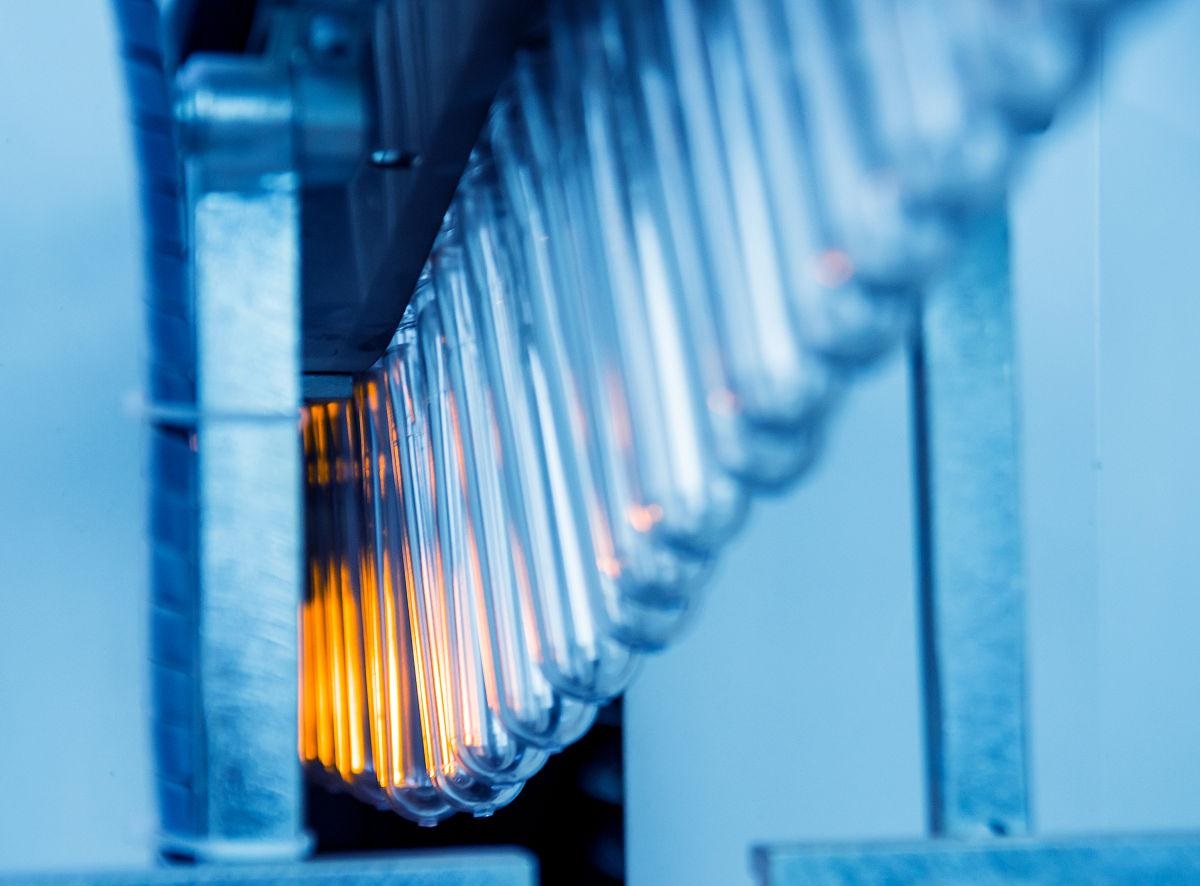
The PET Bottle Blowing Machine is a crucial packaging production equipment used for manufacturing PET plastic bottles. This article will cover the functions, applicable industries, detailed specifications, procurement considerations, and maintenance tips for the machine, while recommending HZM as a manufacturer of PET Bottle Blowing Machines.
- Functions: The PET Bottle Blowing Machine is primarily used to transform preheated PET plastic pellets into various shapes and sizes of plastic bottles through the blow molding process. It offers efficient, fast, and stable production capabilities, meeting the packaging requirements of different industries for high quality, transparency, sealing, and durability.
- Applicable Industries: The PET Bottle Blowing Machine finds extensive applications in industries such as food and beverages, cosmetics, pharmaceuticals, detergents, and chemicals. These industries have high demands for food safety, product quality, and aesthetics, and PET bottles possess excellent characteristics to fulfill these requirements.
- Detailed Specifications:
- Production Capacity: The production capacity of PET Bottle Blowing Machines can range from 1000 to 8000 bottles per hour, depending on different machine models and configurations.
- Bottle Size Range: PET Bottle Blowing Machines are suitable for producing bottles with capacities ranging from 50 milliliters to 20 liters.
- Control System: Advanced PLC control systems are employed, offering high automation and easy operation.
- Procurement Considerations:
- Equipment Quality: Choose reputable manufacturers like HZM to ensure reliable equipment quality, stable performance, and long lifespan.
- Technical Support: Verify whether the manufacturer provides comprehensive after-sales service and technical support to ensure smooth equipment operation and timely maintenance.
- Customer Feedback: Refer to customer reviews and feedback to understand the manufacturer’s reputation and user experience.
- Maintenance Tips:
- Regular Inspections: Perform regular inspections of the lubrication system, electrical system, and pneumatic system to ensure proper functioning.
- Cleaning and Maintenance: Keep the machine clean, clean molds and blowing components, preventing build-up that can affect production quality.
- Component Replacement: Timely replace worn-out components to maintain production stability and accuracy.
- HZM Manufacturer: HZM is a professional manufacturer of PET Bottle Blowing Machines with extensive experience and advanced technology. They offer high-quality and reliable PET Bottle Blowing Machines to meet the diverse needs of various industries. HZM focuses on product quality and customer satisfaction, providing comprehensive pre-sales consultation, after-sales service, and technical support.
Conclusion: HZM PET Bottle Blowing Machines serve as leading packaging production equipment, meeting the requirements of different industries for high-quality, transparent, and durable packaging. By selecting the appropriate machine model, considering procurement factors, and conducting regular maintenance, efficient machine operation and extended lifespan can be ensured. As a professional manufacturer, HZM offers superior PET Bottle Blowing Machines and comprehensive support services to customers.
Talk to our engineering team
Need help planning your packaging line?
Share your product, bottle and capacity requirements for a practical equipment recommendation.
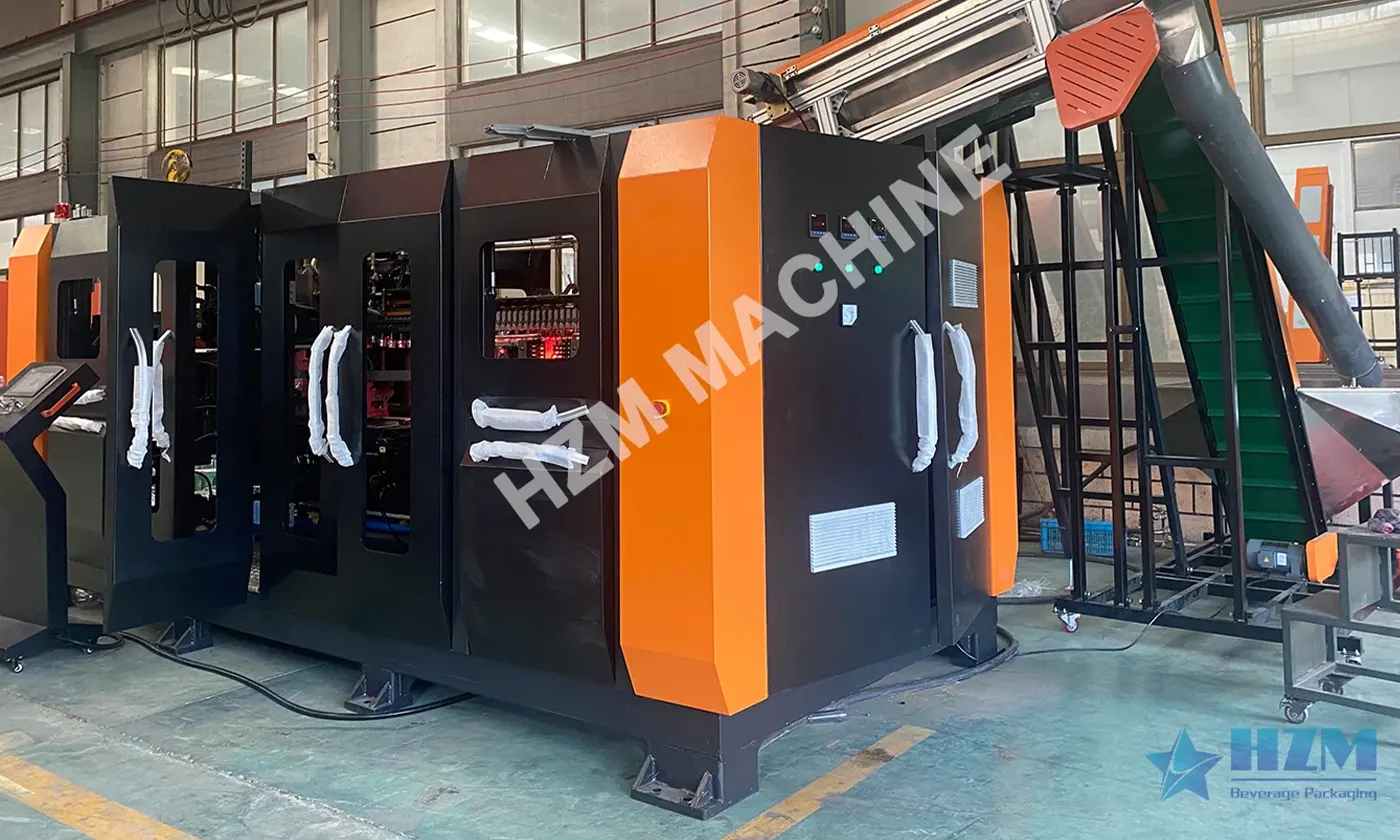
Equipment
Plastic Bottle Blowing Machine, making machine
PET bottle making for drinking water, beverages and liquid packaging, with automatic preform heating and stretch blowing.
Learn more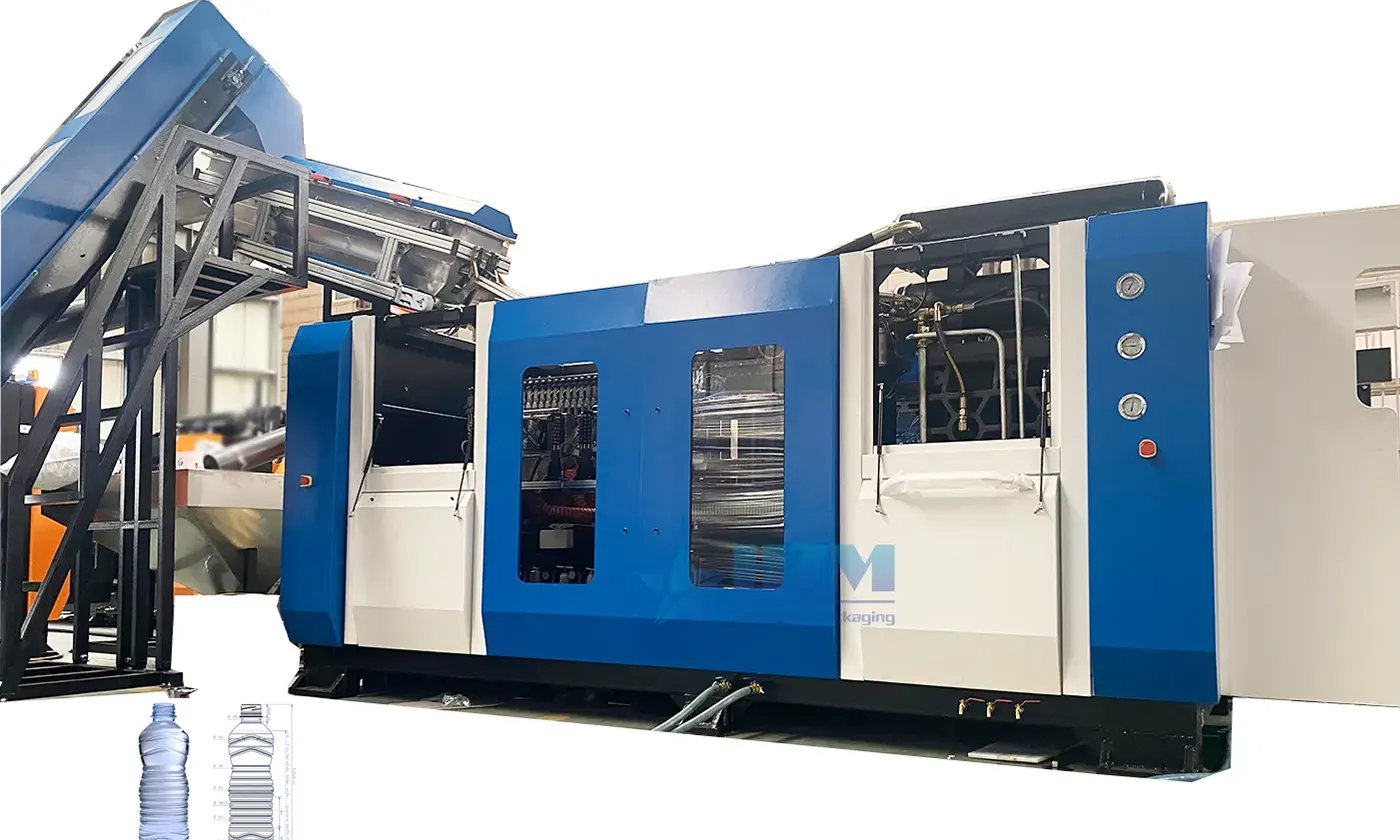
Equipment
Automatic Water Bottle Blowing Molding Machine
Automatic water bottle blowing from PET preforms, with 6–12 cavities and capacities up to 21,600 bottles/hour at 500 ml.
Learn more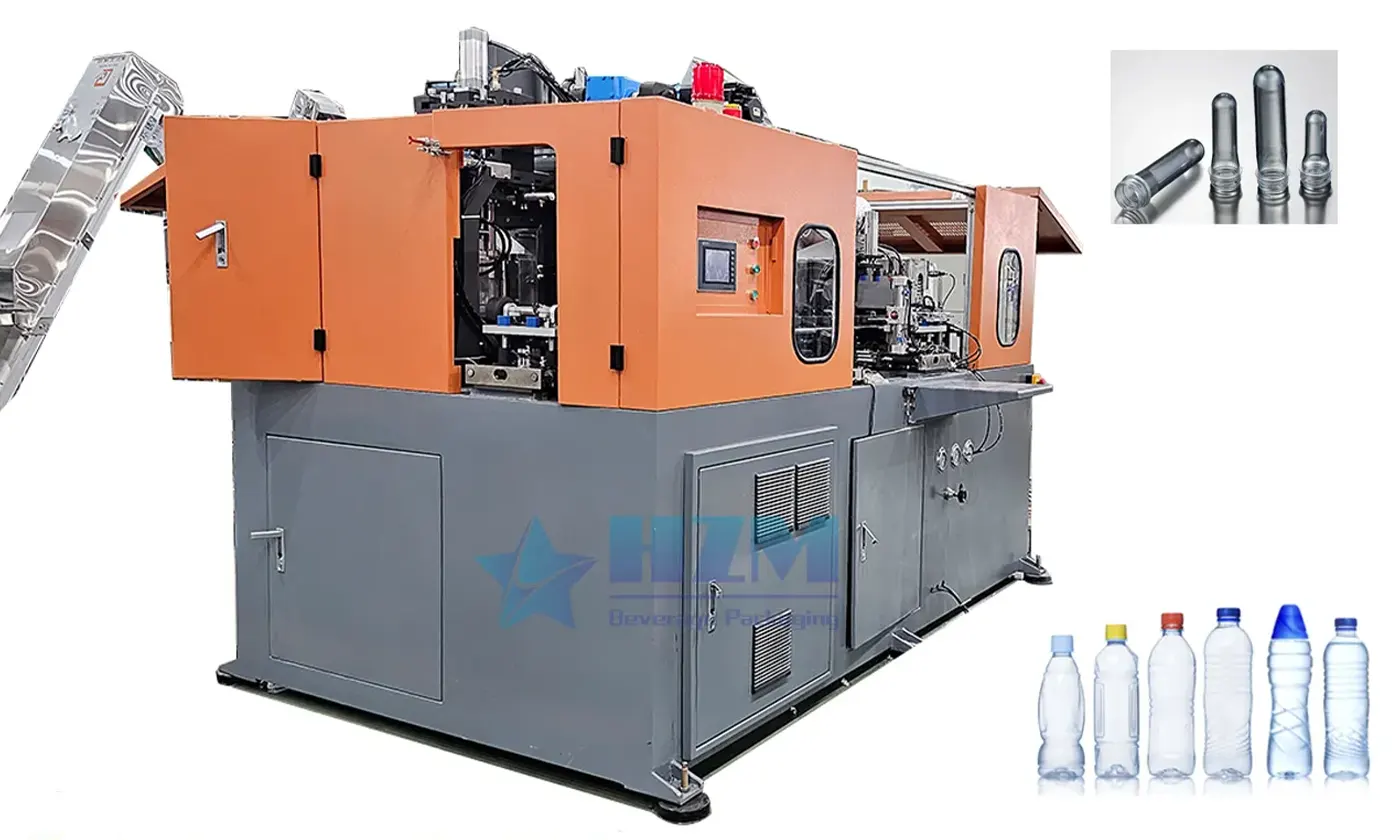
Equipment
PET Bottle Blow Molding Machine
PET bottle blow moulding with 6–12 cavities and capacities of 12,000–21,600 bottles/hour at 500 ml.
Learn more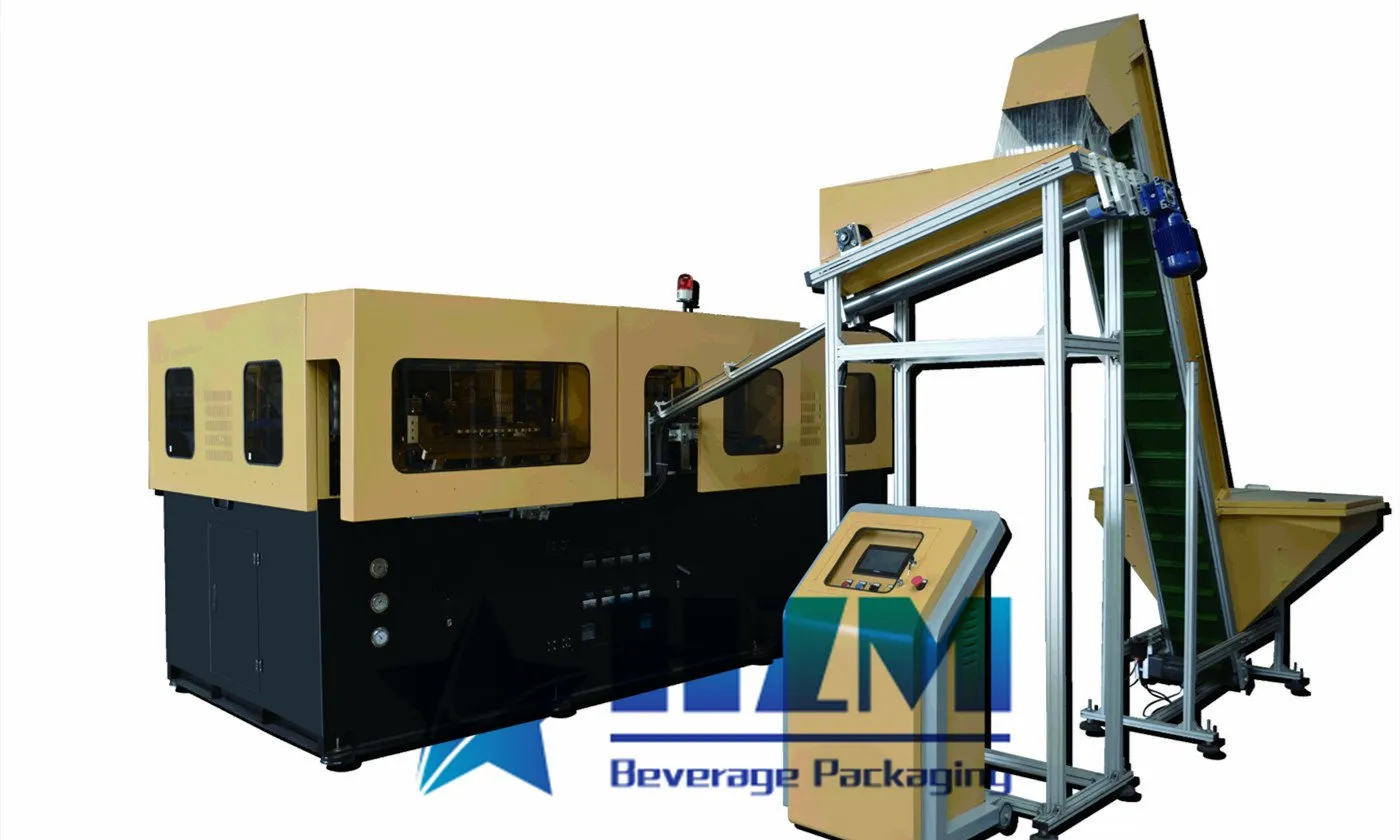
Equipment
Automatic Oil Bottle Wide Neck PET Bottle Blowing Machine
PET blow moulding equipment for large edible-oil, drinking-water and wide-neck bottles, with bottle sizes up to 5–10 L by model.
Learn more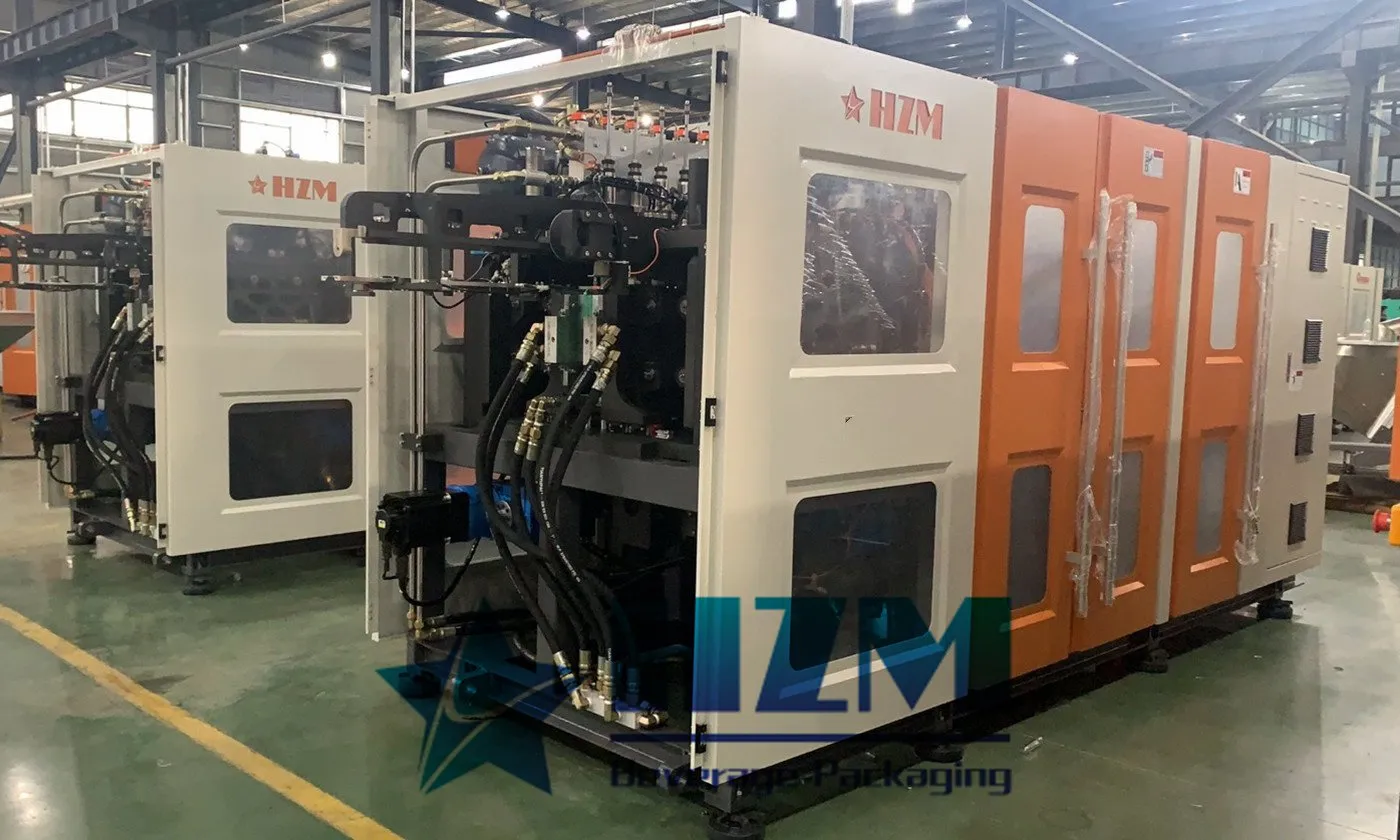
Equipment
Automatic Blow Molding Machine
Automatic PET bottle blowing for water and beverage packaging, with capacities of 12,000–24,000 bottles/hour at 500 ml.
Learn more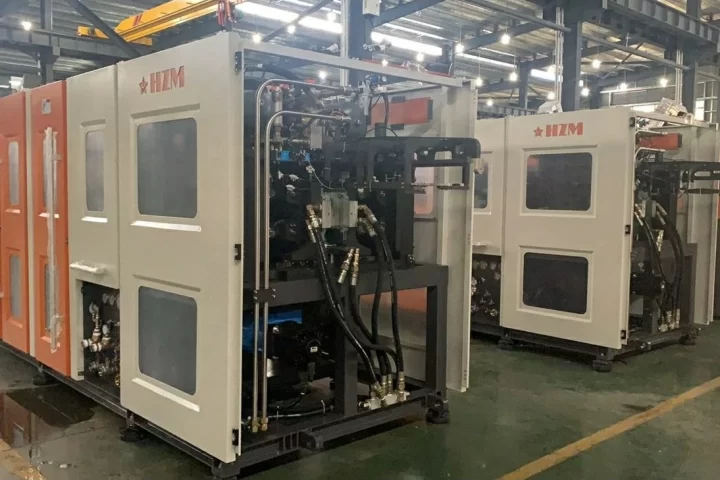
Equipment
4 cavity automatic pet bottle blowing machine
Four-cavity automatic PET bottle blowing from heated preforms, with manual handling during the operating cycle.
Learn more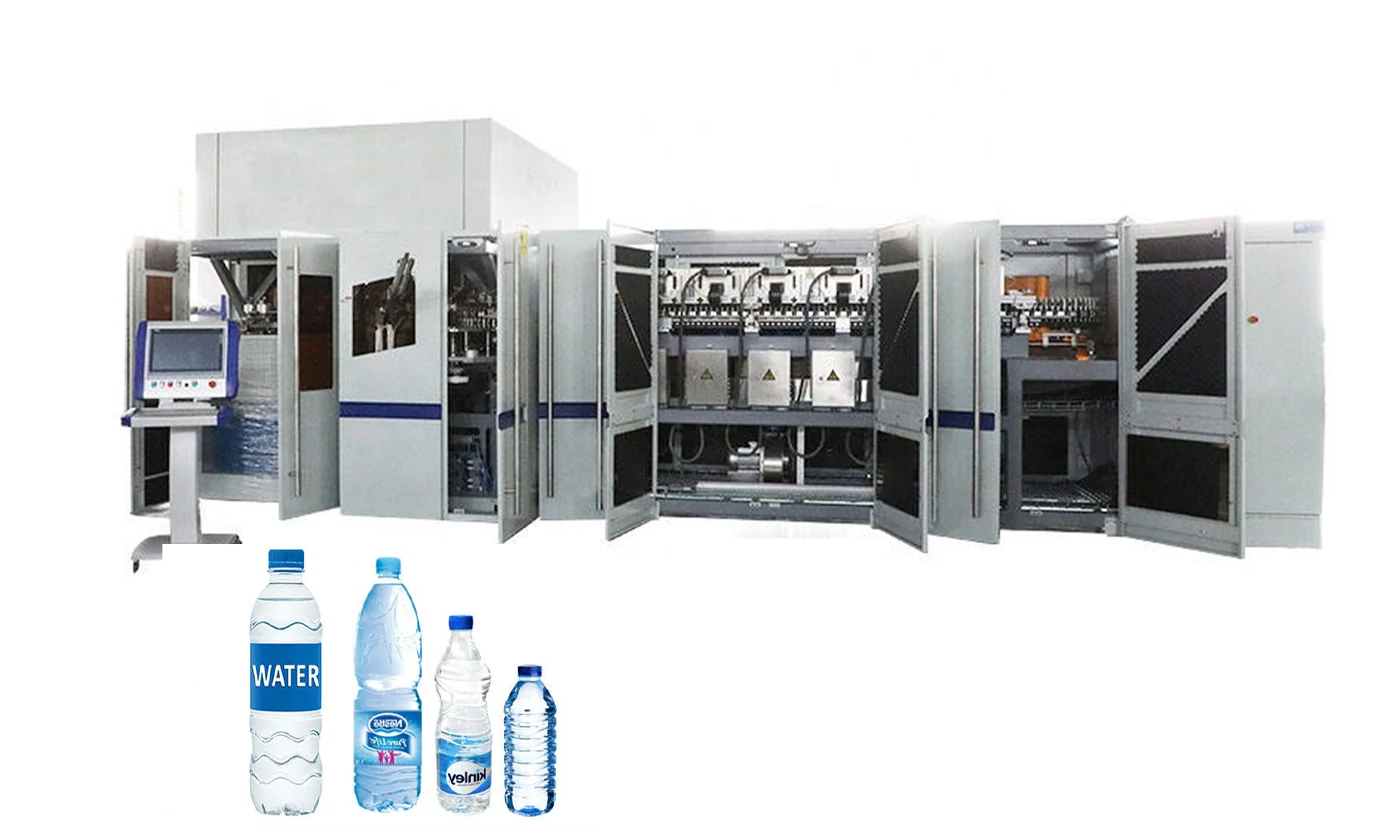
Equipment
Automatic PET Bottle Blowing Filling Capping Machine – Best price beverage machinery
Automatic PET bottle blowing, filling and capping, with capacities of 12,000–48,000 bottles/hour at 500 ml and bottle volumes up to 2 L.
Learn more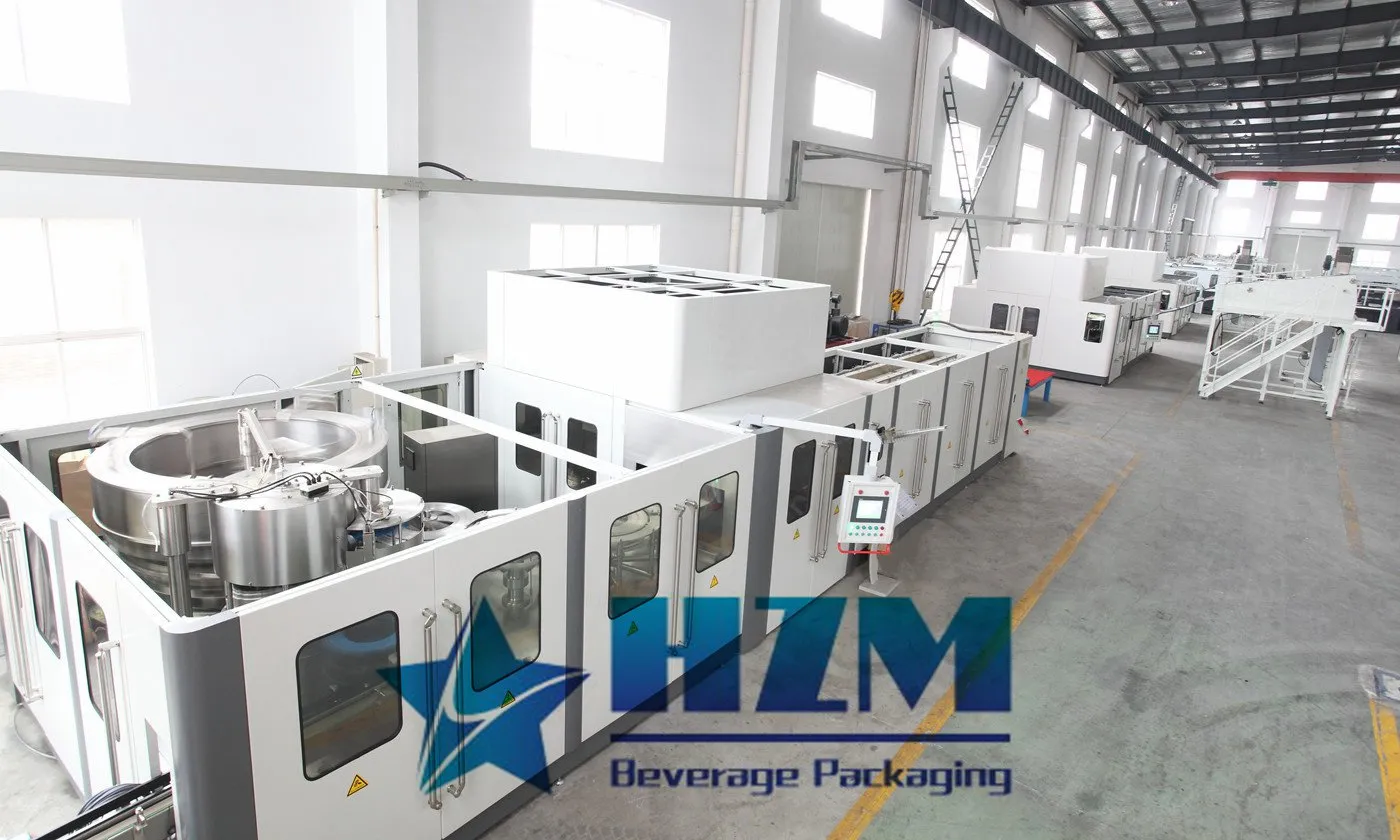
Equipment
Blowing-Filling-Capping Machine
A PET combiblock that combines preform heating, bottle blowing, filling and capping at 12,000–48,000 bottles/hour at 500 ml.
Learn more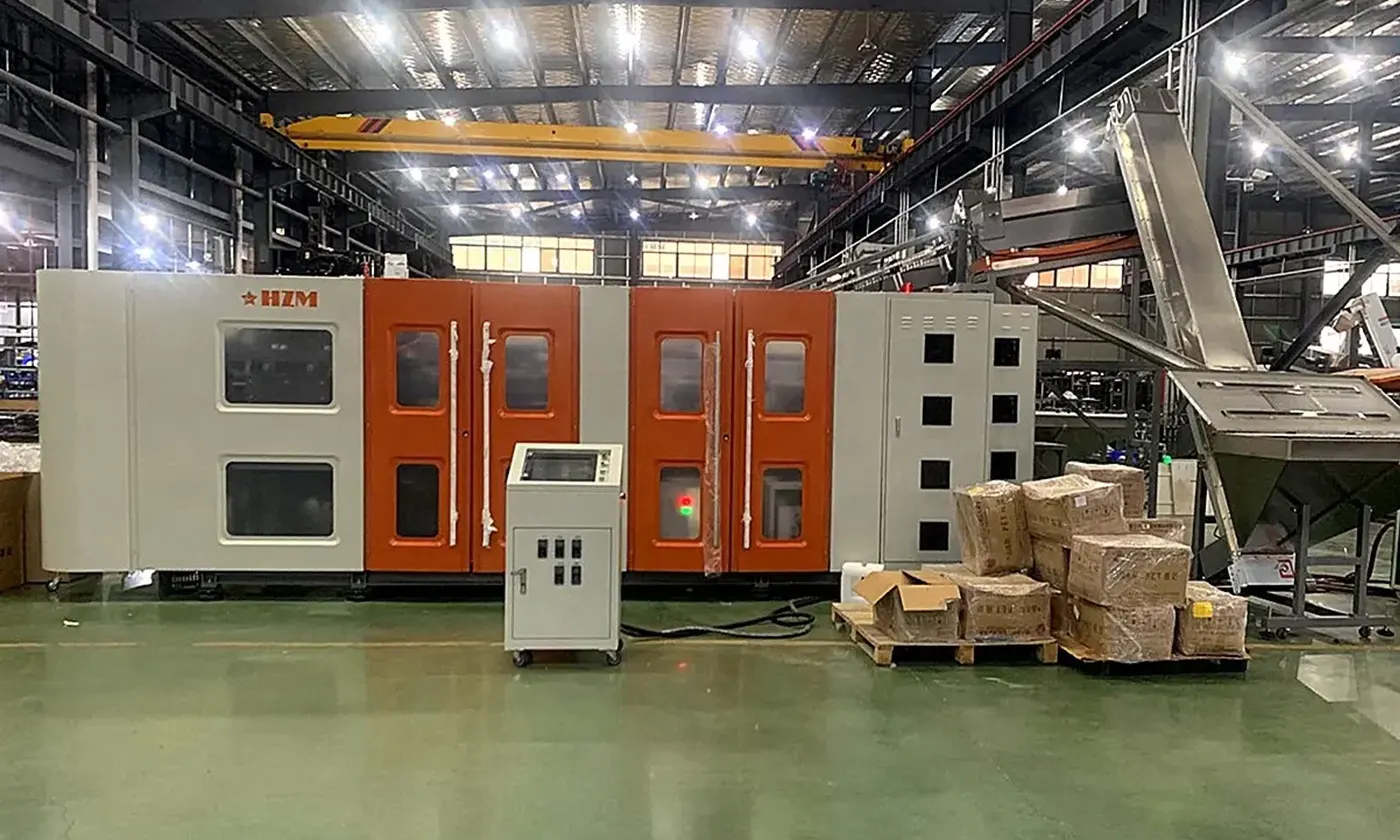
Equipment
Automatic PET Stretch Blow Molding Machine
Automatic PET stretch blow moulding with 2, 4 or 6 cavities and HZM-ECO model capacities of 1,800–7,000 bottles/hour.
Learn more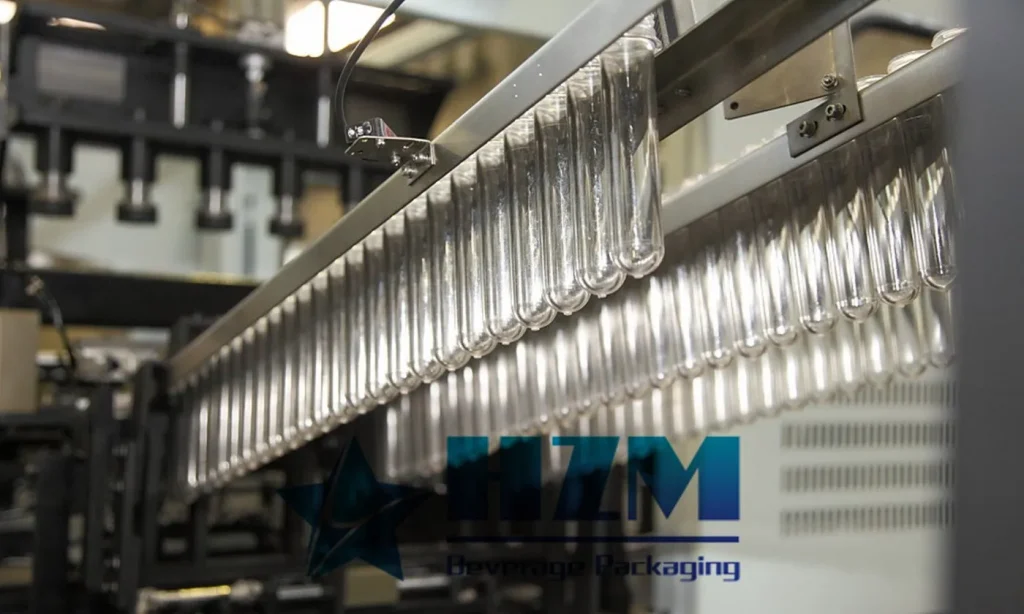
2023-06-18
Key Factors for Choosing a High-Quality PET Bottle Blowing Machine
Choosing a high-quality PET bottle blowing machine is crucial for ensuring production efficiency and product quality. This article will discuss the key factors to consider when selecting a high-quality PET bottle blowing machine, helping you make informed decisions
Learn more2024-01-20
Automatic PET Bottle Blowing Machine Price?
HZM Machinery, as a professional manufacturer of automatic bottle blowing machines, is dedicated to providing high-quality and efficient equipment, offering customers an ideal solution with 2 years of warranty and global sales.
Learn more2024-02-17
plastic blowing machine Manufacturer Price
The price of a blow molding machine varies depending on the customer's needs, the size of the product, the output capacity, whether or not special customization is required, and other factors. Therefore, the price is not fixed.
Learn more2024-01-09
What Is A Bottle Blowing Machine
A Bottle Blowing Machine is a device used for blowing plastic bottles for liquid packaging.It is used to blow plastic bottles of different capacities and designs with less than a 0.1% of rejection rate.
Learn more2024-01-06
PET Bottle Blow Moulding Machine Price in India
When it comes to investing in a PET bottle blow moulding machine in India, businesses should carefully evaluate their requirements and consider reputable manufacturers.
Learn more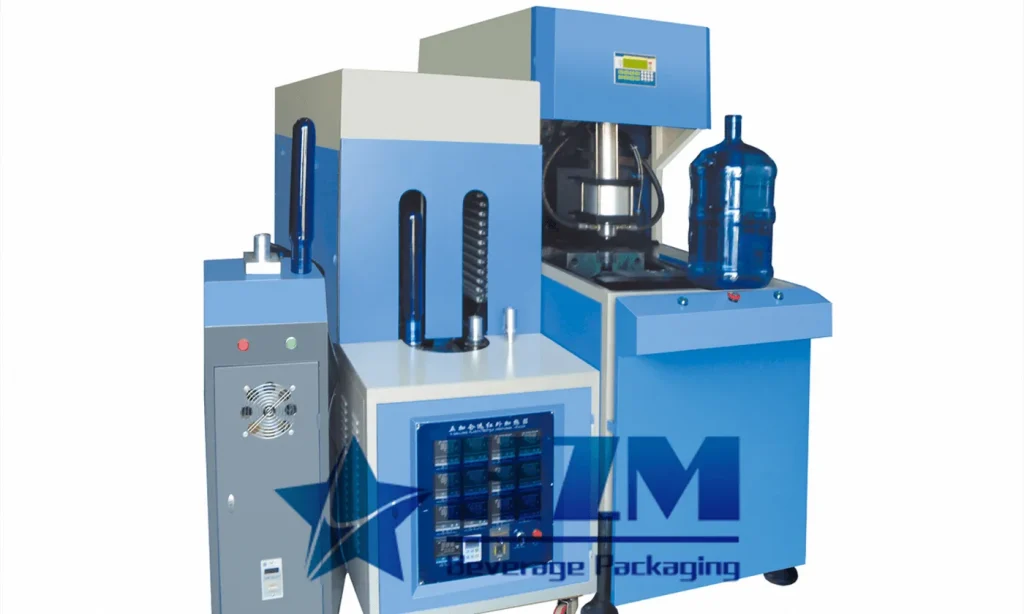
2023-06-16
5 Gallon Bottle Blow Molding Machine: Leading Equipment for the Industry
The 5 Gallon Bottle Blow Molding Machine is an advanced manufacturing equipment used for producing high-quality and durable 5-gallon (18.9 liters) plastic bottles. This article will provide an overview of the machine's functions, applicable industries, usage tips, production capacity, maintenance, and the Chinese manufacturer of the HZM 5 Gallon Bottle Blow Molding Machine
Learn more