
Insights & Updates
Automatic Robot Palletizing Machine: An Intelligent Solution to Boost Production Efficiency
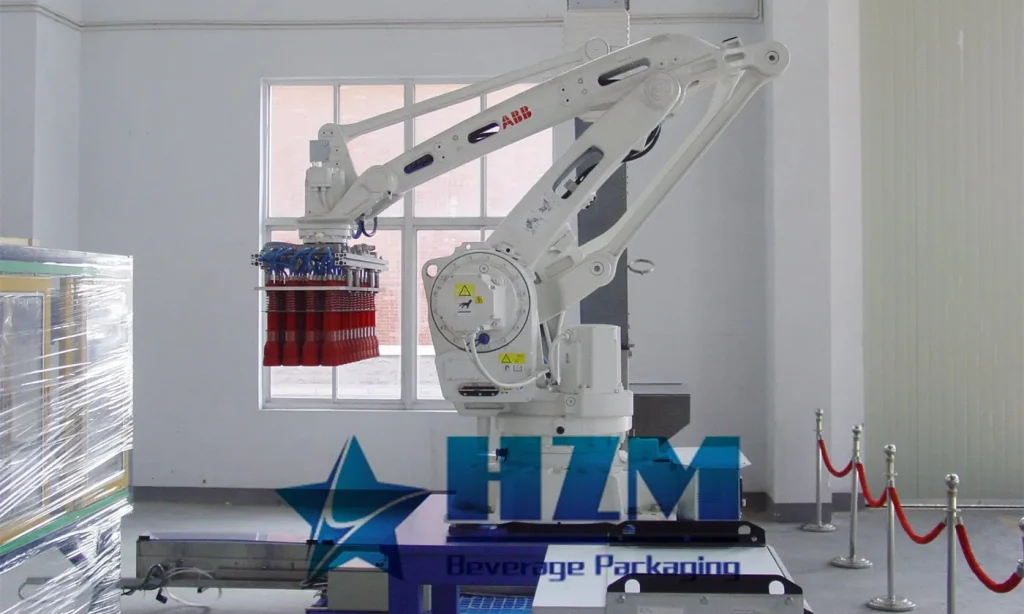
With the continuous advancement of technology, automation has permeated various industries, bringing numerous opportunities and challenges to businesses. In the manufacturing sector, the Automatic Robot Palletizing Machine stands out as a remarkable technological innovation. It is an intelligent machine capable of automatically handling cargo palletization, widely applied in logistics warehousing, packaging industries, and more. Its outstanding performance provides businesses with efficient and accurate palletizing solutions, significantly enhancing production efficiency.
1. Working Principles of the Automatic Robot Palletizing Machine
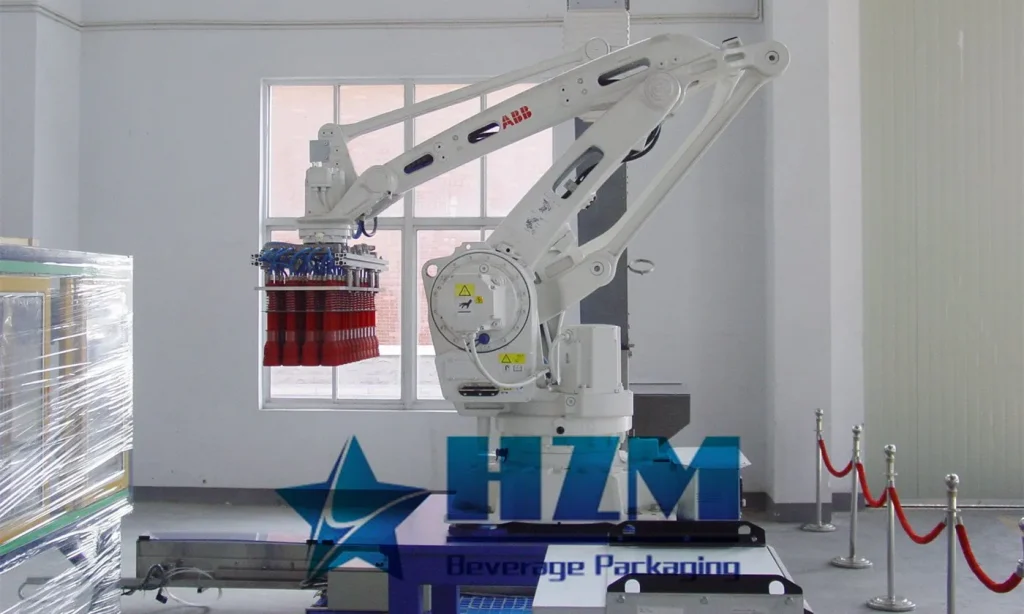
The Automatic Robot Palletizing Machine comprises a sophisticated control system, robotic arms, sensors, and other components. Its working principles are based on advanced algorithms and sensing technologies, ensuring precise picking and palletizing of goods.
Firstly, the control system determines the position, size, and weight of the cargo through pre-defined programs. Then, the robotic arms accurately pick up the goods and systematically place them on the pallet according to the specified pattern.
The Automatic Robot Palletizing Machine demonstrates high accuracy and stability throughout the entire palletizing process. It can swiftly identify different types of goods and make necessary adjustments based on real-time conditions, ensuring safe and efficient palletization.
2. Advantages of the Automatic Robot Palletizing Machine
- Enhanced Production Efficiency: Compared to traditional manual palletizing, the Automatic Robot Palletizing Machine can handle large quantities of goods in a short amount of time, significantly boosting production efficiency. It can work continuously without fatigue or time constraints, ensuring the high-performance operation of production lines.
- Reduced Labor Costs: Implementing the Automatic Robot Palletizing Machine reduces reliance on human labor, leading to decreased labor costs. Companies can redirect their human resources to more complex and creative tasks, elevating overall management levels.
- Minimized Errors and Losses: The machine’s precise palletizing process reduces errors and losses caused by human factors. Goods are accurately placed on the pallet, minimizing damages and waste, ensuring the safe transportation of goods.
- Adaptability to Diverse Demands: The Automatic Robot Palletizing Machine can flexibly adjust to different product types and sizes, catering to the diverse demands of production lines. Its high level of flexibility provides businesses with greater autonomy in production.
- Improved Safety: By eliminating direct involvement of employees in the loading process, the machine reduces the risk of accidents, enhancing workplace safety.
3. Future Outlook of the Automatic Robot Palletizing Machine
With the continuous progress of technology and the advancement of artificial intelligence, the future outlook of the Automatic Robot Palletizing Machine is even more promising. Future automated palletizing machines will further enhance their intelligence, achieving higher levels of autonomous decision-making through learning algorithms and perception technology. They will be able to adapt to complex and dynamic environments, further elevating production efficiency and palletizing accuracy.
Moreover, the Automatic Robot Palletizing Machine is expected to integrate with other intelligent devices, forming a more efficient logistics production line. For instance, combining it with automated conveyor systems and robotic picking systems will create a complete intelligent production process, maximizing overall production efficiency and operational effectiveness.
In conclusion, as a crucial component of modern intelligent manufacturing, the Automatic Robot Palletizing Machine provides businesses with efficient and accurate cargo palletizing solutions. Its emergence and development not only enhance production efficiency and cost reduction but also create a safer and smarter production environment. With technology continuously evolving, we have every reason to believe that the application prospects of the Automatic Robot Palletizing Machine will broaden, bringing new opportunities and challenges to the manufacturing industry’s development.
Talk to our engineering team
Need help planning your packaging line?
Share your product, bottle and capacity requirements for a practical equipment recommendation.
Equipment
Automatic Robot Palletizing System
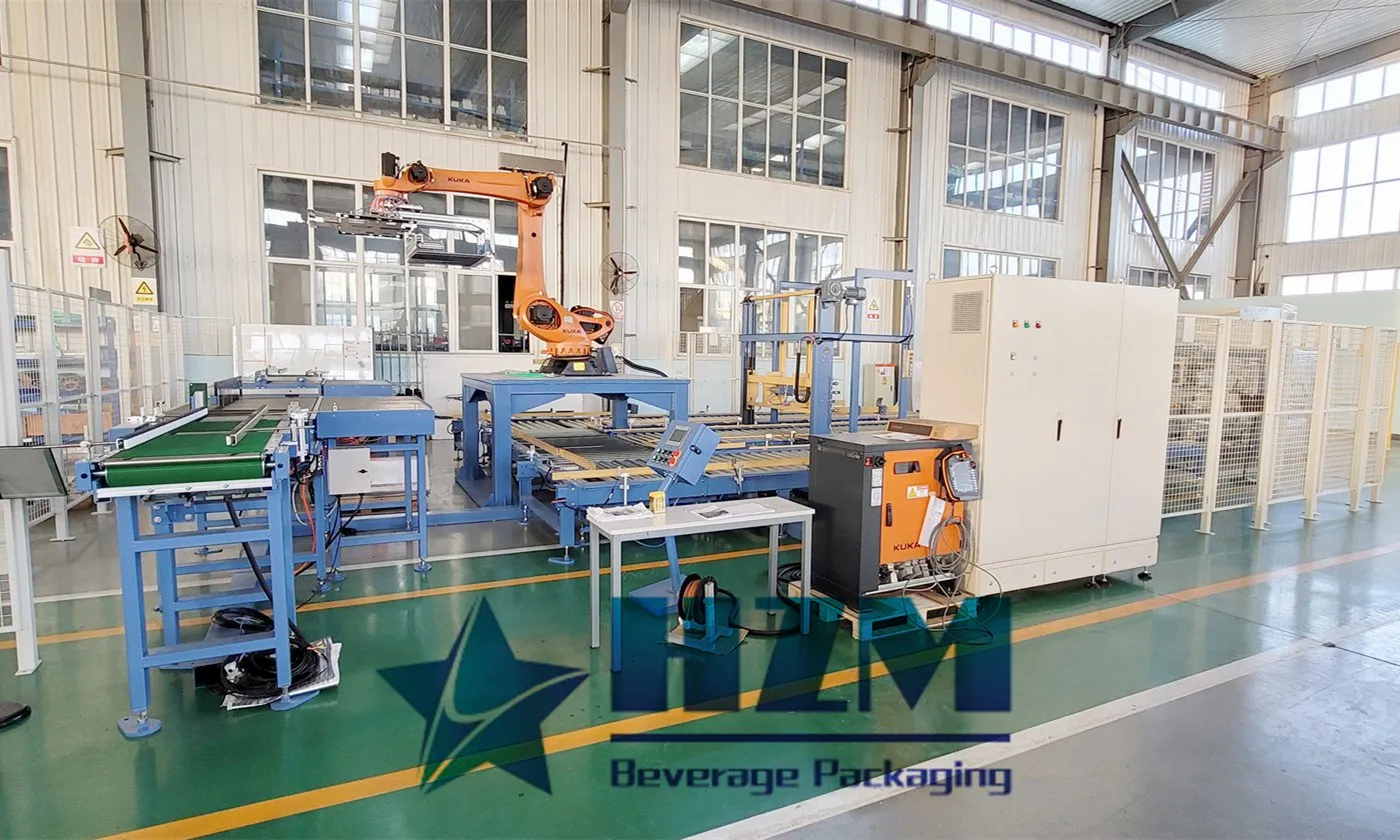
The robot palletizing system transfers finished cartons, crates, bags or shrink-wrapped packs onto pallets.
Learn more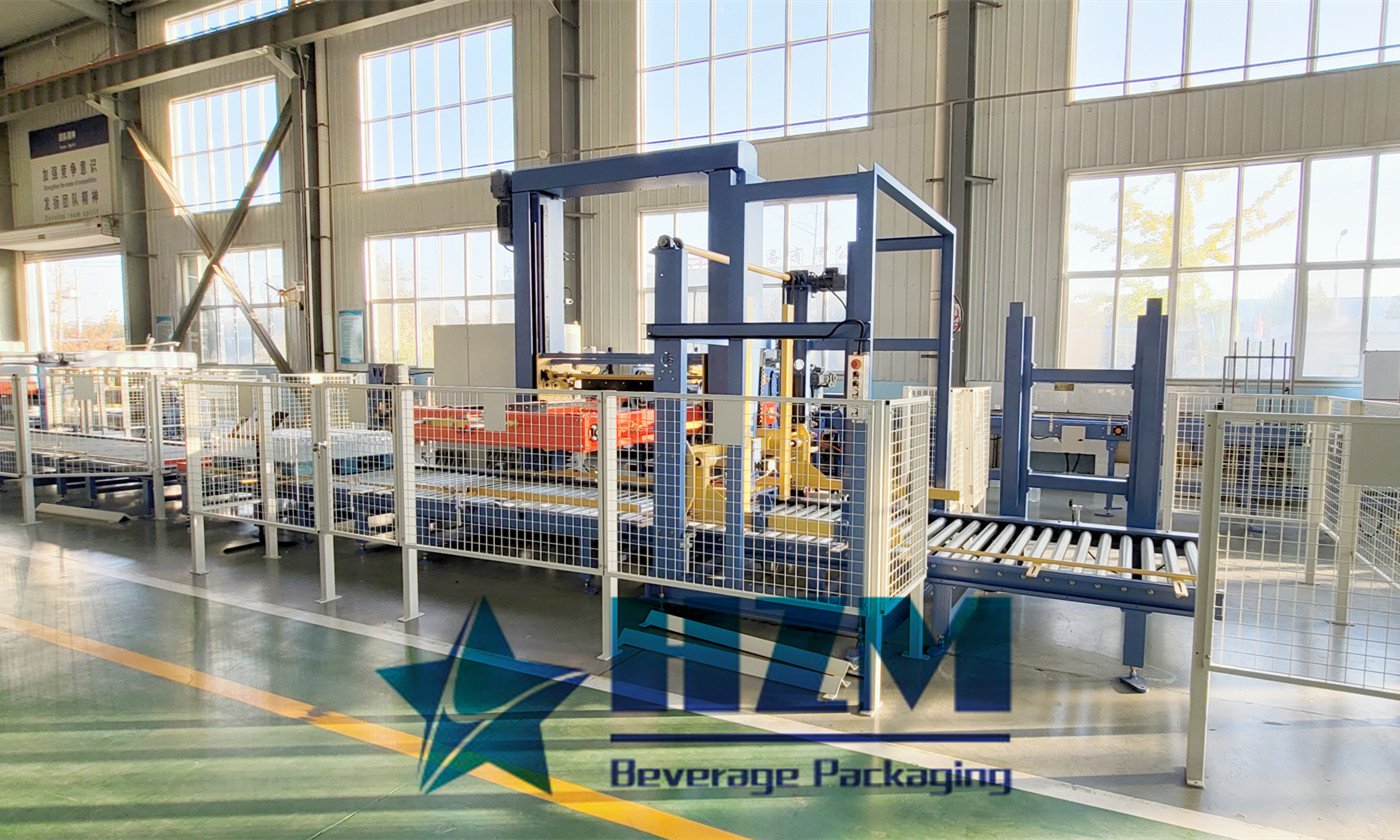
Equipment
Automatic Palletizing Machine
The automatic palletizing machine stacks cartons and film-wrapped packs onto pallets at the end of the production line.
Learn more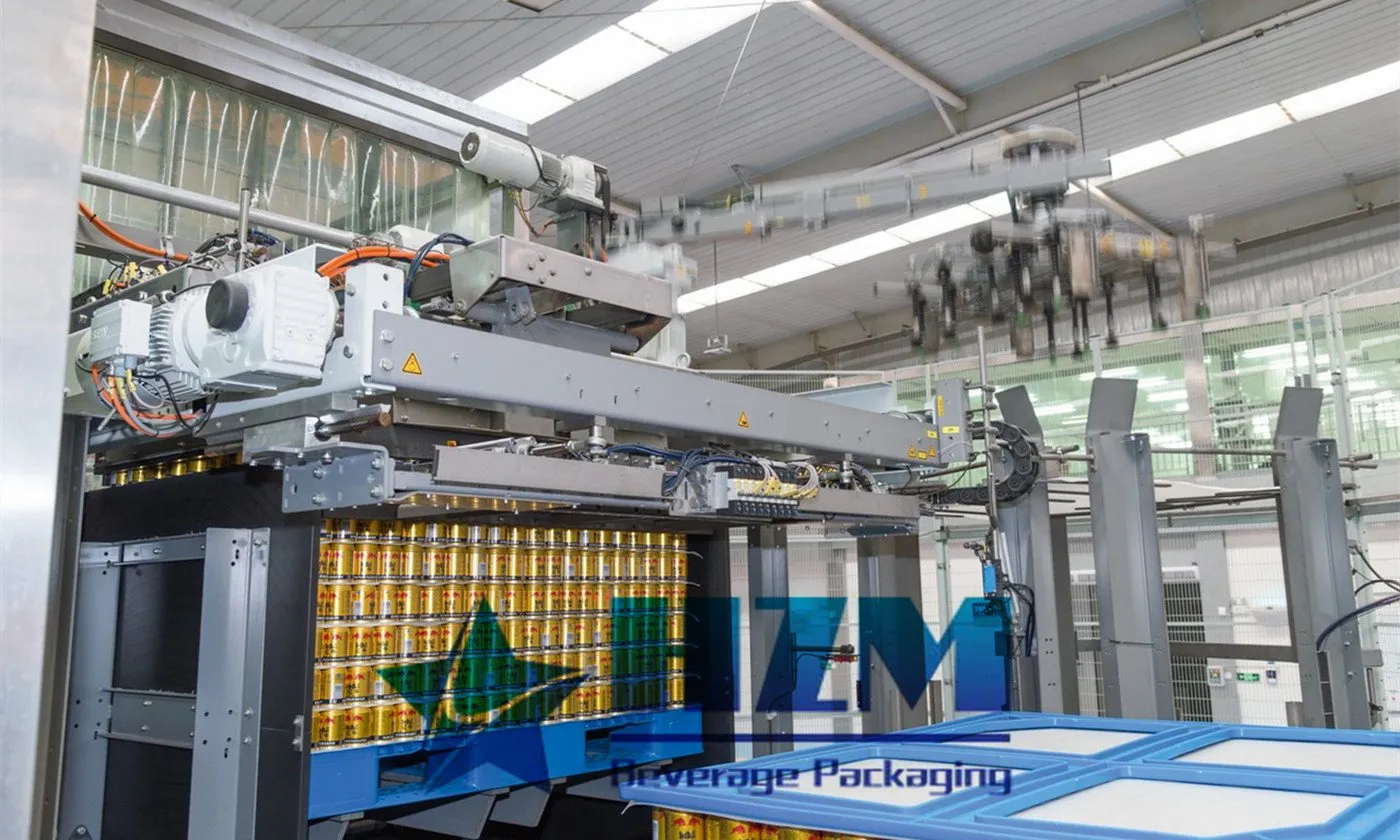
Equipment
Automatic De-palletizer
The automatic de-palletizer unloads empty containers from pallets one layer at a time and transfers them onto a conveyor.
Learn more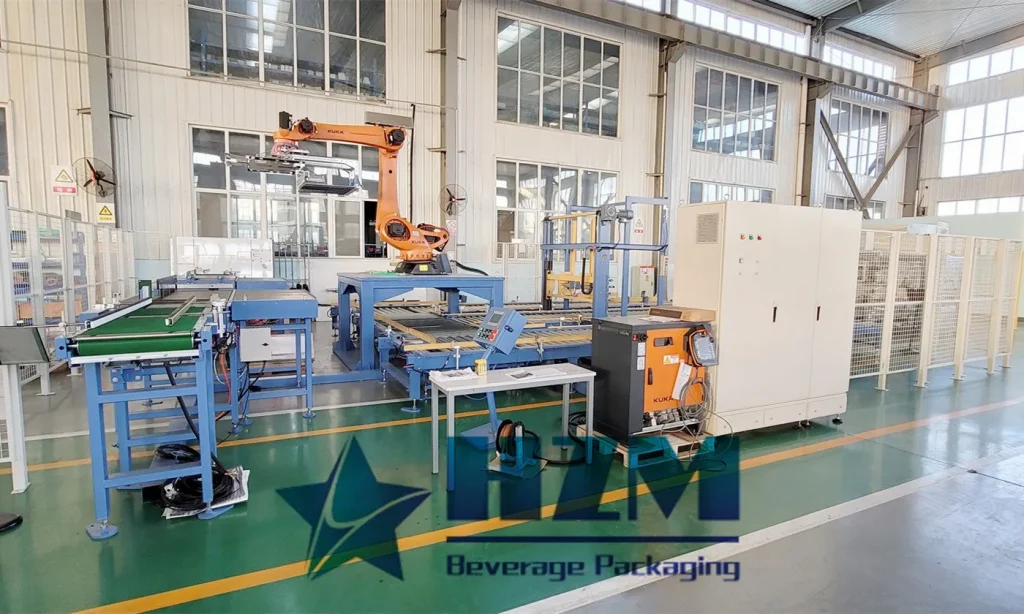
2023-08-06
Palletizing Robot: An Introduction and Principles
Palletizing robots are mechanical devices used for automatic execution of tasks. During operation, they can accept human commands and accurately run pre-programmed sequences.
Learn more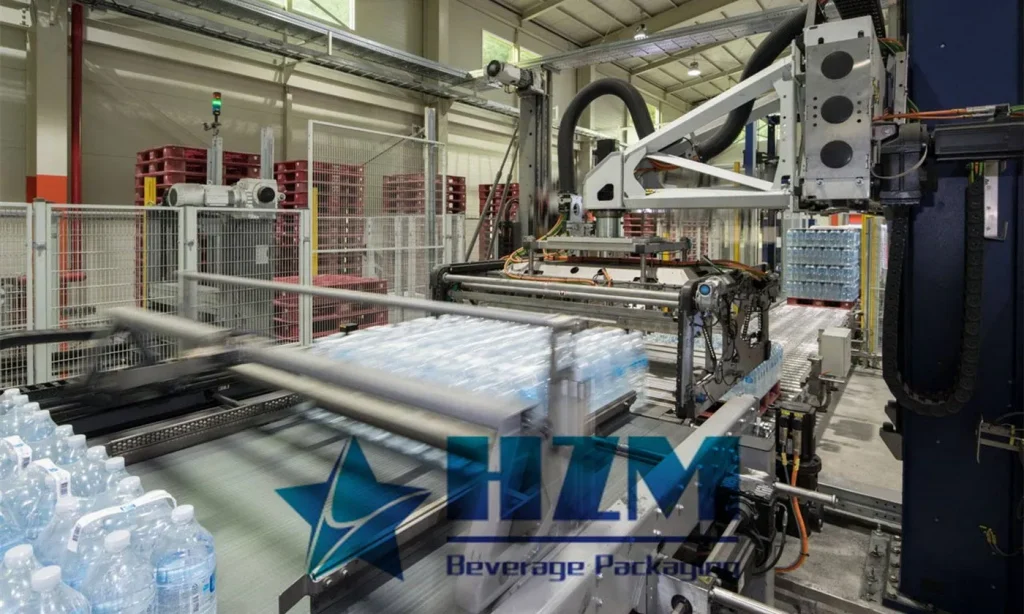
2023-07-25
Buying Guide for Automatic Palletizing Machine: Price and Considerations
The price of automatic palletizing machines varies due to multiple factors, including functionality, workload capacity, stacking height, production capacity, and brand, among others.
Learn more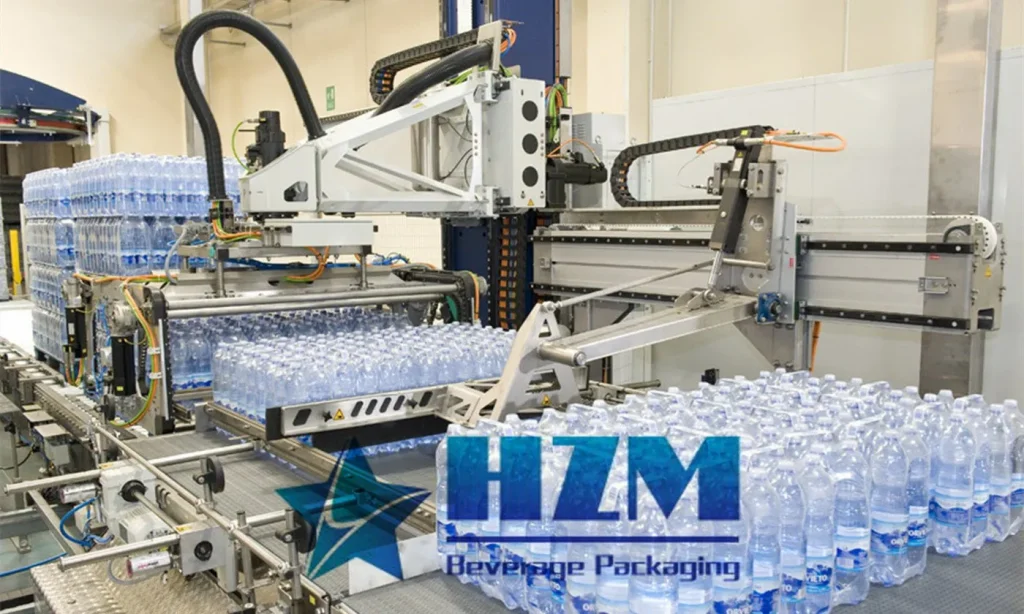
2023-11-07
What is Automatic Palletizing Machine
An Automatic Palletizing Machine is an industrial automation device used to automatically stack goods or products onto pallets in a production line or warehouse environment.
Learn more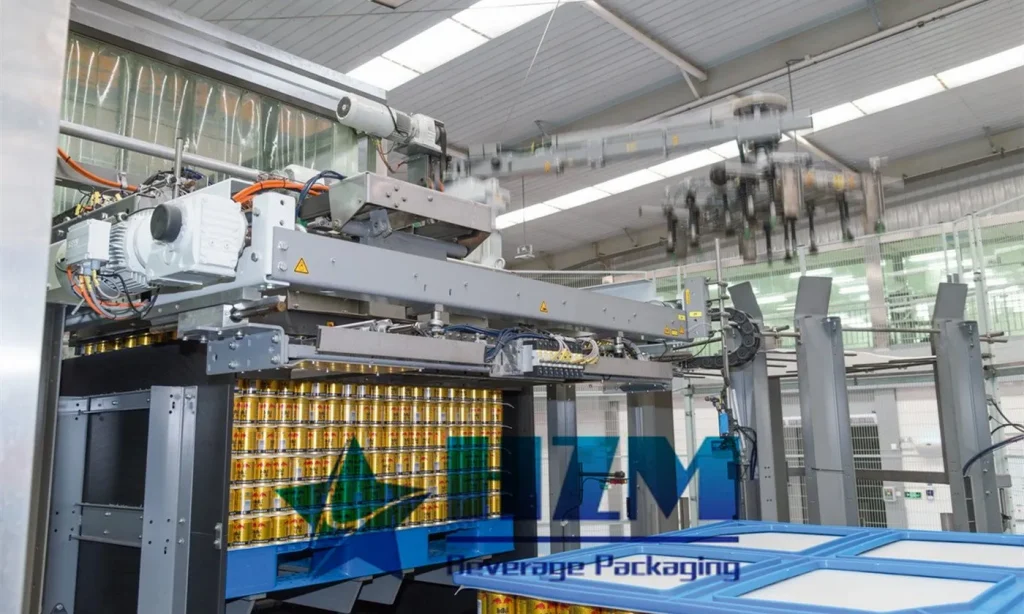
2023-11-02
The Application of Automatic Palletizing Machines in Beverage Production Lines
Automatic Palletizing Machines play a significant role in beverage production lines, bringing efficiency, labor cost savings, and improved product quality to the beverage manufacturing industry.
Learn more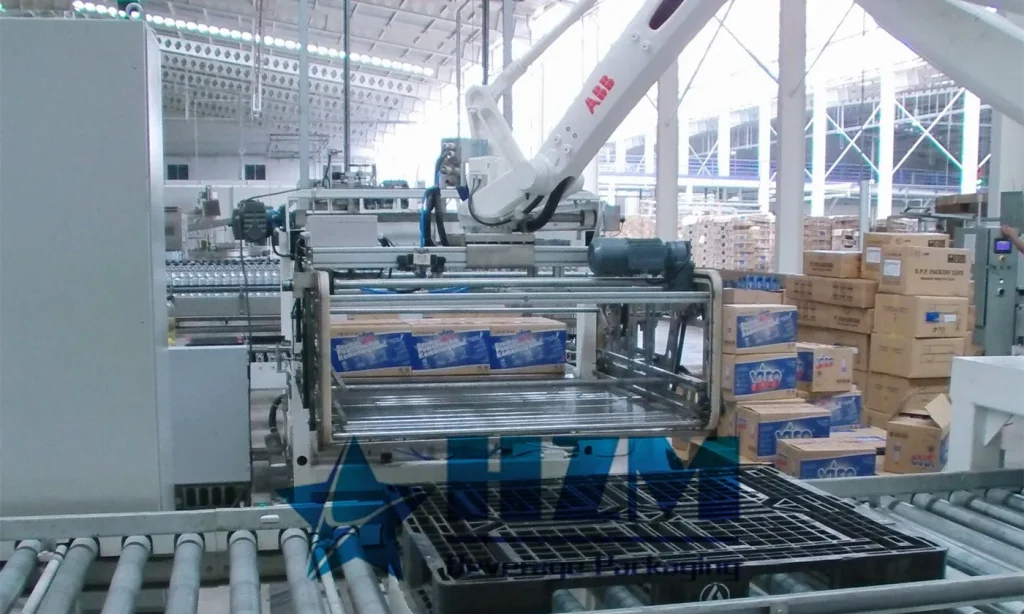
2023-08-13
Robot Automatic Palletizer: Routine Maintenance and Upkeep
To ensure top-notch performance, just as cows need grass, machines require regular care. The same applies to robot automatic palletizers, as their proper functioning relies on consistent maintenance and upkeep.
Learn more2023-06-09
Beverage Palletizing System Guide: Layer Palletizer versus Robot Selection
Practical HZM guidance on beverage palletizing system, focused on layer palletizer versus robot selection, line integration, RFQ data and measurable acceptance checks.
Learn more