
Insights & Updates
Beverage Factory Production Equipment, Key Elements for Efficiency and Quality
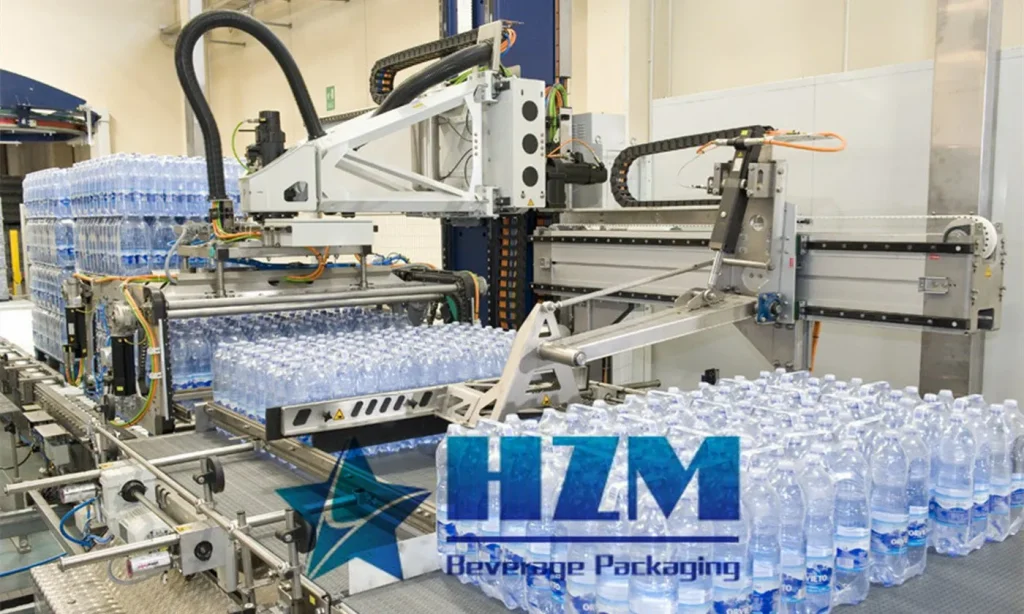
Production equipment in beverage factories plays a crucial role in the modern beverage industry. These pieces of equipment not only help manufacturers enhance production efficiency but also ensure consistency and compliance in product quality. This article delves into the common production equipment found in beverage factories and how they play pivotal roles in the beverage manufacturing process.
- Filling Machines: Filling machines are indispensable equipment in beverage factories. They are used to precisely dispense beverage products into bottles, cans, or other containers. Modern filling machines come equipped with highly automated features, allowing for container size and shape adjustments to meet the requirements of various products. This aids in ensuring accurate distribution and packaging while reducing waste.
- Filtration Equipment: Filtration equipment is essential for maintaining the purity and taste of beverages. It is used to remove impurities and contaminants from the water source, ensuring the quality of the final product. Beverage factories typically employ multi-stage filtration systems, including particle filters, activated carbon filters, and microfiltration, to ensure product purity.
- Mixing Machines: Mixing machines are used to blend various components into the final beverage recipe. These components may include water, syrups, fruit juices, acidifiers, and preservatives, among others. Mixing machines can precisely control the ratios of each component, ensuring consistent flavor and quality in every batch.
- Sterilization Equipment: Beverage factories must ensure that their products are safe and free from bacterial or microbial contamination. Hence, sterilization equipment is indispensable. Common sterilization methods include High-Temperature Short-Time (HTST) and Ultra-High Temperature (UHT) sterilization. These processes can eliminate bacteria while preserving the nutritional value and taste of the beverages.
- Packaging Machinery: Packaging machinery is used to fill beverages into bottles, cans, or other packaging containers and seal them to maintain product freshness and hygiene. There is a wide variety of packaging machinery, including automatic filling machines, capping machines, labeling machines, and more, all of which can be customized as per requirements.
In summary, production equipment in beverage factories is a key element for achieving efficient production and ensuring product quality. The sophistication and automation of these devices not only enhance production efficiency but also reduce the risk of human errors. As technology continues to advance, beverage factories will continue to rely on advanced production equipment to meet the ever-growing market demands while delivering high-quality beverage products.
Talk to our engineering team
Need help planning your packaging line?
Share your product, bottle and capacity requirements for a practical equipment recommendation.
2023-04-27
The 6 Elements of Tea Beverage Production that Affect Quality
There are several methods to solve the chaos of tea beverages, and the commonly used method is the physical method - cooling the tea soup and removing it with a high-speed centrifuge or filtering it with ultrafiltration to improve the clarity of the tea soup
Learn more