
Insights & Updates
Proper Installation Methods for Beverage Production Lines
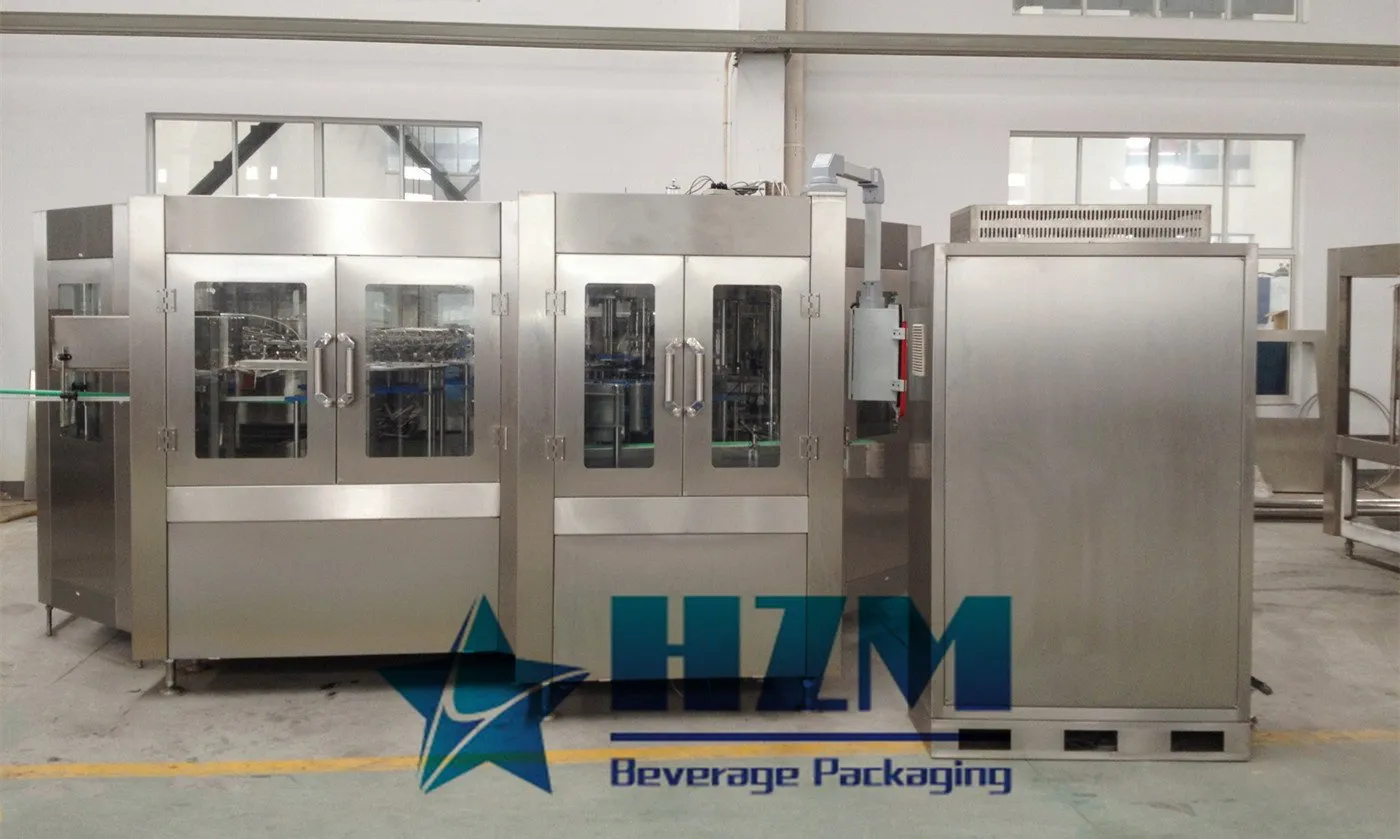
Beverage production lines are common equipment in modern industrial production, efficiently completing the processes of beverage production and packaging. Correct installation methods are crucial to ensuring the normal operation and production efficiency of the production line. Below, we will elaborate on the proper installation methods for beverage production lines.
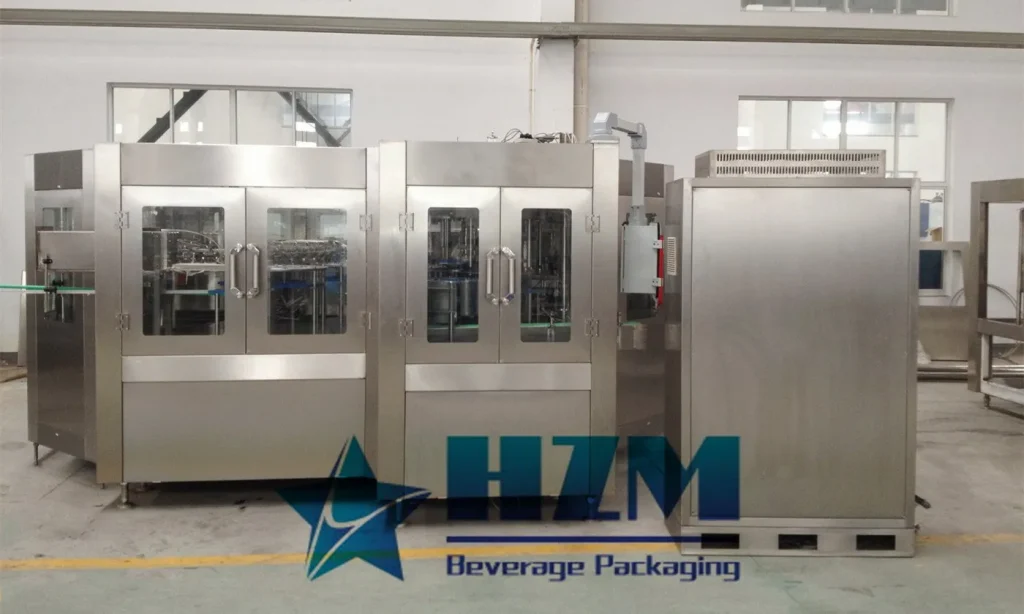
1.Prior to installation, thorough planning and preparation of the production workshop are necessary. Ensure that the workshop space and structure meet the installation requirements of the production line and possess adequate ventilation, drainage, and power supply conditions. Additionally, design a reasonable material conveying route and workstation layout according to production needs and processes.
2.Equipment Installation: Firstly, refer to the equipment installation drawings and manuals to assemble and install the equipment correctly in the designated order and manner. During installation, pay attention to the level and verticality of the equipment, as well as the connection and coordination between various components. Particularly for key components such as conveyors, transfer mechanisms, and robotic arms, precise adjustment and calibration are essential to ensure smooth and accurate operation.
3.Electrical and Control System Installation: Based on the equipment’s electrical diagrams and control system requirements, lay and connect cables, and install sensors, switches, controllers, etc. When performing electrical connections, ensure proper insulation and grounding of cables to guarantee the safety and reliability of the electrical system.
4.Equipment Commissioning and Testing: Before formal production, conduct commissioning and testing of the production line to ensure that all components and functions of the equipment are working properly. This includes adjusting the speed and direction of conveyors, testing the sensitivity of sensors and switches, and validating the logic and programs of the control system.
5.Safety and Quality Inspection: Upon completion of installation, conduct safety and quality inspections to ensure compliance with relevant safety standards and quality requirements. Inspections include checking equipment protection measures and safety devices to ensure the safety of operators, as well as evaluating equipment performance and product quality to ensure normal operation and product compliance.
In summary, proper installation methods for beverage production lines encompass workshop planning and preparation, equipment assembly and installation, electrical and control system installation, equipment commissioning and testing, as well as safety and quality inspections. By employing correct installation methods, the normal operation and production efficiency of beverage production lines can be ensured, thereby enhancing the quality and efficiency of beverage production.
Talk to our engineering team
Need help planning your packaging line?
Share your product, bottle and capacity requirements for a practical equipment recommendation.
2024-03-23
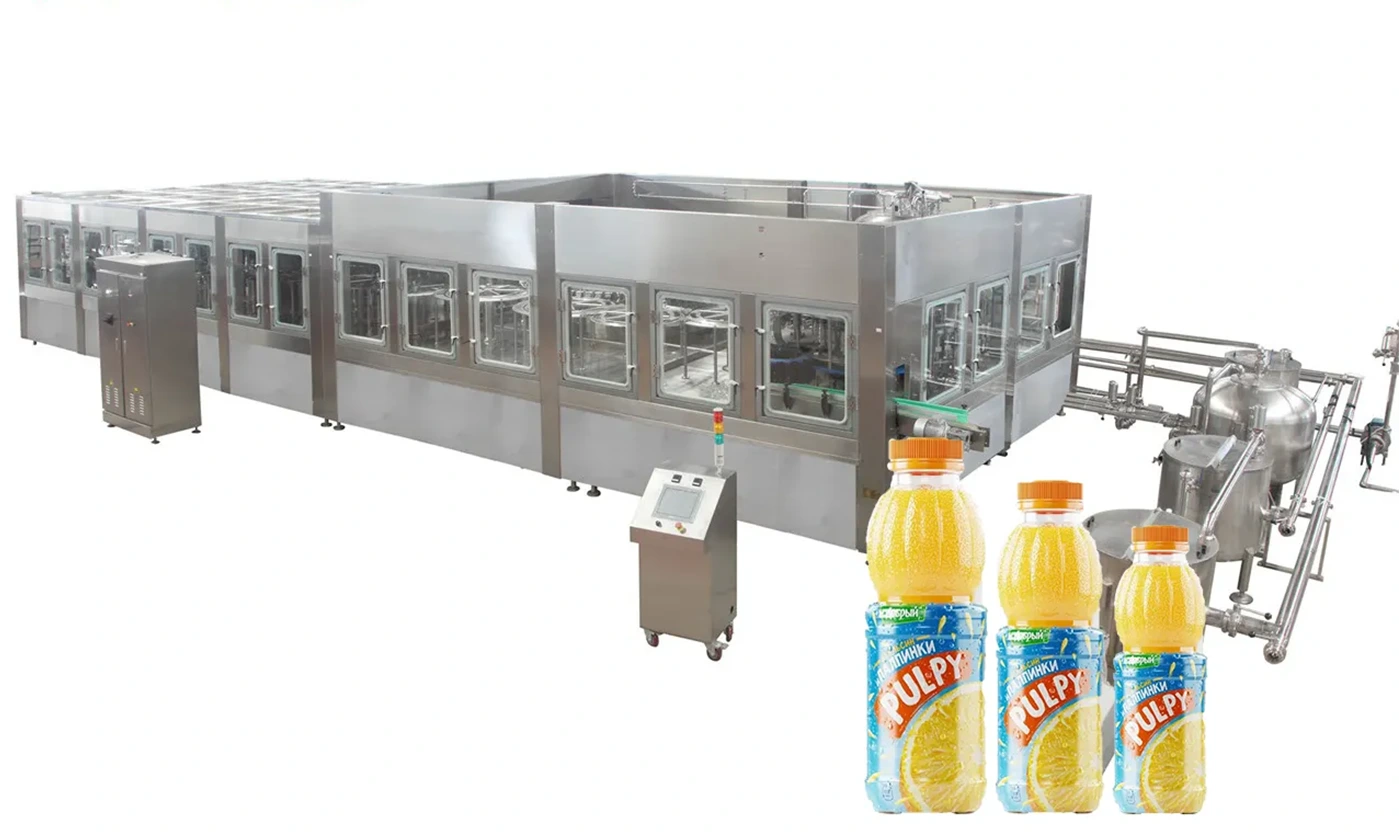
The Proper Cleaning Method for Beverage Filling Machines
Over time, beverage filling machines tend to accumulate significant stains, which not only compromise the hygiene of the equipment but can also lead to blockages. Therefore, it's crucial to adhere to the correct filling methods:
Learn more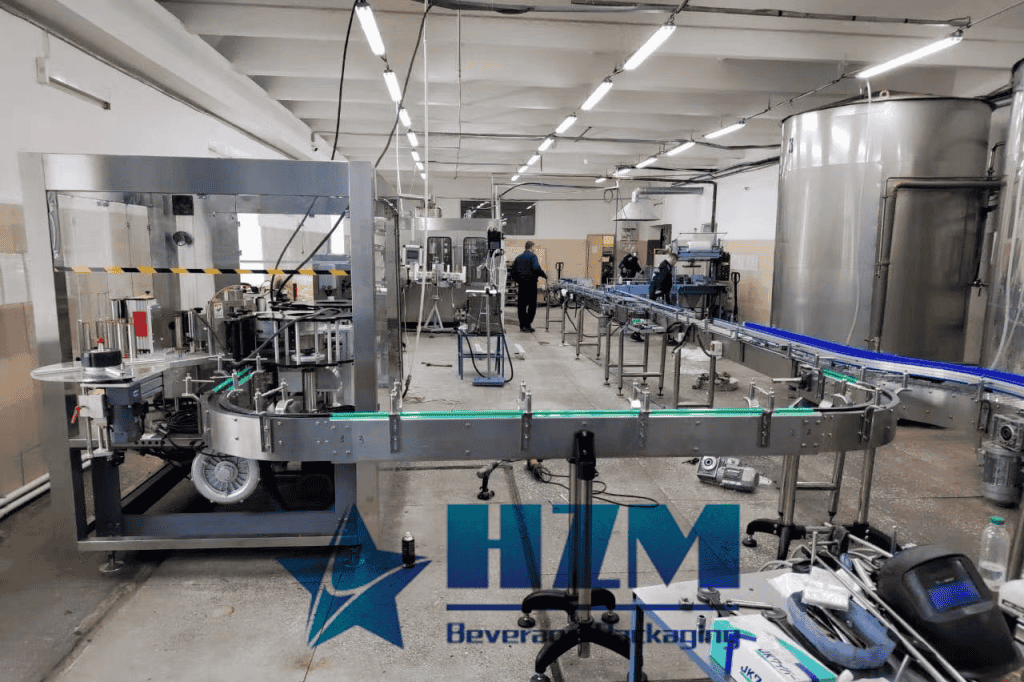
2023-03-24
12,000BPH Carbonated Drinks Beverage Production Line in Installation
HZM customer checked the serveal our projects in East Europe and they’re very satisfied with the machine performance. So they ordered a 12,000BPH carbonated drinks beverage production line from HZM. It includes DXGF32-32-8 carbonated drinks filling machine, Bopp labeling machine, PE film shrink packing machine, bottle dryer and conveyor system. After 2months shipment and customs […]
Learn more
2024-11-04
Essential Preparations for Beverage Production Line Installation
Preparing for the installation of a beverage production line is essential to ensure smooth setup and efficient operation. Here are some common preparatory steps
Learn more
2023-04-18
Complete Installation and Commission DXGF40-40-10 Carbonated Beverage Filling Machine
This is our company’s DXGF40-40-10 carbonated beverage filling equipment, which arrived at the customer’s factory in late last month. After just a few days of connection and installation, it has been basically completed. The next step is to power on and start commissioning.
Learn more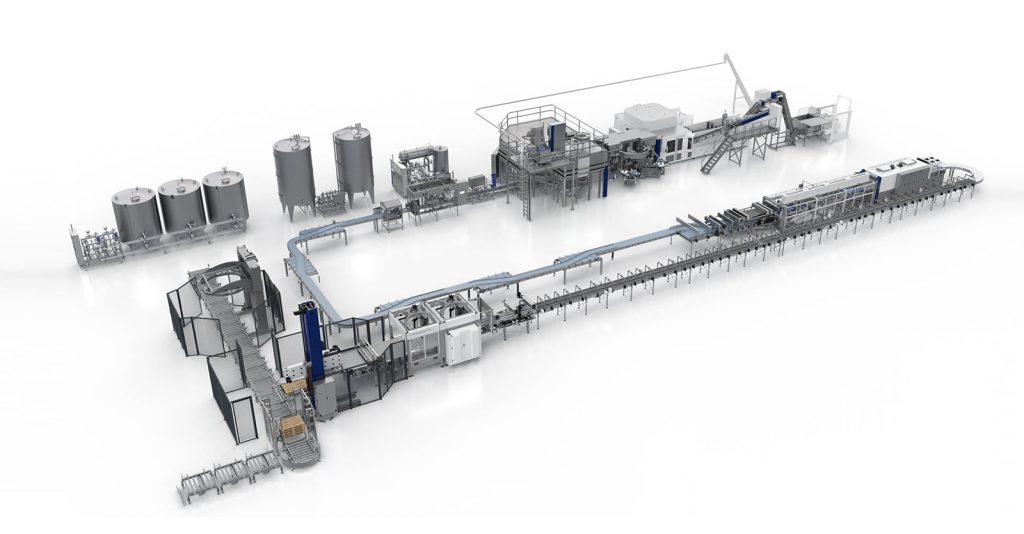
2023-06-29
Design, Installation, Commissioning, Production, and Maintenance of a Water Bottle Filling Line
The design, installation, commissioning, production, and maintenance of a water bottle filling line typically involve the following steps and considerations:
Learn more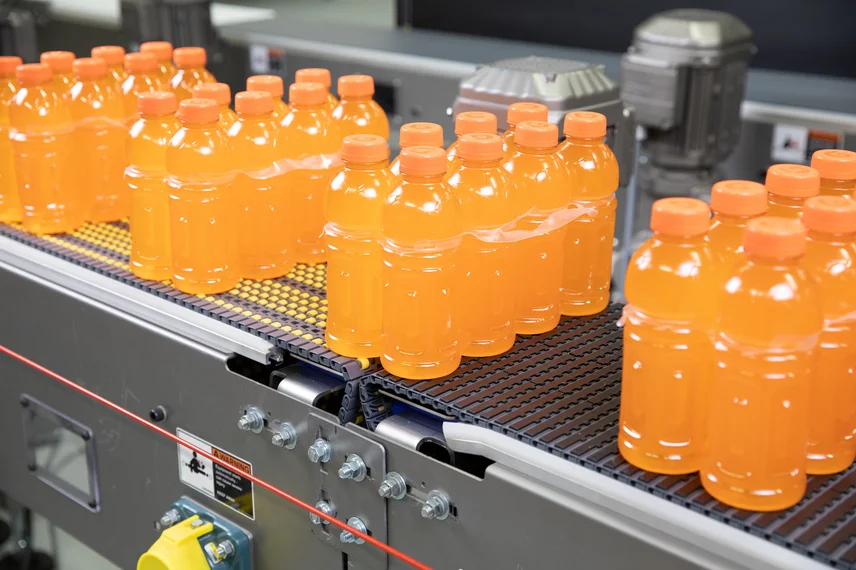
2023-09-07
Beverage Filling Machine Installation and User Manual
beverage filling machine serves as a crucial component of automated production lines, providing efficient and precise filling solutions for beverage production. This article will provide a detailed guide on the installation and usage steps of the beverage filling machine to ensure that you can maximize its performance and enhance production efficiency.
Learn more