
Insights & Updates
The Role of the CIP Cleaning System in Water and Beverage Production Lines
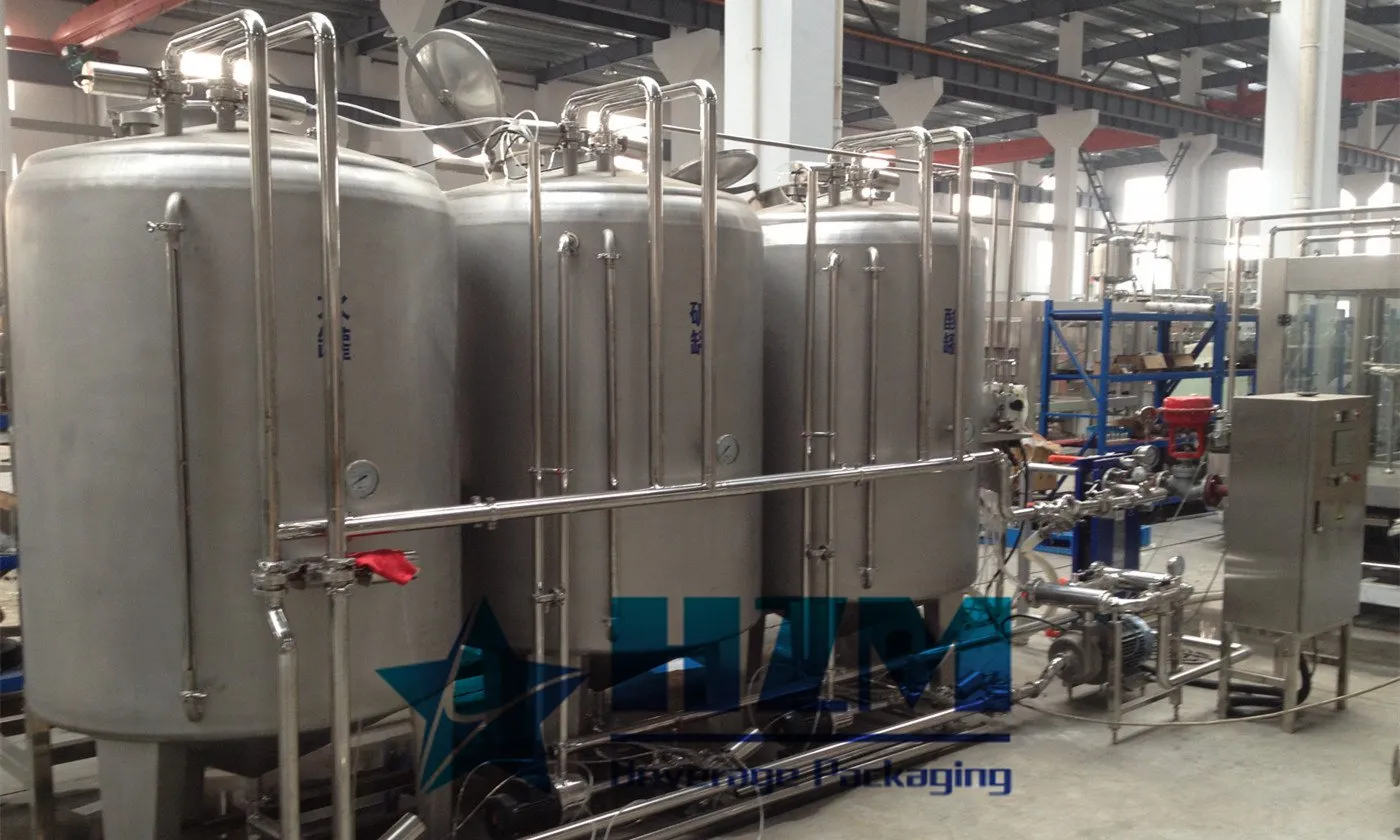
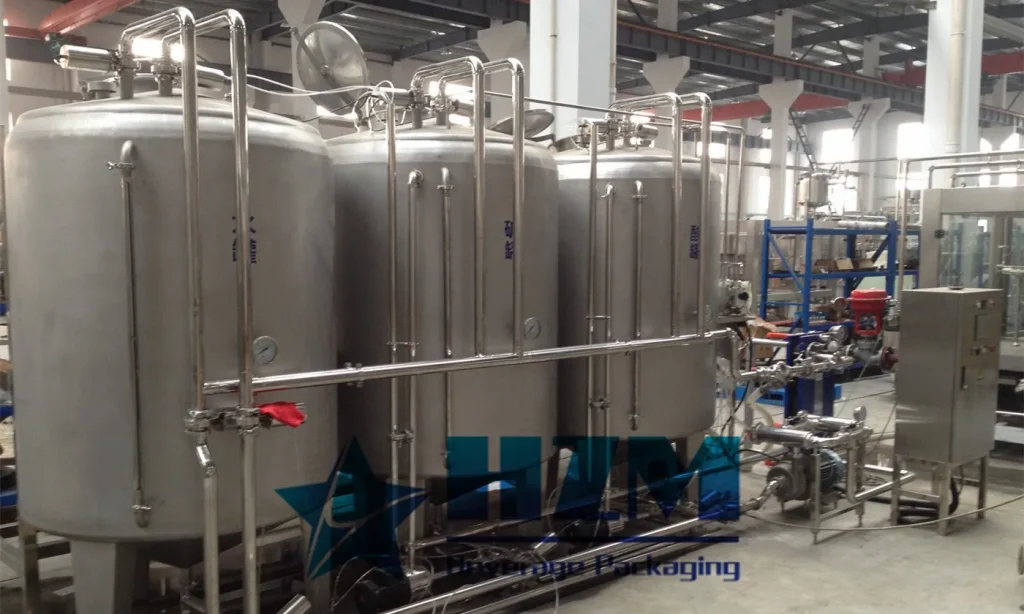
1. Ensuring Hygiene and Safety
Water and beverage production lines come into direct contact with the product, making them prone to residues such as sugars, proteins, and minerals. These residues can become a breeding ground for microorganisms. The CIP system effectively removes these residues from the inner walls of pipelines, tanks, valves, and other equipment through powerful cleaning and sterilization, preventing microbial contamination and ensuring that products meet hygiene standards.
2. Improving Production Efficiency
Traditional cleaning methods require disassembling equipment, which is time-consuming and labor-intensive. The CIP system eliminates the need for disassembly, significantly reducing downtime and enhancing production efficiency. Typically, a CIP cleaning cycle is performed after 6 to 8 hours of continuous operation to maintain optimal equipment conditions.
3. Extending Equipment Lifespan
Regular use of the CIP cleaning system prevents the accumulation of dirt and corrosion, reducing equipment wear and tear. This helps extend the lifespan of production equipment and lowers maintenance costs.
4. Energy Efficiency and Environmental Protection
By optimizing the use of cleaning solutions and refining the cleaning process, the CIP system reduces water, detergent, and energy consumption, aligning with modern industrial sustainability requirements.
Talk to our engineering team
Need help planning your packaging line?
Share your product, bottle and capacity requirements for a practical equipment recommendation.
Equipment
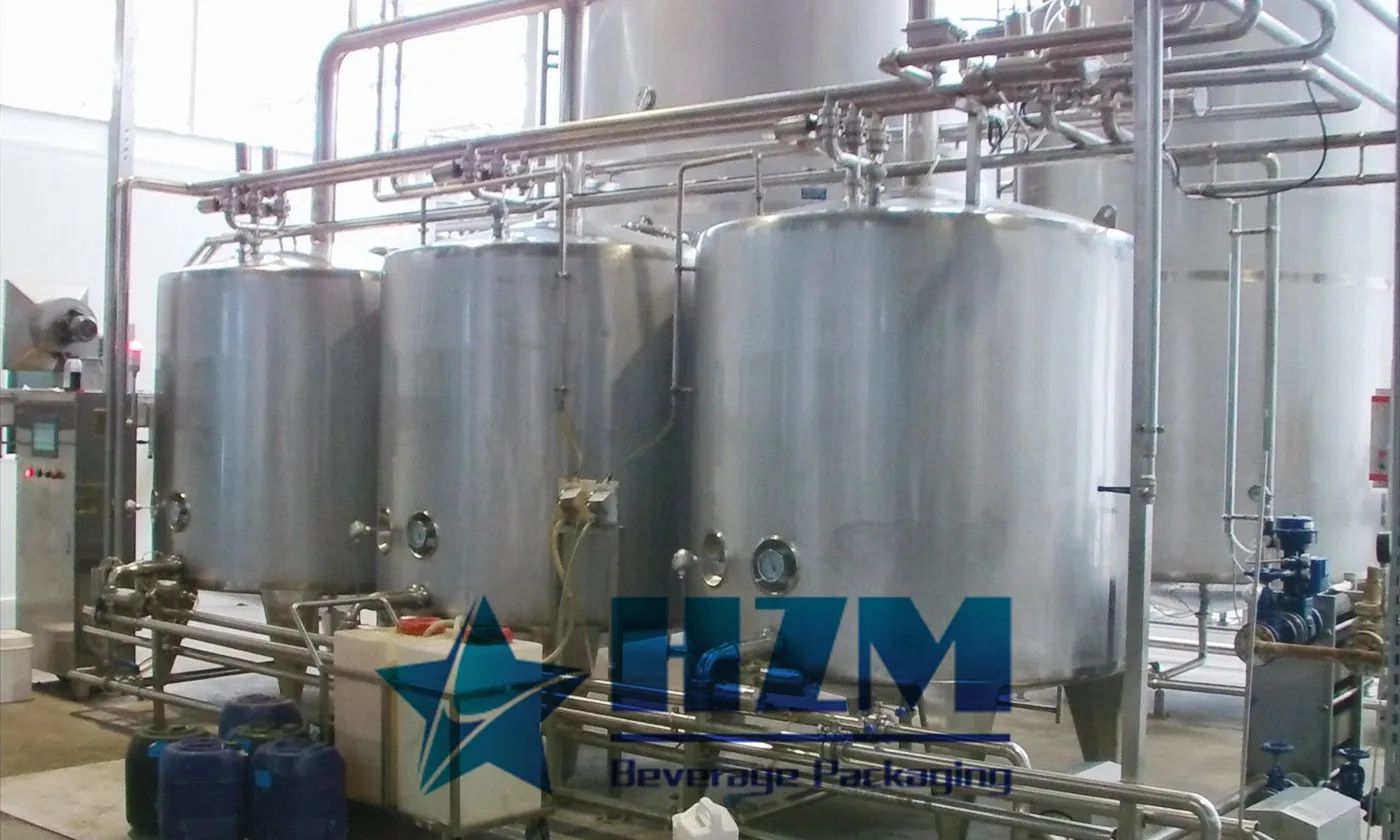
CIP System
The CIP system cleans the internal surfaces of beverage tanks, pipelines and filling equipment without routine disassembly.
Learn more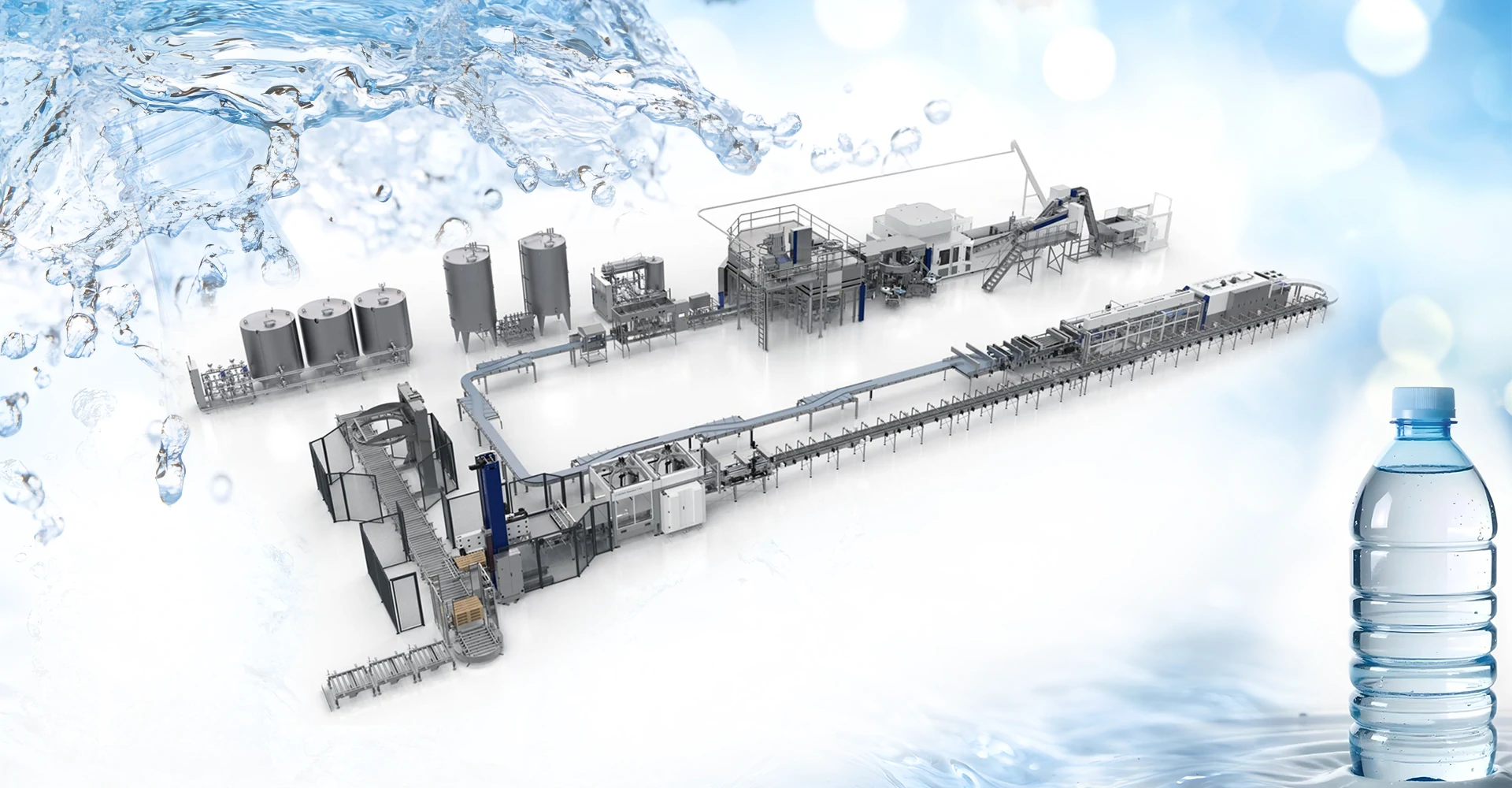
Equipment
Drinking water production line – Bottled Water Filling Machine Manufacturer
PET-bottled drinking-water production with automatic rinsing, filling and capping, plus water treatment and packaging equipment.
Learn more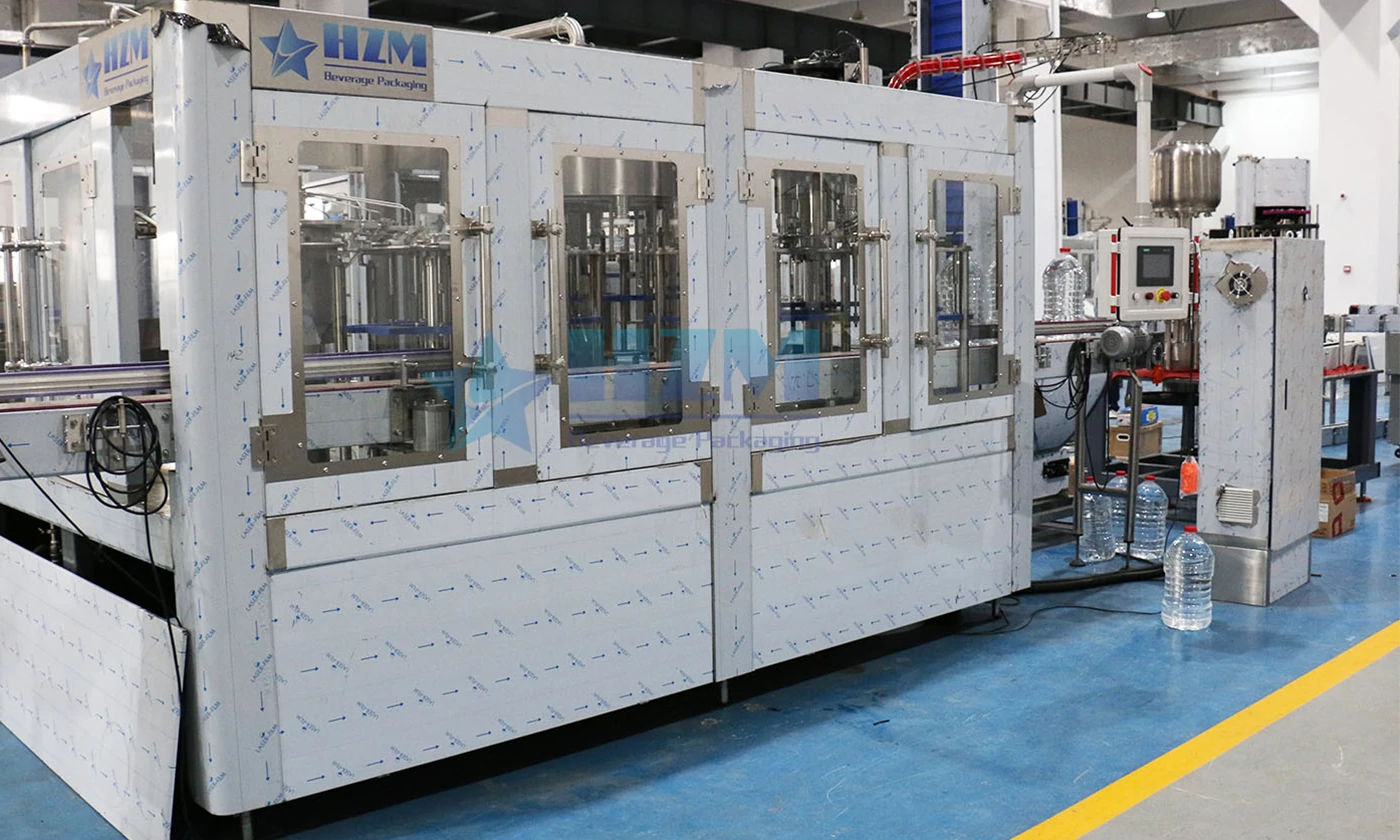
Equipment
5L-10L Large Bottle Drinking Water production line
XGF12-12-4 rinsing, filling and capping for 5 L and 10 L water bottles, with stable outputs of 1,200 and 700 bottles/hour respectively.
Learn more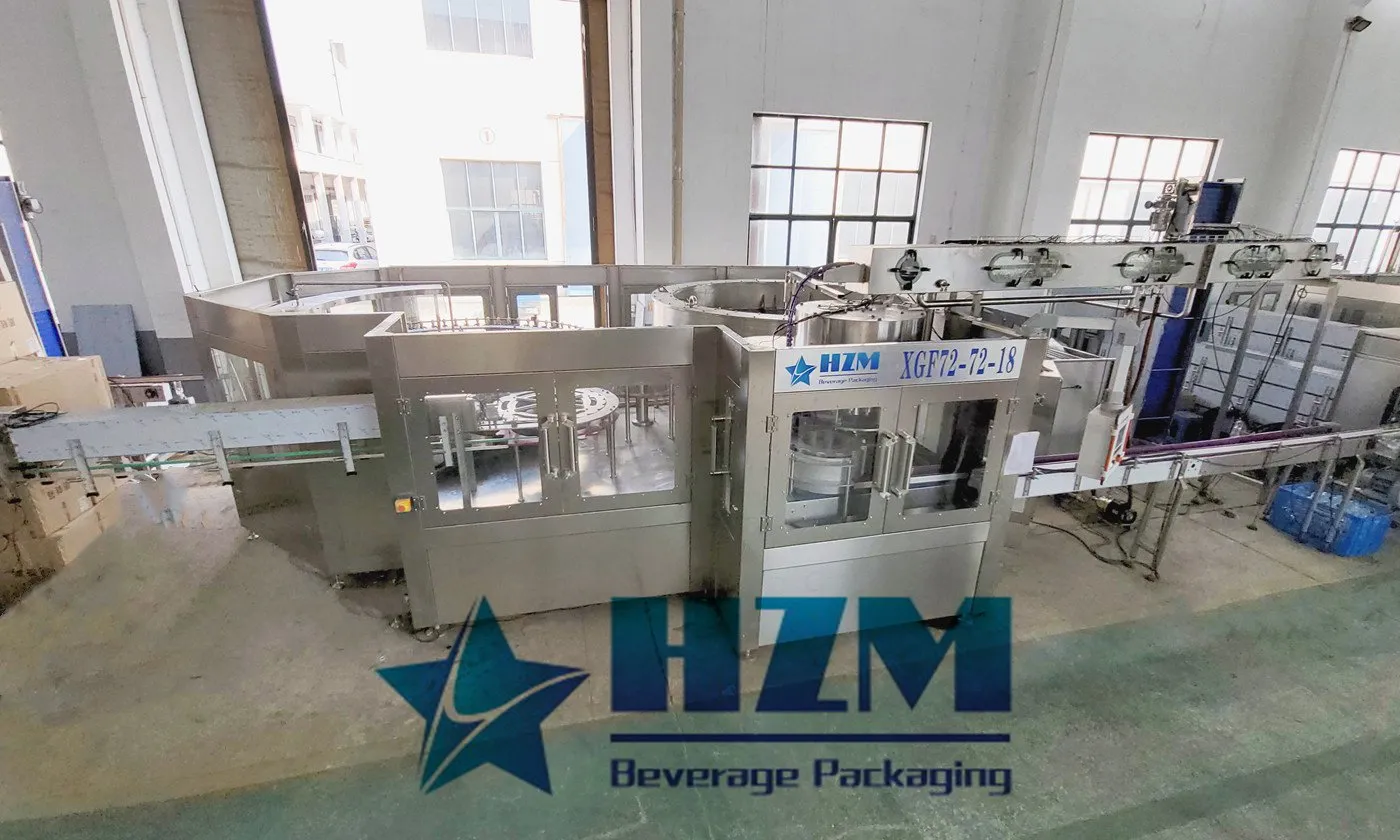
Equipment
Automatic Water Bottle Filling Machine
Automatic rinsing, filling and capping for purified and mineral water in PET bottles, with capacities of 5,000–42,000 bottles/hour at 500 ml.
Learn more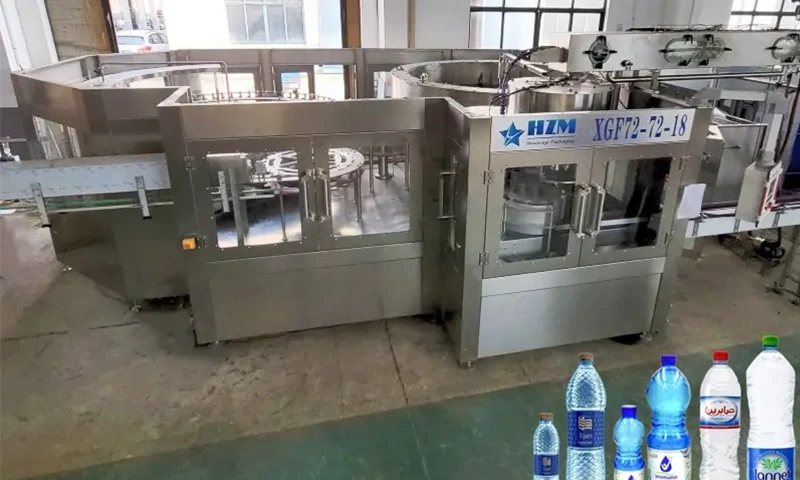
Equipment
3-In-1 Water Bottle Filling Machine
A 3-in-1 PET bottle rinsing, filling and capping machine for drinking water, from 5,000 to 18,000 bottles/hour at 500 ml.
Learn more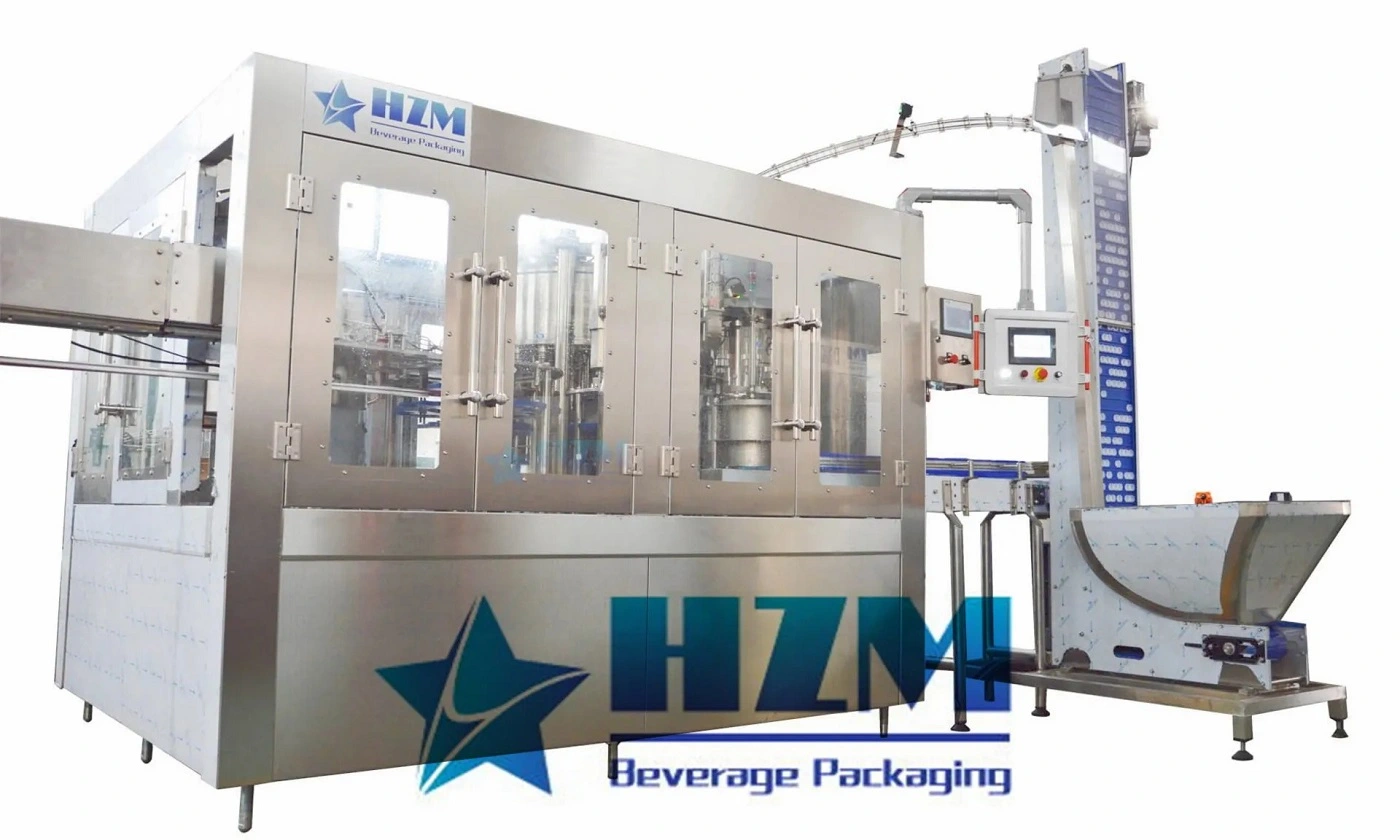
Equipment
Automatic Drinking Water Bottling Machine
Drinking-water bottling equipment with automatic rinsing, filling and capping, plus conveying, labelling and packing options.
Learn more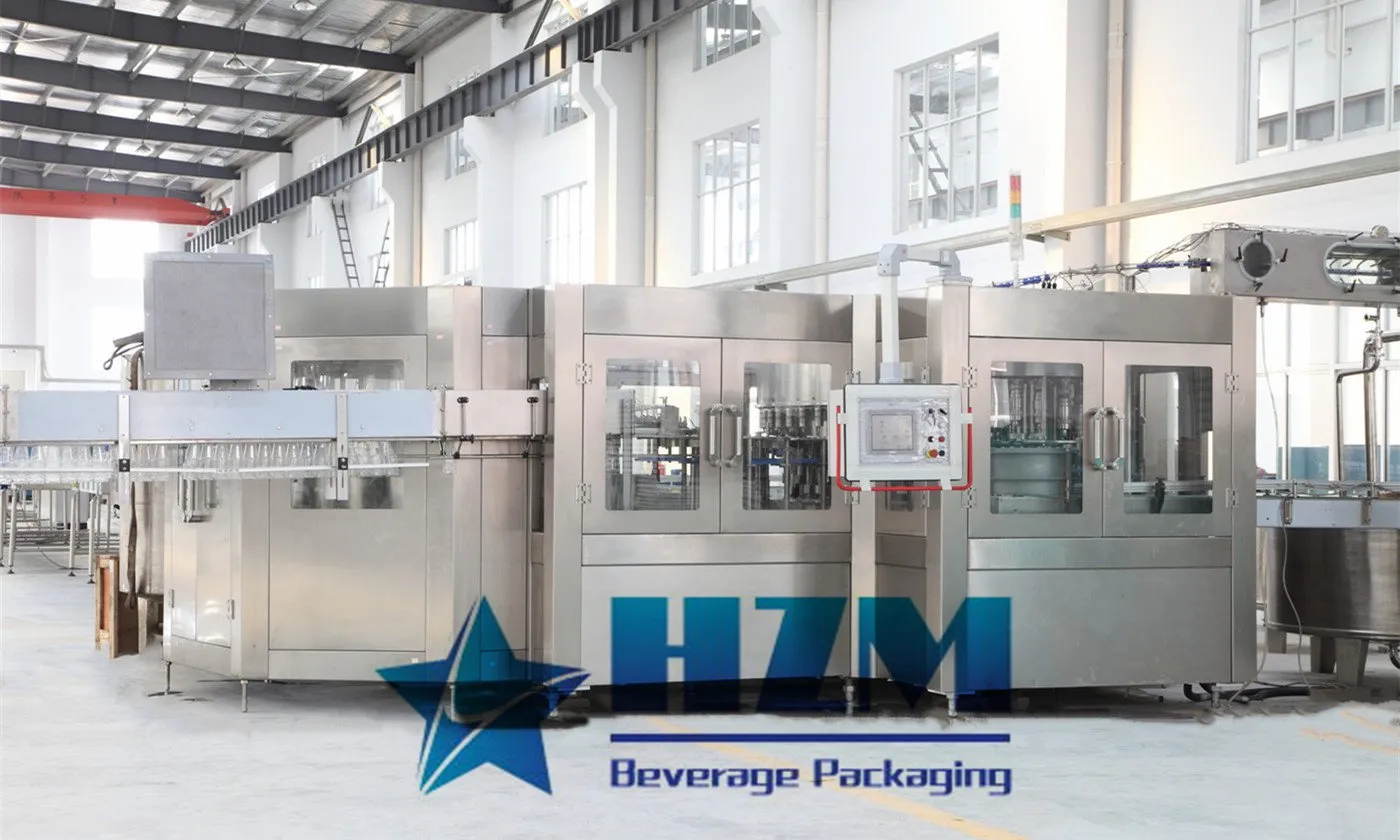
Equipment
PET Bottle Water Filling Machine
PET bottle water filling with automatic rinsing and capping, for purified water, mineral water and still drinking water.
Learn more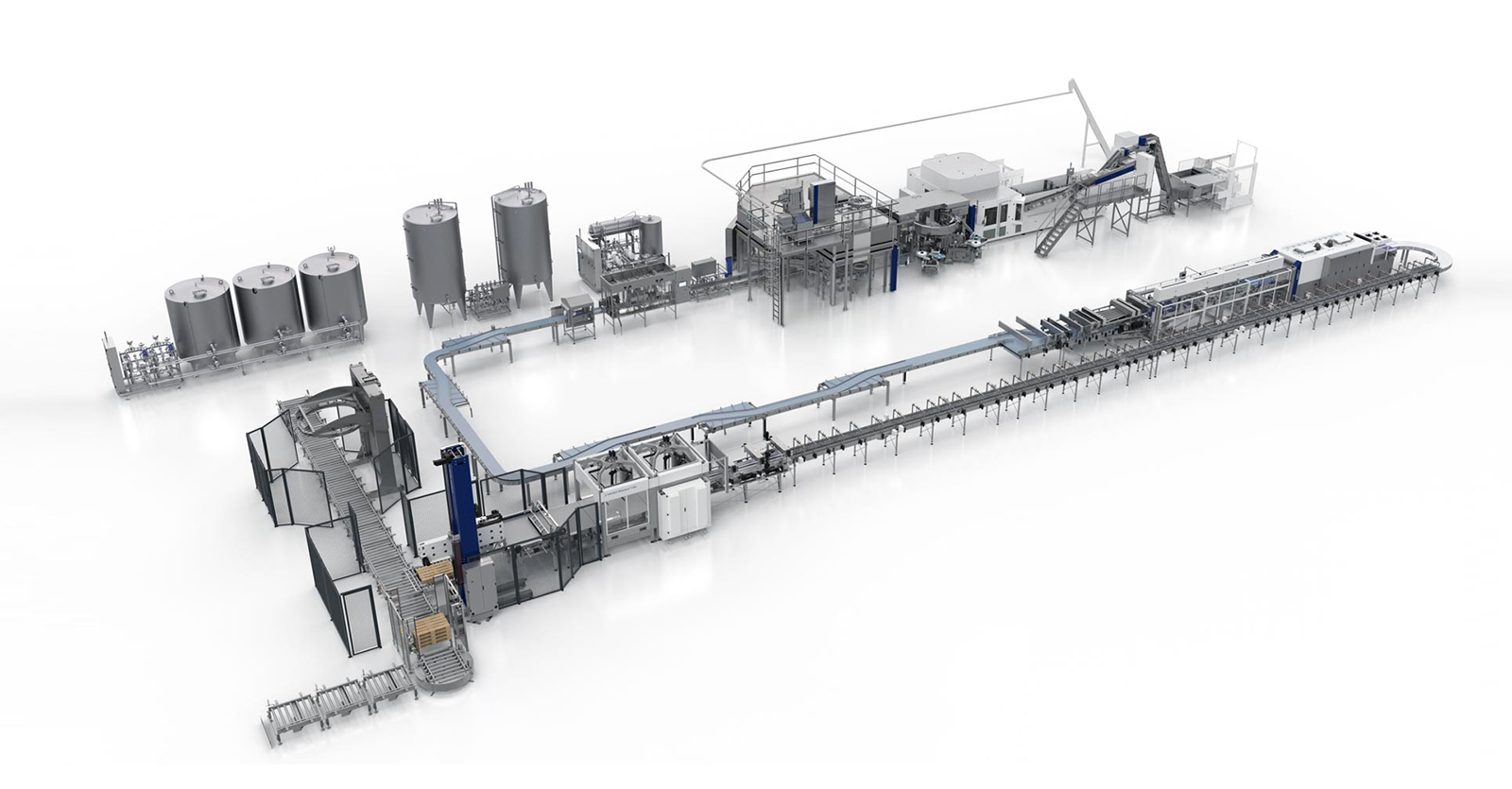
Equipment
Packaged Drinking Water Production Line
Complete packaged drinking-water production with treatment, bottle supply, rinsing, filling, capping and finished-bottle packing.
Learn more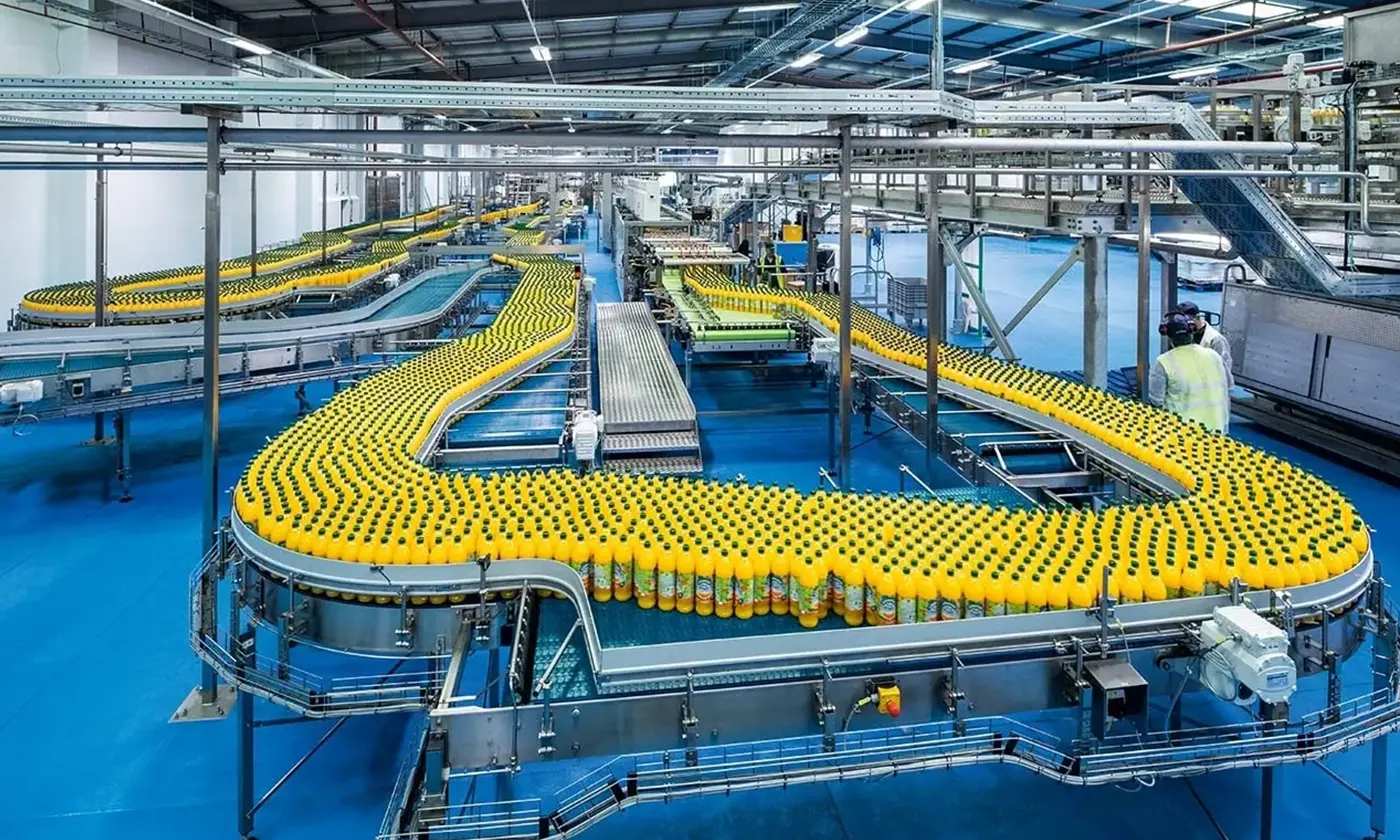
Equipment
Bottle Water & Beverage Conveyor System
The bottled-water and beverage conveyor system connects container supply, filling and packaging.
Learn more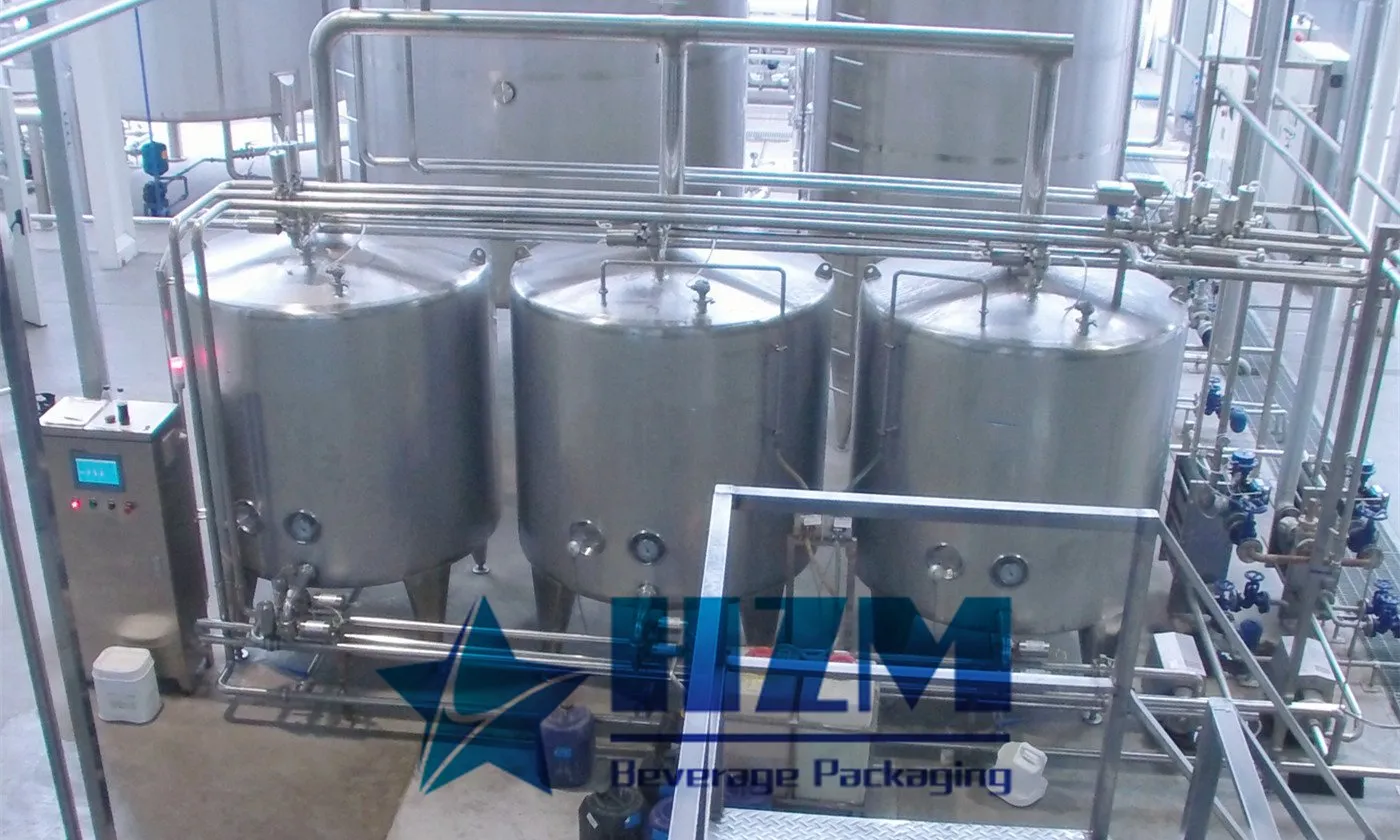
2024-05-14
What is a CIP cleaning system?
CIP cleaning system, also known as Clean In Place system, refers to a safe and automatic cleaning system that can be achieved through simple operation methods without dismantling production equipment.
Learn more2025-03-28
Principle and Application of CIP Cleaning System
The CIP cleaning system is an essential hygiene solution in water and beverage production. By providing an efficient and convenient cleaning process, it ensures equipment sanitation, improves production efficiency, extends equipment lifespan, and reduces energy consumption
Learn more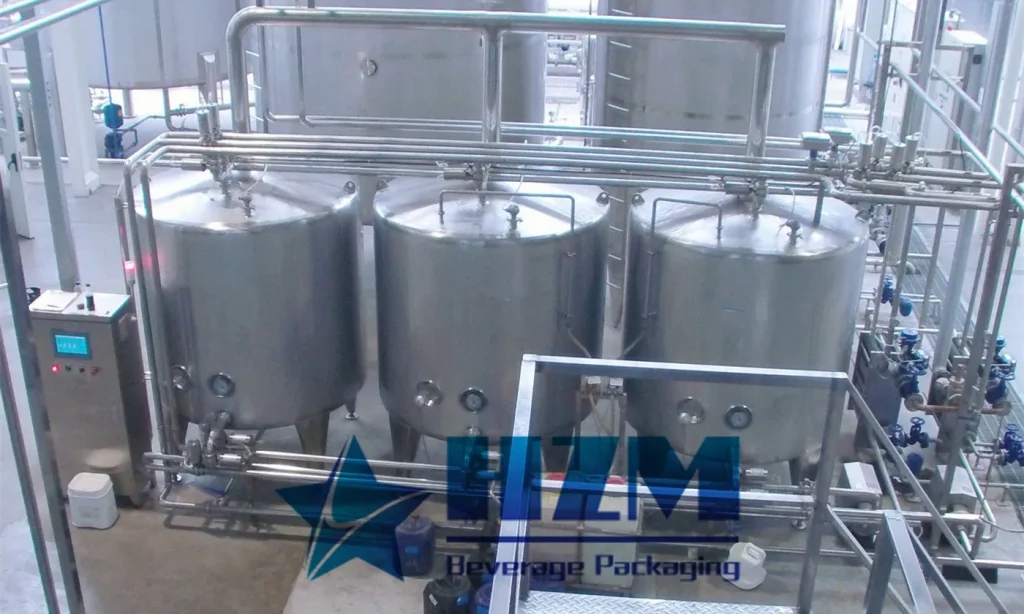
2023-12-04
Why Beverage Filling Machines Must Have CIP Cleaning Systems?
CIP (Cleaning In Place) cleaning systems are essential in the realm of food and beverage production, particularly for dairy processing equipment and pipelines. Over time, these components accumulate deposits that, if not cleaned thoroughly and promptly, can directly impact product quality and result in various issues such as substandard packaged foods.
Learn more2023-06-09
CIP Cleaning for Juice Filling Machines: Process and System Selection
A practical guide to planning CIP cleaning for juice tanks, pipelines and filling machines, including circuit design, cycle control and verification.
Learn more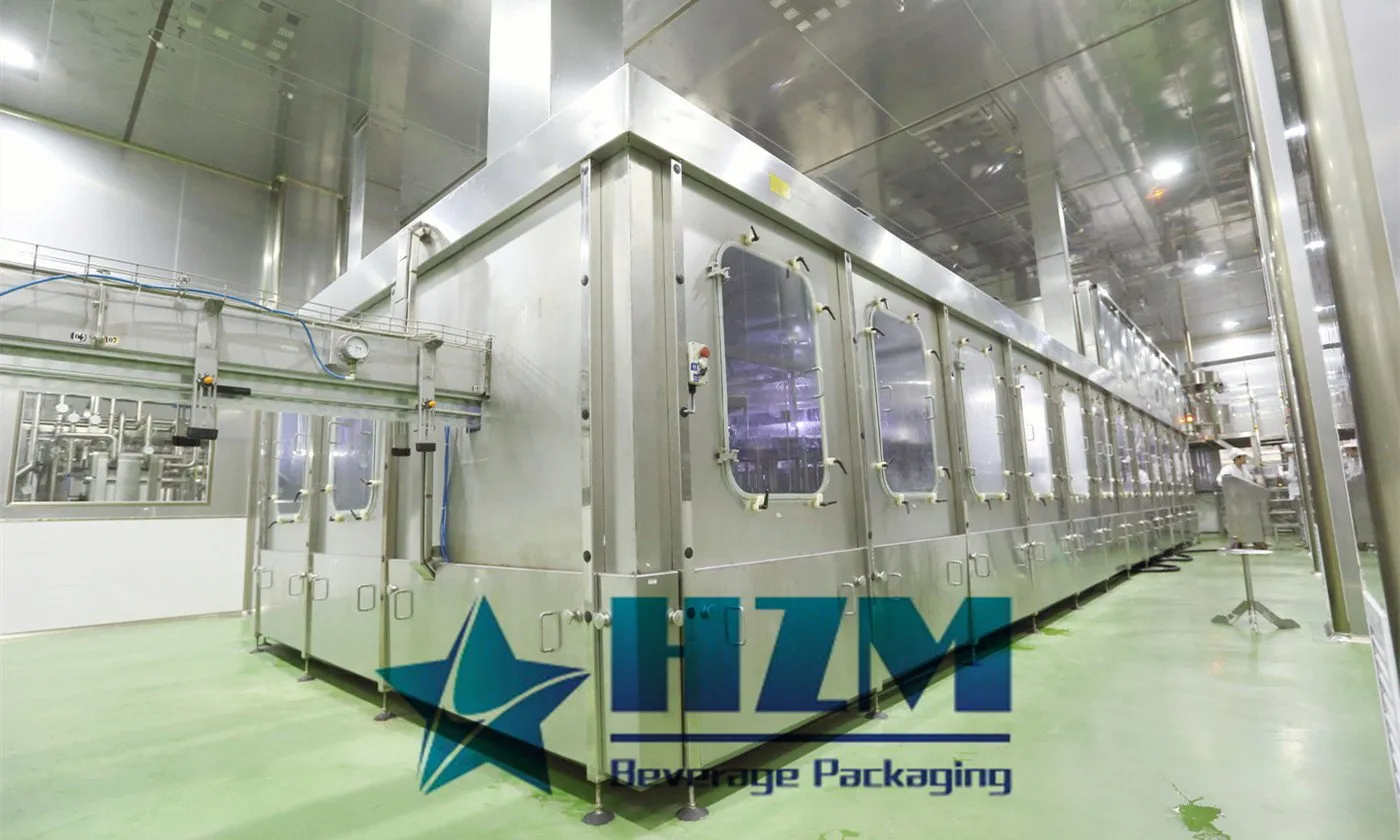
2023-06-09
Juice and Tea Filling Line Guide: CIP Coverage and Cleaning Validation
Practical HZM guidance on juice and tea filling line, focused on cip coverage and cleaning validation, line integration, RFQ data and measurable acceptance checks.
Learn more2023-06-09
Cip System 18000bph 200ml Pet Bottle Water Filling Machine
High quality Cip System 18000bph 200ml Pet Bottle Water Filling Machine from China, China's leading 18000bph pet bottle water filling machine product, with strict quality control 200ml pet bottle water filling machine factories, producing high quality cip system bottled water production machine products.
Learn more