
Insights & Updates
Robot Automatic Palletizer: Routine Maintenance and Upkeep
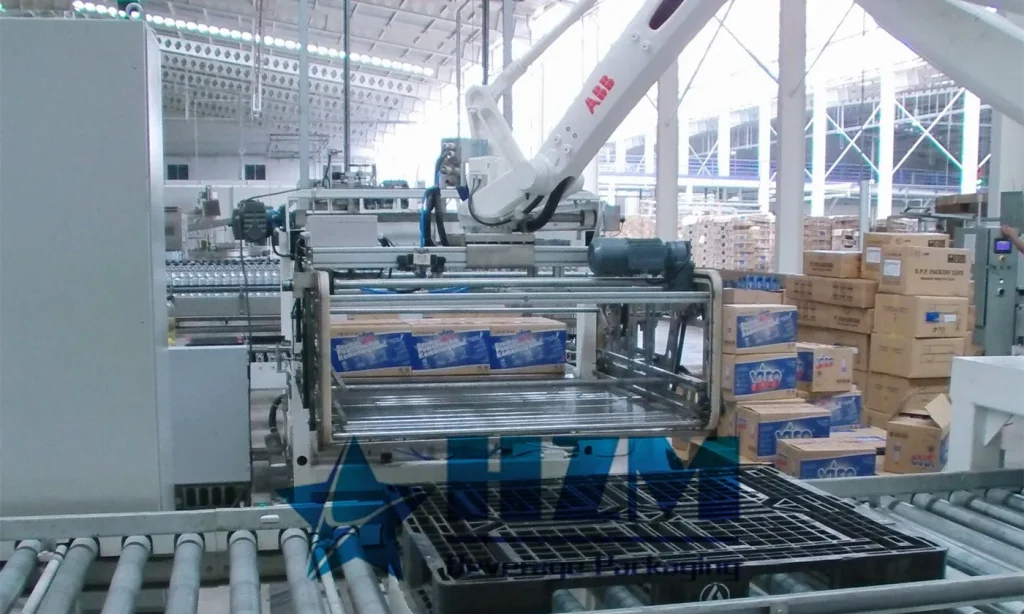
To ensure top-notch performance, just as cows need grass, machines require regular care. The same applies to robot automatic palletizers, as their proper functioning relies on consistent maintenance and upkeep. As logistics, food, and chemical industries continue to grow, palletizer robots play an increasingly vital role. These robots not only perform stacking tasks accurately and efficiently but also reduce labor intensity and enhance production efficiency, serving as multi-joint mechanical arms or multi-degree-of-freedom machines in the industrial sector. Let’s delve into the routine maintenance and upkeep of robot automatic palletizers.
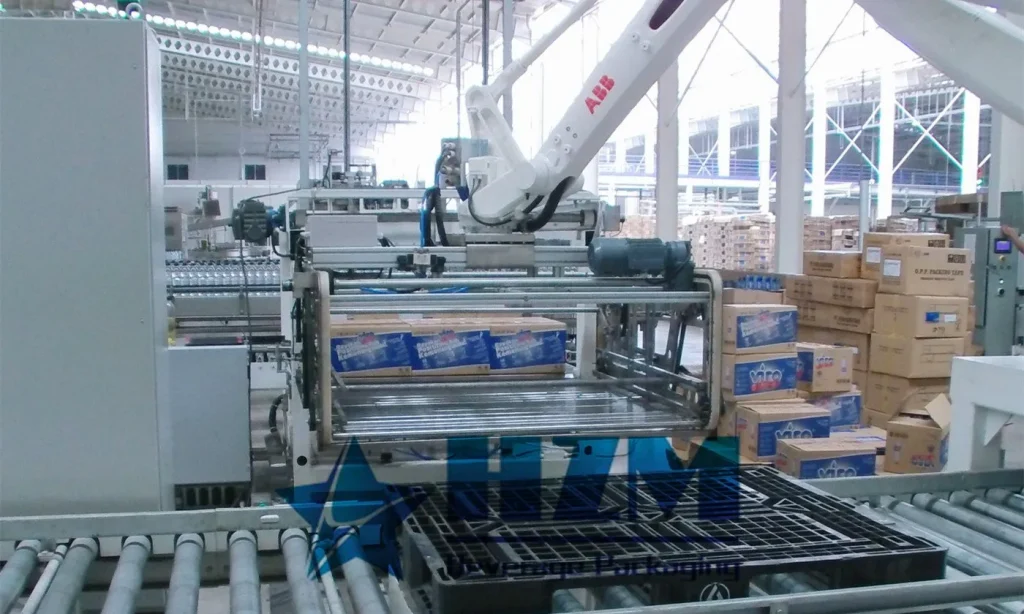
Routine Maintenance and Upkeep of Robot Automatic Palletizers:
- Pre-operation Inspection: Prior to every palletizing operation, operators should conduct a thorough check for loose screws, circuit aging, slippery connections, cracked belts, and other issues. Any identified problems should be promptly addressed to prevent malfunctions during operation.
- Regular Cleaning: It is essential to clean the palletizing robot diligently each day before leaving work. Use a dry cloth for general cleaning and consider using a brush for hard-to-reach areas.
- Timely Replacement: Components with a limited service life, such as the toothed belts and reverse connection devices in fully automated palletizing systems, should be replaced promptly upon expiration to avoid potential hazards.
- Lubrication Check: After three months of continuous operation, inspect the lubricating oil of the vacuum pump in the robot palletizer. If the oil appears dirty or has reduced in quantity, replace or refill it promptly.
- Controlled Workplace Environment: Corrosive liquids should be prohibited from the workspace to prevent damage to the metallic robot arm. In the event of a circuit control board malfunction, operations must cease immediately for inspection and troubleshooting.
- Optimal Ground Usage: Properly utilize the four silicone pads at the bottom of the palletizer robot. Adjust these pads as needed to achieve a level surface for the robot palletizer, especially when working on uneven floors.
- Monitor Heat Absorption: Some palletizer robots may have high-temperature cloth rollers that absorb heat. If any of these rollers become damaged, immediate replacement is necessary.
By following these routine maintenance practices, your robot automatic palletizer will continue to perform efficiently and reliably, contributing to smooth operations and increased productivity.
Talk to our engineering team
Need help planning your packaging line?
Share your product, bottle and capacity requirements for a practical equipment recommendation.
Equipment
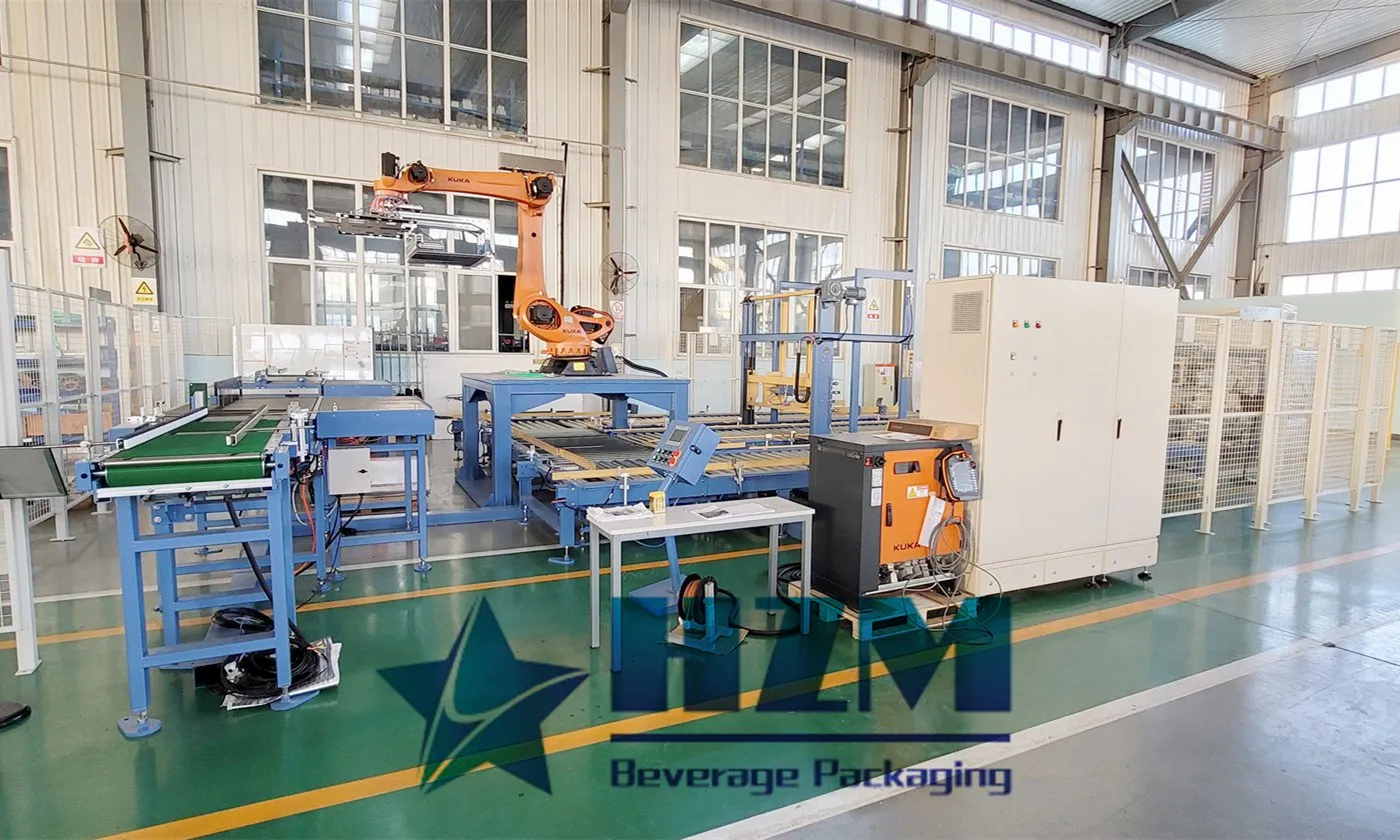
Automatic Robot Palletizing System
The robot palletizing system transfers finished cartons, crates, bags or shrink-wrapped packs onto pallets.
Learn more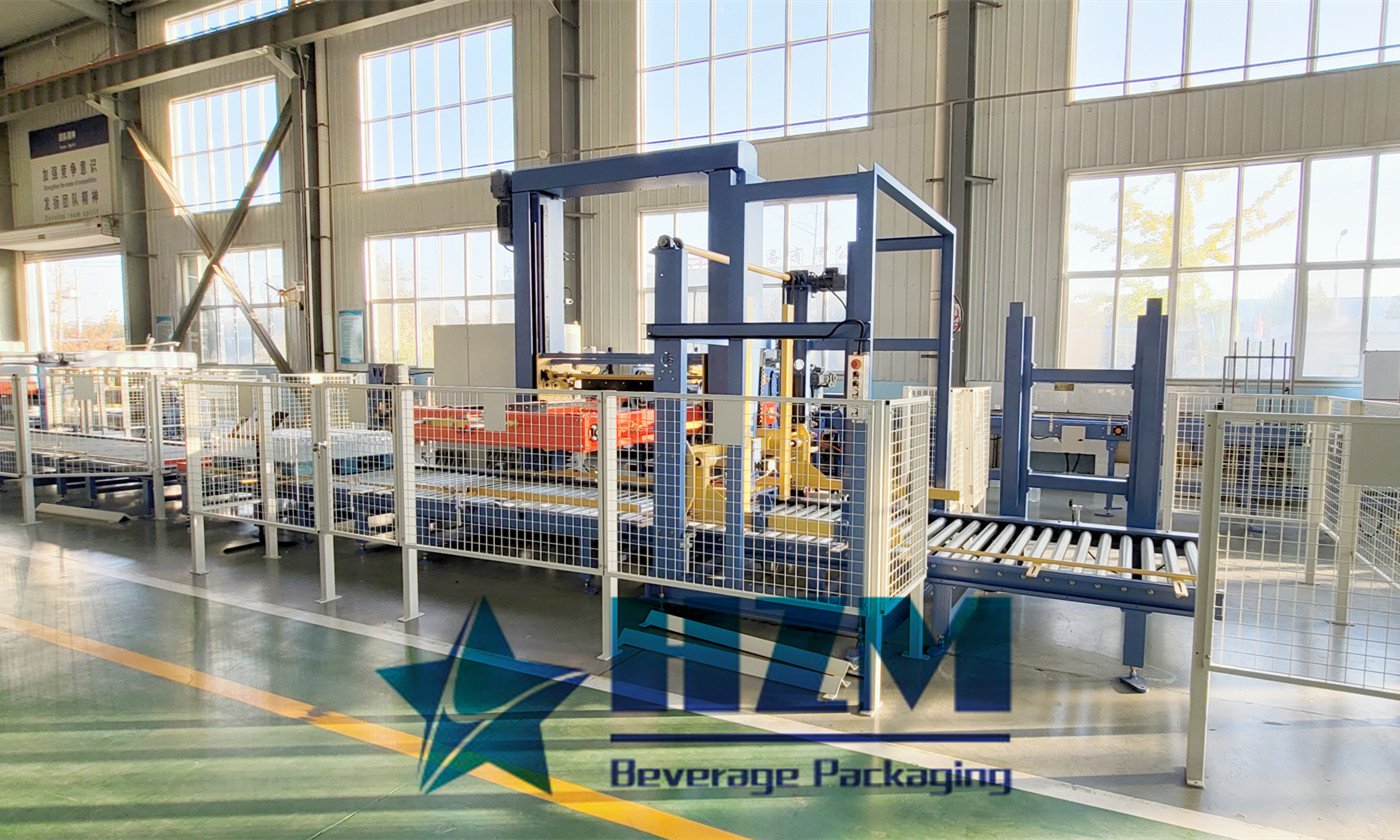
Equipment
Automatic Palletizing Machine
The automatic palletizing machine stacks cartons and film-wrapped packs onto pallets at the end of the production line.
Learn more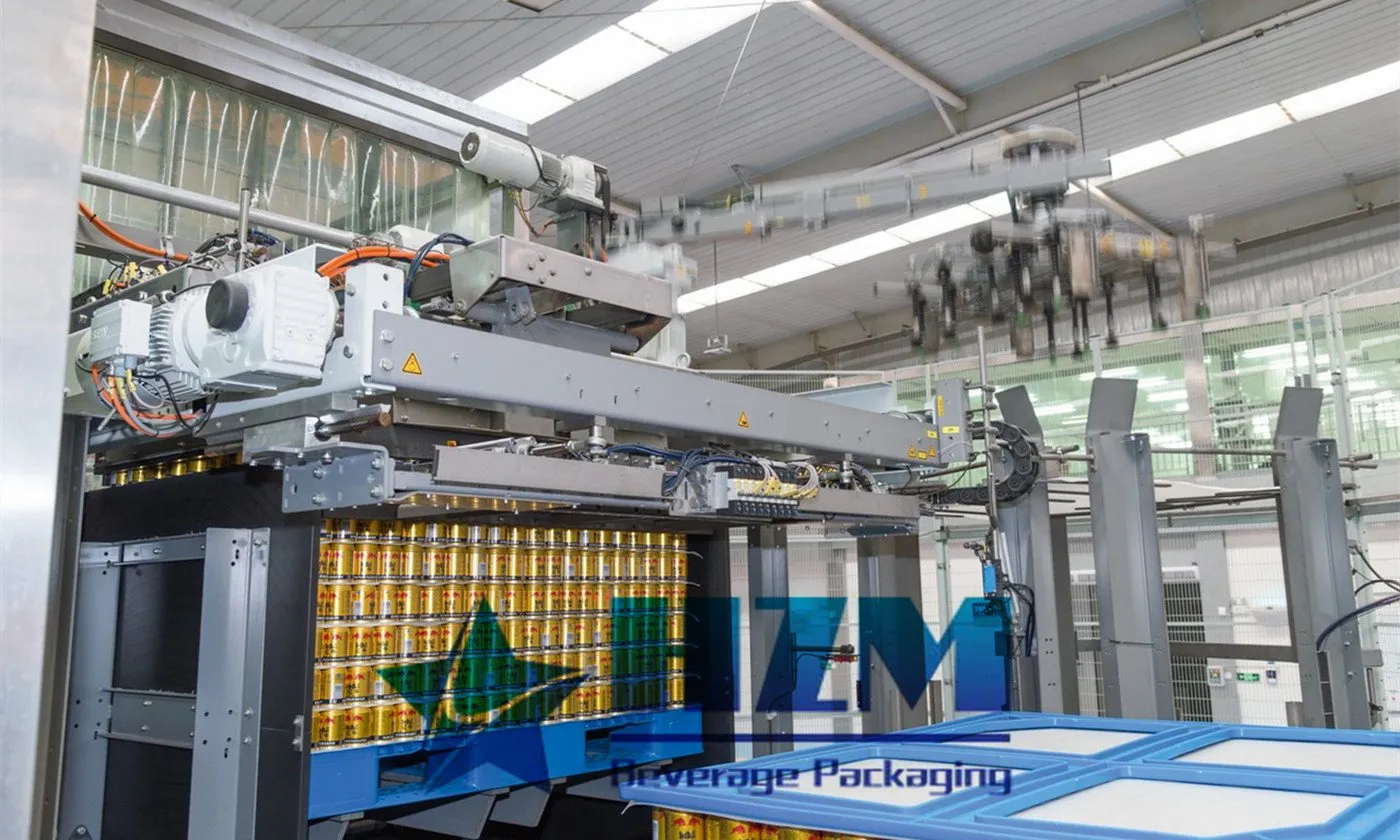
Equipment
Automatic De-palletizer
The automatic de-palletizer unloads empty containers from pallets one layer at a time and transfers them onto a conveyor.
Learn more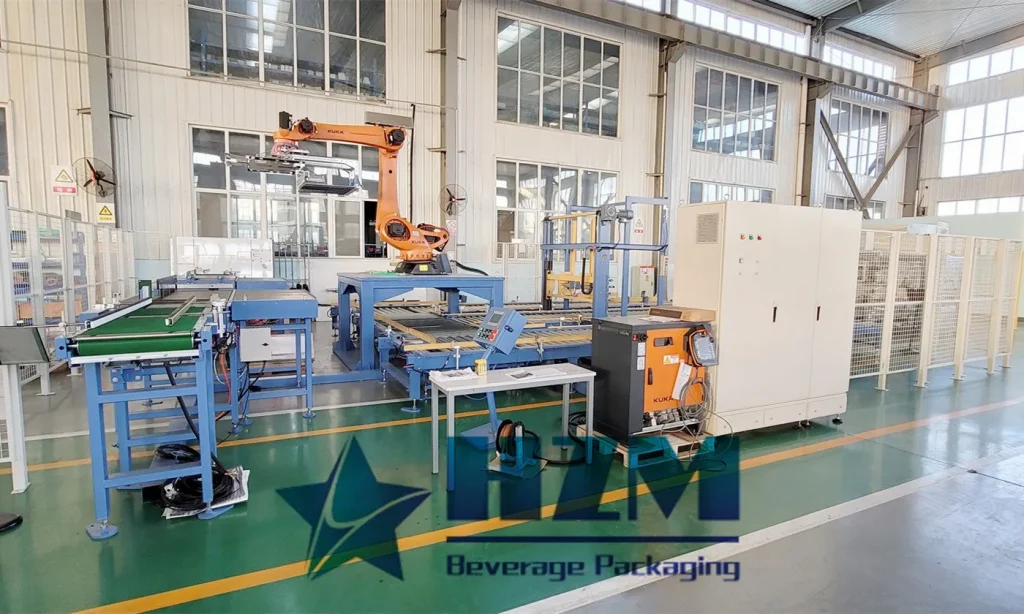
2023-08-06
Palletizing Robot: An Introduction and Principles
Palletizing robots are mechanical devices used for automatic execution of tasks. During operation, they can accept human commands and accurately run pre-programmed sequences.
Learn more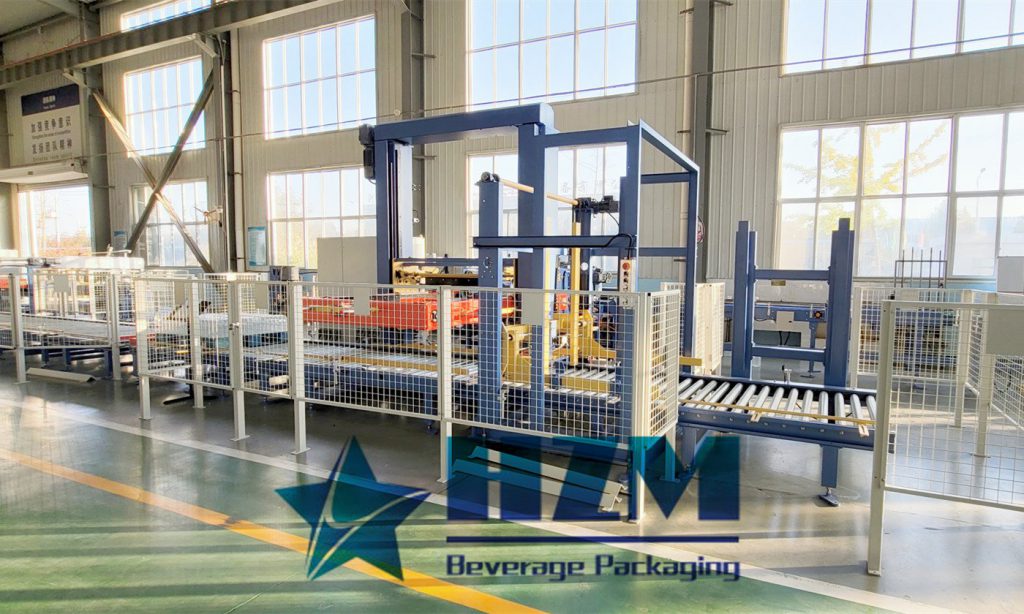
2023-07-17
Maintenance Measures for Fully Automatic Palletizing Machine
In the process of maintaining the automatic palletizing machine, apart from creating suitable environmental conditions for its operation, it is essential to adopt correct usage methods and work standards, control the continuous working time of the automated palletizing equipment, and conduct timely maintenance.
Learn more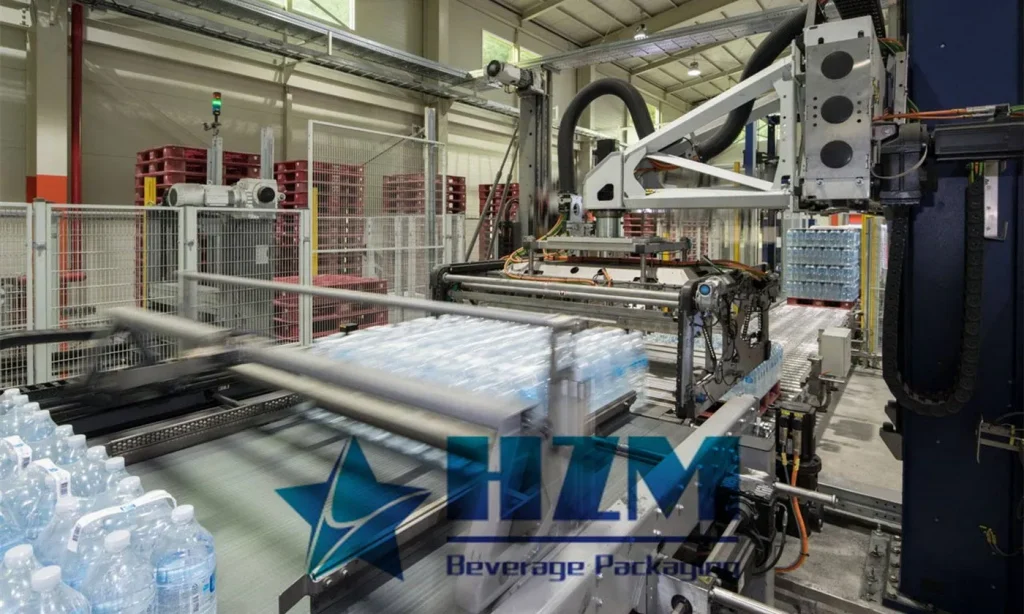
2023-07-25
Buying Guide for Automatic Palletizing Machine: Price and Considerations
The price of automatic palletizing machines varies due to multiple factors, including functionality, workload capacity, stacking height, production capacity, and brand, among others.
Learn more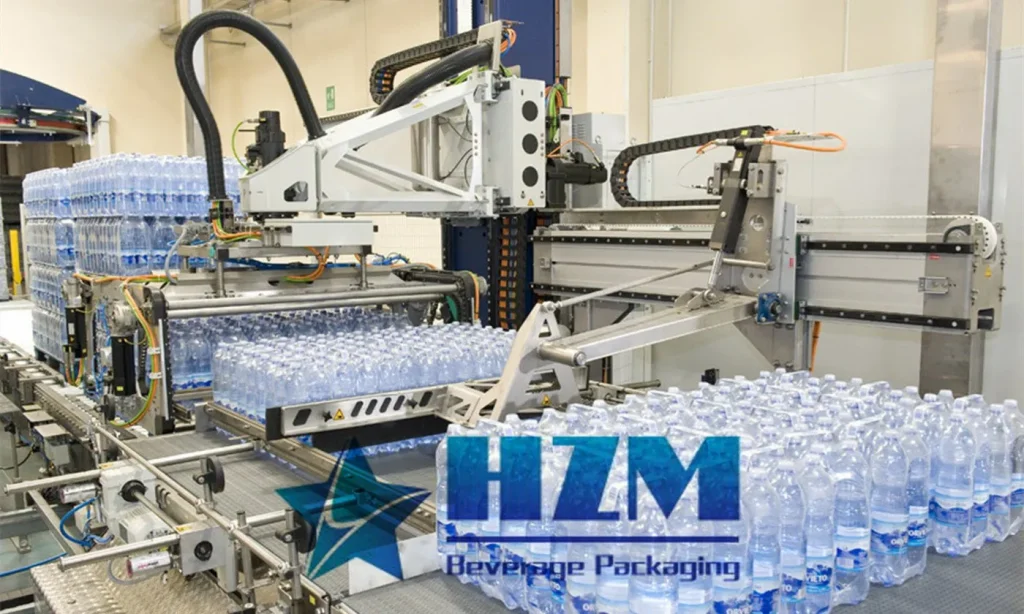
2023-11-07
What is Automatic Palletizing Machine
An Automatic Palletizing Machine is an industrial automation device used to automatically stack goods or products onto pallets in a production line or warehouse environment.
Learn more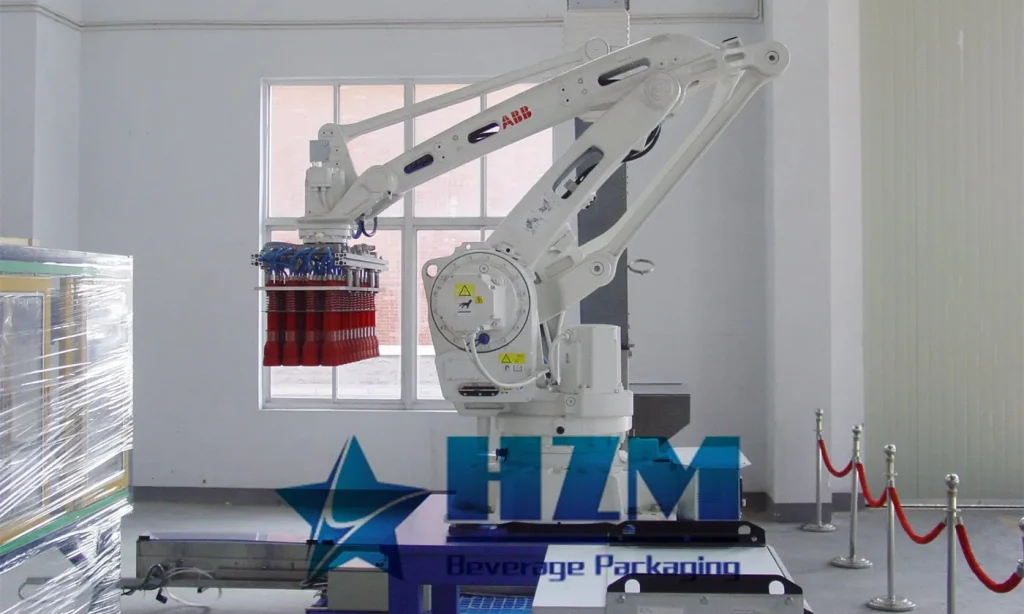
2023-08-08
Automatic Robot Palletizing Machine: An Intelligent Solution to Boost Production Efficiency
as a crucial component of modern intelligent manufacturing, the Automatic Robot Palletizing Machine provides businesses with efficient and accurate cargo palletizing solutions.
Learn more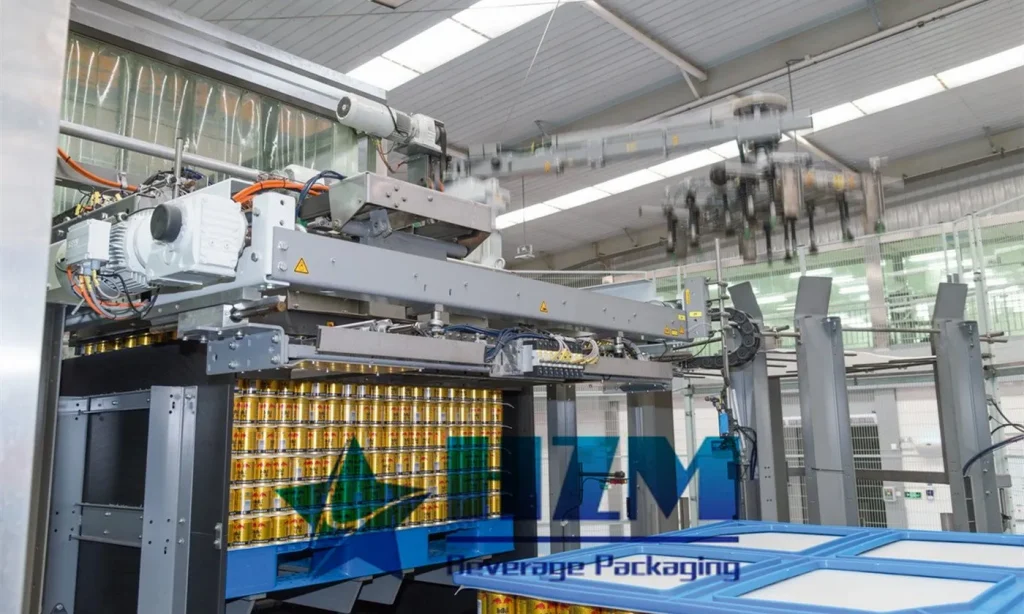
2023-11-02
The Application of Automatic Palletizing Machines in Beverage Production Lines
Automatic Palletizing Machines play a significant role in beverage production lines, bringing efficiency, labor cost savings, and improved product quality to the beverage manufacturing industry.
Learn more