
Insights & Updates
Common Malfunctions of Beverage Filling Machines and Their Solutions
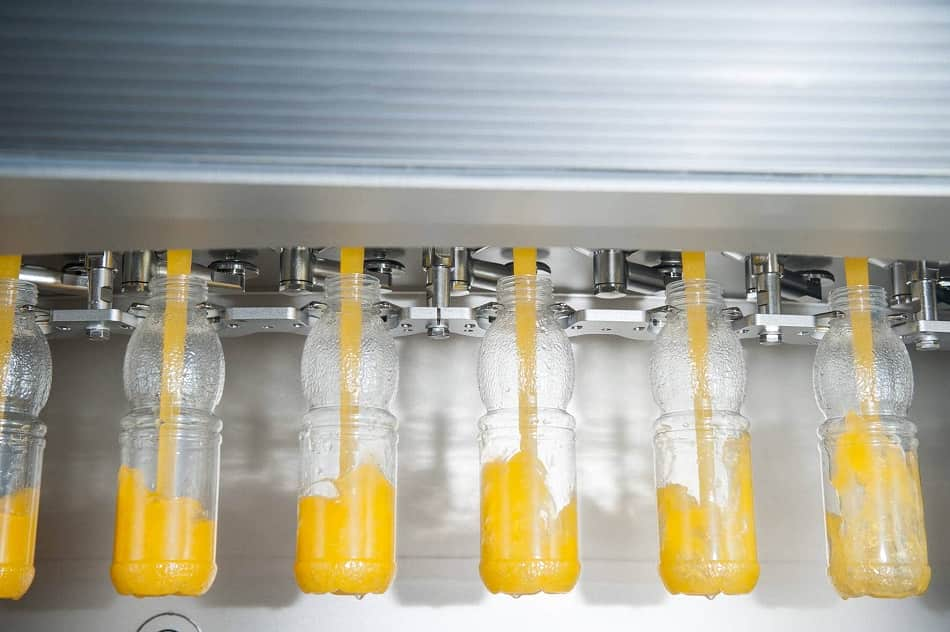
The application of beverage filling machines has greatly facilitated beverage production and manufacturing. While we may be familiar with how these machines work, it is inevitable that they may encounter malfunctions. So, how should we address these issues when they arise?
Common Malfunction: Insufficient replenishment in the material tank during the filling of large-sized beverages, leading to an unstable liquid level and halting the filling process.
Solution: Increase the replenishment amount or adjust the valve to a smaller setting. Reset the filling time to slow down the filling rate and address the issue.
Common Malfunction: After adjusting the large numerical dip switch or powering off the machine, the time interval remains unchanged.
Solution: Power off the machine and then turn it back on to reset the switch and resolve the issue.
Common Malfunction: The material tank of the beverage filling machine is adequately replenished, and the liquid level is stable, but the filling volume is inaccurate.
Solution: There may be debris blocking the safe passage for filling. Inspect the channel of the material tank or remove the debris from the filling opening to resolve the issue.
Common Malfunction: Leakage occurs after liquid filling is completed.
Solution:
- The filling nozzle may be damaged. Remove the filling nozzle and repair or polish the opening. The diameter of the opening should not exceed 7 millimeters.
- The valve inside the beverage filling machine’s filling head may be damaged. It needs to be replaced.
Common Malfunction: The material does not fill after pressing the material supply power switch, and the LED display of the time relay does not blink.
Solution:
- The material supply power switch may be damaged or the base of the time relay may be loose. Replace the same material supply power switch or tighten the base of the time relay.
- Check if the standard air pressure is met or if it is too low. If it does not meet the standard air pressure requirements, adjust it immediately and then observe the operation.
These are some of the common problems that may occur with beverage filling machines. We hope this information has been helpful. If you have any specific needs or questions regarding this matter, please feel free to contact us via email for detailed consultation.
Talk to our engineering team
Need help planning your packaging line?
Share your product, bottle and capacity requirements for a practical equipment recommendation.