
Insights & Updates
Considerations for Importing and Exporting Beverage Filling Machines
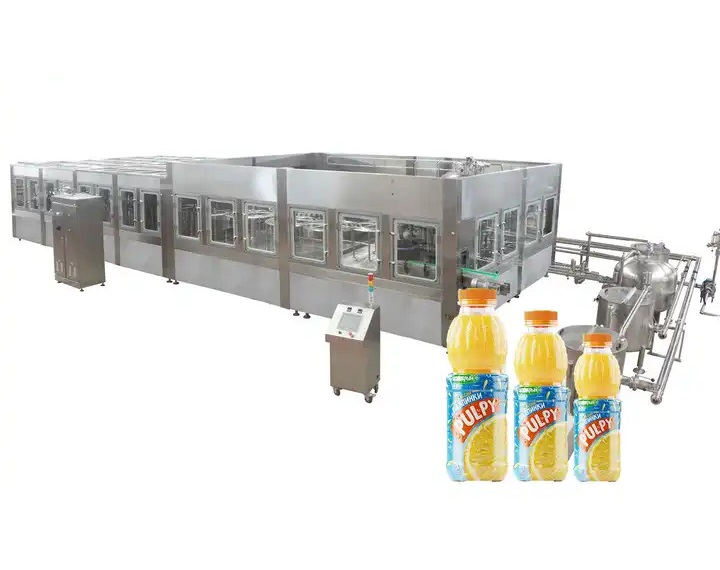
Importing and exporting beverage filling machines play a crucial role in international trade, but utilizing and delivering these devices involves key considerations. Here are several important factors to keep in mind when importing and exporting beverage filling machines
Considerations for Importing
- Quality Certification and Compliance: Before importing beverage filling machines, verify the quality certification and compliance documents provided by the supplier. Ensure that the equipment meets the technical and safety standards of the target market.
- Voltage and Plug Compatibility: Different countries may have varying voltage and plug standards. Before purchasing the equipment, confirm that the voltage and plug of the device align with the standards of the target market.
- Tariffs and Taxes: Understand the tariff and tax policies of the target country, including whether there are import duties, value-added taxes, etc. This will aid in creating an accurate cost budget.
- Shipping and Packaging: Ensure that the equipment receives proper packaging and protection during transportation to prevent damage. Choose reliable shipping methods and logistics partners.
- After-Sales Service and Support: Determine whether the supplier offers after-sales service and support. Timely support is crucial in case of equipment malfunctions or maintenance needs.
Considerations for Exporting
- Target Market Requirements: Before exporting beverage filling machines, understand the requirements and standards of the target market. The equipment may need some adaptations to meet the demands of different countries.
- Product Documentation and Labels: Ensure that the equipment comes with accurate product documentation, labels, and usage instructions. These documents should be written in the language of the target market to ensure smooth customs clearance and use.
- Customs and Import Requirements: Familiarize yourself with the customs and import requirements of the target country. Follow the correct import procedures to ensure the equipment can smoothly enter the country and receive approval.
- Packaging and Marking: The packaging and labeling of the equipment should comply with the requirements of the target country. This includes packaging that adheres to transportation and safety standards, as well as clear and legible markings.
- Commitment to After-Sales Support: Provide appropriate commitments for after-sales support to buyers, including equipment installation, training, and maintenance. This helps establish a good reputation and customer relationship.
In summary, importing and exporting beverage filling machines involve many factors, including quality certification, compliance, tariffs, taxes, packaging, after-sales support, and more. Clear communication and accurate planning with suppliers and interactions with the target market will help ensure the smooth import and export of equipment, as well as business success.
Talk to our engineering team
Need help planning your packaging line?
Share your product, bottle and capacity requirements for a practical equipment recommendation.