
Insights & Updates
Cost and Procurement of Beverage Packaging Equipment
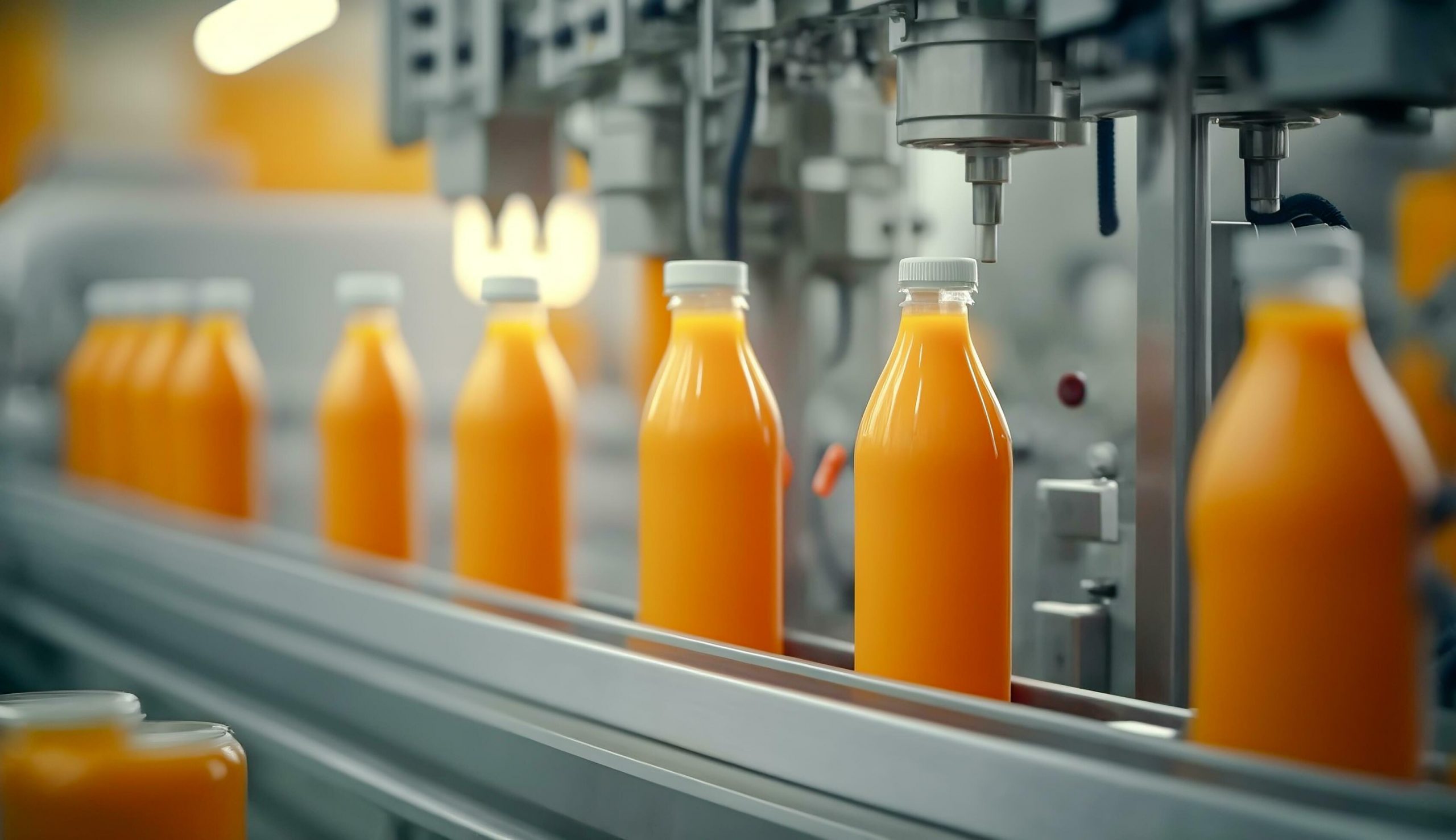
In the beverage industry, packaging is a crucial factor for a product’s successful market entry and consumer appeal. Choosing the right beverage packaging equipment is an essential step to ensure efficient production and quality assurance. Below, we’ll explore the cost and considerations for procuring beverage packaging equipment.
1. Components of Equipment Costs: The cost of beverage packaging equipment includes the purchase cost of the equipment itself, as well as other associated expenses such as installation, training, maintenance, and operational costs. Different types of packaging equipment (e.g., bottle, can, carton) and varying scales of production can impact the costs.
2. Equipment Type and Scale: The type and scale of beverage packaging equipment depend on the product type and production volume. High-speed automated production lines typically require larger investments but can enhance production efficiency. Meanwhile, medium to small-scale lines might be more suitable for startups or smaller production operations.
3. New vs. Used Equipment: Purchasing new equipment may involve higher initial investments, but it often comes with a longer lifespan and lower maintenance costs. Opting for used equipment might reduce initial costs, but factors such as equipment condition, maintenance history, and potential repair costs need to be considered.
4. Supplier Selection: Choosing reliable suppliers is crucial. They should offer high-quality equipment, after-sales services, and technical support. Investigating supplier reputation, customer feedback, and industry standing ensures the selection of suitable partners.
5. Operating Costs: Apart from purchase costs, operational expenses must be considered. These include energy consumption, maintenance, component replacements, and labor costs. Maintaining equipment to ensure efficient operation is critical to reducing operating costs.
6. Technological Innovation: With continuous technological innovation, newer packaging equipment models might offer higher efficiency and additional features. Despite potentially higher initial investments, they could yield returns over the long term by improving production efficiency and reducing waste.
7. Regulations and Safety Requirements: When purchasing packaging equipment, compliance with local regulations and safety requirements is essential. This can influence equipment design and configuration, thus impacting costs.
In conclusion, the cost of beverage packaging equipment involves multiple factors. During the procurement process, it’s crucial to consider equipment type, scale, supplier reliability, operating costs, and technological innovations. This ensures the selection of equipment that best suits the company’s needs and contributes to successful and efficient production in a competitive market.
Talk to our engineering team
Need help planning your packaging line?
Share your product, bottle and capacity requirements for a practical equipment recommendation.
2023-12-14
Bottled Water Production Line: Procurement, Installation, and Commissioning
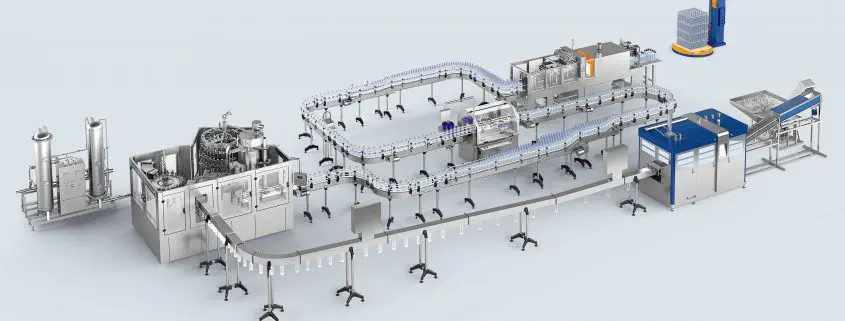
The procurement, installation, and commissioning of a bottled water production line is a complex and systematic process that requires careful consideration at every stage. The following details the steps from procurement to commissioning:
Learn more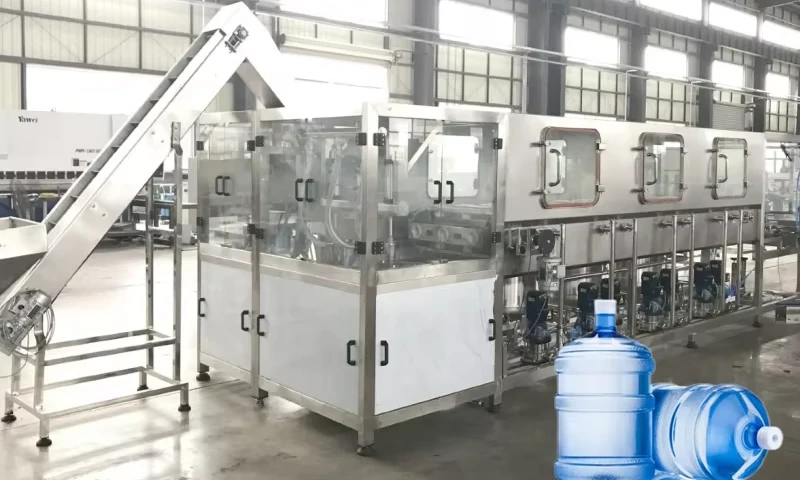
2026-02-08
5 Gallon Water Filling Line: Pricing and Procurement Considerations
The pricing of a 5 gallon water filling line is not a one-size-fits-all figure; it varies significantly based on equipment configuration, automation level, production capacity, and additional customization.
Learn more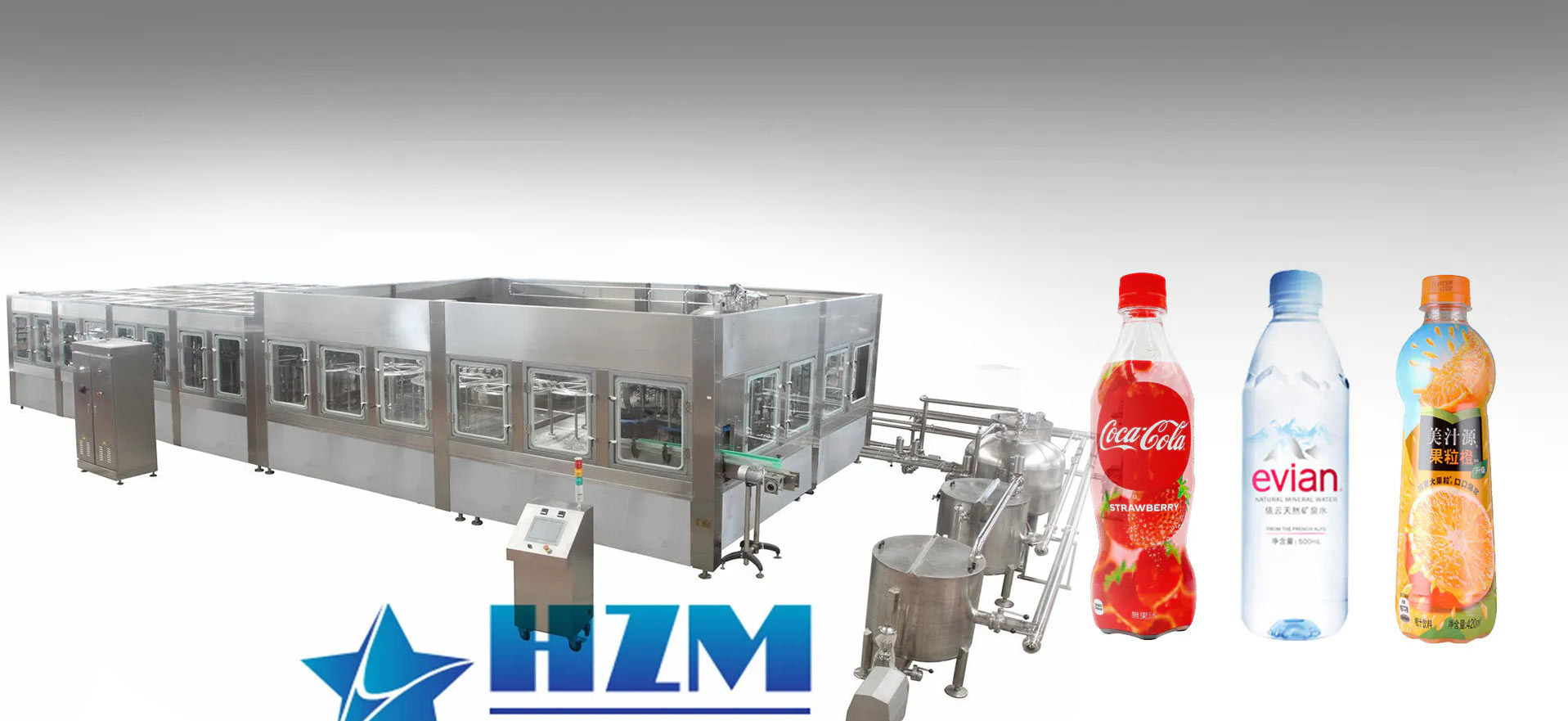
2023-06-19
Filling Machine, Classification, Workflow, Instructions for Use, Procurement
The filling machine is a small category of products in the packaging machine. From the perspective of material packaging, it can be divided into liquid filling machines, paste filling machines, powder filling machines, and granule filling machines. From the level of production automation, it can be classified as semi-automatic filling machines and fully automatic filling […]
Learn more