
Insights & Updates
Optimized Production Process for Plastic Extrusion Blow Molding Machine
Equipment and Material Preparation:
Choose appropriate plastic extrusion blow molding equipment, molds, and auxiliary machines according to the products to be manufactured. The most commonly used material is HDPE, known for its stable performance and low production cost.
Material Handling:
-
- Plastic pellets are fed into the hopper through an automatic feeding system.
- In the screw barrel, the pellets are heated, mixed, and melted to form a molten state.
- The molten material is extruded through the machine head to form a plastic tubular preform.
Molding Process:
-
- The preform enters the mold while the mold gradually closes.
- After the material in the accumulator head is extruded, the bottom blowing device blows air into the preform while the mold closes completely.
- The preform inside the mold is expanded by air, preliminarily forming the shape of the mold.
Cooling and Removal:
-
- After the preform is initially formed, the cooling system starts working to cool the mold and product.
- The mold opens, and the finished product is removed to complete the production process.
Operating Procedure for Plastic Extrusion Blow Molding Machine:
- Before starting the machine, ensure the cooling water channel is clear.
- Turn on the internal power supply and start the oil pump motor.
- Switch on the heating switch, set the temperature, and control the process.
- Check the current in the heating coil to confirm the heating system’s condition.
- Run the machine without load for a few minutes if it is being used for the first time or after a long idle period.
- Conduct trial operations manually, semi-automatically, and fully automatically to ensure smooth operation in different production states.
- Inspect all components and bolts for tightness and address any abnormalities.
- Stop immediately and inspect for repairs if any anomalies occur, and resume operation only after addressing the issues.
Points to Note:
- Operators must undergo specific professional training.
- Do not insert hands deep into the mold locking mechanism.
- Close the oil pump motor when inspecting or repairing the mold.
- When debugging the mold, try to use the minimum locking force to save energy.
- When switching materials, heat the barrel and clean it, adding a suitable cleaning agent and starting from the feeding machine for thorough cleaning.
- Set the temperature based on the material with the higher melting point when using different materials.
- Reduce screw speed below 30 revolutions per minute when there is no available material in the barrel to avoid damaging the screw barrel.
- Adjustments to the oil pump safety valve are unnecessary after factory settings; otherwise, it may affect normal machine operation.
Talk to our engineering team
Need help planning your packaging line?
Share your product, bottle and capacity requirements for a practical equipment recommendation.
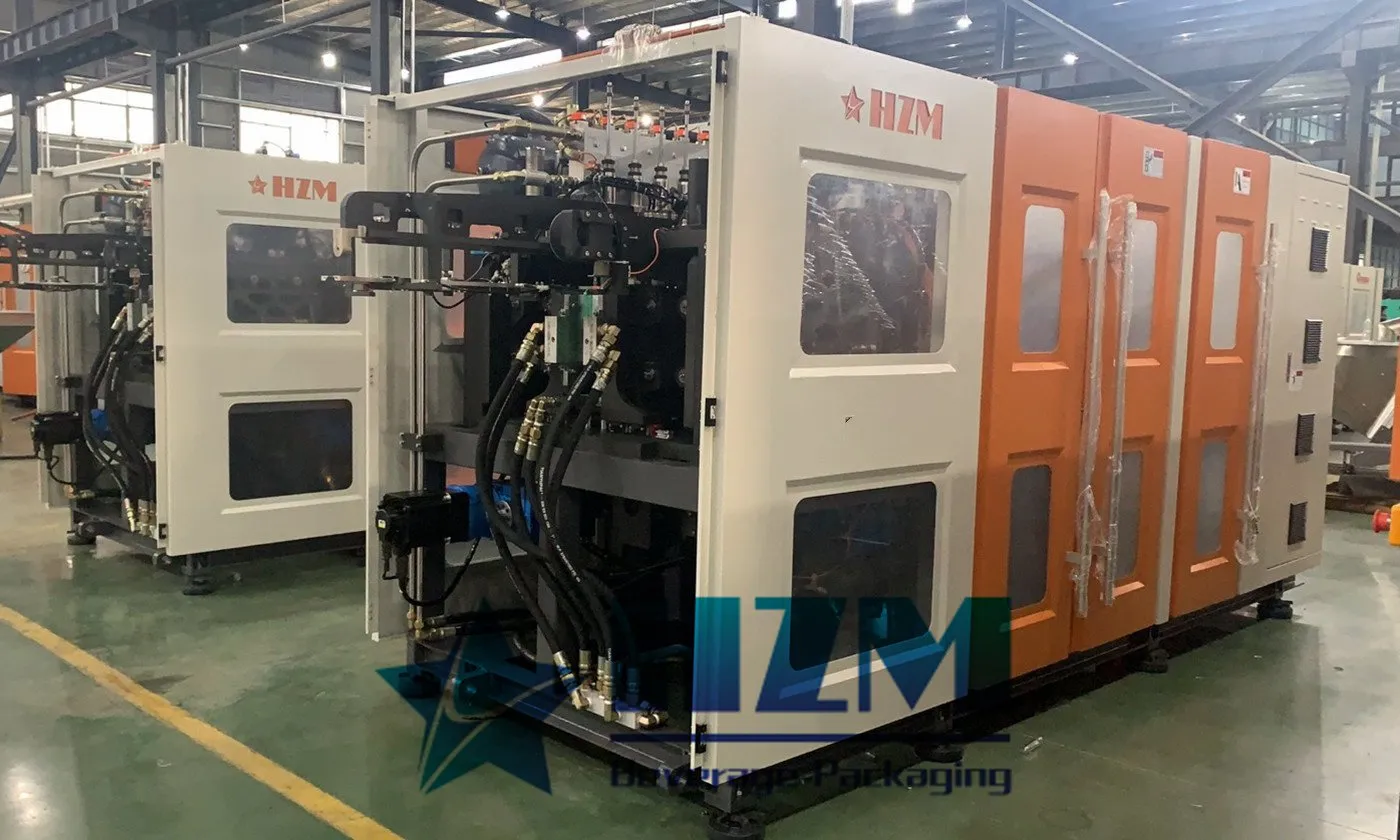
Equipment
Automatic Blow Molding Machine
Automatic PET bottle blowing for water and beverage packaging, with capacities of 12,000–24,000 bottles/hour at 500 ml.
Learn more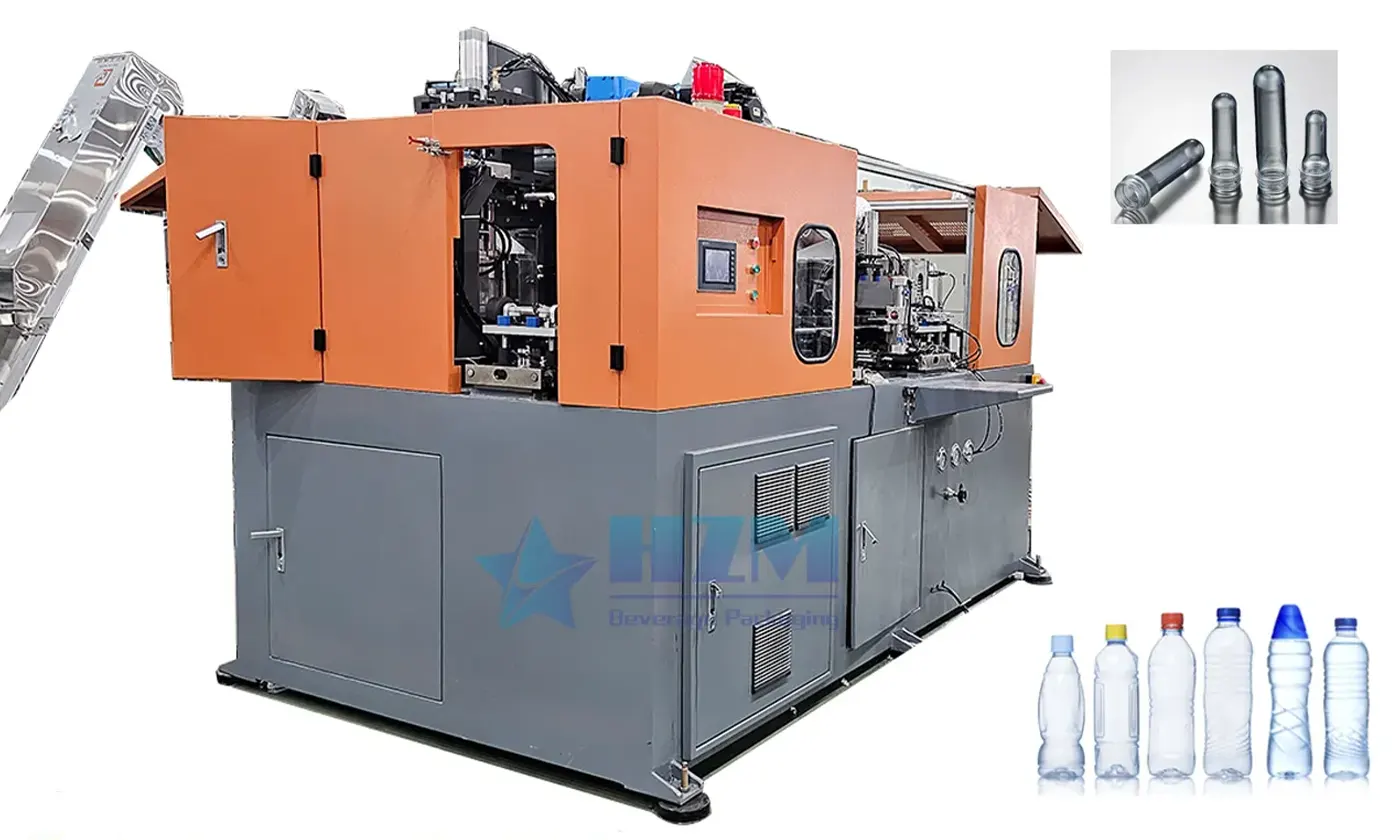
Equipment
PET Bottle Blow Molding Machine
PET bottle blow moulding with 6–12 cavities and capacities of 12,000–21,600 bottles/hour at 500 ml.
Learn more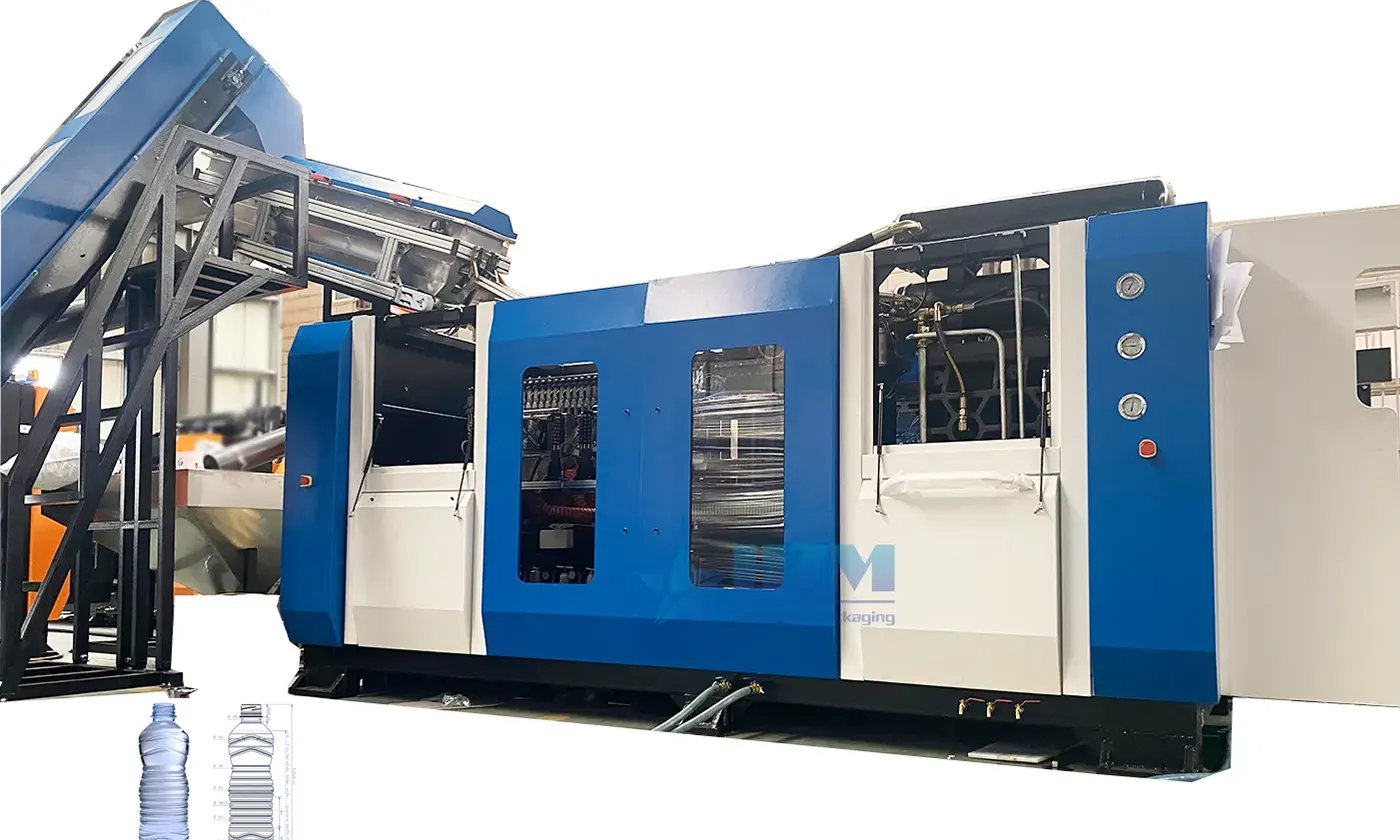
Equipment
Automatic Water Bottle Blowing Molding Machine
Automatic water bottle blowing from PET preforms, with 6–12 cavities and capacities up to 21,600 bottles/hour at 500 ml.
Learn more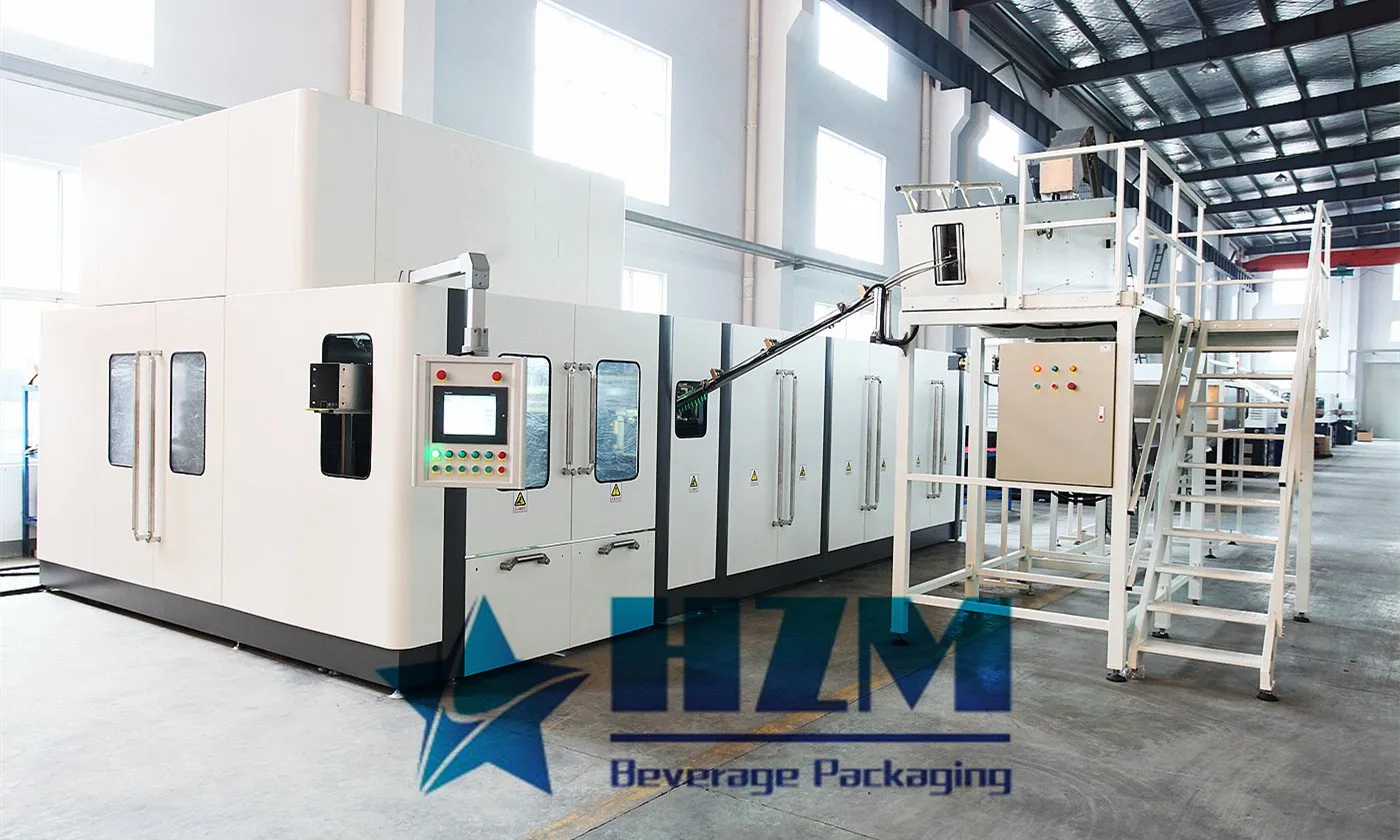
Equipment
Automatic Rotary Blow Molding Machine
Rotary PET bottle blow moulding for water and beverage packaging, with 6–24 cavities and capacities up to 48,000 bottles/hour at 500 ml.
Learn more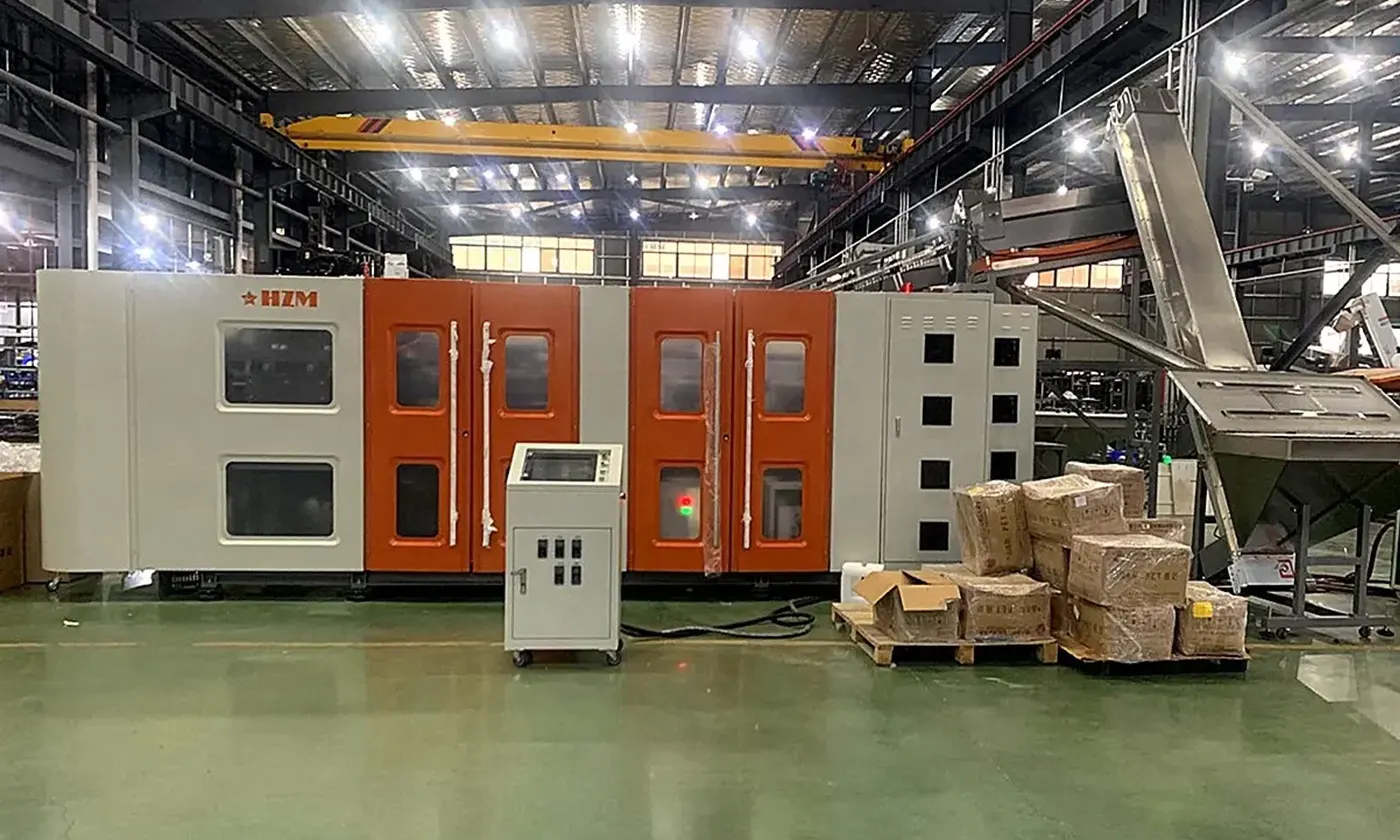
Equipment
Automatic PET Stretch Blow Molding Machine
Automatic PET stretch blow moulding with 2, 4 or 6 cavities and HZM-ECO model capacities of 1,800–7,000 bottles/hour.
Learn more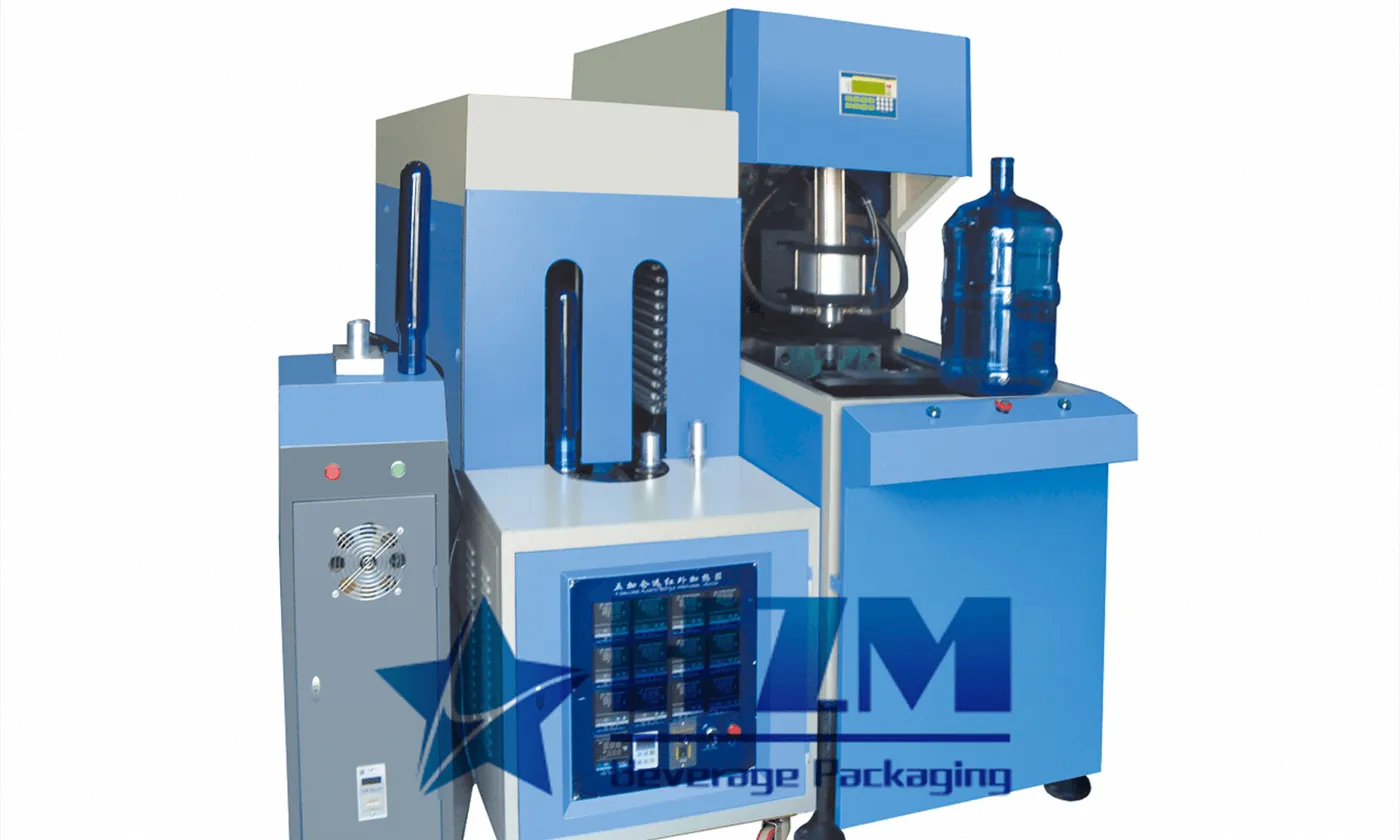
Equipment
5 Gallon Bottle Blow Molding Machine
This blow moulding machine produces large PET water bottles, including 5-gallon containers.
Learn more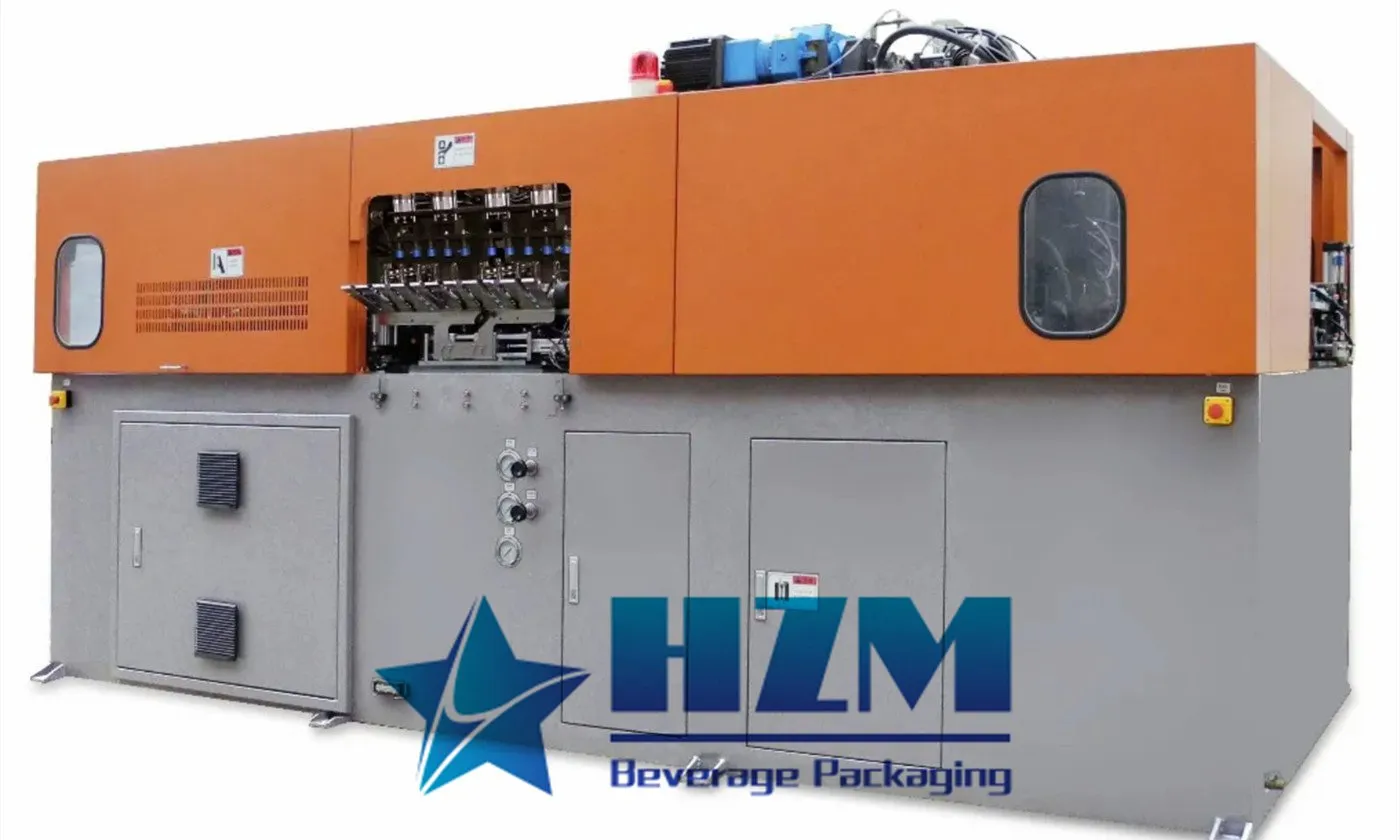
Equipment
Full Electric Servo Type Blow Molding Machine
Full-electric servo PET blow moulding with 4, 6, 9 or 10 cavities and capacities of 5,400–13,000 bottles/hour at 500 ml.
Learn more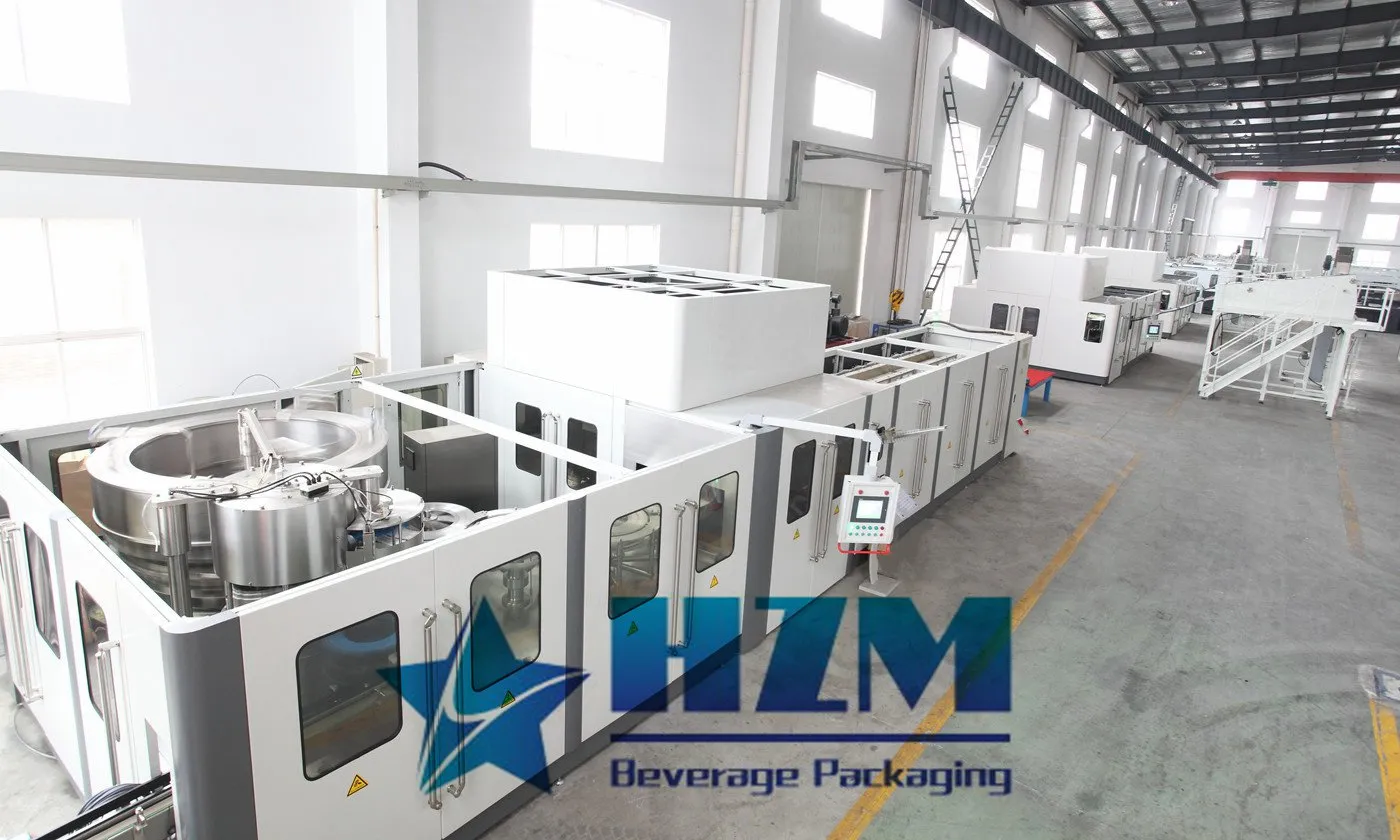
Equipment
Blowing-Filling-Capping Machine
A PET combiblock that combines preform heating, bottle blowing, filling and capping at 12,000–48,000 bottles/hour at 500 ml.
Learn more
Equipment
Plastic Bottle Blowing Machine, making machine
PET bottle making for drinking water, beverages and liquid packaging, with automatic preform heating and stretch blowing.
Learn more2023-06-09
Solutions for Blow Molding Plastic Bottles
This article will discuss the price, HZM manufacturer, functions, applicable industries, solutions, procurement considerations, and maintenance techniques related to blow molding machines.
Learn more2023-06-07
How Much Does a Blow Molding Machine Cost?
we will explore the various factors that influence the cost of a blow molding machine and provide insights into the pricing range.
Learn more2023-06-08
how does a blow molding machine work
How Does a Blow Molding Machine Work? Exploring the Process with HZM Blow Molding Machine Manufacturer
Learn more2024-01-28
PET Blow Molding Machine Principles and Process
Currently, most blow molding machines employ a two-step method, requiring the conversion of plastic raw materials into preforms before the actual blowing process. The commonly used material is environmentally friendly PET (Polyethylene Terephthalate) plastic, collectively referred to as PET blow molding machines.
Learn more
2023-08-01
Common Failures and Solutions of Plastic Blow Molding Machine
During the operation of the plastic blow molding machine, some irregular vibrations of the machine body can lead to significant noise. Additionally, certain guide wheels rolling on the cam's outer track and groove may produce substantial noise due to impact.
Learn more2024-02-04
Plastic Bottle Blow Molding Machine Price
Plastic bottle blow molding machine is an important equipment for plastic bottle production, and its price is affected by many factors. This article will introduce the factors affecting the price of plastic bottle blow molding machine, the price of HZM Machinery plastic bottle blow molding machine, and the precautions for purchasing plastic bottle blow molding […]
Learn more